Discover the best viewpoints in Iceland that offer breathtaking panoramas of glaciers, volcanoes, waterfalls, and rugged coastlines. Let this guide take you through the island’s most awe-inspiring landscapes that make Iceland a legendary destination.
Iceland’s viewpoints are nothing short of extraordinary, offering some of the most dramatic vistas in the world. From the jagged peaks of Vestrahorn Mountain to the calm, icy waters of Jokulsarlon Glacier Lagoon, each spot reveals the country’s natural diversity.
Why You Can Trust Our Content
Guide to Iceland is the most trusted travel platform in Iceland, helping millions of visitors each year. All our content is written and reviewed by local experts who are deeply familiar with Iceland. You can count on us for accurate, up-to-date, and trustworthy travel advice.
Many of Iceland’s viewpoints are easily accessible by car, making them ideal for self-drive adventures. Some viewpoints are even better experienced through curated tours and vacation packages, led by local experts who will take you to the best views in Iceland, with stories to tell and secret tips on how to get the perfect photo.
This guide highlights the must-visit viewpoints so you won’t miss a single cinematic vista along the way. Each spot reveals a different side of Iceland’s wild, untamed landscape. Read on to discover which viewpoints in Iceland should top your bucket list.
Key Takeaways
-
Iceland’s viewpoints offer sweeping views of glaciers, volcanoes, coastlines, and waterfalls, ideal for photography, weddings, or any special occasion.
-
Top spots include Kirkjufell, Jokulsarlon, Gullfoss, Vestrahorn, Landmannalaugar, and more. Each one offers distinct scenery and seasonal highlights.
-
Popular viewpoints are often part of broader tour routes, like the Golden Circle, Ring Road, Highlands, and Snaefellsnes Peninsula itineraries.
-
Accessibility changes with the seasons, especially in highland and remote regions, so plan ahead for road conditions, daylight hours, and tour availability.
-
Staying in nearby accommodations or scenic campsites puts you closer to the best views in Iceland and allows more time for sunrise and sunset visits.
13. Bolafjall Viewing Platform (Westfjords)
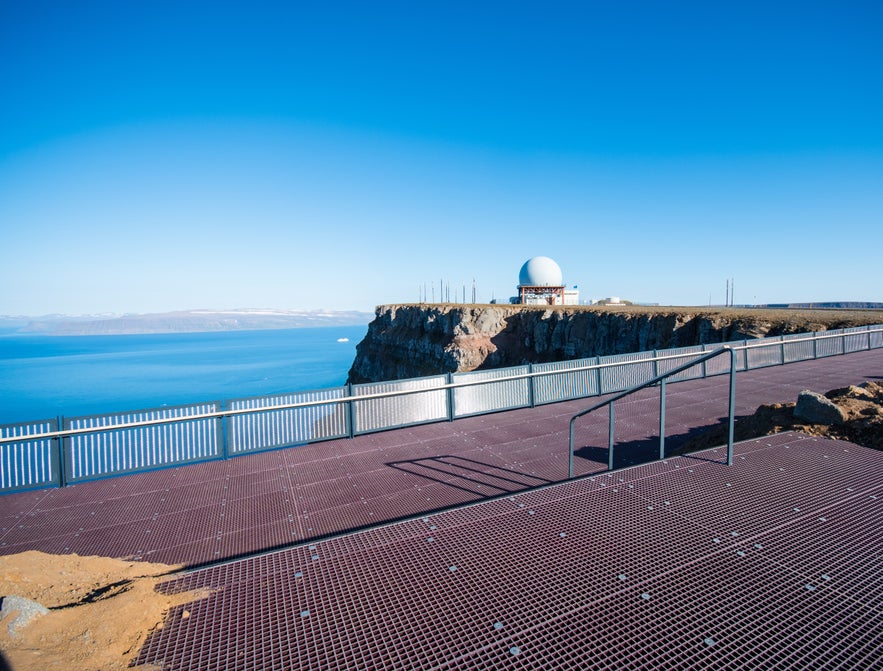 Bolafjall Mountain Peak offers one of the most breathtaking viewpoints in the Westfjords, with a skywalk platform perched 640 meters above sea level. From the top, you’ll get sweeping views of Isafjordur, jagged fjords, and the Arctic Ocean stretching to the horizon.
The mountain road to Bolafjall opens in summer, just outside the town of Bolungarvik. It’s an easy detour on a self-drive tour through Iceland’s Ring Road and the Westfjords. You can drive up the steep mountain road or hike to the summit for a more active experience. The platform’s elevation and location offer one of the best views in Iceland.
12. Dyrholaey Cliff and Sea Arch (South Iceland)
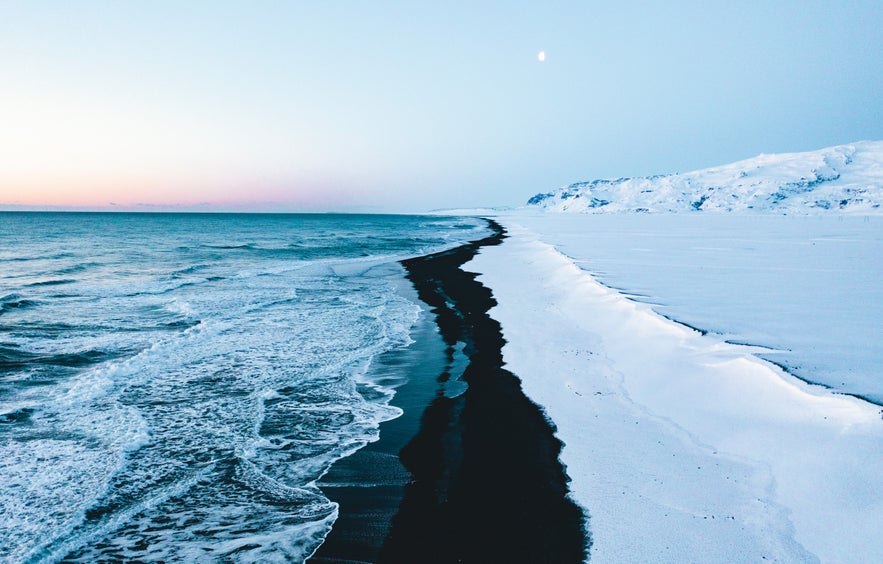 Dyrholaey is a coastal viewpoint near the village of Vik that offers sweeping views over Iceland’s southern shoreline. Situated atop a 120-meter-high promontory, it overlooks the roaring Atlantic Ocean, the Reynisdrangar Sea Stacks, and the endless stretch of black sand beaches below.
Dyrholaey is a stop on many South Coast tours, often combined with visits to nearby waterfalls and glacier views. On clear days, you can even spot Myrdalsjokull Glacier in the distance, adding a glacial backdrop to the already cinematic scene. Just beneath the cliffs lies Reynisfjara Beach, famous for its basalt columns and moody seascapes.
11. Skaftafell Glacier (South Iceland)
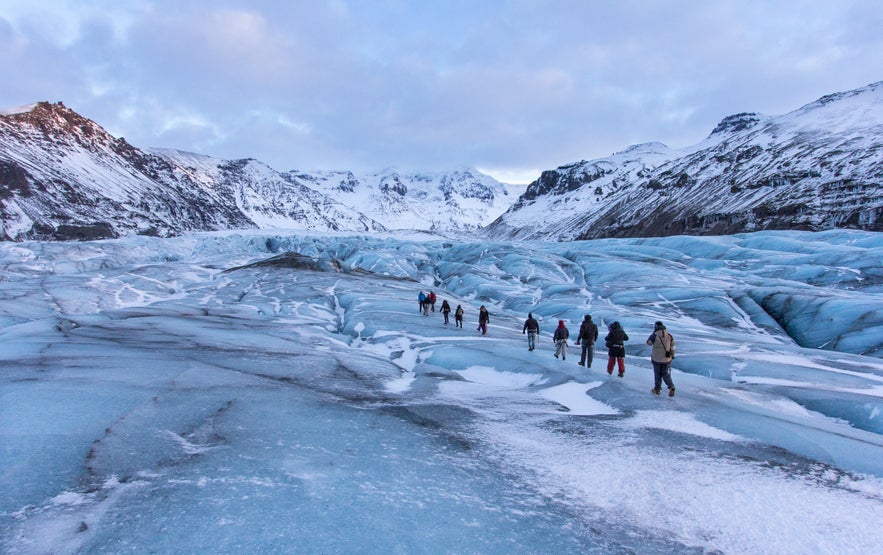 Skaftafell Glacier in Vatnajokull National Park is a hiker’s paradise, home to some of the best views in Iceland across glaciers, valleys, and jagged peaks. Take the trail to Sjonarnipa Viewpoint to experience a stunning view over Skaftafellsjokull Glacier outlet, where blue ice meets black sand.
With a range of Skaftafell tours available, it’s easy to explore the area, whether you prefer a guided glacier hike or a scenic walk to lookout points. The trails are well-marked and vary in difficulty, making this a top destination in Iceland for both casual walkers and avid trekkers.
10. Valahnukur Ridge in Thorsmork (Highlands)
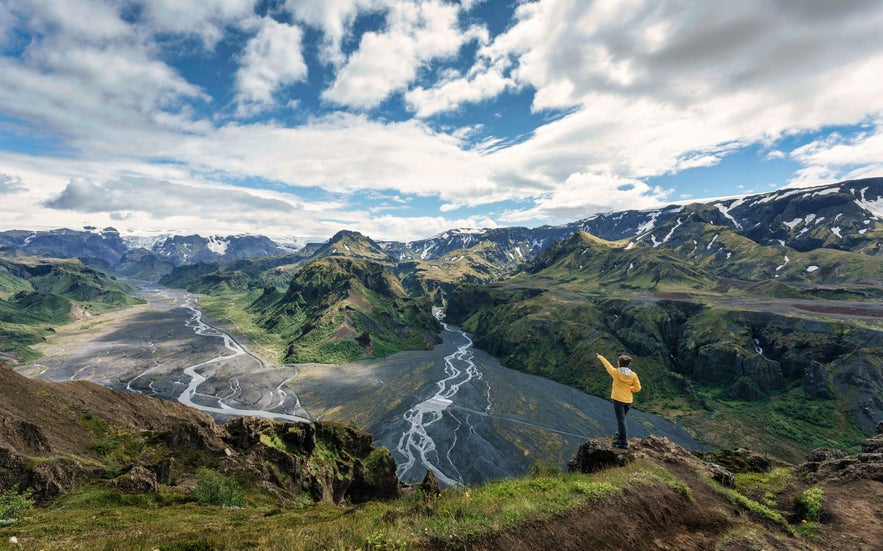 Valahnukur Viewpoint in Thorsmork offers one of the most breathtaking views in Iceland’s Highlands. After a short but steep hike, you’ll reach a ridge that overlooks glacial rivers, volcanoes, and deep green valleys carved by centuries of ice and water. Its sweeping 360-degree panorama makes it one of the best viewpoints in Iceland for hikers.
The viewpoint offers a full-circle panorama of Eyjafjallajokull, Myrdalsjokull, and the surrounding mountains. Thorsmork is accessible by 4-wheel drive vehicles, and it’s also the endpoint of multi-day treks like the scenic 5-day hiking route from Landmannalaugar, making it a rewarding finish for adventurous hikers.
In summer, you can also reach Thorsmork through direct transfers from South Coast locations. You can park your car in Hvolsvollur and take a one-way highland bus transfer to the valley. If you’re coming from Hella, there is also a bus transfer to Thorsmork.
9. Snaefellsjokull Glacier (West Iceland)
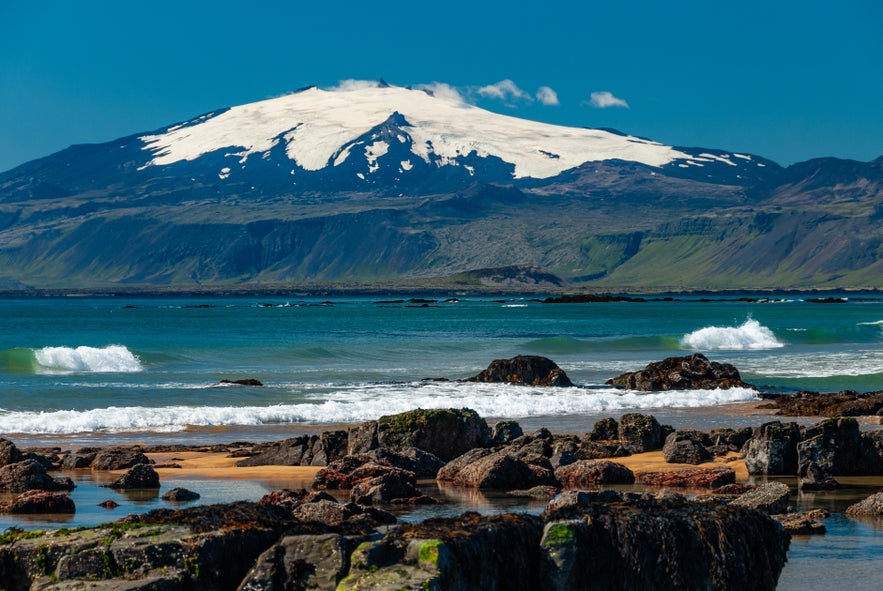 Snaefellsjokull is a glacier-capped stratovolcano that dominates the western tip of the Snaefellsnes Peninsula. Known for its otherworldly beauty and ties to Icelandic folklore, this iconic peak has inspired writers, artists, and adventurers alike. On clear days, it’s visible from across the bay in Reykjavik.
Hiking the trails around Snaefellsjokull reveals a dramatic landscape shaped by fire and ice. You’ll pass black lava fields, cratered plains, and cliffs that plunge into the Atlantic. The panoramic views stretch across the peninsula, offering glimpses of distant mountains, coastal lowlands, and the shimmering glacier itself.
8. Hverfjall Crater (North Iceland)
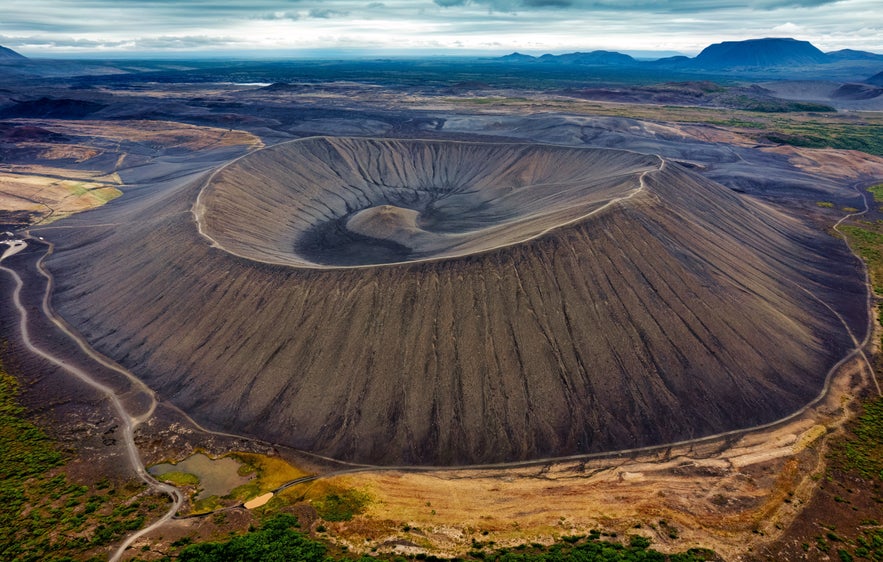 Hverfjall is a massive volcanic crater near Lake Myvatn, offering an unforgettable 360-degree view of the surrounding area. Formed by an explosive eruption, it rises 140 meters (459 feet) above the landscape, providing an excellent vantage point.
Hiking to the summit of Hverfjall during sunrise is especially rewarding, as golden light spills over Lake Myvatn, Krafla Volcano, and the steaming geothermal terrain. The easy trail and open views make it a perfect spot for early risers seeking a striking panorama and peaceful solitude.
7. Landmannalaugar Rhyolite Mountains (Highlands)
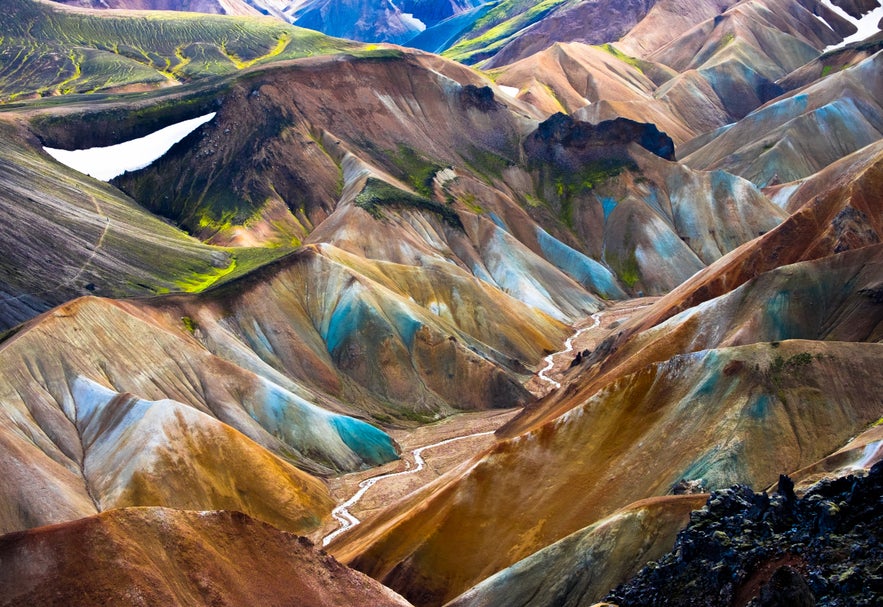 Landmannalaugar is a stunning geothermal wonderland in the Icelandic Highlands, known for its vibrant rhyolite mountains, hot springs, and rugged terrain. It offers one of the best views in Iceland, with dramatic hues of red, blue, yellow, and green contrasting against the stark volcanic landscape.
Joining Landmannalaugar tours lets you hike parts of the Laugavegur Trail or cross the rugged Laugahraun Lava Field. Afterward, relax in the area's natural hot springs and take in the colorful rhyolite scenery. You can also explore Landmannalaugar by jeep for easier access to remote trails and sweeping views.
6. Fjadrargljufur Canyon (South Iceland)
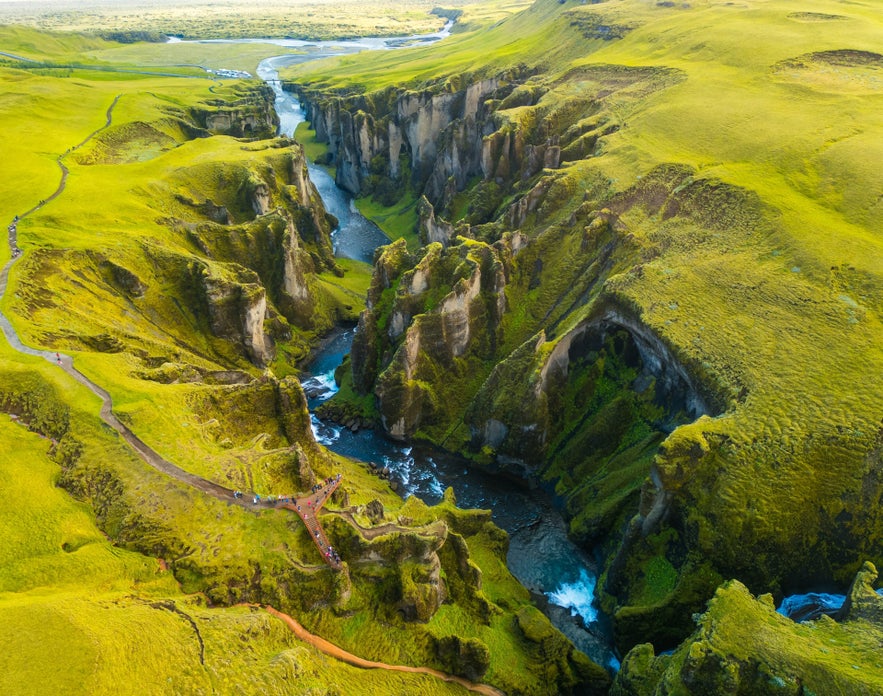 Fjadrargljufur Canyon is a breathtaking, moss-covered canyon located in southeastern Iceland. Formed by glacial meltwater, the canyon stretches 1.2 miles (2 kilometers) long and is up to 100 meters (328 feet) deep, offering some of the best views in Iceland, including small waterfalls, mossy cliffs, and the river below.
Walk along the rim for sweeping photo opportunities or descend into the canyon for a closer look at its volcanic layers. Many experience it on a jeep adventure to Fjadrargljufur Canyon, pairing their visit with the nearby Lakagigar Craters.
5. Kirkjufell Mountain (West Iceland)
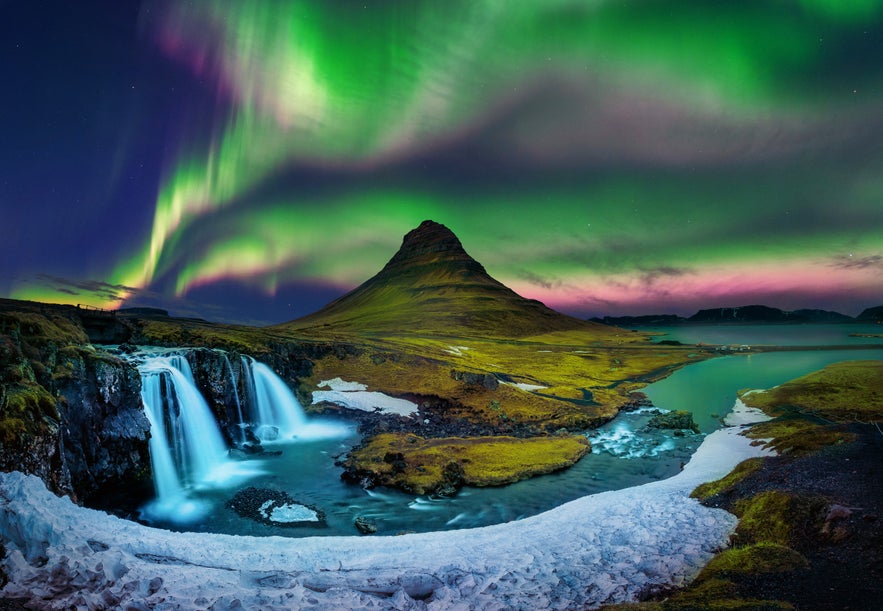 Kirkjufell is one of Iceland’s most iconic mountains, known for its unique, pyramid-like shape. Located near the town of Grundarfjordur, it’s surrounded by waterfalls and lush greenery, making it an ideal spot for photography. Its dramatic silhouette reflected in nearby pools makes it one of the best viewpoints in Iceland for landscape and aurora photography.
You can visit Kirkjufell on a day trip to the Snaefellsnes Peninsula. It’s also one of the key stops on a multi-day self-drive adventure of the Ring Road and around the peninsula. For the best photos, visit near sunset or after rainfall, when Kirkjufell reflects in the calm pools around Kirkjufellsfoss Waterfall.
4. Gullfoss Waterfall (South Iceland)
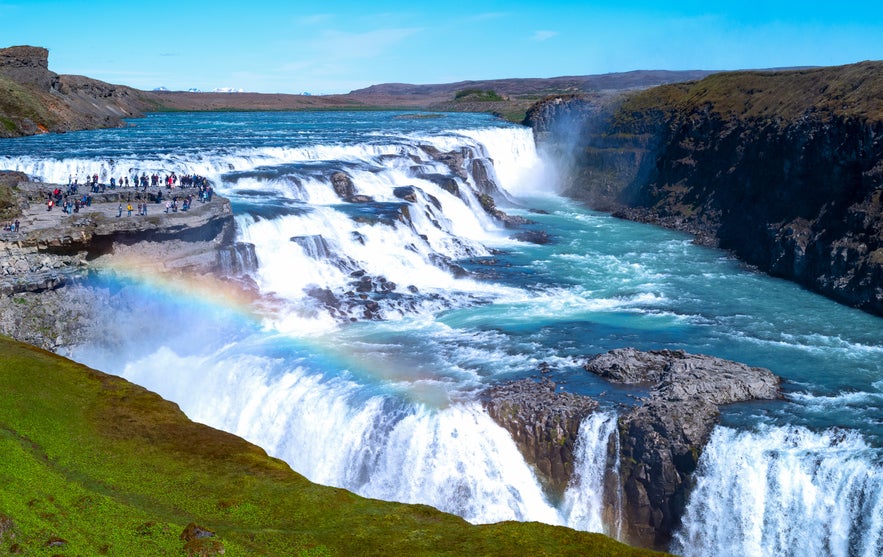 Gullfoss is one of Iceland’s most famous waterfalls, located along the Golden Circle. It drops 32 meters (105 feet) in two stages, creating a mist that often forms rainbows on sunny days. The surrounding canyon adds to the waterfall's awe-inspiring beauty.
Gullfoss is one of the key destinations on a day trip around the Golden Circle from Reykjavik. Explore walking paths that lead to various viewpoints, or take a short hike to feel the spray up close. During winter, Gullfoss takes on a frozen beauty, with ice formations adding to the dramatic scenery.
3. Thingvellir National Park (South Iceland)
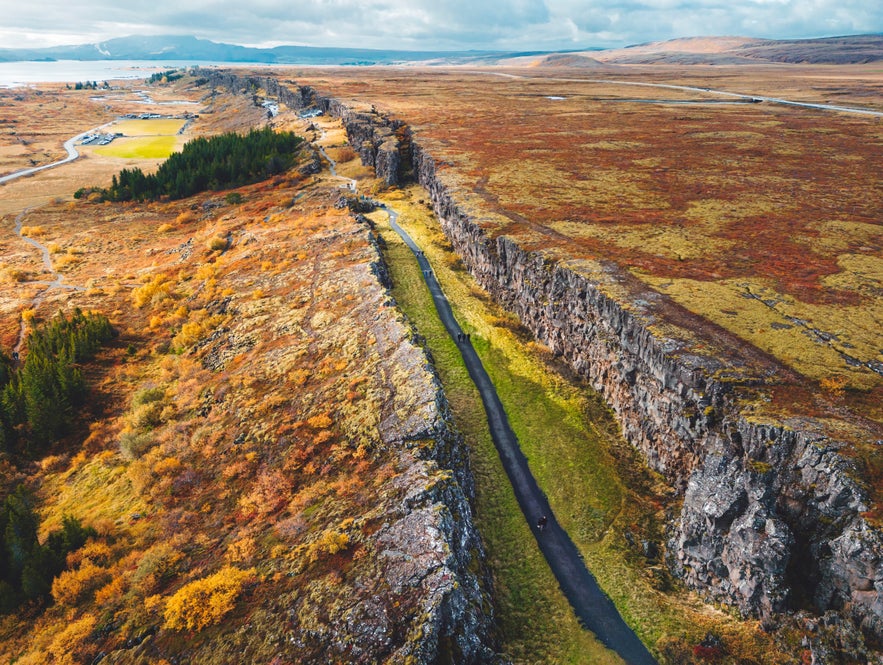 Thingvellir National Park is a UNESCO World Heritage site and a key stop on all Golden Circle tours. It’s known for its geological significance, where the Eurasian and North American tectonic plates meet, creating expansive views of the rift valley and crystal-clear waters.
In the park, you can walk through Almannagja Gorge, visit Thingvallavatn Lake, or snorkel in Silfra Fissure. There are also plenty of hiking trails, scenic lookouts, and opportunities for wildlife spotting. For a unique experience, you can also take the Golden Circle tour with horseback riding included.
2. Jokulsarlon Glacier Lagoon (South Iceland)
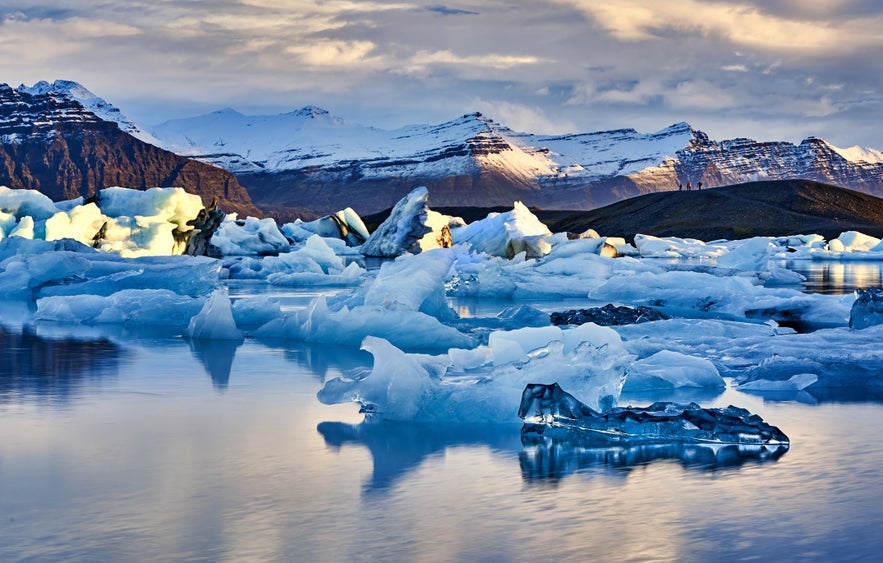 Jokulsarlon Glacier Lagoon is one of Iceland’s most surreal and awe-inspiring sights, often visited on glacier lagoon tours along the South Coast. The lagoon is filled with floating icebergs that reflect shifting light, creating an unforgettable, ever-changing scene.
Take a boat ride to Jokulsarlon Glacier Lagoon and get up close to the ice, or stroll along the shoreline for peaceful views of the drifting bergs. Nearby, Diamond Beach presents a striking contrast, with glistening ice chunks resting on the black volcanic sand.
1. Vestrahorn Mountain (South Iceland)
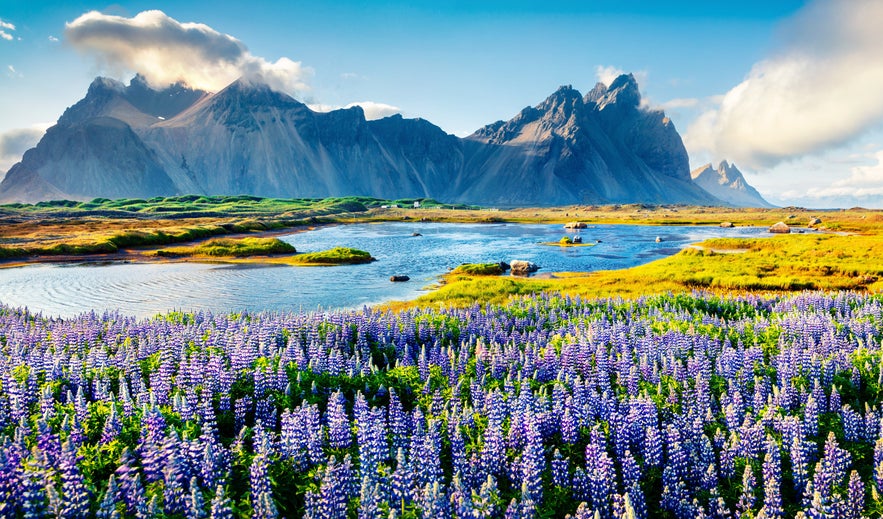
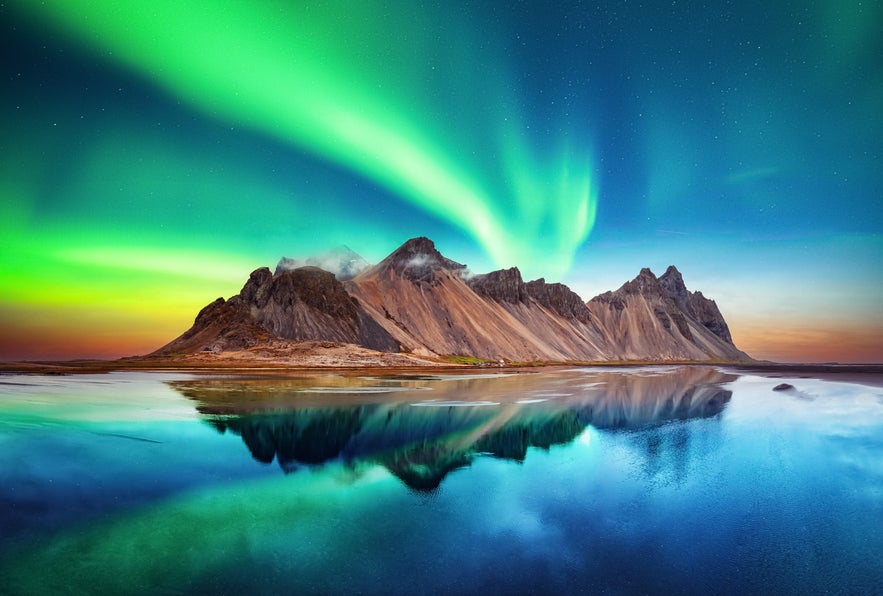 Vestrahorn Mountain is a scenic mountain range in Iceland, located on the southeastern coast. The jagged peaks rise majestically above the black sand beaches, offering incredible views of the rugged landscape. This striking coastal backdrop is one of the most photogenic viewpoints in Iceland, especially at sunrise or when the mountains reflect in the tidal flats.
The mountain is often visited on self-drive tours in Iceland. At the base of the mountain lies Stokksnes, where you’ll find the best viewpoints of Vestrahorn, featuring dramatic contrasts between steep peaks and windswept sand.
- See also: Top Destinations in Iceland
- Find out more about: Top Attractions in Iceland
Best Time To Visit the Best Viewpoints in Iceland
Iceland's viewpoints offer breathtaking sights year-round. However, the best time to visit depends on your preferences for weather, activities, and crowds. Here’s a guide to help you plan your trip around the most striking and unforgettable landscapes.
Summer (June to August) – Perfect for Hiking and Long Days
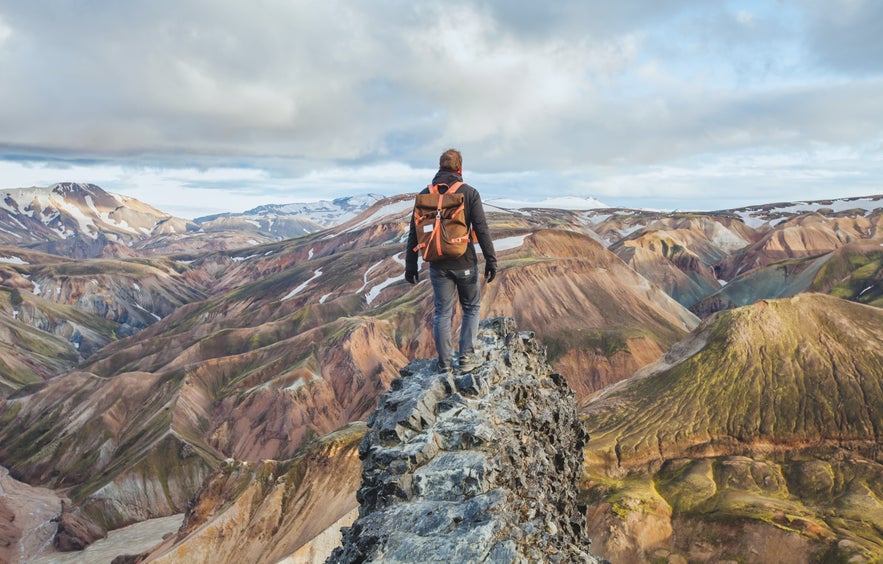 Summer in Iceland offers the longest daylight hours, making it ideal for hiking and outdoor exploration. Popular viewpoints like Landmannalaugar in the Highlands are fully accessible, and the weather is milder. You can hike the Laugavegur Trail or take in panoramic views in Thorsmork, with long daylight hours giving you plenty of time to explore.
For sweeping coastal views and vivid sunset colors, Dyrholaey is especially stunning in summer, when the cliffs are bathed in golden light and puffins nest along the edges. Summer is also the best time to explore Snaefellsjokull Glacier with full access to highland roads and trails.
Fall (September to October) – Fewer Crowds and Vibrant Colors
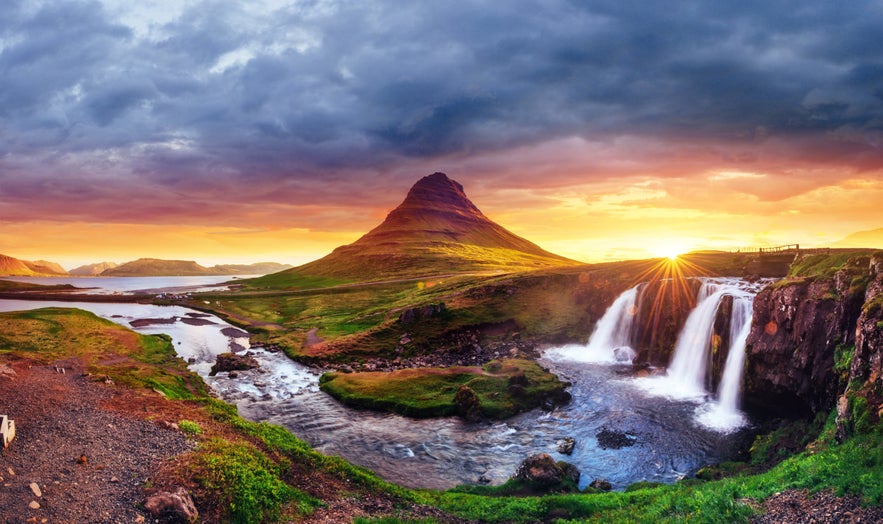 Fall in Iceland is a quieter time to visit, with fewer tourists around. The fall foliage adds color to volcanic landscapes, especially around the iconic Kirkjufell Mountain, making it a great time for photographers. Thingvellir National Park also bursts into golden tones, with birch trees and lava plains glowing under low autumn light.
Take advantage of the autumn light by visiting Jokulsarlon or Snaefellsjokull for northern lights viewing. Fjadrargljufur Canyon is also breathtaking in fall, when soft golden light enhances the mossy cliffs and layered rock formations along the winding river.
Winter (November to February) – Snow-Covered Beauty and Solitude
 Winter in Iceland brings a unique charm to Iceland’s viewpoints, with snow and ice transforming landscapes like Gullfoss and Fjadrargljufur Canyon into frozen wonders. While daylight hours are limited, winter offers a serene experience with fewer crowds. Be prepared for icy conditions, especially on highland roads.
For photographers, winter is ideal for capturing frost-covered waterfalls and snow-capped volcanic peaks, such as Vestrahorn. Thingvellir National Park takes on a tranquil, frosted beauty, and Hverfjall Crater becomes especially striking when dusted with snow under the low Arctic light.
Spring (March to May) – Quiet with Blossoming Nature
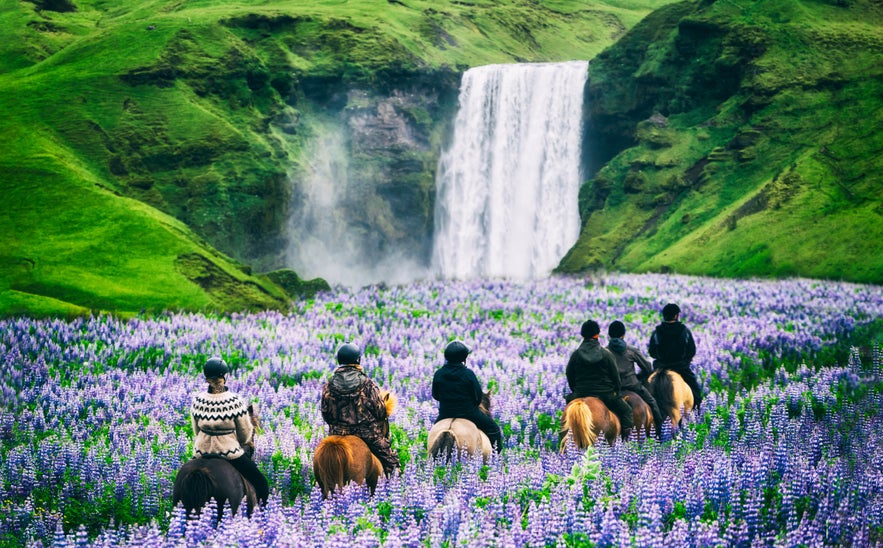 Spring in Iceland is an excellent time to enjoy Iceland’s beauty as it awakens. While some areas still have snow, the longer days and milder temperatures make it a great season for visiting Snaefellsjokull National Park or Kirkjufell. Nature begins to bloom, and you’ll see puffins returning to Reynisfjara Beach.
Viewpoints like Valahnukur become more accessible as the snow clears, offering early-season hikers stunning panoramas without the crowds. Skaftafell is also a rewarding spring stop, with hiking trails gradually opening up to reveal glacier vistas and blooming lowland scenery.
- Read more: Best Time To Visit Iceland
- See also: Iceland's Weather, Climate, and Temperature Year-Round
How To Visit Iceland’s Top Viewpoints
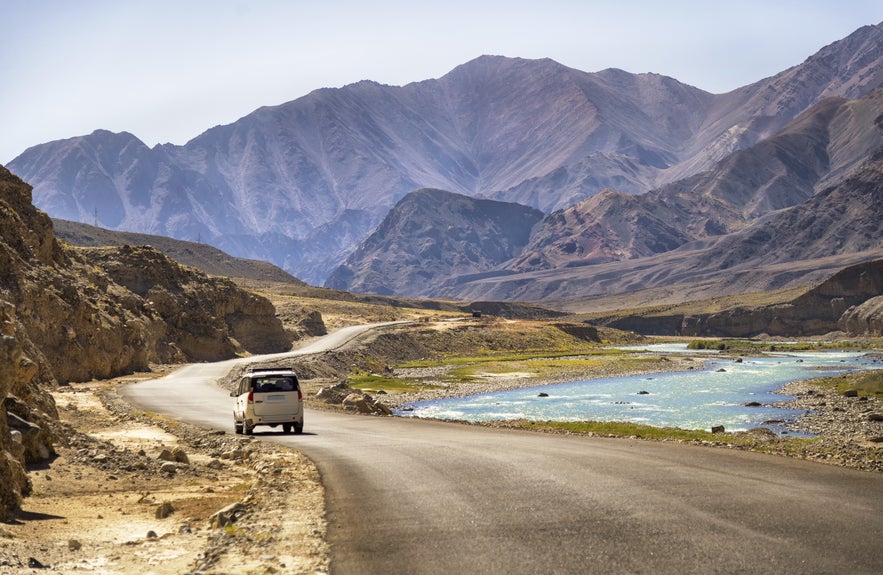 The best way to experience the most breathtaking viewpoints in Iceland depends on how you like to travel. Renting a car gives you the freedom to stop wherever the views are best
For a more structured approach, guided day tours, multi-day trips, and vacation packages offer seamless access to top spots with no planning required. Each option lets you explore Iceland’s landscapes from their most awe-inspiring angles.
Self-Drive Tours
Self-drive tours offer pre-planned routes that lead you to some of the best views in Iceland. They include accommodations and highlight stops, so you can enjoy the country’s most scenic drives without worrying about logistics. Here are some top routes for reaching Iceland’s best panoramic spots.
-
1-Week Summer Ring Road & Golden Circle: Circle Iceland’s most iconic sights, including Jokulsarlon Glacier Lagoon and Gullfoss Waterfall, with full flexibility.
-
6-Day Golden Circle, Blue Lagoon, and Glacier Trip: Visit Thingvellir, Gullfoss, and Jokulsarlon with scenic driving days and optional hikes to viewpoints like Skogafoss.
-
7-Day West and South Coast with Glaciers: Combine the cliffs of Reynisfjara and peaks of Kirkjufell with glacier stops and canyon lookouts.
-
1-Week Northern Lights and Ice Cave Tour: Drive to wintery landmarks like Gullfoss and Vik and explore ice caves near top scenic backdrops like Skaftafell.
Guided Multi-Day Tours
Guided multi-day tours take the pressure off planning and bring you straight to Iceland’s most elevated outlooks. With local expertise, you’ll reach viewpoints that are easy to miss on your own. Here are some top options to add to your itinerary.
-
2-Day Snaefellsnes and Northern Lights Tour: Discover panoramic views around Kirkjufell and the Snaefellsjokull Glacier, with a chance to spot the aurora.
-
3-Day Golden Circle, South Coast, and Ice Cave: Experience Gullfoss, Skogafoss, and Jokulsarlon up close, with glacier exploration and waterfall views in winter.
-
6-Day Ring Road Small Group Tour: See Iceland’s best landscapes like Dettifoss, Myvatn, and Jokulsarlon, plus hidden stops most visitors miss.
-
7-Day Complete Ring Road and Snaefellsnes: Explore both the South Coast and West Iceland, including viewpoints like Vestrahorn and Kirkjufell.
Day Tours
If you're short on time, day tours offer a convenient way to see Iceland’s most impressive viewpoints, complete with expert commentary and easy departures. Here are some day trips that provide front-row views of Iceland’s famous landscapes.
-
Snaefellsnes Peninsula Minibus Tour: Witness dramatic coastlines and get sweeping views of Kirkjufell and Snaefellsjokull National Park.
-
South Coast Waterfalls and Glaciers Tour: Visit top spots like Skogafoss, Reynisfjara Beach, and view glaciers and black sand vistas from elevated stops.
-
Golden Circle & Blue Lagoon Transfer: Combine the major Golden Circle highlights, including Gullfoss and Thingvellir’s rift valley lookouts.
-
Northern Lights and Golden Circle Tour: Enjoy views of key attractions like Gullfoss and Thingvellir by day, then chase the northern lights across vast open skies.
Vacation Packages
Vacation packages offer customizable options for hotels, transport, and guided experiences, making it easy to explore Iceland’s viewpoints without the hassle of planning. Here are some of the best options to consider.
-
4-Day Winter Lights with Golden Circle and South Coast: Discover Iceland’s winter scenery with elevated viewpoints, icy backdrops, and a chance to spot the northern lights.
-
7-Day Customizable Summer Highlights Package: Experience diverse viewpoints across Iceland with all travel and lodging arranged for a smooth, scenic journey.
-
8-Day Ring Road and Reykjavik Adventure: Follow a well-paced itinerary that covers volcanic ridges, panoramic trails, and dramatic natural settings across Iceland.
-
10-Day Ring Road and Snaefellsnes Summer Combo: Enjoy a mix of guided excursions and flexible days while exploring coastal lookouts, waterfalls, and glacial landscapes.
Reykjavik-Based Viewpoint Experiences
You don’t need to leave the capital to get a feel for Iceland’s epic landscapes. There are immersive experiences in Reykjavik, perfect for travelers short on time, those with limited mobility, or anyone who isn’t planning a road trip. Here are some top options to level up your itinerary without leaving the city.
-
FlyOver Iceland Experience in Reykjavik: Glide over Iceland’s waterfalls, fjords, and volcanoes in a motion-simulated flight with wind, mist, and scent effects.
-
Amazing 50-Minute Lava Show in Reykjavik: Watch real molten lava flow up close in a thrilling indoor show that recreates a volcanic eruption.
-
Admission to the Perlan Museum in Reykjavik: Explore glaciers, volcanoes, and tectonic forces through interactive displays and a walk-through ice cave.
-
Entry to the Aurora Reykjavik Northern Lights Center: Discover the magic of the aurora through interactive exhibits, real-time footage, and northern lights photography.
- Read more: Ultimate Guide to Road Trips in Iceland
- Find out the: Best Advice for Renting a Car in Iceland
Where To Stay for Easy Access to Iceland’s Viewpoints
Staying in the right accommodations in Iceland can put you steps away from sunrise at a canyon rim or a glacier lagoon at golden hour. Here are some of the best areas to stay for easy access to the best viewpoints in Iceland.
Reykjavik – Gateway to the Golden Circle and Beyond
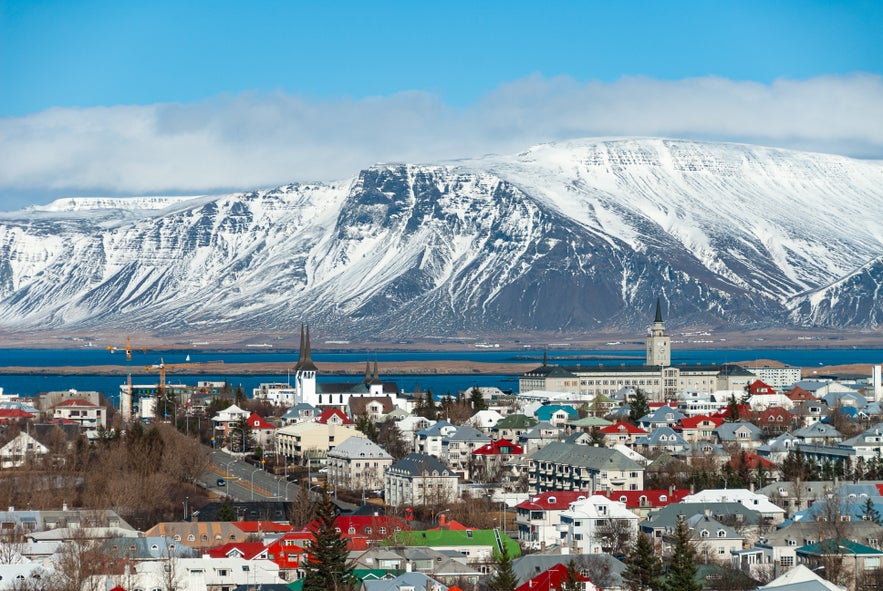 As Iceland’s capital, Reykjavik is an ideal starting point for visiting the Golden Circle and nearby viewpoints. You'll find a wide variety of accommodations in Reykjavik, from luxury hotels to cozy guesthouses, all within easy reach of top sights.
The best hotels in Reykjavik offer excellent amenities, central locations, and easy access to day tours heading out to Thingvellir, Gullfoss, and beyond. For those planning to stay closer to the route, the top hotels in the Golden Circle offer quicker access to some of the best views in Iceland.
Vik – Best for South Coast Waterfalls and Black Sand Beaches
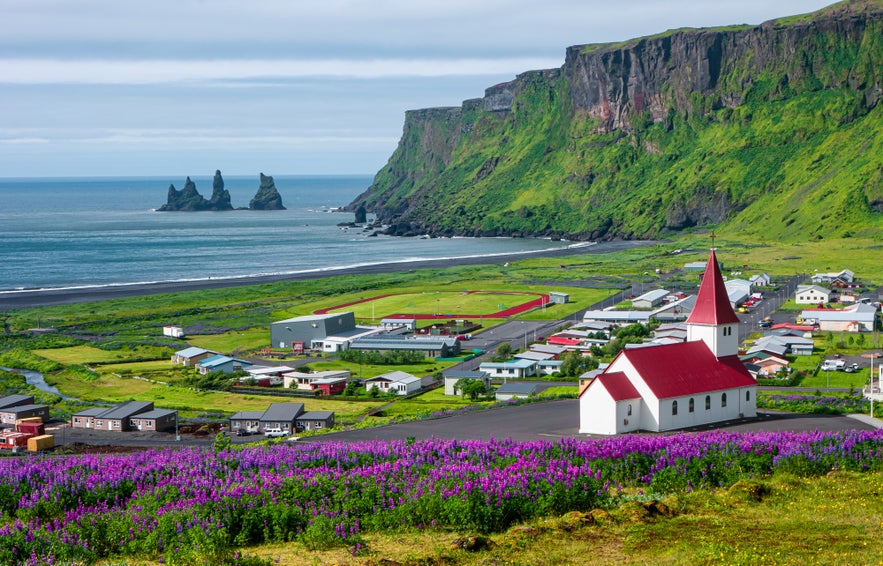 Vik is a convenient base for exploring the South Coast, offering easy access to iconic viewpoints such as Dyrholaey, Fjadrargljufur Canyon, and Skogafoss. Its central location makes it ideal for travelers looking to combine coastal landscapes with waterfalls and cliffside views.
You’ll find a good range of accommodations in Vik, including hotels, guesthouses, and eco-lodges. Staying here puts you close to black sand beaches, sea stacks, and scenic viewpoints, with local dining and shops adding to the village’s charm.
Hofn – Perfect Base for Exploring Iceland’s Southern Wonders
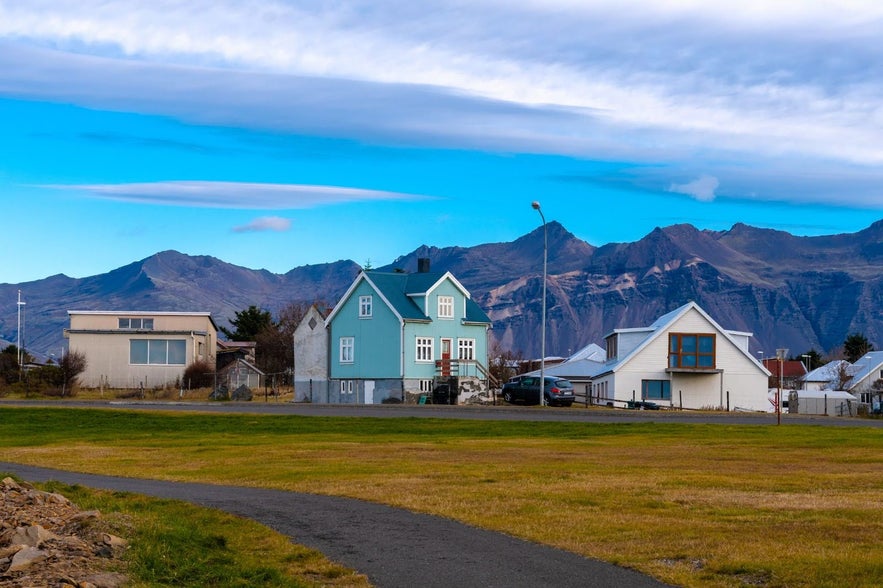 Hofn is a strategic base for visiting southern glaciers and viewpoints, with easy access to Jokulsarlon Glacier Lagoon, Vatnajokull National Park, Vestrahorn Mountain, and nearby hiking trails. It’s an excellent stop for those exploring Iceland’s southeast by car or on a longer itinerary.
There are several hotels in Hofn, along with guesthouses and locally run inns that cater to all travel styles. Staying here means you can explore glacier edges, coastal viewpoints, and scenic lagoons without the rush of long day trips.
Akureyri – Perfect for North Iceland’s Viewpoints
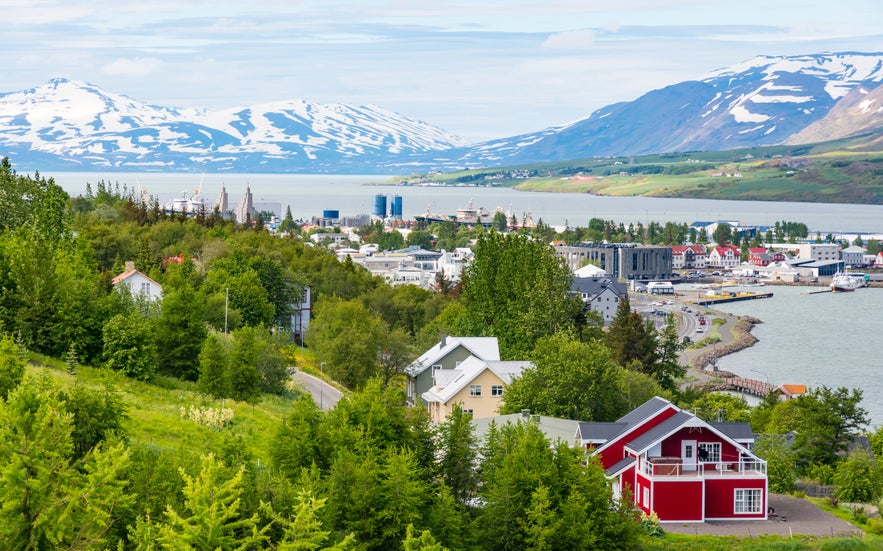 Akureyri is another gateway to experiencing some of the best views in Iceland, including like Lake Myvatn, Dettifoss, and Hverfjall Crater. You can find a range of accommodations in Akureyri, from boutique hotels to larger resorts, all within easy reach of major sights in North Iceland.
From here, you can easily access natural wonders like Husavik for whale watching and take in the volcanic landscapes surrounding the luxurious Earth Lagoon. The town itself has a charming atmosphere, with plenty of cafes and shops, making it a great base for exploring Northern Iceland.
Snaefellsnes Peninsula – A Hidden Gem for Glacier and Coastal Views
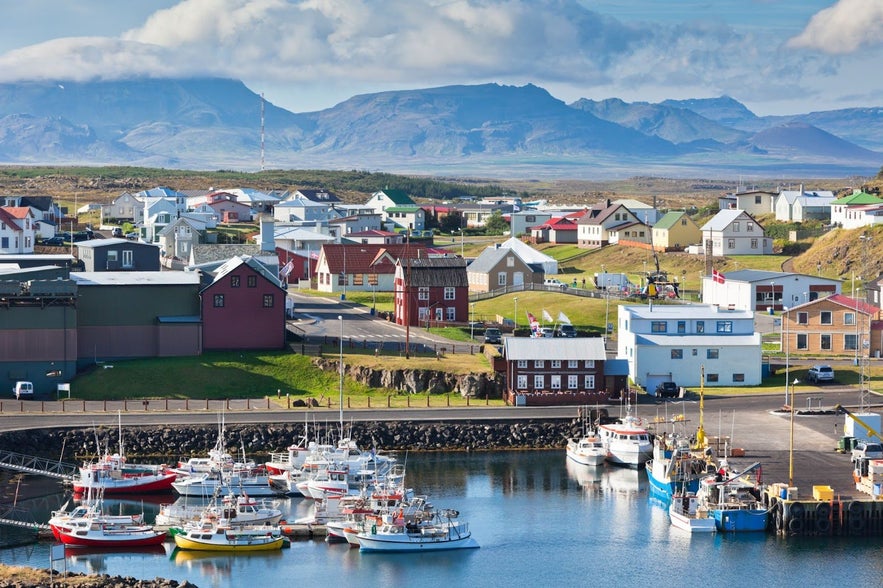 For those visiting Snaefellsjokull National Park and its iconic glacier, staying on the Snaefellsnes Peninsula is the best option. The area is known for its rugged landscapes, volcanic craters, and coastal views, including spots like Djupalonssandur Beach and Kirkjufell.
There are plenty of great places to stay in Snaefellsnes, from cozy guesthouses to peaceful farm stays. Staying on the peninsula puts you close to glacier trails, seaside cliffs, and charming villages like Arnarstapi and Hellnar.
Isafjordur – A Remote Escape to Westfjords Views
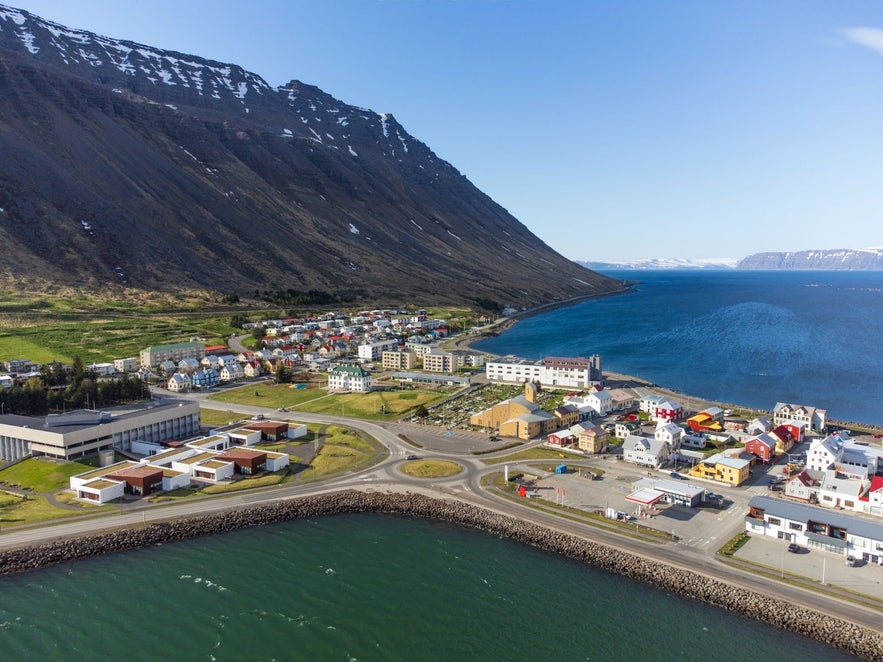 Isafjordur is the ideal base for exploring the Westfjords’ viewpoints, including the Bolafjall Viewing Platform, which offers sweeping views of the Arctic Ocean. The region is renowned for its stunning fjords, dramatic cliffs, and serene landscapes, including Dynjandi Waterfall and the Latrabjarg Seabird Cliffs.
Isafjordur offers a range of accommodations, from family-run guesthouses to boutique hotels with fjord views. With this historic fishing town as your base, you’ll have access to some of the best views in Iceland, showcasing the raw, remote beauty that defines the Westfjords.
- Read more: Regional Guide to the Best Stays in Iceland
Camping Near Iceland’s Viewpoints
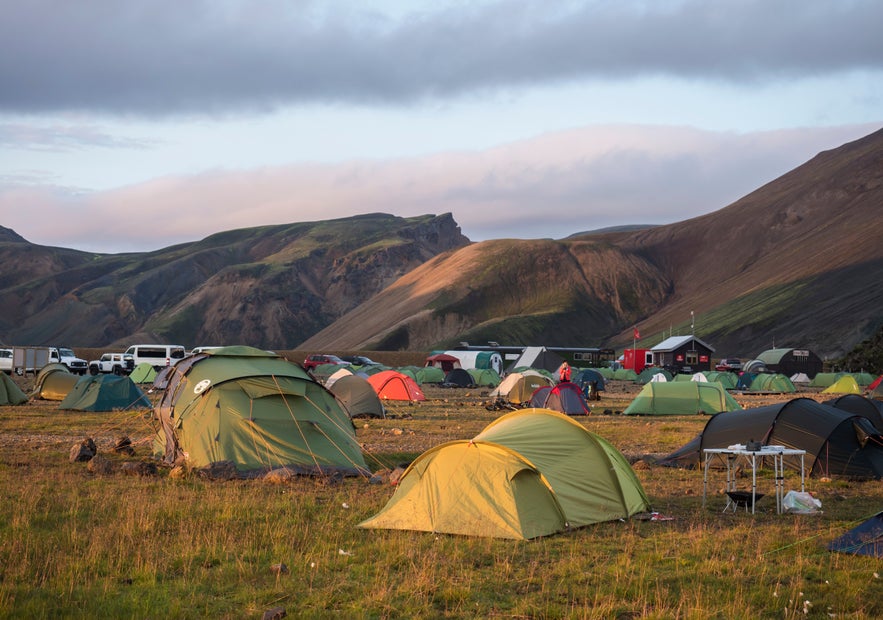 Camping in Iceland is one of the best ways to stay close to the country’s must-see landscapes. Many top viewpoints in Iceland, including areas near Jokulsarlon, Skaftafell, and Thingvellir, have designated campsites nearby. Wild camping is prohibited in protected areas, so always use registered sites.
For a flexible and affordable trip when visiting the island’s various viewpoints, consider purchasing the Iceland Camping Card, which grants access to over 40 registered campsites across the country. Most sites include basic amenities like toilets, showers, and cooking facilities. Some offer extra comforts such as laundry and power hookups.
Camping equipment rentals are widely available in Reykjavik and along the Ring Road, including tents, cooking gear, and sleeping bags. Stock up on food at top grocery stores, fuel, and water in larger towns before venturing into remote areas.
Summer is the best season for camping in Iceland, with long daylight hours and safer driving conditions. It’s also the ideal time to enjoy some of the best views in Iceland from campsites near glaciers, canyons, and coastal cliffs.
Check road and weather conditions daily on road.is and vedur.is to stay safe. Pack warm layers, waterproof gear, and always have a backup plan in case of road closures or severe weather.
- Read more: Camping Tour Around Iceland
Make Iceland’s Viewpoints the Highlight of Your Adventure
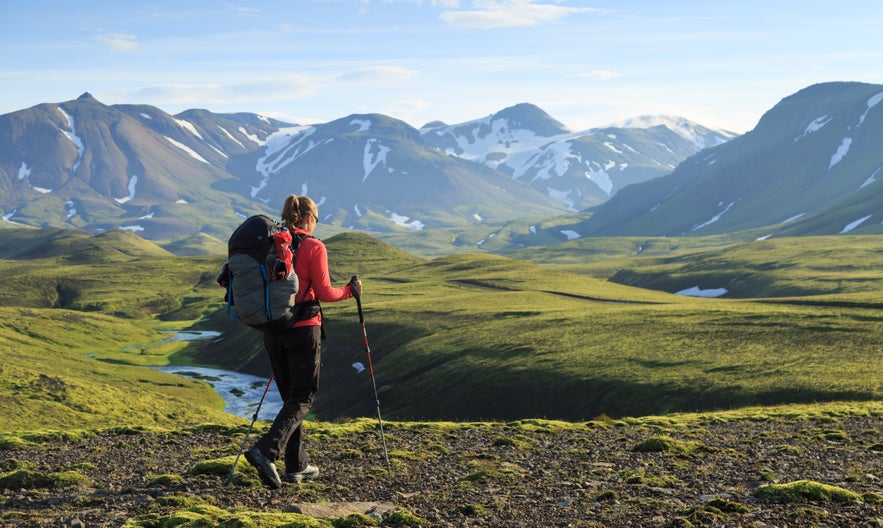 Iceland’s viewpoints offer cinematic scenery and provide an opportunity to connect with the land’s raw beauty and powerful landscapes. From glacier lagoons and volcanic ridges to coastal cliffs and waterfalls, each one offers a front-row seat to some of the most magnificent landscapes on Earth.
Whether you’re hiking to a dramatic peak, driving along scenic routes, or capturing the perfect photo, Iceland’s viewpoints make every moment unforgettable. Don’t just pass by, take the time to soak in the breathtaking panoramic views of these iconic destinations.
If you're planning to hit the trails, check out the comprehensive guide to the best hikes and trails in Iceland for the top routes and epic viewpoints.
Quels sont les meilleurs points de vue en Islande pour la photographie ?
Y a-t-il des points de vue accessibles en fauteuil roulant en Islande ?
Y a-t-il des points de vue adaptés aux familles en Islande ?
Que dois-je emporter pour visiter les points de vue en Islande ?
Puis-je visiter les points de vue en Islande en hiver ?
Puis-je visiter les points de vue en Islande pendant une escale ?
Comment rester en sécurité en visitant les points de vue en Islande ?
Quel type de véhicule me faut-il pour explorer les points de vue en Islande ?
Y a-t-il des parkings près des principaux points de vue en Islande ?
Les drones sont-ils autorisés aux points de vue en Islande ?
Have you visited any of these incredible attractions? Share your favorite Iceland viewpoints in the comments below. We’d love to hear your stories, see your photos, and discover which panoramic views took your breath away.

I was born on the west side of Reykjavík and grew up downtown, so Iceland has been my back yard for most of my life. I'm a father of two, I've traveled on five continents, and I still haven't found a country that holds my attention the way this one does.
That's why I co-founded Guide to Iceland. We connect travelers directly with Icelandic operators, guides and hosts, so the advice and the services both come from people who actually live here.
I write about the practical side of a trip: what eating out in Reykjavík really costs, whether to pick Sky Lagoon or Hvammsvík, where to stop for food along the Ring Road, and which regions give you the best odds of clear skies for the northern lights. If you're planning a trip and something doesn't add up, message me.