Discover Icelandic superstition and folk beliefs that have shaped everyday life for centuries. These traditions offer insight into Icelandic culture, history, and a close relationship with nature. Read on to explore the beliefs that continue to shape Iceland today.
Icelandic superstition and folk beliefs are deeply tied to the country’s history, dramatic landscape, and daily life. For travelers on vacations in Iceland, these beliefs offer valuable cultural context and show how folklore still plays a visible role in the country.
For centuries, Icelanders used an oral storytelling tradition to make sense of the many volcanic eruptions, unpredictable weather, and long, dark winters. As a result, many Icelandic folk beliefs reflect a deep respect for natural forces and the unseen, and folklore in Iceland still shapes how people relate to nature and heritage today.
Visitors can encounter these beliefs through guided cultural experiences, local storytelling, and when they visit museums and exhibitions dedicated to Icelandic history and mythology.
Keep reading to learn more about common superstitions in Iceland, both historically and today.
Key Takeaways
-
Icelandic superstition and folk beliefs grew out of oral storytelling and daily life in a challenging natural environment.
-
Many traditions focus on luck, safety, and respecting the unseen, including beliefs around elves and hidden people.
-
Some superstitions are still common today, from saying 7-9-13 to small “just in case” habits locals still follow.
-
Other beliefs were more widely held in the past and reflect how earlier generations explained danger, weather, and misfortune.
-
Travelers can explore folklore in Iceland through museums, exhibitions, and guided tours that connect stories to real places.
Origins of Icelandic Superstition and Folklore
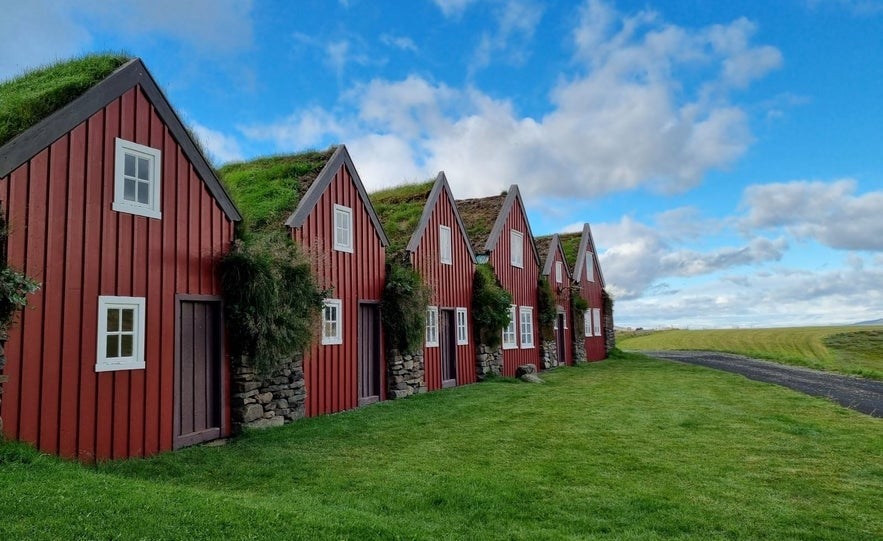
Icelandic folk beliefs were closely woven into everyday life. In a sparsely populated country shaped by extreme conditions, stories served a practical purpose as much as entertainment, offering guidance, warnings, and comfort during long winters and uncertain times.
Until the 19th century, most Icelanders lived on isolated farms, separated by mountains, rivers, black sand plains, or glaciers. In these quiet homes, folktales were a way to share knowledge and experience.
Travelers moving between farmsteads were expected to exchange news and stories for food and shelter, and some even made a living by traveling the country telling stories or sharing skills in return for necessities.
As with oral traditions everywhere, storytellers drew on shared cultural knowledge, adapting tales to their audience while preserving familiar motifs. This is why the same characters and themes appear across regions and centuries, often with roots in Norse mythology or the Icelandic sagas.
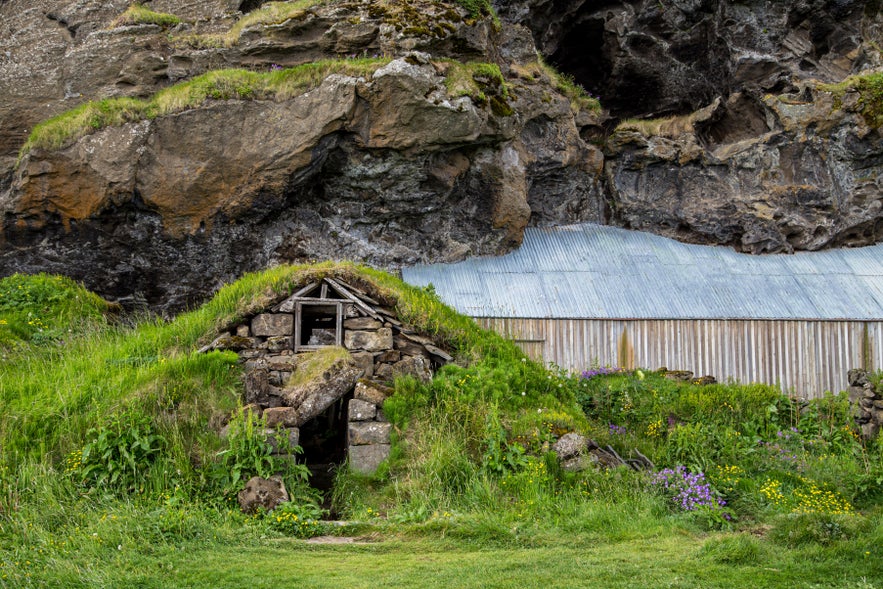
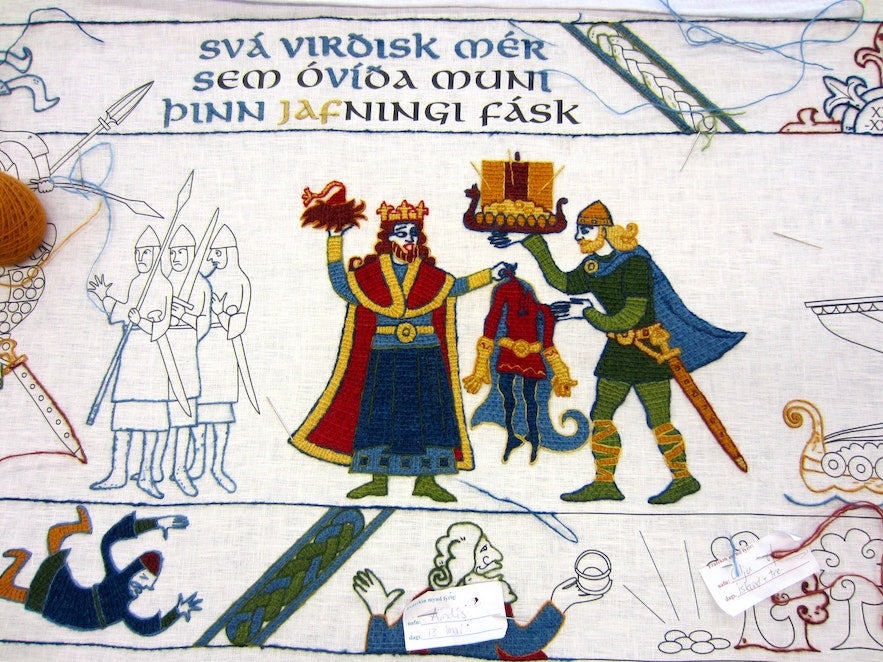 These stories created a shared foundation of understanding that shaped how people viewed the landscape around them. Growing up with tales of hidden people living in rocks above your farm or a troll in a waterfall encouraged respect for the land, just as stories of sea monsters stayed with fishermen along the coast.
People remembered what to do and what to avoid by listening to earlier generations, with practical knowledge preserved through fantastical tales. Superstition and folk belief are part of that folklore tradition that lives on today.
Common Icelandic Superstitions and Folk Beliefs Today
These common superstitions still appear in everyday conversation, seasonal traditions, and even casual jokes, and travelers may encounter them during a visit to Iceland.
Knock on Wood and Say 7-9-13 to Repel Bad Luck
In Iceland, it's customary to knock three times while saying the numbers 7, 9, 13 (sjö, níu, þrettán) to ward off bad luck and cancel out jinxes.
For instance, if someone says they've never received a parking ticket, just uttering it is thought to tempt fate. To stop the "inevitable" from happening, Icelanders knock three times and say 7-9-13. It's a tradition still widely practiced today, and you're likely to witness it in everyday conversations with locals.
Never Disturb an Elf-Stone
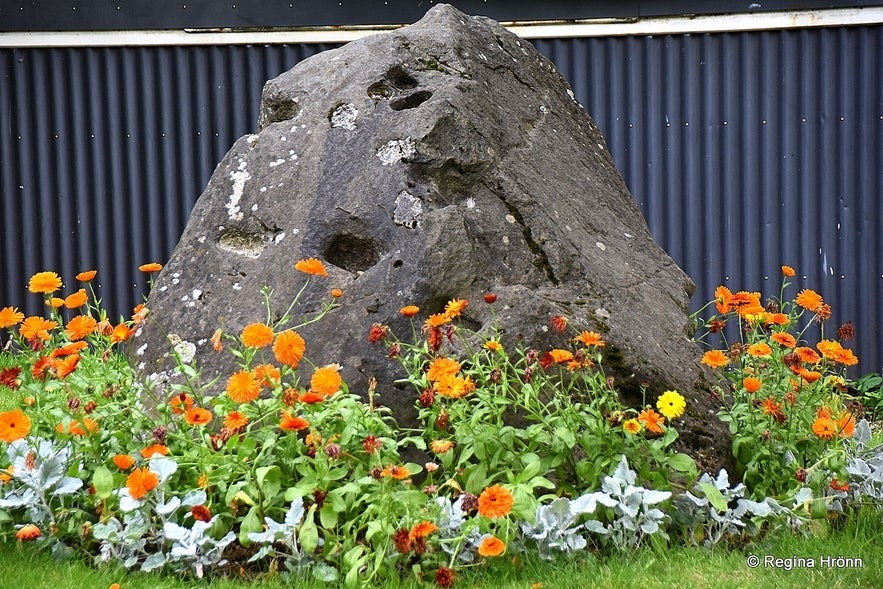
Certain rocks are believed to be homes of the Hidden People, or "Huldufólk." Disturbing these stones can bring bad luck, strange accidents, or even illness.
While most Icelanders say they do not believe in the Hidden People, many are unwilling to dismiss their existence entirely and prefer not to take the risk, just in case. In recent decades, roads have been rerouted and construction delayed out of concern for elf dwellings.
Don't Give a Knife as a Gift
Giving a knife or other sharp object was believed to symbolically sever a relationship. To avoid this, the recipient can give a small coin in return, symbolically “buying” the gift, or give a gift of their own in exchange.
Taking Rocks From Icelandic Nature is Bad Luck
This belief exists in many places, but it is especially strong in Iceland. There are numerous stories of travelers taking lava rocks home, only to mail them back months later after experiencing a run of bad luck. Whether out of respect for folklore and nature or because removing lava rocks is illegal in Iceland, it is best to leave them where they are.
Killing a Beetle Will Cause Rain
These tiny creatures sometimes find their way inside homes, but don't kill them. Instead, gently place them back outside, or you can expect heavy rain.
Gift Salt When Visiting a New Home for the First Time
When visiting someone’s new home, especially their first, it was customary to bring table salt as a symbol of good luck and abundance.
A Ladybug Will Lead You to Your True Love
Ladybugs are not native to Iceland and are a very uncommon sight, but if one lands on you, the direction it flies is said to point toward where you will find your true love.
Historic Superstitions and Beliefs in Iceland
These superstitions were once widely believed and influenced how people understood danger, luck, and the unseen in everyday life, but are less commonly believed today.
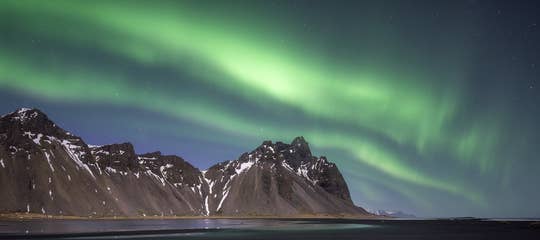
Pregnant Women Shouldn't Look at Northern Lights
It was believed that if a pregnant woman looked up at the northern lights, the child would be born crosseyed.
God Repays Those Kind to Ravens
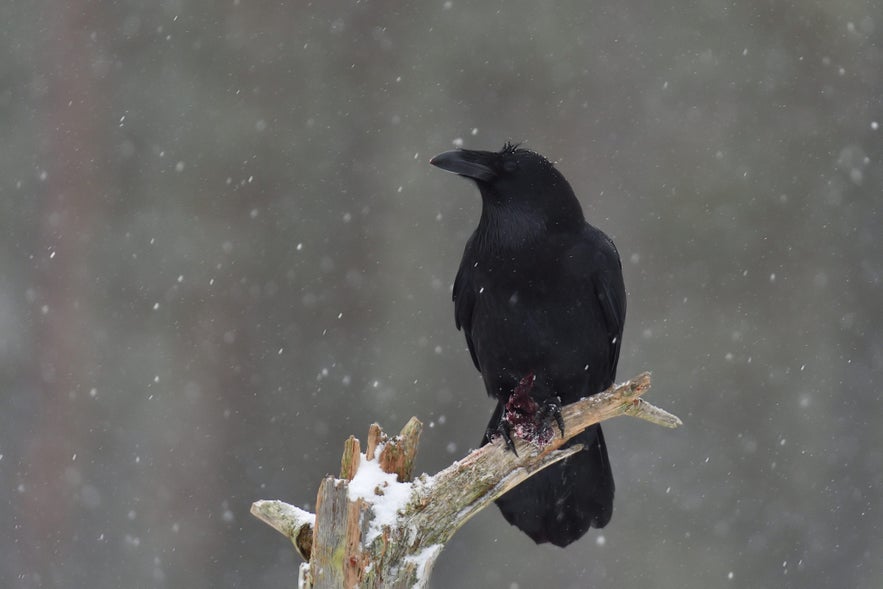
Ravens are usually a sign of danger, illness, injury, or death, but they can also bring good. There is an old Icelandic saying, "Guð borgar fyrir hrafninn", roughly meaning "God repays for the raven," and there are stories of people being saved from danger because they had been kind to a raven, such as offering it food.
For more, see our article on the special place ravens have in Icelandic folklore.
Avoid Crossroads on Midsummer Night
On Midsummer Night, known in Iceland as Jónsmessa, folklore warns against sitting at a crossroads, a place where the veil between worlds is said to thin. Elves and Hidden People are said to appear at these crossings and offer gifts like gold or food, but accepting anything can lead to madness or misfortune.
Horses Can Sense the Unseen
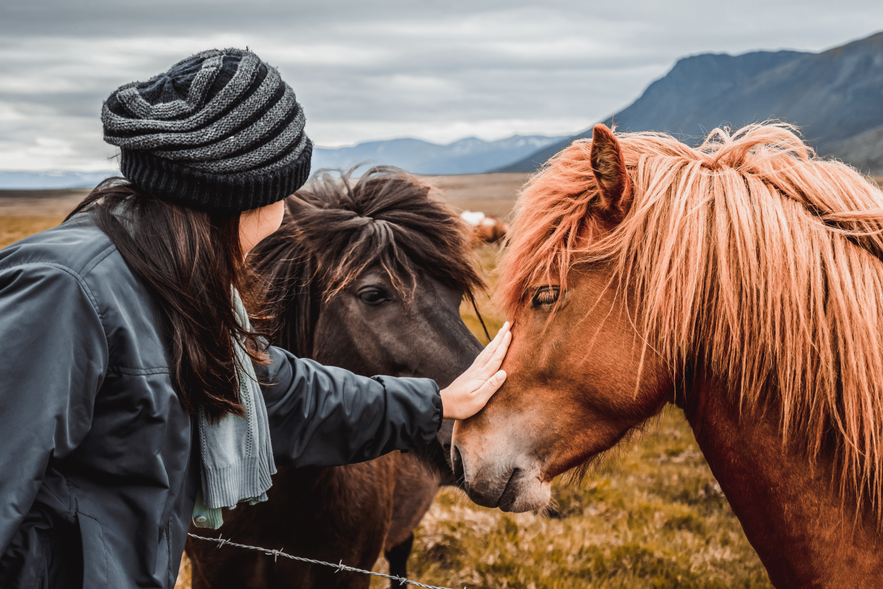
Icelandic horses are said to sense the presence of elves or spirits. If one refused to walk a certain path or acted strangely, people took it as a sign that something unseen was near and potentially dangerous.
Cows Speak on New Year’s Eve
According to folklore, cows gain the ability to speak at midnight on New Year’s Eve, but hearing them could bring madness.
Ptarmigan Nests Can Tell How Many Children You Will Have
Seeing a ptarmigan nest for the first time was believed to predict the number of children a person would have, based on how many eggs were inside. Note that ptarmigans generally have 10-11 eggs!
Spit Three Times to Ward Off Bad Luck
Spitting three times was believed to prevent or counteract bad luck, whether before setting off on a journey or after encountering an unlucky sign, such as a black cat crossing your path. You may still encounter this today, but most people simply mime the gesture rather than actually spitting.
Folklore-Inspired Tours and Experiences
Icelandic folklore is not only something to read about, but it is also something visitors can experience firsthand. In Reykjavik and across the country, guided tours bring stories of trolls, elves, and hidden people into real landscapes, helping travelers understand how folklore continues to shape Icelandic culture and identity.
-
Folklore Walking Tour of Reykjavik with Tales of Trolls, Elves & Hidden People - This tour takes guests through a graveyard, a real elfstone, and cultural landmarks. You’ll hear stories of the 13 Yule Lads, learn how trolls differ from elves, and understand how fantasy authors like Tolkien drew inspiration from Iceland’s beauty and sagas.
-
Magical 5-Hour Horseback Riding Tour with Elves & Folklore - Enjoy an unforgettable ride through valleys, lava fields, and elven hills. As you glide on the Icelandic horse, your guide shares stories of elf churches, enchanted rocks, and musical beings said to inhabit the land.
-
Small Group Walking Tour of Reykjavik's History & Culture - This classic tour combines insights into Iceland’s architecture, economy, and politics with mentions of folklore, Norse mythology, and modern beliefs.
Together, these experiences invite travelers to see Iceland through a folkloric lens, where history, landscape, and belief are closely intertwined.
Why Icelandic Folk Belief Still Matters

Icelandic superstition and folk beliefs reflect how people learned to live with a powerful and unpredictable landscape, using tradition to explain the unknown and pass on practical wisdom. They remain woven into everyday life, cultural identity, and the way Icelanders relate to nature.
For travelers, understanding these traditions adds another layer to the experience of Iceland. As you travel around Iceland, you may notice how old beliefs still echo in stories, customs, and even small acts of caution. And sometimes, listening closely to those echoes is part of discovering Iceland itself.
Geloven IJslanders vandaag de dag nog steeds in bijgeloof?
Wat zijn de bekendste IJslandse vormen van bijgeloof?
Kunnen reizigers IJslandse folklore van dichtbij beleven?
Is IJslands bijgeloof verbonden met de Noorse mythologie?
Heeft IJslands volksgeloof invloed op het moderne leven of op infrastructuur?
Waarom is de natuur zo belangrijk in de IJslandse folklore?
Waar kan ik tijdens het reizen meer leren over IJslandse folklore?
Did any of these tales surprise you? Maybe one made you stop and reflect for a moment, or reminded you of something you've heard before. Share your thoughts, stories, or questions in the comments. We’d love to hear from you!

I was born on the west side of Reykjavík and grew up downtown, so Iceland has been my back yard for most of my life. I'm a father of two, I've traveled on five continents, and I still haven't found a country that holds my attention the way this one does.
That's why I co-founded Guide to Iceland. We connect travelers directly with Icelandic operators, guides and hosts, so the advice and the services both come from people who actually live here.
I write about the practical side of a trip: what eating out in Reykjavík really costs, whether to pick Sky Lagoon or Hvammsvík, where to stop for food along the Ring Road, and which regions give you the best odds of clear skies for the northern lights. If you're planning a trip and something doesn't add up, message me.