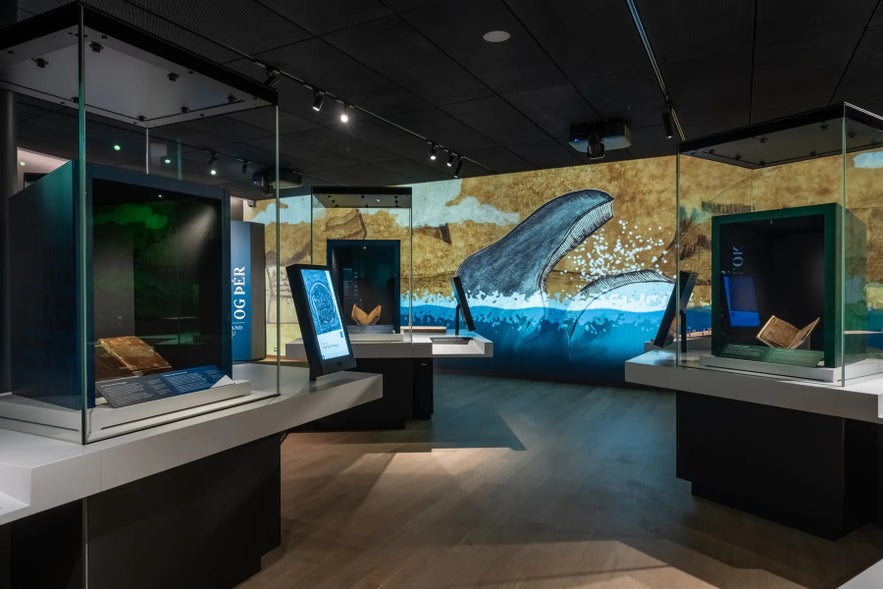
Opened in November 2024, World in Words is hosted by the Árni Magnússon Institute for Icelandic Studies. Immersive installations, visual storytelling, and audio elements make it easy to combine with other cultural experiences and sightseeing in the city.
World in Words is a thoughtful cultural stop for travelers interested in stories and language. It suits visitors exploring Reykjavik at a slower pace, looking for an indoor activity, or adding a reflective visit between sightseeing stops.
Its central location makes it easy to fit into a day in the city. Entry can be planned in advance through the World in Words exhibition ticket in Reykjavik, offering added flexibility when organizing your visit.
- Read more about top things to do in Reykjavik
- Check out the secret spots and hidden gems in Reykjavik
Key Takeaways
-
The only place in Iceland where visitors can see original medieval manuscripts, including Egil’s Saga and Njal’s Saga.
-
Explores themes of life, death, power, faith, and honor, shaped by both Viking and Christian influences.
-
An engaging, modern exhibition with touchscreens, audio, video projections, and hands-on elements for all ages.
-
Shows how medieval scribes made vellum pages, quills, and inks by hand.
-
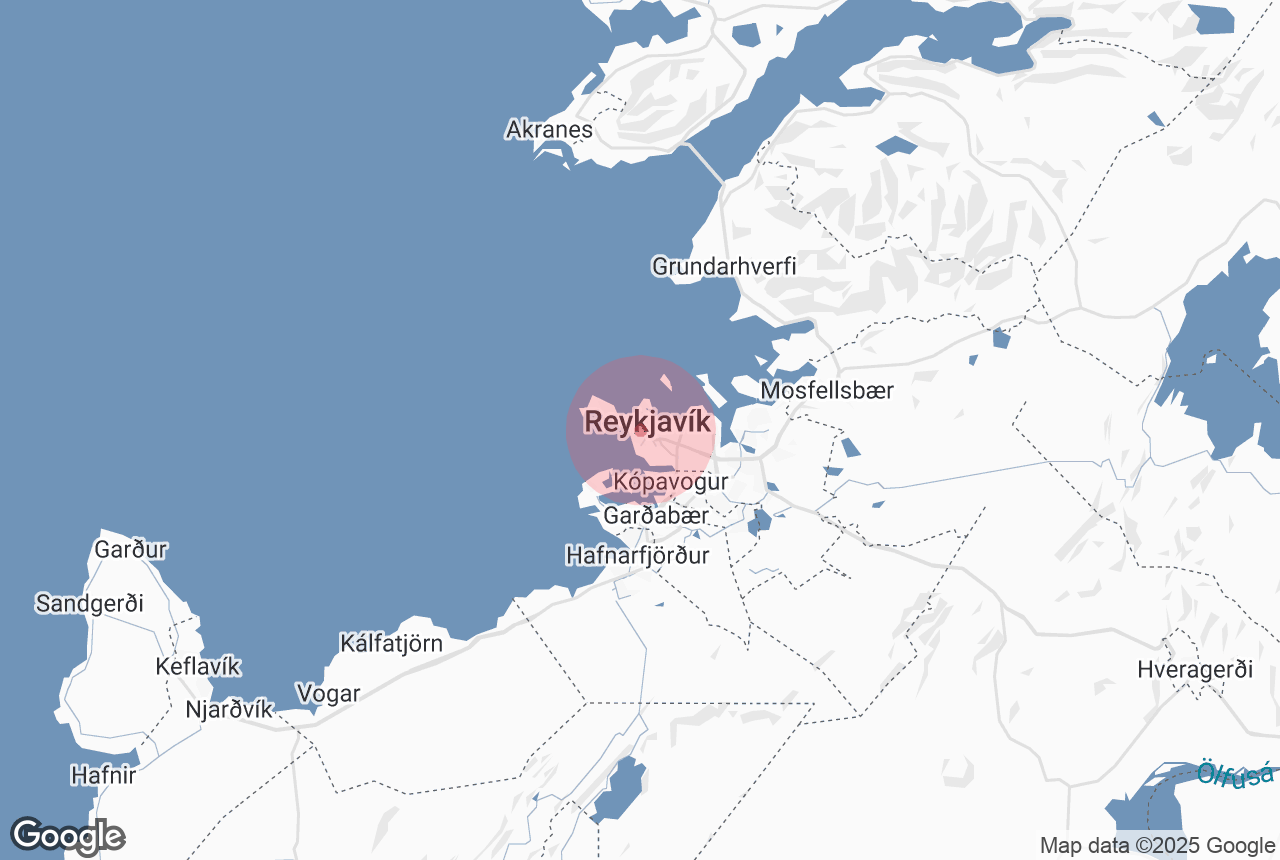
Located in the Edda building near Reykjavik city center, across from the National Museum of Iceland, the National Library, and the University of Iceland.
-
Family-friendly, fully accessible, bilingual displays, free entry for children, and photography allowed.
-
Plan about one hour, with more time for those who want to explore in depth.
History and Background of the World in Words Exhibition
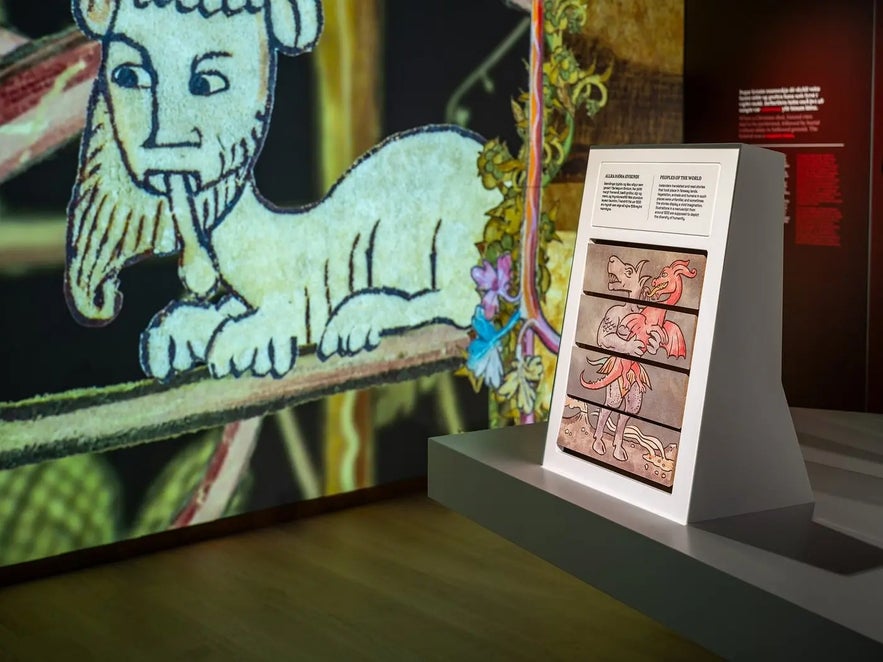 World in Words opened on November 16, 2024, at Edda in Reykjavik. It showcases Iceland’s medieval manuscripts, including sagas and eddas, via immersive displays, echoing themes from the Icelandic sagas.
The manuscripts come from the Árni Magnússon Collection. Árni devoted his life to collecting and preserving these texts, which remain central to the study of Icelandic literature today.
Although many manuscripts were lost in the Great Fire of Copenhagen in 1728, thousands survived. Their cultural importance led to their inclusion in UNESCO’s Memory of the World Register in 2009.
Manuscripts are shown under low light and strict climate control, with only a few on display at a time. The selection rotates, so each visit offers something new.
Things To Do at the World in Words Exhibition in Reykjavik
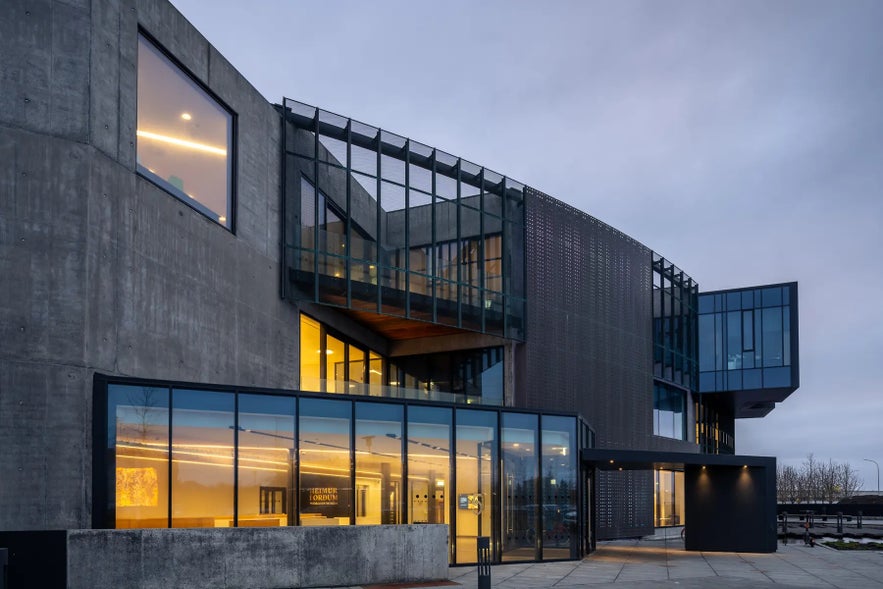
Stepping into World in Words feels like stepping back into medieval Iceland. The exhibition is set in one main gallery, but it offers plenty to see, read, and interact with. Here are the best ways to explore the exhibition and enjoy its stories.
Explore Themed Sections of the Exhibition
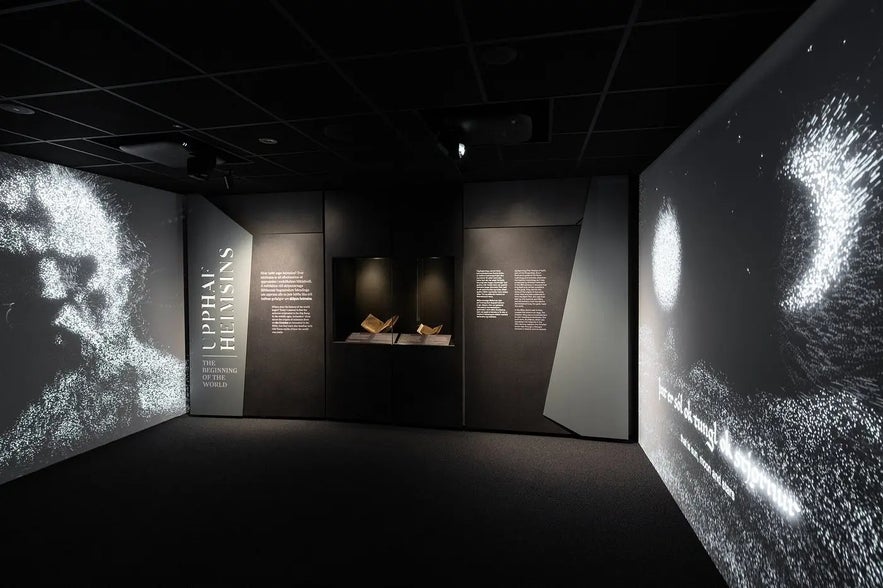
The exhibition is organized into themed sections that guide visitors through medieval Icelandic worldviews. These displays bring together Norse mythology, sagas, laws, and Christian influences within a cohesive gallery layout.
1. Creation Myths and Cosmic Order
This section begins with ideas about how the world was created. It shows how medieval Icelanders understood the start of the universe through both Norse mythology and Christian belief.
Visitors see stories from the Bible alongside Norse myths from Snorri Sturluson’s Prose Edda, from Ginnungagap to Yggdrasil and the gods Odin and Thor. Together, they show how Viking and Christian traditions existed side by side.
2. The Human Condition – Life, Death, and Destiny
This section explores everyday life and destiny in medieval Iceland. The sagas reflect ideas about love and loss, honor and conflict, heroism and fate.
You’ll read about feuding families, legendary warriors, and star-crossed lovers from sagas like Egil’s Saga and Laxdaela Saga. These stories show that people long ago faced the same questions about life and morality as we do today.
3. Worldviews – Myth, Magic, and Poetry
This section explores how medieval Icelanders understood the world through myth and magic. Stories explain nature through belief, from witches shaping fate to giants causing earthquakes.
Poetry plays a central role in these manuscripts, using verse to describe the cosmos. The section also highlights Old Norse, the Viking language that connects modern Icelanders to their ancestors.
4. Law and Order – From Oral Tradition to Written Word
This section looks at how early Icelandic laws and knowledge were passed down. For centuries, rules and stories were memorized and shared by word of mouth rather than written down.
One manuscript on display, Stadarholsbok Gragas, contains the Grey Goose Laws, one of Iceland’s earliest written law codes. The section also explains how Christianity brought writing to Iceland and turned oral traditions into written records.
5. The End of the World – Ragnarok and Revelation
The final section explores ideas about the end of the world. Medieval Icelanders, like people today, wondered how life might end and what would come after.
Manuscripts show Ragnarok, the Norse vision of a fiery ending, alongside Christian ideas of Judgment Day. These stories of destruction and renewal invite visitors to reflect on past fears and how they still echo in the modern world.
Each section presents original manuscripts alongside short texts, images, and digital displays. Together, they place the manuscripts in context and guide visitors through medieval ideas about the world, life, and its end.
See Rare Medieval Manuscripts Up Close
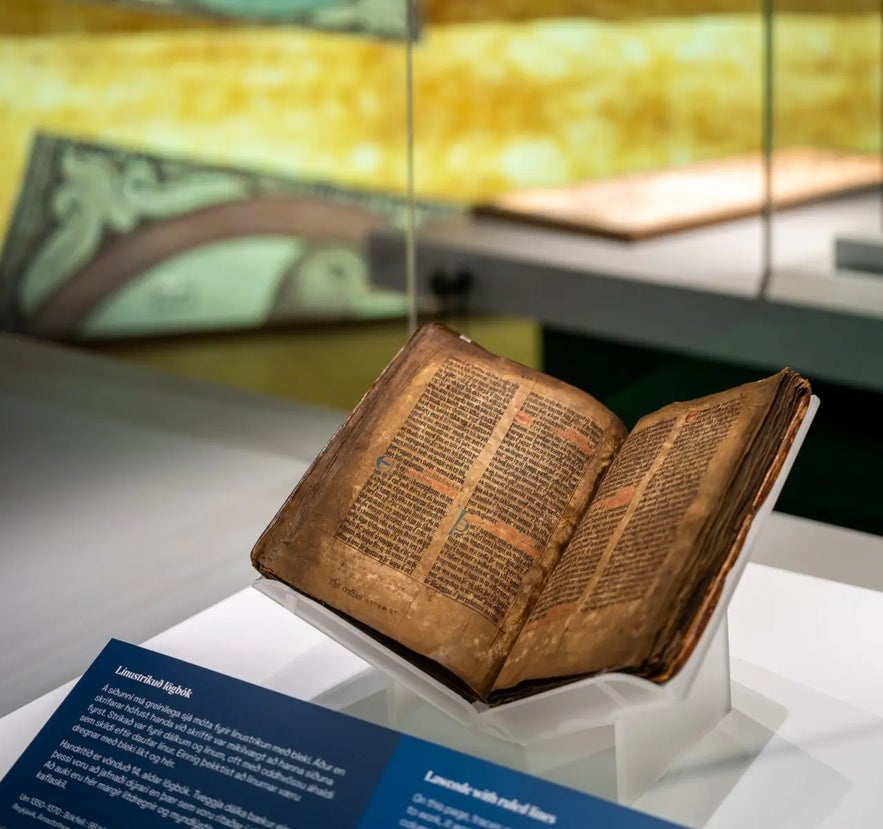 Of course, the main focus of World in Words is the manuscripts themselves. In the center of the gallery, several of Iceland’s most important medieval manuscripts are displayed in climate-controlled glass cases.
Only a small number are shown at a time, and the selection changes regularly to protect the fragile pages. This means the display varies, but each visit includes a few remarkable and historic works.
On any given day, you might find treasures like:
-
Codex Regius: A 13th-century manuscript containing the Poetic Edda, the main source of Norse mythology, including poems about gods, heroes, and prophecy.
-
Flateyjarbok: The largest medieval Icelandic manuscript, known for its illustrations and sagas of Norwegian kings, including stories of voyages to Vinland, the Norse name for North America.
-
Egil’s Saga and Njal’s Saga manuscripts: Original handwritten versions of two of Iceland’s most important sagas, centered on feuds, law, poetry, and heroism.
-
Gragas (Grey Goose Laws): A 13th-century copy of Iceland’s earliest written laws, showing the shift from spoken law to written text.
-
Morkinskinna: A 13th-century saga collection about Norwegian kings, linking Icelandic and European history.
-
Medieval Christian texts: Religious manuscripts, including hymns and Bible texts, highlighting the role of Christianity in Iceland’s written tradition.
Peering into a glass case, you may see a manuscript opened to a striking page, with Gothic script, colored initials, and parchment worn by time. Some of these books are more than 700 years old and form the heart of the exhibition.
Each manuscript includes clear notes in Icelandic and English explaining its origin and meaning. Summaries and translations help visitors follow the stories without needing to read medieval handwriting.
Tip: Because the manuscripts rotate regularly for preservation, it’s a good idea to check ahead of time which specific manuscripts will be on display during your visit.
Enjoy Interactive Displays and Multimedia
World in Words uses interactive technology to bring the manuscripts to life. Touchscreens, audio stations, and digital displays appear throughout the exhibition, adding depth and movement to the medieval stories on display.
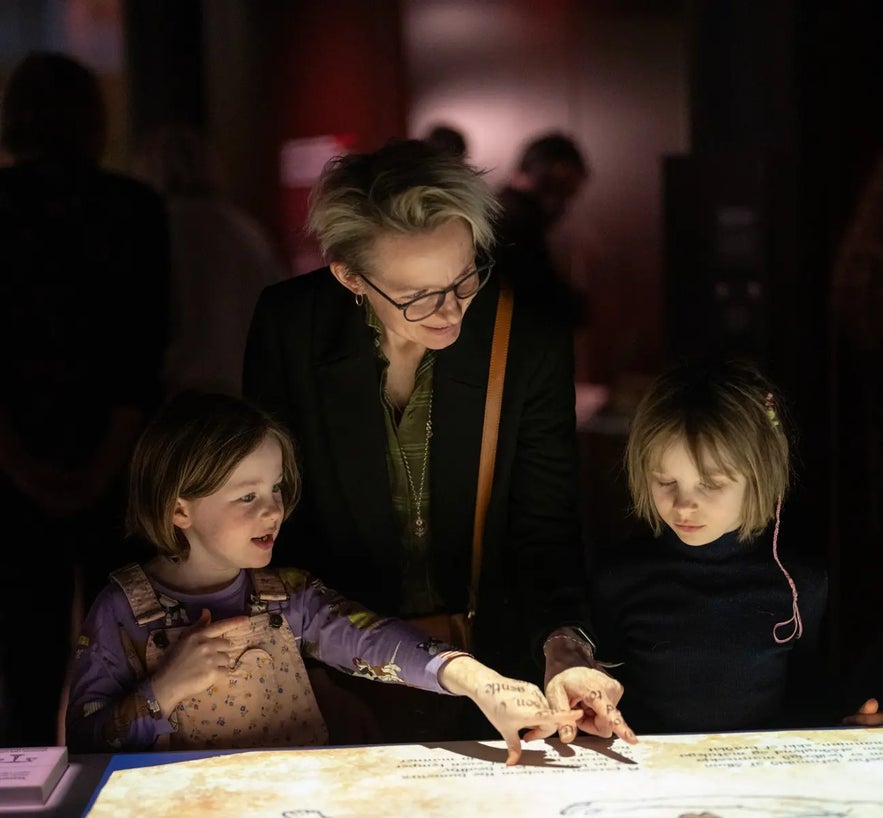
Touchscreens let visitors browse high-resolution scans of manuscripts and turn virtual pages sealed behind glass. You can zoom in on details or read English translations alongside the original text.
Audio stations allow you to hear medieval poems and prose spoken aloud, bringing the oral tradition to life. Video interviews with scholars also provide insight into how these manuscripts are studied today.
Hands-on elements include interactive maps, small puzzles, and touchable replicas. Soft lighting, sound, and animated projections create an immersive setting that makes the exhibition feel engaging without overwhelming the manuscripts.
Learn About the Art of Medieval Book-Making
This part of the exhibition explains how medieval books were made by hand. World in Words introduces codicology, the study of books, and shows the careful steps involved in creating a manuscript.
Visitors learn about the tools and materials used in the Middle Ages. Displays show vellum made from animal skin, feather quills, and handmade inks, with clear explanations of how parchment, ink, and lettering were produced.
Animations and close-up images bring the process to life. You can see how scribes shaped quills, copied text by candlelight, and left marks on parchment that remain visible today.
The exhibition also shows how book-making came to Iceland with Christianity. Many early scribes were monks, and Icelanders later refined the craft. Surviving manuscripts show signs of use, highlighting their fragility and lasting value.
Browse the Exhibition’s Gift Shop and Extras
At the end of the exhibition, a small gift shop offers books and souvenirs linked to Icelandic manuscripts and literature. It’s a compact kiosk, but well worth a quick stop before leaving.
Travelers can find modern editions of famous sagas, books on Viking history and mythology, and translations in several languages. These make easy-to-pack souvenirs or a deeper read after the trip.
Lighter items include manuscript-style notebooks, postcards, quill pens, and small gifts inspired by saga art. Some children’s books are also available, making it a good stop for family-friendly souvenirs.
Staff can also point visitors to Handrit.is, a free online library where you can explore scanned Icelandic manuscripts at home.
Tips for Visiting World in Words in Reykjavik
 World in Words is easy to visit, but a little planning can help you get more out of the experience. These practical tips will help you plan your time, avoid surprises, and enjoy the exhibition at a relaxed pace.
-
Check opening hours: Open Tuesday to Sunday from 10:00 AM to 5:00 PM and closed on Mondays. Hours may change on public holidays, so check ahead before visiting.
-
Tickets and entry: Admission is affordable, with discounts for students and free entry for children under 18. Tickets are bought here, and advance booking is usually not needed.
-
Allow enough time: Plan to spend about one hour inside. Visitors who enjoy reading displays and using interactive features may want closer to two hours.
-
Photography rules: Photography is allowed, but flash is not. Lighting is low, so steady hands or camera settings help.
-
Use the lockers: Large bags are not allowed inside, but free lockers and a cloakroom are available in the building.
-
Accessibility: The exhibition is fully wheelchair accessible, with elevators, ramps, and bilingual displays in English and Icelandic.
-
Best time to visit: Weekday mornings are the quietest. Mid-day and rainy days can be busier, especially with school groups.
-
Combine nearby sights: Pair your visit with the National Museum, National Library, or Nordic House, all within a short walk.
-
Be respectful: Food and drinks are not allowed inside, and the manuscripts must not be touched. Following the rules helps protect these rare originals.
Where to Eat & Drink Nearby
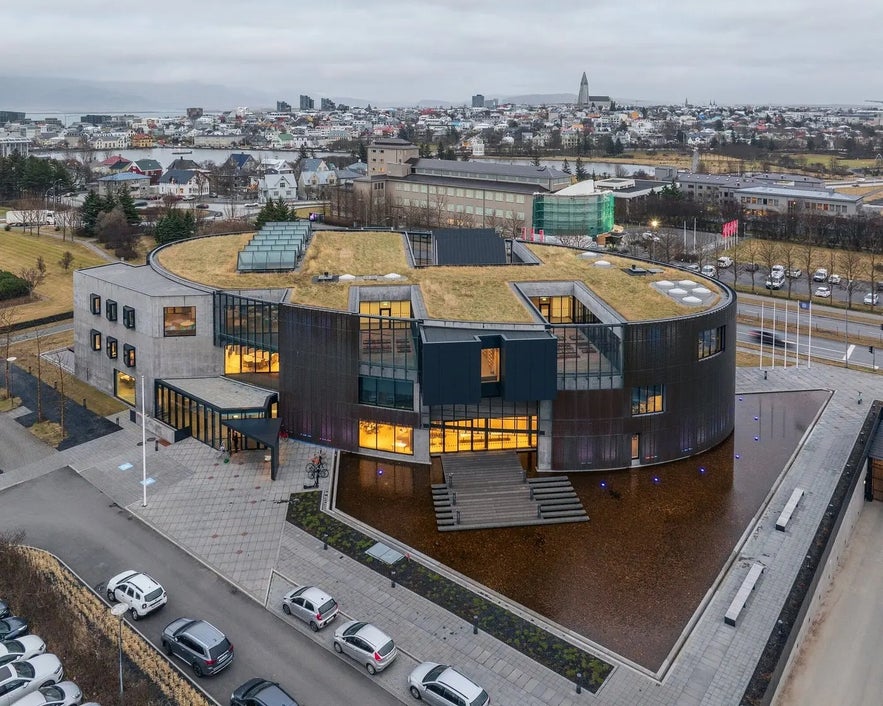 After exploring World in Words, it’s easy to find food or drinks nearby. The area is quieter than downtown, with museums and university buildings, but there are still good options for a coffee, snack, or light meal within walking distance.
If you plan to eat later in the day, a short walk brings you closer to the city center, where the choice widens quickly. Reykjavik offers everything from casual cafes to sit-down dining, and this guide to the best restaurants in Reykjavik can help you decide where to go.
Travelers on a budget may want to check this list of best value places to eat in Reykjavik, which highlights affordable spots around the city. If you’re curious about local flavors, this overview of Icelandic food and dining traditions offers helpful context before choosing what to order.
Whether you grab something nearby or continue into downtown, it’s easy to fit a meal into your day after visiting the exhibition.
Plan Your Visit to World in Words Today!
 World in Words in Reykjavik offers a rare chance to see Iceland’s medieval manuscripts up close. Located in the modern Edda building, the exhibition brings the sagas, myths, and early history of Iceland to life through original texts, interactive displays, and multimedia elements.
It fits easily into a day of sightseeing and pairs well with other cultural stops in the city. You can plan your visit alongside other experiences included in your Iceland trips and holidays.
World in Words can be explored in about an hour, with more time rewarding curious visitors. The exhibition offers a calm and meaningful way to connect with Iceland’s history and storytelling traditions.