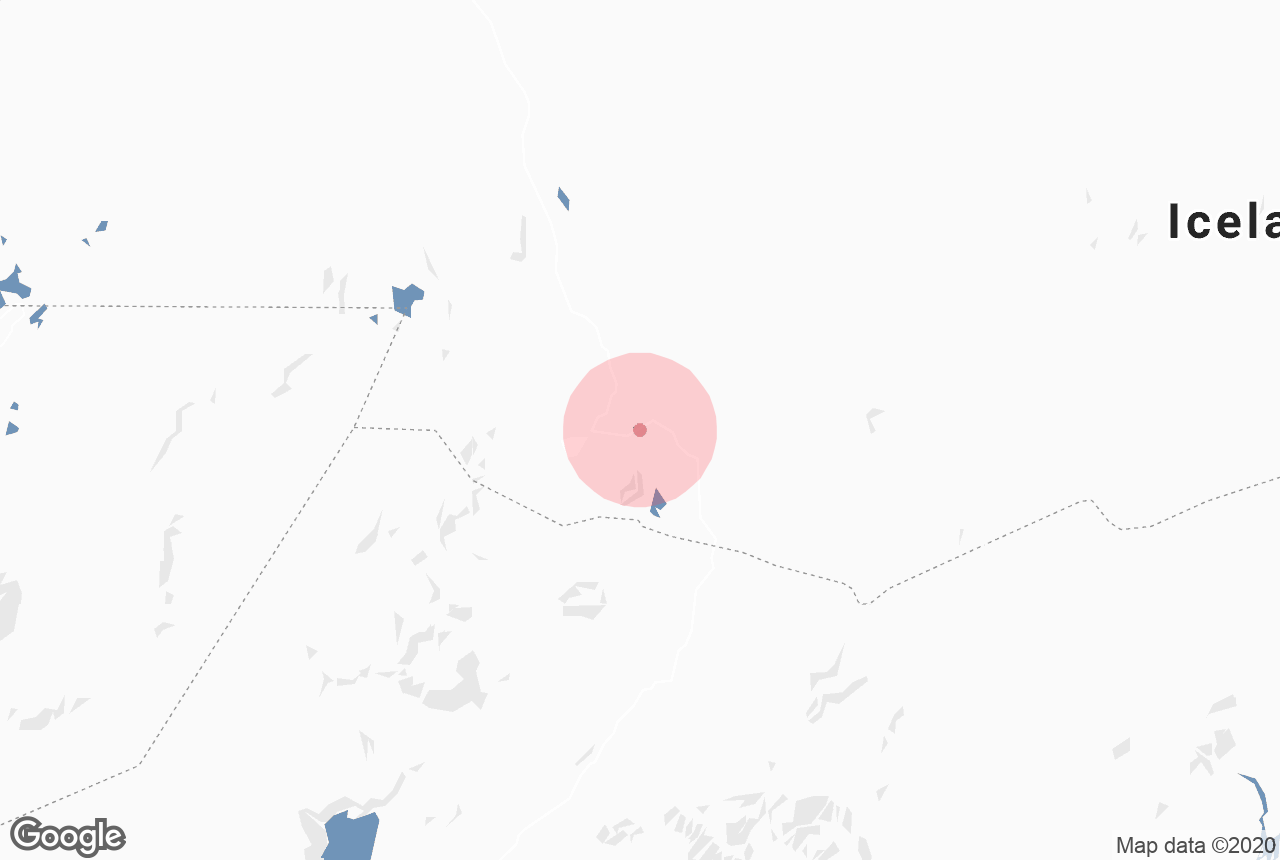
Kjölur is a mountain pass on the highland road of Kjalvegur, which is one of two roads that connect the north and south of the country.
저희의 콘텐츠를 신뢰할 수 있는 이유
가이드투아이슬란드는 아이슬란드에서 가장 믿을 수 있는 여행 플랫폼으로, 매년 수백만 명의 여행객이 저희와 함께 아이슬란드를 방문합니다. 저희의 모든 콘텐츠는 아이슬란드를 누구보다 잘 아는 현지 전문가들이 작성하고 검토하므로, 정확하고 신뢰할 수 있는 최신 여행 정보만 제공합니다.
Explore a wide range of Highland tours.
Kjalvegur
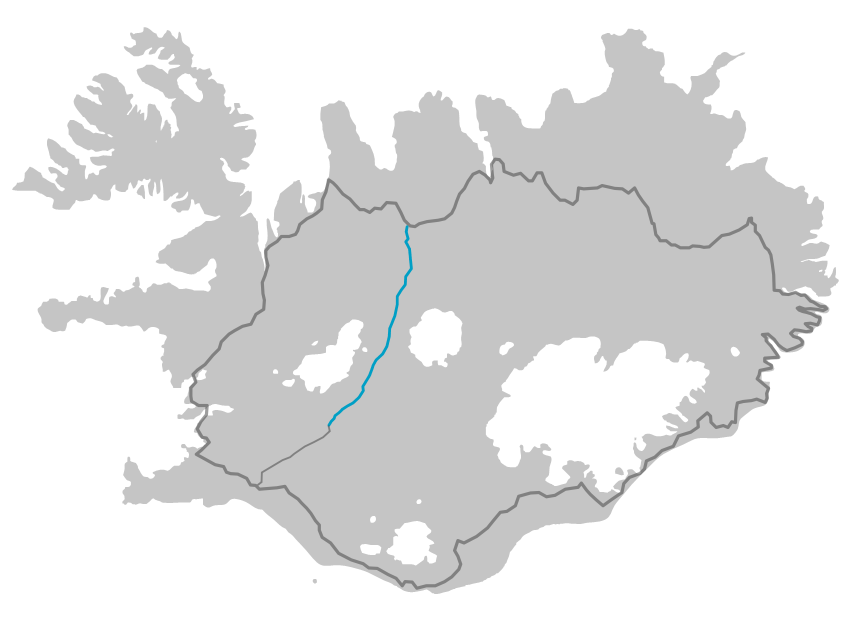 Kjalvegur, or the F35, is one of the longest roads in Iceland, taking five hours to traverse, and one of only two to cross Highlands, the other being Sprengisandur to the east. To reach the north from the south (or visa versa), you must either take one of these routes or the Ring Road around the country.
Kjalvegur has a long history, once being a vital horse trail, allowing trade routes through the land. It also allowed northerners to easily reach Þingvellir, where the National Assembly met annually from 930 AD to the 19th Century. This route is called the Ancient Kjalvegur, and is protected from motorised vehicles.
Þingvellir, meanwhile, is now a National Park and site on the Golden Circle sightseeing route, along with Gullfoss waterfall and the geyser Strokkur. This route begins around Gullfoss waterfall's car park.
Kjolur
Kjölur is a mountain pass with an elevation of approximately 700 metres. It has been mentioned as a passable Highland route since Iceland was first settled in some of its earliest literature. In spite of this, knowledge of it disappeared for years until the end of the 19th Century, when it was rediscovered.
In this interim period, it is believed that it was the home of the infamous outlaw and bandit Fjalla-Eyvindur used Kjölur as his hideaway. Banishment from society was a common punishment by law, and it was perfectly legal to kill those who had been given such a sentence on sight. Such people had to thus escape to and survive in the wilderness.
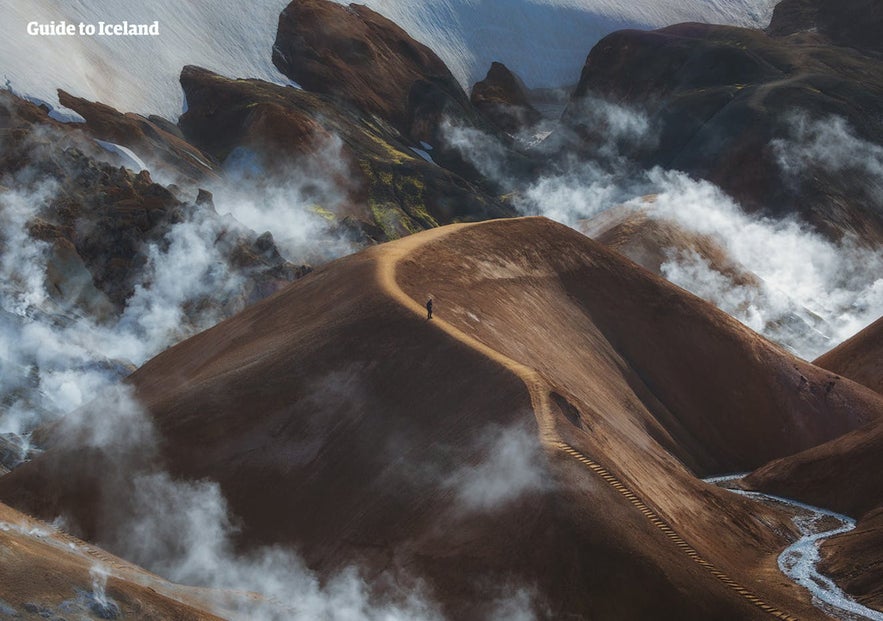
Why Fjalla-Eyvindur chose Kjölur, other than its remoteness and proximity to vulnerable travellers, may be due to its closeness to the hot springs of Hveravellir, which provide a warm oasis. These springs can still be visited and bathed in, and are usually visited alongside Kerlingarfjöll, a volcanic mountain range northeast of the Kjölur road.
Notable mountains here are called Hrutfell and Kjalfell. They are renowned for being composed of rhyolite, which boasts an unusual spectrum of vivid colour.