Surfing in Iceland

Should one be asked to name the very best surfing destinations on the planet, places like Southern California, Hawaii, and Australia would probably be the first to come to mind. But for surfing veterans, Ólafur Pálsson and Atli Guðbrandsson, the Arctic waters around Iceland have provided an entirely unique experience of wonder and adventure.
"Cold, beautiful and unpredictable" is how Atli, describes Iceland as a surfing destination. He has traversed the world in search of the perfect wave and is a diligent member of Iceland's slowly growing community of surfers who have mastered the waters of the southwest coast.
"Surfing has started to get more popular with Icelanders," says Atli. "Many people are trying it out and like the idea of surfing here but some can‘t be bothered because of the cold, the 50-minute drive and the effort it takes to learn how to read into the forecasts."
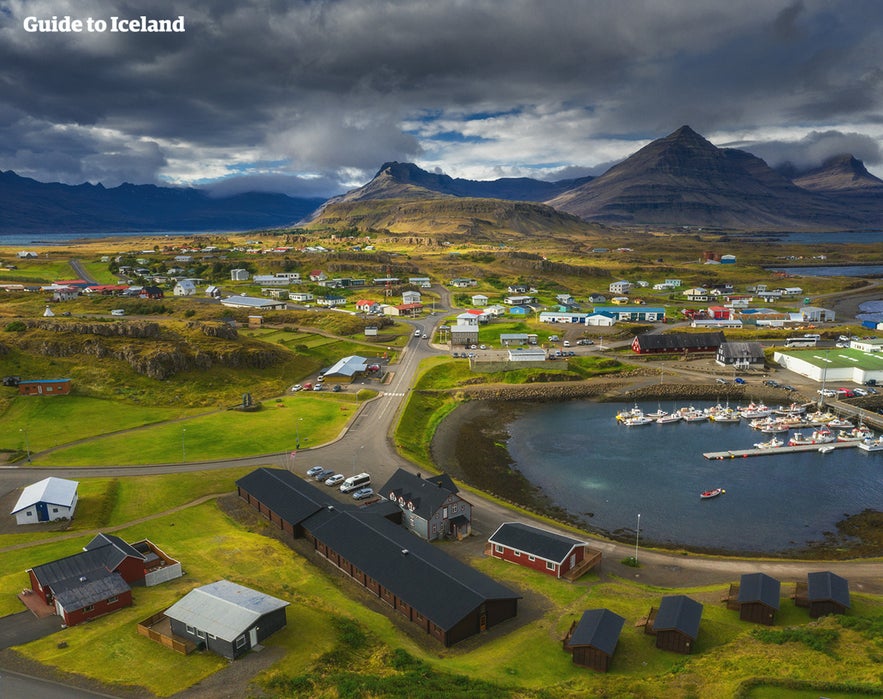
Surfing in Iceland demands hard work and a thorough understanding of the arctic sea: you really need to do your homework. But the challenge itself is precisely what has lured the most dedicated of Icelandic surfers into the ocean. They welcome the test that comes in the form of weather, logistics, and navigating your way through the frosty and often hostile landscapes.
In these harsh conditions, they have caught glimpses of beauty that has made unmatched worth of all of their efforts. "Most traveling surfers who come here to seek solitude and perfect waves, usually find solitude and crap waves", says Ólafur. "The trick is to spot that golden window of perfection where everything lines up, making forecasting very difficult, especially for traveling surfers. If you want to score perfect waves, you need to spend time surfing the local breaks and study the different weather patterns."
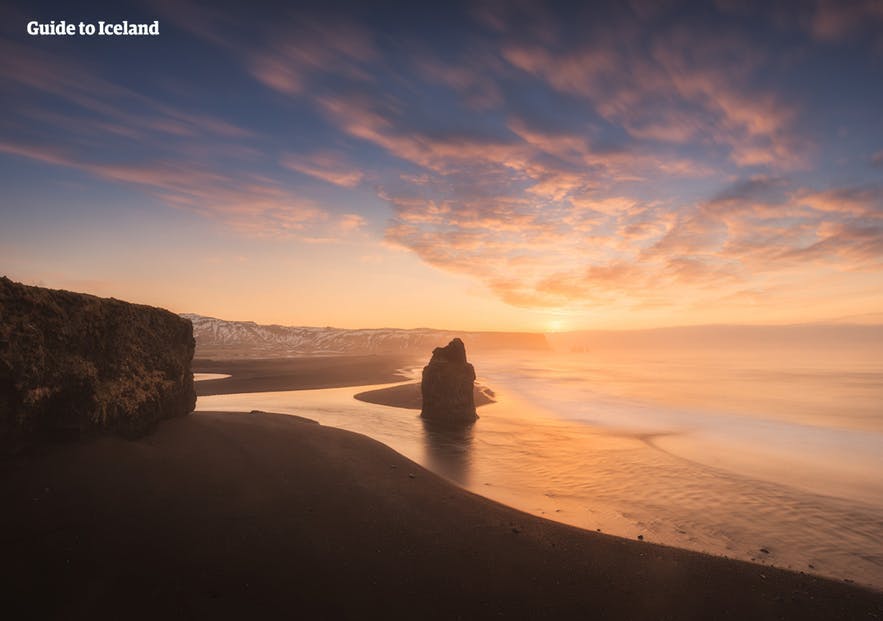
Surfing in Iceland not only presents challenges in the form of freezing water, snowstorms, and brutal winds but also beaches that are composed of extremely sharp rocks and surfers must always respect the unforgiving nature of the elements Iceland presents them with.
"We do have some beginner beach breaks that are good and without rocks", says Ólafur, "but all really good surf locations in Iceland are reef- or point breaks, often breaking very close to rocks or cliffs. The wetsuit provides some protection, but you need to be careful and in good shape."
"Most breaks here are reef breaks", Atli explains, "and many of them are fairly shallow, especially at low tide. Therefore you have to be very careful and know the spot and the wave. The number one rule is never to surf alone."
Ólafur describes the Icelandic surfing community as a very close-knit group that likes to meet both in and out of the water. "The vibe is always good between surfers in Iceland", he says. "We enjoy sharing waves. Icelandic surfers are like any other surfers, they want to protect Iceland as a surf destination from the masses. This means that traveling surfers need to be respectful in the water."
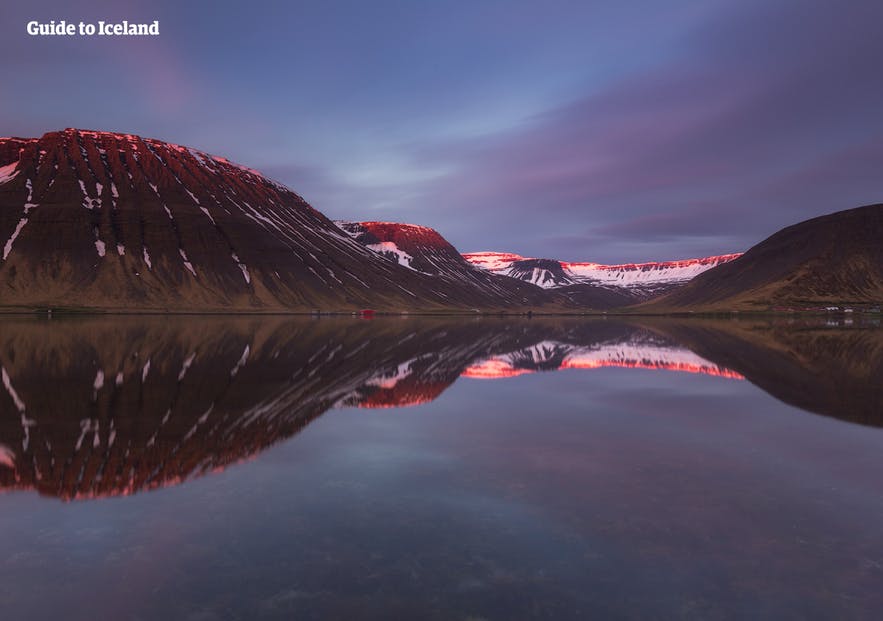
Where to go surfing in Iceland?
Icelandic surfers most commonly ride the waves around the Reykjanes peninsula where the fuming volcanic land spews milk-blue mud in a moonlike landscape composed of lava fields as black as pitch and mountains as red as blood; although you have barely ventured 60-minutes away from the warm cafés of central Reykjavik, it is as if you have traveled a million years back in time.
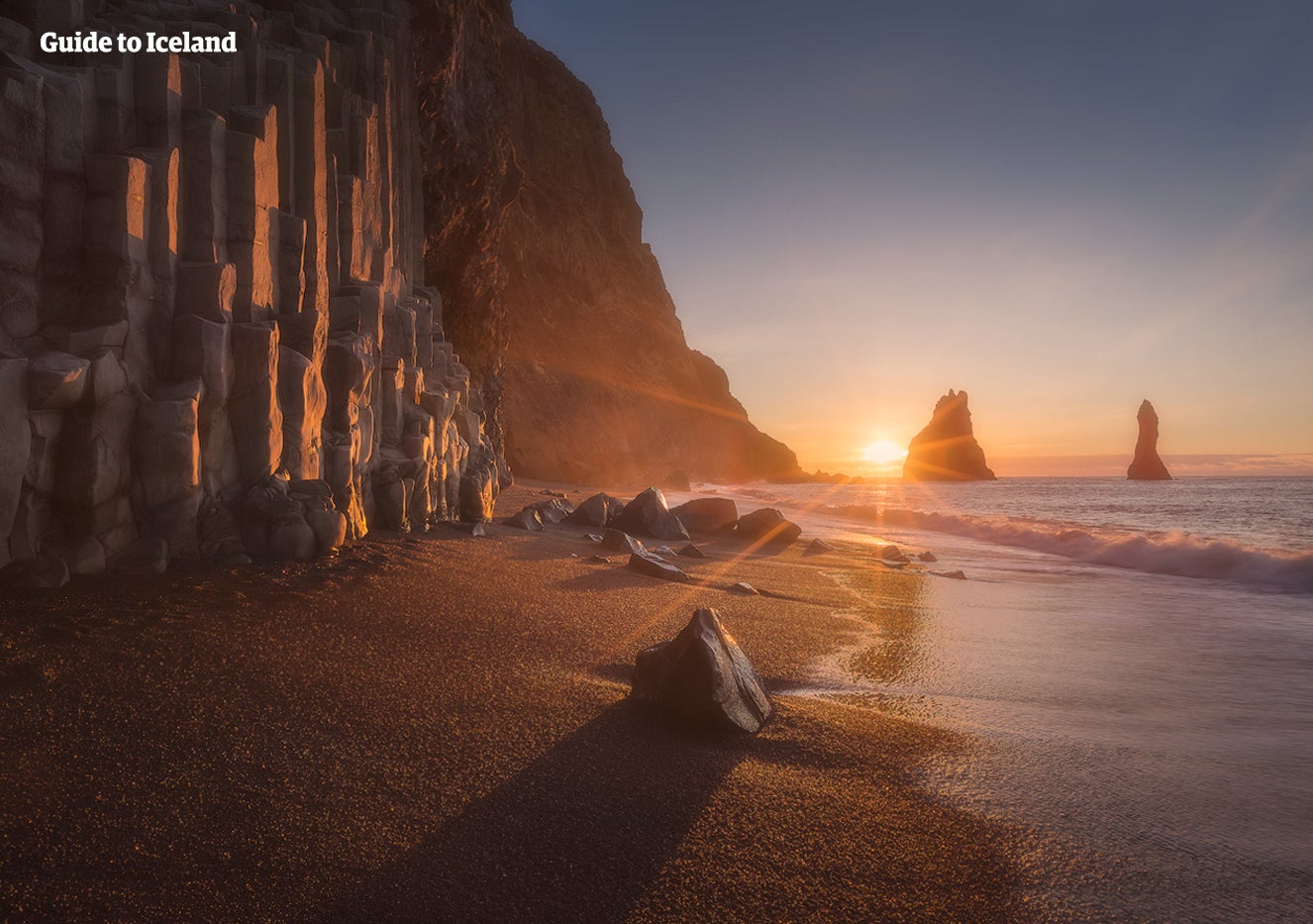
The peninsula's coastline is mostly made up of ancient lava flows where the majority of the waves break on extremely sharp volcanic reefs, with the exception of the black sand beach at Sandvik, which is home to excellent beginner's conditions where the waves can sometimes match the extremity of the reef breaks.
The very best time to surf in Iceland is between October and March when heavy storms hit the island from all directions. During this time the ocean drops to freezing temperatures and 5-6mm suits become absolutely essential.
Should you long for an arctic surfing adventure in Iceland you would be well advised to study the Icelandic weather forecast and tidal projection carefully, before renting a car and driving into the wilderness. Remember also that you can always connect with locals well in advance to seek guidance for the journey ahead.
Be well, be safe and enjoy.
- Check out these Tips for Backpacking in Iceland
- Find the large selection of Adventure Tours in Iceland here
- Read the Ultimate Guide to River Rafting here









Andre interessante artikler


Kjøring på Island: Den ultimate guiden til bilturer
Lær alt du vil vite om bilkjøring på Island. Finn ut hvorfor det er lett å kjøre på Island om sommeren og vanskeligere om vinteren. Lær hvordan du leier et kjøretøy til din egen kjøretur og hvilke k...Les merKart over Island
Finn kartet du trenger over Island med disse 20 kartene til islandske attraksjoner. Vi har laget alle de essensielle kartene du trenger over de viktigste attraksjonene på Island for å hjelpe deg med...Les mer
Været og temperaturene på Island
Lær alt om været på Island. Finn ut gjennomsnittstemperaturen per måned, været i løpet av hver årstid, været i forskjellige områder, hvordan det påvirker din evne til å se nordlyset, og mer. Et av...Les mer


Last ned Islands største reisemarkedsplass på telefonen din for å administrere hele reisen på ett sted
Skann denne QR-koden med telefonen din og trykk på lenken som vises, for å legge til Islands største reisemarkedsplass. Legg til telefonnummeret ditt eller e-postadressen din for å motta SMS eller e-post med nedlastingslenken.