Discover one of the most underrated coastal destinations in Southwest Iceland at Sandvik Beach on the rugged Reykjanes Peninsula. This remote black sand beach is known for its volcanic scenery, dramatic Atlantic Ocean views, and peaceful atmosphere far from Iceland's busiest attractions.
Also known as the Stóra-Sandvík, Sandvik Beach is surrounded by lava fields, rocky cliffs, and windswept coastal landscapes. The isolated setting highlights the raw beauty of the Reykjanes Peninsula and offers a quieter alternative to some of the country's more famous shorelines.
Why You Can Trust Our Content
Guide to Iceland is the most trusted travel platform in Iceland, helping millions of visitors each year. All our content is written and reviewed by local experts who are deeply familiar with Iceland. You can count on us for accurate, up-to-date, and trustworthy travel advice.
Sandvik Beach is located near the Bridge Between the Continents, making it a convenient stop during Reykjanes tours and scenic drives across Southwest Iceland. You can also add this area to customizable vacation packages in Iceland thanks to its proximity to Keflavik International Airport and other major attractions on the peninsula.
The surrounding region is well-suited for self-drive tours and day trips from Reykjavik, with geothermal sites, lighthouses, volcanic landscapes, and coastal viewpoints throughout the area.
Whether planning a scenic coastal drive or exploring the volcanic scenery, Sandvik Beach is a worthwhile addition to any Iceland itinerary. Its volcanic scenery and remote surroundings offer a striking glimpse into one of the country's most geologically active regions.
Key Takeaways
-
Sandvik Beach is a black sand beach on Iceland's Reykjanes Peninsula, located near the Bridge Between the Continents
-
Known for volcanic landscapes and dramatic coastal scenery
-
Less crowded than Iceland's South Coast beaches
-
Approximately 20 to 25 minutes from Keflavik International Airport
-
Accessible year-round by car, weather permitting
-
Popular for photography, sightseeing, and Reykjanes road trips
Exploring Sandvik Beach and Its Volcanic Surroundings
 Sandvik Beach lies along the southwestern coast of the Reykjanes Peninsula, an area known for volcanic activity, lava fields, geothermal features, and dramatic coastal landscapes. The name "Sandvik" translates roughly to "Sand Bay," while the area is sometimes referred to as Stóra-Sandvík to distinguish it from smaller nearby inlets.
Unlike Iceland's busier black sand beaches, Sandvik Beach remains relatively quiet and undeveloped. Visitors will not find restaurants, large parking facilities, or heavy tourist infrastructure here. Instead, the attraction's appeal comes from its raw natural environment and isolated atmosphere.
Sandvik Beach also sits within the Reykjanes UNESCO Global Geopark, a region recognized for its unique geological significance. Earthquakes, volcanic eruptions, tectonic fissures, and geothermal activity continue to shape the landscape today, making the area especially interesting for travelers interested in geology and Iceland's natural forces.
Why Visit Sandvik Beach
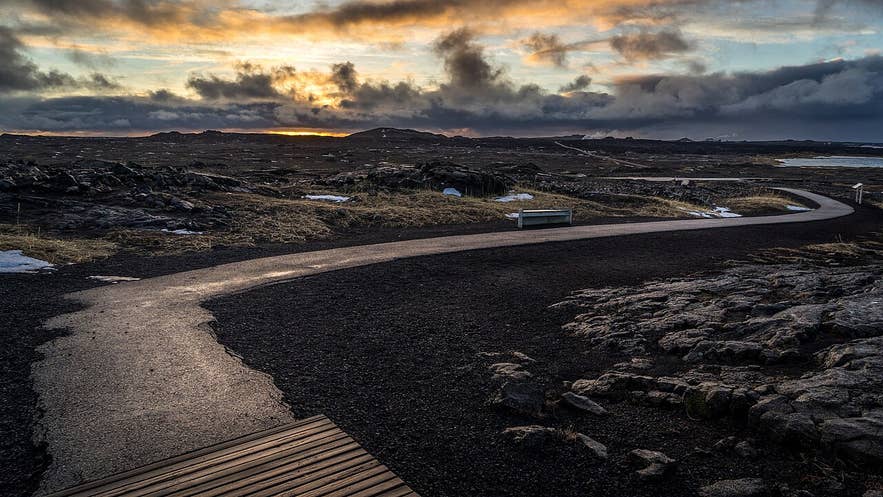 One of the biggest reasons to visit Sandvik Beach is its peaceful atmosphere. While some of the more famous black sand beaches in Iceland, such as Reynisfjara, attract heavy crowds throughout the year, Sandvik Beach remains quieter and more remote.
The rugged coastline, dark volcanic sand, and open Atlantic Ocean views create dramatic scenery shaped by centuries of volcanic activity. The isolated setting makes the beach especially well-suited for photography, sightseeing, and short coastal walks across the Reykjanes Peninsula.
Sandvik Beach is also located near several major attractions in Southwest Iceland, making it easy to include in Reykjanes road trips and coastal itineraries. Its proximity to Keflavik International Airport allows convenient access without traveling far from Reykjavik.
The surrounding Reykjanes region is known for volcanic landscapes, geothermal activity, lava fields, and tectonic features connected to the Mid-Atlantic Ridge. These geological contrasts give the coastline a striking appearance that feels noticeably different from many other parts of Iceland.
Strong Atlantic swells and exposed coastal conditions have also made the Reykjanes Peninsula one of the main areas associated with surfing in Iceland. While Sandvik Beach is better known for its scenery and volcanic setting, the surrounding coastline reflects the raw ocean conditions that attract interest in Iceland's growing surf culture.
The Black Sand Beach at Sandvik
The black sand at Sandvik Beach is formed from volcanic rock that has been broken down over time by ocean waves and natural erosion. The result is a dark shoreline that contrasts sharply with the blue-gray waters of the Atlantic Ocean and the surrounding lava formations.
The beach itself is wide and windswept, with a rugged appearance shaped by Iceland's harsh coastal conditions. Depending on the weather and season, visitors may encounter strong winds, crashing waves, misty conditions, or dramatic cloud formations that add to the area's atmosphere.
Unlike Reynisfjara, Sandvik Beach does not feature towering basalt columns or large tourist facilities. Instead, its appeal comes from its simplicity and isolation. The beach feels untouched and wild, making it particularly attractive to photographers and travelers looking for quieter destinations.
The coastline surrounding the beach includes rocky cliffs, volcanic terrain, and open ocean views that stretch across the Reykjanes Peninsula. During clear weather, the scenery becomes especially striking as sunlight reflects against the dark volcanic sand and lava fields.
Geology and Volcanic Landscape of Sandvik
The Reykjanes Peninsula is one of Iceland's most geologically active regions. It sits directly on the Mid-Atlantic Ridge, where the North American and Eurasian tectonic plates gradually move apart.
This tectonic activity has shaped the landscape around Sandvik Beach for thousands of years. Volcanic eruptions, lava flows, earthquakes, and geothermal activity continue to influence the region's appearance today.
Large lava fields surround the beach, many of them formed during historic eruptions across the peninsula. The terrain is rugged and uneven, with volcanic rock formations stretching across the coastline and inland areas.
The geological significance of the region is one reason why Reykjanes became a UNESCO Global Geopark. Visitors exploring Sandvik Beach can experience firsthand how volcanic forces continue to shape Iceland's landscapes.
In recent years, volcanic eruptions on the Reykjanes Peninsula have further increased interest in the area, drawing travelers eager to witness the constantly evolving geology of Iceland.
The Bridge Between the Continents
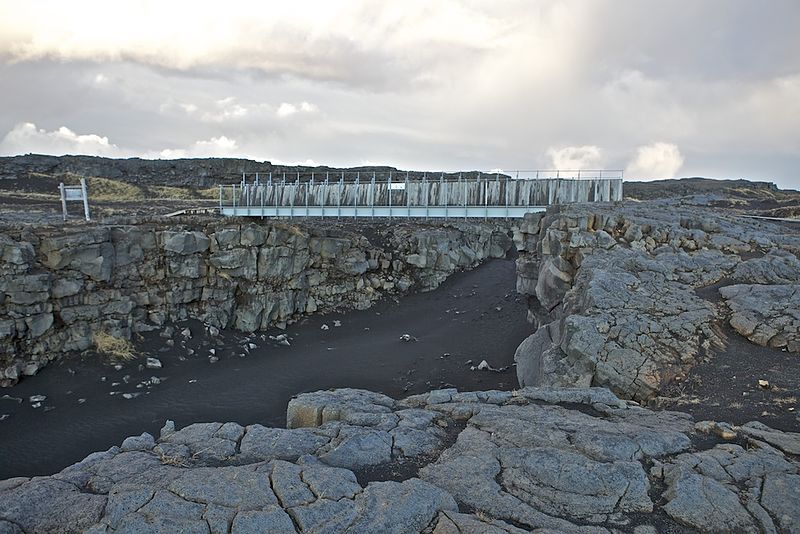
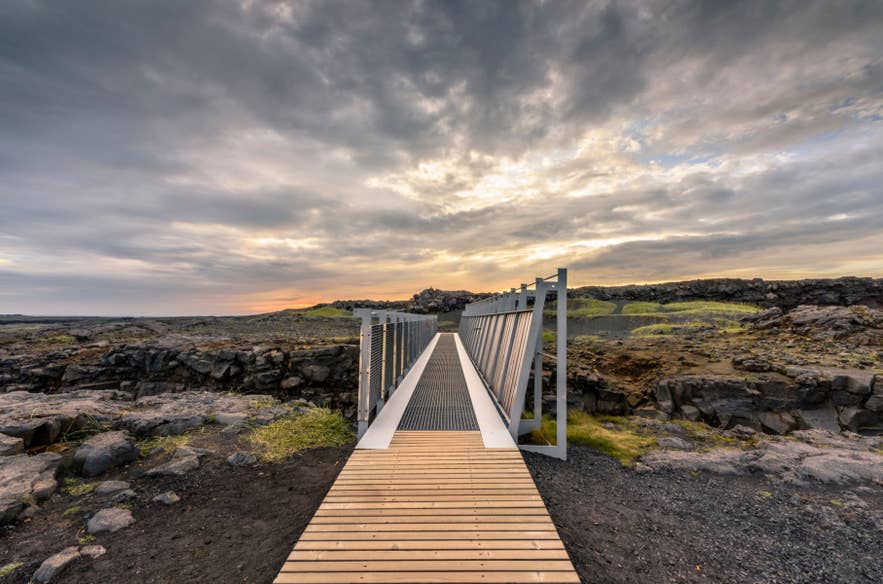
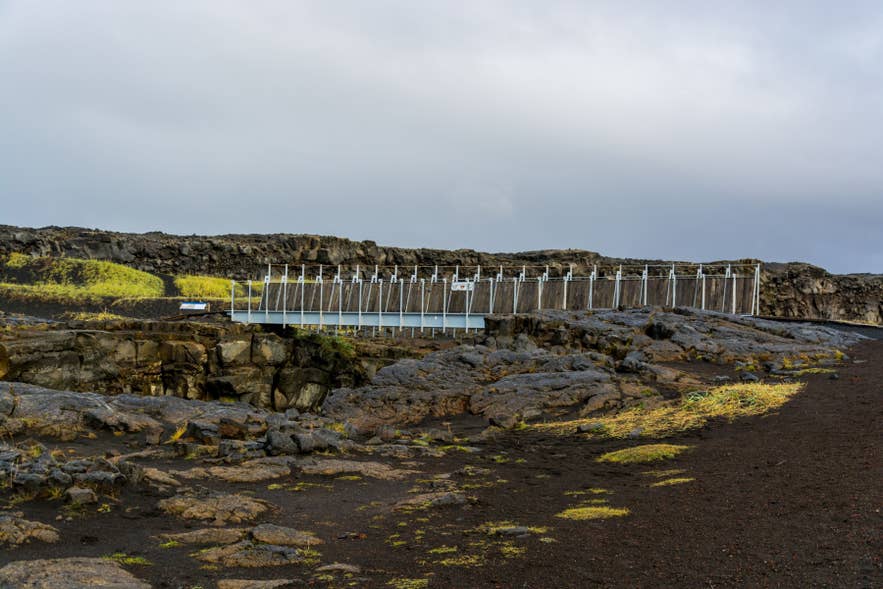 Located near Sandvik Beach, the Bridge Between the Continents is one of the Reykjanes Peninsula's best-known attractions. The small footbridge symbolically connects the North American and Eurasia tectonic plates, highlighting Iceland's unique position along the Mid-Atlantic Ridge.
Many visitors combine a stop at the bridge with a visit to Sandvik Beach since the two attractions are located close together. The bridge offers short walking paths and informational signs explaining the region's geology and tectonic activity.
While the bridge is a popular sightseeing stop, Sandvik Beach itself offers a broader experience of the Reykjanes Peninsula's volcanic landscape and rugged coastline.
Where Is Sandvik Beach Located
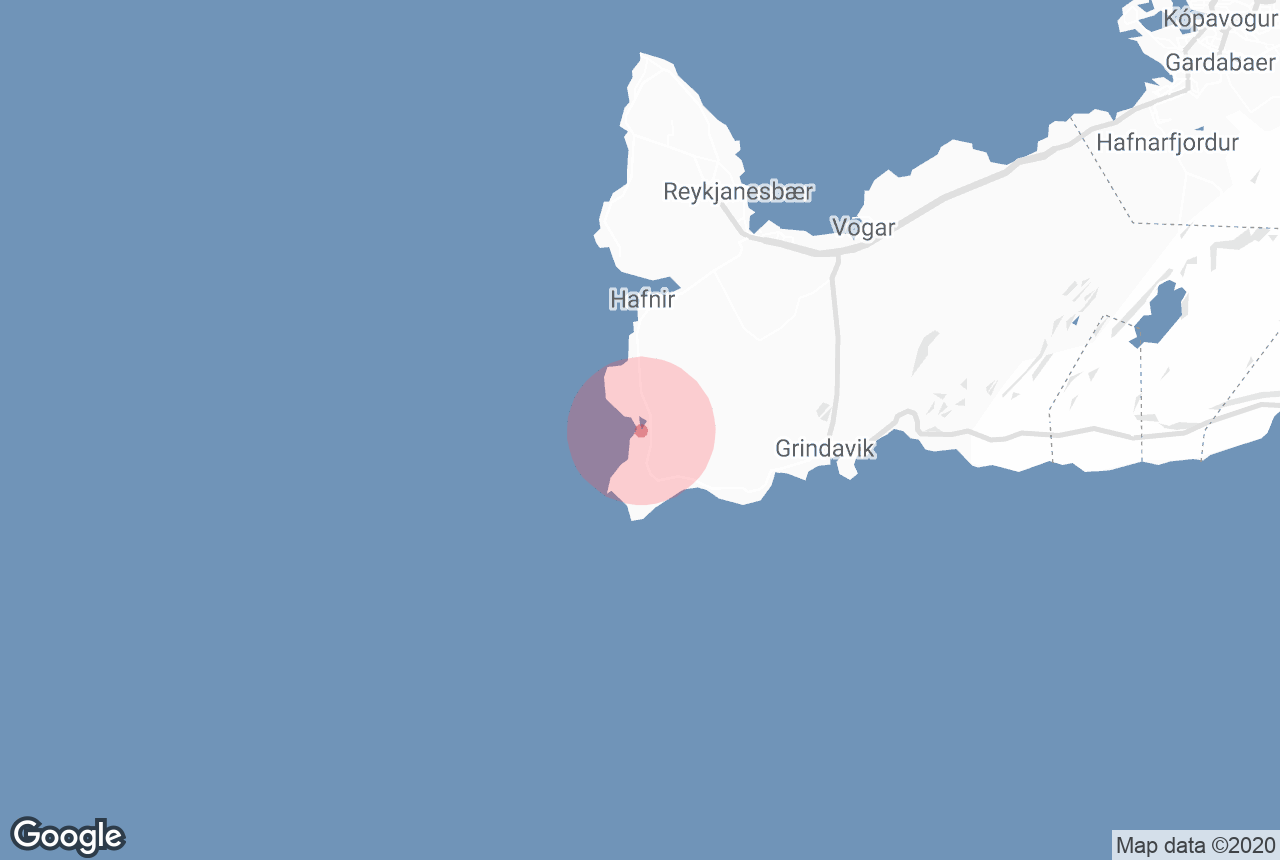
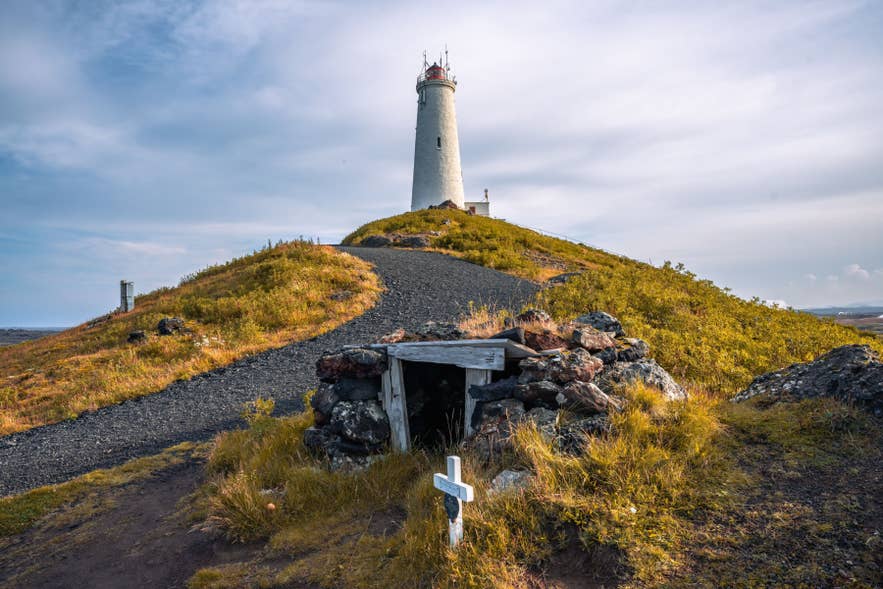 Sandvik Beach is located on Iceland's Reykjanes Peninsula in the country's southwestern region. The beach lies near the southwestern tip of the peninsula, not far from the Bridge Between the Continents and other notable Reykjanes attractions.
The beach is approximately:
-
34 miles (55 kilometers) from Reykjavik
-
12 miles (20 kilometers) from Keflavik International Airport
Because of its location, Sandvik Beach works particularly well as either a first stop after arriving in Iceland or a final sightseeing destination before departing the country.
The surrounding Reykjanes Peninsula is known for its volcanic landscapes, geothermal areas, lava fields, and coastal scenery. The region forms part of the Reykjanes UNESCO Global Geopark and offers many opportunities for scenic drives and geological exploration.
How To Get to Sandvik Beach
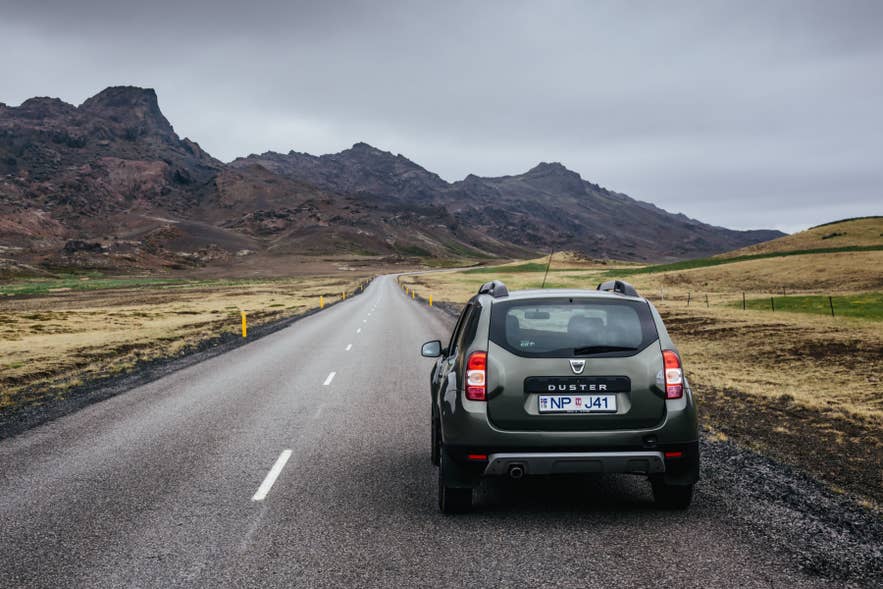 Sandvik Beach is accessible by car from both Reykjavik and Keflavik International Airport, making it one of the most convenient coastal destinations on the Reykjanes Peninsula. The beach is easily reached as part of a scenic drive through Southwest Iceland and can be combined with several nearby attractions.
From Reykjavik, the journey takes around 50 minutes to one hour, depending on the weather and road conditions. The route follows Road 41 toward the Reykjanes Peninsula before connecting to local roads near the coast. Reykjavik rental cars offer a convenient way to explore Sandvik Beach and other attractions across Southwest Iceland.
From Keflavik International Airport, the drive takes approximately 20 to 25 minutes. This short distance makes Sandvik Beach an ideal first or last stop when exploring Iceland. Many travelers choose rental cars at Keflavik Airport to begin their journey immediately after arrival and discover the natural highlights of the Reykjanes Peninsula at their own pace.
Road conditions in the area are generally manageable throughout the year, although some smaller access roads may include gravel sections or occasional potholes. Weather conditions can change quickly, particularly during winter, so checking road and weather updates before departure is recommended.
A parking area is available near the beach and nearby attractions, though facilities remain limited compared to Iceland's more developed tourist destinations. The minimal infrastructure helps preserve the area's remote atmosphere and natural character.
Public transportation does not currently provide direct access to Sandvik Beach. While bus services operate between Reykjavik, Keflavik, and other parts of the Reykjanes Peninsula, reaching the beach typically requires a rental car, taxi, or guided tour.
Best Time To Visit Sandvik Beach
Sandvik Beach can be visited year-round, though the landscape and conditions vary considerably throughout the seasons. Its exposed location on the Reykjanes Peninsula means the weather can change quickly, creating a different experience depending on when you visit.
Summer (June to August)
Those planning a trip during summer in Iceland can expect mild temperatures, long daylight hours, and generally favorable driving conditions. June and July bring the midnight sun, allowing extended time for sightseeing and photography along the coastline. The combination of softer weather and nearly endless daylight makes summer an excellent season to explore Sandvik Beach and other attractions across the Reykjanes Peninsula.
Winter (November to March)
For anyone curious about what winter in Iceland is like beyond snow-covered landscapes, Sandvik Beach offers a dramatic coastal experience. Powerful Atlantic waves, dark volcanic sand, and moody skies create striking scenery during the colder months. Weather conditions can change rapidly, however, and snow, ice, or strong winds may occasionally affect road accessibility.
Spring (April to May)
As spring in Iceland begins to transform the landscape, longer daylight hours gradually return while temperatures become more comfortable. This period often provides a quieter atmosphere than the peak summer season, making it a good time to enjoy the Reykjanes coastline without as much activity at nearby attractions.
Fall (September to October)
The transition into fall in Iceland brings cooler temperatures, shifting weather patterns, and beautiful natural contrasts across the volcanic landscape. Autumn light can be particularly rewarding for photography, highlighting the textures of the black sand, lava fields, and surrounding coastline. The season also offers a balance between summer accessibility and winter's dramatic scenery.
Best Conditions for Photography
Sandvik Beach is especially photogenic during sunrise, sunset, and overcast conditions. Soft lighting and dramatic cloud formations often enhance the contrast between black volcanic sand, the Atlantic Ocean, and the surrounding lava fields, creating some of the area's most memorable views.
Safety Tips for Visiting Sandvik Beach
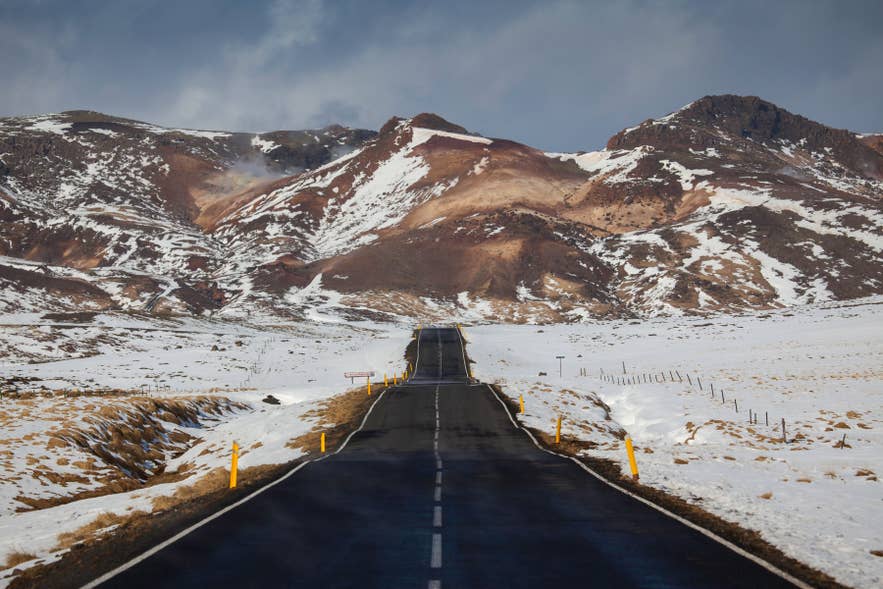 Although Sandvik Beach is relatively accessible, visitors should still exercise caution while exploring the area.
The Atlantic Ocean along Iceland's coast can be dangerous, with strong waves and unpredictable conditions. Travelers should avoid getting too close to the shoreline during rough weather.
The area is also known for strong winds, which can make walking difficult at times. Loose volcanic terrain and rocky surfaces may become slippery, especially after rain or during winter.
Visitors should:
-
wear sturdy footwear
-
dress in warm, windproof layers
-
stay aware of changing weather conditions
-
avoid climbing unstable cliffs or rocks
-
keep a safe distance from powerful waves
As with many natural attractions in Iceland, respecting the landscape and staying cautious helps ensure a safe visit.
Attractions Near Sandvik Beach
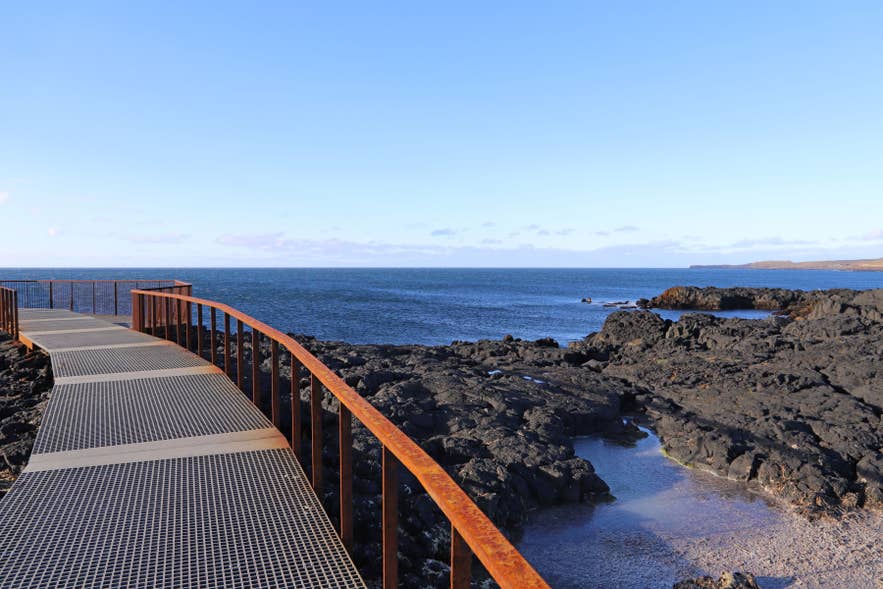 Sandvik Beach is close to several notable attractions on the Reykjanes Peninsula, making it easy to combine with other stops during a day trip or scenic drive. Many of these sites showcase the volcanic, geothermal, and coastal landscapes that define the region.
Nearby attractions include:
-
Bridge Between the Continents: A symbolic footbridge spanning the gap between the North American and Eurasian tectonic plates.
-
Gunnhver Hot Springs: One of Iceland's most active geothermal areas, featuring steaming vents, bubbling mud pools, and dramatic geothermal landscapes.
-
Reykjanesviti Lighthouse: Iceland's oldest house perched along a rugged stretch of Atlantic wave action.
-
Brimketill Lava Rock Pool: A naturally formed lava rock pool carved by centuries of Atlantic wave action.
-
Blue Lagoon: Iceland's world-famous geothermal spa, known for its mineral-rich waters and striking lava fields surroundings.
-
Fagradalsfjall Volcanic Area: A volcanic region that gained international attention following recent eruptions and remains one of the most fascinating geological sites in Iceland.
Together, these attractions showcase some of the best things to do in the Reykjanes Peninsula, and can easility be combined with a visit to Sandvik Beach.
Photography Tips for Sandvik Beach
Sandvik Beach is an excellent destination for landscape photography thanks to its volcanic scenery, dramatic coastline, and constantly changing weather conditions.
For the best lighting conditions, photographers often visit during:
-
sunrise
-
sunset
-
golden hour
-
overcast weather with dramatic clouds
The contrast between the black volcanic sand, lava fields, and ocean creates strong compositions throughout the year.
Wide-angle lenses work particularly well for capturing the expansive coastline and surrounding volcanic terrain. Drone photography can also provide impressive perspectives of the beach and nearby geological features, though visitors should always follow Icelandic drone regulations and weather safety guidelines.
Because the area can be extremely windy, photographers should bring protective gear for cameras and lenses.
Discover the Untamed Beauty of Sandvik Beach
Sandvik Beach showcases a quieter side of Iceland's coastline, where black volcanic sand, rugged lava fields, and powerful Atlantic Ocean views come together in a dramatic natural setting. Its remote atmosphere makes it a rewarding stop for anyone exploring the Reykjanes Peninsula.
Beyond its scenic appeal, the beach offers a glimpse into the geological forces that continue to shape Southwest Iceland. From volcanic landscapes to tectonic features associated with the Mid-Atlantic Ridge, the surrounding area highlights some of the country's most fascinating natural phenomena.
Sandvik Beach can also be included in Iceland's black sand beach tours, providing an alternative to the more heavily visited coastal destinations found elsewhere in the country. Its location near several major attractions makes it easy to combine with a broader Reykjanes itinerary.
For a closer look at the region's unique geology, consider joining a Super Jeep tour to the Mid-Atlantic Ridge on the Reykjanes Peninsula.
Combined with nearby geothermal areas, volcanic sites, and coastal landmarks, Sandvik Beach offers an unforgettable introduction to one of Iceland's most geologically active regions.