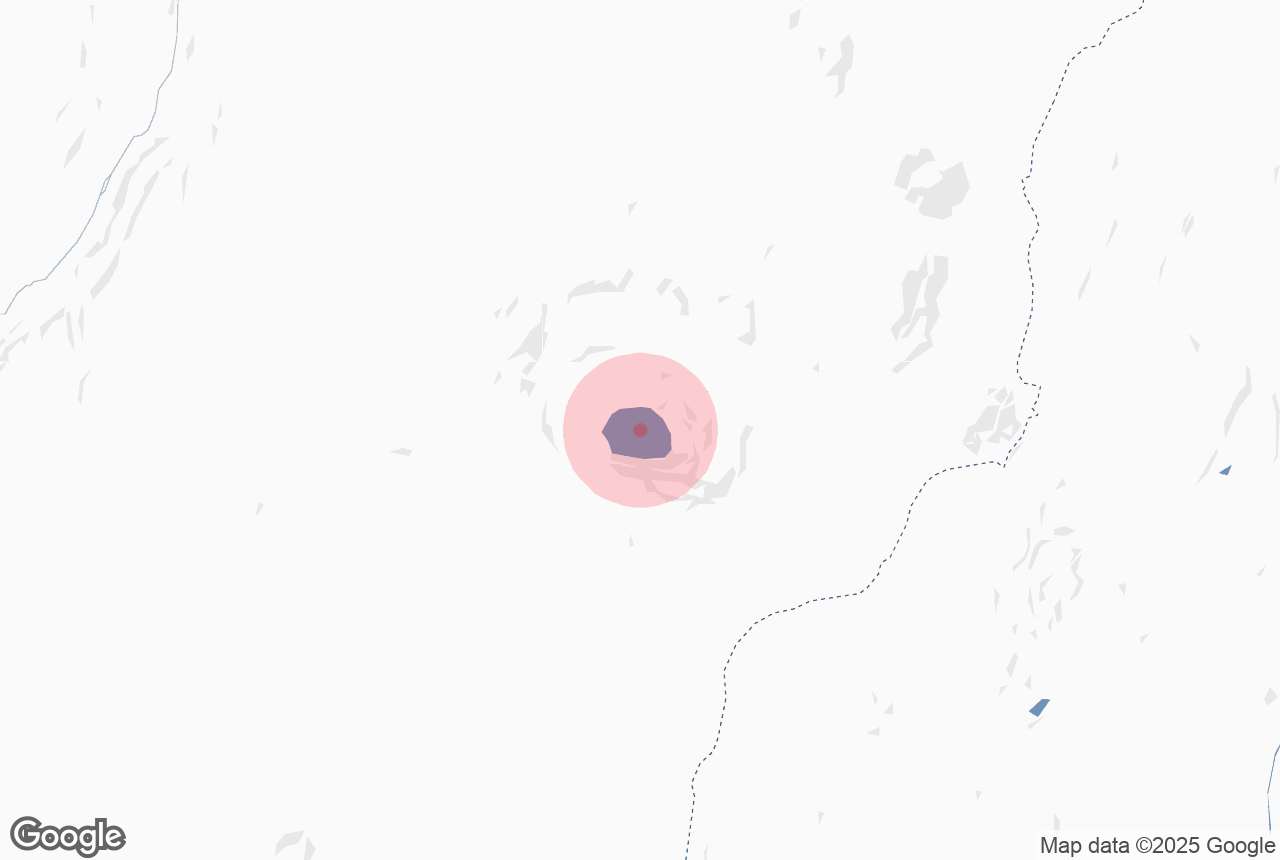

Oskjuvatn, sometimes called Lake Askja due to its location in the Askja caldera, is a vast crater lake in north Iceland.
Explore this area on a self-drive tour in Iceland.
저희의 콘텐츠를 신뢰할 수 있는 이유
가이드투아이슬란드는 아이슬란드에서 가장 믿을 수 있는 여행 플랫폼으로, 매년 수백만 명의 여행객이 저희와 함께 아이슬란드를 방문합니다. 저희의 모든 콘텐츠는 아이슬란드를 누구보다 잘 아는 현지 전문가들이 작성하고 검토하므로, 정확하고 신뢰할 수 있는 최신 여행 정보만 제공합니다.
Geography of Oskjuvatn
At 217 meters (712 feet) deep, Oskjavatn is the second-deepest lake in the country, behind the Jokulsarlon glacier lagoon. It is also one of Iceland’s larger lakes in terms of area, covering 11 square kilometers (four square miles).
However, its formation is only temporary. As the Askja caldera is one of the most active volcanic areas in Iceland, it only came into being following an eruption in 1875. It will likely change dramatically when the area erupts again; the last major volcanic event nearby occurred in 1962.
In spite of its remote location, Oskjavatn can be visited throughout summer on super jeep and hiking tours into the northern Highlands.
History of Oskjuvatn
In addition to being a natural attraction, Oskjavatn is the site of a sad story. In 1907, two scientists named Walter von Knebel and Max Rudloff were sailing across it when all traces of them were lost. In spite of the fiance of Knebel, Ina von Grumbkow, and a volcanologist, Hans Reck, conducting a search expedition and many decades passing, no signs of them or their boat have been found.