Icelandic women have long played important roles in shaping the nation’s culture and history, reflecting its beautiful landscapes, rich traditions, and strong focus on equal rights. In this article, we’ll explore how they continue to influence the country today.
When people planning trips to Iceland ask what Icelandic women are like, the answer is easy: they are strong, independent, and often leaders in their fields. Their resilience and commitment to equality truly make them stand out.
If you'd like to explore Icelandic culture through the lens of its trailblazing women, there are several meaningful ways to do so. You can join a women’s history walk in Reykjavik to learn about the women who shaped the city.
You can also take part in a women-focused hiking tour through Thorsmork Valley. These experiences highlight the stories and strength of Icelandic women, past and present.
Keep reading to discover how women in Iceland have shaped the country’s identity and the stories behind their greatest achievements. Learn about the many ways you can experience their impact during your visit.
Why You Can Trust Our Content
Guide to Iceland is the most trusted travel platform in Iceland, helping millions of visitors each year. All our content is written and reviewed by local experts who are deeply familiar with Iceland. You can count on us for accurate, up-to-date, and trustworthy travel advice.
Key Takeaways
-
Icelandic women are known for being independent, strong, and influential in society.
-
Gender equality is an important part of life in Iceland.
-
Women in Iceland are well educated and take an active part in the workforce, including roles in politics and business.
-
Icelandic women make major contributions to the arts, culture, and tourism, helping shape the country’s modern identity.
Who Are Icelandic Women?
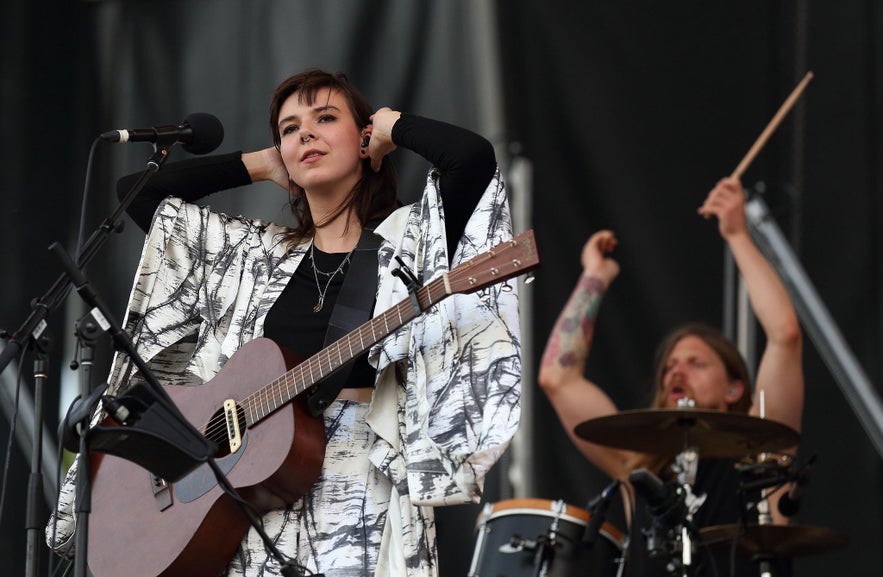
Singer Nanna Bryndís from Of Monsters and Men is a great role model. Photo from: Invision – Steve C. Mitchell/Invision/AP
Icelandic women are known for their confidence and strength. It’s easy to see why many people describe them as proud and independent. In Iceland’s equal society, women have the same rights, freedoms, and opportunities as men.
From a young age, women learn to trust themselves and value who they are. Girls are encouraged to share their opinions, take part in community life, and stand up for their rights. This reflects the country’s modern and supportive mindset.
Iceland’s close-knit culture fosters trust, community involvement, and shared responsibility. Girls grow up in an environment that values their voices and contributions, helping them develop a strong sense of identity from an early age.
If you want to visit a destination that truly supports women’s equality and empowerment, Iceland is a great choice. Let’s explore how gender equality in Iceland shapes women’s everyday lives and what you can expect to see during your trip.
Historical Background of Icelandic Women
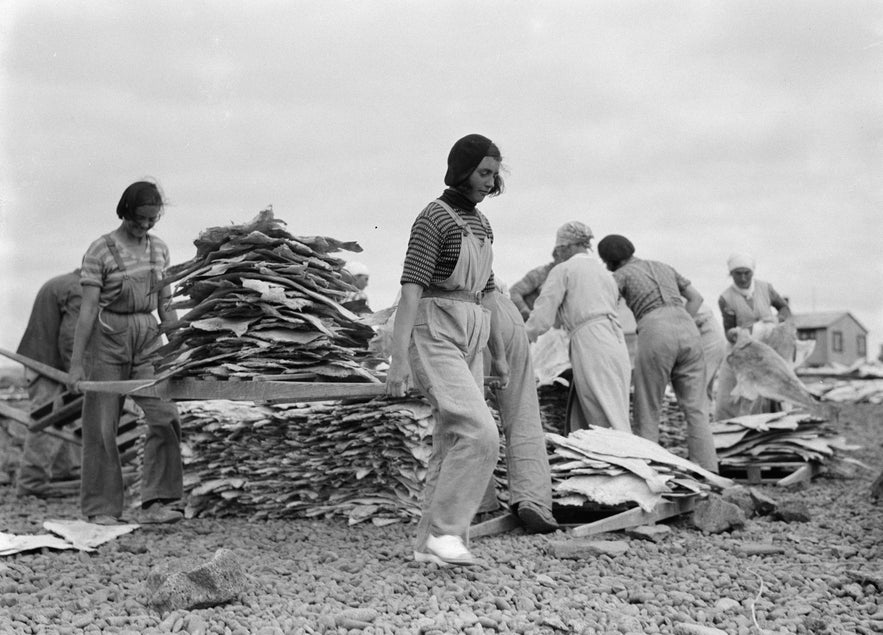
Photo from Wikimedia, Creative Commons, by Willem van de Poll. No edits made.
Icelandic women have a long history of independence and influence. Their strong legal rights in the Viking Age continued through medieval life, literature, and cultural traditions. This history helps explain their leadership in Iceland today.
Viking Age Rights and Independence
During the Viking Age (about 800–1100 AD), women in Iceland had more legal rights than most women in Europe. They could own and inherit property, run farms, ask for a divorce, and reclaim their dowries after a marriage ended.
These rights gave women real independence and strengthened their place in daily Icelandic life. They were central to family and community life, and their freedoms helped build a lasting tradition of respect and autonomy in Icelandic society.
Medieval Life and Cultural Traditions
After the Viking Age, Icelandic women remained important in society. Many became landowners and managed households, making key decisions about farming, trade, and family matters.
Women also helped preserve Iceland’s culture by passing down stories, traditions, and practical knowledge. Their work protected the country’s unique identity.
Women In The Icelandic Sagas
The Icelandic sagas, central to the country’s literature and history, feature strong female characters such as Auður the Deep-Minded and Hallgerður Höskuldsdóttir. Auður was a powerful leader who brought her family to Iceland and managed the land independently.
Hallgerður is a key figure in Njal’s Saga, known for her sharp mind and influence. These sagas highlight the importance of women and suggest that some stories were written or shaped by them, which reinforces their place in Iceland’s literary tradition.
Gender Equality in Iceland
Iceland is one of the most gender-equal countries in the world, and Icelandic women have played a leading role in this progress for many years.
Travelers can learn about this history at the National Museum of Iceland. Exhibitions there touch on how women’s roles have evolved from the Viking Age to modern society.
June 19, Women’s Rights Day, marks the moment in 1915 when Icelandic women gained the right to vote. The anniversary remains an important reminder of the country’s long-standing commitment to equal rights.
This early milestone helped shape the women’s movement that followed. In 1975, 25,000 women left work early and home duties to protest the gender pay gap, bringing Reykjavik to a standstill during the Women’s “Day Off.”
Similar protests occurred in 1985, 2005, 2010, and 2016. On the same day as the first strike, Miss Iceland quit a beauty pageant, drawing international attention to gender equality in Iceland.
Iceland strengthened gender equality with new legislation, including a 2018 equal pay law requiring companies with more than 25 employees to prove they pay women and men equally. As of 2023, the adjusted gender pay gap is 3.6%.
Change didn’t happen all at once, but Iceland has made strong progress. There’s still more to improve, but many inspiring Icelandic women continue to help shape the country’s future.
Notable Icelandic Women
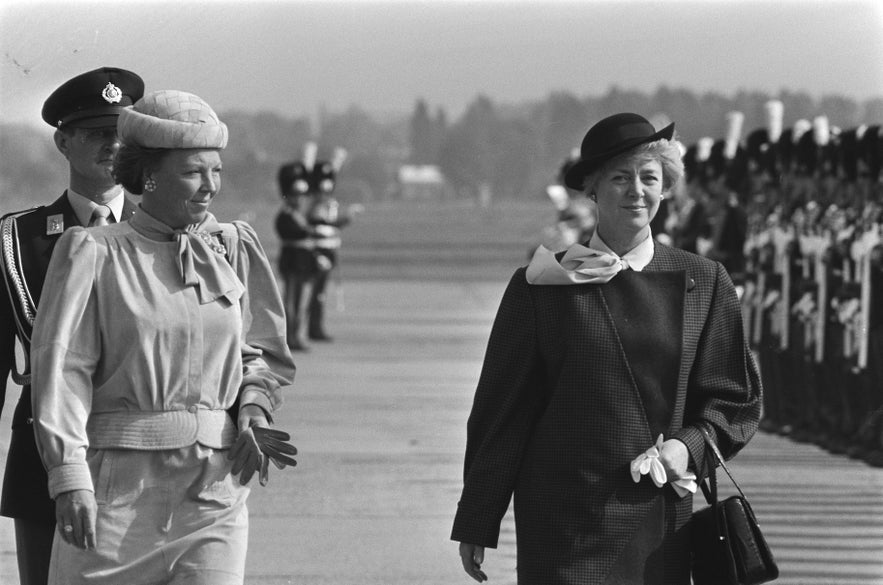
Photo from Wikimedia, Creative Commons, by Rob C.Croes. No edits made.
Iceland has a long history of strong and influential women who have broken barriers and worked for equality. Here are a few important figures who helped shape the country.
Vigdís Finnbogadóttir - Iceland’s First Female President
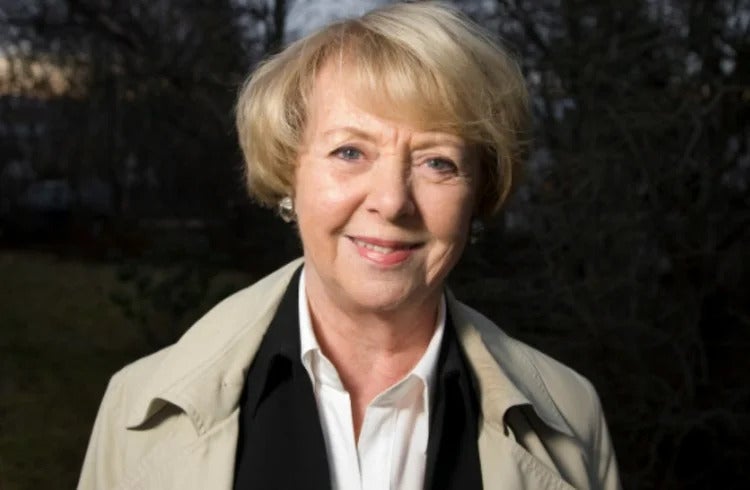 Vigdís Finnbogadóttir was the first woman to be elected president in Iceland, and one of the first democratically elected female presidents in the world. She served for nearly 16 years, making her one of the longest-serving presidents in Iceland’s history.
Her presidency was a major step for women’s leadership worldwide. She showed that women can lead with confidence and empathy, and she’s still admired today as a role model for women and girls.
Jóhanna Sigurðardóttir - Iceland’s First Female Prime Minister
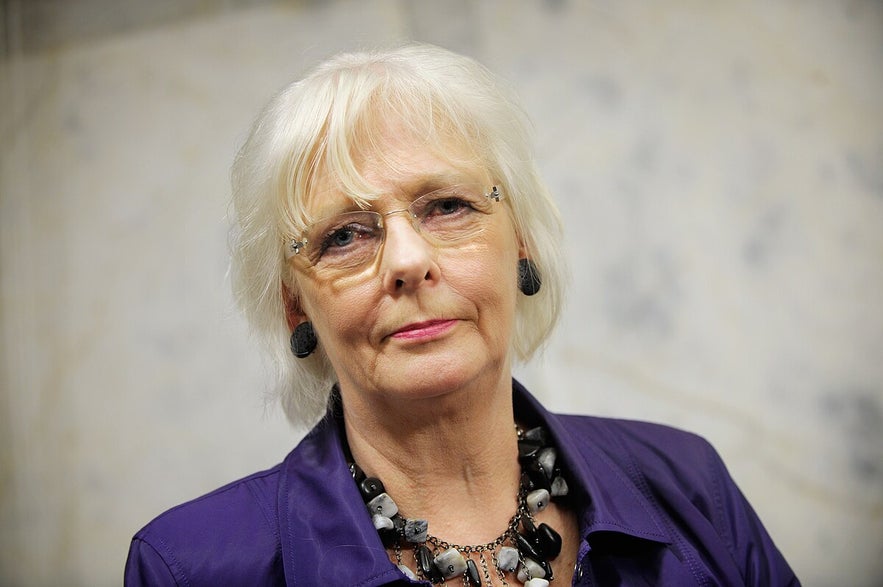
Photo from Wikimedia, Creative Commons, by Johannes Jansson. No edits made.
Jóhanna Sigurðardóttir is another important leader in Iceland’s history. In 2009, she became Iceland’s first female prime minister and the world’s first openly lesbian head of government.
During her time in office, Iceland made big improvements in family policies, including better parental leave and child welfare. She strongly supported gender equality and became a respected political figure both in Iceland and internationally.
Johanna also played a key role in the global effort for equal pay. She showed the world that women can lead with strength, care, and intelligence, helping Iceland become one of the most gender-equal countries today.
Katrín Jakobsdóttir – Iceland’s Second Female Prime Minister
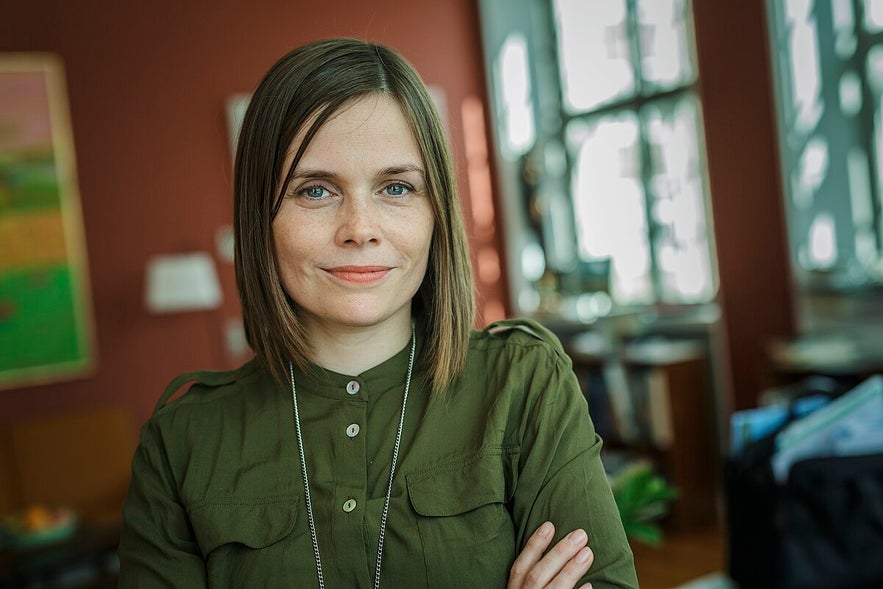
Photo from Wikimedia, Creative Commons, by Katrín Jakobsdóttir. No edits made.
Katrín Jakobsdóttir served as Iceland’s second female prime minister from 2017 to 2024. Known for her work in sustainability, social welfare, and equality, she became one of the country’s most internationally recognized leaders.
Her time in office emphasized cooperation, inclusive governance, and continued efforts to close gender gaps across society.
Halla Tómasdóttir – Iceland’s Second (and Current) Female President
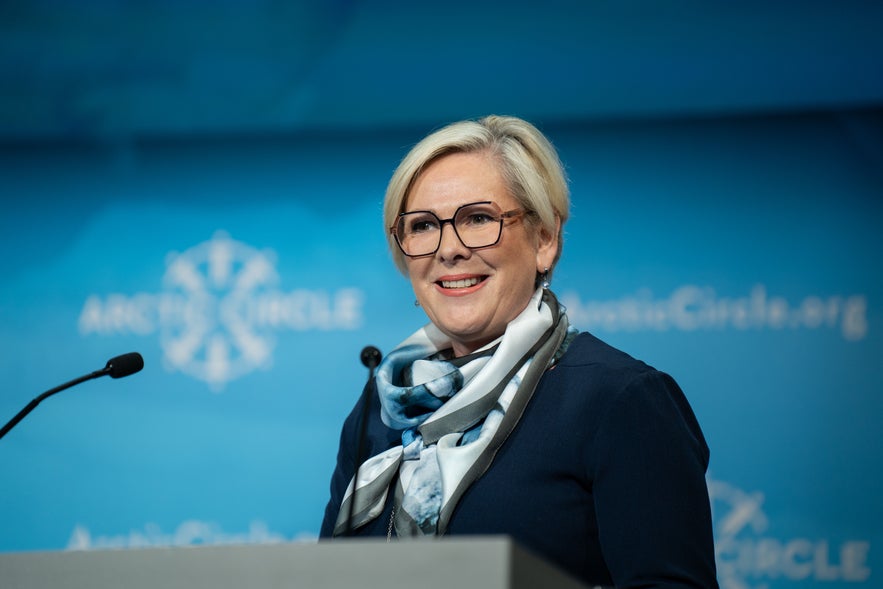
Photo from Wikimedia, Creative Commons, by Arctic Circle. No edits made.
Halla Tómasdóttir was elected president in 2024, becoming Iceland’s second female head of state after Vigdís Finnbogadóttir. She is known for her work in business, gender equality advocacy, and values-driven leadership.
Her presidency reflects Iceland’s ongoing commitment to electing leaders who prioritize fairness, transparency, and social responsibility.
Kristrún Frostadóttir – Iceland’s Third Female Prime Minister
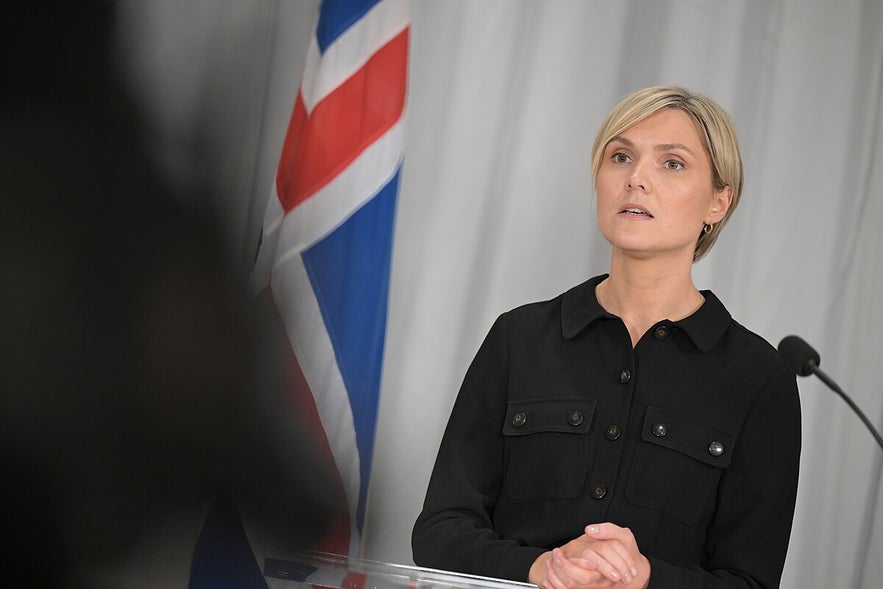
Photo from Wikimedia, Creative Commons, by Dati Bendo. No edits made.
Kristrún Frostadóttir became Iceland’s third female prime minister in 2024. With a background in economics and public policy, she has focused on strengthening the economy, improving equality, and modernizing social systems.
Her leadership highlights the increasing number of women guiding Iceland’s long-term development.
Unnur Brá Konráðsdóttir - Member of Parliament (MP)
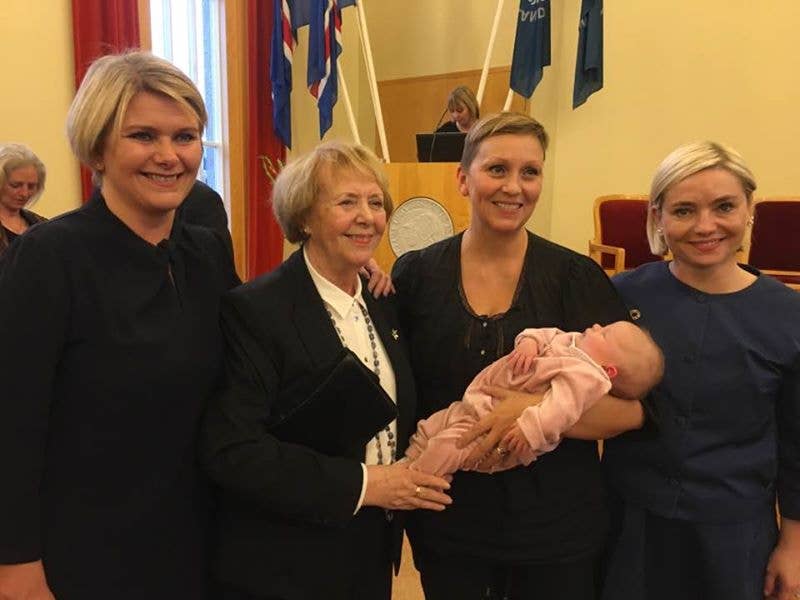
Unnur Brá, the Icelandic MP who breastfed her baby during parliament, along with other politicians and the former president of Iceland.
A well-known example of women’s rights in Iceland is when MP Unnur Brá Konráðsdottir breastfed her baby during a parliamentary debate. The moment gained global attention and sparked discussions about women in public life.
The global reaction showed that some challenges still remain. It also highlighted the strong commitment of Icelandic women to keep pushing for progress.
Public breastfeeding in Iceland is widely accepted. This acceptance reflects how deeply gender equality is practiced in everyday life.
Icelandic Women in Arts, Entertainment, and Culture
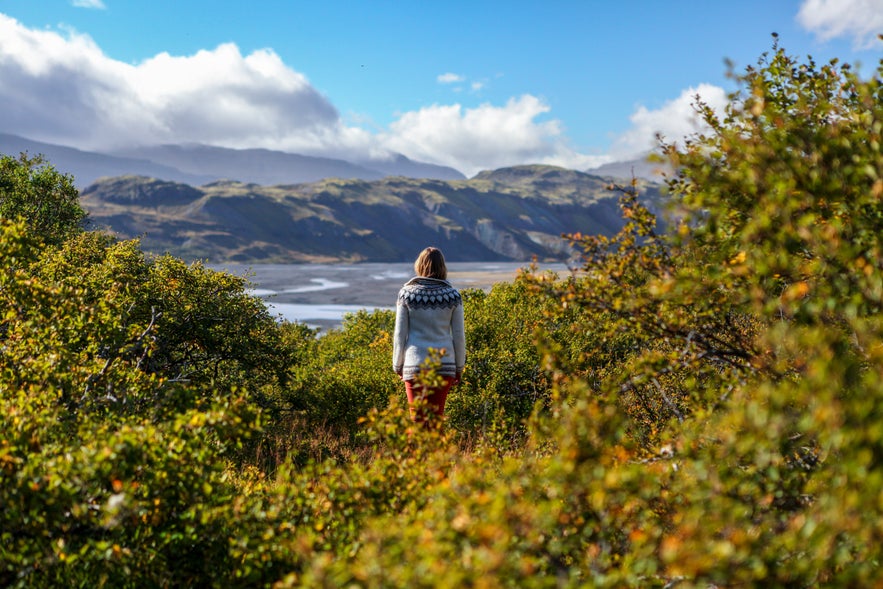 Women in Iceland also play a big role in the country’s culture. In music, literature, and film, many well-known Icelandic women continue to make an impact both in Iceland and around the world.
Laufey – Iceland’s Rising International Star
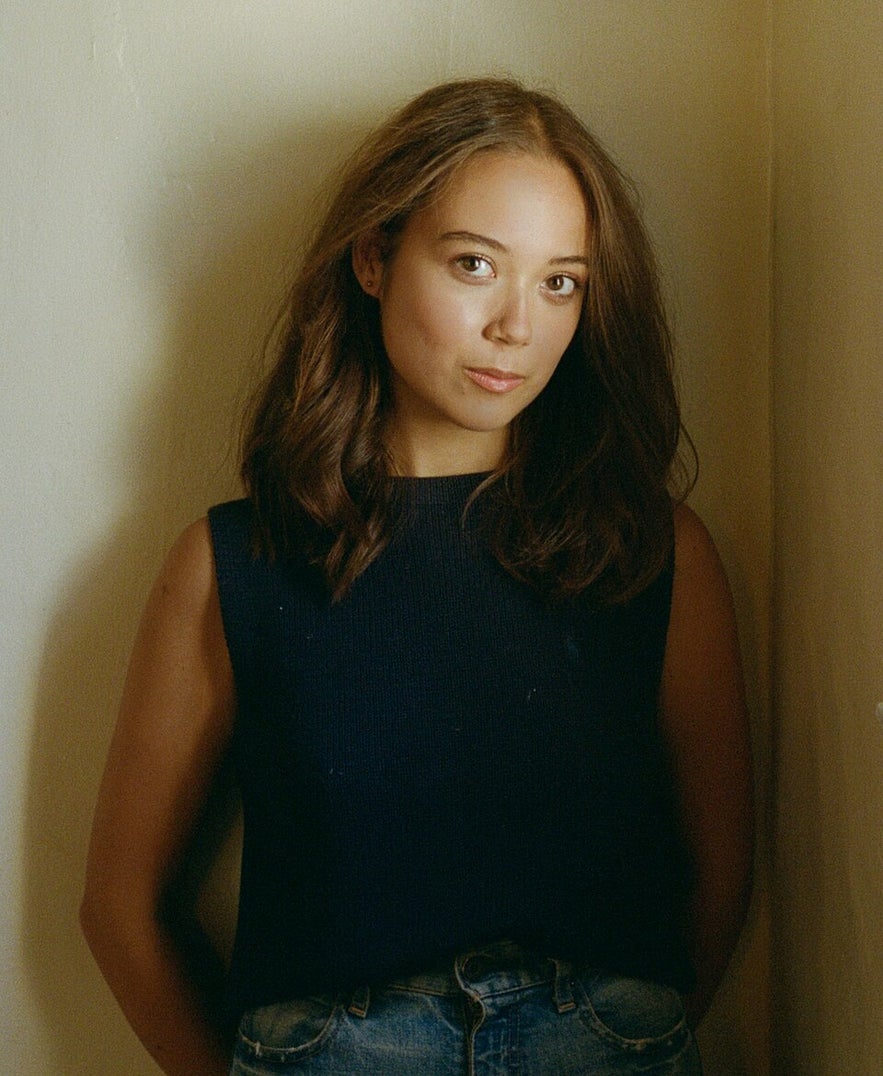
Photo from Wikimedia, Creative Commons, by Foundations Management. No edits made.
Laufey, an Icelandic singer, songwriter, and multi-instrumentalist, gained worldwide recognition for her blend of jazz, classical, and modern pop. Her breakout hit “From the Start” went viral and introduced her warm, nostalgic sound to millions.
She later released her Grammy-winning album “Bewitched,” praised for its orchestral style and timeless sound. Laufey has performed with major symphonies, sold out international tours, and built a strong global following among young listeners discovering jazz.
Her rise has helped spotlight Icelandic talent on the world stage, bringing a fresh, melodic, and emotionally rich voice to contemporary music.
Björk Guðmundsdóttir: Iceland’s Music Legend
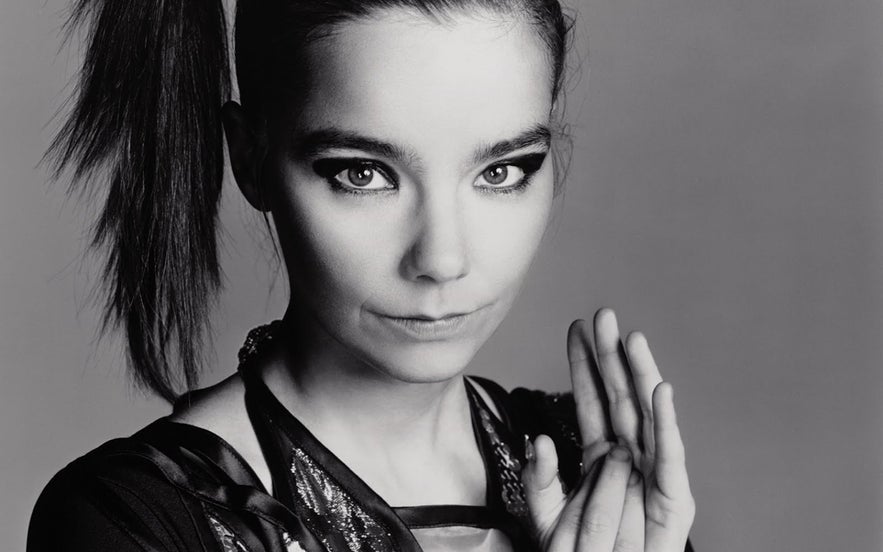
In Icelandic music, Bjork Gudmundsdottir is one of the most famous and respected artists. She is known for her creativity and for changing how people think about music and art.
Bjork’s unique style, including her 3D visual exhibitions, has earned international attention and inspired many artists around the world. She has always kept full creative control over her work.
Her success has also opened doors for other Icelandic musicians, such as Emiliana Torrini and Nanna Bryndis Hilmarsdottir from the band Of Monsters and Men.
Reykjavikurdaetur: Breaking Barriers in Rap
Reykjavikurdaetur is an all-female band from Iceland that is making a big impact on music in Iceland. Their songs talk about women’s rights, politics, and what it’s like to be a woman today.
The group shows young Icelandic girls that women can succeed in rap without following the hyper-sexualized standards often seen in the music industry. They prove that confidence and talent matter more than fitting into traditional expectations.
Their influence adds to the long list of famous people in Iceland who use their platform to promote equality and self-expression. Because of these women in the media, many young girls are pushing back against unfair beauty standards and social pressure.
Movements like the annual SlutWalk and the #FreeTheNipple campaign show how Icelandic women are challenging old ideas and inspiring the next generation to do the same.
You can experience Reykjavikurdaetur influence firsthand in Reykjavik’s music scene. Venues like Harpa Concert Hall, Gaukurinn, and Hurra host local artists throughout the year.
Arna Ýr Jónsdóttir – Miss Iceland 2015
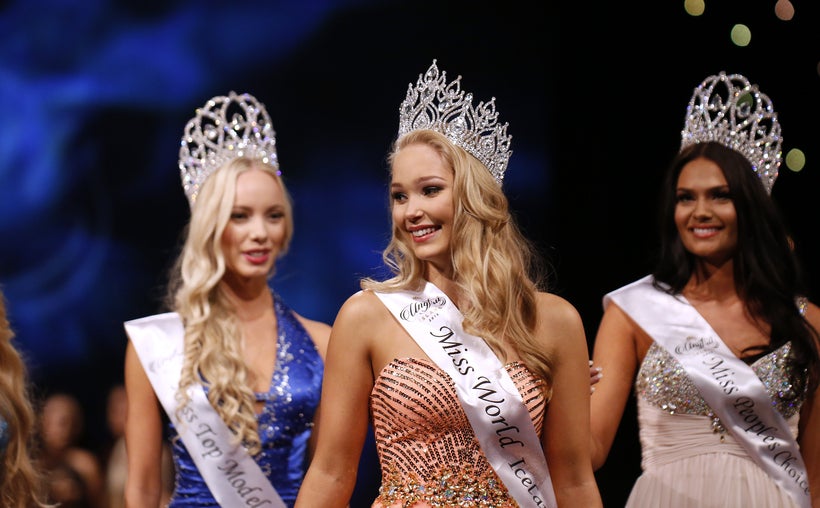
Arna Ýr Jónsdóttir gained international attention in 2016 when she withdrew from a beauty pageant after being told she needed to lose weight. The criticism focused on her appearance rather than her athletic background as a national pole vaulter.
Her decision sparked conversations in Iceland about body shaming and the pressures placed on women in beauty competitions.
Beauty Standards and Body Positivity in Iceland
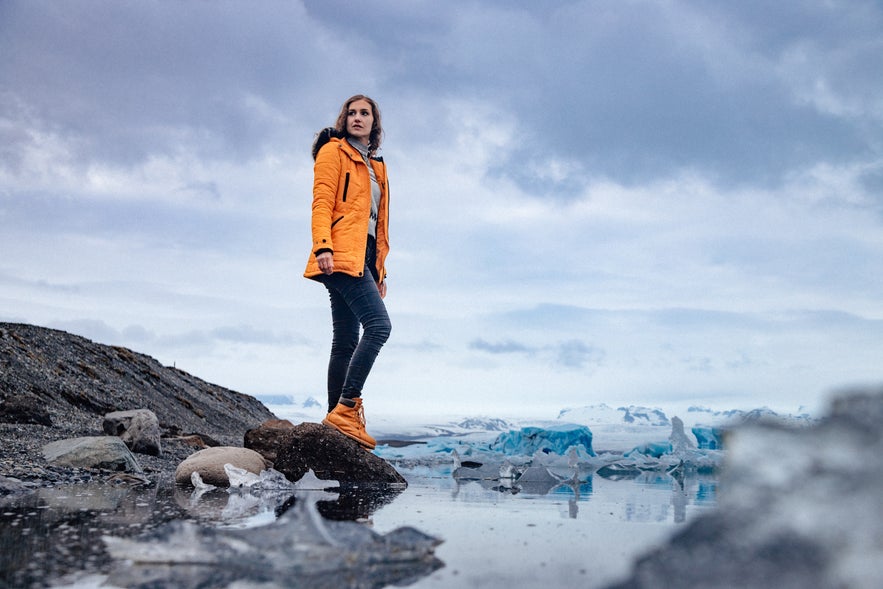 Beauty culture in Iceland is relaxed, and daily life focuses more on comfort than appearance. Women often choose practical clothing, natural hair, and minimal makeup, reflecting a culture that values authenticity over strict beauty expectations.
Makeup is worn casually, and natural looks are widely accepted. Many women prioritize warmth and practicality, especially in Iceland’s climate. This freedom from beauty pressure helps explain why Icelandic women are often described as confident.
Body positivity is also strongly supported. Public discussions about self-worth and inclusion are common, and campaigns often highlight diverse body types. When Miss Iceland 2015 refused to lose weight for a pageant, the country openly supported her decision.
Icelandic Women in Sports
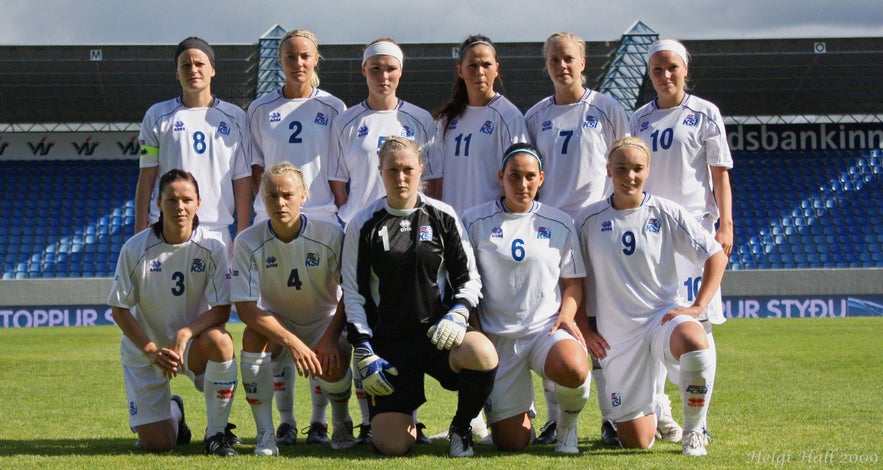
Photo from Wikimedia, Creative Commons, by Helgi Halldórsson. No edits made.
Sports are a major part of Icelandic culture, and women play an active and celebrated role in it. Female athletes represent Iceland in handball, soccer, track and field, CrossFit, and winter sports.
The Iceland women's national football team has become a major source of inspiration for young girls across the country. Key facts about the team include:
-
The team played its first international match on 20 September 1981.
-
On 30 October 2008, they qualified for the UEFA Women's Championship 2009, the first time any Icelandic national football team, men or women, reached a major continental tournament.
-
A documentary titled Stelpurnar okkar (Our Girls) premiered on 14 August 2009 and followed the team's journey during qualification.
-
They have qualified for five consecutive European Championships in 2009, 2013, 2017, 2022, and 2025.
-
Their best result so far came in 2013, when they reached the quarterfinals of the tournament.
Female athletes in Iceland excel in many other sports as well. Their visibility in competitions and campaigns encourages equality and motivates future generations to pursue athletics with confidence.
Education and Employment of Women in Iceland
 Women in Iceland achieve high levels of education, with more women than men completing university degrees, according to OECD education data. Young women especially show strong participation in higher education across many academic fields.
Female students dominate master’s programs and are well represented in the sciences and humanities. However, participation remains low in vocational training and some STEM specialties, especially engineering and technical doctoral studies.
Women benefit from accessible education, supportive social policies, and a national emphasis on equal opportunity. These factors help maintain Iceland’s strong international standing in gender equality.
You may notice this at museums, guided tours, and design boutiques—many run by women. Female entrepreneurs also lead several cafes, craft shops, and galleries in Reykjavik, making it easy to support women-led businesses.
Despite progress, the labour market remains somewhat gender-segregated. Women are more common in care-related roles and less present in technical, higher-paid positions, contributing to ongoing wage differences.
Overall, Iceland offers strong support for women’s education and employment, though challenges remain in leadership representation, STEM participation, and pay equality.
Women Dating Culture in Iceland
 Dating in Iceland is relaxed, equal, and straightforward. Women are comfortable expressing interest, communicating openly, and taking the lead when they want to. Confidence and honesty are valued, and there is little pressure to follow traditional roles.
Gender expectations are minimal, so splitting the bill, sharing decisions, and meeting casually are normal. Icelanders prefer sincerity over small talk, and relationships often grow from mutual respect, openness, and shared interests.
Visitors often find Iceland’s dating culture refreshing, but it should be approached respectfully. Stereotypes about Icelandic women can feel dismissive, so kindness and genuine curiosity make a far better impression.
Common Misconceptions About Icelandic Women
 Many visitors arrive with assumptions that do not match reality. A common misconception is that Icelandic women seem distant, but they often prefer genuine conversation and may take time before forming new connections.
Another misconception is that confidence appears cold. Icelandic women are straightforward and honest, which reflects cultural norms rather than unfriendliness.
Behaviors such as direct speech or keeping personal space may feel unfamiliar to outsiders. These habits are considered polite in Iceland and show mutual respect.
The Role of Icelandic Women in Family and Society
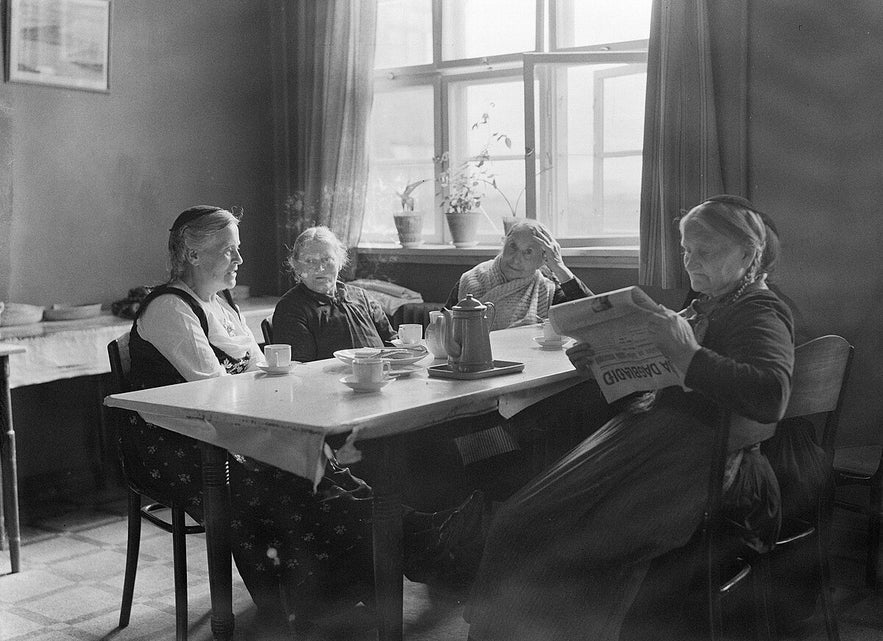
Photo from Wikimedia, Creative Commons, by Willem van de Poll. No edits made.
Iceland’s progressive society is also seen in family life. Women can balance their careers, personal goals, and home life with support from some of the best parental leave policies in the world. Both parents have the right to paid leave after a child is born.
Across the country, there’s no pressure to start a family at a certain age. Women usually choose to have children when they feel ready. This relaxed mindset also appears in the workplace, where men and women are represented almost equally.
This family-focused culture is easy to see. Public spaces like local favorite pools, cafes, and nature areas welcome families year-round, and parents often share childcare during outings.
Iceland consistently ranks as one of the safest countries in the world, and this safety shapes everyday life. Women feel comfortable exploring cities and nature, meeting new people, and moving around without worry.
Children play outside independently, and communities trust their neighbors. Visitors often notice unlocked doors, strollers outside cafes, and teens confidently navigating towns, reflecting Iceland’s strong sense of freedom and security.
Women are active in their communities, taking part in local groups, social projects, and civic efforts. Individuality is valued, but a strong sense of community and family remains important. They play a major role in keeping this balance.
Travel Tips for Respectfully Interacting with Icelandic Women
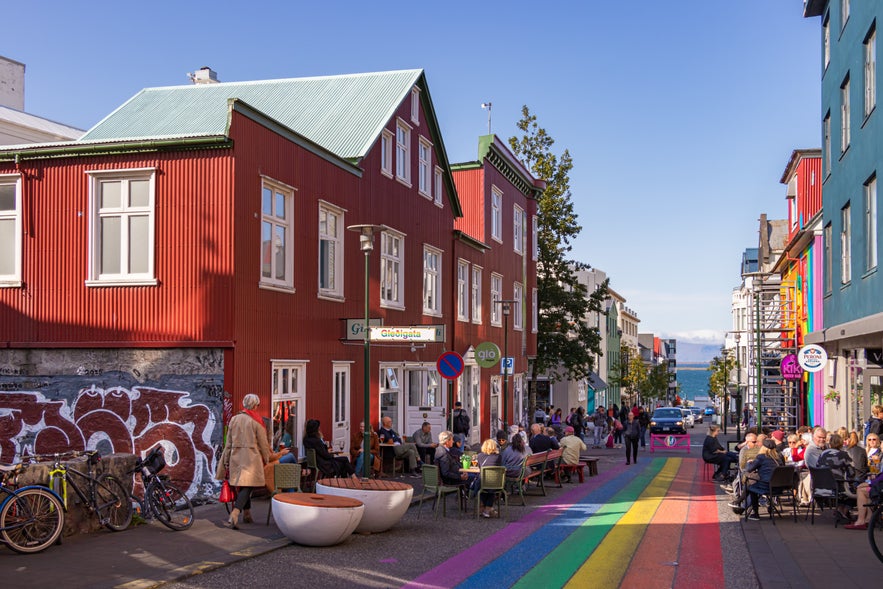 With their warm hospitality and love for adventure, many Icelandic women welcome visitors with kindness. They often help travelers feel at home and give a more genuine experience of the country.
If you’re planning a trip to Iceland, here are a few simple tips to make a good impression:
-
Respect equality. Be open-minded and avoid negative gender roles or stereotypes.
-
Be friendly. Don’t hesitate to talk with locals. A kind attitude and real curiosity go a long way.
-
Support women-led activities. Join tours, workshops, or events run by women to show respect and support the community.
From guiding tours in Reykjavik to sharing local knowledge, Icelandic women help visitors gain a deeper understanding of the country's nature, history, and culture.
Top 5 Women-Only Tours in Iceland
If you’re a woman visiting Iceland and want experiences centered on women’s stories, these women-only tours offer meaningful ways to connect with the country’s culture:
-
6-Day Women-Only Highland Luxury Retreat - A women-only retreat that explores the highlands in wilderness settings such as Kerlingarfjoll. Daily hikes, geothermal landscapes, Nordic cuisine, and yoga with a supportive group of women.
-
7-Day Festive Winter Adventure with Viking Women - A Christmas-themed winter tour created for women travellers who want to experience Iceland’s arctic landscapes during the holiday season.
-
6-Day All-Women 2026 Total Solar Eclipse Tour & South Coast - Designed exclusively for women, this tour combines Iceland’s South Coast, glacier hiking, geothermal baths, and the once-in-a-lifetime event of the total solar eclipse in August 2026.
-
9-Day Women-Only Winter Hiking & Ring Road Sightseeing Tour - A women-only winter tour around the Ring Road, combining hiking, sightseeing, and Iceland’s remote natural beauty.
What to Remember About Icelandic Women
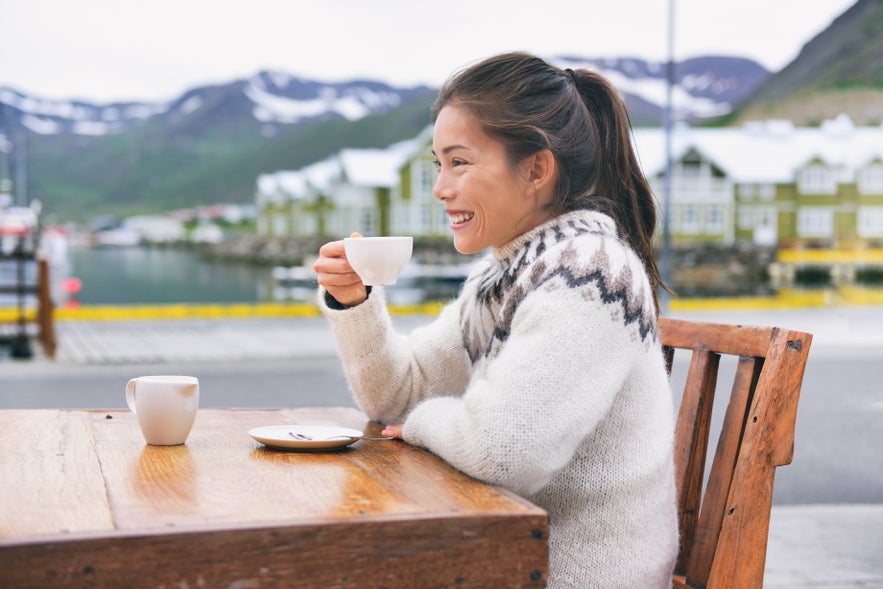
Iceland is known as one of the best places in the world for women to live, work, and grow. Equality is a normal part of everyday life, and you can feel it in many small moments.
You’ll notice it at protests, where girls and grandmothers stand together. In sports, female athletes appear on billboards just as often as men. Many presidential candidates are women, and breastfeeding in public is seen as completely normal.
Whether you’re visiting to see the northern lights or learn about Icelandic culture, try to talk with local women. They can share helpful tips, insight, and recommendations.
Why Is Iceland Known for Gender Equality?
Are Icelandic Women Very Independent?
What Is the Dating Culture Like in Iceland?
What Is the Ratio of Men to Women in Iceland?
What are you most excited to discover about Iceland on your adventure? Drop your thoughts in the comment section below!

I was the Content Manager at Guide to Iceland from 2013 to 2018, and now run the creative studio Huldufugl while working as a freelance writer. I’m passionate about storytelling, Icelandic culture, and creating thoughtful experiences through words and visuals.