"Traveling abroad is crazy expensive. What has been the best way you reduce your expenses? I don't wanna hear basic answers. I want something weird but really works!" Here is what 11 thought leaders have to say.
- Book Refundable Hotels and Rebook When Prices Drop
- Use Sleeper Trains or Ferries as Accommodation
- Travel on Cargo Ships for Savings
- House Sit for Free Accommodation
- Stay in Backpacker Hostels and Eat Lunch Specials
- Use Local Buy/Sell Groups for Deals
- Try Couch Surfing for Free Stays
- Recheck Hotel Prices Before Your Trip
- Book Incorrectly Listed Properties
- Pack a Collapsible Cooking Setup
- Buy a Secondhand Bicycle for Transport
Book Refundable Hotels and Rebook When Prices Drop
One of the best ways I have saved money is by booking refundable hotels, then canceling and rebooking when prices drop. Most people assume once they book, they are locked in, but hotel prices fluctuate all the time. I reserve a room with free cancellation weeks in advance, then check the rates every few days. If the price goes down, I cancel and rebook at the lower rate. This works even better with price-tracking apps that alert you when rates drop. I have saved hundreds of dollars on the same hotel rooms just by watching the prices and rebooking at the right time.
Daniel Vasilevski, Director & Owner, Bright Force Electrical

Use Sleeper Trains or Ferries as Accommodation
I leverage "transit arbitrage" by booking sleeper trains or overnight ferries as accommodation. On my recent trip to Italy, I caught an overnight train from Vienna to Rome that cost EUR70, while the cheapest decent hotel was EUR120. This approach saved me around EUR50 and included transportation to my next destination.
The key is finding routes with comfortable sleeper options that arrive at a reasonable morning hour. Some routes even include shower facilities at arrival stations. I used this strategy throughout Scandinavia and saved approximately EUR300 over two weeks compared to booking separate hotels and daytime transportation.
This works especially well in Europe, Japan, and Southeast Asia where overnight transit options are plentiful and comfortable.
Alexander Weber, Founder, Dein Schriftgenerator

Travel on Cargo Ships for Savings
I have a slightly off-the-wall travel hack that really works for saving money: booking passage on cargo ships.
Why it's weird:
Cargo ships aren't typically seen as passenger vessels. However, most have a few cabins reserved for travelers. You'll share space with the ship's crew and other explorers, get three meals a day, and have a private room-often for far less than the cost of a traditional cruise or airfare.
How it actually saves money:
- All-in-One Pricing: Cargo passage rates typically include meals and lodging, so you're not juggling nightly accommodations or dining out.
- Fewer Tourist Traps: You're skipping pricey airports and tourist hot spots. You disembark in ports that aren't always the standard tourist destinations, which can mean cheaper local experiences.
- Flexible Routes: Cargo routes aren't designed for tourists. You can land in smaller ports or lesser-known cities and then hop on local transport, which is often cheaper than major transport hubs.
My own experience on a cargo ship to Southeast Asia saved me about 40% on travel costs compared to flying and booking hotels along the way. Plus, it was an adventure in itself-getting a behind-the-scenes look at how goods traverse the globe, and having the time to recharge (and read, or listen, in my case!) without typical travel chaos.
Derek Pankaew, CEO & Founder, Listening.com

House Sit for Free Accommodation
Do house sittings to reduce your travel expenses significantly. House sitting often involves caring for pets or plants, while homeowners are away, in exchange for free accommodation. If you don't mind having this responsibility while traveling, then it's perfect.
It's a win-win trade-off because homeowners can enjoy their travel with peace of mind, knowing that their pets or plants are taken care of. Meanwhile, travelers can explore new places with a free place to stay. Sometimes, house sitters are even paid a small fee on top of the free accommodation.
Now, this may sound like a psychothriller plot waiting to happen, but there are legitimate platforms out there helping both parties find trustworthy hosts and house sitters. TrustedHousesitters and Nomador create safe and transparent communities for hosts and travelers alike. You can search for available house sits in the country or state you want to explore, check the community reviews on the host, and apply as a house sitter.
If you love pets and plants, enjoy meeting locals, and want to travel on a budget, then house sitting could be just the solution to check off all of those boxes.
Joel Popoff, CEO, Axwell Wallet

Stay in Backpacker Hostels and Eat Lunch Specials
Skip all the common tourist traps! Backpacker hostels in major cities offer far better networking and opportunities to meet new people than hotels. Only eat lunch specials at high-end restaurants; this lets you experience all that yummy premium cuisine at half the dinner price.
Also, think differently about your transport. A first-class ferry ticket between European countries often costs marginally more than budget flights and normally includes food, drinks, and even lounge access.
Sandy Meier, Head of Marketing, Contentellect

Use Local Buy/Sell Groups for Deals
The platforms of local buy/sell Facebook groups and other community-oriented sites are, for me, one of the travesty hacks in travel. For example, when I'm in a city on business, I go into the expat groups to find shared transport or discounted accommodation that cannot be found on the normal sites. When I went to a tech conference in Barcelona, I met a local who offered a ride share that was cheaper than any public transportation option and offered insight into the city that I would otherwise not have received.
In addition, I find that negotiation tactics work wonders, as in, I would book a cheap one-night hotel stay and then negotiate with the front desk to extend my stay. I started this after realizing that hotels often hold rooms for clients on rates that vary from their posted ones. During direct talks, generally off-hours, I have received as much as 40-50% off my bookings. This is particularly helpful in cities where large conventions or peak tourist seasons are the times when all price hikes are going to coincide but the actual demand fluctuates.
Finally, I also try to exploit the hype surrounding meal-sharing applications and communities - especially encountered while on the move for work. With these, you get to enjoy local home-cooked food offered by locals, a cheaper way to connect and experience local culture beyond the mainstream tourist path.
Christian Petzold, Travel & Tourism Expert | Marketing Director, BCN Travel

Try Couch Surfing for Free Stays
"Traveling abroad can indeed be a costly endeavor, but with a bit of creativity and an open mind, you can significantly reduce your expenses. One unconventional approach that has worked wonders for me is embracing the art of 'couch surfing.' Instead of splurging on expensive hotels or Airbnbs, I've found that connecting with locals through platforms like Couchsurfing.com allows me to experience authentic cultural immersion while saving a fortune on accommodation costs.
Not only have I been warmly welcomed into the homes of gracious hosts worldwide, but I've also formed lasting friendships and gained invaluable insights into the local way of life. From sharing home-cooked meals to engaging in thought-provoking conversations, couch surfing has enriched my travel experiences in ways that no luxury resort could ever match."
For example, during my backpacking trip through Southeast Asia, I couch-surfed with a family in a remote village in northern Thailand. They not only provided me with a comfortable place to stay but also introduced me to their traditional way of life, including participating in a sacred Buddhist ceremony and learning how to weave intricate textiles by hand. These priceless cultural exchanges would have been impossible had I opted for a conventional hotel stay.
Philip Stoelman, Founder & CEO, Network Republic

Recheck Hotel Prices Before Your Trip
One trick that has saved me a ridiculous amount of money is booking refundable hotel rooms, then rechecking prices right before my trip. Prices fluctuate constantly, and hotels would rather have a room booked at a lower rate than sit empty. The key is making sure the reservation is fully refundable, as most sites will let you filter for that.
Another trick that sounds odd but works is bringing a cheap burner phone to buy a local SIM card instead of using my regular cell phone for international roaming. A lot of countries have kiosks selling unlimited data for a fraction of what my carrier would charge.
Gerti Mema, Marketing Manager, Equipment Finance Canada

Book Incorrectly Listed Properties
One of the strangest but most effective ways I cut down on travel expenses is booking properties that are technically listed incorrectly. A lot of homeowners or small rental operators mess up their listings by putting the wrong location, pricing in the wrong currency, or even failing to categorize their property properly.
Another trick is booking accommodations that are meant for long-term tenants but offering to pay upfront for a shorter stay. I once stayed in Sydney for a month at a serviced apartment that was listed only for six-month leases, but because I paid for four weeks in full, the owner let it slide.
Sebastian Wade, Real Estate Consultant, Eden Emerald Buyers Agent

Pack a Collapsible Cooking Setup
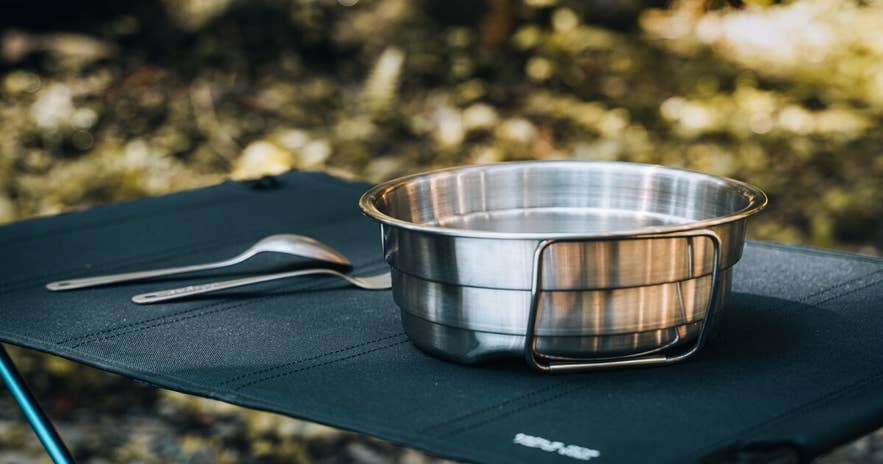
Whenever I travel, I always pack a collapsible cooking setup. It sounds extreme, but carrying a tiny electric burner or immersion heater, along with a foldable bowl and some basic utensils, has saved me a ridiculous amount of money on food. Local grocery stores are a goldmine for cheap meals, and making something simple like eggs, noodles, or rice in my hotel room or Airbnb cuts food costs down to almost nothing. Some hotels do not allow cooking, but I have made plenty of meals using just an immersion heater and a coffee mug.
Steve Nixon, Founder, Free Jazz Lessons
Buy a Secondhand Bicycle for Transport
Every time I travel abroad, I go to local classified websites and buy a cheap, secondhand bicycle. It sounds odd, but it has saved me a ridiculous amount of money on transportation, especially in cities where cabs and public transit costs add up fast. Most people do not think about it, but many locals sell their barely used bikes for next to nothing, especially in university towns or places with a lot of expats coming and going.
Once I have the bike, I use it for everything—getting to tourist spots, grabbing groceries, or just exploring neighborhoods that would normally require multiple bus or train rides. It cuts out the need for expensive daily transport and gives me the freedom to move around without worrying about schedules or surge pricing. Some cities even have free bike parking at major attractions, which means skipping the headache of finding a place to lock it up.
Sean Clancy, Managing Director, SEO Gold Coast

Conclusion
Traveling for business can quickly drain your budget, but thinking outside the box can lead to massive savings. From booking refundable hotels and monitoring price drops to using cargo ships and house-sitting for free stays, these unconventional hacks prove that you don’t need to sacrifice comfort or convenience to cut costs. Whether it's embracing couch surfing, using local buy/sell groups for deals, or even packing a collapsible cooking setup, these creative approaches can make business travel more affordable without feeling restrictive.
The key is to stay flexible, keep an open mind, and look for opportunities that most travelers overlook. The best travel savings often come from being willing to try something a little different—whether that’s sleeping on a train, negotiating a better hotel rate, or buying a secondhand bike for local transport. With the right strategies, business travel doesn’t have to break the bank, and you might even find yourself enjoying the adventure a little more along the way.