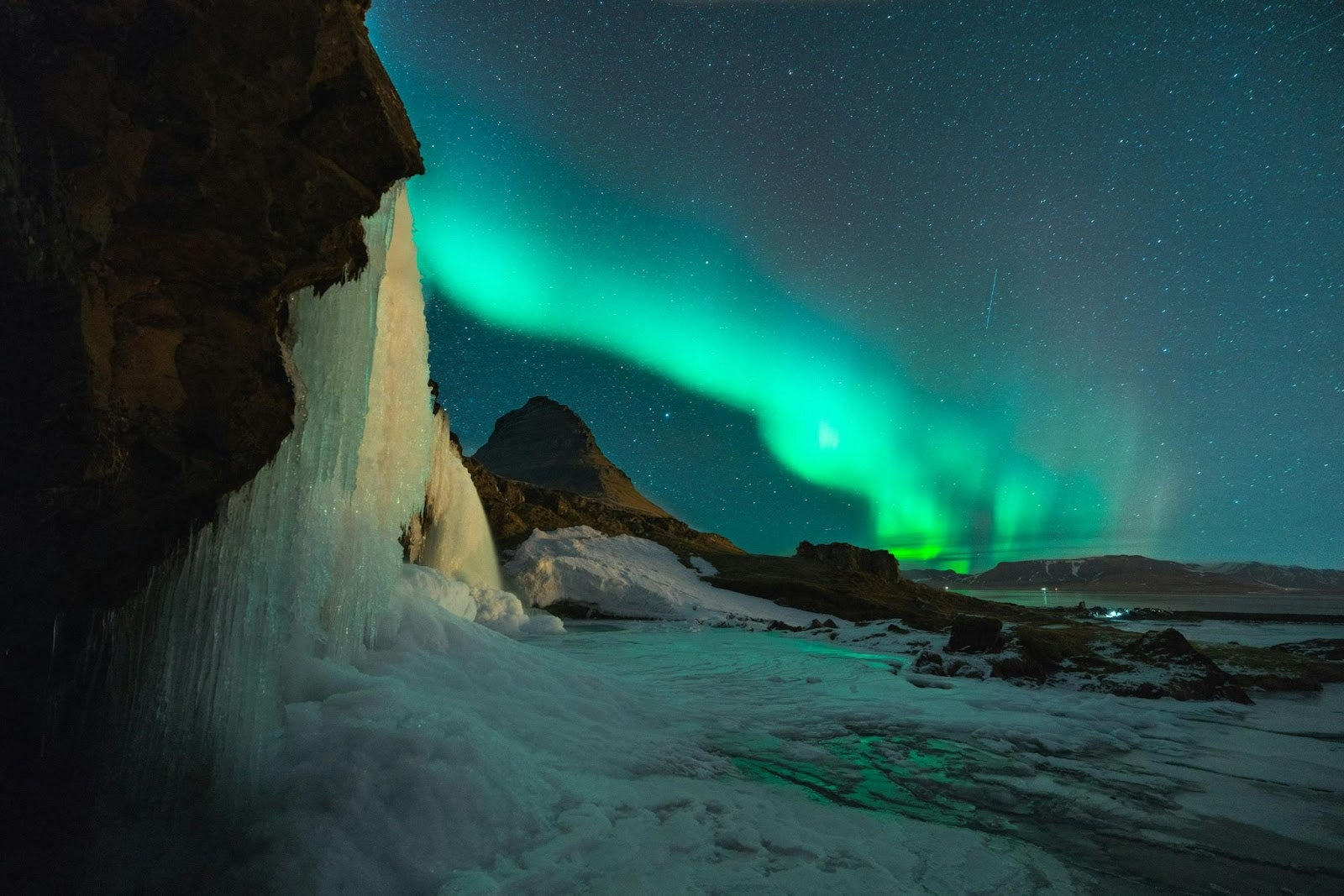
Iceland, with its otherworldly landscapes of volcanic rocks, glaciers, waterfalls, and geothermal hot springs, has become a must-visit destination for adventurers and nature enthusiasts alike. The land of fire and ice offers a dynamic mix of experiences, from hiking through lava fields to exploring ice caves and soaking in natural hot springs. However, the country’s unpredictable weather and diverse terrain mean that packing wisely is crucial. Whether you’re planning a summer road trip along the Ring Road or a winter expedition in search of the Northern Lights, this essential packing list will ensure you're prepared for every adventure Iceland has to offer.
1. Weather-Appropriate Clothing
Iceland’s weather can be notoriously unpredictable, often changing rapidly throughout the day. Therefore, packing layers is essential. Start with a good base layer, such as moisture-wicking thermal tops and bottoms, which help regulate your body temperature by keeping you dry.
A Waterproof and Windproof Jacket
The next crucial layer is your outerwear. As Alli Widman of Avant Ski emphasizes, "As an avid skier, I can’t stress enough the importance of a waterproof and windproof jacket with a hood to shield against wind and rain. This type of jacket is your first line of defense against the elements, keeping you dry and warm while shielding you from biting winds and precipitation. The hood protects your head and neck so you can focus on the thrill of your adventure, no matter what the weather brings." This jacket should be breathable yet durable, designed to withstand Iceland's harshest conditions.
Insulating Layer
Underneath your waterproof jacket, an insulating layer, like a down or synthetic insulated jacket, is essential for trapping heat. This layer is particularly important during the colder months or when visiting higher altitudes where temperatures can drop significantly, even in summer.
Base Layers
Thermal base layers made of merino wool or synthetic materials are key to staying warm in Iceland's fluctuating temperatures. These materials wick moisture away from your skin, keeping you dry and comfortable during hikes and other outdoor activities.
Convertible Pants
Given Iceland's unpredictable weather, convertible pants, which can be zipped off into shorts, offer versatility. They are ideal for hikes where temperatures might rise as the day progresses.
Waterproof Pants
Waterproof over-pants are also a wise choice, especially if you plan to hike near waterfalls or traverse wet or snowy terrain. They can easily be worn over your base layer or regular pants to protect you from rain and splashes.
2. Footwear
Sturdy Hiking Boots
Footwear is one of the most critical elements of your Iceland packing list. Matt Little of Festoon House notes, "Iceland’s terrain is rugged and varied, from volcanic rocks to glaciers. Good hiking boots with ankle support and waterproofing are crucial for comfort and safety." Choose boots with excellent grip for navigating slippery surfaces, and ensure they are well broken in before your trip to avoid blisters.
Waterproof Socks
Pair your hiking boots with high-quality waterproof socks. These not only keep your feet dry but also add an extra layer of warmth, especially in colder conditions.
Thermal Socks
For colder days, pack a few pairs of thermal socks, preferably made from merino wool, which offers excellent insulation while remaining breathable.
Camp Shoes
After a long day of hiking, you’ll want something comfortable to wear around your accommodation. Lightweight, quick-drying camp shoes or sandals are ideal for this purpose.
3. Accessories
Sunglasses
Even though Iceland is known for its chilly climate, the sun can be surprisingly intense, especially with reflections off snow, ice, or water. As James Cunningham of Total Shape advises, "The sun can be surprisingly intense in Iceland, particularly with the reflection off snow, ice, or water. Sunglasses protect your eyes from harmful UV rays." A good pair of UV-protective sunglasses is essential for safeguarding your eyes, whether you're exploring glaciers or driving through the countryside.
Hat and Gloves
A warm hat that covers your ears and a pair of insulated, waterproof gloves are non-negotiable, especially if you’re visiting Iceland during the colder months. Look for gloves that allow you to use your smartphone without removing them, so you can capture all the breathtaking moments without freezing your fingers.
Buff or Scarf
A buff or scarf is a versatile accessory that can be used to protect your neck, face, and even your ears from the cold and wind. It’s lightweight and can be easily packed away when not in use.
Daypack
A durable, waterproof daypack is essential for carrying your daily essentials like snacks, water, extra layers, and camera gear. Look for a pack with multiple compartments to keep your items organized and easily accessible.
4. Photography Gear
Iceland is a photographer’s dream, with stunning landscapes and dramatic natural phenomena waiting to be captured. If photography is a key part of your trip, here’s what you’ll need:
Camera
Bring a good-quality camera that can handle Iceland’s variable lighting conditions. Whether you're capturing the ethereal beauty of the Northern Lights or the stark contrasts of a black sand beach, a DSLR or mirrorless camera with interchangeable lenses is ideal. If you're not a professional photographer, a high-quality smartphone with a good camera can still do justice to Iceland's landscapes.
Lenses
Wide-angle lenses are perfect for capturing sweeping landscapes, while a zoom lens will help you get close-ups of wildlife or distant features like waterfalls and mountains.
Tripod
A sturdy tripod is essential for long-exposure shots, especially if you’re aiming to capture the Northern Lights. Look for a lightweight, compact model that won’t add too much bulk to your gear.
Extra Batteries and Memory Cards
Iceland’s cold weather can drain batteries quickly, so bring extra batteries and ensure they are fully charged each night. Carry additional memory cards as well, especially if you plan to take a lot of photos or shoot in high resolution.
Waterproof Camera Bag
Protect your camera gear from the elements with a waterproof camera bag. Iceland’s weather can be unpredictable, and it’s better to be safe than sorry.
5. Travel Essentials
Travel Documents
Ensure you have your passport, driver’s license (if you plan to rent a car), travel insurance details, and any necessary visas. Keep these documents in a waterproof pouch for added protection.
Cash and Cards
While credit and debit cards are widely accepted in Iceland, it’s a good idea to carry some Icelandic krona for smaller purchases or in case you visit remote areas where card payments may not be accepted.
Reusable Water Bottle
Iceland's tap water is some of the purest in the world, so bring a reusable water bottle to stay hydrated. This not only saves you money but also helps reduce plastic waste.
Snacks
Food can be expensive in Iceland, especially in remote areas. Packing some high-energy snacks like granola bars, nuts, and dried fruit can keep you fueled during long hikes and road trips.
Portable Charger
A portable charger is essential for keeping your devices powered, especially if you’re using your smartphone for navigation, photography, or staying connected with loved ones back home.
6. Specialized Gear for Specific Activities
Depending on your itinerary, you may need specialized gear for certain activities in Iceland.
Swimming Gear for Hot Springs
If you plan to visit Iceland's famous hot springs, like the Blue Lagoon or the Secret Lagoon, don’t forget to pack a swimsuit. A quick-drying towel and flip-flops are also useful for these visits.
Snow Gear
For those visiting Iceland in the winter, especially if you’re planning to explore glaciers or go snowmobiling, consider bringing additional cold-weather gear. This might include snow pants, thermal gloves, and even crampons for added traction on icy surfaces.
Binoculars for Bird Watching
Iceland is a haven for bird watchers, particularly during the summer months when puffins and other seabirds are abundant. A pair of binoculars will enhance your experience, allowing you to see these beautiful creatures up close without disturbing their natural habitat.
Ice Grippers or Crampons
If you plan to hike on icy paths or glaciers, ice grippers or crampons are a must. These can be attached to your boots to provide additional traction on slippery surfaces, ensuring your safety during these challenging hikes.
7. Health and Safety Items
First Aid Kit
A basic first aid kit is essential for treating minor injuries like cuts, blisters, and insect bites. Make sure your kit includes antiseptic wipes, bandages, pain relievers, and any personal medications you might need.
Sunscreen and Lip Balm
Despite Iceland's cool temperatures, UV rays can be strong, especially when reflecting off snow and ice. Pack a high-SPF sunscreen and a lip balm with SPF to protect your skin from sunburn and windburn.
Insect Repellent
While Iceland is not known for a large insect population, mosquitoes and midges can be a nuisance during the summer months, particularly around lakes and wetlands. Carrying insect repellent will help keep these pests at bay.
Emergency Blanket
An emergency blanket is a lightweight but potentially lifesaving item to have on hand, especially if you're venturing into remote areas or during unpredictable weather conditions. It can provide warmth in case of an emergency or unexpected delay.
Prescription Medications
If you take any prescription medications, ensure you have enough to last the duration of your trip, plus a few extra days’ worth in case of travel delays. It’s also a good idea to carry a copy of your prescription, just in case.
8. Miscellaneous Essentials
Headlamp or Flashlight
With long hours of darkness in the winter, a headlamp or flashlight is essential for navigating in low light, particularly if you're camping or exploring caves. A headlamp leaves your hands free, making it easier to set up camp or find your way along dark paths. Ensure you bring extra batteries, as the cold weather can reduce battery life.
Power Adapter
Iceland uses the European standard electrical outlets (Type C and F), so if you're traveling from a country with different plug types, you'll need a power adapter. It's also worth considering a power strip with multiple outlets if you have several devices to charge.
Dry Bags
Dry bags are invaluable for keeping your gear dry, especially if you plan on boating, kayaking, or hiking in wet conditions. These waterproof bags can protect your electronics, clothing, and other essentials from unexpected downpours or splashes.
Travel Pillow and Blanket
If you're planning on long drives or flights, a travel pillow and blanket can make your journey more comfortable. These are particularly useful if you're driving around the Ring Road, where accommodations can be sparse, and you might need to catch a nap in the car.
Guidebook and Maps
While GPS and smartphones are incredibly helpful, it's always a good idea to carry a physical map or guidebook. In remote areas, you may lose signal, and having a detailed map can help you navigate and find hidden gems that aren't listed online.
Journal and Pen
For many, a trip to Iceland is a once-in-a-lifetime experience. Bringing along a journal allows you to document your adventures, jot down memorable moments, or sketch the incredible landscapes you encounter. It’s a wonderful way to preserve memories and reflect on your journey.
Reusable Shopping Bag
Iceland is an eco-conscious country, and plastic bags are often not provided in stores. A reusable shopping bag can be handy for carrying groceries, souvenirs, or other items you might pick up along the way.
9. Sustainable and Eco-Friendly Items
As one of the most environmentally conscious countries in the world, Iceland places a strong emphasis on sustainability. To align with these values during your trip, consider bringing eco-friendly products.
Reusable Coffee Cup
If you're a coffee lover, a reusable coffee cup is a great way to enjoy your hot drinks while minimizing waste. Many Icelandic cafes appreciate the use of these cups, and some even offer discounts for bringing your own.
Eco-Friendly Toiletries
Biodegradable soap, shampoo, and other toiletries help reduce your environmental impact, especially if you're camping or staying in rural areas where wastewater might go directly into the ground. Solid toiletries, like shampoo bars, are also easier to pack and comply with airline liquid restrictions.
Reusable Utensils and Straw
Bringing your own set of reusable utensils and a straw can help cut down on single-use plastics, which aligns with Iceland's commitment to preserving its natural beauty. These are particularly useful if you're planning on picnicking or eating on the go.
Solar Charger
A solar charger is a sustainable way to keep your devices powered, especially if you're spending a lot of time outdoors. Iceland's long summer days offer ample sunlight for charging, making this an excellent eco-friendly option.
10. Packing for Iceland: A Seasonal Guide
While many of the items on this packing list are essential year-round, there are certain considerations specific to the season you plan to visit Iceland.
Summer (June to August)
Summer in Iceland offers mild temperatures, long daylight hours (including the Midnight Sun), and lush green landscapes. However, even in summer, temperatures can be cool, particularly in the evening, so layers remain important. Consider packing:
Lightweight jacket: For daytime warmth, a lightweight but windproof jacket can be sufficient.
Insect repellent: Midges can be prevalent around lakes and wetlands.
Swimsuit: The warmer weather makes outdoor hot springs and swimming pools particularly inviting.
Fall (September to November)
Fall is a transitional season in Iceland, with cooler temperatures and increasing chances of seeing the Northern Lights. The weather becomes more unpredictable, with a mix of rain, wind, and occasional snow. Key items for fall include:
Waterproof gear: Rain becomes more frequent, making waterproof outerwear essential.
Warm layers: Temperatures can drop quickly, so ensure you have warm base layers and an insulating jacket.
Hat and gloves: As the weather cools, these accessories become more important.
Winter (December to February)
Winter in Iceland is magical, with snow-covered landscapes, ice caves, and the Northern Lights dancing in the sky. However, it also brings short daylight hours, icy conditions, and freezing temperatures. Winter-specific packing should include:
Heavier insulation: A down jacket or heavy-duty parka is essential for staying warm.
Snow boots: These should be insulated, waterproof, and equipped with good grip for icy surfaces.
Ice grippers/crampons: These are crucial for safely navigating icy paths.
Headlamp: With only a few hours of daylight, a headlamp is indispensable.
Spring (March to May)
Spring in Iceland is a time of renewal, with snow melting, days lengthening, and wildlife returning. The weather can still be quite cold and unpredictable, so pack with flexibility in mind:
Versatile layers: Spring temperatures can vary widely, so layers are essential.
Waterproof gear: Rain and snowmelt can make for wet conditions.
Hiking boots: Trails can be muddy, so good boots are a must.
11. Preparing for Iceland’s Unique Challenges
Iceland’s unique geography and weather present specific challenges that travelers should be prepared for.
Navigating the Weather
Iceland's weather is famously unpredictable. It's not uncommon to experience all four seasons in a single day. To prepare, keep an eye on local weather forecasts and be ready to adjust your plans accordingly. Flexibility is key, and having appropriate gear will help you enjoy your adventure, no matter what the weather brings.
Road Conditions
If you're planning to drive, be aware that road conditions can vary greatly, particularly in winter. Some roads may be closed due to snow, ice, or flooding, so always check road conditions before setting out. Renting a 4x4 vehicle is recommended if you plan to explore more remote areas.
Safety in Remote Areas
Iceland's remote and rugged landscapes are breathtaking, but they can also be dangerous if you're not adequately prepared. Always inform someone of your travel plans if you're heading into remote areas, and consider renting a personal locator beacon (PLB) for added safety. Bring plenty of food, water, and emergency supplies, as services can be scarce in rural regions.
Conclusion
Packing for Iceland requires thoughtful consideration of the country’s diverse landscapes and ever-changing weather. By following this essential packing list, you’ll be well-prepared to embrace the full spectrum of Icelandic experiences, from hiking on glaciers to soaking in hot springs. Remember, the key to a successful Iceland adventure lies in layering your clothing, protecting yourself from the elements, and bringing the right gear for the activities you plan to enjoy.
Whether you're marveling at the Northern Lights, exploring volcanic landscapes, or simply driving along the stunning coastline, being prepared ensures you can focus on the beauty and excitement of Iceland rather than worrying about the weather. As Alli Widman aptly puts it, your gear is your first line of defense, and with the right preparation, your Icelandic adventure will be nothing short of extraordinary.