In this travel blog, I want to introduce you to the half-troll Ármann in Mt. Ármannsfell in South Iceland. Ármann was related to Bárður Snæfellsás, the protector of the Snæfellsnes peninsula, about whom I have written another travel blog.
Ármann is much less known than Bárður Snæfellsás, though, and that is why I want to tell you a little about him and the games on Hofmannaflöt plains by Þingvellir national park.
Ármann is said to have been the protector of Alþingi, which was established in 930 at Þingvellir.
Top photo: Hofmannaflöt plains and Mt. Meyjarsæti
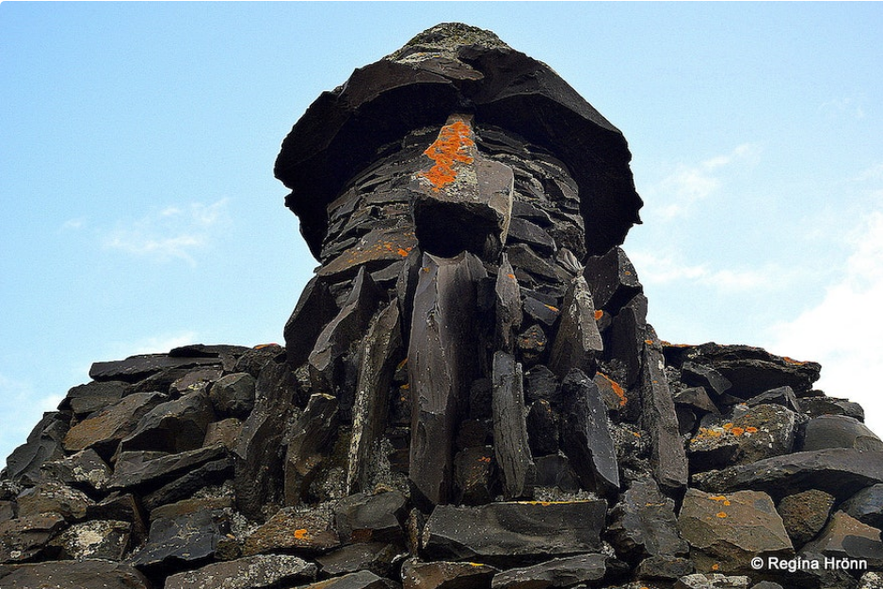
Bárður Snæfellsás
Ármann's story is told in Ármannssaga hin yngri, a later time Saga.
Ármanns saga hin yngri is based on Ármannsrímur - the Rhyme of Ármann by Jón Guðmundsson lærði in 1637. Then there is Ármanns þáttur by Jón Þorláksson.
And Ármanns aga hin yngri (the younger one) was written in the 18th century, most likely by Halldór "sýslumaður" Jakobsson. A bit complicated ;)
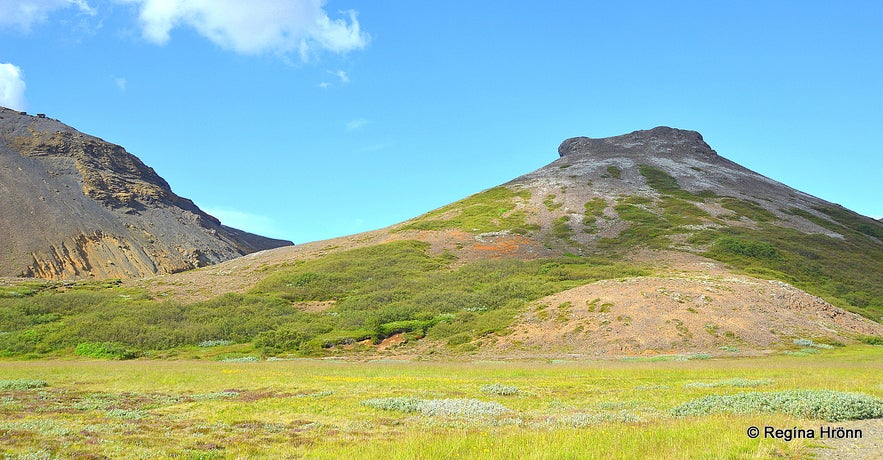 Mt. Ármannsfell and Mt. Meyjarsæti
Ármanns saga hin yngri tells of events during the settlement of Iceland, but we don't have an older Ármanns saga, as with the other 42 old sagas.
Ármanns saga is most likely based on older events that have been passed down in oral tradition and have been glorified and expanded.
It is a good read as such, and who knows if the troll games on the Hofmannaflöt plains really happened. I want to think so, and it makes this area much more interesting to visit.
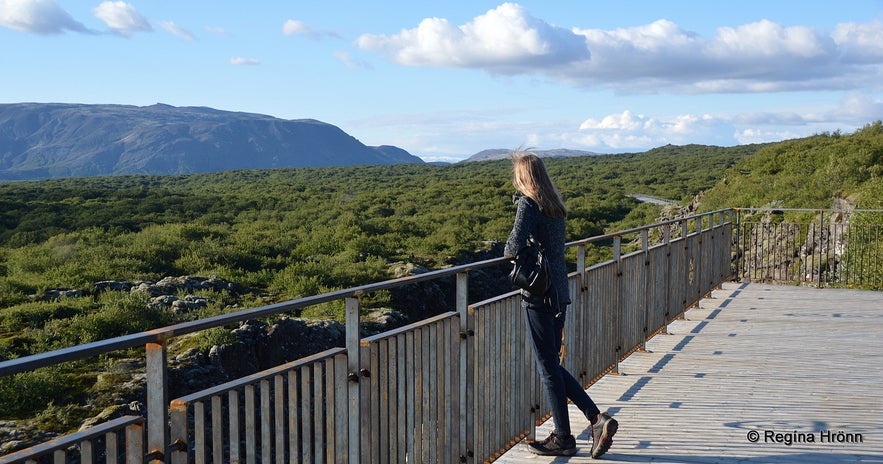 Contemplating the fate of the half-trolls by the tectonic plates - Mt. Ármannsfell in the distance
Ármann is the protector of his surroundings, much like Bárður is the protector of the Snæfellsnes peninsula, and he has supernatural powers.
If people called upon him in need, he appeared and helped them, and who knows, he might still be helping people in this area.
Ármann is described as having freckles and curly yellow-red hair that extends down to his waist, which he sometimes wore in braids. He wore a blue cloak.
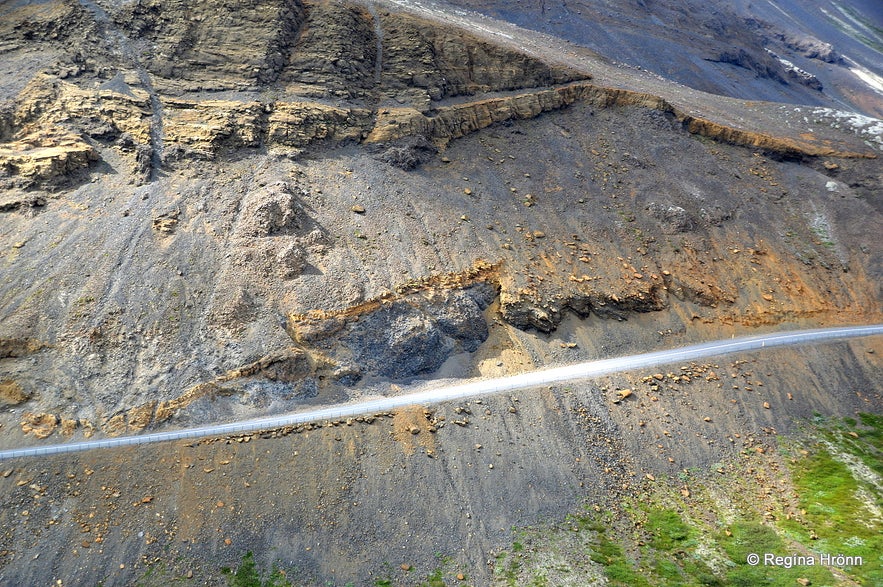 Mt. Ármannsfell
Ármann and Bárður are related as their mothers, Svafrlaug, were first cousins, and their fathers, King Dumbur and Lundur, were brothers.
And Ármann's father, Dalmann, was the foster brother of King Dumbur.
Ármann arrived in Iceland from the Dalmannsdalir valley in Norway, a couple of years before Bárður Snæfellsás, the Saga mentions. And after Bárður settled in Iceland, they met up and rekindled their fathers' friendship.
And ever since they held parties at each other's place in mid-winter.
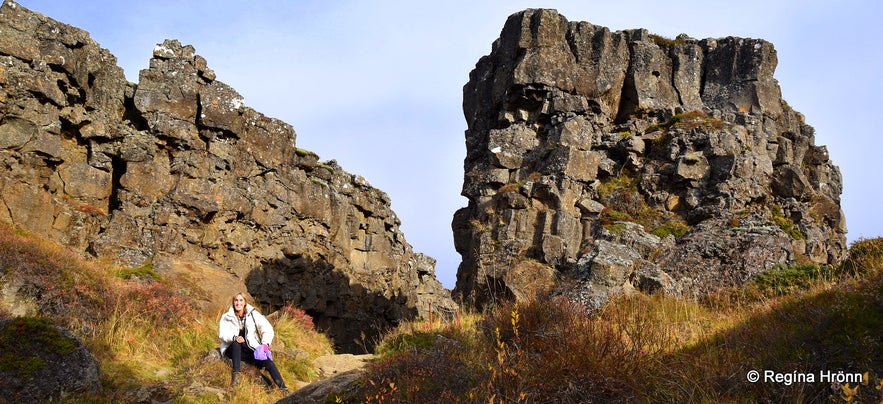 At Þingvellir national park
When Ármann arrived in Iceland, he stayed the night with Ingólfur Arnarson at Reykir in Ölfus in South Iceland. Ingólfur was the first settler of Iceland in 874 and the founder of Reykjavík, now Iceland's capital.
Ingólfur advised him to look for a place to stay at Hrafnabjörg, close to Þingvellir, upcountry in South Iceland, as the coastline was already settled.
And he said that Ármann didn't seem like a man who wanted to live in a crowded area.
I have written another travel blog about Ingólfur Arnarson and his blood-brother Hjörleifur:
Hjörleifshöfði Promontory in South Iceland - the Blood Brothers Ingólfur and Hjörleifur
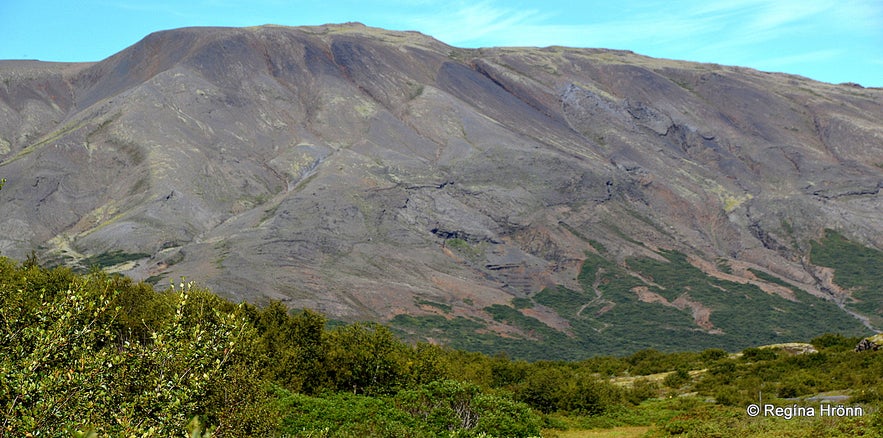 Mt. Ármannsfell as seen from Þingvellir national park
At Hrafnabjörg, Ármann was offered the job of looking after the farmer's sheep.
When Ármann was exploring the area north of Hrafnabjörg, he met a man who told him he owned this land.
And he told him about Mt. Ármannsfell, with a good forest and grassland, maybe the best one, and that he would like to have him as a neighbour.
Back in those days, around the settlement of Iceland, Landnáma - the Book of Settlements, tells us that Iceland was forested from the mountains to the coastline.
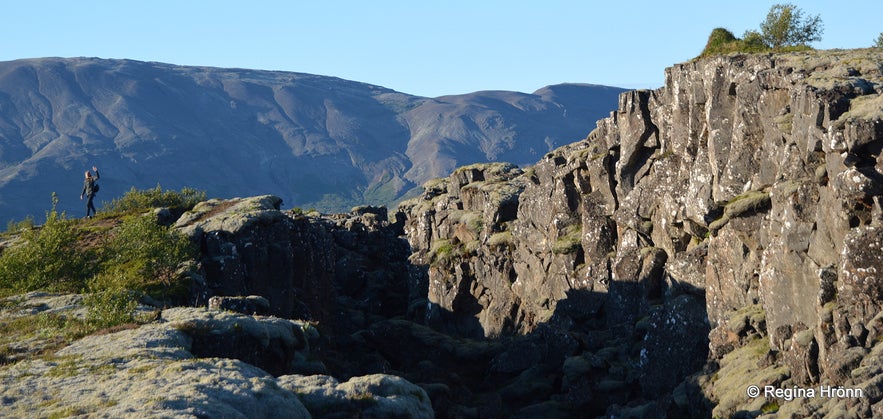 The tectonic plates can be seen above ground at Þingvellir - Mt. Ármannsfell in the background
Now, there are only shrubs of birch in this area. But the oldest name we know of is Bláskógar - the Blue Forest, so this area must have been forested when it was settled.
Mt. Ármannsfell is a prominent mountain (764 m.a.s.l.) north of Þingvellir National Park, the site of the Alþingi parliament from 930-1798.
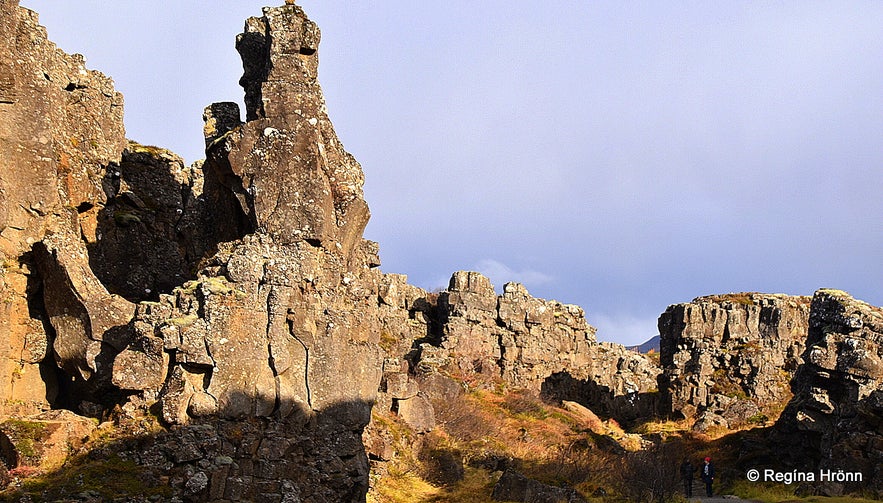 Þingvellir national park
At Þingvellir, the Vikings convened for 2 weeks in June, during which disputes were settled, and duels and battles took place.
And romances commenced, as we read about in the Brennu-Njáls saga when Gunnar at Hlíðarendi and Hallgerður langbrók fell in love.
In the year 1,000, Christianity was adopted at Þingvellir, and the old Norse faith was abandoned.
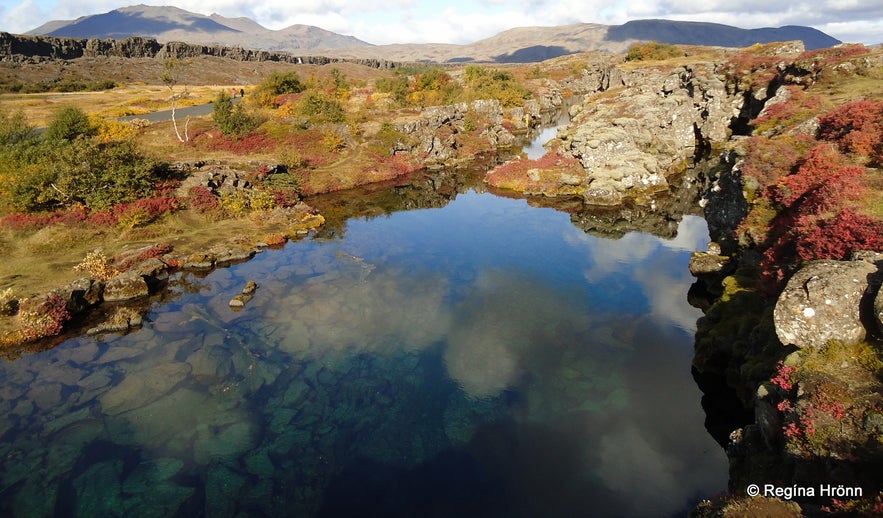 Þingvellir national park - Mt. Ármanssfell in the distance, right above the fissures
Later on, during a very dark period in Iceland's history, executions were carried out at Þingvellir, as you can tell by many of the place names.
At Þingvellir national park, the tectonic plates can be seen above ground, so this whole area is troll-like, so to speak, and one could imagine that it would be a place where trolls and half-trolls would reside.
Ármann bought a piece of land on the southern side of the mountain, but soon moved to the northern side, built a home in a cave there, and used another cave for his sheep.
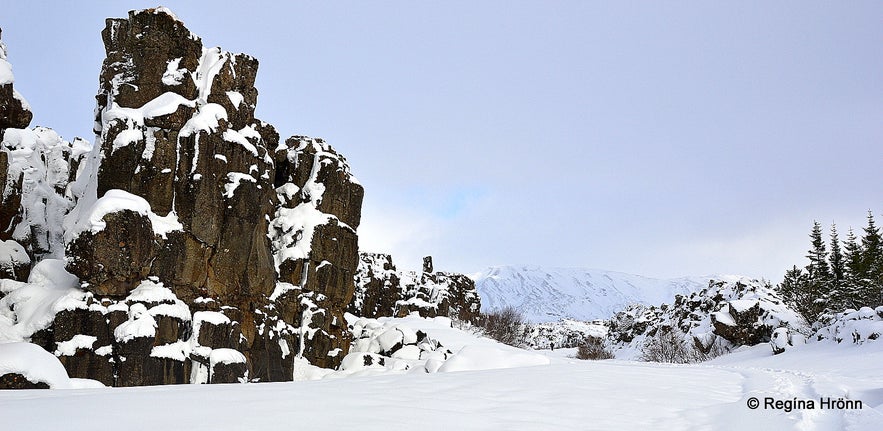 Þingvellir in beautiful snow - Mt. Ármannsfell in the distance
And ever since he arrived at Mt. Ármannsfell, things started getting better for his neighbours, and their sheep returned home without any of them getting lost. They thanked Ármann for this.
And soon they started adjuring Ármann (I think that this is the right word in English, correct me if I am wrong).
They called upon him in need, and he would appear and help them out. Ármann became a well-known name around Iceland and grew in popularity.
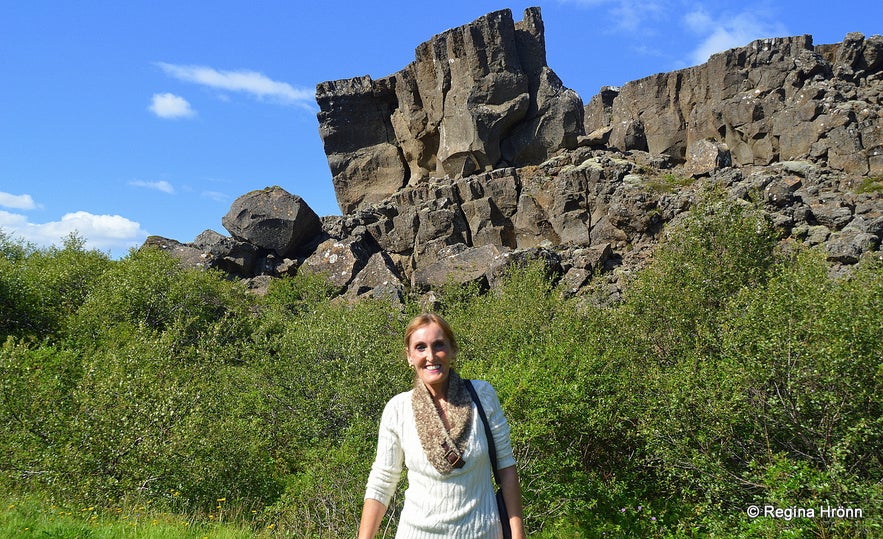 The tectonic plates at Þingvellir, on the other side of the main road, closer to Mt. Ármannsfell
I want to give you one description of Ármann from the Saga. It describes how he was dressed when he came to the double wedding of his son and the mother of his only child (whom he had taken by force).
He wore a scarlet kirtle and had a sword in the sleeve. He had a blue cloak of expensive material (guðvefjarskikkja) tied by a gold belt. He wore a golden helmet on his head with a silk cap beneath it, and a golden braid around his forehead.
His hair fell in 8 locks from his shoulders to the belt, and there was a golden ring on each lock, and he had big gold rings on both hands. Quite sharp looking!
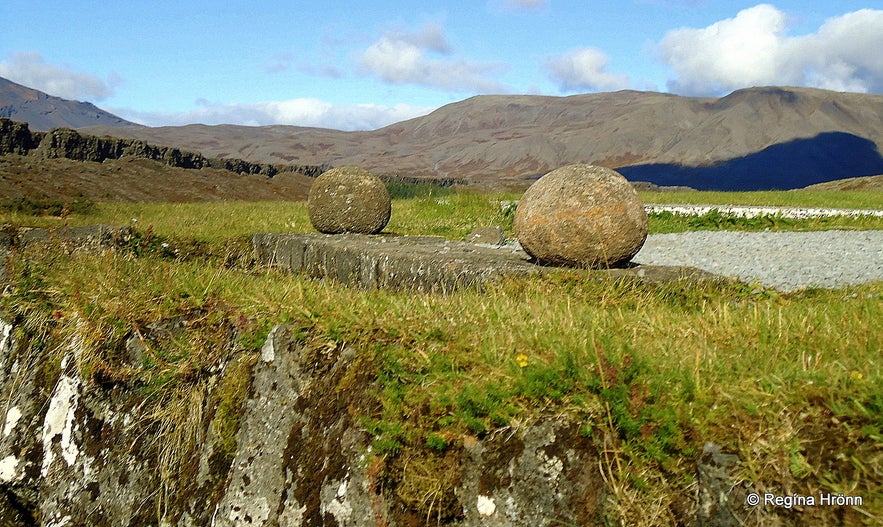 The national cemetery at Þingvellir with the backdrop of Mt. Ármannsfell
In a previous travel blog, I told you about the troll party in Hítardalur in West Iceland, where the strongest trolls and half-trolls in Iceland competed with each other.
The Giantess Hít in Hítardalur Valley and the Party of the Trolls - Folklore from West Iceland
Now I would like to tell you about another party and the games in which the half-trolls and strong men of Iceland compared their strength to find out who was the strongest amongst them.
This story is told in Ármannssaga hin yngri, and I think about these games every time I visit this area.
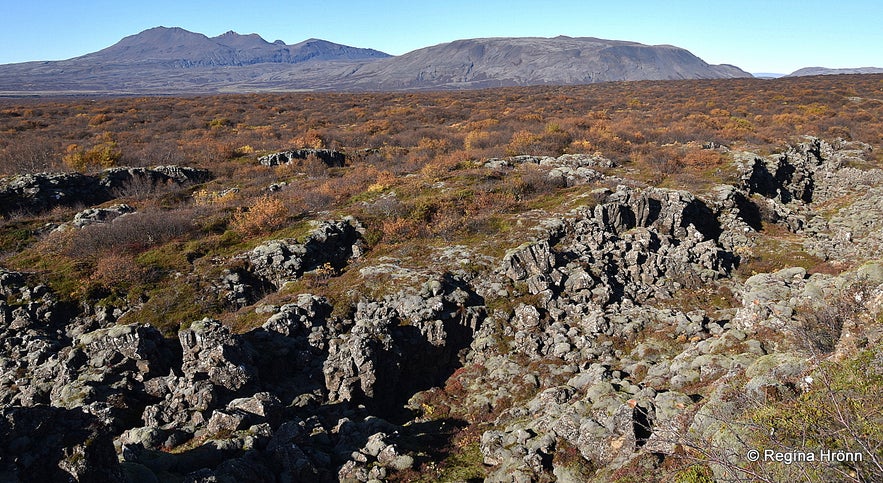 Mt. Ármannsfell in the distance - this whole area is lava and more lava, lava fissures, and birch shrubs
The troll games took place on the Hofmannaflöt plains, which got its name from the games. And many of the same trolls and strong men competed as in Hítardalur valley.
I translated the part about the party and the troll games into English. It was not an easy task, as it is written in Old Icelandic, and I lacked definitions for some of the games they competed in. But here it goes:
"When Ármann had been 19 or 20 years in Iceland, he invited Bárður frá Snæfelli (Bárður Snæfellsás) to a feast, and in the middle of winter, he arrived at the party.
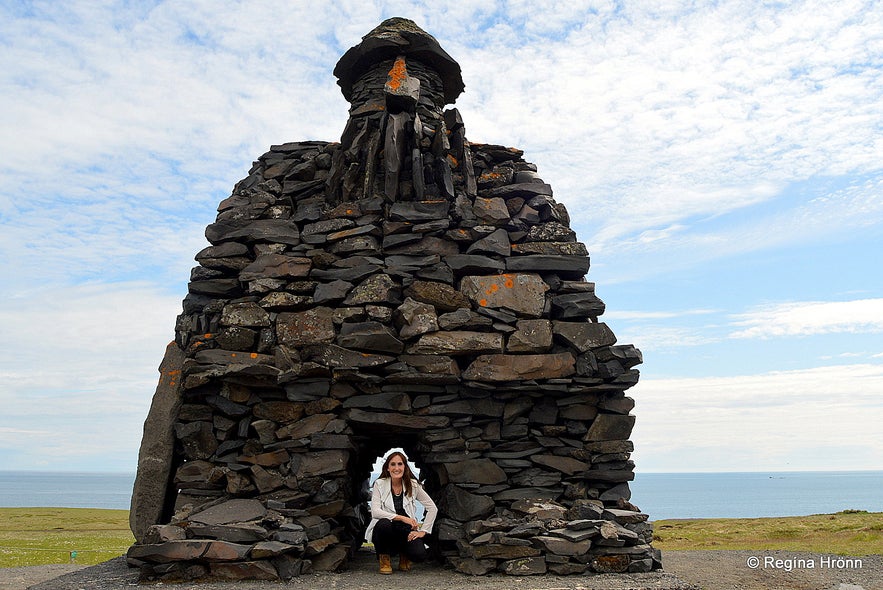
The statue of Bárður Snæfellsás at Arnarstapi on the Snæfellsnes peninsula
His son-in-law, the Chieftain Oddur in Tunga (in Lundarreykjadalur), accompanied him. (He was married to Þórdís, the daughter of Bárður Snæfellsás).
Ármann lovingly greeted them. Many people were at the party, Hallketill from Mt. Hrafnabjörg, friends of Ármann, and many others.
At the party, the guests entertained themselves by comparing men's strength and arguing about who was the strongest man in Iceland.
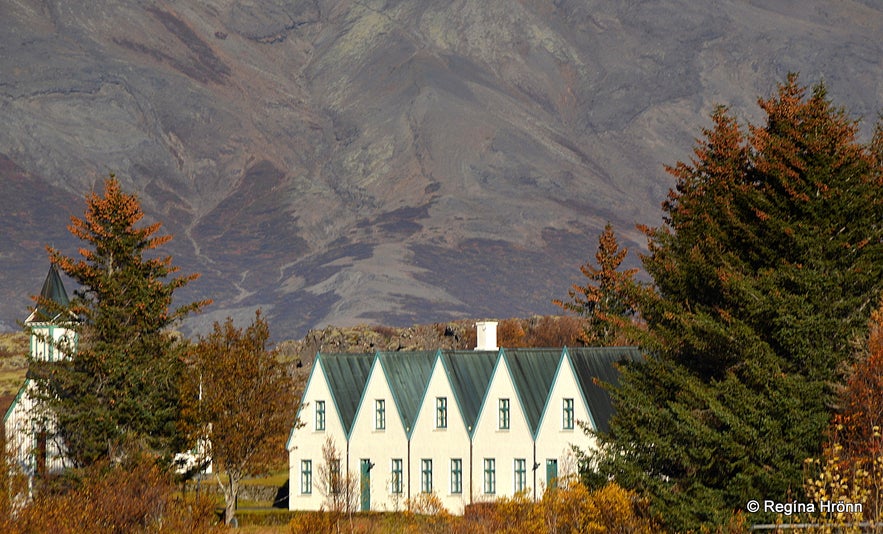 Mt. Ármannsfell creates a beautiful backdrop for Þingvallabær and Þingvallakirkja church
Ármanns said that his relative, Bárður, was the strongest, but some of them mentioned other names.
Bárður said that there were a few things that were good that you couldn't find better ones: "And there are many strong men in Iceland, and I am growing old, and there are some who are stronger than I am".
Ármann said that this might be true. Bárður noted that this could be tested: "Let's have games here next spring".
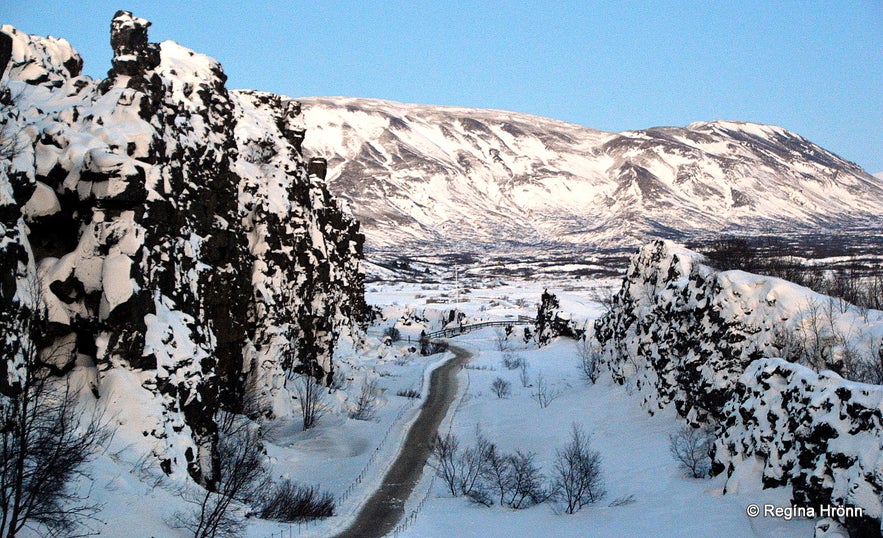 Mt. Ármannsfell as seen from Almannagjá gorge at Þingvellir national park at -18 degrees C
Ármann was in charge of sending out invitations to the south and east of Iceland, while Bárður was in charge of sending out invitations to the north and west of Iceland.
Now the men left the party. As spring arrived, they sent out invitations around the whole country.
Ármann sent on his behalf Eiríkur from Eiríksstaðir farm beneath Mt. Skjaldbreiður and Ólafur from Fífilsvellir.
All of Iceland's strongest men arrived at the games, eager to see this game.
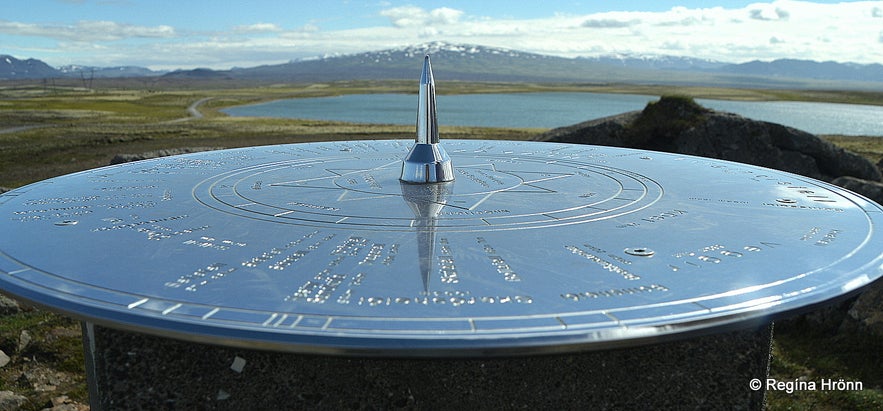 The view-dial at Uxahryggir points at the shield volcano Mt. Skjaldbreiður
All of them arrived at Ármann's place on the exact date they were invited.
Ármann threw a party on the first day, Eiríkur on the second day, and Ólafur on the third day, and no expenses were spared.
On the fourth day, Bárður and Ármann told the men to gather at the games. By the mountain is a large plain where the games were held.
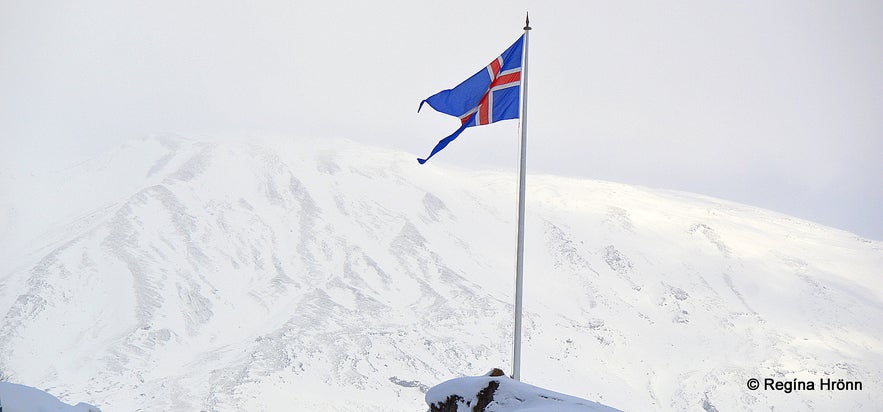 Mt. Ármannsfell and the Icelandic flag in the snow
First was the game hringbrot, and Bárður ruled the games.
Here is a description of the dance: "The Hringbrot is an Icelandic dance, somewhat similar to the polonaise.
Ten or more men form a chain, and the first go under the arched arms of the last, and the rest follow without loosening hands" - Dancing, by Mrs. Lilly Grove.
This must have been a sight to see!
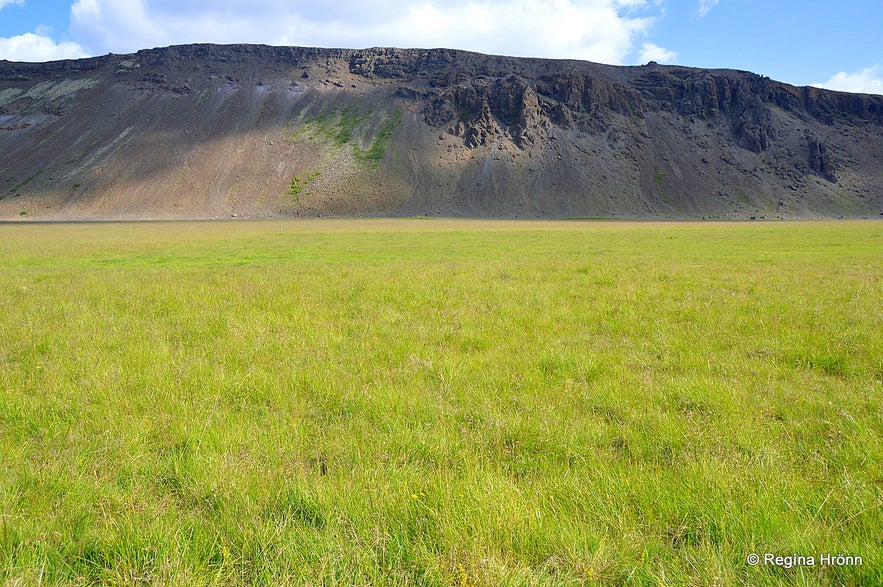 Hofmannaflöt plains by Mt. Fremra-Mjóafell, where the games took place
Ármann sat on the slope with Þórálfur, as he didn't want him to compete because of his temperament and competitiveness. Þórálfur was not happy about having been ousted from the games.
Þórálfur plays a significant role in the saga, and he is violent, rowdy, and completely out of control. He had asked Ármann for help when no one would take him in.
Ármann was reluctant to help him but advised him to move into a cave in a mountain south of Mt. Skjaldbreiður, which is now called Mt. Hlöðufell (formerly Mt. Hlaðgerðarfell). And that he had to stop plundering.
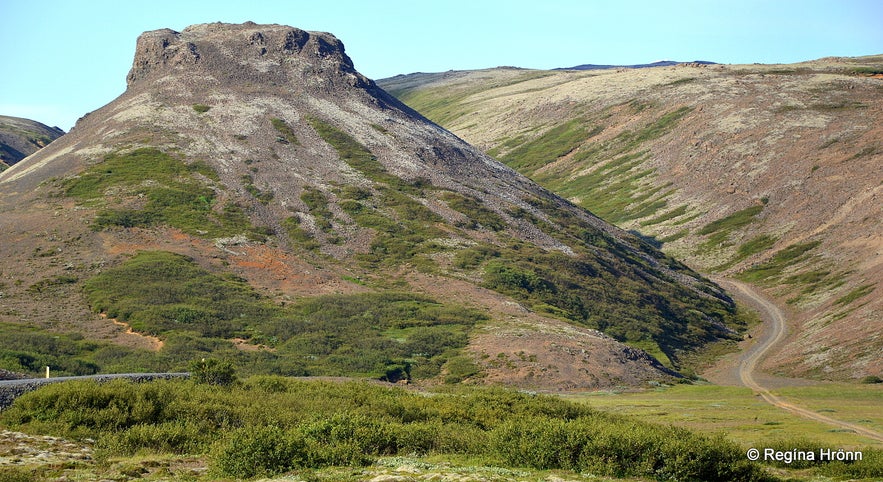 Mt. Meyjarsæti
But Þórálfur was very lonely there, and his temperament grew even worse than before. So Ármann found him a wife, Hlaðgerður from Finland, who calmed him down.
Things went well until Hlaðgerður died, then Þórálfur went berserk again and started plundering, and his children escaped from home. Þórir, his son, and Bergþór, his grandson, were at the games. Ármann had fostered Þórir and taught him ancient wisdom.
Þórálfur was eventually killed after stealing a whole lot of sheep from Skugga-Valdi, another half-troll, and refusing to return them. His burial mound is by the mountain named after him, Mt. Þórólfsfell.
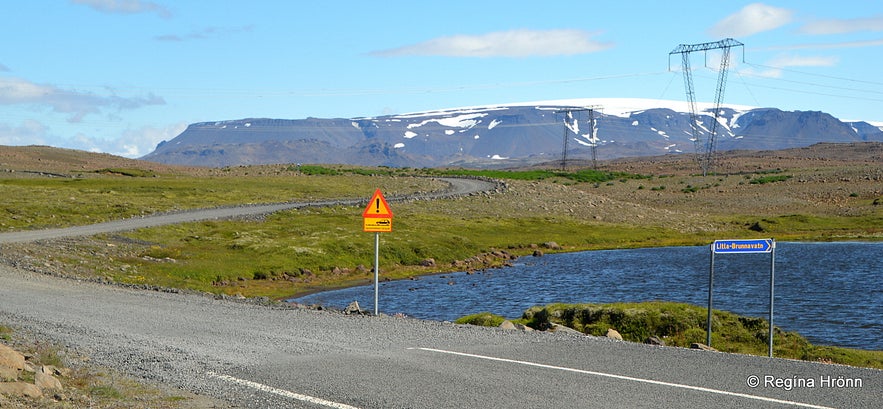 En route to Kaldidalur valley
His son, Þórir, killed Skugga-Valdi and took up residence in his valley, which was thereafter called Þórisdalur. You will also find Þórisjökull glacier and Lake Þórisvatn.
If you remember the half-troll Hallmundur in Hallmundarhellir cave, who helped out Grettir the strong, whom I told you about in a recent travel blog, then he was the grandson of Þórálfur: Grettir the Strong and Grettisbæli Lair in Hítardalur Valley in West Iceland.
I like the stories behind place names in Iceland and consider these names part of Iceland's soul, adding life to the landscape; therefore, I seek out their origins.
Be on the lookout for these place names when you drive through this area.
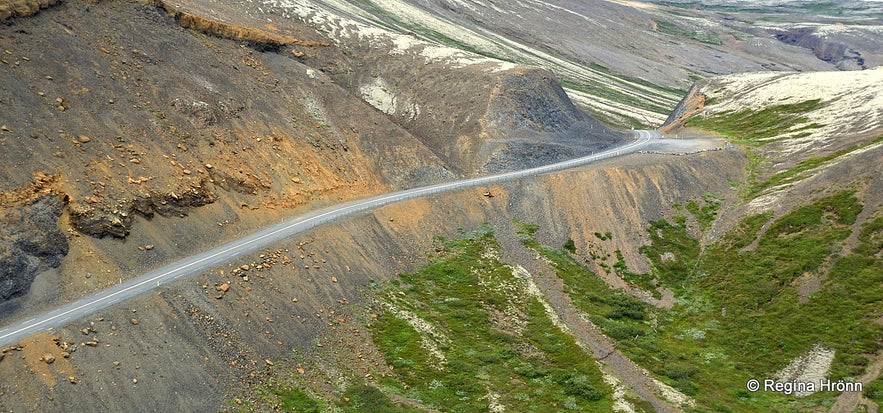
Uxahryggjavegur road number 52 cuts into Mt. Ármannsfell
Now, back to the games at Hofmannaflöt plains, I just wanted to explain why Þórálfur was banned from them.
Now they commenced the game hringbrot, and Bárður started. Then many men fell, even though they were strong. But as Bárður grew tired, Eiríkur at Eiríksstaðir took over.
More men fell, and as he gave up, Brandur the strong took over. Then so many men fell that fewer of them stood up, and they stopped the game.
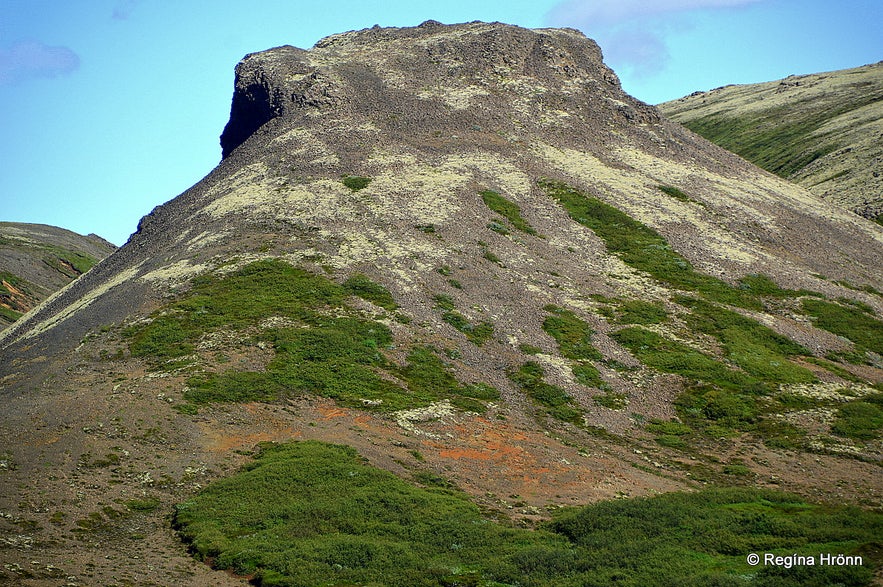 Were maidens sitting on Mt. Meyjarsæti watching the games?
Next was soppleikar (it seems to have been a kind of ballgame with round stones). That game was played with great enthusiasm and competitiveness.
But the leaders saw to it that no attacks were made between these people of superior strength.
Now Bárður asked the men to stop and start wrestling. Ármann was in charge of the wrestling, but Þórir Þórálfsson was to wrestle on his behalf, as Ármann had fostered him.
The men undressed and got into their wrestling gear.
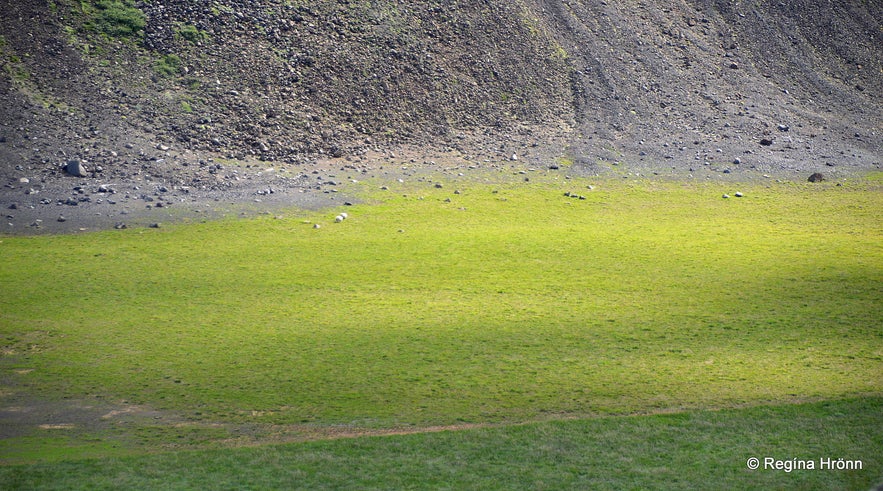
Hofmannaflöt plains
Þorkell bundinfóti and Eiríkur started the games. Þorkell fell, but Bárður avenged him. Next up was Brandur sterki - the strong, and Geirr from Keldudalur.
They wrestled with great force. When Geirr fell to his knee, they stopped.
Bergþórr (at Bláfell) was back then 10 years old, and he was to wrestle Ormur sterki - the strong, and Bergþór fell, but Þórir avenged him, and Ormur fell to his knees.
I have written another travel blog about Bergþórs at Bláfell: The gentle Troll Bergþór in Mt. Bláfell - Icelandic Folklore from South Iceland.
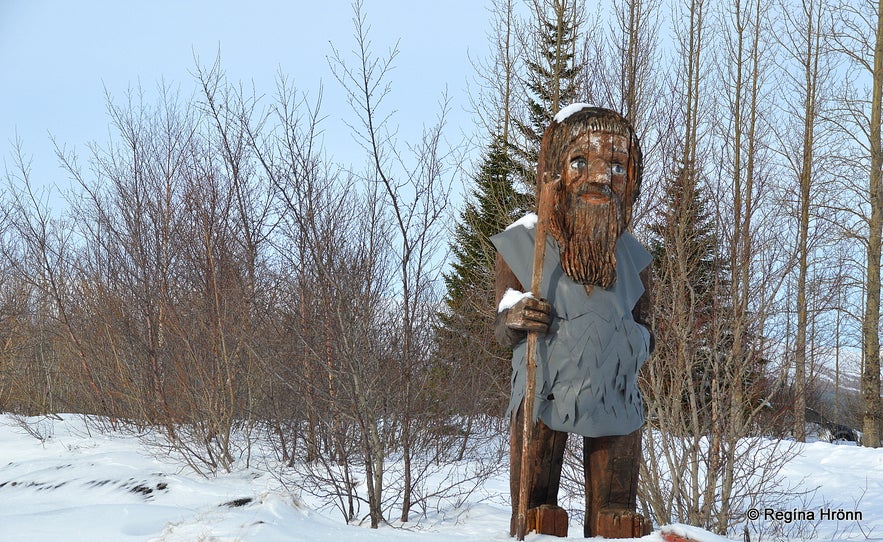
Bergþór at Bláfell was only 10 years old when he competed in the troll games
Next up were Þórálfr Skeljungsson and Lágálfr from Siglunes, and they wrestled for a long time before Lágálfur fell. Many men wrestled during this game.
Þórálfur Skeljungsson walked to Þórálfur úr Felli, where he sat on the slope, and said: "Is it true that you are stronger than other men, and therefore you are forbidden from the games, or are you full of yourself?"
"That is not so," Ármann said, "and you cannot force men to wrestle."
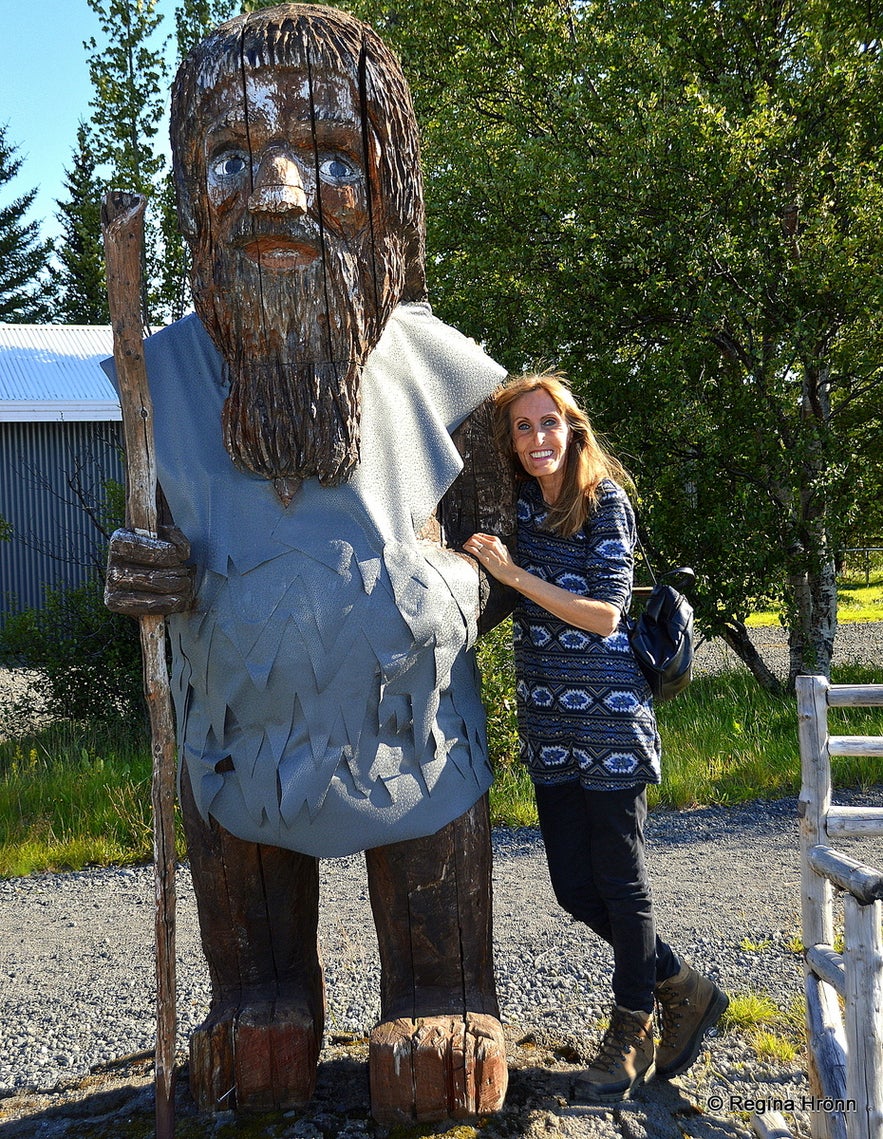
By the wooden statue of Bergþór at Bláfell at Geysir
"He shall wrestle," said Þórálfur and grabbed his legs and pulled him down the hill. He couldn't stand up and get into position until he was down on the plain, and they attacked each other with great force.
They hadn't wrestled for long before they had trampled the ground down to their shoelaces.
The 2 Þórálfur wrestled with fierceness until Þórálfur úr Felli dislocated his hip, and he was defeated.
Bárður and Ármann asked them to stop wrestling. But the 2 Þórálfurs did not want to give up the game, and Þórálfur (the injured one) stood on one leg, and they clawed each other to the bone.
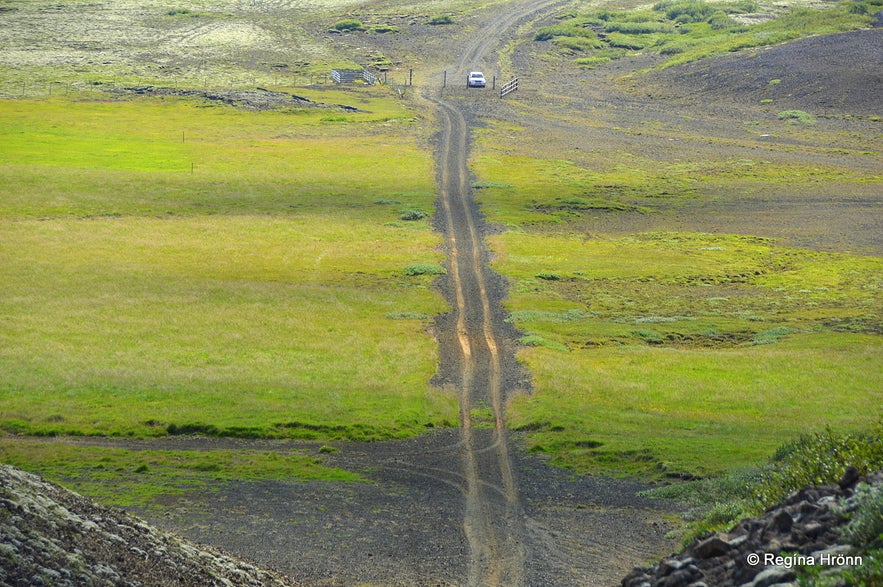 The old road cuts through Hofmannaflöt plains
Ármann urged the men to separate them. Bárður grabbed Þórálfur úr Felli, and Eiríkur helped him, but Ármann and Brandur grabbed Þórálfur Skeljungsson.
Þórálfur said he resented being held like a dog, scuffled with Ármann, and asked whether he wanted to be on the bad guy's side.
Ármann took him by his shoulders, threw him into the air, and slammed him to the ground. Þórálfur's arm broke, so he was out.
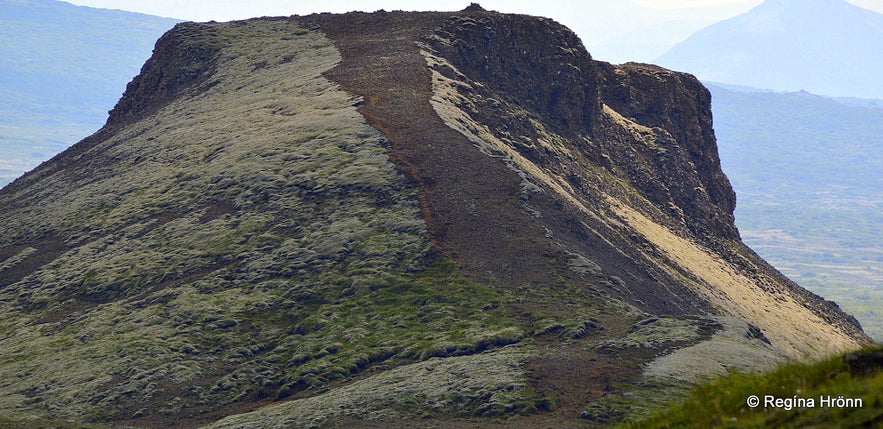
I zoomed in on Mt. Meyjarsæti on our way back from the hike
Bárður said: "Now it is a good time to stop this game, and we are grateful to everybody who attended the game.
This gathering will be remembered, and I believe that nowhere else has such a handsome group of boys or energetic champions gathered.
And this field, where we have met, shall be named Hofmannaflötur plains. And they shall remember that we met here".
The men stopped the game, and everybody went to their homes."
(Translated into English from Ármannssga hin yngri - RHR)
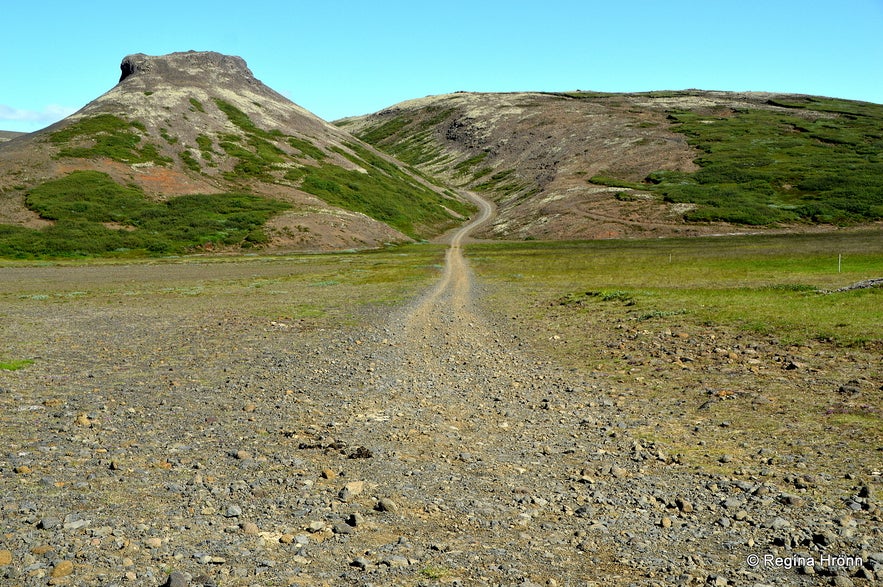 Mt. Meyjarsæti and Hofmannaflöt plains
And to this day, we remember the troll games that took place here on Hofmannaflöt.
A wrestling society in Iceland is named after the games Glímufélagið Ármann founded in 1888.
The Hofmannaflöt plains lie north of Þingvellir National Park and east of Mt. Ármannsfell. Prominent is the small mountain Meyjarsæti - the Seat of the Maidens.
It is believed that the small mountain got its name because women/maidens sat on Mt. Meyjarsæti and watched the games on the Hofmannaflöt plains.
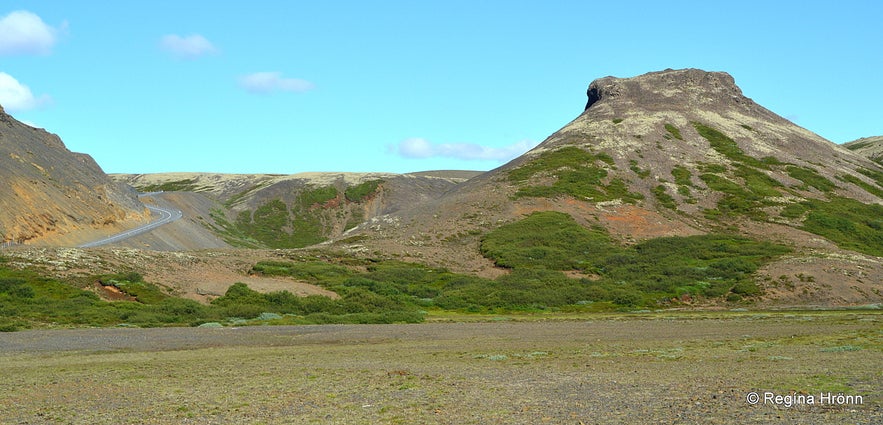 Mt. Meyjarsæti and a part of Mt. Ármannsfell
The Hofmannaflöt plains are open to the south; otherwise, they are surrounded by mountains on each side.
This story is told from generation to generation. My grandparents told me about it when I was a little girl, and we visited Mt. Meyjarsæti.
They had a summer cottage at Þingvellir, and I spent a lot of time with them in this area.
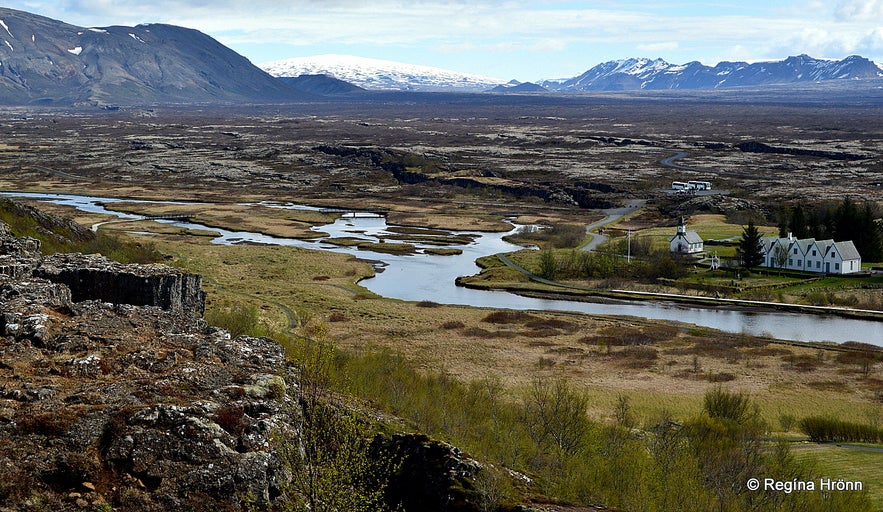 Mt. Ármannsfell and Mt. Skjaldbreiður as seen from Hakið at Þingvellir
Ármann is said to have become a special protector of Alþingi at Þingvellir, which was established in 930, as I mentioned earlier.
The Alþingi was held at Þingvellir until 1798, when it was moved to Reykjavík.
This is after Ármann's death, whose burial mound is said to be at Mt. Ármannsfell, but we don't know where it is.
But protectors such as Ármann and Bárður Snæfellsás are protectors of their area even after their death.
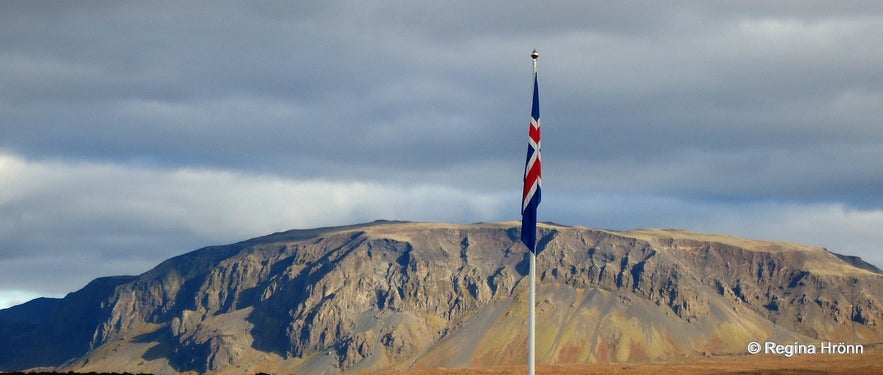 Mt. Ármannsfell and the Icelandic flag in calm weather
So if we find ourselves in trouble (e.g., get lost in the fog or break a leg) in this area or on the Snæfellsnes peninsula, we can call upon them for help. It is for sure worth a try.
Here is the location of Mt. Ármannsfell on Google Maps.
In my next travel blog, I show you: An Easy Hike on Mt. Meyjarsæti and Lake Sandkluftavatn in South Iceland.
Have a lovely time in Iceland :)
Sources:
Ármanns saga og Þorsteins gála

Hi, my name is Regína Hrönn, and I was born and raised here in Iceland.