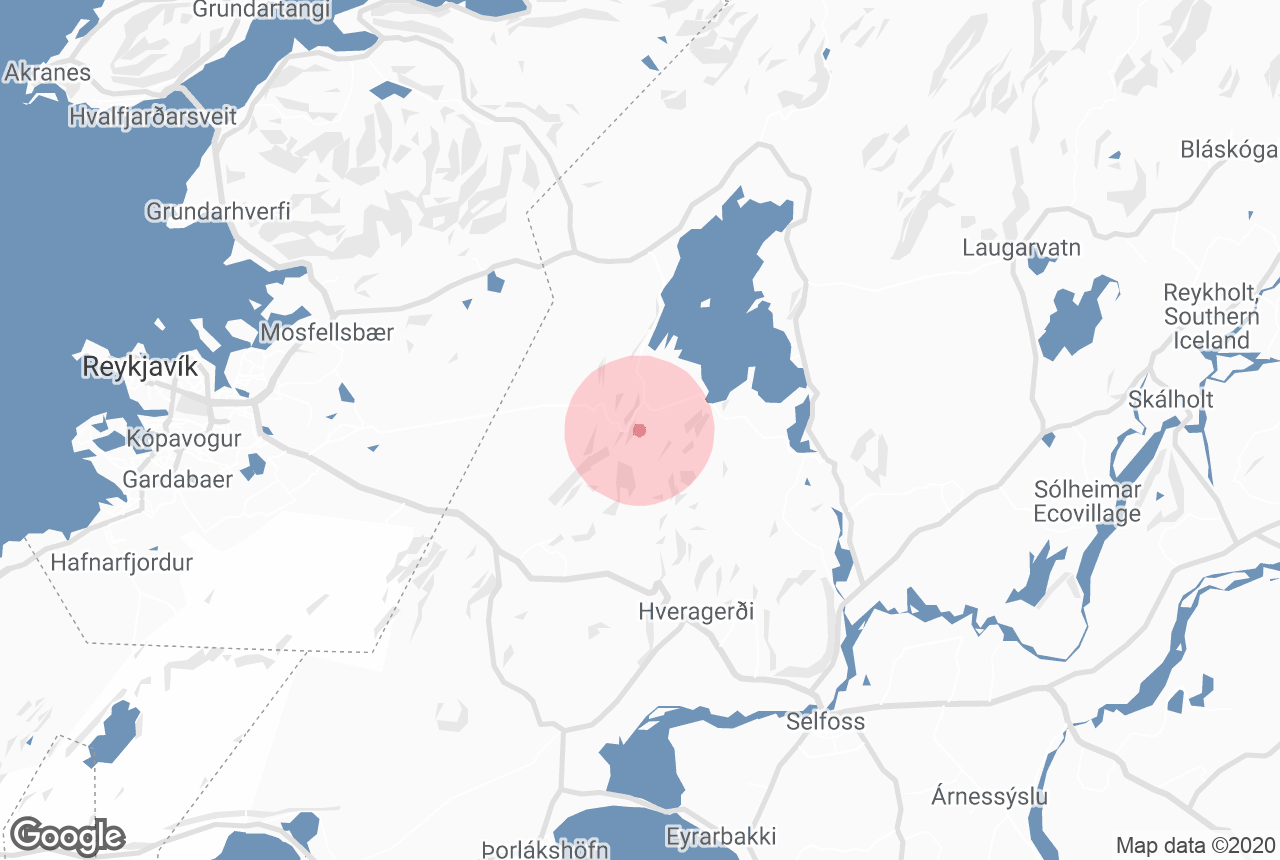
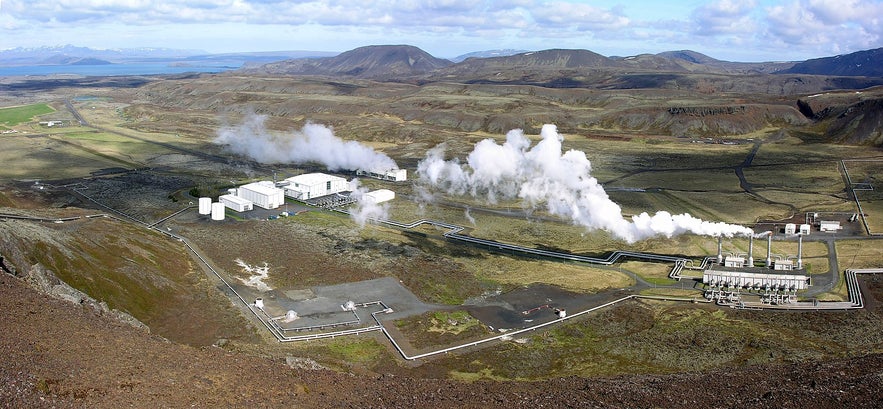
Nesjavellir is a geothermal area in southwest Iceland. It is most famous for being home to the Nesjavellir geothermal power station, the second largest of its kind in the country.
Explore this area at your own pace on a self drive tour in Iceland.
当サイトの情報が信頼できる理由
Guide to Iceland (ガイド・トゥ・アイスランド)は、アイスランドで最も信頼されている旅行プラットフォームです。毎年、何百万人もの旅行者にご利用いただいています。 すべてのコンテンツは、アイスランドに精通した現地の専門家が執筆・監修しており、 常に正確で最新の情報を提供しています。 信頼できる旅のアドバイスをお探しなら、ぜひ当サイトをご活用ください。
Photo from Wikimedia, Creative Commons, by Gretar Ívarsson. No edits made.
Due to its location, Nesjavellir is a hotbed of geothermal and geological activity. It is just north of the town of Hveragerði, which is notorious for its ground randomly collapsing into hot springs, and the naturally heated river in the valley of Reykjadalur.
The volcanic phenomena of the area are due to the fact that it is located on the Mid Atlantic Rift, which separates the North American and Eurasian tectonic plates. The best-known place to see this rift valley is Þingvellir National Park, which just to the north of the geothermal power station across the lake Þingvallavatn, the second largest lake in the country.
The primary attraction for visitors within Nesjavallir is the Hengill Geothermal Area, located on a volcano of the same name. This is a beautiful site with many hiking trails, dramatic views and seething geothermal areas.
The Nesjavellir Geothermal Power Station
The Nesjavellir Geothermal Power Station is located a short drive from the Hengill Geothermal Area. The power station produces around 120 MW of electrical power and around 1,110 litres of hot water (80-85°C) per second. The power station serves the Greater Reykjavik Area.
Though Iceland gets over twenty percent of its energy from power stations such as that at Nesjavellir, the rest is hydroelectric, from the many dams across the country. As the development of geothermal energy continues, it will soon take up a larger proportion of the county’s power, being more environmentally friendly.
As geothermal energy also used to supply homes with hot water sustainably, you will find that warm shower smells similarly sulfuric to Iceland’s geothermal area.