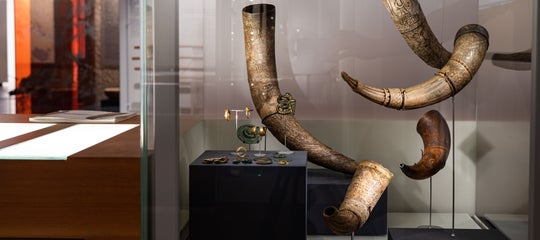
For much of recorded history, Icelanders were few in number and lived far from other nations in the North Atlantic. Life meant facing cold winds, scarce resources, and long distances—conditions that shaped a resilient, tight‑knit society that valued cooperation and self‑reliance.
- Make sure to read What is an Icelander?
- Discover the city and culture of Iceland on a 24hr Reykjavik City Card
- Get a taste of Iceland on this Walking and Food Tour in Reykjavik
Icelandic Myths
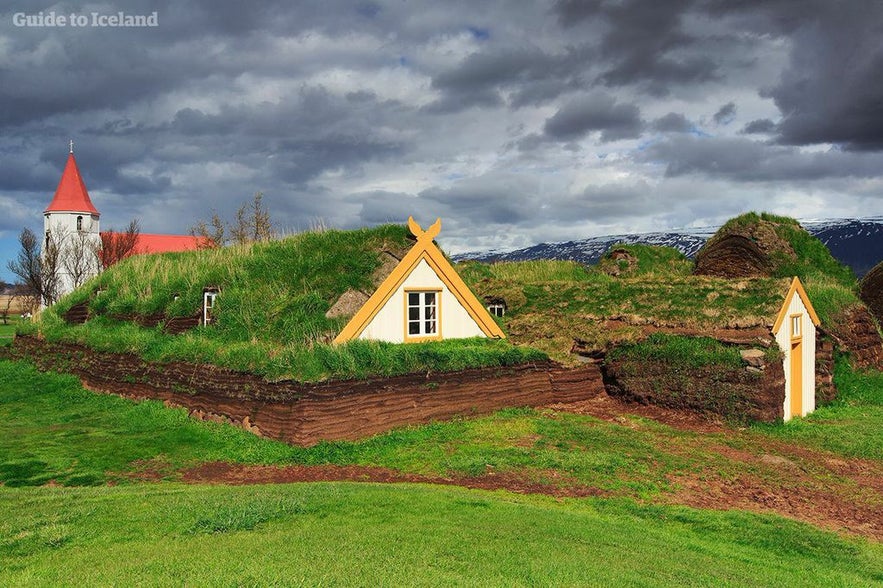
These natural and social circumstances proved fertile ground for storytellers, giving rise to the Sagas and a rich folklore of elves, trolls, and hidden people. While such tales remain a vivid part of national heritage, modern surveys indicate only a small minority say they definitely believe in elves, with many more saying it might be possible—so the tradition today is as much cultural as it is credence.
Why You Can Trust Our Content
Guide to Iceland is the most trusted travel platform in Iceland, helping millions of visitors each year. All our content is written and reviewed by local experts who are deeply familiar with Iceland. You can count on us for accurate, up-to-date, and trustworthy travel advice.
Modern Icelanders
Reykjavík’s annual Culture Night (Menningarnótt) is a city‑wide, free festival held each August to mark the capital’s birthday—drawing residents and visitors into streets, museums, and parks from midday through evening with a fireworks finale. In 2025, for example, it took place on Saturday, August 23, from 12:00–22:00, with fireworks at Arnarhóll.
Today, Icelanders are generally welcoming and community‑minded, with strong participation in cultural life and a deep connection to nature. Visitors are encouraged to join respectfully—and to leave the landscape as they found it.
Who Icelanders are today
-
Population and diversity: Iceland’s population was 394,324 on January 1, 2026, according to our Iceland demographics study, and nearly two in three residents (63.9%) live in the Capital Region. First-generation immigrants made up 19.6% of residents.
-
Language and literature: Icelandic remains the everyday language, with the medieval sagas still widely read and celebrated as a cornerstone of identity.
-
Names and identity: Most Icelanders use patronymic or matronymic surnames (e.g., Jónsdóttir, Guðmundsson). The Personal Names Register governs new given names, and since 2019, people registered as non‑binary may use the gender‑neutral suffix –bur (e.g., Jónsbur).
-
Energy and environment: Nearly all electricity in Iceland is generated from renewable sources—primarily hydropower and geothermal—a point of pride that aligns with strong environmental ambitions.
Today, our peaceful and hospitable people welcome visitors from all corners of the world to join in the gleeful adoration of magic and nature. Please treat us kindly.
Text by Magnus Bjorn Olafsson.
Now see where Icelanders came from or what an Icelander is like.

I’m Magnús Björn Ólafsson, a writer, philosopher, storyteller, and editor based in Reykjavík, Iceland. I hold a B.A. in Political Science and Philosophy from Middlesex University in London (2008) and an M.A. in Philosophy from the University of Iceland (2014). I’ve served as editor-in-chief of the University of Iceland’s student newspaper and have written extensively on Icelandic current affairs for several national publications. Over the years, I’ve published a number of books and essays, focusing on political thought, culture, and personal narrative. I live in Reykjavík with my fiancée and our seven-year-old son.