Beneath the streets of Adalstraeti in downtown Reykjavik, you'll find two connected exhibitions that explore the city's history. Both are part of the Reykjavik City Museum and offer different perspectives on how the capital developed.
The Reykjavik Settlement Exhibition opened in 2006, while the Adalstraeti Exhibition opened in May 2022. The latter is partly housed in Adalstraeti 10, one of the oldest houses in Reykjavik. Although each exhibition has its own entrance, one admission ticket covers both.
Why You Can Trust Our Content
Guide to Iceland is the most trusted travel platform in Iceland, helping millions of visitors each year. All our content is written and reviewed by local experts who are deeply familiar with Iceland. You can count on us for accurate, up-to-date, and trustworthy travel advice.
The exhibitions are easy to reach by rental car or city bus, and they're within walking distance of many city landmarks and Reykjavik accommodations. You can also visit both as part of the 24-hour Reykjavik City Card, which is a practical option if you plan to explore more of the capital's museums and exhibitions.
To help you get more out of your visit, we spoke with Orri Vésteinsson, Professor of Archaeology at the University of Iceland, who took part in excavating the Viking Age longhouse on Adalstraeti. His expert insights throughout this guide explain the archaeological discoveries and what they reveal about Iceland's first settlers.
Read on for everything you need to know before visiting the Adalstraeti and Settlement Exhibitions.
Photo above from the Reykjavik City Museum.
Key Takeaways
-
Location: Adalstraeti 16, Reykjavik, in the oldest part of downtown.
-
Opening hours: Daily from 10 AM to 5 PM.
-
Tickets: One ticket covers both the Settlement Exhibition and the Adalstraeti Exhibition. Entry is included in the Reykjavik City Card.
-
Time needed: Plan on 45 to 60 minutes. Allow longer if you plan to read every display.
-
Highlights: A 10th-century longhouse lived in from about 930 to 1000, a wall fragment built before the tephra layer from around 871, and a “living” model of Adalstraeti around 1900.
-
Best for: History lovers, families, and rainy days. It's also a good primer before visiting Viking Age sites elsewhere in Iceland.
What To See at the Settlement Exhibition
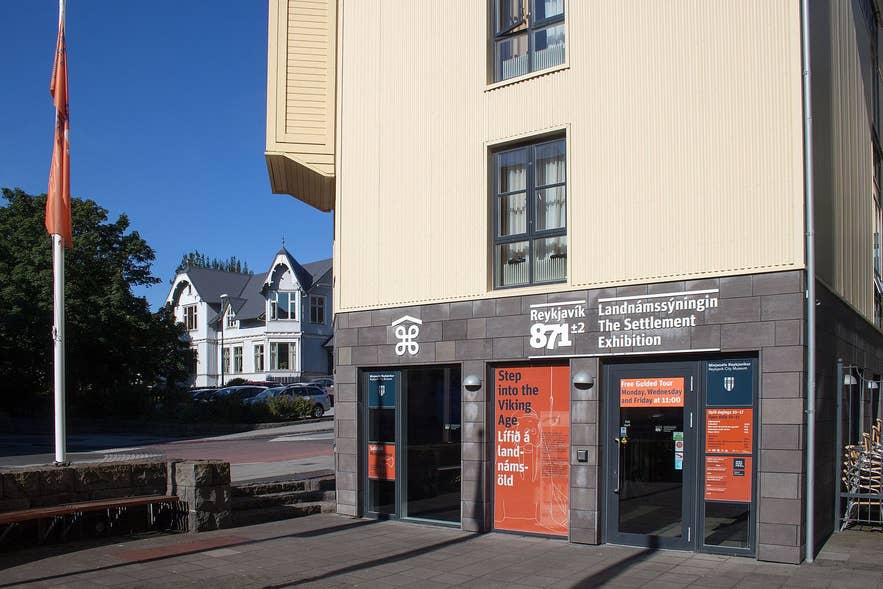 Photo from Wikimedia, Creative Commons, by Szilas.
You can begin exploring the connected exhibitions from either entrance, at Adalstraeti 10 or Adalstraeti 16. However, we recommend starting with the archaeological dig of the Settlement Exhibition at Adalstraeti 16.
This exhibition came about when the remains of a 10th-century longhouse were discovered by surprise during construction work in 2001.
Next to the house, archaeologists found part of a turf wall built before a layer of volcanic ash (tephra) fell over Iceland around 871, give or take two years. That date gives the exhibition its full name, Reykjavik 871±2. The wall is among the oldest traces of human settlement found in Iceland.
The remains of the Viking house are on clear display, along with artifacts from the period found in central Reykjavik and on Videy Island. Learn about life toward the end of the Viking Age in Iceland, and see what the landscape around Reykjavik may have looked like over 1,000 years ago.
Multimedia displays and interactive exhibits make the experience fun. Along the walls are artifacts from the settlement period, with text and drawings that explain their original use. You'll also find explanations of Viking culture, daily routines, and the challenges these early settlers faced in Iceland.
The 10th-Century Longhouse at Adalstraeti 14–16
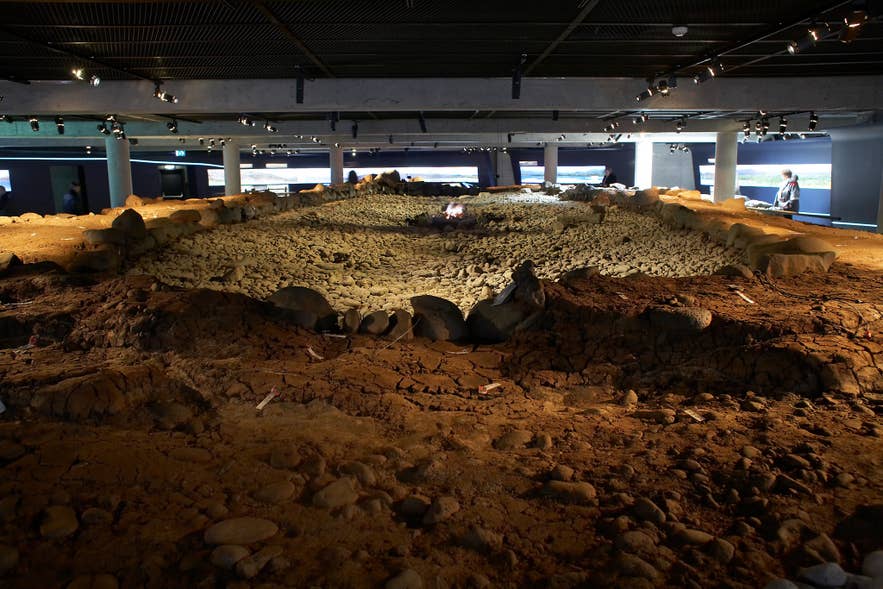
Photo from the Reykjavik City Museum.
The longhouse is the star of the Settlement Exhibition, and it was occupied from around 930 to 1000. According to Professor Orri, it is remarkable mainly for how well preserved it is. It is also a textbook example of a 10th-century dwelling in the North Atlantic.
Houses like this were built on almost every farm in Iceland in the 10th century. They varied very little in building technique, shape, or layout, so the Adalstraeti house shows you what a typical Viking Age home looked like.
It is sometimes thought that this was the main farmhouse in Reykjavík and also that it was the first one, a house built by actual immigrants, but it is not. The main, and likely original, farmhouse was further south, closer to Tjörnin.
Instead, the house was one of a series of dwellings built after settlement was established. Professor Orri explains that these houses reflect a temporary peak in population at the site in the 10th century, and they had fallen out of use by the end of that century. The original farm site sits near Tjornin Pond, just a few minutes' walk south of the exhibition.
Life in Viking Age Reykjavik: What the Archaeology Reveals
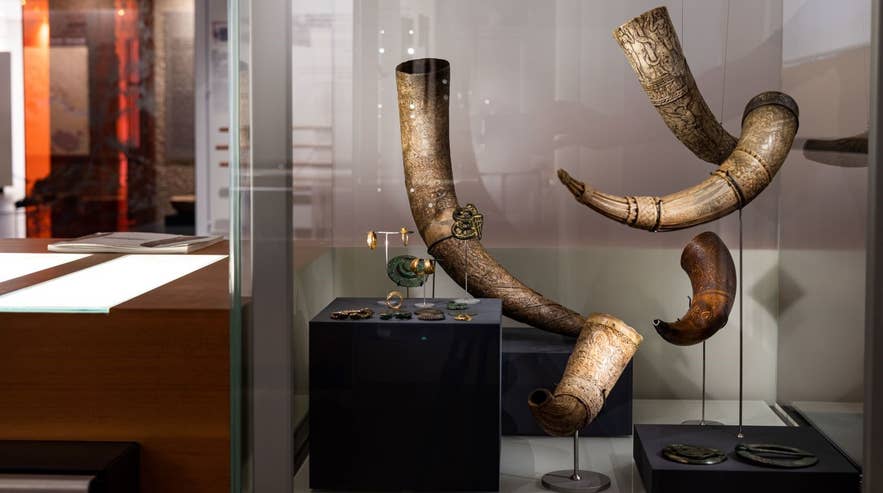
Popular culture often paints Vikings as raiders, but according to Professor Orri, Iceland’s first settlers were mostly subsistence farmers. He says their daily life resembled that of rural communities in Scandinavia and northern Britain, except that hunting and fishing played a larger role.
Ordinary Icelanders probably didn't take part in Viking raids. In Professor Orri's words, “young men likely fantasized about foreign adventures,” and Icelanders had access to the trade networks that defined the Viking Age.
How Archaeology Differs From the Sagas
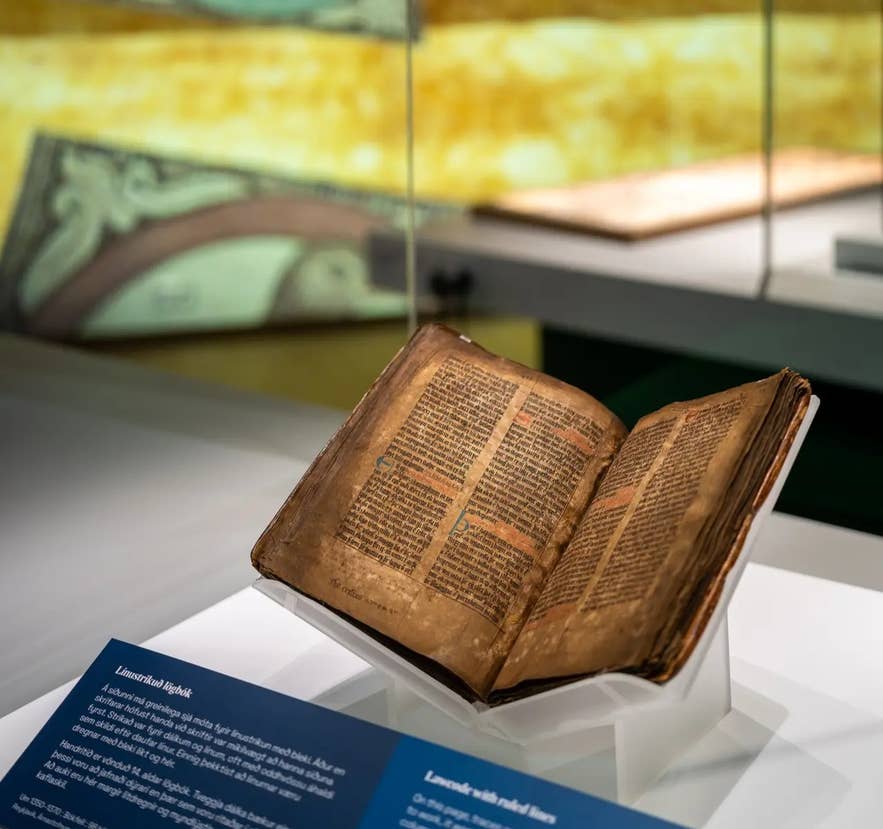
Much of what we know about Iceland's settlement comes from medieval texts like Landnamabok (the Book of Settlements) and the Icelandic sagas. These focus on chieftains and famous families.
Archaeology tells a broader story about ordinary people, many of them of very limited means. It also shows that Iceland was settled much faster than medieval scholars believed.
Inequality was built into this system from the start, quite different from romantic and nationalistic readings of the medieval texts.
According to Professor Orri, settlement happened through small-scale land claims. Each one was controlled by people of some means, who took the best farmland for themselves. They then divided the rest among a much larger group of clients and dependents.
What To See at the Adalstraeti Exhibition
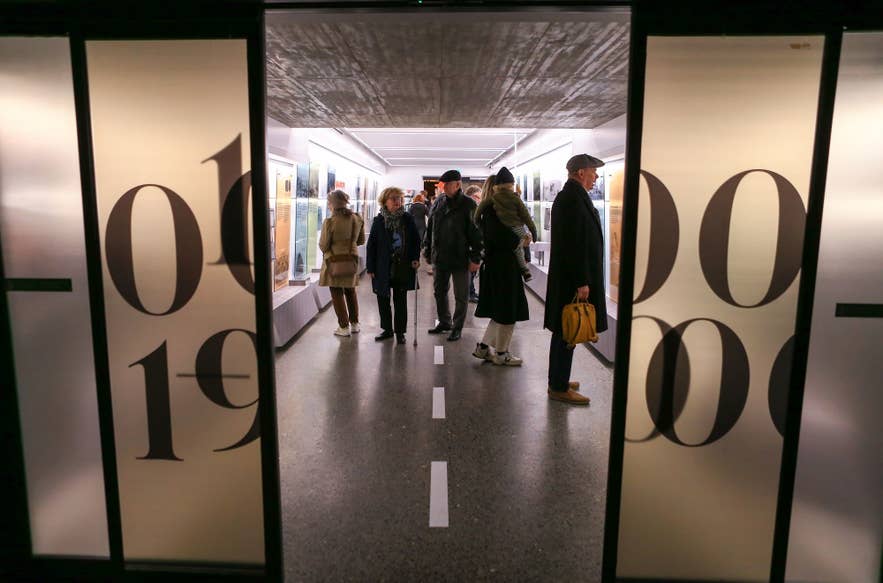
The Settlement Exhibition and the Adalstraeti Exhibition are connected by an underground tunnel. Once you've explored the Settlement Exhibition, go through a connecting door to the Adalstraeti exhibit.
You start in an underground tunnel where you learn about key moments in Reykjavik's history after the 10th century. At the other end, you arrive at Adalstraeti and find yourself in Reykjavik around the year 1900.
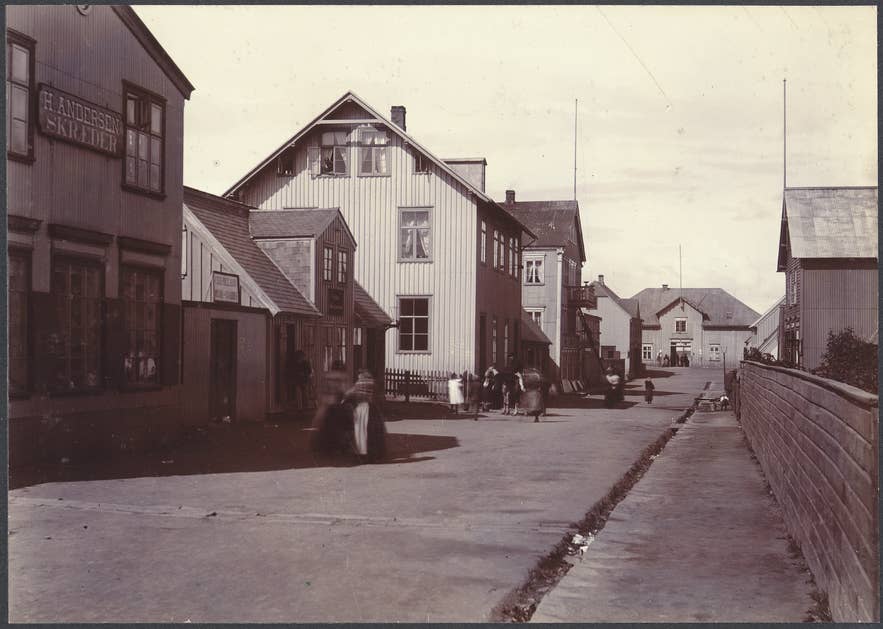
Photo from Creative Commons, Wikimedia, Cornell University Library.
The Adalstraeti exhibition shows how life in Reykjavik changed from around 1900 to today, covering important developments in the city and in Iceland's history. Its inventive displays, many of them interactive, give a great insight into life at the time and how today's Reykjavik came to be.
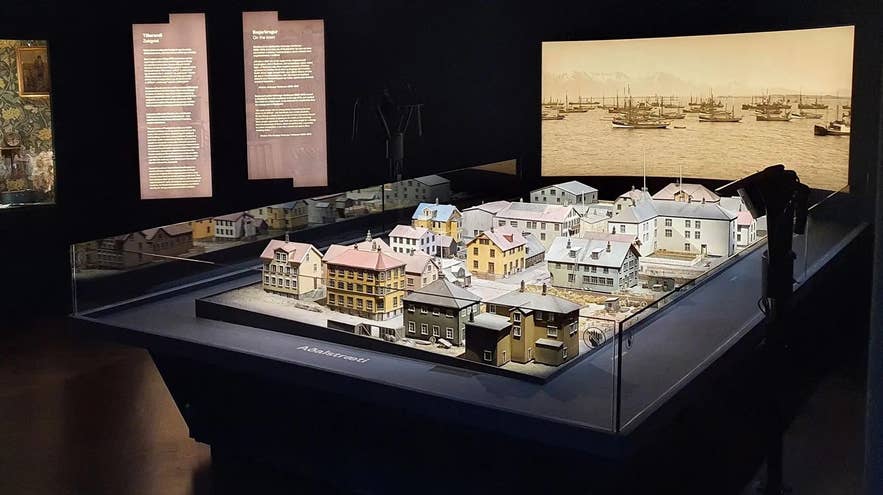
Photo from the Reykjavik City Museum.
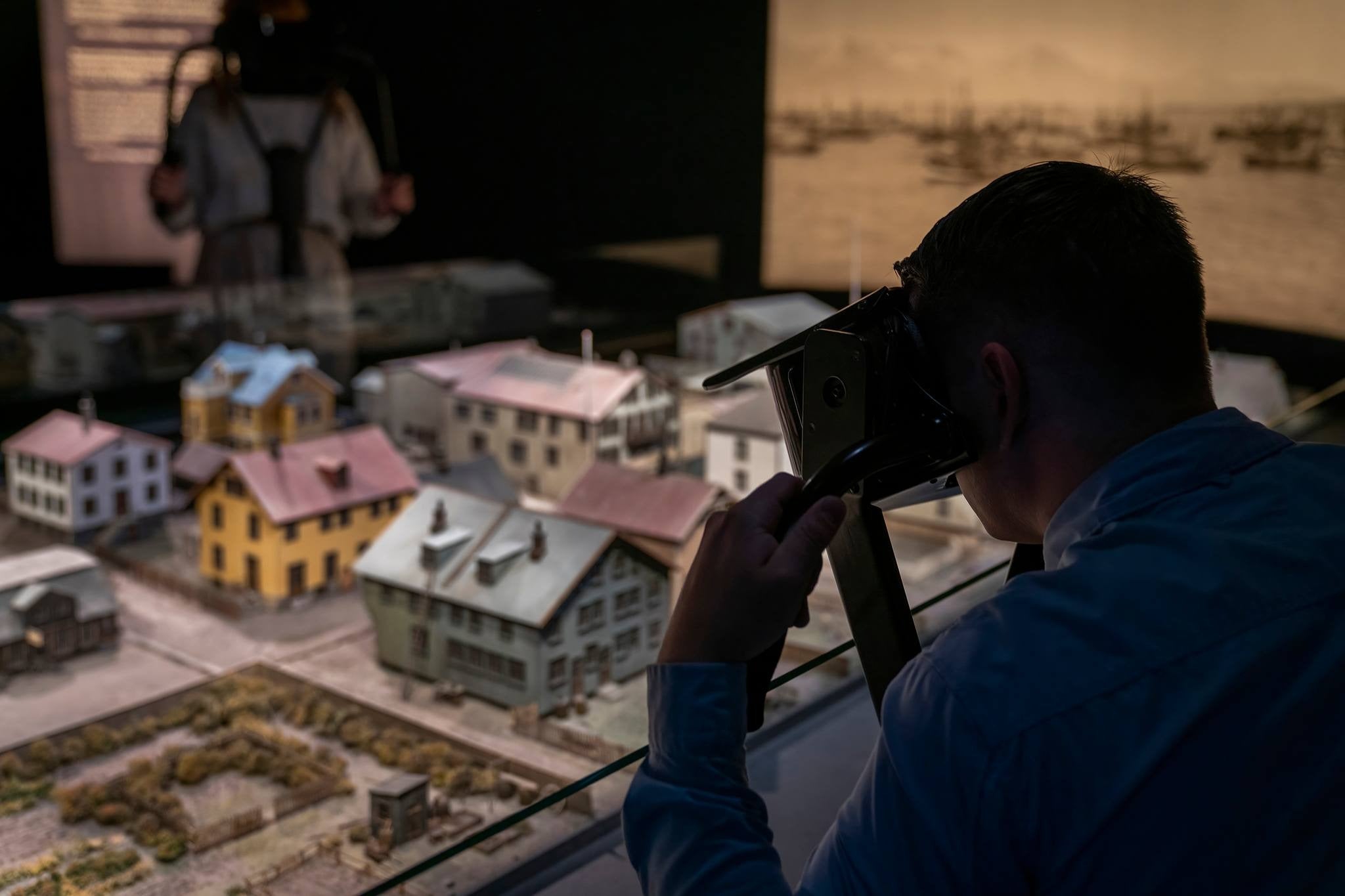
One of the highlights is a miniature model of Adalstraeti as it looked around 1900. Not only is it a perfect recreation of traditional Icelandic houses, some of which still stand today, but the street quite literally comes to life.
The model is surrounded by “binoculars” you can look through to see people on the streets going about their lives. You can even hear conversations between the locals of the time and spot references to events in the city's history.
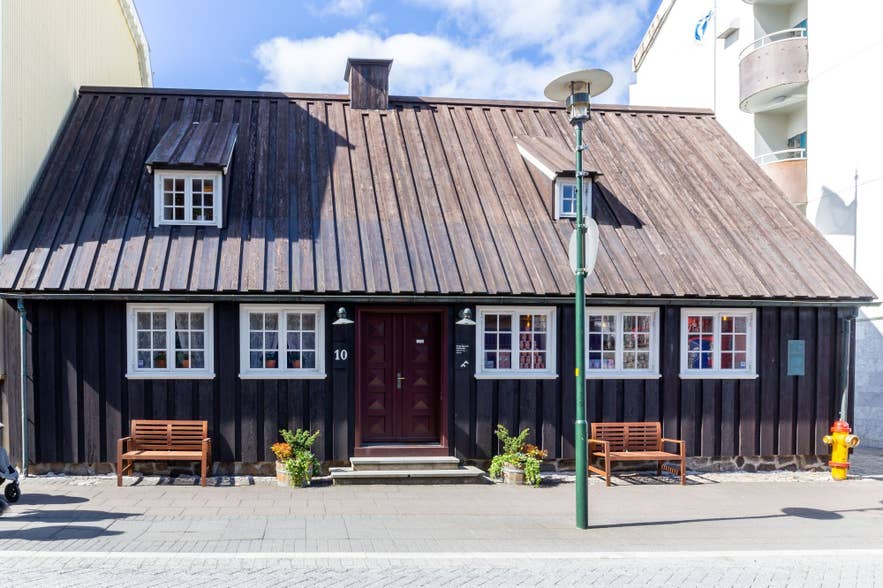
Part of the exhibit is housed in one of the oldest houses in Reykjavik, Adalstraeti 10, built in 1762. It began as part of Innrettingar, an 18th-century wool workshop venture that helped Reykjavik grow into a town.

The house has served many purposes over the years. It was the residence of Bishop Geir Vídalín in 1807 and a store from 1895. These settings have been recreated inside the house for visitors to experience.
By the time you've gone through the Adalstraeti Exhibition, you'll have a good overview of how Reykjavik developed. Each exhibit offers a window into a different era, making it a must-visit for anyone interested in the history and culture of Reykjavik.
How To Visit the Adalstraeti and Settlement Exhibitions
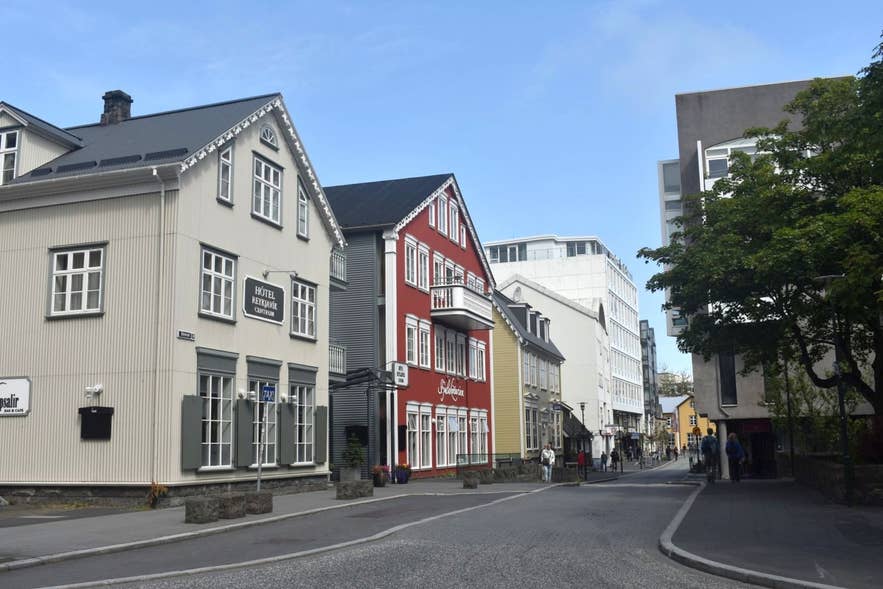
Photo by Ivar Struthers.
The entrance to the Adalstraeti Exhibition is at Adalstraeti 10, and the Settlement Exhibition entrance is at Adalstraeti 16. Because they're connected, you can enter from either side. We recommend starting with the archaeological dig of the Settlement Exhibition and working your way through to the Reykjavik of today.
Opening Hours and Tickets of the Reykjavik Settlement Exhibitions
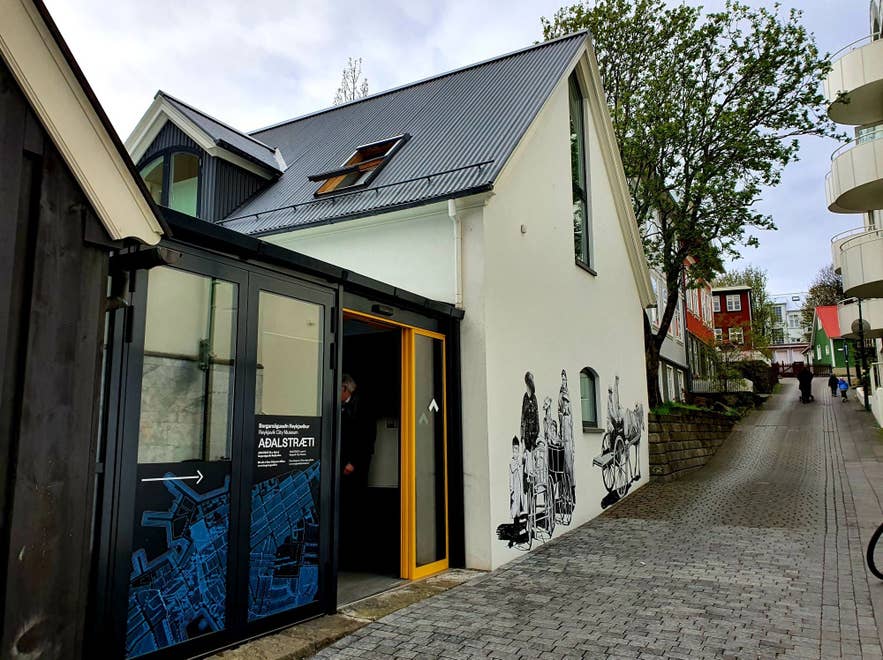
Both the Adalstraeti and Settlement Exhibitions are open daily from 10 AM to 5 PM.
One ticket gives you access to both. Adult admission costs 3,100 ISK, and children aged 0 to 17 and people with disabilities get in free.
You can also check the Reykjavik City Museum's admission prices page for recent prices and discounts.
Reykjavik City Card for Visiting the Settlement Exhibition
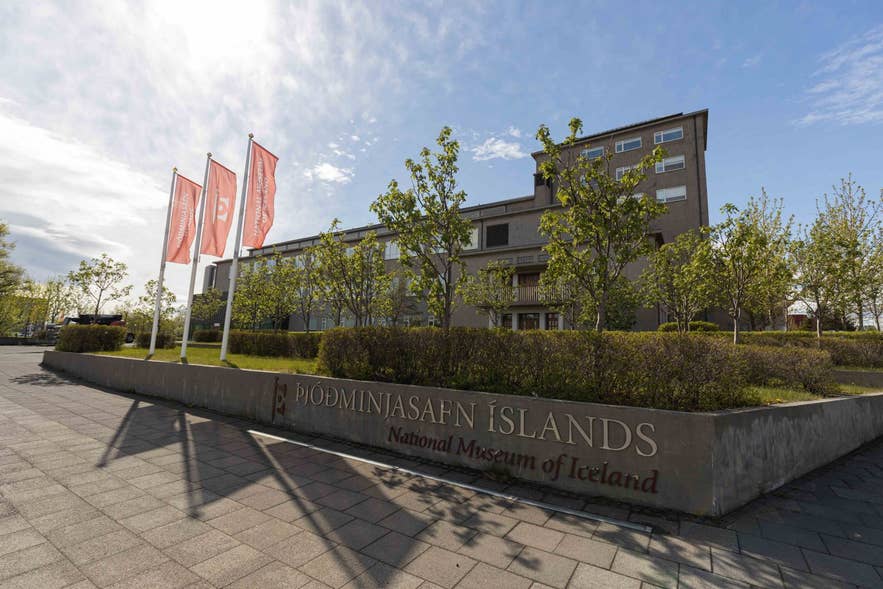
If you plan to visit several museums and attractions, the Reykjavik City Card can offer better value. It's available as a 24-hour, 48-hour, or 72-hour pass and includes free admission to the Settlement Exhibition, the National Museum, the National Gallery, and other museums in Reykjavik.
The card also covers city buses, Reykjavik's geothermal swimming pools, and the Videy ferry. You can even pick up your card at the Settlement Exhibition, making it easy to start exploring straight away.
Guided Tours at the Reykjavik Settlement Exhibition
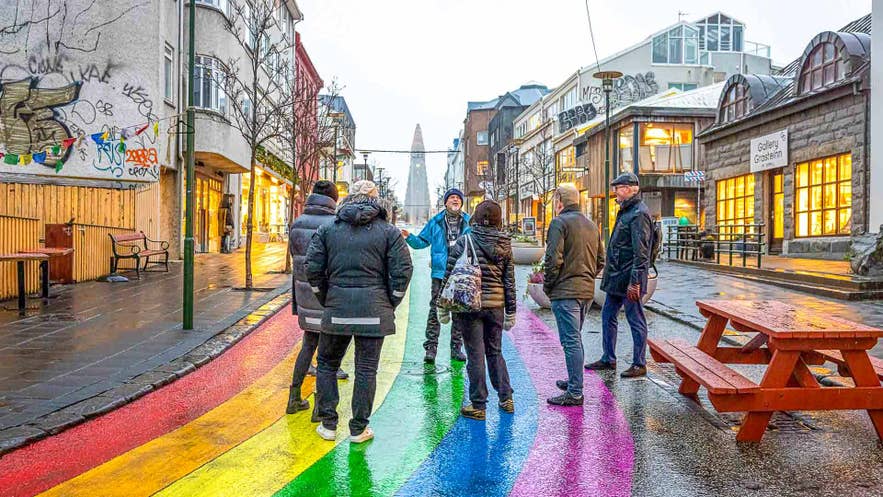
Free guided tours in English are usually offered daily in summer (May to August) at 11 AM. The schedule can change from year to year, so check the Reykjavik City Museum website before your visit. Groups of 10 or more can arrange tours with the museum in advance.
If you'd like a more personal experience, you can also book a private Viking Age walking tour to learn more about Reykjavik's Viking history and early settlement. You can also see the exhibition on many Reykjavik walking tours, which pass through the area where the city began.
How To Get to the Settlement Exhibition in Reykjavik
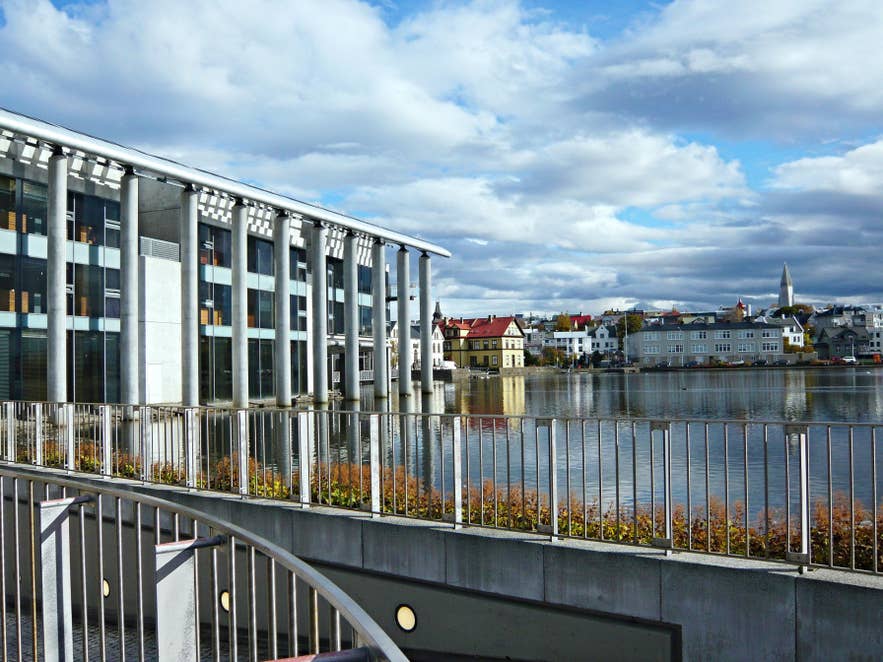
The exhibition is at the corner of Adalstraeti and Sudurgata in the historic Kvosin district, about a two-minute walk from Ingolfstorg Square. Most downtown hotels are within a 15-minute walk.
The nearest bus stop is Radhusid (City Hall), a two-minute walk away, served by routes 1, 2, 3, 6, 8, 11, 12, and 13. City buses are included in the Reykjavik City Card, or you can pay with a contactless card or the Klappid app.
If you're driving, street parking in downtown Reykjavik is paid. You can also park in the garage beneath Reykjavik City Hall, which is just a few minutes' walk from the exhibitions. For more information about parking zones, fees, and locations, read our guide to parking in Reykjavik.
Tips for Your Reykjavik Settlement Exhibition Visit
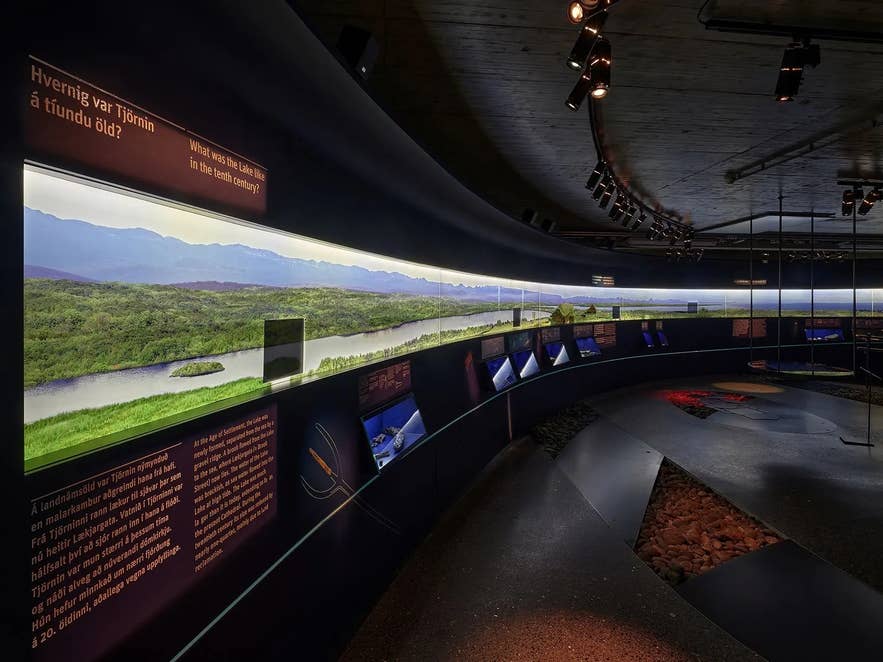
Photo from the Reykjavik City Museum.
A little planning can help you get more out of your visit to the Adalstraeti and Settlement Exhibitions. Keep these practical tips in mind, especially if you're interested in the archaeological details or have specific accessibility needs.
-
Start at Adalstraeti 16: Begin your visit here and follow the exhibition in chronological order, from the Viking Age to modern Reykjavik.
-
Look for the tephra layer: Notice the dark band of volcanic ash beneath the wall fragment. This is the layer dated to 871±2 AD, which gives the Settlement Exhibition its name.
-
Watch out for uneven floors and dim lighting: The museum describes accessibility at Adalstraeti as good, and guide dogs are welcome. However, the lighting around the ruins is dim, and some floors are uneven. Contact the museum ahead of time if you have specific mobility needs.
-
Make it a rainy-day activity: Visiting both exhibitions is among the top indoor things to do in Reykjavik and a good option when the weather is poor.
-
Stop by the museum shop: Located at Adalstraeti 16, the shop sells books and souvenirs related to Icelandic history.
More Things To Do Near the Settlement Exhibition in Reykjavik
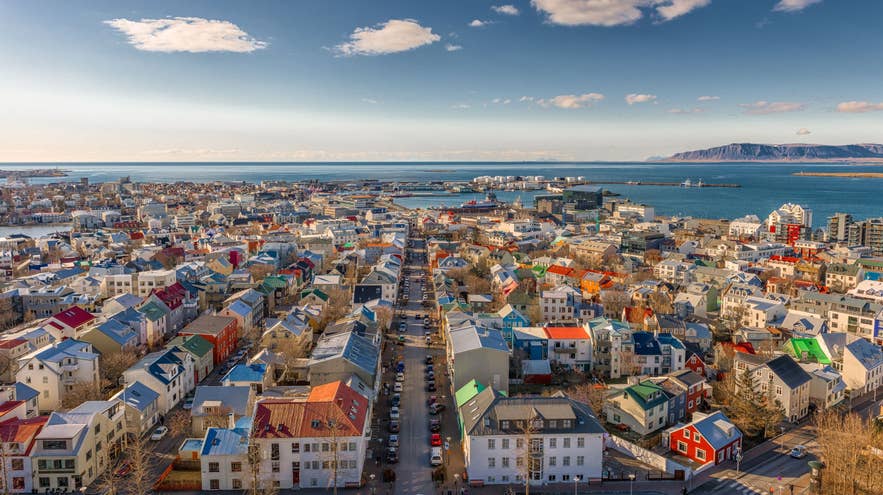
The Settlement Exhibition is in the heart of downtown Reykjavik, so it's easy to combine with other sights nearby. These include more places to learn about the Viking Age, other Reykjavik City Museum exhibitions, and some of the capital's best-known landmarks.
Where To Learn More About Vikings in Reykjavik
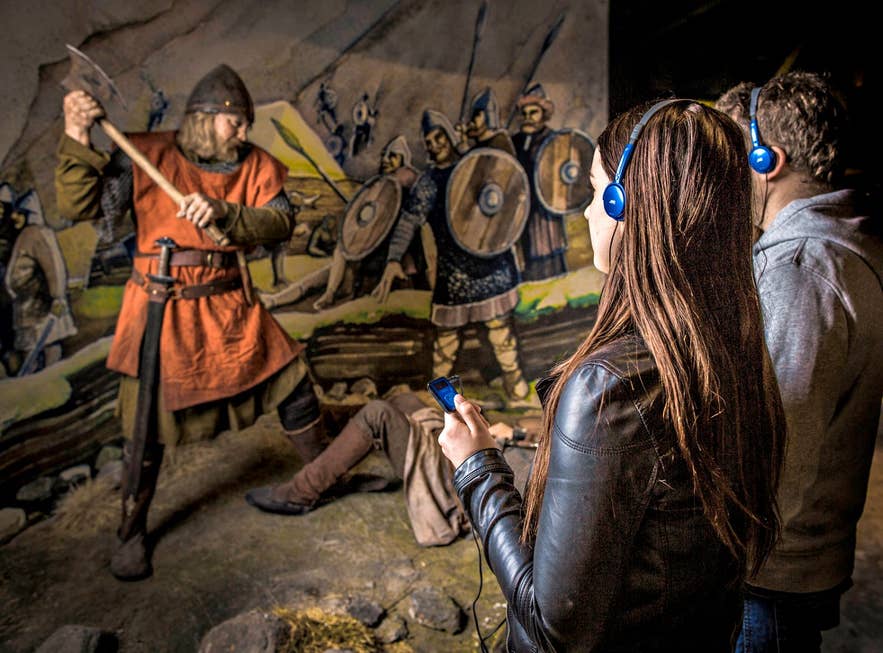
You don’t need to leave the capital to dig deeper into Viking Age Iceland after visiting the Settlement Exhibition. Several museums and exhibitions in Reykjavik cover the settlement period, Norse mythology, and the sagas, and most are within walking distance of one another.
-
National Museum of Iceland: The museum’s permanent exhibition, The Making of a Nation, follows Iceland’s history from settlement to the present. Viking Age objects such as drinking horns from around the settlement period are on display. The museum is on Sudurgata, a short walk from Reykjavik City Hall.
-
World in Words: This exhibition is in the Edda building, across from the National Museum of Iceland. It displays original medieval manuscripts from the Arni Magnusson Collection, including the Codex Regius, the main source of Norse mythology. Manuscripts of Egil’s Saga and Njal’s Saga are also on display. You can buy an admission ticket to the World in Words exhibition in advance.
-
The Saga Museum: Life-size figures recreate scenes from Iceland’s history in this museum in the Grandi harbor district. The scenes include the settlement, the founding of the Althing, and saga figures such as Ingolfur Arnarson and Leif the Lucky.
-
The Story of Icelanders: This free 11-minute history show is on Laugavegur Street and offers a quick introduction to Icelandic history.
You can also join a Viking walking tour of Reykjavik, where a guide in Viking dress leads you through the city center. For a more in-depth visit, a private Viking Age walking tour with the Settlement Exhibition combines a walk through old Reykjavik with entry to the exhibition.
Other Reykjavik City Museum Exhibitions
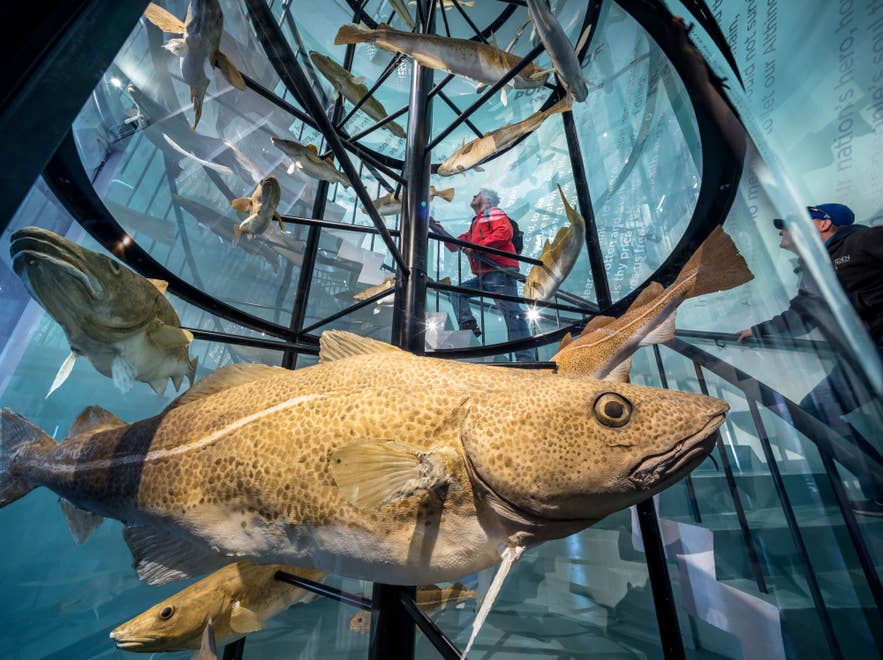
In addition to the Adalstraeti and Settlement Exhibitions, the Reykjavik City Museum runs a variety of other engaging exhibitions around the city. Near Reykjavik Harbor, you'll find the Reykjavik Maritime Museum. It highlights Iceland's seafaring heritage and its key role in the nation's development.
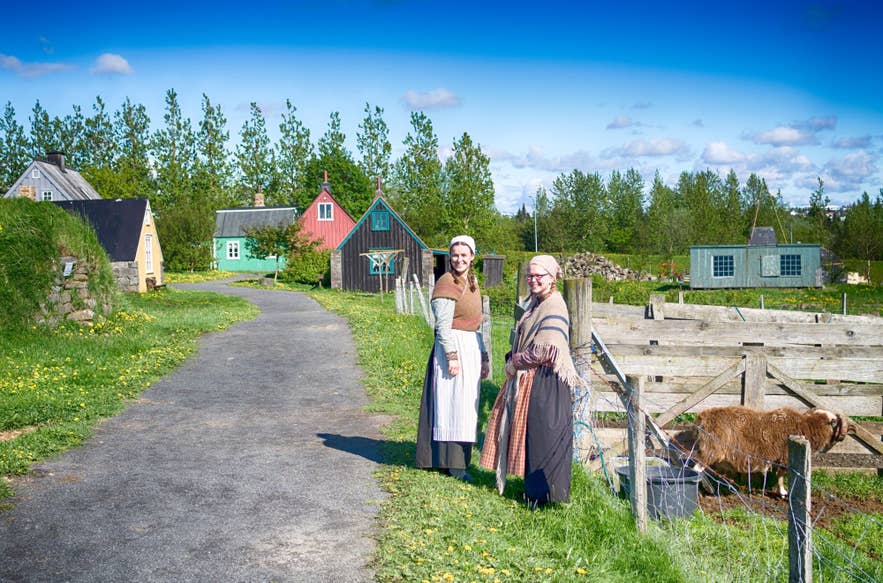
Make sure to visit the Arbaejarsafn Open Air Museum, which offers a living history experience with historic buildings that have been moved and restored. You can step back in time and see the lifestyle and architecture of past centuries through its exhibitions.
 For a different experience, visit Videy Island off the coast of Reykjavik, a short ferry ride away. The island has historic sites such as Videyjarstofa, one of Iceland's oldest stone buildings, and the Imagine Peace Tower artwork by Yoko Ono. Several Viking Age artifacts on display at the Settlement Exhibition were found on Videy.
For those interested in more recent history, the Reykjavik Museum of Photography presents a visual history of Reykjavik and its people through the lenses of professional and amateur photographers. The exhibits change regularly, so there's always something new to see!
Downtown Attractions Near Adalstraeti
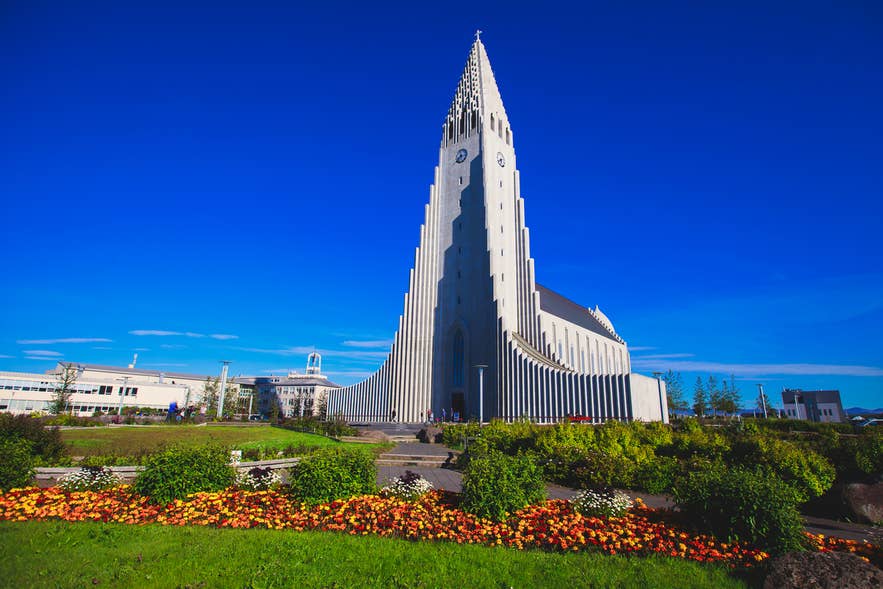
Because Adalstraeti and the Settlement Exhibition are in downtown Reykjavik, attractions like Harpa Concert Hall, Laugavegur Shopping Street, and Hallgrimskirkja Church are within walking distance. You'll also find plenty of shops, cafes, and bars nearby, along with many of the best restaurants in Reykjavik.
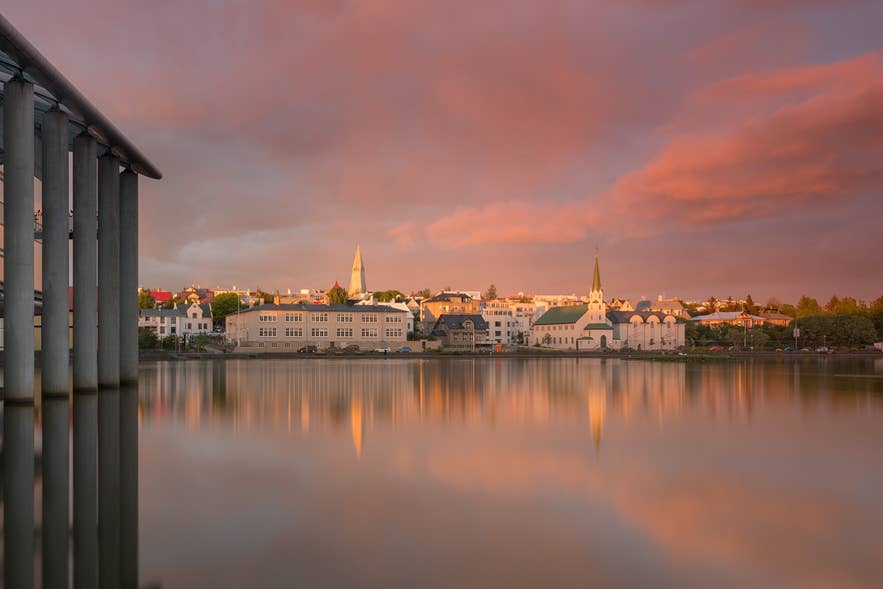
Right around the corner is Austurvollur Square, home to the Icelandic Parliament building. A short stroll south takes you to Tjornin Pond, close to where Reykjavik's original settlement farm likely stood.
You can also visit the National Gallery of Iceland, with its vast collection of Icelandic and international art.
Plan Your Visit to the Reykjavik Settlement Exhibition
The Reykjavik Settlement Exhibition offers a fascinating look at the city's earliest history, with archaeological remains that bring the Viking Age to life beneath the streets of downtown Reykjavik. It's a worthwhile stop for anyone interested in Iceland's past and a good addition to a day exploring the capital.
Make the most of your visit with the 24-hour Reykjavik City Card, which includes free admission to the exhibition. You can also explore more museums and exhibitions to round out your time in Reykjavik.
Where is the Reykjavik Settlement Exhibition?
What are the Settlement Exhibition's opening hours?
How much does the Reykjavik Settlement Exhibition cost?
How long do I need at the Reykjavik Settlement Exhibition?
Is the Settlement Exhibition included in the Reykjavik City Card?
Does the Settlement Exhibition offer guided tours in English?
How do you get to the Settlement Exhibition by bus?
How old is the Viking longhouse at the Settlement Exhibition?
What does "871±2" mean in the exhibition's name?
Was the Adalstraeti longhouse the first house in Reykjavik?
Is the Reykjavik Settlement Exhibition good for kids?
Popular Tours to Reykjavik Settlement Exhibition

 9.01,159 reviews
Admission to Perlan Museum: Wonders of Iceland Exhibition in Reykjavik
Tour startsPerlan, Reykjavík, IcelandDuration2 hoursFrom 58USD
 104 reviews
Whales Of Iceland Museum Ticket
Tour startsReykjavík, IcelandDuration1.5 hoursFrom 64USD
 8.61,202 reviews
Entry to the Aurora Reykjavik Northern Lights Center | Museum Visit
Tour startsAurora Reykjavík - The Northern Lights Center, Fiskislóð, Reykjavík, IcelandDuration1.5 hoursFrom 32USD