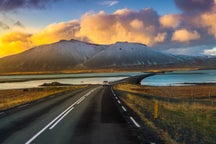

Tröllaskagi is a dramatic peninsula in north Iceland, renowned for its enormous mountains and high population of Icelandic horses.
Geography of Tröllaskagi
当サイトの情報が信頼できる理由
Guide to Iceland (ガイド・トゥ・アイスランド)は、アイスランドで最も信頼されている旅行プラットフォームです。毎年、何百万人もの旅行者にご利用いただいています。 すべてのコンテンツは、アイスランドに精通した現地の専門家が執筆・監修しており、 常に正確で最新の情報を提供しています。 信頼できる旅のアドバイスをお探しなら、ぜひ当サイトをご活用ください。
Outside of the Highlands, Tröllaskagi has the tallest mountains in Iceland, many exceeding 1,000 metres (3281 ft) in height. The tallest here is Mount Kerling, which is over 1,500 metres (4921 ft) tall.
In spite of its elevation, the permanent glaciers on the peaks are miniscule compared to even average Icelandic ice caps.
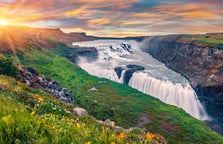
Many valleys and bays were carved at the end of the last ice age, meaning the region is home to many rivers and waterfalls.
What to do on the Tröllaskagi Peninsula
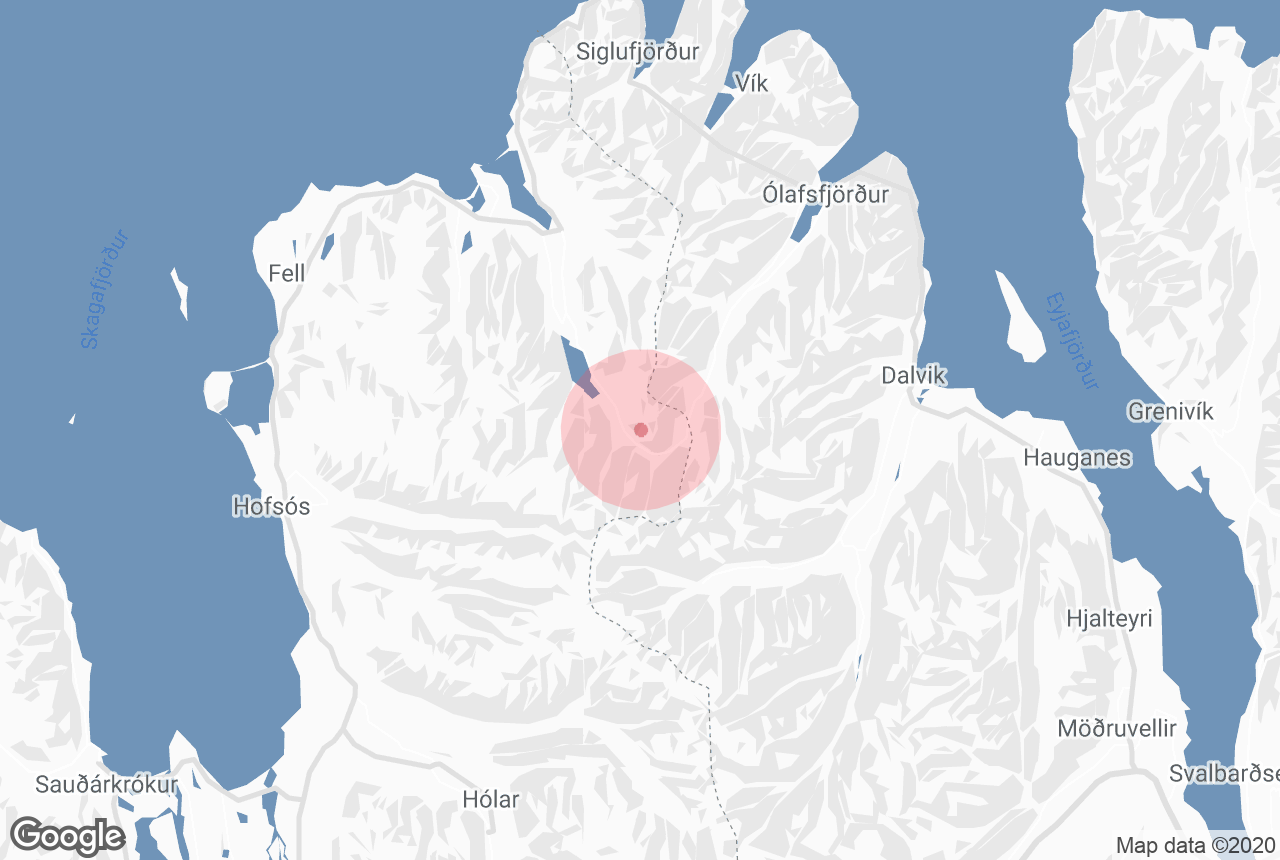
The Tröllaskagi Peninsula lies to the west of Eyjafjorður, the fjord in which the ‘capital of the North’, Akureyri, is nestled, and to the east of Skagafjörður. In spite of its tall mountains, its lowland regions have quite a high population, due to excellent fishing and surprisingly fertile lands.
Most farms are horse-farms, and riding is a popular activity in the area. Icelandic horses are a unique breed, known for being smaller than others, but also more intelligent, curious and sturdy. They also have their own unique gait, the tölt, making them a favourite amongst equestrians.
Though only at the base of the peninsula, Akureyri is the most popular town in the area. It has a wealth of museums and galleries, excellent opportunities for whale-watching and other tours, and is close to highlights of the north such as Lake Mývatn and Goðafoss waterfall.
Besides the Capital of the North, the most popular towns on it for visitors are Hofsós and Siglufjörður.
Hofsós is most renowned for its Infinity Pool, an outdoor swimming pool with unbelievable views over the fjord and ocean. Those who have a walk along the cliffs here will also note some beautiful basalt rock formations.
Siglufjörður, meanwhile, is best known for it Herring Era Museum. This museum has won an international award, and discusses how fisheries sustained the Icelandic populous in such tough conditions before the country’s development.