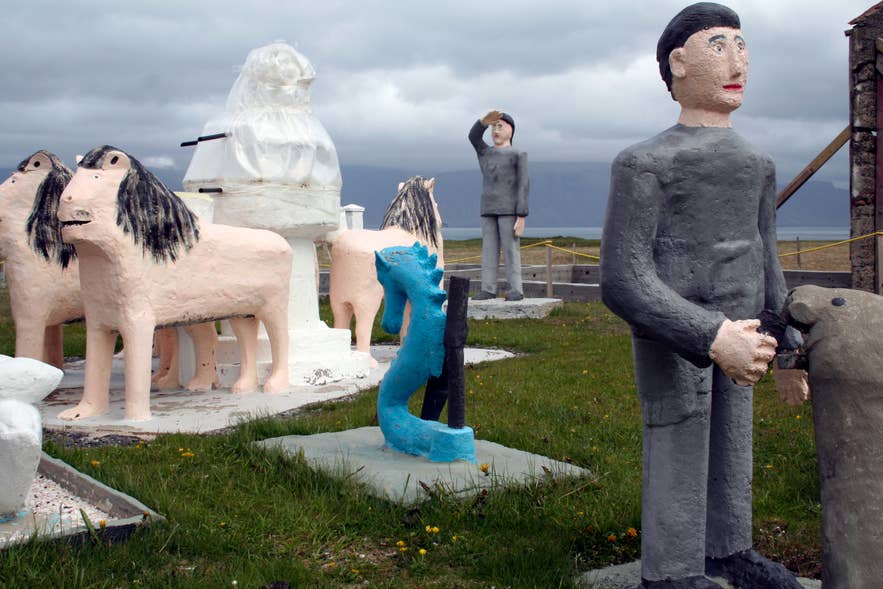
Known in Icelandic as Samúel Jónsson í Selárdal, the Art Farm was created by self-taught artist and farmer Samúel Jónsson, who transformed his remote farm into a striking open-air folk-art site late in his life. Today, its weather sculptures, painted buildings, and dramatic mountain surroundings make it one of Iceland's most fascinating examples of outsider or naive art.
Reaching this unique exhibition requires a major detour deep into the Westfjords, making the journey part of the adventure. Many travelers include the attraction while exploring the region on scenic Westfjords tours or flexible self-drive tours that allow time to discover lesser-known cultural landmarks.
For a more immersive experience, the Art Farm can also be visited on a customized private day tour of the Westfjords or during a longer 2-week self-drive tour of Iceland's Ring Road and Westfjords.
Whether you are interested in folk art, photography, or off-the-beaten-path travel, Samúel Jónsson’s Art Farm stands out as one of the Westfjords' most fascinating cultural attractions.
Key Takeaways
-
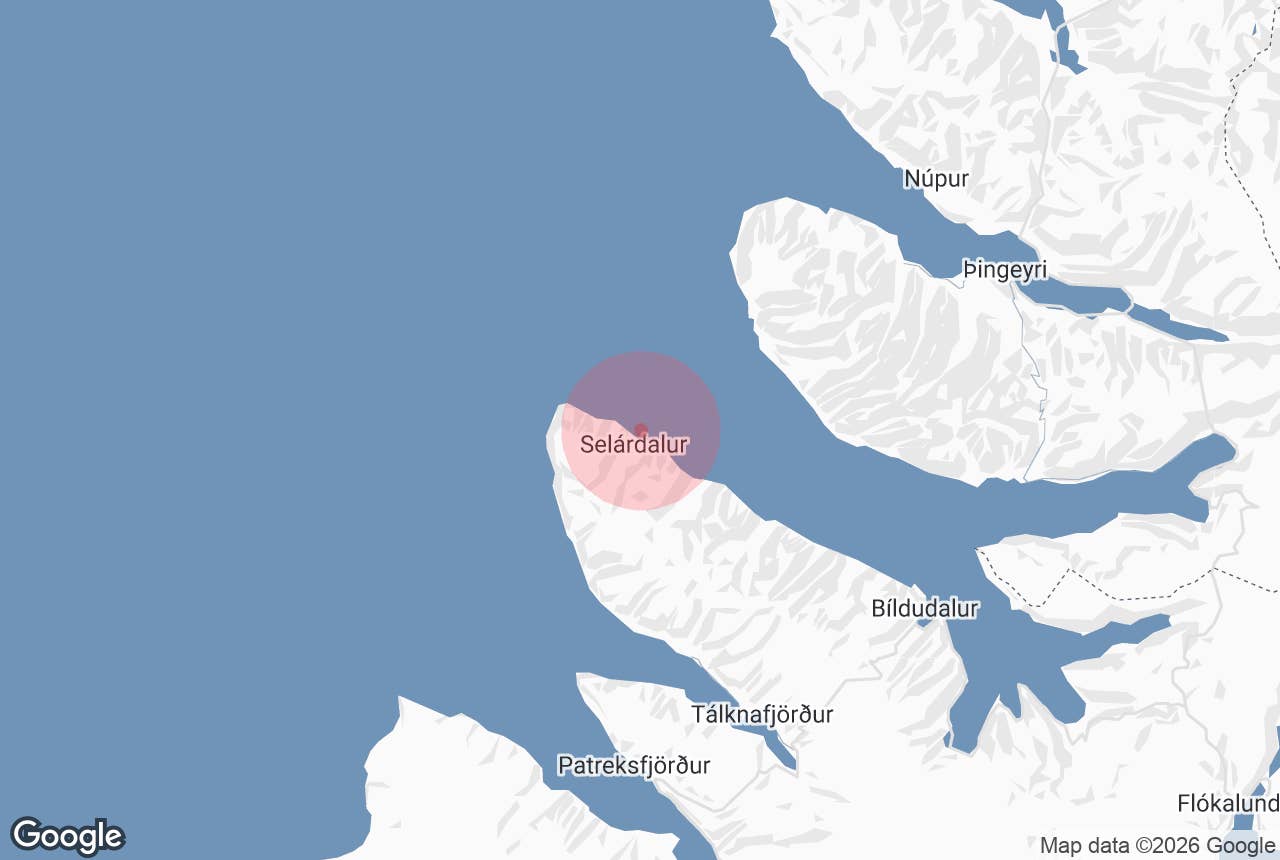
Location: Samúel Jónsson’s Art Farm is located in the remote Selardalur Valley near Bildudalur in Iceland's Westfjords.
-
Attraction type: A unique outdoor folk-art museum showcasing the works of Icelandic artist Samúel Jónsson, featuring colorful concrete sculptures, painted buildings, and handmade artistic structures.
-
Best time to visit: Summer (June to August) is the best time to visit due to milder weather, longer daylight hours, and better road conditions.
-
Entry: Anyone can visit Samúel Jónsson’s Art Farm free of charge, though donations are generally encouraged to help maintain and preserve the site.
-
How to get there: The Art Farm is best reached by rental car while exploring the Westfjords, as no public transportation services operate directly to this remote area of the Selardalur Valley.
What is the Samúel Jónsson’s Art Farm
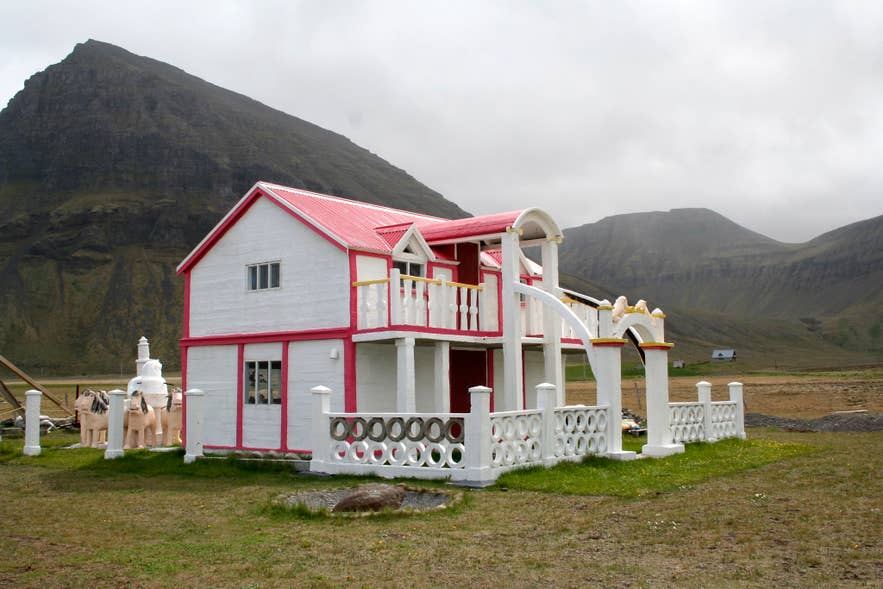 Samúel Jónsson’s Art Farm is an open-air museum in Iceland featuring imaginative sculptures, painted artwork, and distinctive handmade structures built by Icelandic folk artist Samúel Jónsson.
Samúel Jónsson Art Farm offers a completely different experience from Iceland's top natural attractions. Instead of waterfalls or geothermal lagoons, the site provides insight into Icelandic creativity, rural isolation, and personal artistic vision.
Unlike traditional museums, the Art Farm is an immersive artistic landscape. Many of the sculptures are made from concrete and painted in bright colors, depicting angels, animals, historical figures, religious themes, and symbolic imagery. The surrounding mountains and isolation of the valley add to the surreal atmosphere.
The museum is often described as:
-
an outsider art environment
-
a naive art site
-
a folk-art museum
-
a hidden gem in the Westfjords
Its remote location and deeply personal artistic expression make it unlike any other cultural destination in Iceland.
Who Was Samúel Jónsson
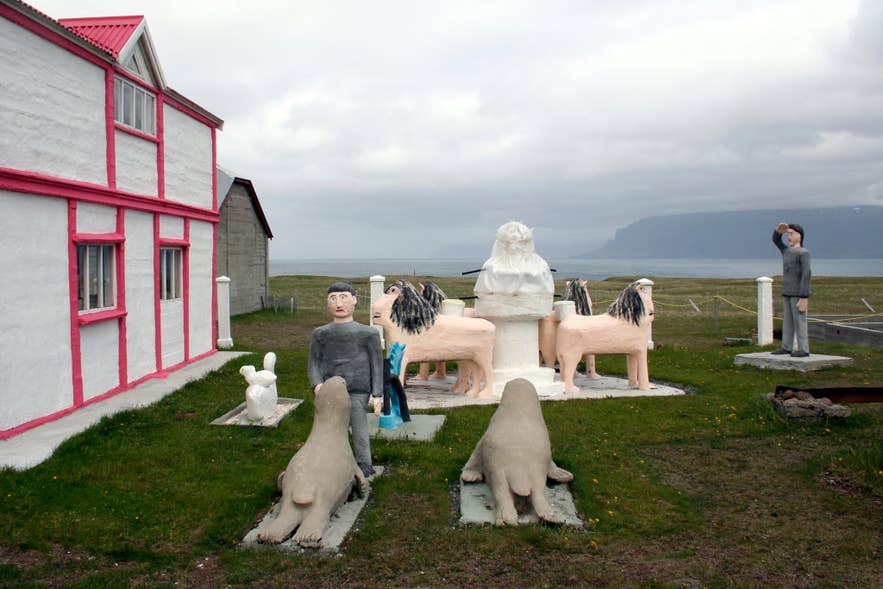 Samúel Jónsson was born in 1884 and spent most of his life as a farmer in Selardalur. Although he had little formal artistic training, he became passionate about painting and sculpture later in life, especially after his retirement.
In the 1950s, despite declining eyesight and advanced age, Samúel began creating large-scale artworks around his farm. He painted landscapes, built sculptures, and constructed decorative buildings using concrete and locally available materials.
His artistic style is commonly categorized as naive art or outsider art because it developed independently of academic artistic traditions. Rather than pursuing commercial recognition, Samúel created art as a deeply personal expression inspired by religion, Icelandic nature, imagination, and daily life.
Over time, his isolated farm became an extraordinary artistic environment that attracted visitors, photographers, artists, and curious travelers.
Today, Samúel Jónsson is considered one of Iceland's most unique folk artists.
What To See at the Samúel Jónsson’s Art Farm
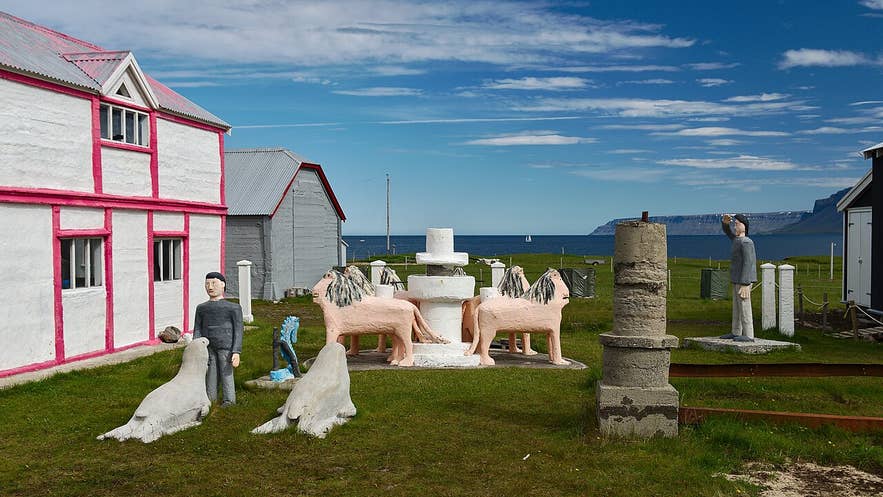 Although the attraction is relatively small, several features stand out during a visit.
-
Concrete sculptures: The most recognizable elements of the Art Farm are its handmade concrete statues. Many figures depict religious imagery, angels, animals, and symbolic characters. The sculptures have a dreamlike quality and often appear weathered by Iceland's harsh climate, which adds to their atmosphere.
-
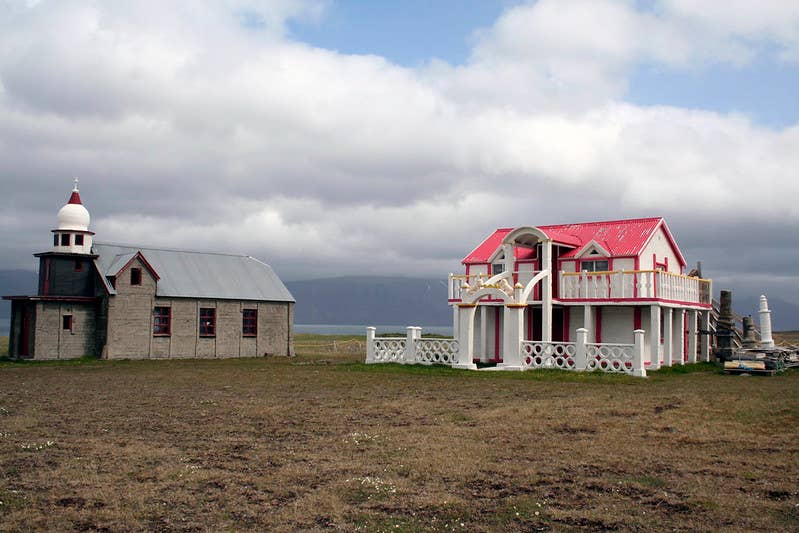
The church: One of the site's most iconic structures resembles a small church or chapel. Decorated with colorful artwork and handmade details, the building reflects Samúel's spiritual inspirations and artistic imagination.
-
Painted buildings: Several buildings around the property feature vivid paintings and decorative elements. The artworks often incorporate Icelandic landscapes and pastoral themes.
-
The surrounding valley: Even travelers unfamiliar with outsider art often appreciate the scenery around Selardalur. The valley itself contributes significantly to the experience, reinforcing the feeling of isolation and artistic devotion.
Essential Information for Visiting Samúel Jónsson’s Art Farm
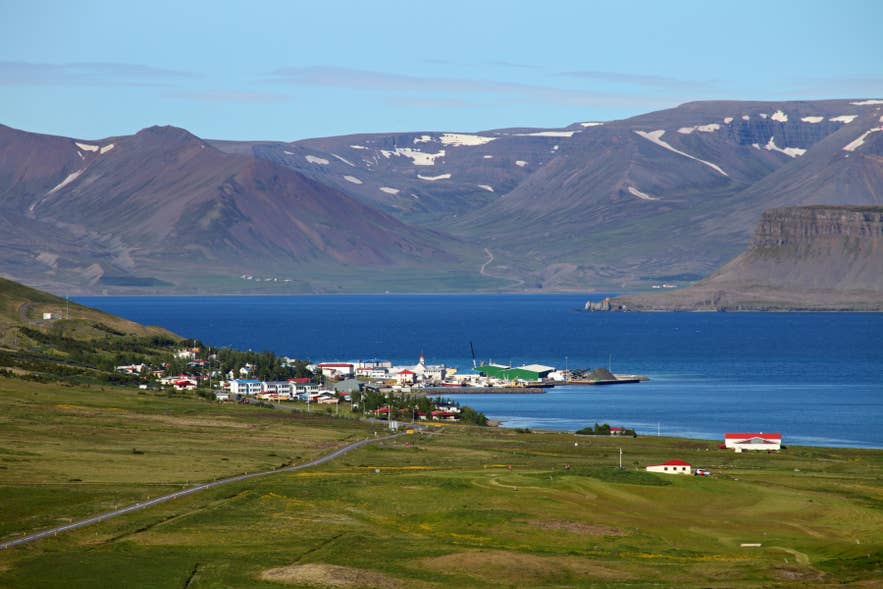 Before visiting Samúel Jónsson’s Art Farm, travelers should prepare for the remote conditions of the Westfjords. Its secluded location means services and facilities are limited compared to Iceland's more popular tourist destinations. For more information, visit the Samúel Jónsson’s Art Farm's official website.
Entrance Fees
Admission is free of charge at Samúel Jónsson’s Art Farm, though donations are encouraged to support ongoing preservation efforts, as the artworks and structures are continuously exposed to Iceland’s harsh weather conditions.
Opening Hours
The outdoor grounds of Samúel Jónsson’s Art Farm are open 24/7, as the site is an open-air attraction with no gates or ticket booths. The sculpture garden and surrounding property can be explored freely at any time, weather permitting.
However, the full experience is seasonal. From June to August, the restored house and chapel interiors are typically open during daytime hours, and coffee is sometimes available inside the museum house.
Parking Facilities
Limited parking is available near the attraction. Because the site is located in a quiet rural area, visitors should park carefully and avoid blocking local roads or access points.
Accessibility and Facilities
Facilities at the Samúel Jónsson’s Art Farm are minimal, so travelers should not expect visitor centers, restaurants, or large tourist amenities nearby. It's recommended to bring snacks, water, and refuel before heading into the valley, especially during longer Westfjords road trips.
Road Conditions
Reaching the Art Farm requires driving on local roads that may include gravel sections and narrow mountain routes. Checking Icelandic roads and weather conditions before driving to the Westfjords is strongly recommended, particularly outside the summer season.
How to Get to Samúel Jónsson’s Art Farm
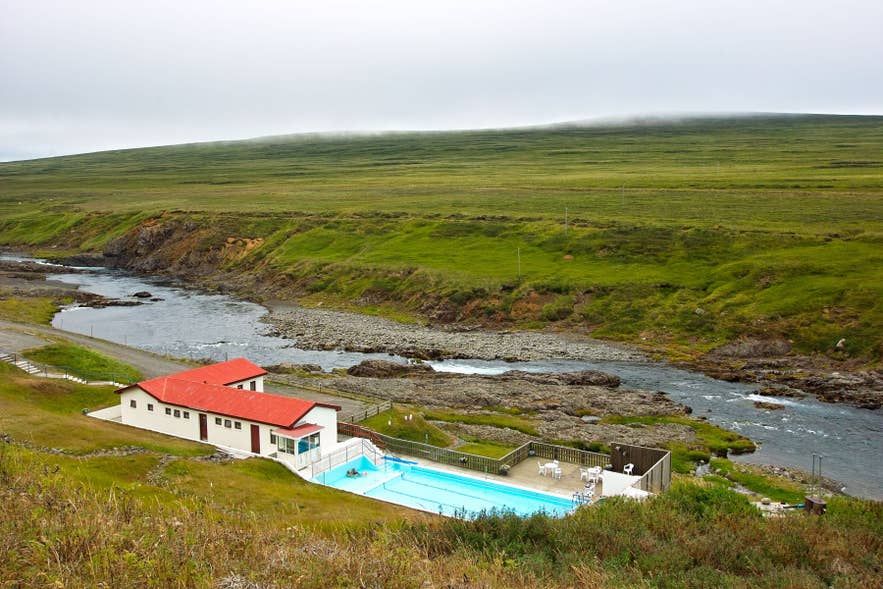
Samúel Jónsson’s Art Farm is located in Selardalur Valley in the Southern Westfjords, near Bildudalur. Driving is the most convenient way to reach the site, as the remote valley is not accessible by public transportation. Most travelers who explore the region do so by booking rental cars in Iceland.
The museum is about 45 minutes from Talknafjordur and around 1 hour and 15 minutes from Patreksfjordur by car, depending on road and weather conditions. It makes a worthwhile stop while exploring the southern part of the Westfjords.
Reaching the valley involves narrow rural roads and gravel sections, so careful driving and extra travel time are recommended. Follow the directions to Samúel Jónsson’s Art Farm on Google Maps for the most accurate route.
Attractions Near Samúel Jónsson’s Art Farm
 Combine a visit to Samúel Jónsson’s Art Farm with these nearby attractions for a more unforgettable Westfjords getaway:
-
Bildudalur: This small Westfjords village offers scenic coastal views and local services.
-
Sea Monster Museum: Located in Bildudalur, the museum explores Icelandic sea-monster folklore and regional legends.
-
Latrabjarg Cliffs: One of Iceland's best birdwatching destinations, Latrabjarg is famous for puffins and dramatic ocean cliffs.
-
Raudisandur Beach: This striking red-sand beach is one of the most unique coastal landscapes in Iceland.
-
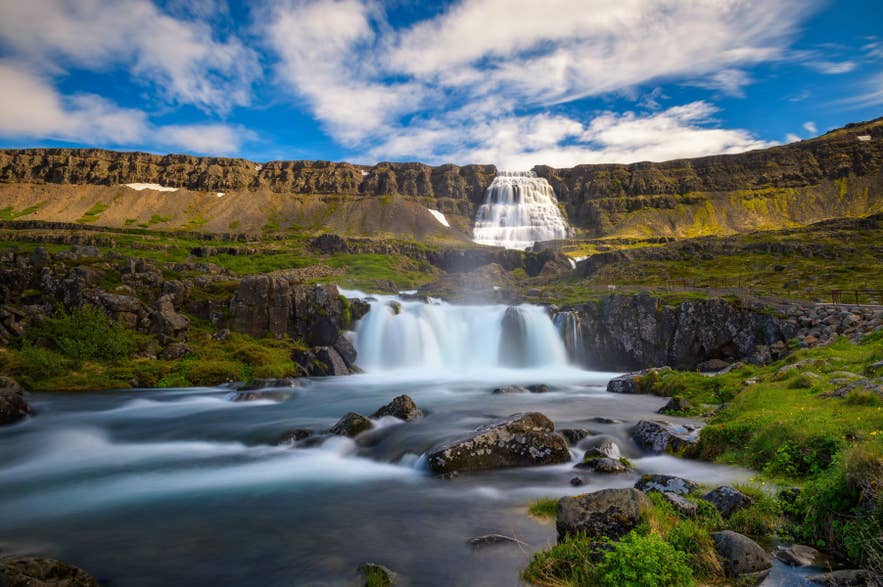
Dynjandi Waterfall: Often considered the crown jewel of the Westfjords, Dynjandi is a massive waterfall known for its tiered shape and scenic surroundings.
Tips for Visiting Samúel Jónsson’s Art Farm
For a more enjoyable visit, take note of these helpful tips:
-
Wear sturdy shoes, especially in wet weather
-
Bring snacks and refuel before entering remote areas
-
Check road conditions on road.is before traveling in the Westfjords
-
Respect the artwork and restoration efforts
-
Allow extra time for scenic stops along the route
-
Visit during daylight hours for the best photography conditions
What is Samúel Jónsson’s Art Farm known for?
Where can you find Samúel Jónsson’s Art Farm in Iceland?
Is Samúel Jónsson’s Art Farm free to visit?
What is the best time to visit Samúel Jónsson’s Art Farm?
Can you visit the Art Farm during winter?
Are the indoor museum spaces open year-round?
How much time should you spend at Samúel Jónsson’s Art Farm?
What other attractions can be visited nearby?
A Hidden Cultural Gem in the Westfjords
 While Iceland is best known for its waterfalls, glaciers, and volcanoes, Samúel Jónsson’s Art Farm offers a completely different experience rooted in creativity, solitude, and personal expression. The remote setting and unusual sculptures make it one of the Westfjord's most distinctive cultural landmarks.
The site stands as both an artistic legacy and a reflection of life in one of Iceland's most isolated regions. Those planning longer Iceland adventures can add the attraction to broader vacation packages or use our detailed guide to the Westfjords to explore more hidden cultural and natural attractions nearby.
Samúel Jónsson’s Art Farm also makes a memorable stop during a customizable 8-day self-drive tour of the Westfjords and Snaefellsness Peninsula, especially for those interested in photography, folk art, and off-the-beaten-path experiences in Iceland.