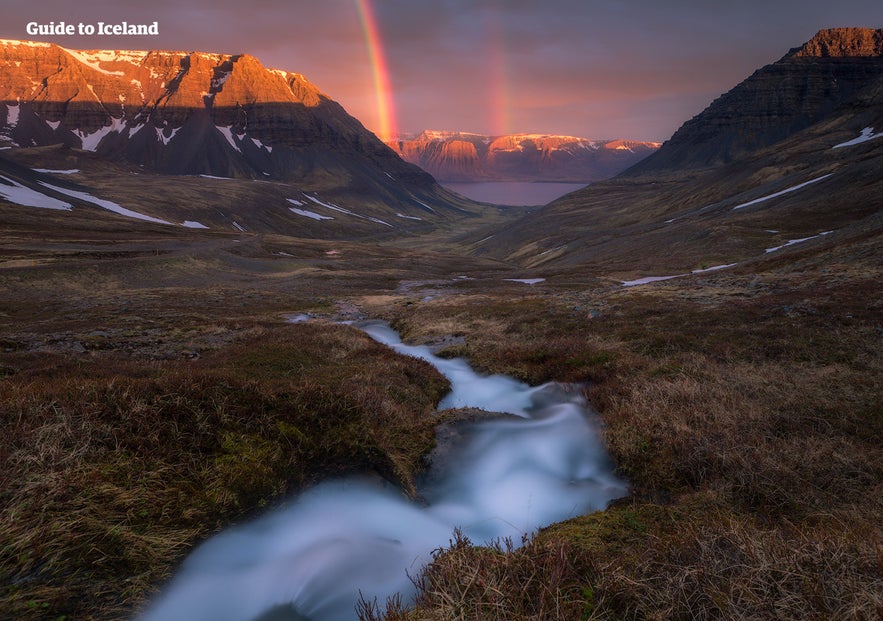
Explore the Westfjords, one of Iceland's most remote and least-visited regions, known for dramatic fjords, towering cliffs, powerful waterfalls, and charming villages. Find everything you need to plan your visit, from the best attractions and travel routes to seasonal advice, accommodations, and practical tips.
Stretching from Iceland's northwestern mainland as a rugged peninsula, the Westfjords offer a different side of the country. The region is far less crowded than destinations along the Ring Road, rewarding travelers with peaceful scenery, abundant wildlife, and exciting road trips through deep fjords and rugged mountains.
Why You Can Trust Our Content
Guide to Iceland is the most trusted travel platform in Iceland, helping millions of visitors each year. All our content is written and reviewed by local experts who are deeply familiar with Iceland. You can count on us for accurate, up-to-date, and trustworthy travel advice.
Exploring the Westfjords is easiest by renting a car in Iceland, but you can also choose from a variety of guided Westfjords tours and vacation packages for a more relaxed and hassle-free experience.
Ready to explore the Westfjords? Read on to discover the region's highlights, travel tips, and practical advice for planning a memorable trip.
Quick Facts About the Westfjords
-
Population: Around 7,300 residents as of 2026
-
Largest town: Isafjordur
-
Distance from Reykjavik: Approximately 258 miles (415 kilometers) to Isafjordur (5–6 hours by car)
-
Highlights: Dynjandi Waterfall, Latrabjarg Cliffs, Raudisandur Beach, Hornstrandir Nature Reserve, natural hot springs, and charming fishing villages
-
Best travel season: Summer (June to August) for full road access and hiking. June is the best month for weather here, according to our 26-year weather study. It is also the region's driest month, according to our study of the rainiest month in Iceland
-
Getting there: You can drive via Route 60 or Route 61, take the Baldur Ferry from Stykkisholmur to Brjanslaekur, or fly from Reykjavik to Isafjordur
-
Road types: A mix of paved and gravel roads, with winding mountain passes and one-lane tunnels
-
Minimum recommended stay: 3–5 days to explore the region thoroughly
Where Are the Westfjords?
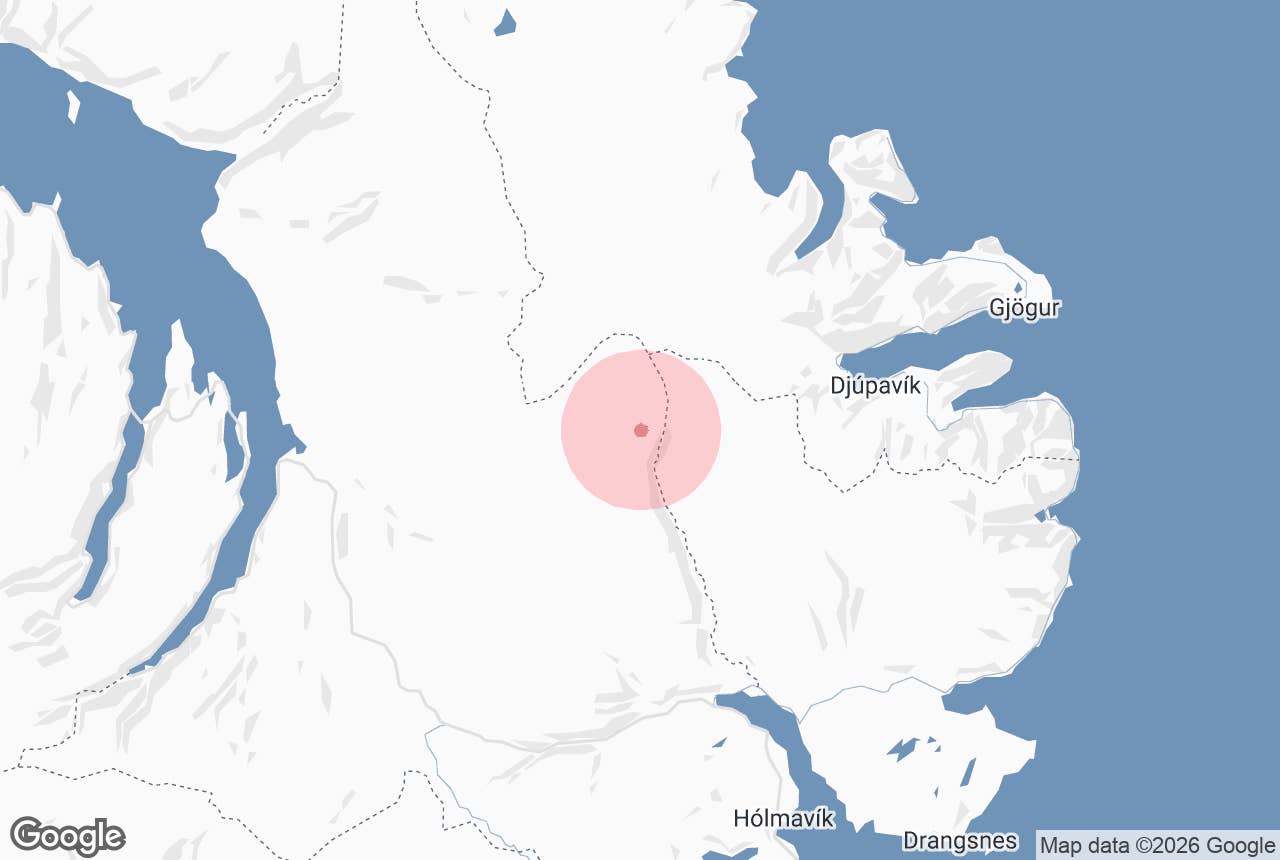
The Westfjords are located in the northwestern corner of Iceland, a rugged peninsula defined by dramatic mountains, deep fjords, and one of the country's most spectacular coastlines. With a population of just over 7,000 people spread across a vast area, it's also one of Iceland's least populated regions.
Separated from the rest of Iceland by steep mountain passes and winding roads, the region feels more remote than many other parts of the country, despite being accessible by road, ferry, and domestic flights.
Getting to the Westfjords
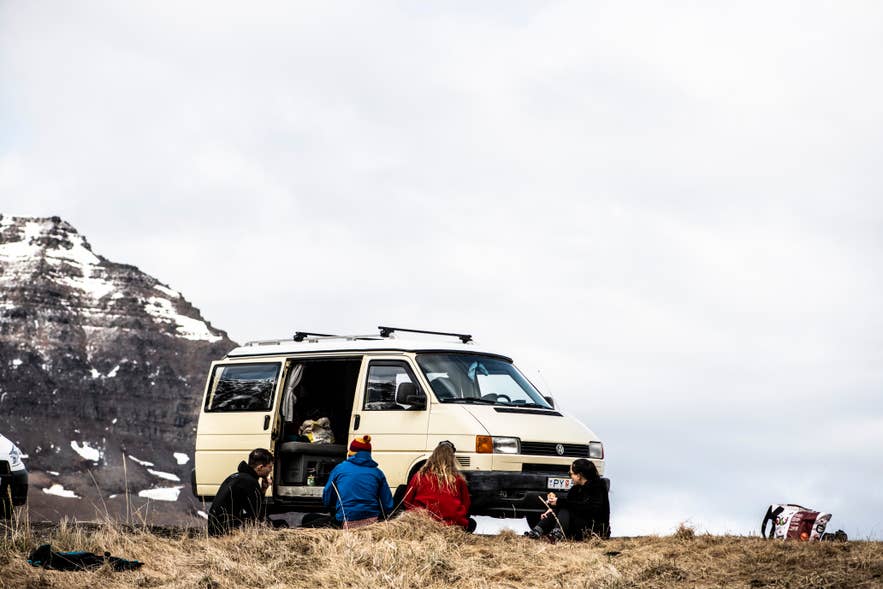 There are several ways to reach the Westfjords, depending on your itinerary, budget, and travel style. Most visitors drive from Reykjavik, but you can also arrive by ferry, domestic flight, or seasonal bus services.
Here's what to expect from each option.
-
By car: Driving is the most popular and flexible way to reach the Westfjords, and you can rent a car to explore the region at your own pace. Most journeys from Reykjavik follow Route 1 before connecting to Route 60 or Route 61, depending on which part of the Westfjords you plan to visit. Driving time is around 7 hours.
-
By ferry: The Baldur Ferry transfer connects Stykkisholmur on the Snaefellsnes Peninsula with Brjanslaekur in the southern Westfjords. The crossing takes around 2.5 to 3 hours and offers scenic views across Breidafjordur Bay and its many islands.
-
By plane: Domestic flights from Reykjavik to Isafjordur are the fastest way to reach the Westfjords. The flight takes around 40 minutes, making it ideal if you're short on time.
-
By bus: Seasonal bus services connect Reykjavik with parts of the Westfjords, including Isafjordur and Holmavik. While buses are an option for travelers without a car, schedules are limited. You can use the official Straeto Route Planner to view schedules and plan your journey.
Best Places To Visit in the Westfjords
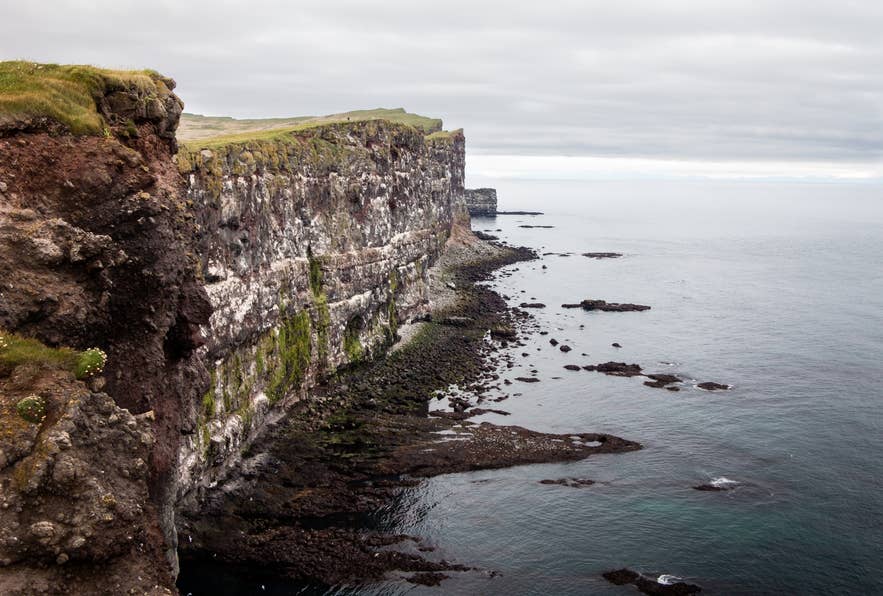 The Westfjords are home to some of Iceland's most spectacular landscapes. Many of the region's highlights are spread far apart, making summer self-drive trips the best way to experience them.
Here are the best places to visit during your Westfjords adventure.
Dynjandi Waterfall - One of Iceland's Most Unique Waterfalls
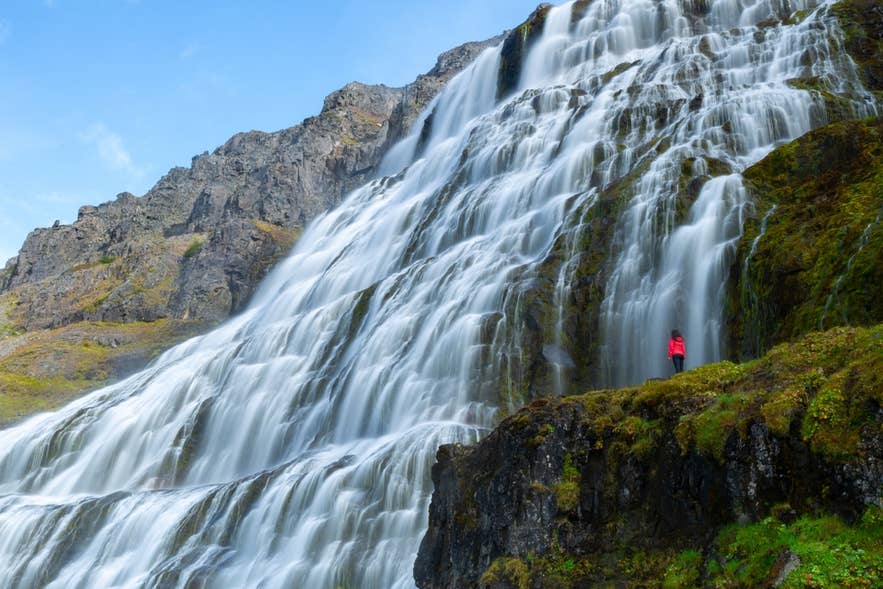
Widely considered the most beautiful waterfall in the Westfjords, Dynjandi is a series of seven cascades that tumble nearly 330 feet (100 meters) down the mountainside. The uppermost waterfall fans out to almost 100 feet (30 meters) wide, giving it the appearance of a giant bridal veil.
A well-maintained walking path leads past the smaller waterfalls before reaching the main viewpoint, with the climb taking about 15 to 20 minutes. Located along Route 60 on Arnarfjordur, Dynjandi is one of the region's most popular stops and a must-see on any Westfjords itinerary.
If you're based in Isafjordur, you can join a Dynjandi Waterfall tour to experience its breathtaking scenery without the hassle of driving the winding mountain roads yourself.
Hornstrandir Nature Reserve - Iceland's Most Remote Hiking Area
Located at the northernmost tip of the Westfjords, Hornstrandir Nature Reserve is one of Iceland's largest uninhabited wilderness areas. There are no roads, shops, or permanent residents, and the reserve is accessible only by scheduled boat from Isafjordur or Nordurfjordur.
Hornstrandir is renowned for multi-day hiking, towering sea cliffs, untouched landscapes, and one of Iceland's healthiest populations of Arctic foxes. For a chance to see Iceland's only native land mammal in the wild, you can join a guided Arctic fox tour in Hornstrandir from Isafjordur.
Since there are no accommodations within the reserve, visitors typically camp or stay in simple emergency shelters during overnight hikes.
Latrabjarg Cliffs - The Best Puffin Watching Spot
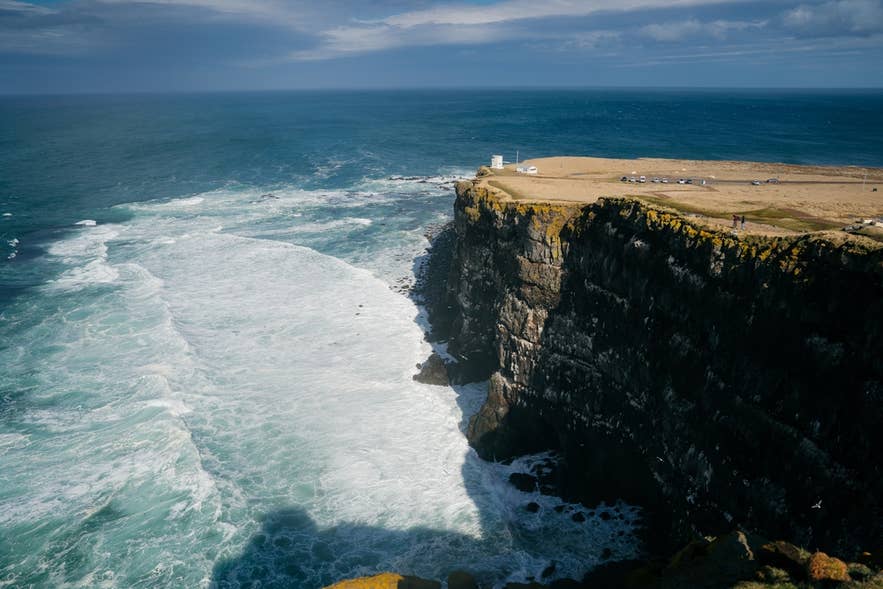
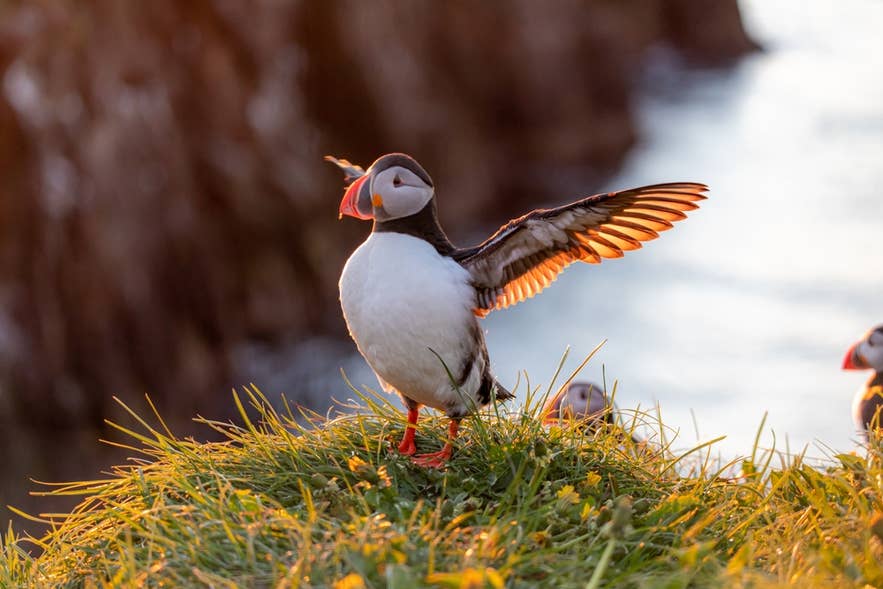
Latrabjarg Cliffs rise 1,444 feet (440 meters) above the Atlantic Ocean at the westernmost point of Iceland. It holds the world's largest razorbill breeding colony, according to our study of where to find birds in Iceland.
During the summer nesting season, thousands of puffins, razorbills, guillemots, and fulmars gather along Latrabjarg Cliffs. Many of the birds let visitors watch them from just a few feet away.
The cliffs stretch for about 8.7 miles (14 kilometers), with several viewpoints overlooking the crashing waves below. Visitors should stay well back from the edge, as parts of the grassy cliff can be unstable.
If you're staying in the southern Westfjords, a jeep tour to Latrabjarg Cliffs and Raudisandur Beach is a great way to experience two of the region's most iconic attractions in a single day.
Raudisandur Beach - Iceland's Most Beautiful Golden Beach
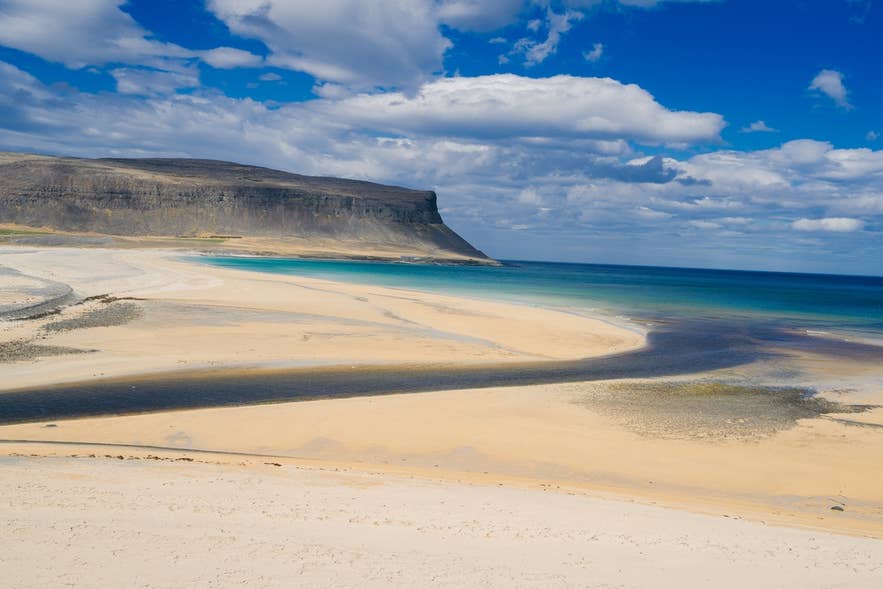
Unlike Iceland's famous black sand beaches, Raudisandur is known for its striking golden, pink, and reddish sand, which changes color depending on the sunlight, weather, and tides. Stretching for nearly 6 miles (10 kilometers), it's one of the country's longest beaches and feels remarkably untouched.
The beach is popular for peaceful walks, birdwatching, and photography, with dramatic mountain scenery providing a beautiful backdrop. During low tide, visitors can explore large sections of the shoreline, while seals are often spotted resting offshore.
One of the best ways to experience Raudisandur is on a guided cycling tour from Patreksfjordur, which takes you through some of the southern Westfjords' most scenic landscapes before arriving at the beach.
Bolafjall Mountain - Best Viewpoint Near Isafjordur
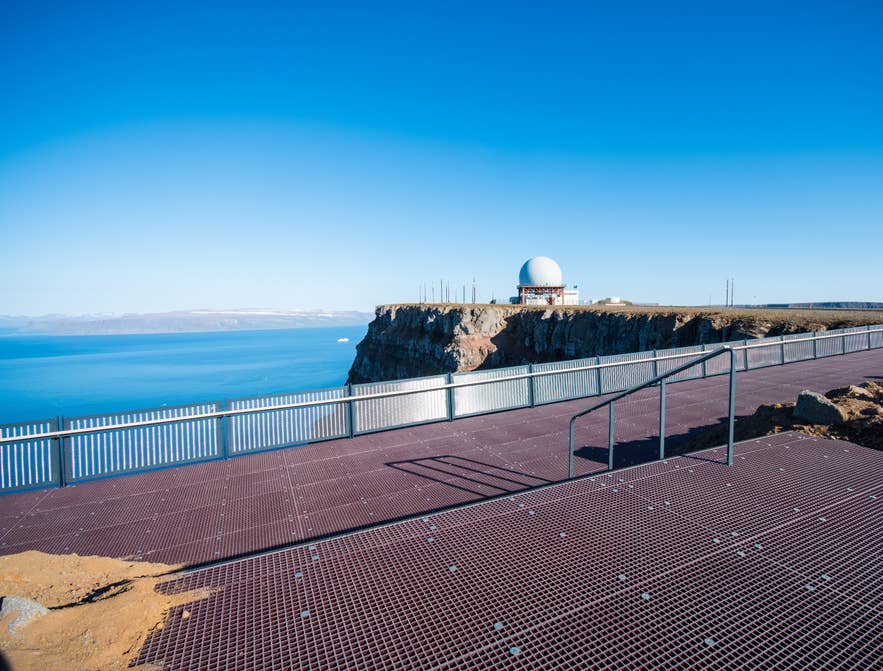 Towering above the fishing village of Bolungarvik, Bolafjall Mountain is home to one of the most stunning viewpoints in Iceland. Perched about 2086 to 2093 feet (636–638 meters) above sea level, the steel platform extends over the cliff edge, offering breathtaking views across Isafjardardjup fjord and the surrounding mountains.
The summit is reached by a steep mountain road that is typically open during summer. On exceptionally clear days, it's even possible to glimpse Greenland across the Denmark Strait.
For a deeper look at the area's history and landscapes, you can join a Bolafjall Sky Walk and Lignite Mine tour from Isafjordur. It combines the dramatic cliff-top viewpoint with a visit to one of Iceland's oldest lignite mines, offering insights into the region's geology, mining history, and spectacular natural scenery.
Drangsnes - Small Village with Famous Hot Pots
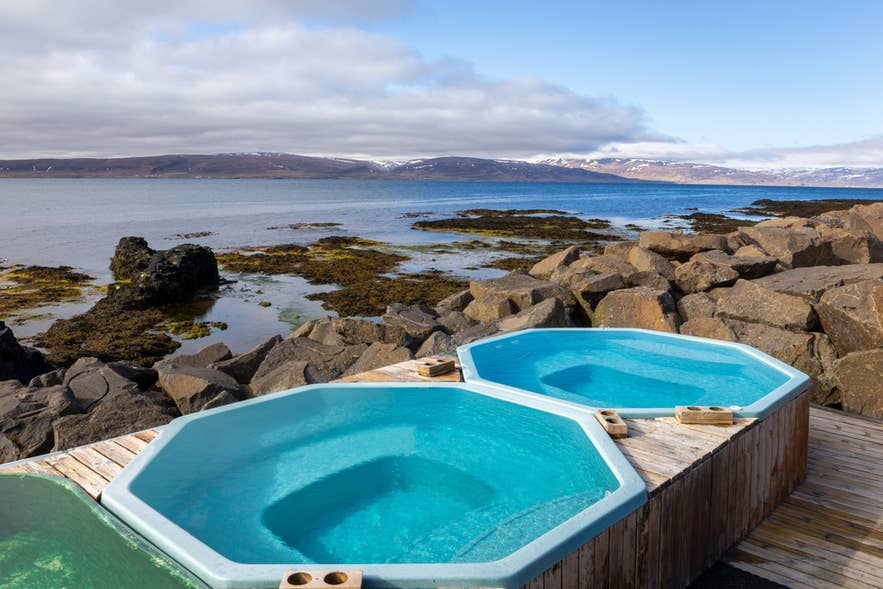 Perched on the eastern shore of Steingrimsfjordur, Drangsnes is a small fishing village best known for its three geothermal hot pots overlooking the ocean. Open year-round and free to use, the Drangsnes Hot Tubs offer a relaxing place to soak while taking in views of the fjord and surrounding mountains.
Drangsnes is also an excellent stop along the Strandir Coast, a remote stretch of the Westfjords known for its dramatic scenery, folklore, and peaceful atmosphere. The village is closely tied to Icelandic legends of trolls, with the nearby rock formation Drangur said to be a troll turned to stone by the rising sun.
From Drangsnes, visitors can continue north to Krossneslaug, one of Iceland's most scenic geothermal pools, or explore the rugged coastline and secluded coves that define this lesser-visited part of the Westfjords.
Krossneslaug - A Remote Westfjords Pool With A View
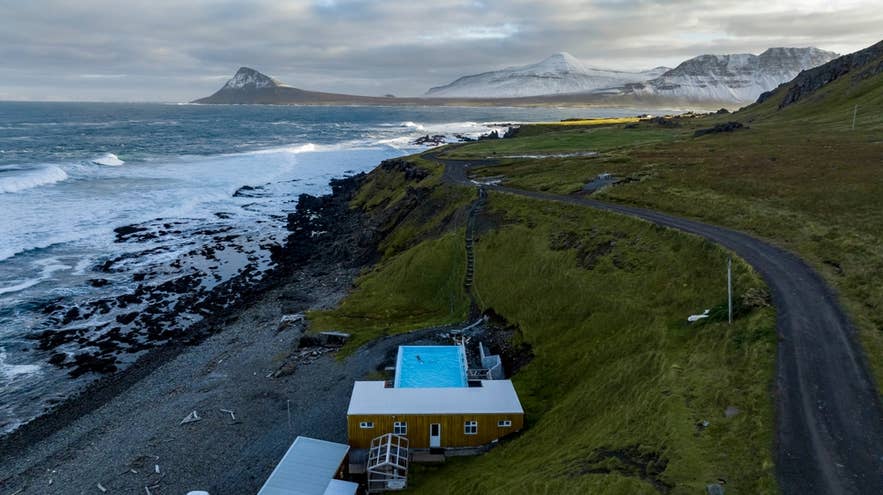 At the end of the remote Strandir Coast lies Krossneslaug, one of Iceland's best hot springs and geothermal pools. Built beside the Atlantic Ocean, the naturally heated swimming pool offers uninterrupted views of the rugged coastline and open sea. The pool's isolated location means far fewer visitors than Iceland's more famous hot springs.
Krossneslaug is best visited as part of a 10-day summer Westfjords road trip, with the drive itself passing dramatic sea cliffs, isolated beaches, and small fishing villages.
Towns and Villages in the Westfjords
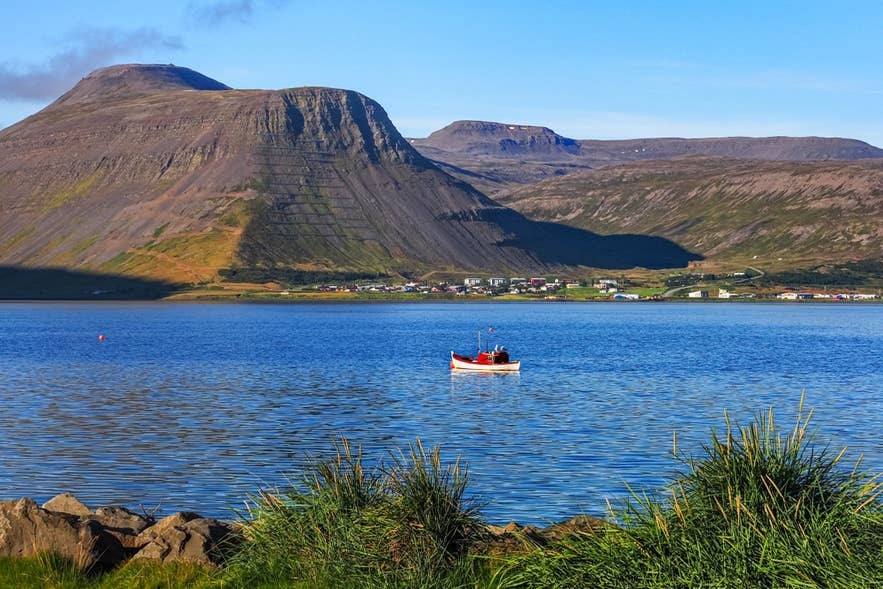 Only around 7,000 people live in the entire Westfjords, and most of them are spread across a handful of small towns and villages tucked at the ends of long fjords. These settlements are where you'll find fuel, groceries, restaurants, and places to sleep.
Please note that distances between them are longer than they may look on the map, as the roads follow every curve of the coastline.
Isafjordur - The Biggest Town in the Westfjords
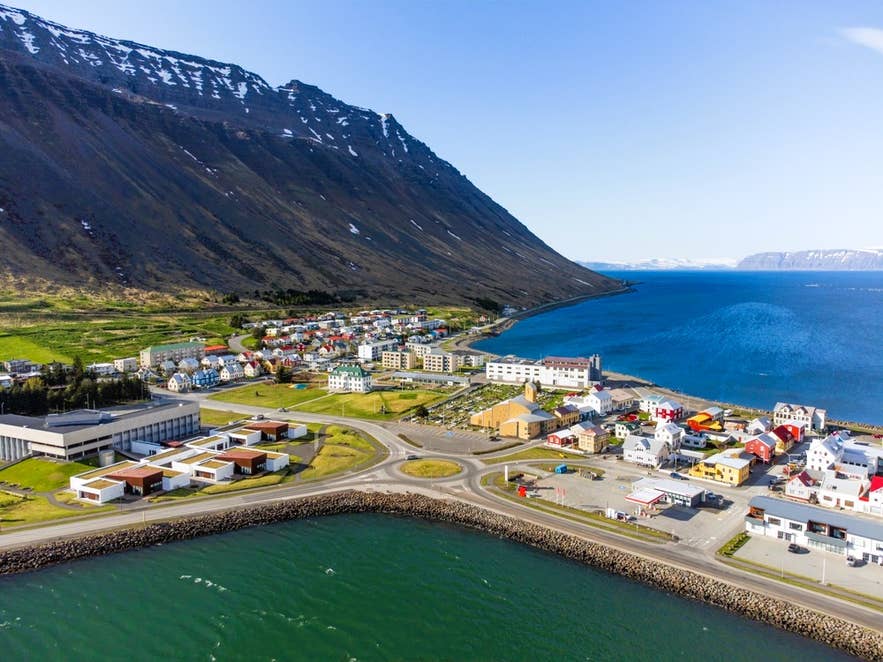 Surrounded by steep mountains on the shores of Skutulsfjordur, Isafjordur is the largest town in the Westfjords and the region's main cultural and transportation hub. Despite having fewer than 3,000 residents, it offers restaurants, cafes, shops, a wide range of accommodations, and museums like the Westfjords Heritage Museum.
You won't run out of things to do in Isafjordur, as the town is also the gateway to many of the Westfjords' top experiences. From here, you can join a biking tour, a full-day hiking experience, and a kayaking trip. Many travelers also begin trips to Hornstrandir Nature Reserve from Isafjordur.
Patreksfjordur - Main Settlement in the Southern Westfjords
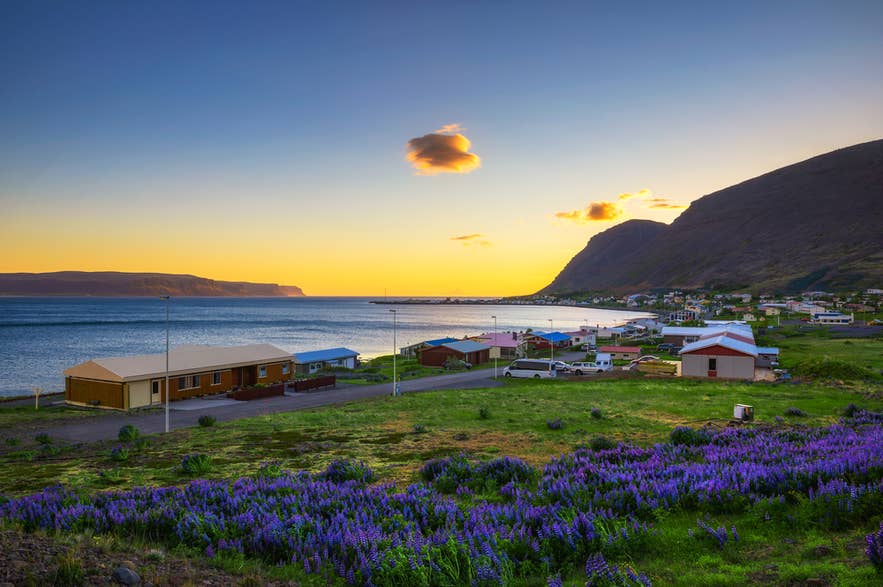 Patreksfjordur is the largest settlement in the southern Westfjords and an ideal base for exploring nearby attractions. From here, it's an easy drive to Latrabjarg Cliffs, Raudisandur Beach, Dynjandi Waterfall, and Hellulaug Hot Spring.
The town offers grocery stores, restaurants, accommodations, fuel stations, and other essential services, making it a convenient overnight stop for travelers exploring the southern part of the peninsula.
Bildudalur - Charming Fishing Village in the Westfjords
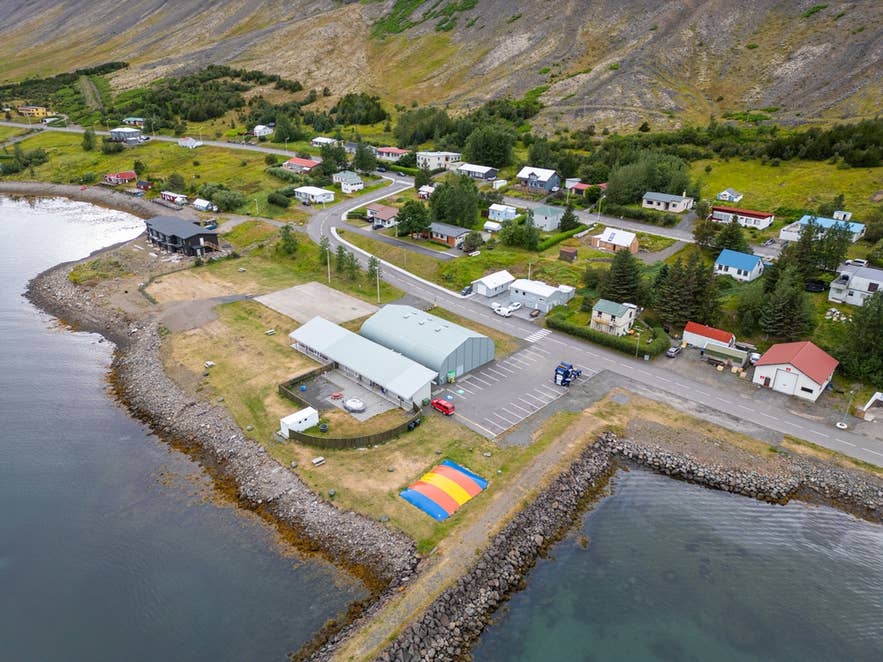 Overlooking Arnarfjordur, Bildudalur is a charming fishing village known for its rich maritime history and local folklore. It's home to the Icelandic Sea Monster Museum, which shares stories of mysterious creatures said to inhabit the surrounding fjords.
The village also makes a convenient base for visiting Dynjandi Waterfall, hiking nearby valleys, and exploring the dramatic landscapes of southern Arnarfjordur.
Holmavik - Fishing Town and Whale Watching Spot in the Westfjords
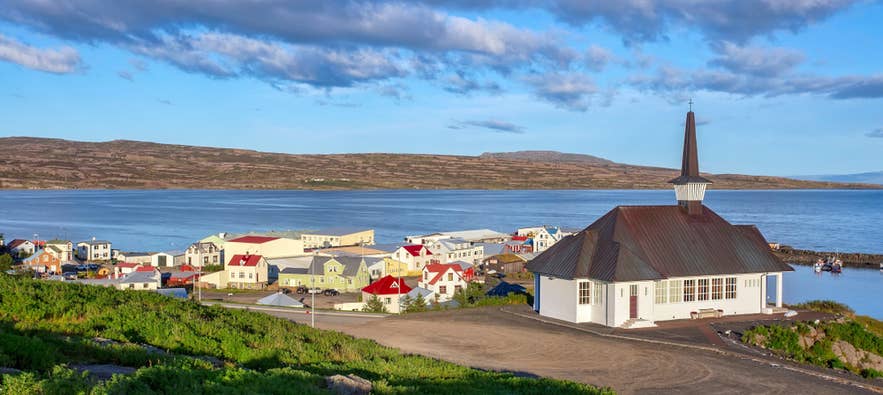 Situated along Steingrimsfjordur, Holmavik serves as the gateway to the remote Strandir Coast. The village is best known for the Museum of Icelandic Sorcery and Witchcraft, which explores the region's fascinating history of magic, folklore, and 17th-century witch trials.
Holmavik is one of the best places in the Westfjords to experience Iceland's marine wildlife. During summer, you can join a whale watching tour from Holmavik to spot humpback whales, minke whales, white-beaked dolphins, and harbor porpoises in the nutrient-rich waters of Steingrimsfjordur and the nearby bays.
The town is also a convenient stop for travelers continuing north to Drangsnes, Krossneslaug, and other remote attractions along the Strandir coastline.
Hiking in the Westfjords
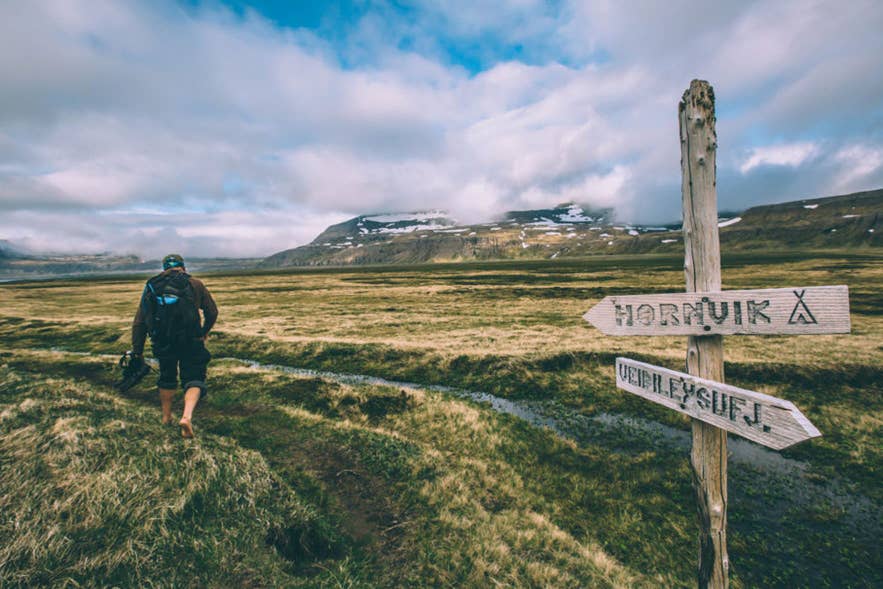 Although the Westfjords are less well known than Iceland's famous Highland hiking routes, they offer some of the country's most rewarding trails. With fewer visitors on the trails, hiking in the Westfjords offers a quieter and more immersive way to experience the wild Icelandic landscapes.
Best Westfjords Hiking Trails
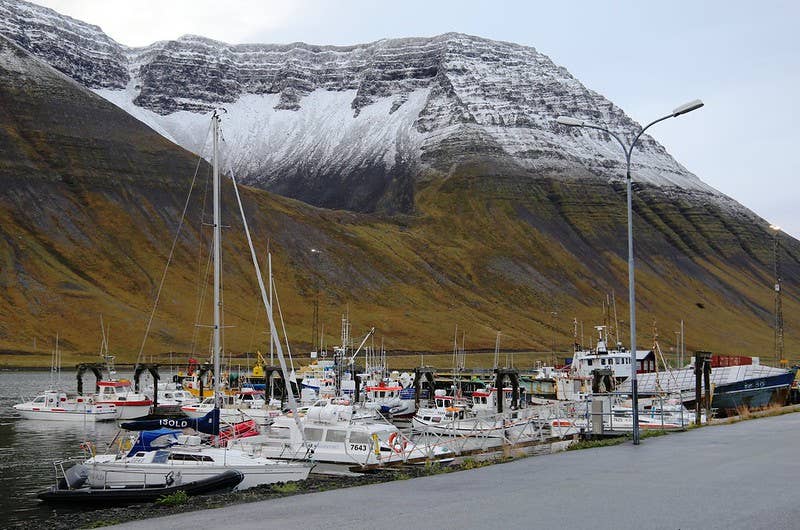
Photo from Flickr, by Fernando Vega. No edits made.
Some of the most popular hiking trails in the Westfjords include:
-
Hornstrandir Nature Reserve – One of Iceland's most famous wilderness hiking destinations. A favorite is the 2- to 4-day hike from Hornvik to Hornbjarg, known for its coastal views, abundant birdlife, and excellent chances of spotting Arctic foxes. June and July are the peak months to see cubs at their dens, according to our study of where to find Arctic foxes in Iceland.
-
Dynjandi Waterfall Trail – A short but rewarding day hike in Arnarfjordur that passes six smaller waterfalls before reaching the base of the magnificent Dynjandi Waterfall. The trail takes around 15–20 minutes each way.
-
Bolafjall Mountain – Near Bolungarvik, several hiking routes explore the mountain's rugged slopes and dramatic coastline. Hikers are rewarded with sweeping views over Isafjardardjup fjord and, on clear days, Greenland on the horizon.
-
Naustahvilft (The Troll Seat) – Located just outside Isafjordur, this short but steep hike climbs to a distinctive bowl-shaped depression in the mountainside, which local folklore says was formed by a giant troll sitting down. The trail rewards hikers with sweeping views over Isafjordur, Skutulsfjordur, and the surrounding peaks.
-
Sandafell Mountain – Located above Thingeyri, this moderately challenging hike offers panoramic views of Dyrafjordur and the surrounding mountains. The trail also passes historic Viking landmarks, adding a cultural element to the hike.
-
Valagil Gorge – Hidden near Bjarnarfjordur on the Strandir Coast, this lesser-known trail leads through a narrow gorge filled with small waterfalls, lush vegetation, and striking basalt formations.
No matter which trail you choose, always check the weather forecast before heading out, wear sturdy hiking boots, and allow extra time for changing conditions. Many of the region's trails are remote, with limited mobile coverage and few facilities nearby.
Best Westfjords Hiking Tours
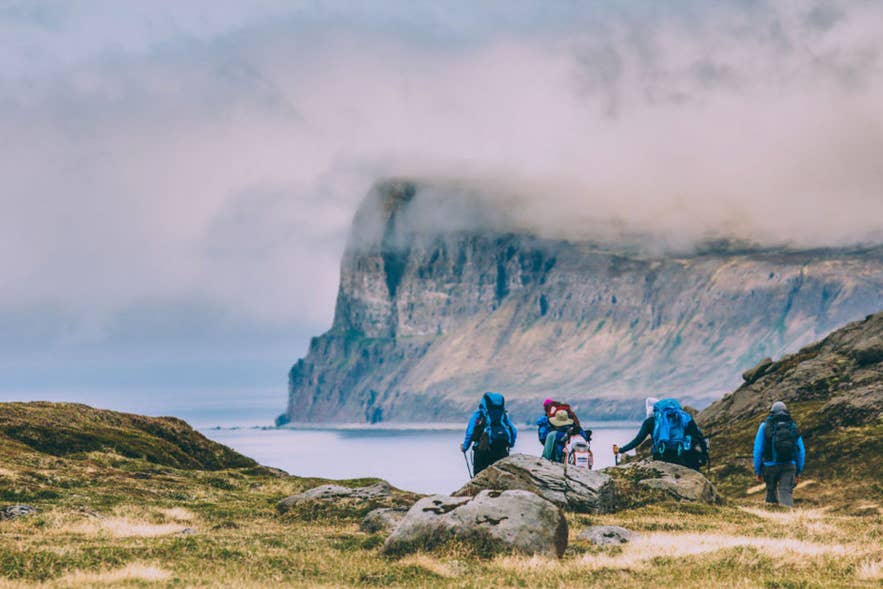 If you'd prefer to hike with an experienced local guide, there are several guided hiking tours in the Westfjords to choose from, including:
-
Small Group Hiking Tour from Isafjordur – Explore one of the Westfjords' scenic hiking trails with a local guide while enjoying panoramic mountain and fjord views on a full-day adventure.
-
6-Day Camping and Hiking Tour in Hornstrandir – Venture deep into Hornstrandir Nature Reserve on a multi-day expedition featuring remote trails, dramatic sea cliffs, Arctic fox sightings, and overnight camping.
-
Latrabjarg Hiking Tour from Patreksfjordur – Hike along the spectacular Latrabjarg Cliffs with a knowledgeable guide, taking in breathtaking coastal scenery and, during summer, excellent opportunities to observe puffins and other nesting seabirds.
Top Westfjords Tour and Travel Packages
 Whether you're looking for a self-drive adventure or a guided tour, these Westfjords tours and travel packages offer an easy way to explore one of Iceland's most remote regions.
-
2-Week Self-Drive Tour of the Ring Road of Iceland & the Westfjords: Explore Iceland's Ring Road and spend several days discovering Westfjords highlights like Dynjandi Waterfall, Latrabjarg Cliffs, and Isafjordur.
-
2-Week Road Trip in Iceland with the Highlands & Westfjords: Visit two of Iceland's most remote regions on a summer self-drive adventure through the Highlands and the Westfjords.
-
8-Day Summer Self-Drive Tour of Iceland's Westfjords & Snaefellsnes Peninsula: Combine the dramatic landscapes of the Westfjords with the natural wonders of the Snaefellsnes Peninsula on an unforgettable road trip.
-
3-Day Guided Westfjords Summer Tour from Reykjavik: Discover the Westfjords' top attractions, including Dynjandi Waterfall, Raudisandur Beach, and Latrabjarg Cliffs, with an experienced local guide.
-
2-Day Wildlife Tour in the Westfjords to Hornstrandir & Hornvik from Isafjordur: Journey into Hornstrandir Nature Reserve by boat for the chance to spot Arctic foxes, seabirds, and spectacular coastal scenery.
Best Time To Visit the Westfjords
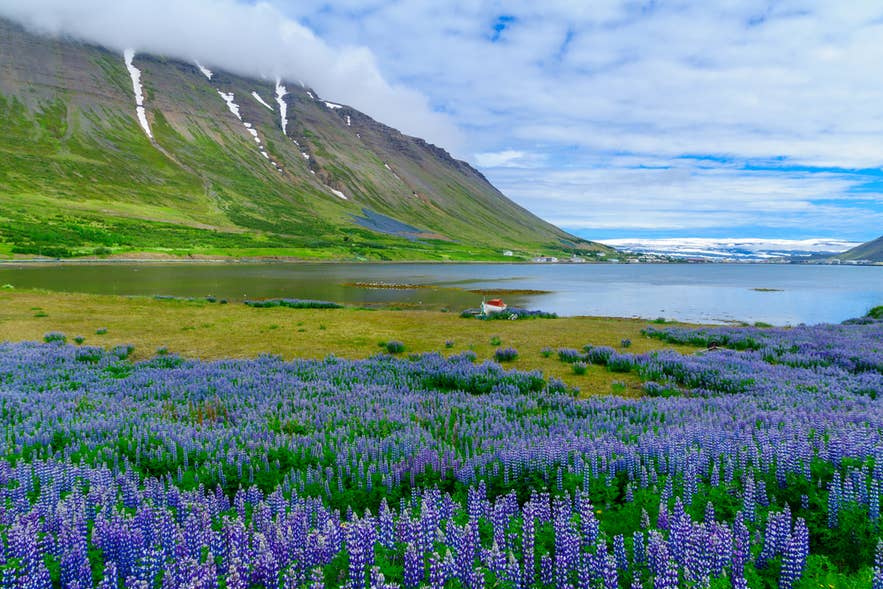 The best time to visit the Westfjords depends on the experiences you're looking for, but summer is the most popular season thanks to mild weather, long daylight hours, and full access to the region's attractions.
Most mountain roads are open, and ferry and boat services operate on their regular schedules. Summer is also the best time for hiking, puffin watching, and visiting remote destinations like Hornstrandir Nature Reserve.
Spring and autumn offer fewer crowds and beautiful seasonal scenery, while Icelandic winter transforms the Westfjords into a peaceful landscape of snow-covered mountains and frozen fjords. However, note that shorter daylight hours, changing weather, and occasional road closures can make travel more challenging during these seasons.
Where To Stay in the Westfjords
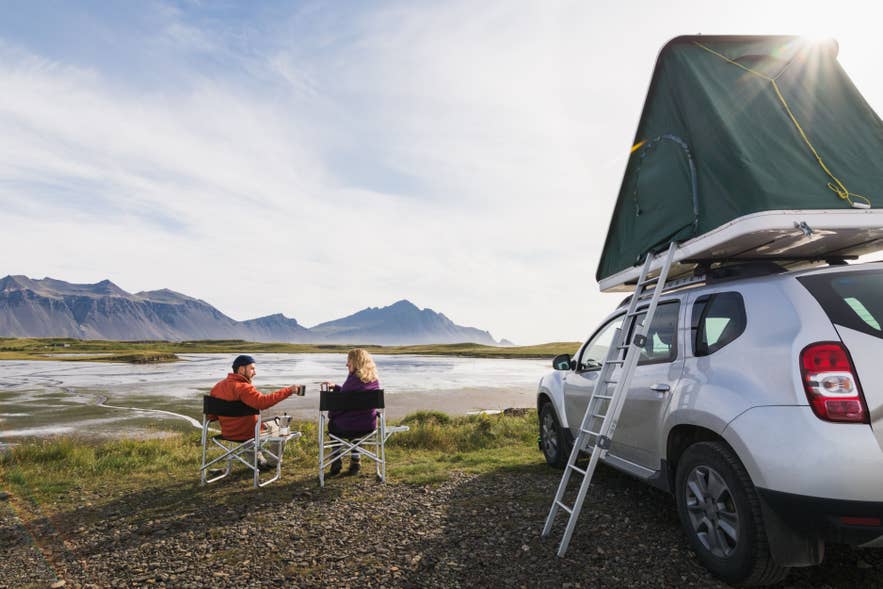 Accommodation in the Westfjords ranges from hotels and guesthouses to farm stays, cottages, and campsites. Since attractions are spread across the region, many travelers stay in different towns throughout their trip rather than using a single base.
Some of the best places to stay include:
-
Isafjordur: The largest town in the Westfjords, offering the widest selection of hotels, guesthouses, restaurants, and services. Top options include Country Hotel Heydalur and Hotel Isafjordur Torg.
-
Patreksfjordur: An excellent base for visiting Latrabjarg Cliffs, Raudisandur Beach, Dynjandi Waterfall, and Hellulaug Hot Spring. The town has several hotels and guesthouses, with Fosshotel Westfjords and Stekkabol Guesthouse as popular choices.
-
Holmavik: The best place to stay if you're exploring the Strandir Coast, visiting the Museum of Icelandic Sorcery and Witchcraft, or joining whale watching tours. Some of the best places to stay here are Hotel Laugarholl and Broddanes HI Hostel.
-
Camping: Campsites are available throughout the Westfjords and are especially popular during summer. They're a great option for road trippers, though facilities vary by location and some operate seasonally.
Tip: Because driving distances are longer than they appear on a map, consider booking accommodations in two or three different towns if you're spending several days exploring the Westfjords. This reduces daily driving time and lets you experience more of the region at a relaxed pace.
Essential Travel Tips for Visiting the Westfjords
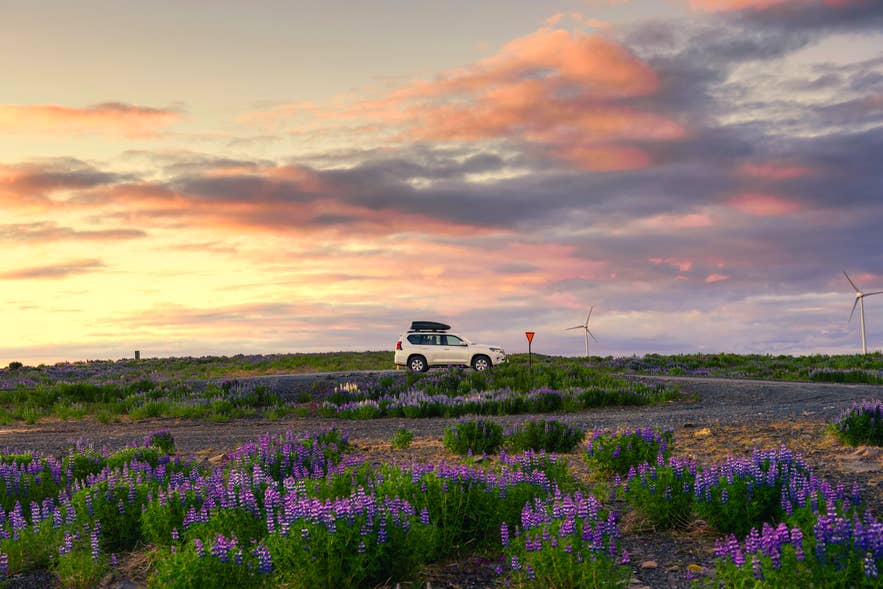 Before setting off, it's worth taking a little time to prepare for the Westfjords' remote landscapes and changing conditions. Services are more limited than in other parts of Iceland, and long distances between towns mean planning ahead can make your trip safer and more enjoyable.
These essential travel tips will help you make the most of your visit.
What To Pack for the Westfjords
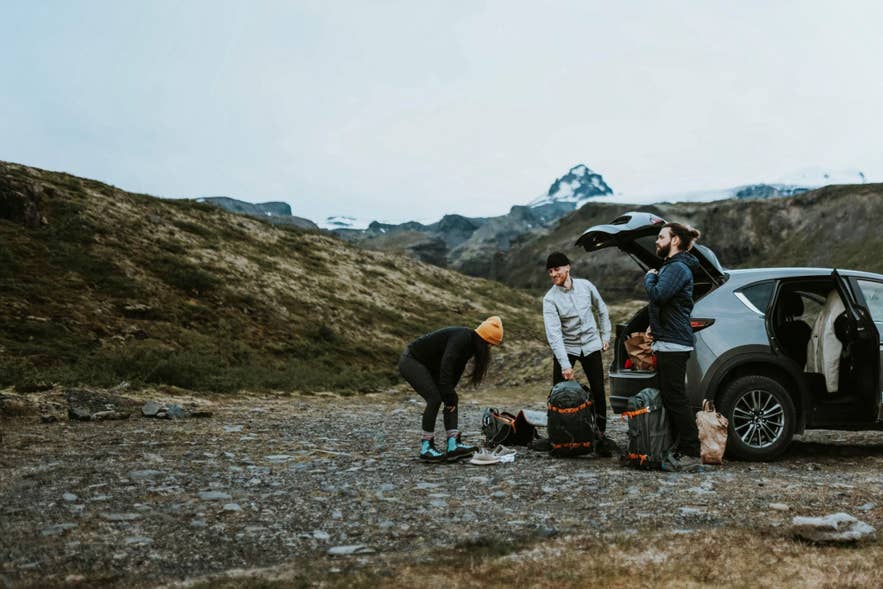 No matter when you visit the Westfjords, it's best to pack for changing weather. Sunshine, rain, fog, and strong winds can all occur on the same day, particularly along the coast and in the mountains.
Essentials to pack when planning to visit the Westfjords include:
-
Waterproof jacket and pants
-
Warm layers, including a fleece or insulated jacket
-
Comfortable hiking shoes or waterproof boots
-
Hat and gloves, even in summer
-
Swimsuit and towel for hot springs and geothermal pools
-
Reusable water bottle to refill with Iceland's safe drinking water
If you're visiting in autumn or winter, also pack:
-
Thermal base layers
-
Insulated winter clothing
-
Traction cleats or ice grips for slippery trails and walkways
Fuel Stations and EV Charging in the Westfjords
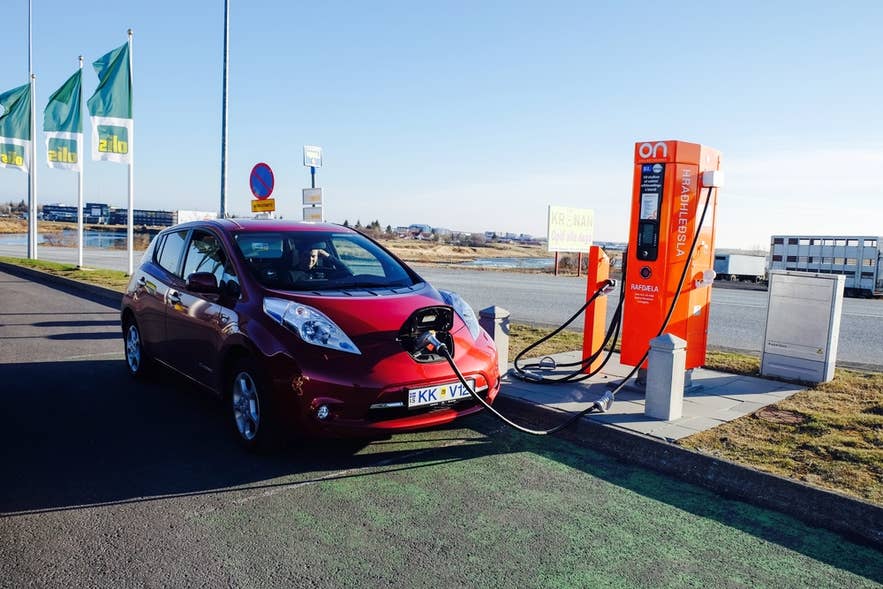 Fuel stations are available in larger towns such as Isafjordur, Patreksfjordur, Holmavik, and Flokalundur. Outside these towns, fuel stops are much farther apart, with distances of 100 to 150 kilometers (62 to 93 miles) or more between stations in some parts of the region.
To avoid running low, refill your tank whenever you have the opportunity, especially before heading into more remote areas.
Electric vehicle (EV) charging stations are becoming more common in the Westfjords, with charging hubs in major towns. However, chargers are still less frequent than in southwest Iceland, and coverage can be limited in more remote areas.
Before your trip, map out your route and identify charging stops in advance. It's also a good idea to recharge when your battery reaches around 50%, rather than waiting until it's nearly empty, to give yourself more flexibility if your plans change or the next charger is occupied or unavailable.
Grocery Stores in the Westfjords
 Isafjordur is the main shopping hub in the Westfjords, offering the widest selection of supermarkets, grocery stores, and other essential services.
You'll also find grocery stores in larger towns such as Patreksfjordur, Holmavik, Thingeyri, and Bildudalur, though they are generally smaller than those in Reykjavik. Opening hours may also be shorter, especially on weekends and public holidays.
Many of the Westfjords' smaller villages have convenience stores or local shops that stock basic groceries, snacks, and everyday essentials. However, their selection is often limited, and some may have seasonal or reduced opening hours.
If you're staying in a guesthouse, cottage, or campsite with cooking facilities, it's a good idea to stock up on groceries in Isafjordur or another larger town before exploring the more remote parts of the region.
Mobile Coverage and Internet Access in the Westfjords
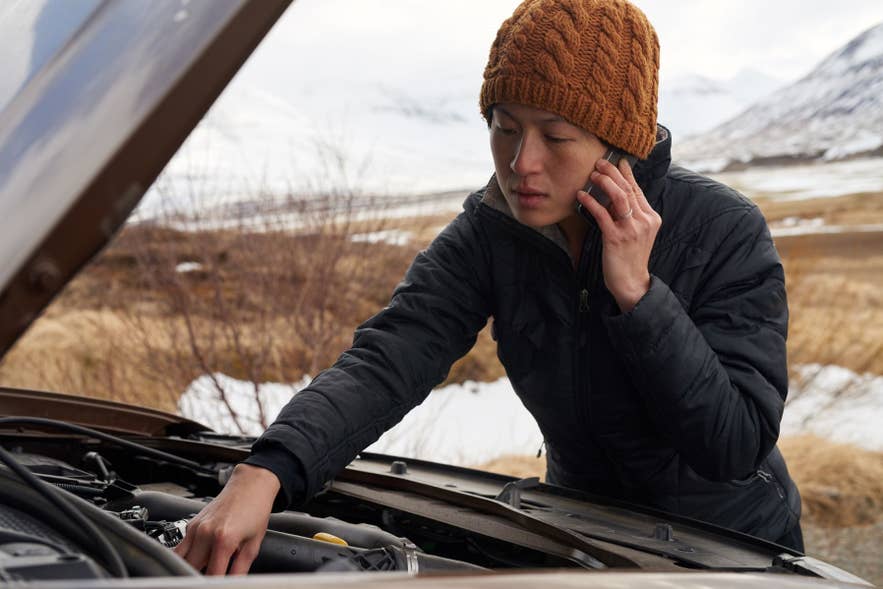 Mobile coverage is generally reliable in towns and along the main roads, but signal strength can become weak or disappear entirely in more remote areas. This is especially common in mountain passes, along sections of road leading to Dynjandi Waterfall, and throughout Hornstrandir Nature Reserve, where there is little to no mobile service.
Downloading offline maps before your trip is highly recommended, especially if you plan to drive long distances or hike in areas with limited reception. Most hotels, guesthouses, and cafes offer free Wi-Fi, although connection speeds may vary depending on the location.
Safety Tips for Visiting the Westfjords
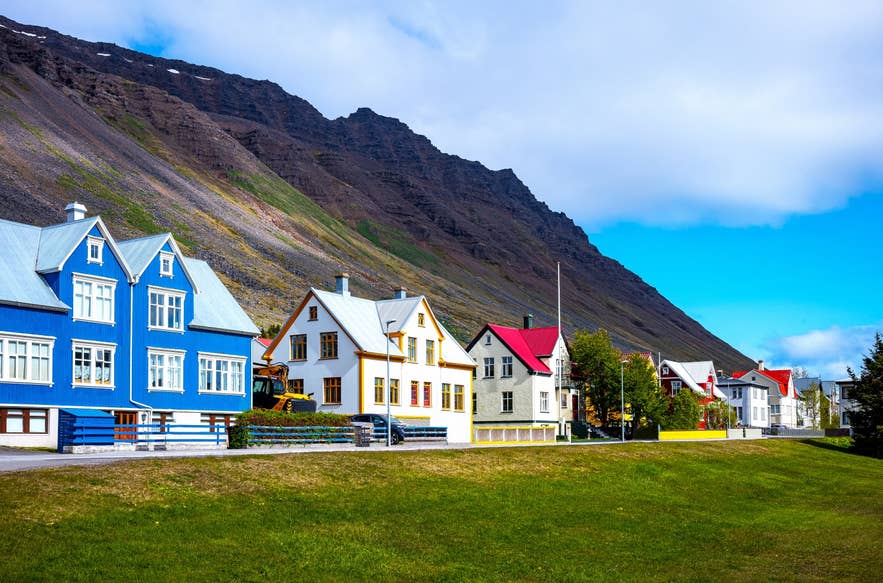 The Westfjords are a safe destination, but their remote landscapes require extra care. Roads can be narrow and winding, weather conditions may change unexpectedly, and help can be farther away than in other parts of Iceland.
Before setting out each day:
-
Check the weather forecast and road conditions.
-
Allow extra travel time, as driving often takes longer than expected.
-
Keep your fuel tank topped up. Learn more in this guide to Iceland's gas stations.
-
Stay on marked hiking trails and respect warning signs near cliffs and coastlines.
-
Share your travel plans with someone or submit your itinerary through SafeTravel before visiting remote areas such as Hornstrandir Nature Reserve.
With a little preparation, you'll be able to enjoy the Westfjords' dramatic scenery and peaceful landscapes safely and confidently.
Your Westfjords Adventure Awaits
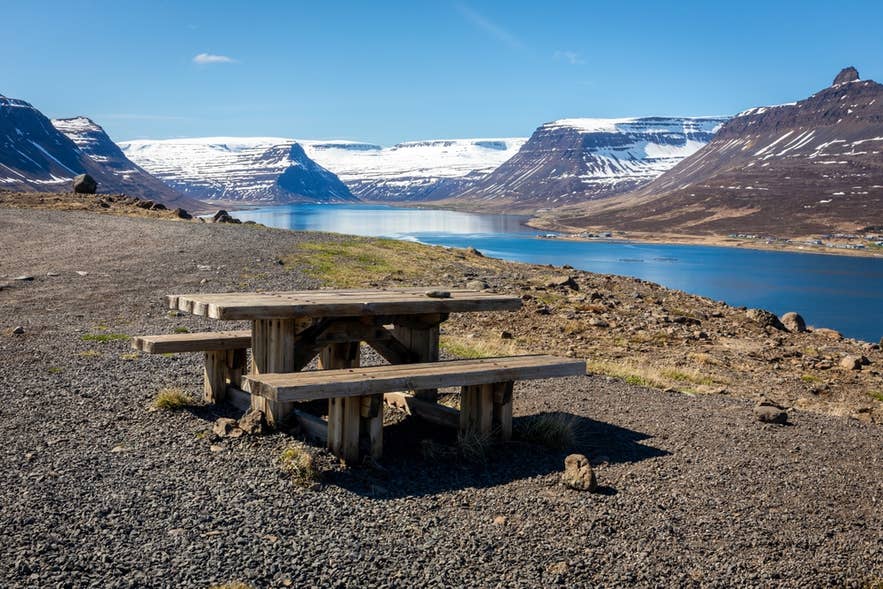 The Westfjords offer a side of Iceland that many travelers never experience, with dramatic landscapes, peaceful fishing villages, abundant wildlife, and unforgettable adventures around every corner.
Start planning your journey by renting a car in Iceland or booking one of the flexible self-drive tours for the freedom to discover the Westfjords at your own pace. However you travel, the Westfjords promise some of Iceland's most spectacular scenery and memories that will last long after your trip ends.
Is the Westfjords worth visiting?
How many days do I need in the Westfjords?
If you plan to visit Hornstrandir Nature Reserve, consider adding one or two extra days.
Can I visit the Westfjords as a day trip from Reykjavik?
If you don't want to plan the logistics yourself, consider joining a 3-day guided Westfjords summer tour from Reykjavik. It includes transportation, accommodations, and visits to many of the region's top attractions, making it one of the most convenient ways to experience the Westfjords without driving yourself.
Do I need a 4x4 in the Westfjords?
Can I visit the Westfjords in winter?
For a hassle-free winter experience, you can also book a 2-day northern lights winter break in Iceland's Westfjords. The package includes domestic flights, accommodations, and guided sightseeing, making it an easy way to experience the region's snowy landscapes and, if conditions are favorable, the northern lights.
When is the best time to visit the Westfjords?
Can I see puffins in the Westfjords?
Is hiking in the Westfjords suitable for beginners?
Can I hike in Hornstrandir without camping?
If you'd like to fully experience the reserve, consider joining a 6-day camping and hiking tour in Hornstrandir. The tour includes boat transfers from Isafjordur, camping equipment, and an experienced guide, allowing you to explore some of Hornstrandir's most spectacular trails while taking care of the logistics.
Are there hot springs in the Westfjords?
Is Hornstrandir Nature Reserve worth visiting?
Can I explore the Westfjords without a car?