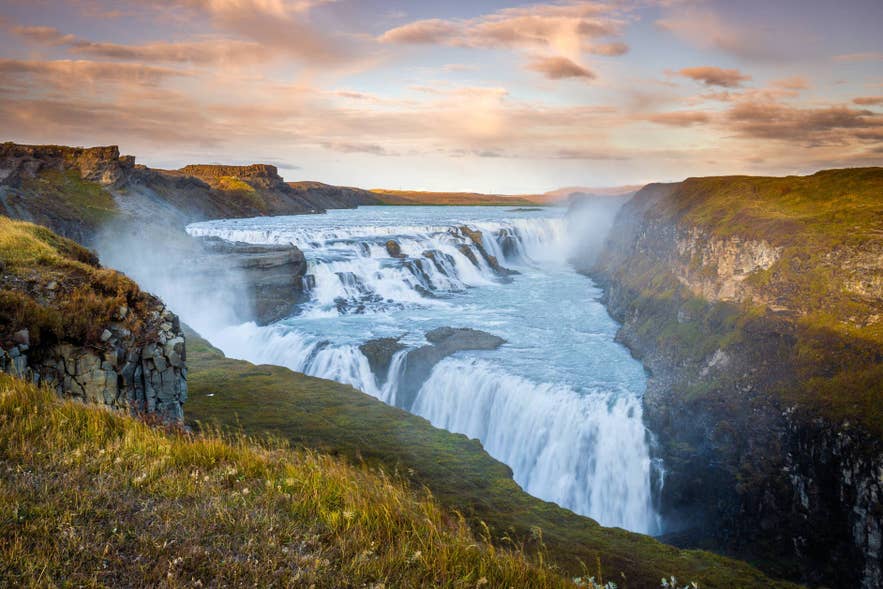
Iceland is a land sculpted by fire and ice, and perhaps nothing captures its raw natural power better than its countless waterfalls. From mighty glacier-fed torrents to delicate, hidden cascades nestled within lava fields, the waterfalls in Iceland showcase breathtaking beauty that will leave you awe-inspired.
Why You Can Trust Our Content
Guide to Iceland is the most trusted travel platform in Iceland, helping millions of visitors each year. All our content is written and reviewed by local experts who are deeply familiar with Iceland. You can count on us for accurate, up-to-date, and trustworthy travel advice.
Iceland is home to over 10,000 breathtaking waterfalls. They range from famous attractions like Gullfoss to hidden cascades in remote landscapes, offering visitors many different experiences. This guide explores how these beautiful Icelandic waterfalls form, what types you’ll encounter, and how to visit them safely.
Make the most of your trip by joining waterfall tours in Iceland, or plan your own adventure by renting a car and embarking on self-drive tours. Some vacation packages even include waterfall-focused itineraries with lodging and transport. Whatever your travel style, this guide helps you plan an unforgettable journey.
How Waterfalls in Iceland Are Formed
 Iceland’s waterfalls owe their existence to a unique combination of geological processes. The island sits astride the Mid-Atlantic Ridge, where the North American and Eurasian tectonic plates pull apart. This tectonic activity creates fissures, elevated cliffs, and deep valleys, which provide ideal conditions for waterfalls to develop.
Iceland’s glaciers play a crucial role in feeding many of these waterfalls. Vatnajokull, Europe’s largest glacier, along with other glaciers, melts during the warmer months, sending torrents of water rushing down cliffs and through river systems.
The volcanic bedrock beneath these waters, often made of basalt and lava flows, shapes the falls' form and appearance. Over time, erosion carves out deep channels, gorges, and ledges, further defining each waterfall’s character.
Seasonal variation is also a defining factor. In summer, meltwater swells, creating more powerful flows, while winter often transforms waterfalls into shimmering frozen sculptures, attracting photographers and adventurers alike.
Rain feeds Iceland's waterfalls along with glacier melt. Our study of the rainiest and driest months in Iceland found that the South Coast, home to Skogafoss and Seljalandsfoss, is the wettest place in Iceland. The village of Vik gets about 67 inches (1,710 mm) of rain in an average year.
Types of Waterfalls in Iceland
 Not all waterfalls are created equal! Iceland’s geology gives rise to several distinct waterfall types:
-
Plunge Waterfalls: Water drops vertically without touching the rock.
-
Horsetail Waterfalls: Water maintains contact with the bedrock as it falls.
-
Tiered Waterfalls: Water descends in a series of steps or stages.
-
Cataracts: Powerful waterfalls with heavy flow.
-
Fan Waterfalls: Water spreads horizontally as it falls.
Knowing the type of waterfall you're visiting adds a layer of appreciation and can help photographers or hikers plan their best angles and timing.
How To Choose Which Waterfalls To Visit in Iceland
To help travelers choose which waterfalls to visit, Guide to Iceland conducted a study of Iceland’s most recommended waterfalls. The study analyzed 8,488 Reddit comments and more than 27,000 TripAdvisor reviews.
Skogafoss ranked first with 344 Reddit mentions, followed by Seljalandsfoss, Dettifoss, Gullfoss, and Glymur. Kvernufoss received the highest TripAdvisor rating at 4.9 and also led the study’s hidden-gem ranking.
Travelers favored different waterfalls for different experiences. Glymur stood out for hiking, Dynjandi for surrounding views, and Dettifoss for power and scale. Seljalandsfoss and Kvernufoss were leading choices for walking behind the falling water.
These findings can help you decide which waterfalls match your interests, but their locations will also shape your itinerary. The following section will help you find the best options along your route.
Exploring Waterfalls in Iceland by Region
Iceland’s waterfalls are spread across diverse landscapes, grouped naturally into regions. Exploring them by region helps travelers plan efficiently, especially when combining waterfall visits with other nearby attractions.
Waterfalls in South Iceland
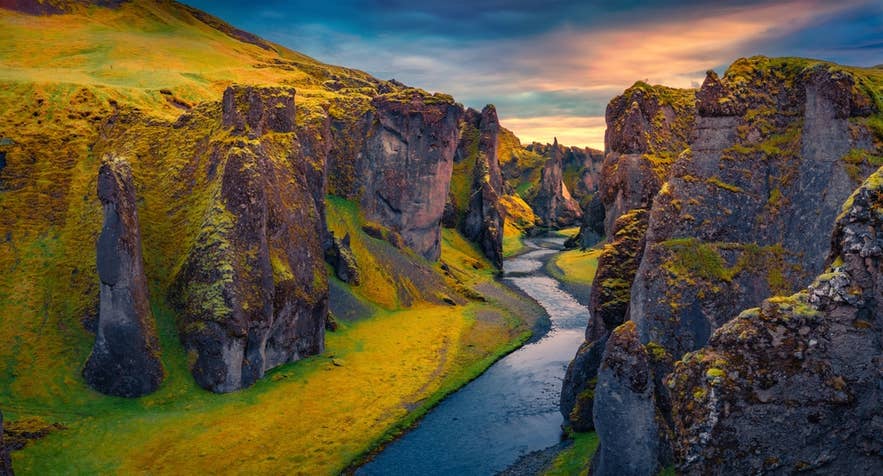 South Iceland is the most accessible and waterfall-rich region, with several iconic sites located just off the Ring Road. It’s ideal for first-time visitors and road trippers who want to see dramatic landscapes without long detours.
Many South Coast tours include stops at famous waterfalls like Seljalandsfoss and Skogafoss, making it easy to explore the highlights in a single day.
Gullfoss Waterfall
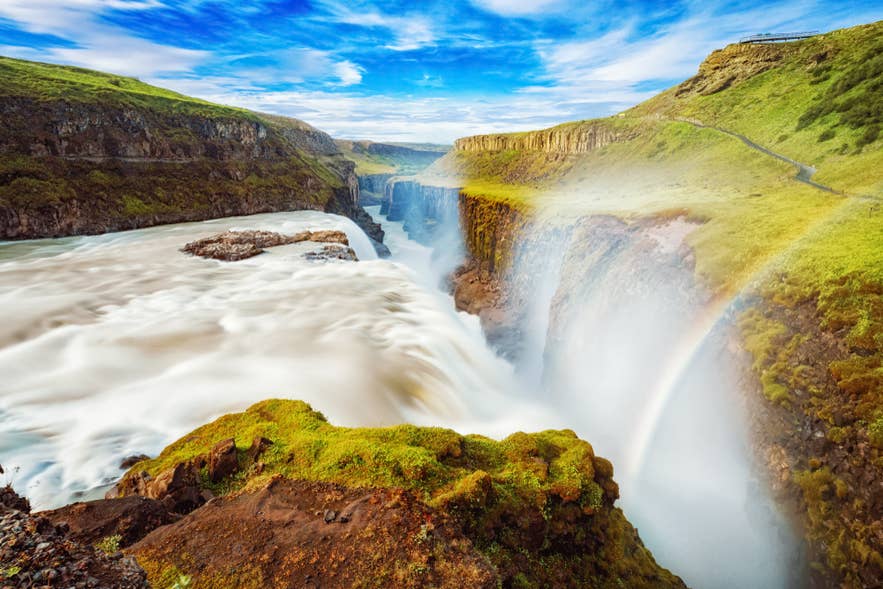
Gullfoss, meaning “Golden Falls,” is one of Iceland’s most popular natural attractions on the Golden Circle. It ranked fourth in the study of the most recommended waterfalls in Iceland. Gullfoss drops in two tiers measuring 36 feet (11 meters) and 69 feet (21 meters) before entering a canyon over 230 feet (70 meters) deep.
The Hvita River, fed by Langjokull Glacier, powers the falls, creating a changing flow throughout the year. On sunny days, mist often produces vibrant rainbows over the gorge.
Visitors can enjoy well-maintained paths with upper and lower viewpoints offering stunning photo spots. Gullfoss is accessible all year, with summer greenery and a magical, icy winter scene. Weather changes quickly, so dressing in layers and wearing sturdy shoes is advised.
Skogafoss Waterfall
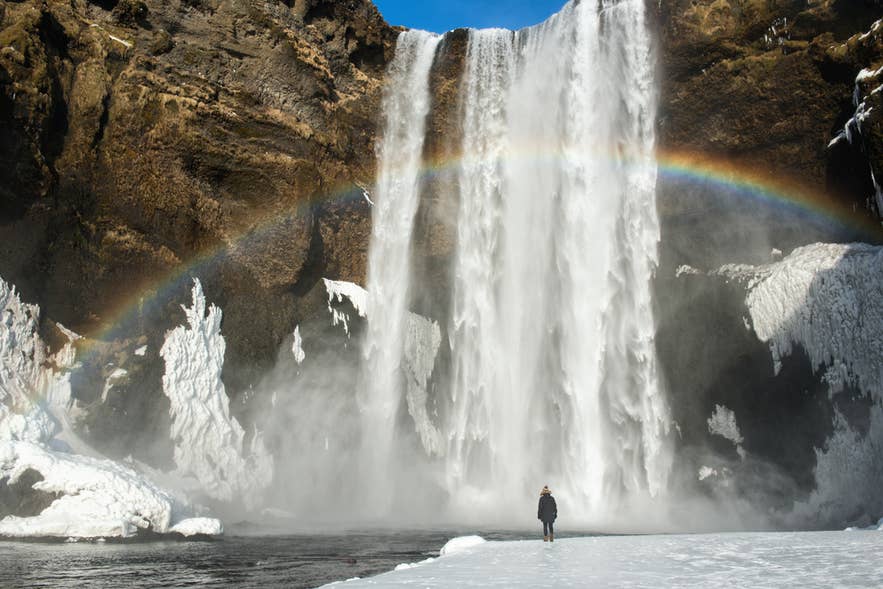
Skogafoss is a majestic curtain waterfall on the Skoga River, dropping about 197 feet (60 meters) and stretching 82 feet (25 meters) wide. In Guide to Iceland’s waterfall study, it is the most recommended waterfall in the country.
Its powerful cascade creates a constant mist that often produces rainbows on sunny days. You can walk right up to the base to feel the spray and hear the thunderous roar of the falls.
A staircase with 527 steps leads to a viewing platform at the top, offering panoramic views of the waterfall and coastline. From there, hikers can continue along the Skoga River on the popular Fimmvorduhals trail to Thorsmork. Nearby, Skogar offers a folk museum, adding cultural interest to this natural destination.
Seljalandsfoss Waterfall
Seljalandsfoss is a 213-foot (65-meter) waterfall and one of the few waterfalls you can walk behind. It ranked second in the study of the most recommended waterfalls in Iceland.
The trail behind the cascade offers a rare perspective and makes Seljalandsfoss a favorite among photographers, especially at sunset. The waterfall drops from an ancient sea cliff and is powered by the Seljalands River, which flows from Eyjafjallajokull Glacier.
Seasonal changes shape its flow, from misty summer veils to roaring torrents after rain. Seljalandsfoss is accessible year-round, but the path behind it may close in winter because of ice.
Gljufrabui Waterfall
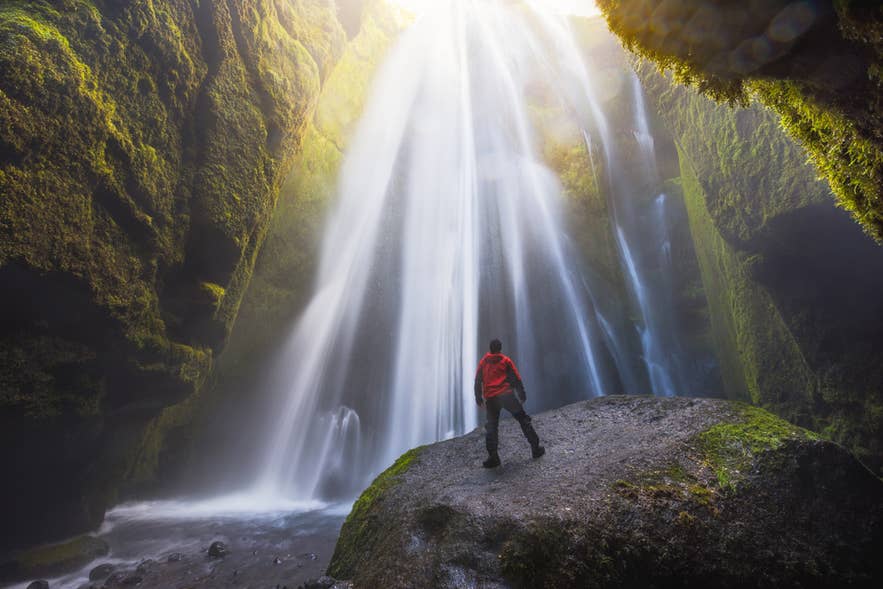 Just a short walk from Seljalandsfoss, Gljufrabui is a hidden waterfall tucked behind a moss-covered cliff. It is one of the 10 most recommended waterfalls by travelers who visited Iceland.
One can reach it by walking through a narrow gorge and wading a shallow stream. This sense of discovery makes it a rewarding stop for those willing to explore off the beaten path. Waterproof shoes are recommended due to the wet terrain.
Inside the gorge, water drops nearly 131 feet (40 meters) into a rocky chamber. Sunlight often creates beautiful beams and rainbows through the narrow opening. The quiet, secluded setting offers a peaceful experience away from crowds. It’s a favorite spot for photographers and nature lovers seeking a more intimate encounter with Iceland’s waterfalls.
Faxafoss Waterfall
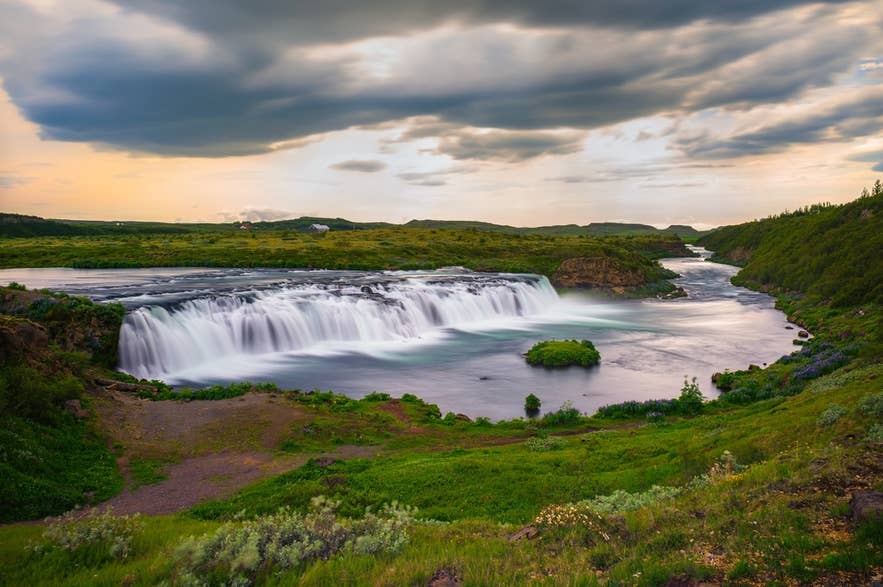 Faxafoss, also known as Faxi, is a wide and gentle waterfall about 23 feet (7 meters) high and 260 feet (80 meters) across, located along the Golden Circle route. Unlike its more dramatic neighbors, its broad, steady flow creates a peaceful atmosphere. It’s an ideal stop for those seeking a quiet break from busier tourist sites like Gullfoss Waterfall or Geysir Geothermal Area.
There is a small parking area and a viewing platform, making it easily accessible. A fish ladder alongside the falls allows salmon to swim upstream, which is a rare sight at Icelandic waterfalls. Nearby picnic areas and minimal crowds make it a great spot to relax, take photos, or enjoy a meal with a view.
Waterfalls in West Iceland
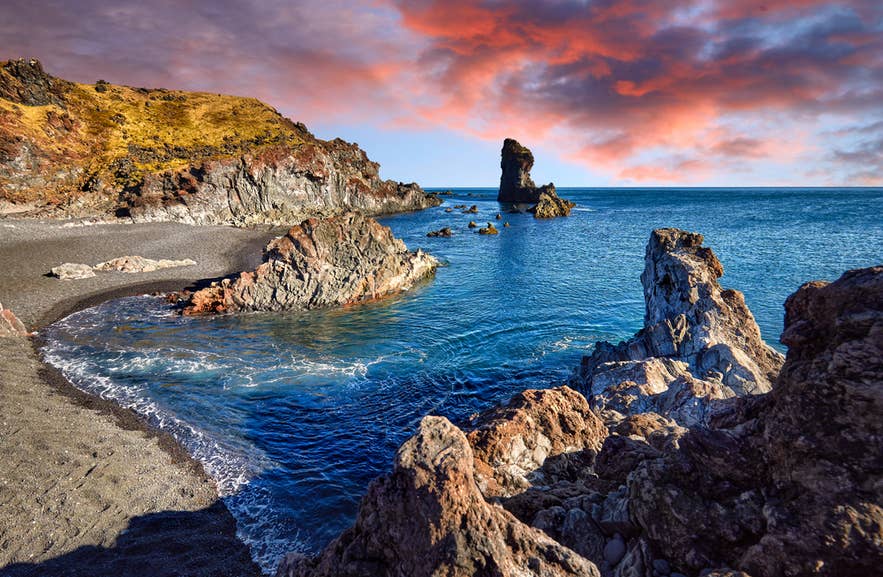 West Iceland’s lava fields, volcanic craters, and rivers create waterfalls that often pour straight from porous rock. Exploring the region’s waterfalls is one of the best things to do in West Iceland for those drawn to unique landscapes and fewer crowds.
Hraunfossar Waterfall
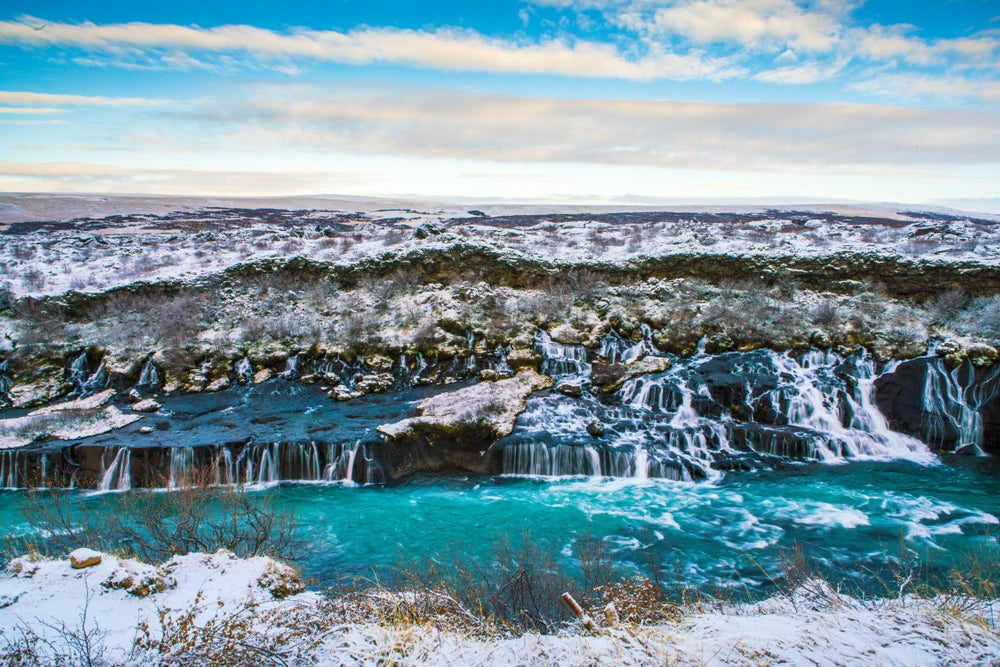 Hraunfossar, or "Lava Falls," spans about 3,000 feet (900 meters) where water seeps through porous lava rock into the Hvita River. Instead of a vertical drop, dozens of gentle streams flow sideways across the dark lava field. This unique formation creates a calm and almost surreal visual effect. It’s one of Iceland’s most distinctive and photogenic waterfalls.
The site is easy to reach and features walking paths and viewing platforms. It's family-friendly, with short trails that offer excellent views. During autumn, the vibrant colors make this area especially picturesque.
Barnafoss Waterfall
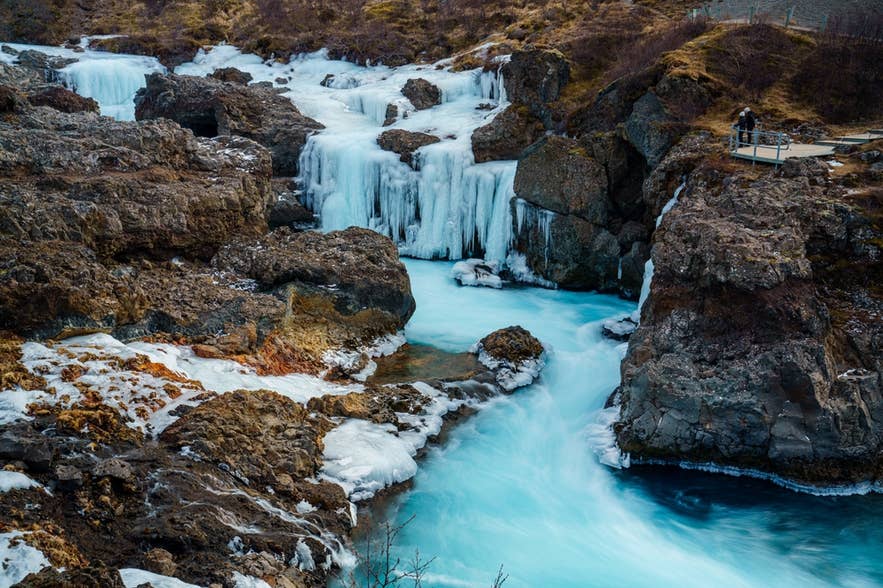 Located just above Hraunfossar, Barnafoss is a narrow, powerful waterfall that rushes through a twisting lava channel. The water forces its way through rock formations, creating a turbulent, foaming effect. The name means “Children’s Falls,” tied to a local folktale about two children who tragically fell into the river. The story adds a haunting layer to the natural beauty of the site.
Visitors can view Barnafoss from marked trails and observation points near the bridge above the river. Unlike the gentle streams of Hraunfossar, this waterfall is loud, fast, and dramatic. Its contrast in both sound and appearance makes visiting both falls a rewarding experience. The area is accessible year-round and ideal for a short scenic stop.
Waterfalls in North Iceland
 North Iceland offers raw natural beauty and powerful rivers fed by the highlands. Its dramatic waterfalls are less crowded than those in the south, making them some of the must-see destinations in North Iceland for visitors seeking solitude and stunning landscapes.
Godafoss Waterfall
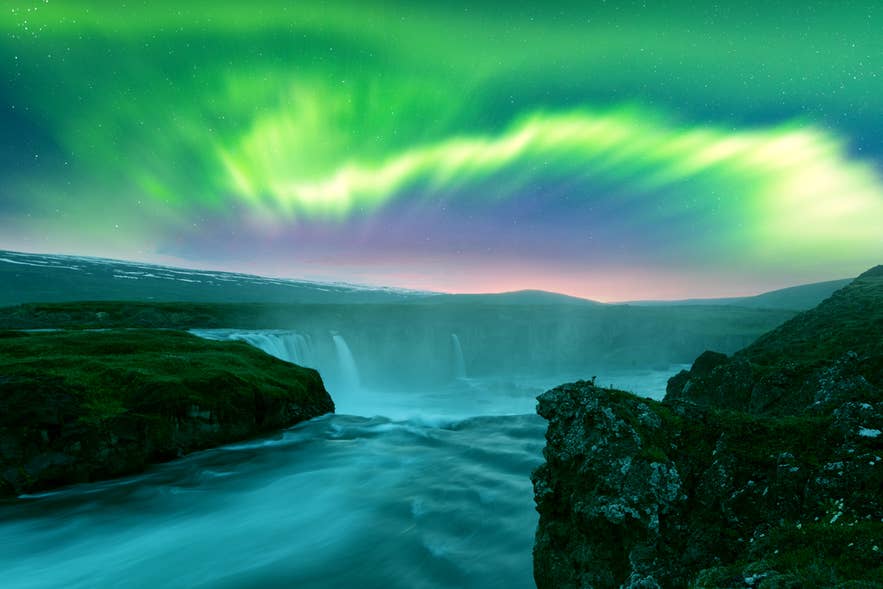
Known as "The Waterfall of the Gods," Godafoss is a stunning horseshoe-shaped waterfall. It drops about 39 feet (12 meters) into the Skjalfandafljot River and stretches nearly 98 feet (30 meters) wide. The turquoise water contrasts beautifully with the dark volcanic rocks, making it a favorite spot for photographers and nature lovers.
Godafoss also holds deep historical significance. According to Icelandic sagas, the lawspeaker Þorgeir Ljósvetningagoði threw his pagan idols into the falls around the year 1000, marking Iceland’s conversion to Christianity. Visitors can explore walking paths and viewpoints on both sides, enjoying views of the river’s rapids and the surrounding lush landscape.
Dettifoss Waterfall
Dettifoss, located in Vatnajokull National Park in North Iceland, is Europe’s most powerful waterfall. Travelers have ranked it third among Iceland’s most recommended waterfalls.
The waterfall drops 144 feet (44 meters) and stretches 330 feet (100 meters) wide, with a powerful flow creating a thunderous roar and mist for an unforgettable experience. It can be accessed from both the east and west sides, with the west offering easier access and safer viewpoints.
The surrounding landscape features striking volcanic rock formations and deep gorges, adding to the rugged, otherworldly atmosphere. Well-marked trails and gravel roads make it ideal for hiking and photography year-round.
Reykjafoss Waterfall
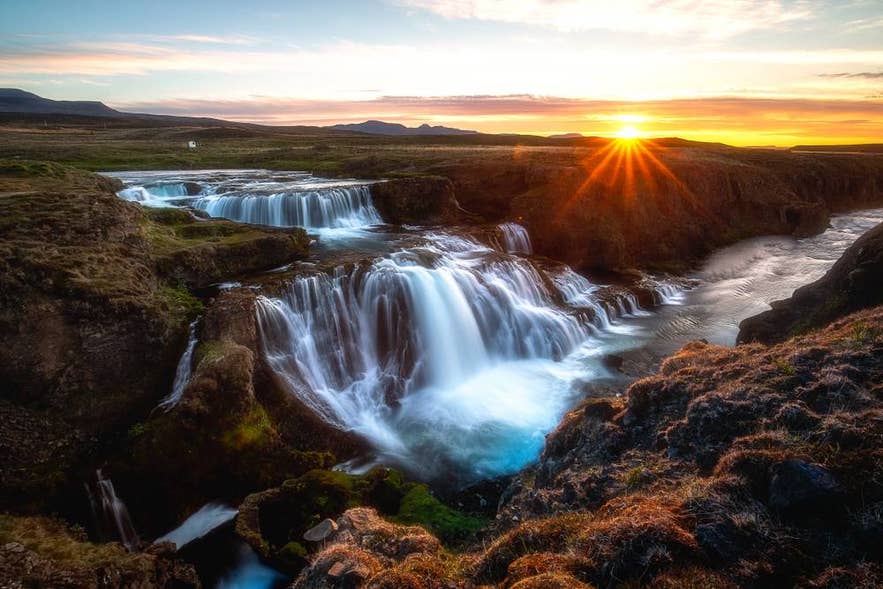
Located in the Skagafjordur region of North Iceland, Reykjafoss drops about 66 feet (20 meters) into a calm river surrounded by lush farmland. The waterfall was once a peaceful stop for road trippers exploring North Iceland, with a short walking path leading to the falls.
Nearby Fosslaug, a natural geothermal pool, was another popular attraction, offering warm bathing with views of the river and the waterfall. However, public access to both Reykjafoss and Fosslaug has been closed by the landowner since June 29, 2026, until further notice. Visitors should not attempt to access either attraction while the closure remains in effect.
Waterfalls in East Iceland
 East Iceland’s waterfalls are often framed by colorful rhyolite cliffs and forested hills, creating a peaceful and less-visited setting. Exploring these falls is among the best places to visit in East Iceland and a highlight of many Eastfjords tours for travelers seeking quiet natural beauty.
Hengifoss Waterfall
 Hengifoss stands at 420 feet (128 meters) and ranks among Iceland’s tallest waterfalls. The hike to the falls takes 45 to 60 minutes each way along a well-marked trail through forest and rocky terrain. Along the way, hikers can also visit the smaller Litlanesfoss Waterfall, known for its impressive basalt columns.
The highlight of Hengifoss is its striking cliff walls, layered with vivid red and black volcanic rock. These colorful stripes create a dramatic backdrop that is rare among waterfalls in Iceland. The sound of the water plunging into the pool below adds to the atmosphere. The site offers excellent photo opportunities and a peaceful escape into nature.
Fardagafoss Waterfall
 Located just outside Egilsstadir, Fardagafoss is a 66-foot (20-meter) waterfall that rewards visitors with a short, easy hike. The trail takes about 20 minutes and leads through peaceful woodland before reaching the falls. It’s among the waterfalls where you’ll be able to walk behind the cascading water.
From the trail, visitors can also enjoy stunning views over Egilsstadir, Lagarfljot and the surrounding mountains. The peaceful setting makes Fardagafoss a great spot for a quiet nature break. It’s ideal for families and those looking to explore the Eastfjords without a long trek. The well-maintained path ensures accessibility in most seasons.
Klifbrekkufossar Waterfall
 Located in the remote Mjoifjordur Fjord, Klifbrekkufossar is a stunning series of tiered waterfalls cascading down a lush hillside. The full height is around 300 feet (90 meters), flowing in multiple steps that create a layered, elegant appearance. It’s especially beautiful in early summer when snowmelt enhances the flow and the surrounding greenery is at its peak.
Reaching Klifbrekkufossar requires driving a narrow gravel road into one of Iceland’s least-visited fjords. The journey itself is part of the adventure, offering dramatic mountain and ocean views. There are several pull-off points along the road for photos and quiet appreciation. This hidden gem is ideal for those looking to explore Iceland’s more untouched regions.
Waterfalls in Westfjords
 The Westfjords are Iceland’s most remote region, where untouched nature and isolation inspire awe. The dramatic waterfalls here are far from crowds, making them a top highlight on many Westfjords tours for travelers seeking solitude and wild landscapes.
Dynjandi Waterfall

Dynjandi, also known as Fjallfoss, rises 330 feet (100 meters) and widens dramatically from top to bottom, giving it a unique triangular shape. In traveler discussions, Dynjandi has secured a place among Iceland’s 10 most recommended waterfalls.
Its name means “thunderous,” reflecting the deep, resonant sound that echoes through the valley. Unlike many Icelandic waterfalls, Dynjandi is part of a protected natural monument and is untouched by hydropower development.
The trail to Dynjandi passes six smaller waterfalls, each with its own name and distinct flow. Informational signs along the path explain the geological and cultural history of the area.
There are also traces of old turf foundations nearby, remnants of historic settlement. Facilities are basic, so visitors should come prepared for a remote and tranquil experience.
Thingmannaa Waterfall
 Hidden in the remote Vatnsfjordur area, Thingmannaa is a striking yet rarely visited waterfall, dropping over 98 feet (30 meters) through a narrow, mossy canyon. The surrounding valley was once a historic gathering site, with its name meaning “River of the Thingmen,” referring to early Icelandic assemblies. Few tourists make it this far, making it perfect for solitude and quiet reflection.
A parking area sits about 330 feet (100 meters) from the road, and the falls are a five-minute walk from there. The river above the falls offers excellent trout fishing, a fact known mostly to locals. With no visitor facilities, it's best to bring supplies and enjoy the untouched natural beauty at your own pace.
Hidden and Lesser-Known Waterfalls in Iceland
 Beyond Iceland’s popular sites, many hidden waterfalls in Iceland offer quiet beauty and untouched surroundings. These lesser-known spots provide a more personal connection to the landscape, often without another visitor in sight. Reaching them may require a short hike or drive off the main roads, but the reward is well worth the effort. They reveal a side of Iceland many travelers never get to see.
Kvernufoss Waterfall
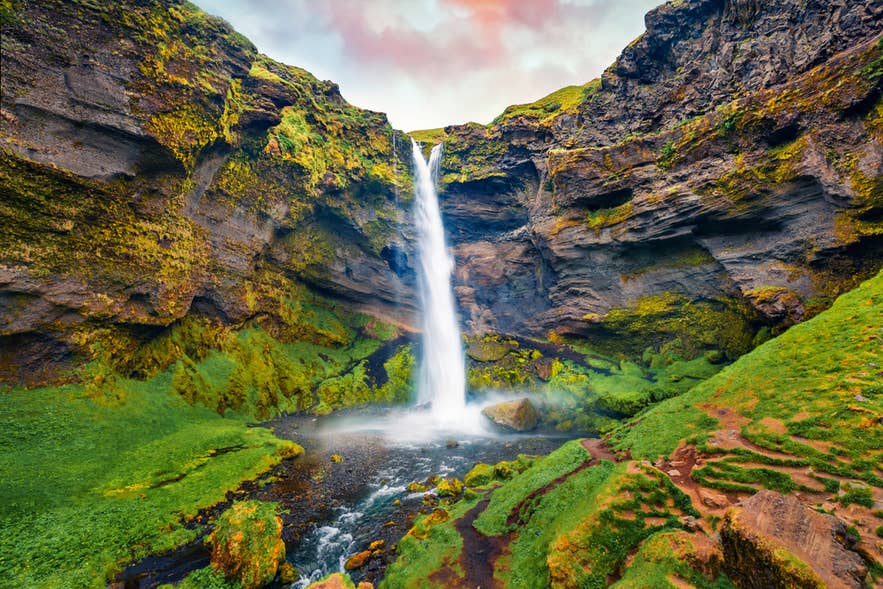
Just a short walk from Skogafoss, Kvernufoss is a 98-foot (30-meter) waterfall tucked into a narrow canyon behind the Skogar Museum. It topped the hidden-gem ranking and received the highest rating in the study of the country’s most recommended waterfalls.
The trail to the falls is easy and takes about 15 minutes through a grassy valley. It’s much quieter than its famous neighbor, making it ideal for a peaceful nature stop. Few visitors venture here, so it often feels like a hidden treasure.
What makes Kvernufoss special is the path that leads behind the waterfall. From this unique viewpoint, you can watch the water plunge in front of you. The canyon’s mossy walls and natural acoustics enhance the sense of seclusion. It’s a favorite for photographers and those looking for an off-the-beaten-path experience.
Aldeyjarfoss Waterfall
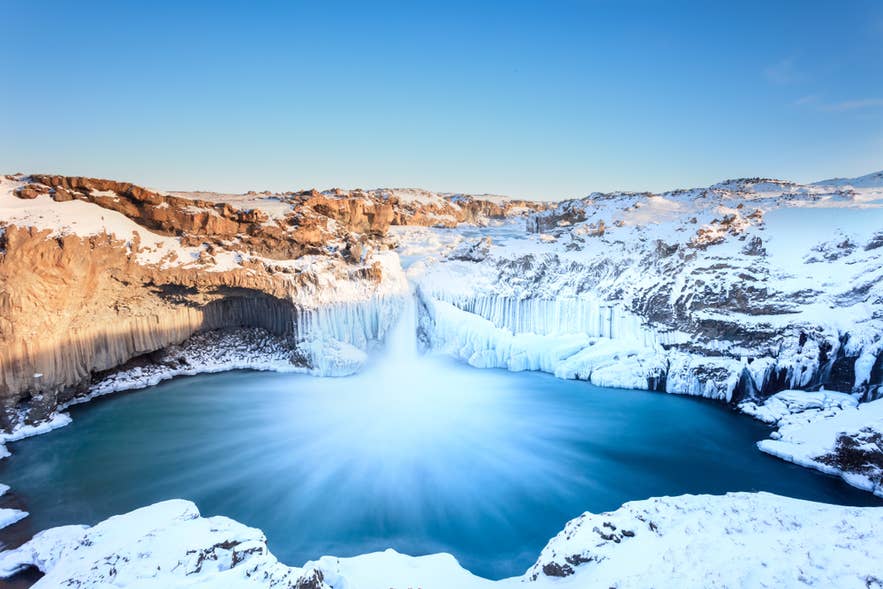
Located deep in Iceland’s Highlands, Aldeyjarfoss features a dramatic 65-foot (20-meter) drop into a turbulent pool framed by dark basalt columns. The study of Iceland’s most recommended waterfalls placed Aldeyjarfoss second in its hidden-gem ranking.
The contrast of white water against geometric lava rock makes it one of the most photogenic waterfalls in the north. The surrounding scenery is rugged and remote, offering a sense of isolation and raw beauty.
Access to Aldeyjarfoss requires a 4x4 vehicle, especially in summer when Highland roads are open. The final stretch includes a gravel path that can be rough in places. Visitors can enjoy the falls from a viewpoint or hike closer for a better look. It’s a great stop for those looking to avoid crowded sites.
Glymur Waterfall
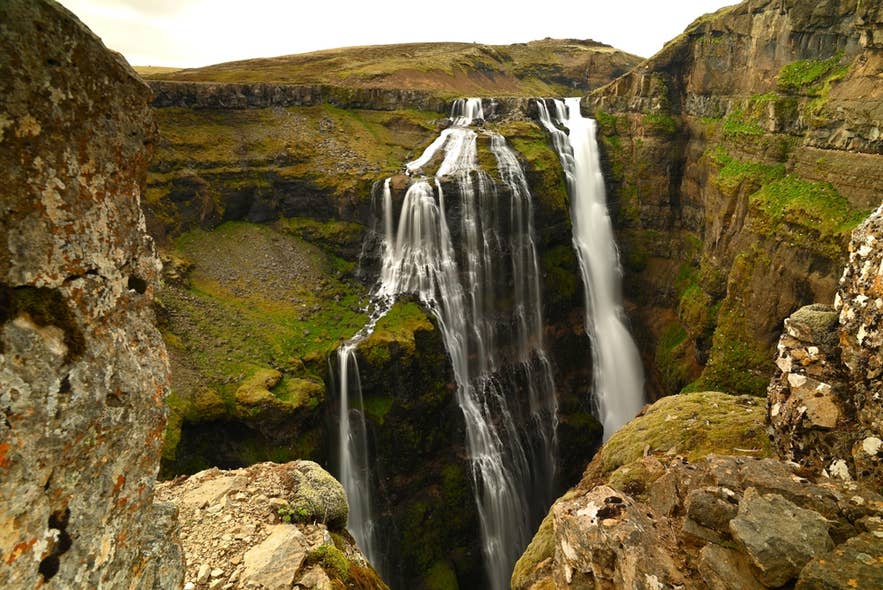
At 650 feet (198 meters), Glymur is Iceland’s second-highest waterfall and a favorite among adventurous hikers. In the study of Iceland’s most recommended waterfalls, Glymur placed fifth overall and among the top five hidden gems.
Reaching it involves a moderately challenging trail with river crossings, steep slopes, and a cave passage. The hike typically takes 2.5 to 3.5 hours round-trip. It’s best attempted in summer when conditions are safer and river levels are lower.
The effort is well worth it. At the top, hikers are rewarded with breathtaking views of Glymur plunging into a deep, narrow canyon surrounded by dramatic cliffs. The area offers stunning photo opportunities and a peaceful atmosphere away from busier tourist sites. Proper footwear and preparation are essential for this route.
Ofaerufoss Waterfall
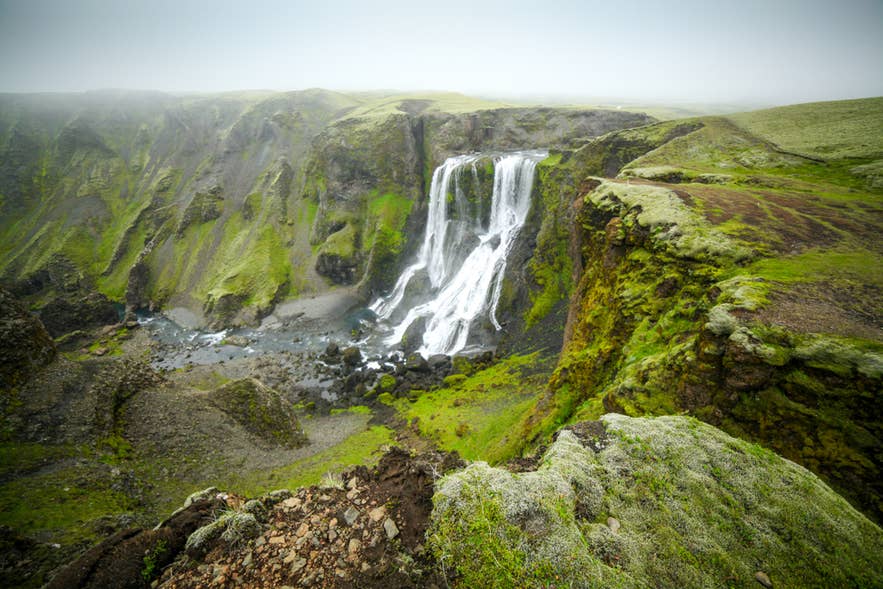 Ofaerufoss is located in the dramatic Eldgja Canyon, a massive volcanic fissure in Iceland’s Highlands. The waterfall drops around 130 feet (40 meters) in two tiers over layered basalt rock, framed by steep cliffs and vivid green Icelandic moss in summer. It’s best accessed from June to September via the F208 mountain road, which requires a 4x4 vehicle.
Though remote, Ofaerufoss rewards adventurous travelers with quiet trails, panoramic views, and geological wonders. The area was once home to a natural stone arch that spanned the waterfall until it collapsed in the 1990s. Today, hikers enjoy peaceful surroundings and minimal foot traffic, making it a standout stop for experienced explorers.
Sigoldugljufur Canyon
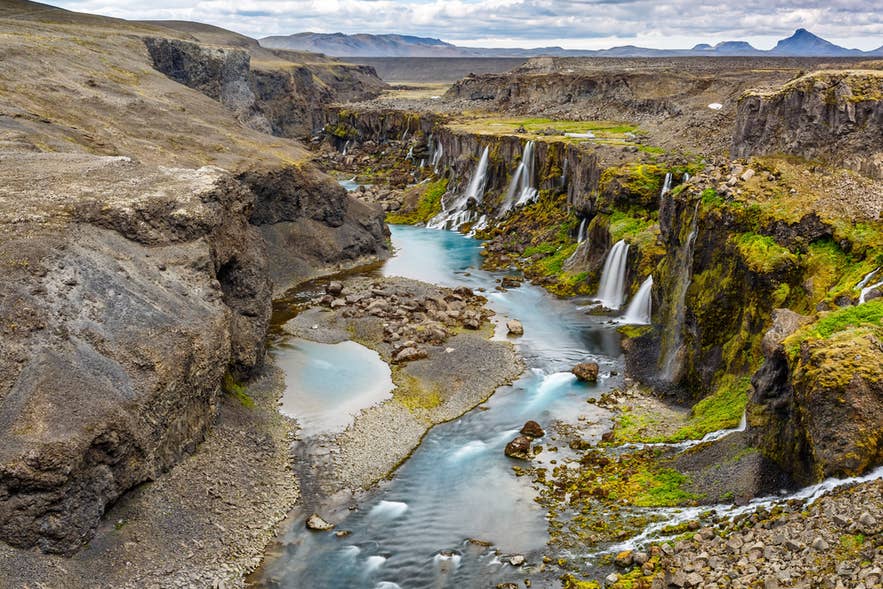 Sigoldugljufur, often called the “Valley of Tears,” is a hidden canyon in Iceland’s Highlands filled with dozens of delicate waterfalls and bright turquoise streams. It stretches nearly 1 mile (1.5 kilometers) and is surrounded by moss-covered cliffs and rugged volcanic terrain. The vivid color of the water comes from glacial melt filtered through lava rock.
Reaching Sigöldugljufur requires a 4x4 vehicle and a short hike from the F208 mountain road. Despite its beauty, it remains lightly visited due to its remote location. The area has no marked trails or signs, giving it a wild, untouched feel. It's a favorite among photographers and hikers seeking Iceland’s quieter, more magical side.
When to Visit Iceland’s Waterfalls
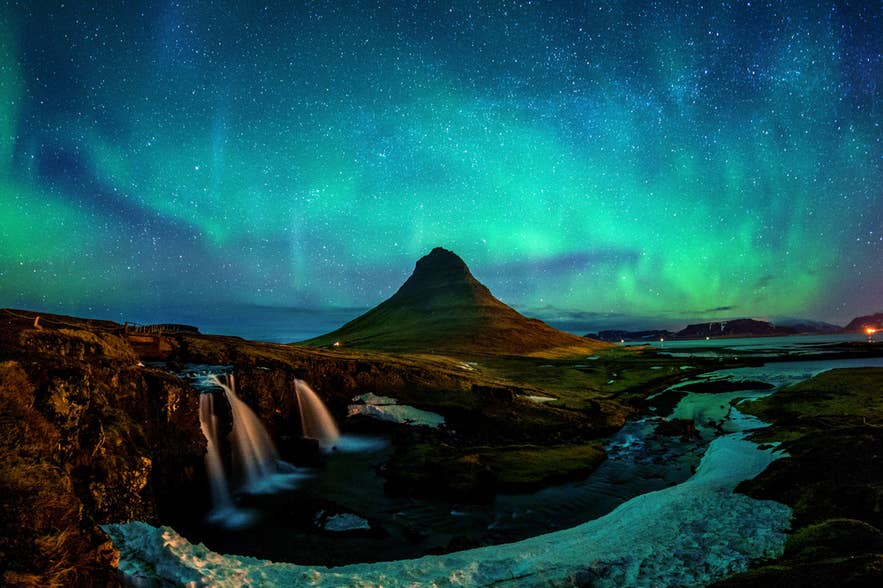 Waterfalls in Iceland are captivating year-round, but the best time to visit depends on the kind of experience you're after. Each season brings unique scenery, accessibility, and photographic opportunities:
-
Summer (June to August):
-
Full access to all regions, including the Highlands
-
Long daylight hours for extended exploration
-
Lush green landscapes and strong water flow
-
-
Autumn (September to October):
-
Vibrant fall colors and fewer tourists
-
Cooler temperatures and shorter days
-
Some remote areas may begin closing due to the weather
-
-
Winter (November to February):
-
Frozen waterfalls and magical icy formations
-
Popular sites like Gullfoss and Godafoss waterfalls remain accessible
-
Limited access to remote or Highland falls due to snow and road closures
-
-
Spring (March to May):
-
Melting snow creates powerful water flow
-
Fewer crowds and increasing daylight
-
Trails may still be muddy or icy, especially in early spring
-
Some waterfalls, such as Gullfoss, Seljalandsfoss, and Godafoss, are accessible all year. However, Highland waterfalls (like Aldeyjarfoss or Ofaerufoss) are typically only reachable in summer due to road conditions.
Many Highland tours operate during this short season, offering access to these remote and spectacular natural sites that are otherwise inaccessible the rest of the year.
Safety Tips for Visiting Waterfalls in Iceland
 Waterfalls in Iceland are among the country's most spectacular natural attractions. However, the combination of powerful water flow, slippery terrain, and unpredictable weather means that visitors should take basic safety precautions. These tips will help ensure a safe and enjoyable experience at any waterfall, from well-known sites to remote locations.
-
Stay on marked paths: Trails near waterfalls can be uneven, steep, or muddy. Wandering off-trail increases the risk of falls or accidents.
-
Watch for spray and wet surfaces: The constant mist around waterfalls makes rocks and pathways extremely slippery. Wear sturdy, non-slip footwear.
-
Respect all signs and barriers: Safety signage and fences are in place for a reason. Avoid crossing them for photos or shortcuts.
-
Check the weather before you go: Sudden rain, wind, or flooding can make certain waterfalls dangerous or inaccessible. Always consult local forecasts and road conditions.
-
Protect your equipment: Waterfalls generate heavy spray that can damage phones and cameras. Use waterproof bags or covers, and carry a dry cloth for lenses.
Taking these precautions will allow you to enjoy Iceland’s incredible waterfalls while minimizing risk to yourself and others.
Final Thoughts
 Iceland’s waterfalls are more than just spectacular sights—they are vivid reminders of the island’s raw geological forces. Whether you are drawn to the thunderous power of a giant cataract or the quiet allure of a hidden cascade, the country offers countless opportunities for discovery.
How many waterfalls are there in Iceland?
Do waterfalls in Iceland freeze in winter?
Are there entrance fees to visit waterfalls?
Can I swim near Icelandic waterfalls?
Are you ready to plan your ultimate Icelandic waterfall adventure and uncover the hidden gems waiting beyond the well-known paths?

I was the Content Manager at Guide to Iceland from 2013 to 2018, and now run the creative studio Huldufugl while working as a freelance writer. I’m passionate about storytelling, Icelandic culture, and creating thoughtful experiences through words and visuals.