Vatnsnes is an easy detour from the Ring Road between Reykjavik and Akureyri. This peninsula has the biggest seal gatherings in Iceland, according to our analysis of Iceland's most reliable seal haul-out sites.
Why You Can Trust Our Content
Guide to Iceland is the most trusted travel platform in Iceland, helping millions of visitors each year. All our content is written and reviewed by local experts who are deeply familiar with Iceland. You can count on us for accurate, up-to-date, and trustworthy travel advice.
One of the best ways to visit Vatnsnes is this 7-day Arctic Coast Way self drive, available in the summer months. July brings the most seals ashore. In September and October,self drive tours still reach large groups of seals on the same shores.
Wildlife at the Vatnsnes Peninsula
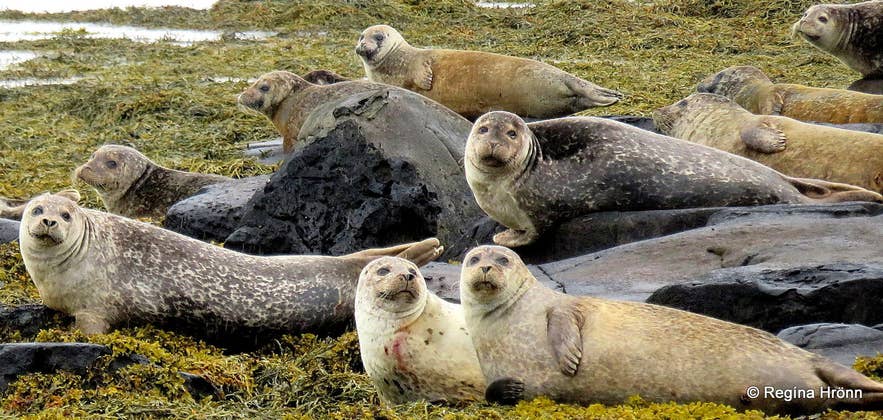
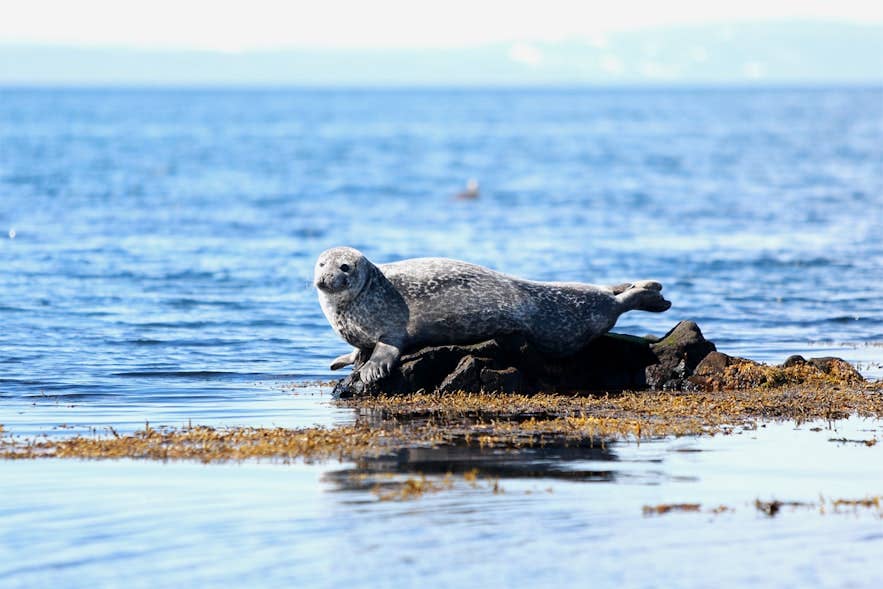 Harbor seals live around the Vatnsnes Peninsula all year, and gray seals visit too. Harp, ringed, hooded, and bearded seals turn up occasionally in Icelandic waters. Rogue walruses appear on rare occasions, but not as far south as Vatnsnes.
The best time to view the seals is the two hours before and after low tide, when the weather is clear.
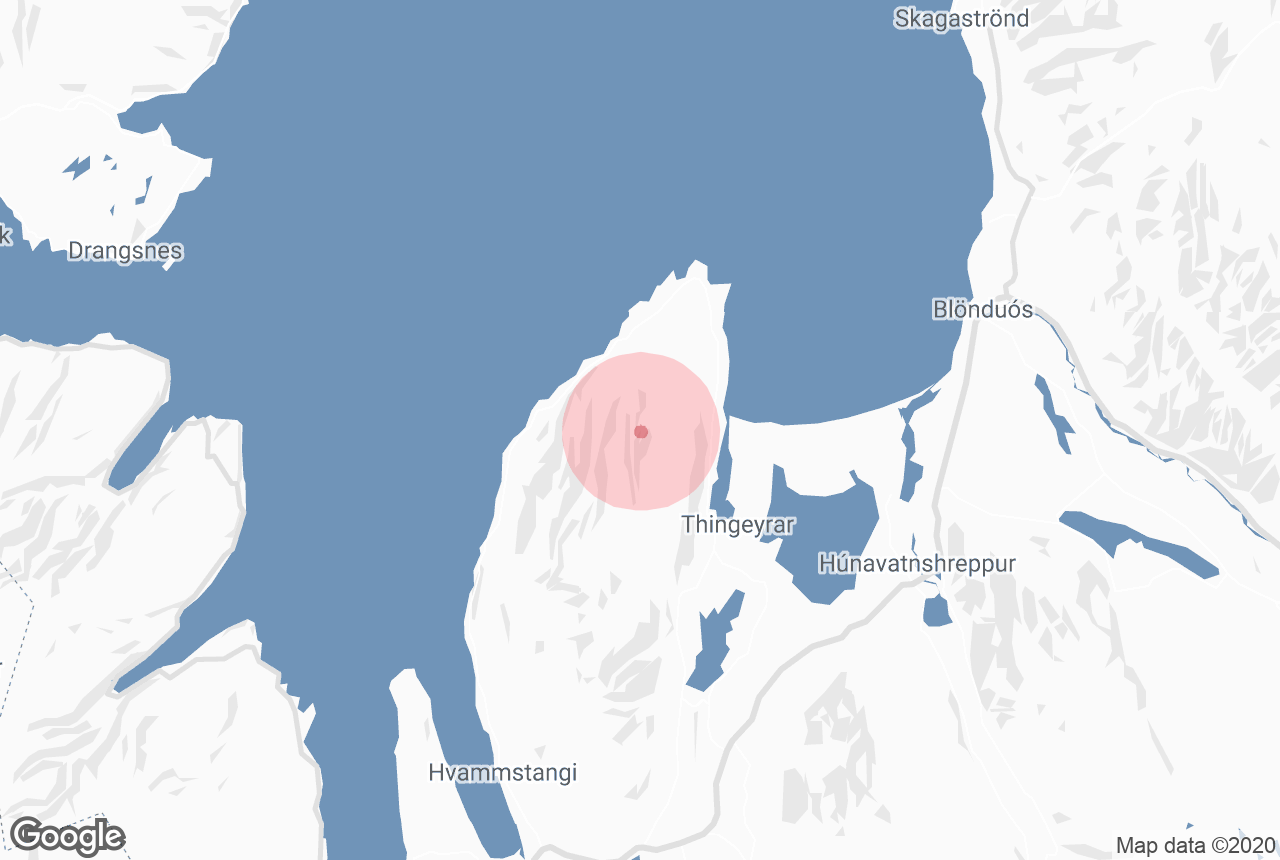
The best places to see seals on the Vatnsnes Peninsula are Illugastadir and Osar. Illugastadir is a farm on the west coast, and Osar sits below the Hvitserkur Sea Stack on the east coast. Both have parking and marked paths to the viewing points.
Illugastadir has a viewing shelter with binoculars and a toilet nearby. The viewing area closes while eider ducks nest in early summer. Check with the Icelandic Seal Center in Hvammstangi before visiting in late May or June.
The Icelandic Seal Center has been running since 2005. Its exhibitions cover the biology and distribution of seals, their protection, and the relationship between seals and people since the settlement. It also has information on the birds and whales that frequent the Vatnsnes Peninsula.
The seals of these sanctuaries are not particularly afraid of people, but even so, they are wild animals and should not be approached, and definitely not fed; though usually peaceful, seals have been known to bite, and such wounds are very easily infected.
It is also essential that, in spite of videos on YouTube, the seals should never be filmed with a drone. They are very sensitive to noise, so the buzzing sound (as well as any shouting) will frighten them away, disturbing the animals and ruining the experience for all other guests.
Geology of the Vatnsnes Peninsula
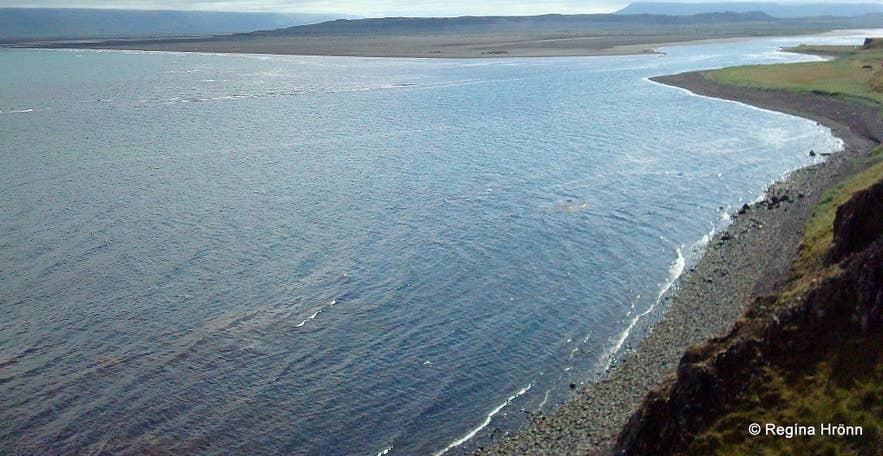 Vatnsnes is a mountainous peninsula that is geologically less active than the rest of the country. It still has interesting basalt formations, however, the most notable of which is the Hvitserkur monolith.
This bizarre feature stands just out to sea in shallow water, and is most often compared to an elephant drinking; some onlookers have said it more resembles a dragon or a dinosaur.
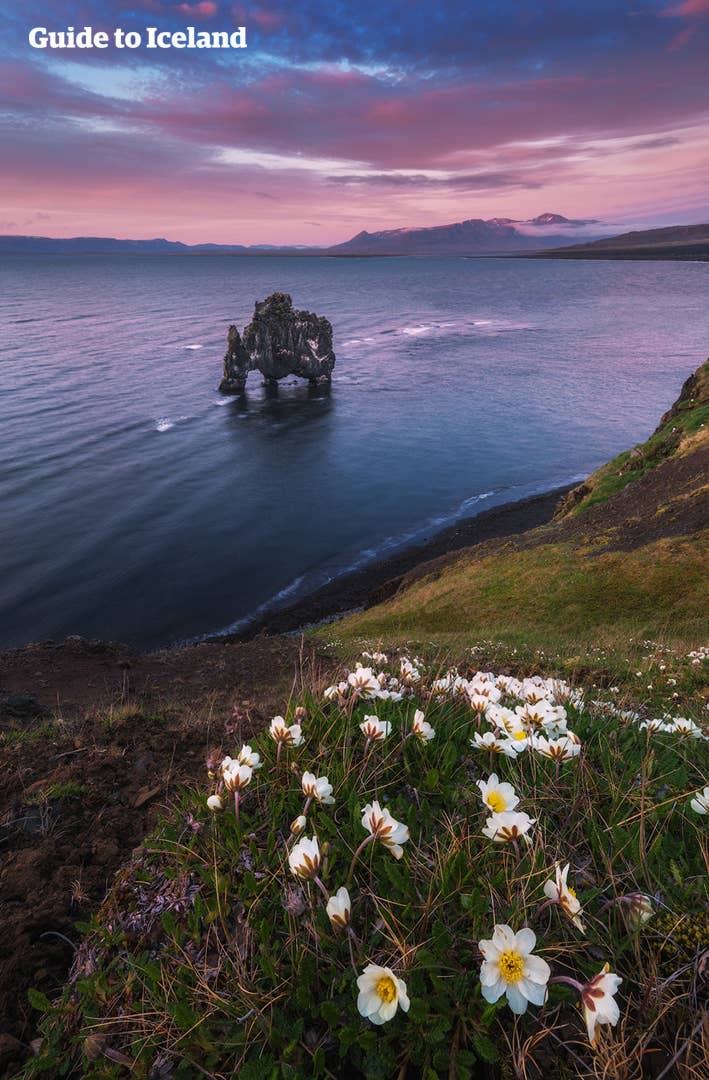 According to legend, however, it is a troll, that waded into the sea to throw rocks at the nearby monastery (trolls, unlike hidden elves, despised Christianity, and could not live on or near sanctified ground). It is said that the sun rose during its assault and it had no time to find shelter; it was frozen into the rock formation you see today.
Hvitserkur has been reinforced at its base with concrete to preserve it for future generations. It is one of the country’s most photographed landmarks, both for its unusual shape and the fact it hosts many nesting birds in summer, who can lay their eggs safe from land predators such as Arctic Foxes and rats.