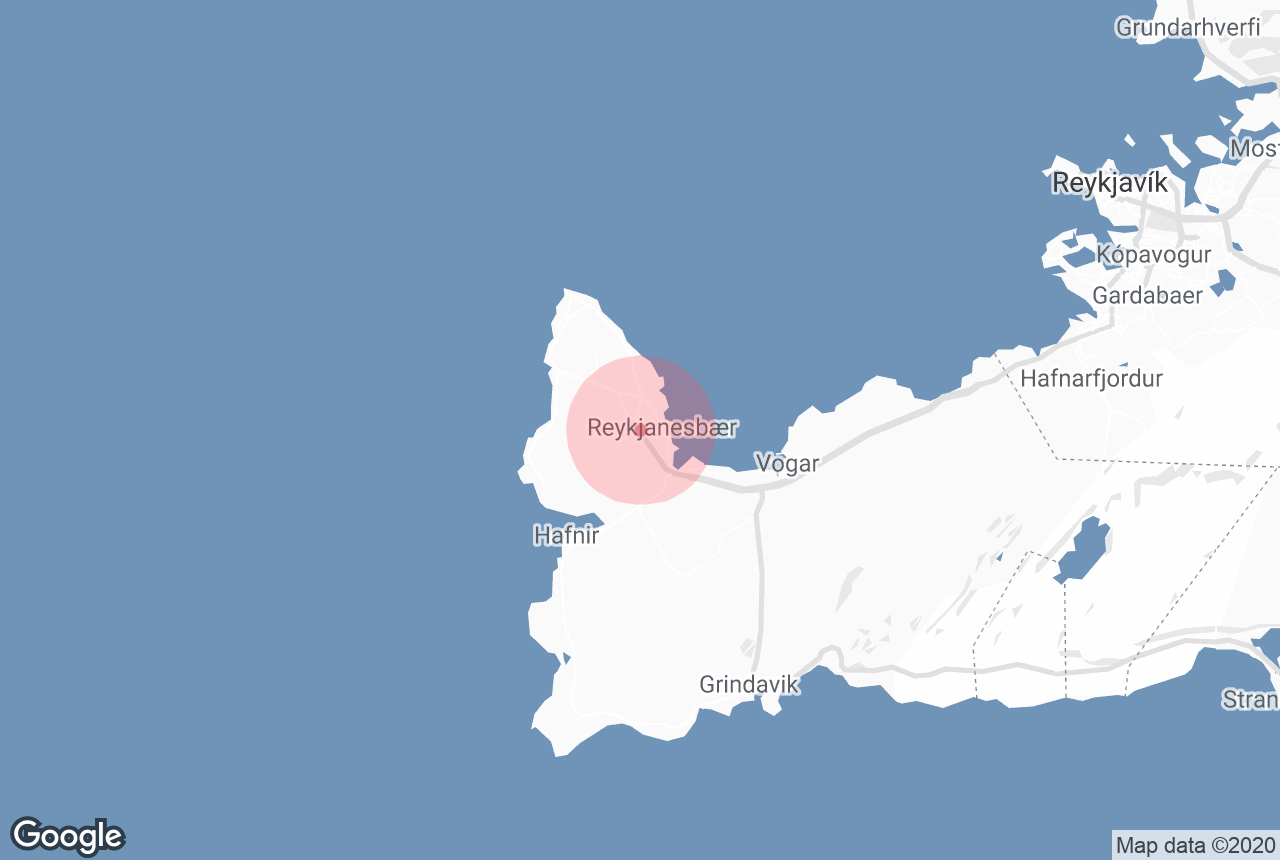
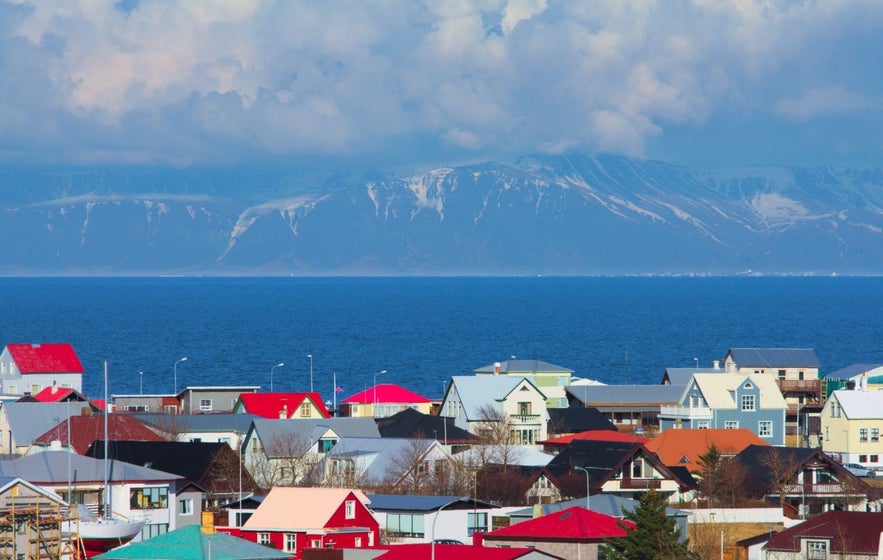
Explore Keflavik to understand how this coastal town fits into an Iceland itinerary beyond airport logistics. Located in Southwest Iceland, Keflavik combines cultural sights, local dining, and easy transport links in a compact setting close to the country’s main international airport.
Nearly all vacations in Iceland begin or end in Keflavik, reflecting the town’s role as a practical base for nearby volcanic and geothermal landscapes. This connection makes Keflavik a natural starting point for short excursions or layover and stopover tours without committing to long travel days.
Keflavik is often included in tours of the Reykjanes Peninsula and also works well for self-drive tours, as roads around town are well-marked and easy to navigate. Car rentals are readily available, and distances between key sights remain short, which helps keep travel days simple and flexible.
The sections below focus on Keflavik, including what to see and do, where to eat and stay, and how to get around. Together, they provide the context and practical details needed to plan your time in Keflavik with confidence.
Why You Can Trust Our Content
Guide to Iceland is the most trusted travel platform in Iceland, helping millions of visitors each year. All our content is written and reviewed by local experts who are deeply familiar with Iceland. You can count on us for accurate, up-to-date, and trustworthy travel advice.
Key Takeaways for Visiting Keflavik
-
Keflavik is Iceland’s main international gateway and sits on the Reykjanes Peninsula, about 45 minutes from Reykjavik by car.
-
Staying in Keflavik works well for early departures, late arrivals, and trips focused on the Reykjanes Peninsula.
-
Keflavik is one of the sunniest places in Iceland, according to our sunshine study. May is its sunniest month, so a spring stopover has good odds of sun.
-
Renting a car is the most practical way to get around Keflavik and nearby sights, as public transportation is limited outside main routes.
-
Transport from Keflavik to Reykjavik is straightforward by car, public bus, airport transfers, or taxi, with driving being the fastest option.
-
Keflavik town offers easy access to cultural attractions such as Viking World, the Icelandic Museum of Rock ’n’ Roll, and local folklore sites near the marina.
-
The surrounding Reykjanes area features volcanic landscapes, geothermal activity, and highlights like the Blue Lagoon, Gunnuhver Hot Springs, and the Bridge Between Continents.
Iceland’s International Airport in Keflavik
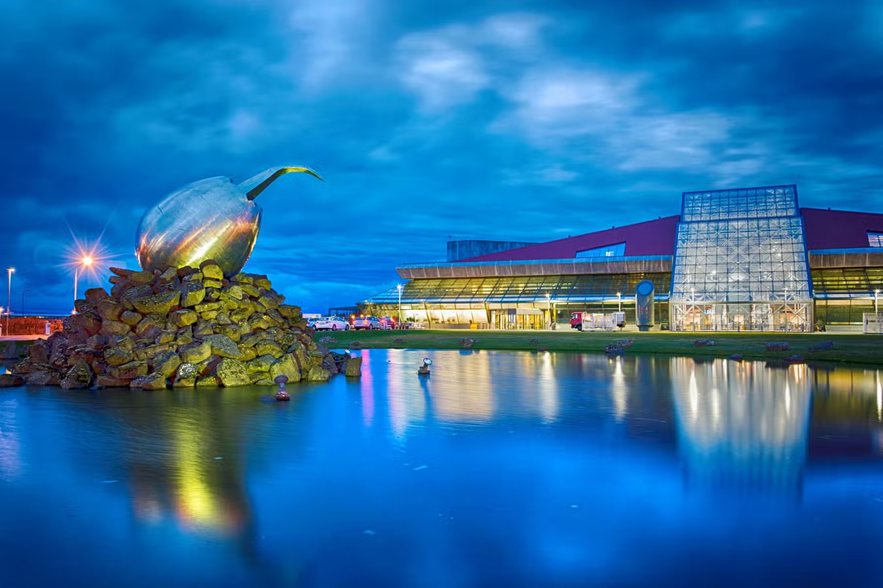
Iceland’s main international airport is located in Keflavik. Keflavik International Airport, known as KEF, sits just outside the town center on the Reykjanes Peninsula and is the arrival point for most travelers flying to Iceland. Because of its location, Keflavik is often the first town visitors encounter after landing.
Keflavik Airport handles nearly all international flights to and from Iceland. It is separate from Reykjavik Airport (RKV), a small domestic airport in central Reykjavik. Travelers flying onward within Iceland usually transfer between the two airports, which are connected by a drive of about 45 minutes.
Most flights from North America land at Keflavik International Airport early in the morning, according to our study of the best airlines to fly to Iceland. Staying in Keflavik can be convenient before or after flights in Iceland. Its location next to the airport gives easy access to accommodations, dining, coastal walking paths, and car rentals, without the need to travel into Reykjavik.
Keflavik Beyond the Airport
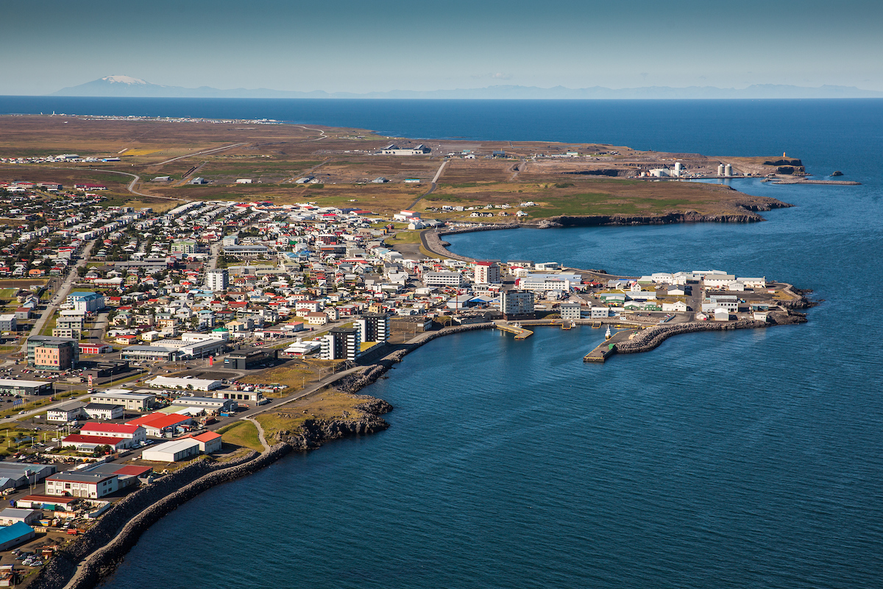
Many travelers pass through Keflavik on their way to Reykjavik, but the town has its own identity shaped by fishing, international connections, and modern Icelandic culture. The name Keflavik means “Driftwood Bay,” a reference to the wood that once washed ashore and supported early settlement along this exposed coastline.
Keflavik later developed as a fishing town, which is still reflected in its harbor and seaside paths today. During World War II, Allied forces built an airstrip in the area to secure North Atlantic routes. That airstrip later became Keflavik International Airport and established the town as one of Iceland’s most internationally connected places.
The long U.S. military presence that followed introduced American music and popular culture to Keflavik earlier than elsewhere in the country. This influence earned the town the nickname “Beatle Town,” and for decades, it was known as home to many of Iceland’s best musicians.
Today, Keflavik offers several sights that reflect its character. The Icelandic Museum of Rock ’n’ Roll showcases the town’s music legacy, the Viking World Museum explores early settlement, and the Giantess in the Cave near the harbor introduces local folklore. These places offer a starting point for exploring Keflavik itself.
Things To Do in Keflavik
The main things to do in Keflavik focus on culture in town and nature across the Reykjanes Peninsula. Many travelers pick up rental cars at Keflavik International Airport and start exploring soon after arrival. Public transportation in the area is limited, and most sights are easier to reach by car.
In Keflavik town, start with a few easy cultural stops. Purchase a Viking World ticket to see the Islendingur, a full-scale replica of a ninth-century Viking ship. Continue to the Icelandic Museum of Rock ’n’ Roll to learn about Iceland’s music, then stop by the Giantess in the Cave near the marina for a playful introduction to local folklore.
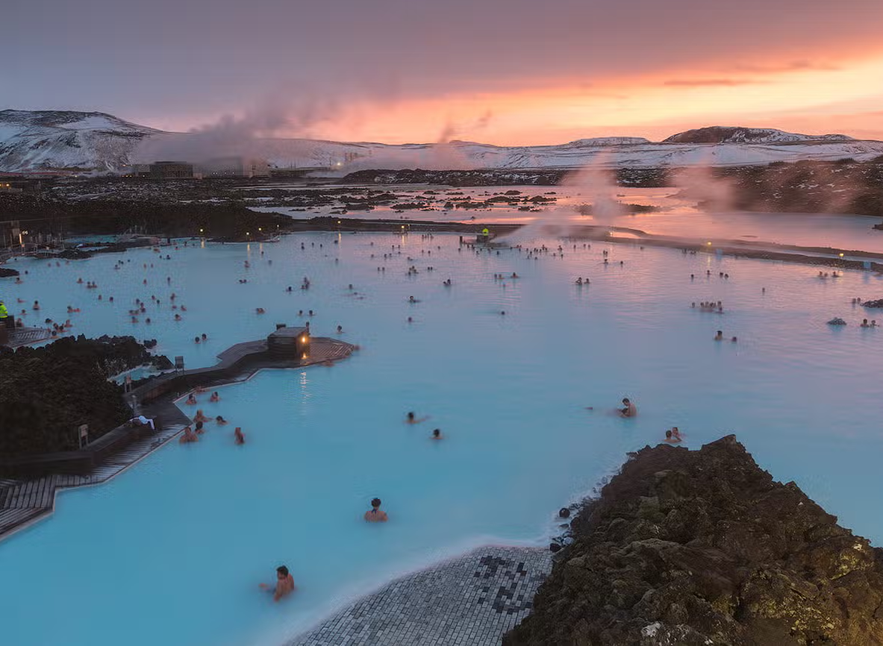
Beyond town, explore the volcanic landscapes of the Reykjanes UNESCO Global Geopark. Drive through lava fields and see where tectonic forces shape the land. Soak in the geothermal waters of the Blue Lagoon, walk between tectonic plates at the Bridge Between Continents, and visit the Gunnuhver Hot Springs to watch steam rise from the ground.
These highlights cover the main activities around Keflavik, including some of the top things to do near the Blue Lagoon and across the Reykjanes Peninsula. Along the way, you will also find smaller coastal viewpoints, lava formations, lighthouse stops, and geothermal areas that reward slowing down and exploring beyond the main attractions.
Where To Eat in Keflavik

Keflavik’s dining scene goes well beyond typical airport food. A good range of restaurants lines Hafnargata Street and the nearby side streets, forming the town’s main dining hub. You will find everything from modern Icelandic cuisine to international flavors, including spicy South Asian dishes at Biryani and Middle Eastern plates at Oriento.
Brons Sports Bar, located just off Hafnargata Street, stands out as one of the most popular and reliable places to eat in Keflavik. It serves modern Icelandic dishes made with local ingredients such as fresh fish and lamb, alongside well-executed comfort food. The atmosphere is lively but welcoming, with craft beers, darts, and live sports in the evenings.
Where To Stay in Keflavik
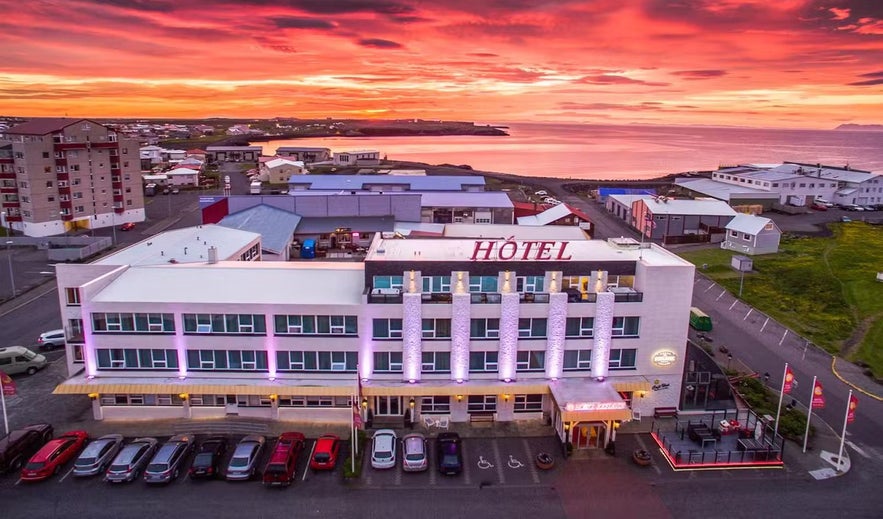
Staying in Keflavik is a practical choice when planning an Iceland itinerary. Many international flights depart early in the morning or arrive late at night, and several hotels near Keflavik Airport are only a short drive away. Options include Hotel Keilir, Hotel Grasteinn, and Hotel Keflavik, all of which reduce the need for a long drive to or from Reykjavik.
Keflavik also works well as a base at the start or end of a trip. From here, it is easy to visit the Blue Lagoon, the Bridge Between Continents, and other Reykjanes Peninsula sights without backtracking. Accommodation options in Keflavik range from modern airport hotels to guesthouses and apartments in town, offering convenience and a more local feel.
How To Get to Reykjavik From Keflavik
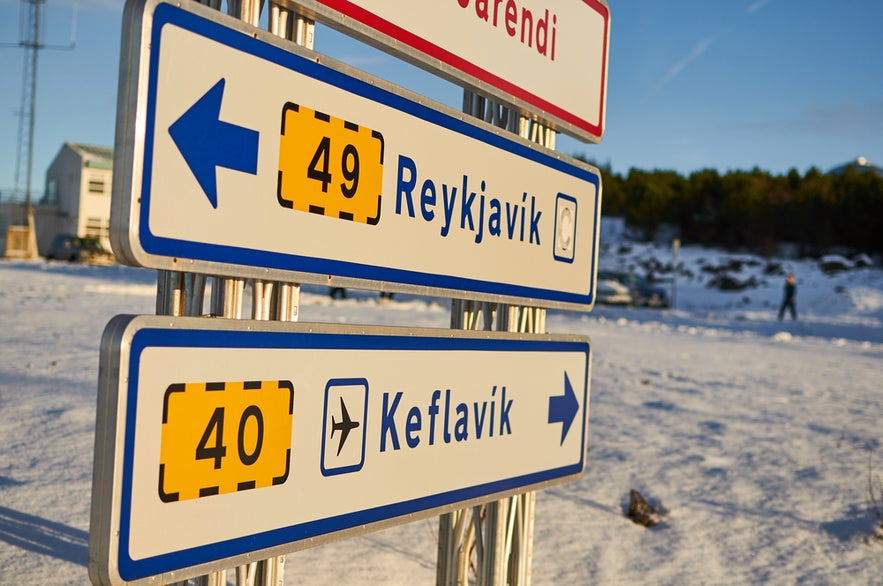
Driving to Reykjavik is the fastest and most flexible way to travel from Keflavik. The drive follows Route 41 and usually takes about 45 minutes under normal conditions. The road is well-maintained and crosses open lava fields. Having a car also allows you to try some of the main things to do in Reykjanes before continuing to the capital.
For those traveling around Iceland without a car, several other transport options connect Keflavik and Reykjavik. Public buses, taxis, and airport transfers all run between the two locations.
-
Public Bus: The most affordable option is the public bus. Straeto Line 55 runs between Keflavik and Reykjavik, with several stops in town. The journey takes about 60 to 70 minutes and costs around 2,400 ISK (about 19 USD). You pay on board with a debit or credit card or with cash, as Klapp tickets are not valid on this route. Some weekday trips and every weekend trip end at Fjordur in Hafnarfjordur instead of the BSI Bus Terminal, so check the Straeto route 55 timetable before you travel.
-
Taxis: Taxis are available but are significantly more expensive. Uber and Lyft do not operate in Iceland, though local taxi companies and the Hopp Taxi app serve the route. A taxi ride between Keflavik and Reykjavik typically costs between 18,000 ISK and 35,000 ISK (about 130 USD to 250 USD), depending on the time of day.
-
Airport Shuttles: Airport buses are one of the most common ways to travel from Keflavik Airport to Reykjavik. A Flybus transfer departs around 35 to 45 minutes after flight arrivals and runs throughout the day. Services connect Keflavik Airport with the BSI Bus Terminal, with optional hotel drop-offs available.
-
Private Transfers: A private airport transfer is a comfortable option for travelers who prefer direct transport or are traveling in a group. While more expensive than buses, these services can be booked in advance and take you straight to your accommodations in Reykjavik.
See Keflavik Beyond the Airport
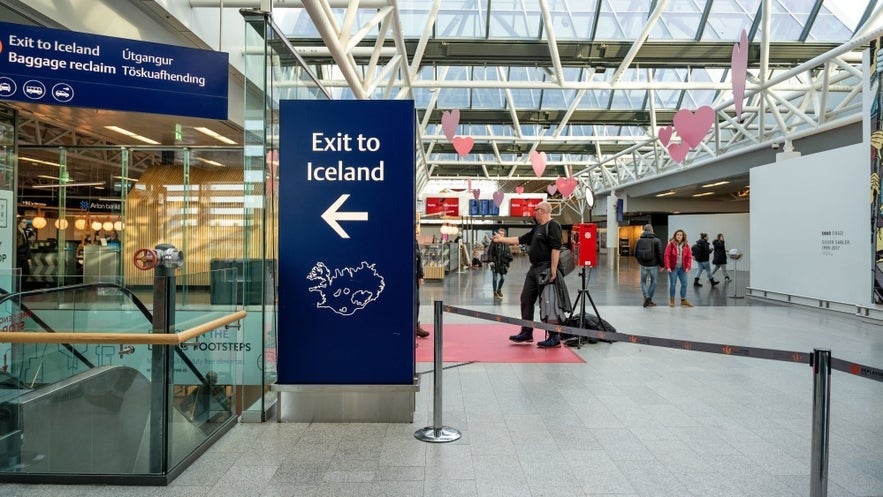
Keflavik is more than Iceland’s main arrival point. Its location on the Reykjanes Peninsula makes it a practical base for early departures, late arrivals, and exploring volcanic landscapes, geothermal sights, and cultural attractions close to the airport.
With direct connections to Reykjavik, a compact town center, and quick access to places like the Blue Lagoon, Keflavik fits naturally into both short stopovers and longer Iceland itineraries. Staying here can simplify logistics at the beginning or end of your trip while offering a quieter alternative to the capital.
For travelers who take time to look beyond the terminal, Keflavik adds value rather than just convenience. After exploring the town and the Reykjanes Peninsula, you can continue your journey to Reykjavik, the Golden Circle, and the South Coast, where waterfalls, glaciers, and some of Iceland’s most iconic landscapes await.
How do you pronounce Keflavik?
In Icelandic spelling, it is written Keflavík, with an accent on the “í,” which slightly lengthens the vowel. If you are asking for directions at Keflavik International Airport (KEF), saying “KEP-la-veek” will sound natural and correct.
Was Keflavik a US military base?
After the U.S. military departure in 2006, the former base area was redeveloped into Asbru, which now includes housing, schools, business centers, and aviation training facilities. NATO aircraft still use Keflavik Airport periodically for Arctic security operations, but there is no permanent U.S. base today.
What is the average temperature in Keflavik?
The wind comes with plenty of sun, though. Our 26-year sunshine study found Keflavik gets about as much sunshine as Reykjavik over the year, and May is its sunniest month.
How much is a taxi from Reykjavik to Keflavik?
Can I visit the Blue Lagoon from Keflavik?
You can reach it by rental car, taxi, or pre-booked transfer shuttle. Advance reservations are required year-round and especially important during peak summer travel, when visitor numbers across southwest Iceland are expected to increase.