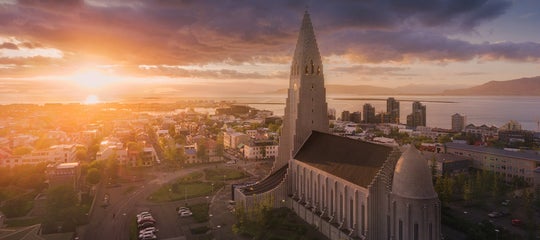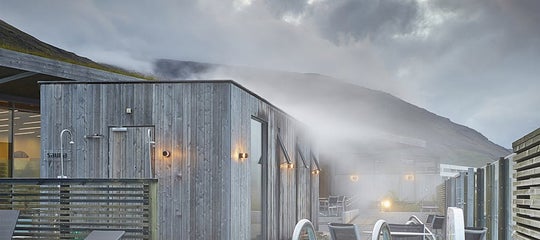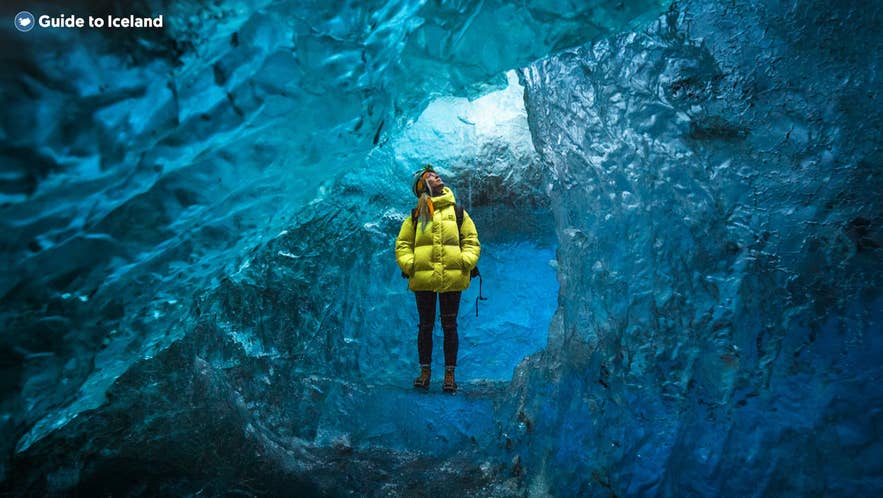
It's little wonder why so many people visit Iceland during the wintertime. The country's dramatic landscapes take on a different coat during winter, often becoming unrecognizable compared to their summer counterparts. Winter is also the perfect season to witness the mesmerizing northern lights and go on ice cave tours to explore the inside of a glacier.
There's nothing quite like waking up and viewing a stunning wintery landscape through the window of your hotel in Iceland. Whether you're planning on taking a self-drive tour and exploring the Ring Road or hoping to witness the northern lights dancing in the sky while you take a relaxing soak on a hot springs tour, let's go over the best things to do during winter in Iceland in 2027.
Why You Can Trust Our Content
Guide to Iceland is the most trusted travel platform in Iceland, helping millions of visitors each year. All our content is written and reviewed by local experts who are deeply familiar with Iceland. You can count on us for accurate, up-to-date, and trustworthy travel advice.
- Be sure you know What to Wear in Iceland before visiting
- Learn about Iceland's Weather, Climate, and Temperature Year-Round
Things to Do in Iceland During Winter in 2027
If you're visiting Iceland in the winter of 2027, here are some of the things we recommend trying to make the most of your experience.
See the Northern Lights
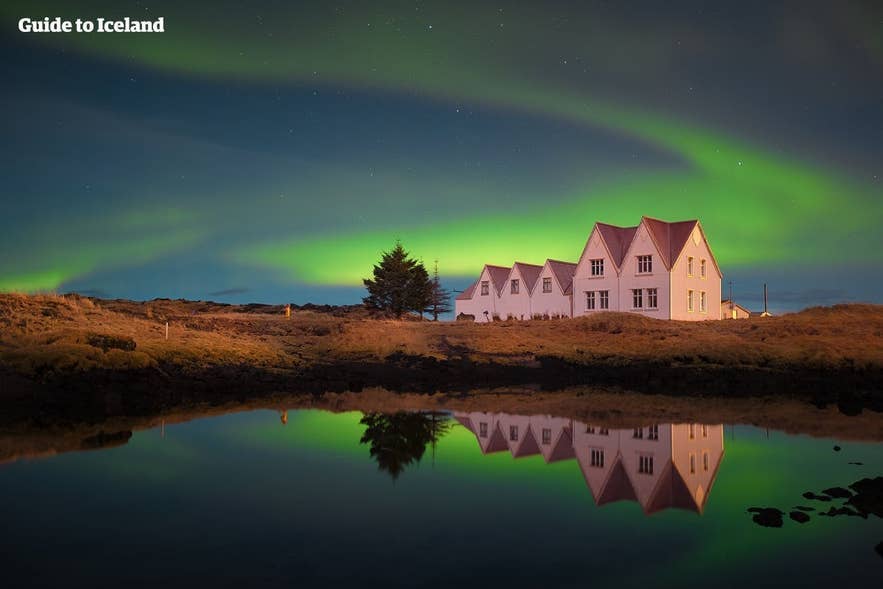 Winter is the best time to see the northern lights in Iceland. The long nights and dark skies from late September to early April provide ideal conditions for viewing this natural phenomenon. The peak season for northern lights sightings is generally between November and February when the nights are the longest and the skies are the darkest.
To increase your chances of witnessing the northern lights, seek out areas with minimal light pollution and clear skies, often found in the remote parts of the country. Joining guided northern lights tours can also enhance your experience, as they take you to the best viewing spots and provide expert knowledge about this spectacular display.
Visit an Ice Cave
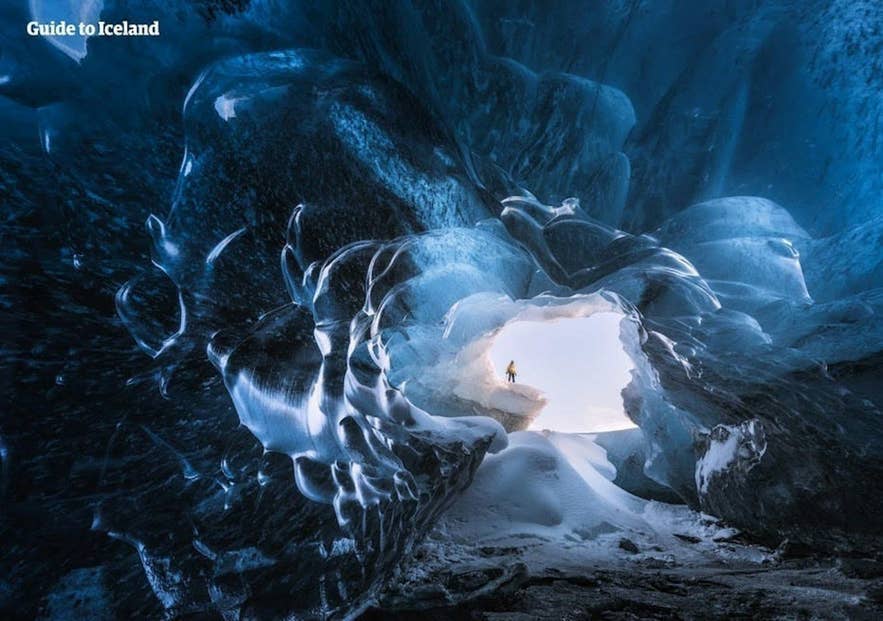
While the Katla Ice Cave near Vik can be visited all year round, winter is still the best time to visit ice caves in Iceland. During winter, more ice caves remain stable and safe to explore thanks to the colder temperatures, ensuring the ice remains solid.
Some of the most popular ice caves in Iceland, like the Crystal Ice Cave in Vatnajokull Glacier, are accessible only in winter. Guided tours are the only way in, and most of them run. Fewer than one departure in thirty gets called off there, according to our study of the best ice cave tour operators in Iceland.
See the Volcano Area
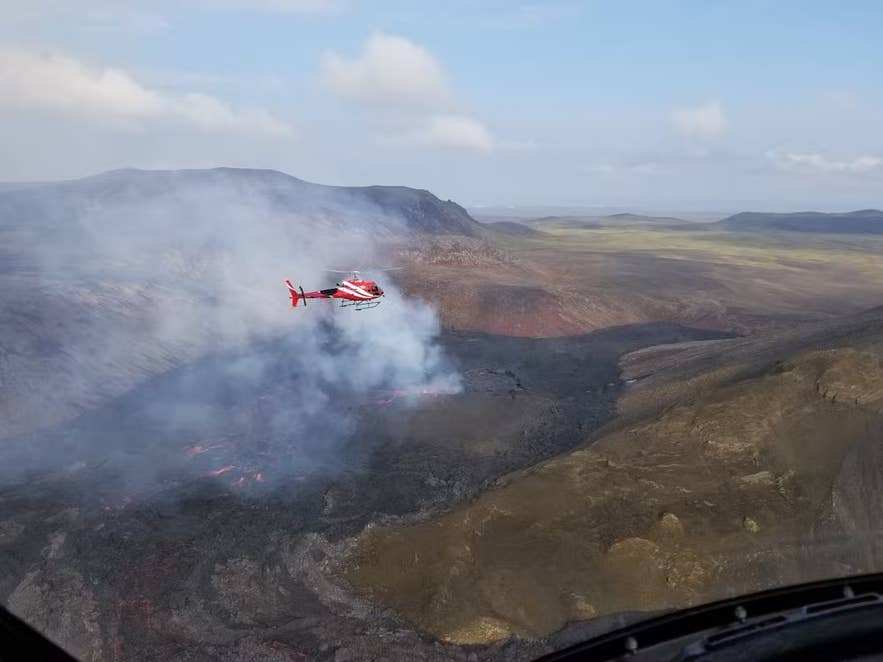 The Reykjanes Peninsula has been the most volcanically active corner of Iceland this decade, with nine eruptions along the Sundhnukur crater row between December 2023 and August 2025.
There is no eruption underway as this article is written, and there has not been one since the ninth ended on August 5, 2025. Magma is still collecting beneath Svartsengi, though, and the Icelandic Meteorological Office considers another eruption likely. In our experience, that is not a reason to stay away - it is a reason to check before you go. An eruption here can begin with only a few hours of seismic warning, so look at the Icelandic Meteorological Office and SafeTravel on the morning you set out, and never walk onto fresh lava, which stays hot and unstable long after an eruption ends and traps volcanic gas in hollows.
The eruptions have created vast lava fields, permanently reshaping parts of Iceland’s landscape. Taking a helicopter tour of the Reykjanes volcano area allows you to see Mother Earth's stunning artistry from a bird's eye view - an experience you won't soon forget.
- Learn about the Volcanic Eruptions on the Reykjanes Peninsula in Iceland - A Complete Timeline (2021-2025)
Bathe in a Hot Spring
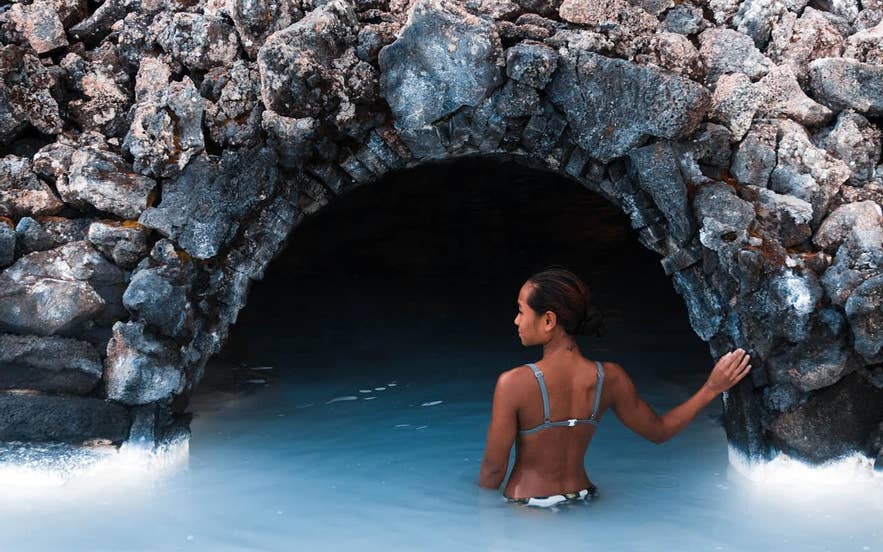 There's nothing quite like the contrast between the chilly winter air and the warm, soothing waters of Iceland's geothermal hot springs. Bathing in these naturally heated waters surrounded by snow-covered landscapes, possibly under the northern lights, offers a truly magical and unforgettable experience.
The Blue Lagoon is Iceland's most popular attraction and on the bucket list of most visitors to Iceland. The Sky Lagoon is another great geothermal bath option, conveniently located right by the capital of Reykjavik, and the Hvammsvik Hot Springs offer a superb bathing experience with an incredible view of the adjacent scenery.
Join a Guided Day Tour
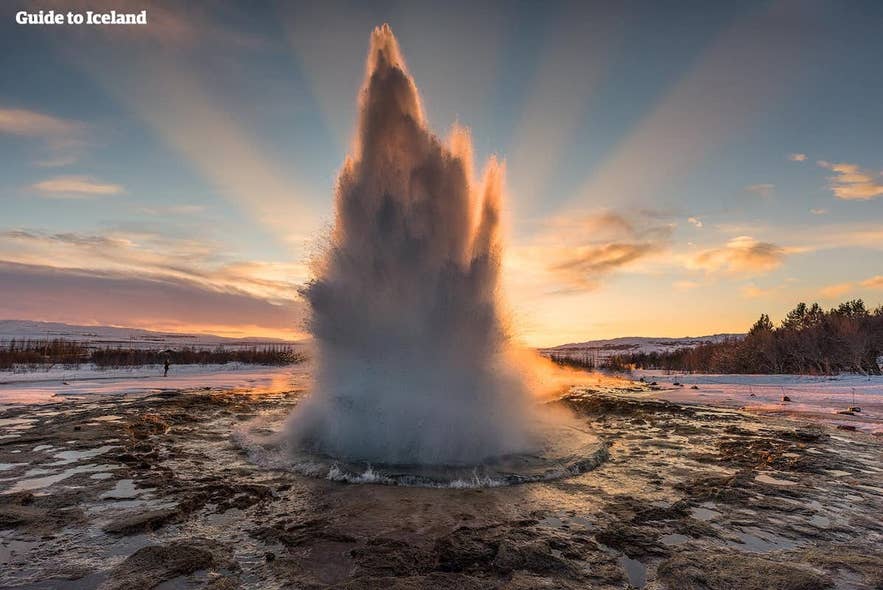 While renting a car and exploring Iceland on your own terms can be amazing, getting insight from a local expert can elevate your experience of already fantastical locations to new heights. There are many great Iceland tours to choose from, depending on what you're after.
The Golden Circle is Iceland's most popular sightseeing route, offering a nice mix of diverse natural wonders, and booking a Golden Circle tour is almost mandatory when visiting the country. Taking a tour of the South Coast is another popular option, showcasing Iceland's iconic black sand beaches and jaw-dropping waterfalls.
Celebrate at the Reykjavik Winter Lights Festival
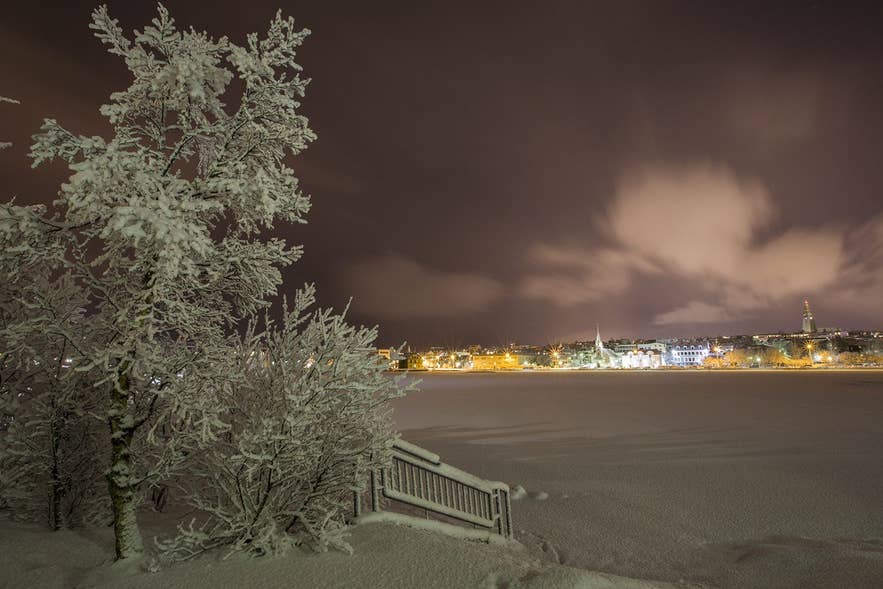 Reykjavik marks the end of its darkest weeks with Vetrarhatid, the Winter Lights Festival, running from February 4 to 7 in 2027. The program spreads across all six municipalities of the capital area, counts more than 150 events, and every single one of them is free.
Three anchor events are worth planning around. Museum Night keeps the city's museums open late into the evening, Pool Night turns the geothermal swimming pools into after-dark venues for music and bathing, and the Light Trail throws large-scale projections across landmarks and public buildings. We recommend basing yourself in central Reykjavik that weekend, since most of it is walkable and the shuttle buses between venues fill up fast. For everything else on the calendar, see our guide to the top festivals in Iceland, and check Iceland in February for what the weather will be doing.
Try Thorri Food at a Thorrablot Feast
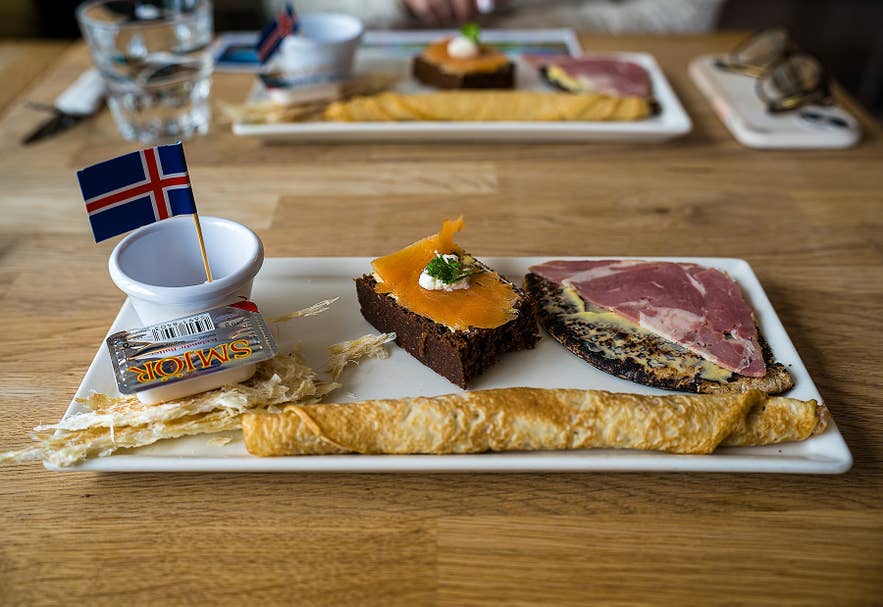 Midwinter in Iceland has a month of its own. Thorri begins on Friday, January 22 and ends on Saturday, February 20 in 2027, following the old Icelandic calendar. Across those four weeks, communities all over the country hold thorrablot feasts: long evenings of traditional Icelandic food, speeches, singing, and dancing.
The food is the part visitors remember. Platters arrive loaded with cured shark, smoked lamb, singed sheep heads, blood pudding, and rye bread, usually chased with a shot of brennivin. You do not have to finish all of it to enjoy the evening, and in our experience most of it is far tamer than its reputation suggests - our guide to the weirdest foods in Iceland explains what you are getting into. Plenty of Reykjavik restaurants serve a thorri platter through the season, so you can try it without an invitation to a village feast. Thorri opens with Bondadagur, when Icelanders celebrate the men of the house, and the month closes with Konudagur on Sunday, February 21, 2027, the women's day.
February brings a second run of food traditions. Bolludagur on February 8, 2027, Sprengidagur on February 9, and Oskudagur on February 10 fill the bakeries with cream buns, the pots with salted lamb and split pea soup, and the streets with costumed children singing for candy. Our guide to Bun Day, Explosion Day, and Ash Wednesday in Iceland takes the three in order, and Iceland in January covers what to expect from the first half of the season.
Those are our picks for the best things to do in the winter of 2027 in Iceland. Are you planning on visiting? What are you hoping to see and do? Let us know in the comments!

Hi, I’m Arnar Tómas, a storyteller with a background in journalism and content creation. I’ve worked with top Icelandic media and travel organizations, and I’m into fantasy football, pro wrestling, and travel.