Iceland is the only country in the world where the first day of summer is a public holiday. If you are visiting at this time, you can expect a festive atmosphere and a tradition unlike any other. Keep reading to learn how it is celebrated and why it holds such a special place in Icelandic culture.
For travelers planning spring trips to Iceland, don't miss out on the First Day of Summer. It's one of the biggest celebrations of the year, which might sound surprising, but it makes perfect sense when you consider how long, dark, and demanding winter in Iceland can be.
When the spring season in Iceland finally starts to arrive, even marking summer on the calendar feels like a reason to celebrate. It's always celebrated on the first Thursday after April 18th, and is a public holiday.
The First Day of Summer in Iceland is celebrated with parades and community events. You may spot special cakes and pastries in bakeries in Reykjavik, long queues of locals at ice cream parlors, or live music in venues around the Capital Region.
Many families give children simple presents they can enjoy outdoors, such as a new ball, bike, or games to play in the fresh air. The focus is not on large surprises, but on celebrating the arrival of brighter days and encouraging time outside after the long winter.
Curious how this tradition began, why Icelanders take it so seriously, and how the First Day of Summer is celebrated today? Keep reading to discover the story behind one of Iceland’s most charming holidays.
Key Takeways
-
The First Day of Summer in Iceland is a national public holiday celebrated between April 19 and April 25. It marks the symbolic end of winter, even if spring weather is still cold.
-
The Icelandic name for the day is "Sumardagurinn fyrsti".
-
Locals wish eachother a "happy summer," or "gleðilegt sumar" in Icelandic.
-
Celebrations focus on parades, family-friendly events, and small gifts for children. Towns across Iceland host music, outdoor activities, and community gatherings that highlight optimism and togetherness.
-
The holiday marks the start of the old month of Harpa, the first summer month on the traditional Old Norse calendar. It represents renewal, longer days, and the hopeful transition into a brighter season.
What Is the First Day of Summer in Iceland?
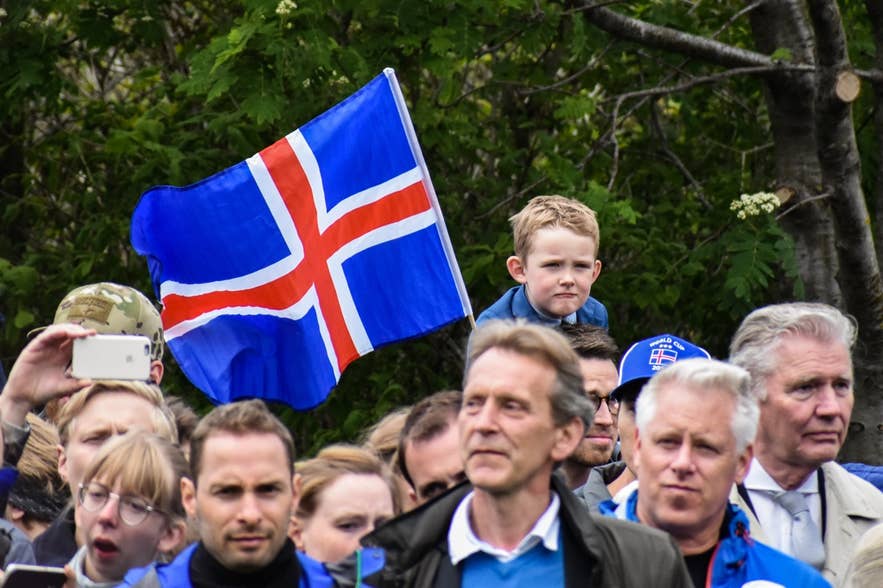
Sumardagurinn Fyrsti, or the First Day of Summer, always falls on a Thursday between April 19 and April 25. It was officially recognized as a legal holiday on December 24, 1971, although Icelanders had been celebrating the day long before 1971.
The holiday goes all the way back to Iceland’s Old Norse calendar, which divided the year into just two seasons: winter and summer. When summer officially began, it was worth celebrating, even if the weather had not quite caught the message yet.
And that idea still holds today. The First Day of Summer is less about sunshine and warm temperatures and more about optimism, renewal, and togetherness. Winter is finally considered over, and that alone is reason enough to mark the moment. Schools close, people gather, and the mood noticeably lifts, even if jackets are still very much required.
So yes, the First Day of Summer in Iceland technically happens in spring. But for Icelanders, it signals something bigger: a turning point, longer days ahead, and the promise that brighter times are on their way.
How the First Day of Summer is Celebrated in Iceland
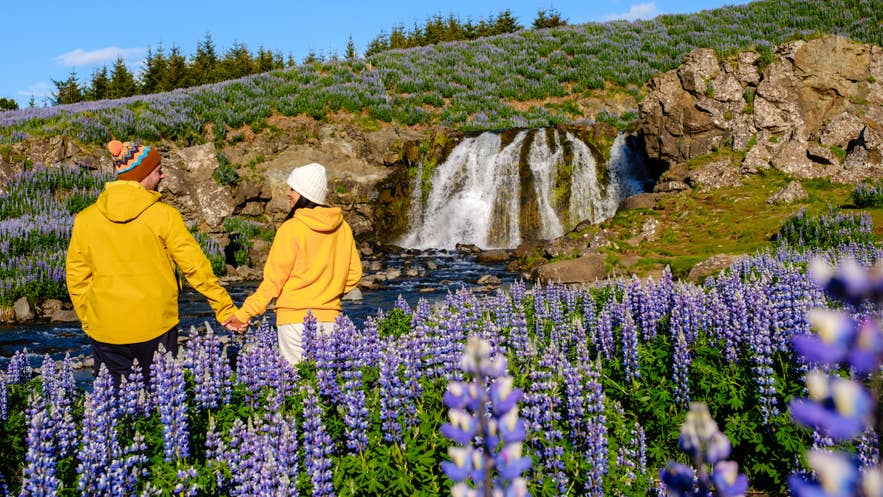
As you learn more about the First Day of Summer, you’ll quickly realize it’s less about the actual weather in Iceland and more about a celebration of light, warmth, and the sheer joy of escaping the long winter.
The following are some of the sights, sounds, and traditions you can expect.
Parades and Festive Events
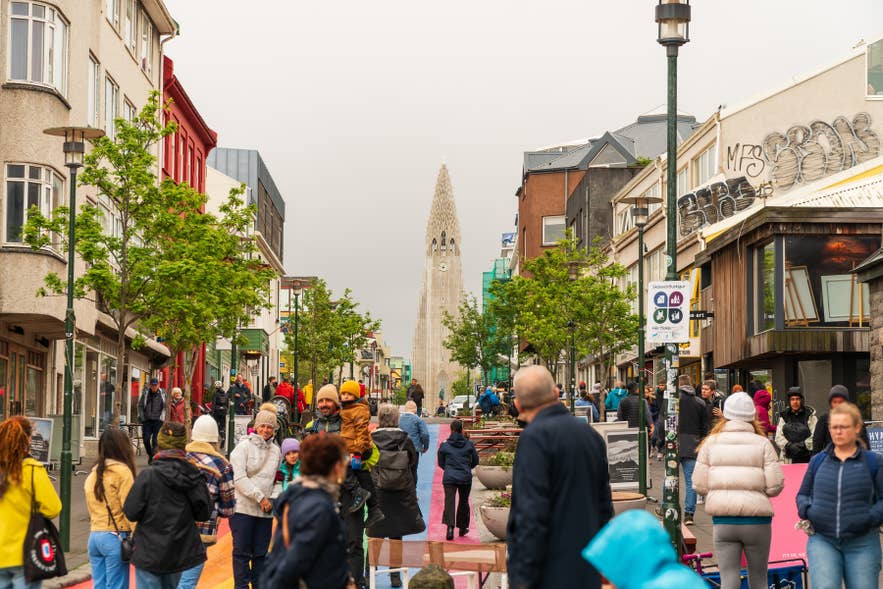
On the First Day of Summer, towns across Iceland are filled with music, colors, and life. It’s common to see brass bands march down the streets, accompanied by scouts carrying the Icelandic flag.
Local communities organize family-friendly activities like concerts, games, and outdoor events, so there’s something for everyone.
Some families take the day for road trips or picnics, enjoying waffles, hot chocolate, and a chance to be outside after a long winter, if the weather allows. Even if it’s still a bit chilly, the atmosphere is cheerful and energetic, showing how Icelanders come together to celebrate the start of summer.
Giving Summer Gifts
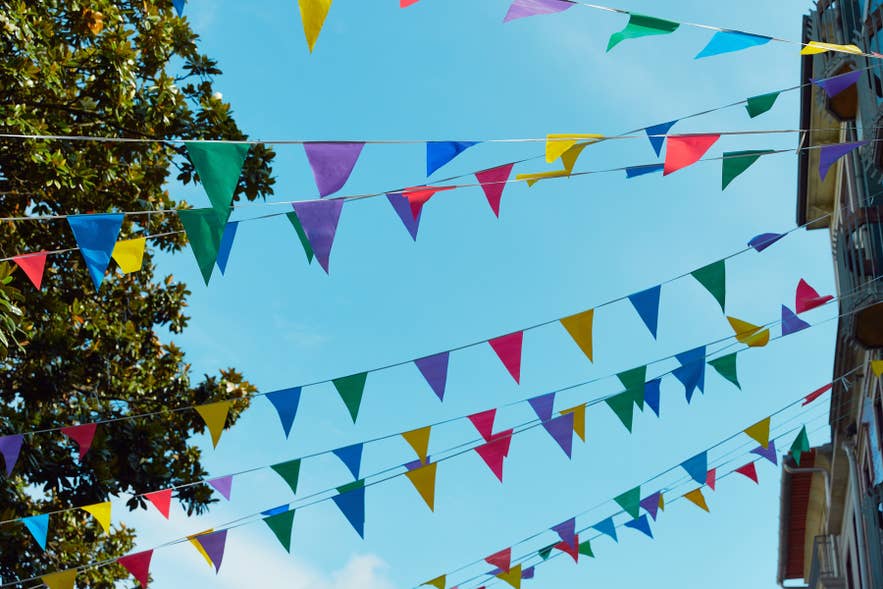
One of the most charming aspects of Sumardagurinn Fyrsti is the tradition of giving summer gifts, especially to children. This custom dates back to the 16th century, long before gift-giving during Christmas in Iceland became common.
Children might receive stuff they can use in the summer, such as new clothes, a bucket and shovel, a ball, skipping rope, or colored chalk for drawing on sidewalks.
While grand feasts and household holidays have faded over time, gift-giving still thrives in a lighter form.
A Celebration for Kids
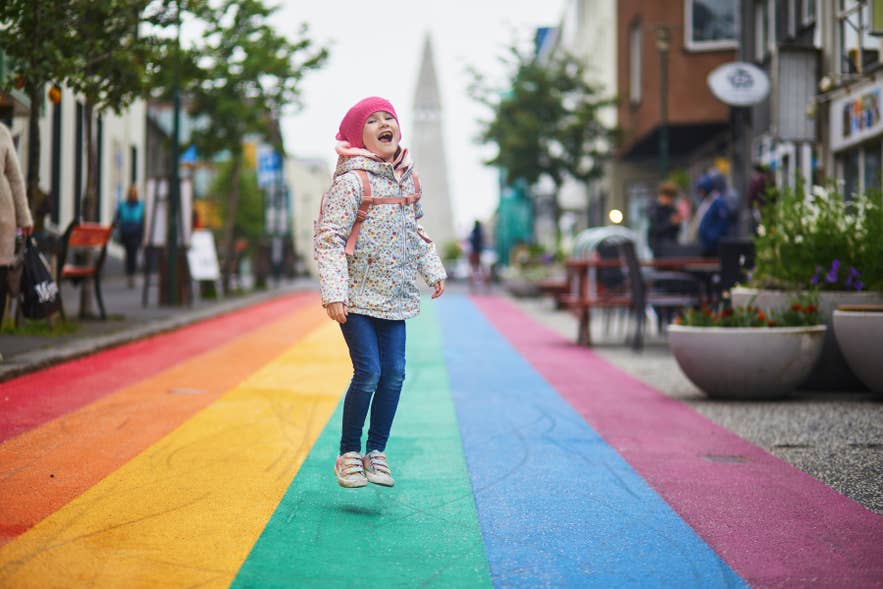
Reykjavik officially dedicated the First Day of Summer to children in 1921, and today, events aimed at kids dominate celebrations. From face painting and parades to games and concerts, municipalities across Iceland ensure the youngest members of society get their share of fun.
Historically, the day included grand feasts, minimal household chores, and even special church masses. While many of these old Icelandic traditions have faded, the emotional shift after the harsh winter remains central.
Customs Related to the First Day of Summer in Iceland
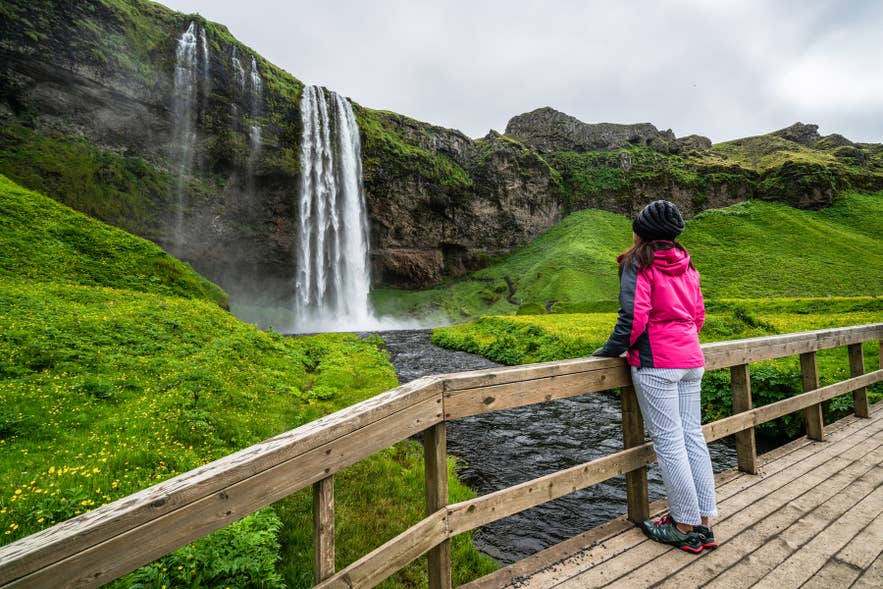
In Icelandic folklore, the First Day of Summer carries special meaning for farmers as it foretells how the weather and temperature will be over the coming months.
If summer and winter “freeze together,” meaning the temperature drops below freezing on the night before the First Day of Summer, it is considered a sign of a good summer to come. People would even leave a bowl of water outside overnight to see if it froze as a simple weather test.
A “good summer” traditionally meant a strong season for livestock and crops, since a cold spring could lead to more nutritious grass and better hay yields.
Even today, many Icelanders check the weather forecast with anticipation, hoping for frost the night before as a symbol of a successful summer ahead.
What Travelers Can Expect if They’re Visiting on the First Day of Summer in Iceland
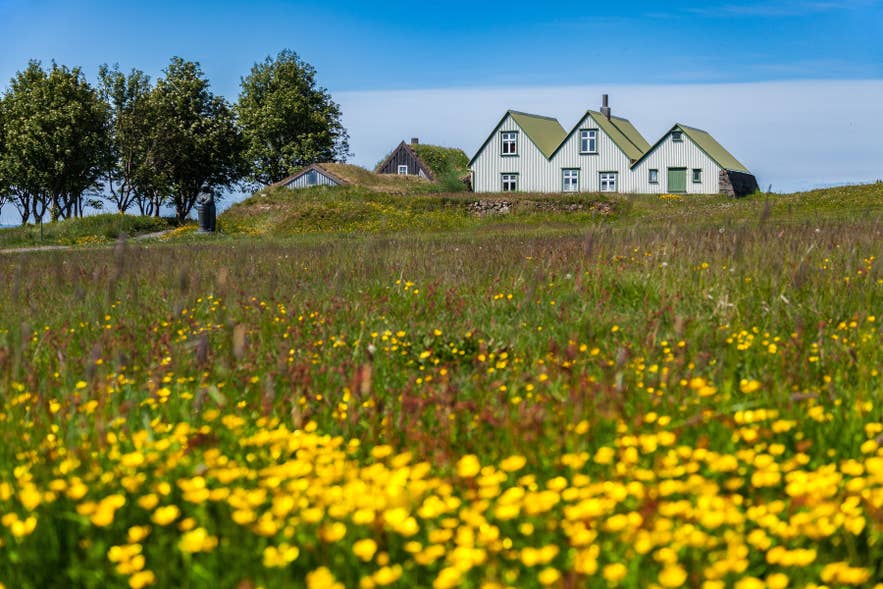
While some businesses may close on the First Day of Summer in Iceland, many bars and restaurants in Reykjavik stay open, so you can still enjoy local food and drinks. You can also take part in parades, family-friendly events, and outdoor activities, making it a lively and unique time to be in the country.
For specific events, check the official website of Reykjavik or of the towns you plan to visit to see what’s happening. For more information on other holidays in Iceland, you can also explore this full list of Icelandic holidays.
When Is the First Day of Summer in Iceland in the Coming Years?
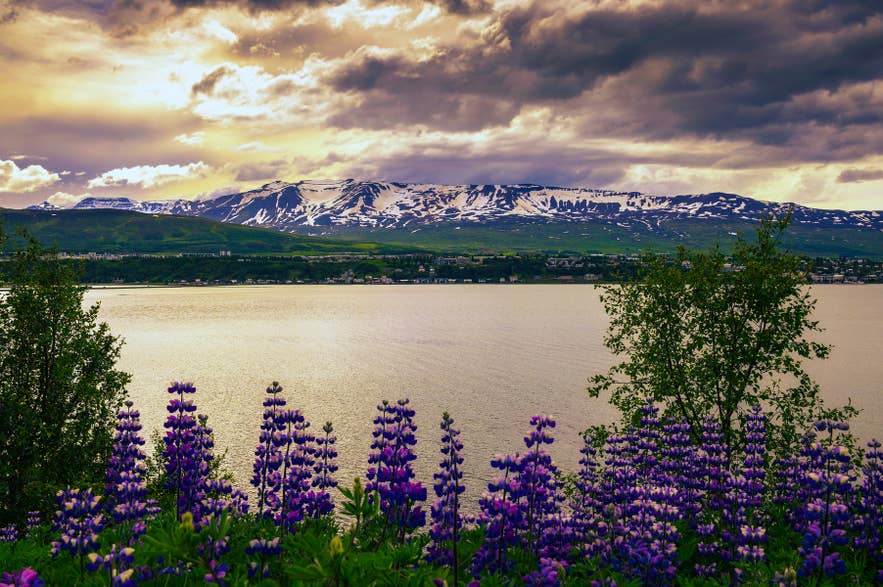
The First Day of Summer is always celebrated in April in Iceland. It falls on a Thursday after April 18, so the date slightly changes each year. In 2026, it falls on April 23 in Iceland, and here are the upcoming dates for the following years:
-
2027: April 22
-
2028: April 20
-
2029: April 19
-
2030: April 25
If you want to join the festivities of the First Day of Summer in Iceland, you can book April tours and packages to experience Iceland. Spring is a great time to see waterfalls in full flow, visit blooming landscapes, and enjoy fewer crowds before the busy summer season begins.
The actual summer in Iceland doesn’t start until June and lasts through August. This period is perfect for road trips along the Ring Road, as the roads are clear of snow and much easier to navigate.
The First Day of Summer in Iceland: A Celebration of Resilience and Hope
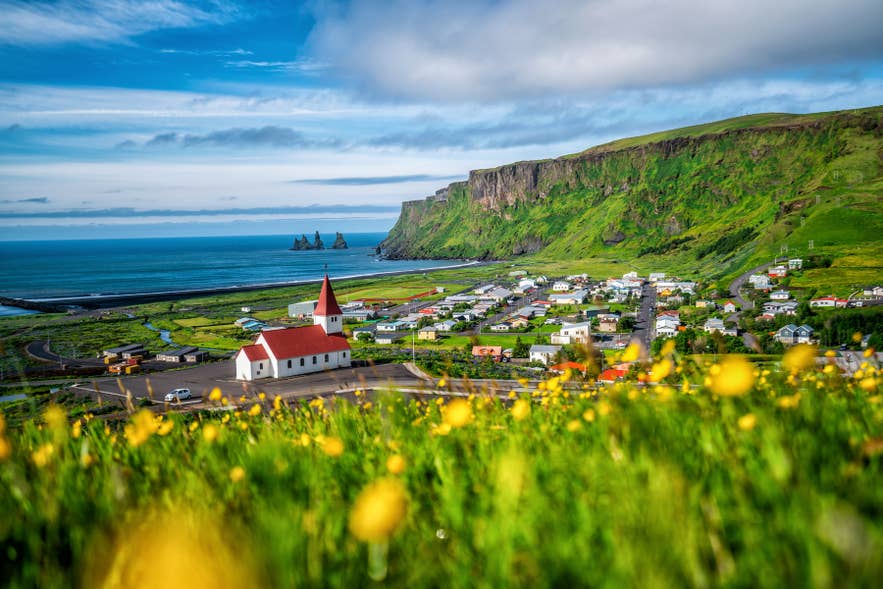
The First Day of Summer in Iceland is more than a date on the calendar. It is a celebration of resilience, hope, and the joy of brighter days after a long winter. With parades, family festivities, and centuries-old traditions, it is a uniquely Icelandic way to welcome the season and experience the country’s vibrant spirit firsthand.
Is the First Day of Summer in Iceland a public holiday?
When is the First Day of Summer celebrated in Iceland?
How is the First Day of Summer celebrated in Iceland?
Is it worth visiting Iceland during the First Day of Summer?
Have you ever experienced a unique holiday like this? Share your thoughts and stories in the comments below!

I was born on the west side of Reykjavík and grew up downtown, so Iceland has been my back yard for most of my life. I'm a father of two, I've traveled on five continents, and I still haven't found a country that holds my attention the way this one does.
That's why I co-founded Guide to Iceland. We connect travelers directly with Icelandic operators, guides and hosts, so the advice and the services both come from people who actually live here.
I write about the practical side of a trip: what eating out in Reykjavík really costs, whether to pick Sky Lagoon or Hvammsvík, where to stop for food along the Ring Road, and which regions give you the best odds of clear skies for the northern lights. If you're planning a trip and something doesn't add up, message me.