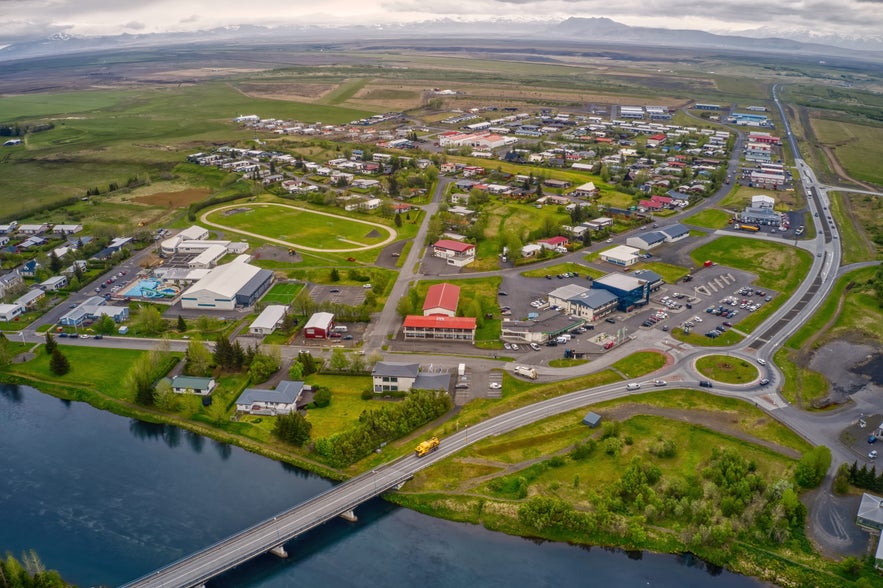
Explore Hella, a small town in South Iceland that works as a convenient stop for Ring Road travelers. Set near Mount Hekla and the Ytri-Ranga River, Hella is a practical base for exploring the Golden Circle, the South Coast, and Highland routes.
Hella is best suited for travelers who value convenience and flexibility while on self-drive tours through the South Coast of Iceland. The town is small and easy to navigate, with essential services that make it a reliable place to stop, rest, and plan the next stretch of your journey. It’s also close to iconic sights like Seljalandsfoss Waterfall, Hekla Volcano, and the Caves of Hella.
Why You Can Trust Our Content
Guide to Iceland is the most trusted travel platform in Iceland, helping millions of visitors each year. All our content is written and reviewed by local experts who are deeply familiar with Iceland. You can count on us for accurate, up-to-date, and trustworthy travel advice.
It also works well as a starting point for outdoor activities in the surrounding countryside. Many travelers use Hella as a base for horseback riding and guided hiking tours, which explore nearby valleys and the Icelandic Highlands. A range of accommodations in Hella makes overnight stays simple for both short stops and longer trips.
In summer, Hella connects to more remote regions through seasonal Highland bus transfers, offering access to popular hiking areas without needing a four-wheel-drive vehicle. Keep reading to discover what Hella is known for, what you can do in and around town, and how to plan a smooth visit.
Key Takeaways About Hella
-
Hella is a small town in South Iceland located directly along the Ring Road.
-
It is commonly used as a convenient stopover or overnight base while traveling the South Coast or the entire Route 1 (Ring Road).
-
The town offers essential services, including accommodations, restaurants, grocery stores, and gas stations.
-
Hella provides access to outdoor activities and Highland routes, with summer connections to Thorsmork and Landmannalaugar.
-
Mount Hekla and the Ytri-Ranga River shape the surrounding landscape, while the Caves of Hella highlight the area’s early human history.
-
Nearby attractions include the Golden Circle, South Coast, Secret Lagoon, and Laugaras Lagoon.
Where Is Hella Located in Iceland?
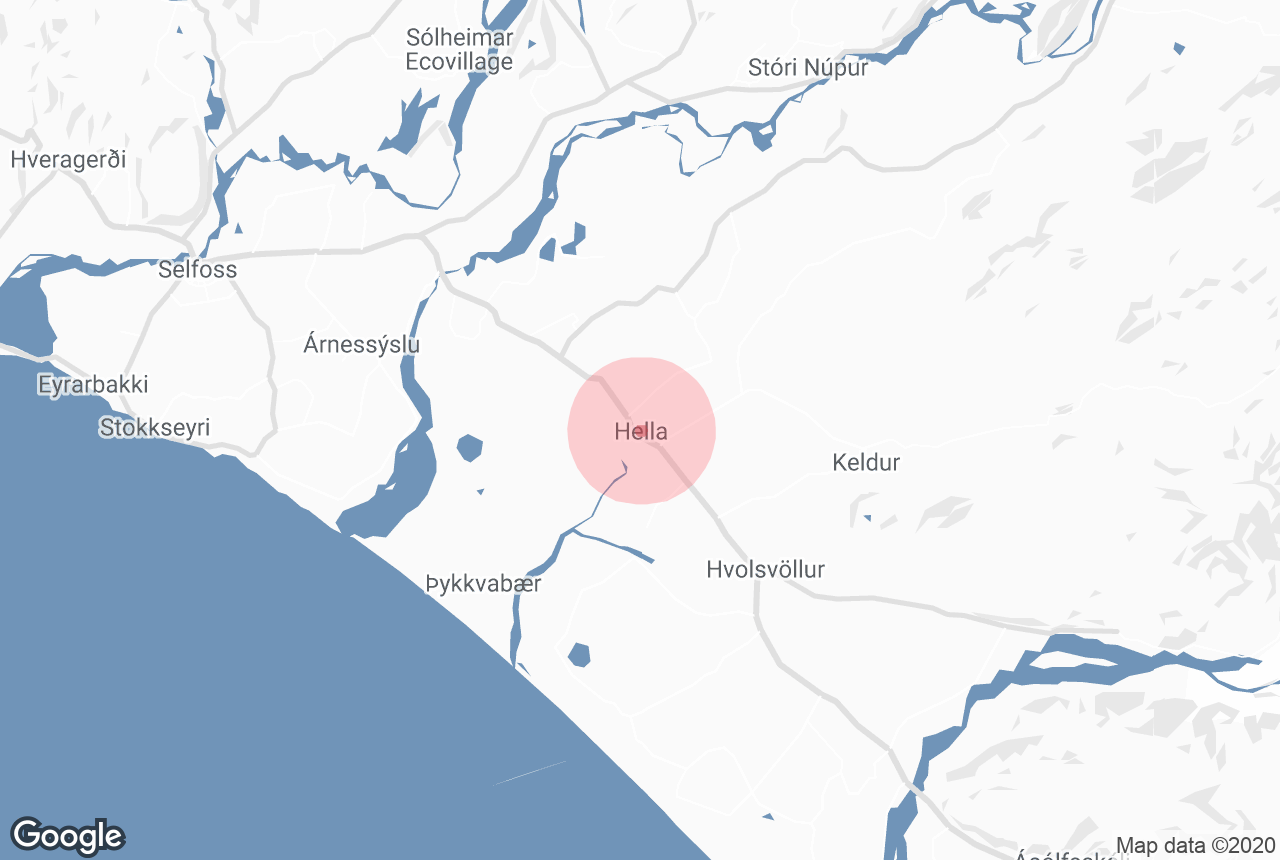
 Hella is located in South Iceland, directly along the Ring Road, about 58 miles (94 kilometers) east of Reykjavik. It sits between Selfoss and Hvolsvollur, placing it near the point where routes branch toward the Golden Circle, the South Coast, and inland Highland areas.
The town lies beside the Ytri-Ranga River in a flat agricultural region shaped by volcanic activity. Its position along this stretch of road makes Hella a practical stop before continuing east to Iceland's waterfalls and black sand beaches, or inland toward popular Highland hiking areas.
Facilities and Conveniences in Hella
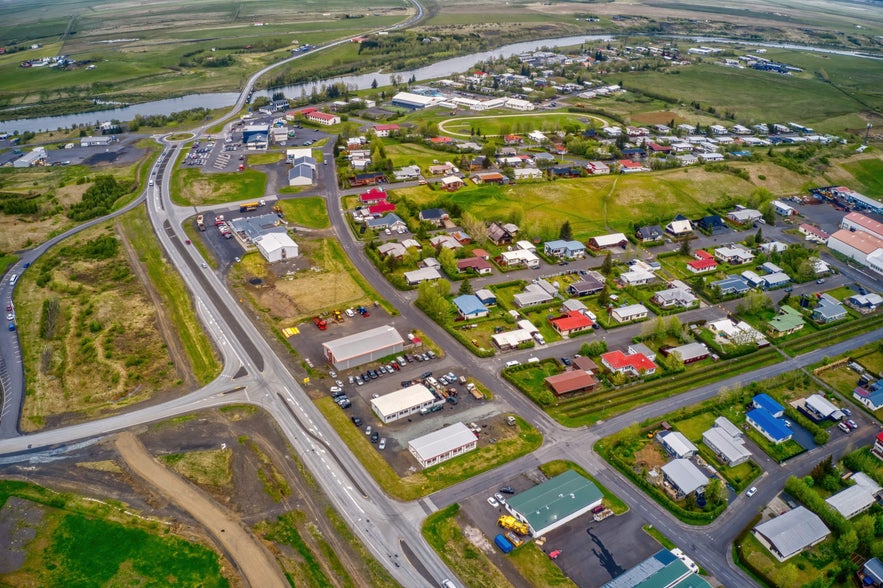 Hella offers the kind of everyday facilities and conveniences that make travel through South Iceland easier. You can expect essential services within a compact area, making it a practical place to stop for food, fuel, rest, and trip planning while driving the Ring Road or heading inland.
-
Accommodations: A good range of hotels, guesthouses, hostels, and cottages for overnight stays.
-
Food stops: Casual cafes, hotel restaurants, and service stations serving hot meals, snacks, and coffee.
-
Grocery stores: Local supermarkets for food, drinks, and travel supplies.
-
Gas stations: Fuel stations in and around town, useful before continuing east or heading inland.
-
Public restrooms: Available at service stations, swimming facilities, and some public areas.
-
Highland connections: Seasonal transport options linking Hella with Thorsmork and Landmannalaugar in summer.
-
Swimming pool: A geothermally heated local pool with hot tubs and family-friendly facilities.
Best Things To Do in and Around Hella
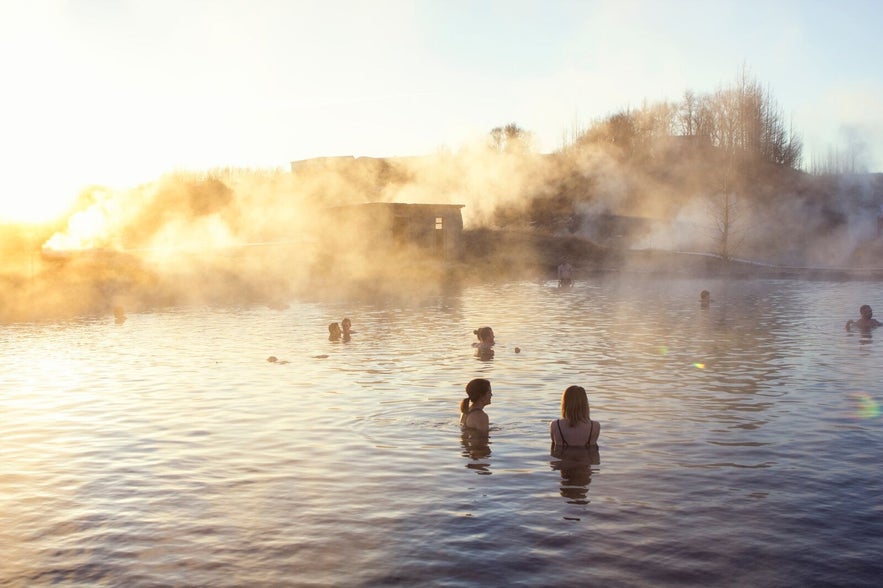 Hella has a couple of activities within the town, with many more experiences available in the surrounding area. It works well as a starting point for outdoor adventures, local sights, and travel routes into the Highlands of South Iceland.
Hella offers a small number of activities that are easy to enjoy without leaving town, focusing on local history, outdoor leisure, and community life.
-
Explore the Caves of Hella: Take a guided visit to the man-made caves near the Ytri-Ranga River, which are among the area’s most distinctive historical features.
-
Visit the Hella Swimming Pool: Relax at the local, geothermally heated swimming pool, which includes hot tubs and facilities suitable for families.
-
Salmon Fishing in the Ytri-Ranga River: Fish in one of Iceland’s best-known salmon rivers, which attracts anglers during the fishing season.
-
Attend Local Summer Events: Visit Hella in August for the Töðugjöld annual town festival, with decorated streets, local music, dancing, and a fireworks finale.
Many of the most popular experiences connected to Hella take place just outside town as well. Travelers often book horse riding experiences in South Iceland, join Hekla Volcano tours, or explore hiking routes in Thorsmork and Landmannalaugar.
Geothermal bathing is also close by, with the Secret Lagoon and Laugaras Lagoon offering a natural hot spring experience. It’s best to secure your Secret Lagoon ticket or Laugaras’ Birki ticket ahead of time.
How To Get To Hella
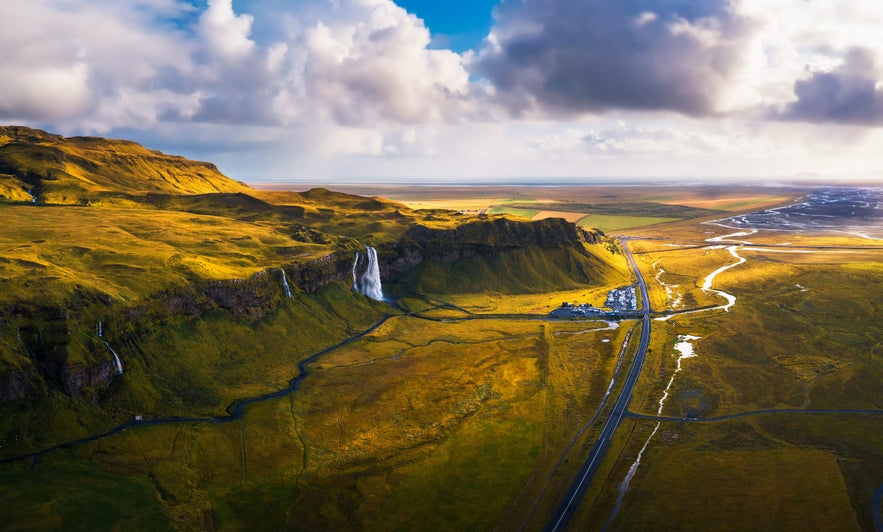 Hella is easy to reach from Reykjavik and sits directly along Route 1 (the Ring Road) in South Iceland. The town is about 58 miles (94 kilometers) east of the capital, and travel is straightforward year-round, weather permitting.
-
By car: Driving is the most flexible way to reach Hella, especially for travelers using car rentals in Iceland. The drive from Reykjavik takes about 1 hour and 20 minutes and follows Route 1 the entire way, passing through towns like Hveragerdi and Selfoss, where you can stop for fuel or supplies.
-
By bus: Public buses operated by Straeto also serve Hella, though services are limited. Route 51 runs between Reykjavik and South Iceland, typically once per day, so checking the timetable in advance is essential. Bus travel works best for travelers with flexible schedules or those continuing onward using regional connections.
-
By guided tour: Some South Coast and multi-day tours include stops in or near Hella, especially itineraries that use the town as an overnight base. This option suits travelers who prefer transport, planning, and local guidance arranged in advance.
Road conditions can change quickly, and the weather in Iceland is famously unpredictable. Before you set out, always check road and weather updates. Use road.is for current road conditions, closures, and travel alerts. At the same time, visit vedur.is for accurate weather forecasts and warnings.
In summer, long daylight hours make driving easier, while winter travelers should allow extra time, plan stops carefully, and monitor both road and forecast information before departing.
Highland Bus Connections From Hella
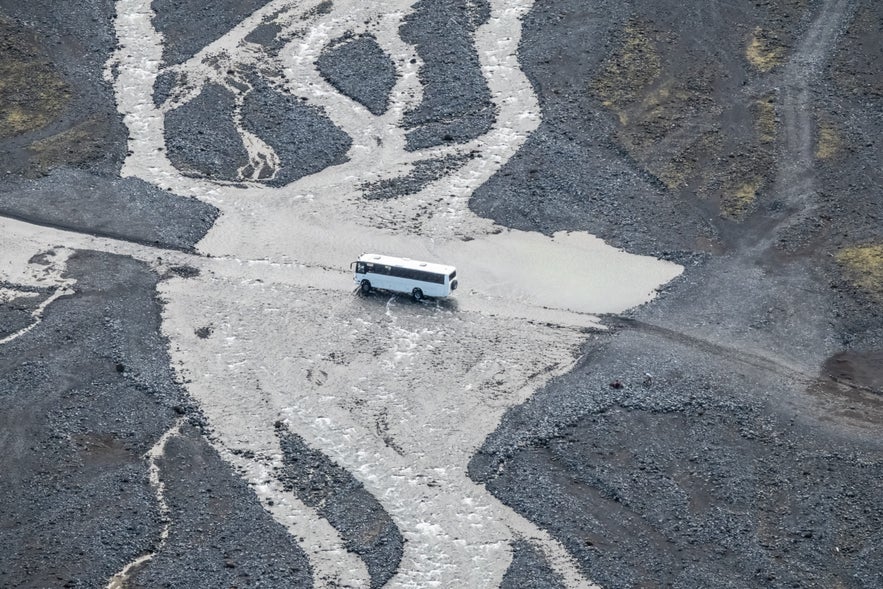 During the summer season, Hella also acts as a key transfer point for travelers heading into the Icelandic Highlands. Seasonal services make it possible to travel between Hella and popular hiking areas without driving difficult mountain roads.
Travelers can book a Highland bus transfer from Hella to Thorsmork and the return from Thorsmork back to Hella. Similar services are available for Highland bus transfers from Hella to Landmannalaugar, as well as hikers from Landmannalaugar traveling back to Hella.
Where to Stay in Hella
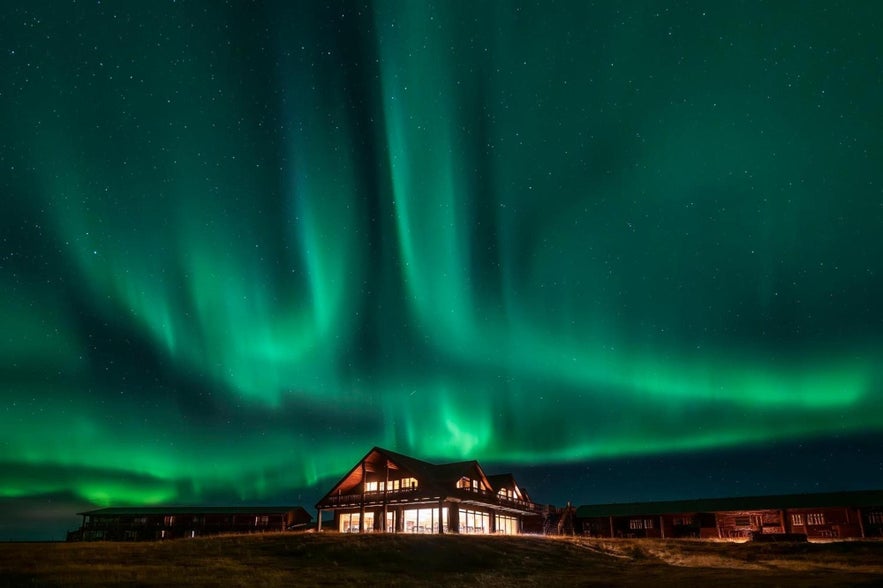 Hella offers a good range of hotels and accommodations in Hella, making it a practical place to stop overnight while traveling through South Iceland. Options include hotels, guesthouses, hostels, and private cottages, many of which are located in quiet countryside settings just outside town.
Popular hotel choices include Hotel Ranga, known for its scenic location and strong reputation, and Landhotel, which offers modern rooms and easy access to nearby routes. Budget travelers often choose Midgard Range Camp, a well-equipped hostel with social spaces, while Loa’s Nest Guesthouse provides a quieter, home-style stay.
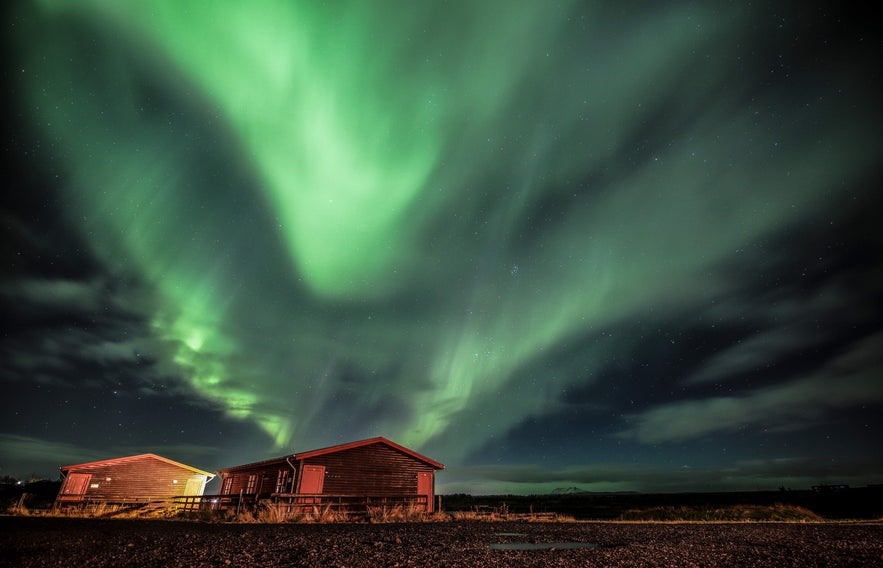
Cottages are also a popular option in the area, especially for travelers seeking more privacy. Places like Unastadir Cottage are well-suited for short weekend stays and northern lights viewing during clear nights.
Where to Eat in Hella
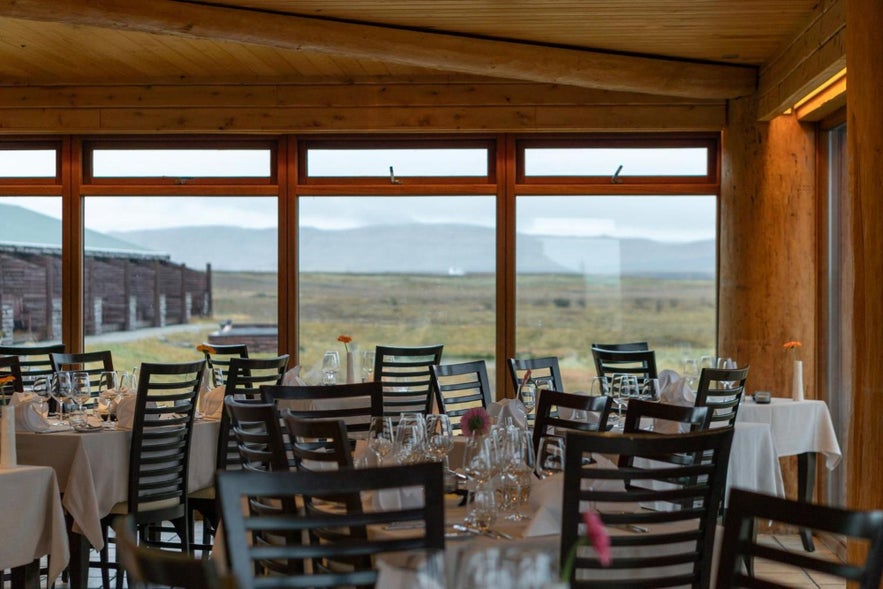 Hella has a small selection of dining options that work well for short stays and overnight stops. Most restaurants in Hella serve simple Icelandic and international dishes, and opening hours can be limited outside the summer season, so planning meals ahead is a good idea.
Notable places to eat include Hotel Ranga’s restaurant and Landhotel Restaurant, both offering sit-down meals, as well as Kanslarinn Cafe for more casual food like burgers and pizza. Service stations in and around town also provide quick meals, snacks, and coffee when other options are closed.
Hella also has local supermarkets and grocery stores, making it easy to pick up food, drinks, or travel supplies before continuing your journey through South Iceland.
Best Time To Visit Hella
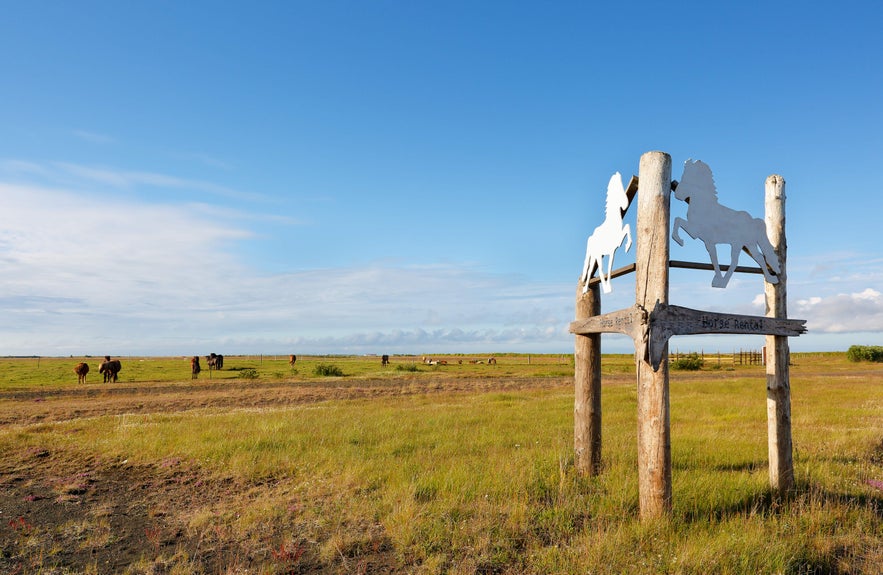 The best time to visit Hella is summer, from June to August, when road conditions are easiest, services are fully available, and access to nearby hiking areas and the Highlands is at its best. During this period, the midnight sun brings long daylight hours. With this, it’s easier to explore the surrounding countryside without time pressure, and it aligns well with the best time to visit Iceland.
The shoulder seasons in May and September offer fewer travelers, while still providing good travel conditions for sightseeing in South Iceland.
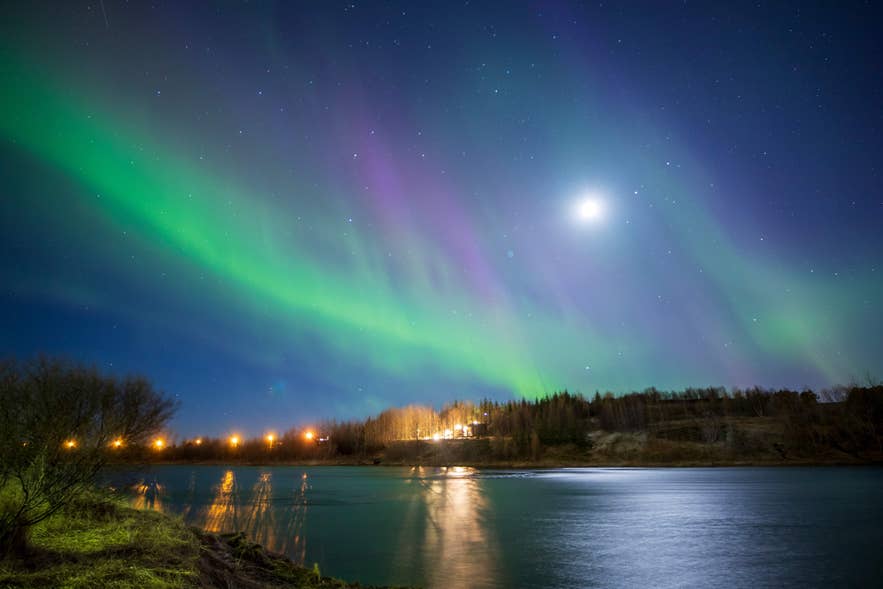
Winter visits are quieter and work well for short stays, with limited daylight and closed Highland routes. On clear nights, you may also see the northern lights, making Hella a convenient overnight stop rather than a base for extended activities.
Nearby Towns and Attractions From Hella
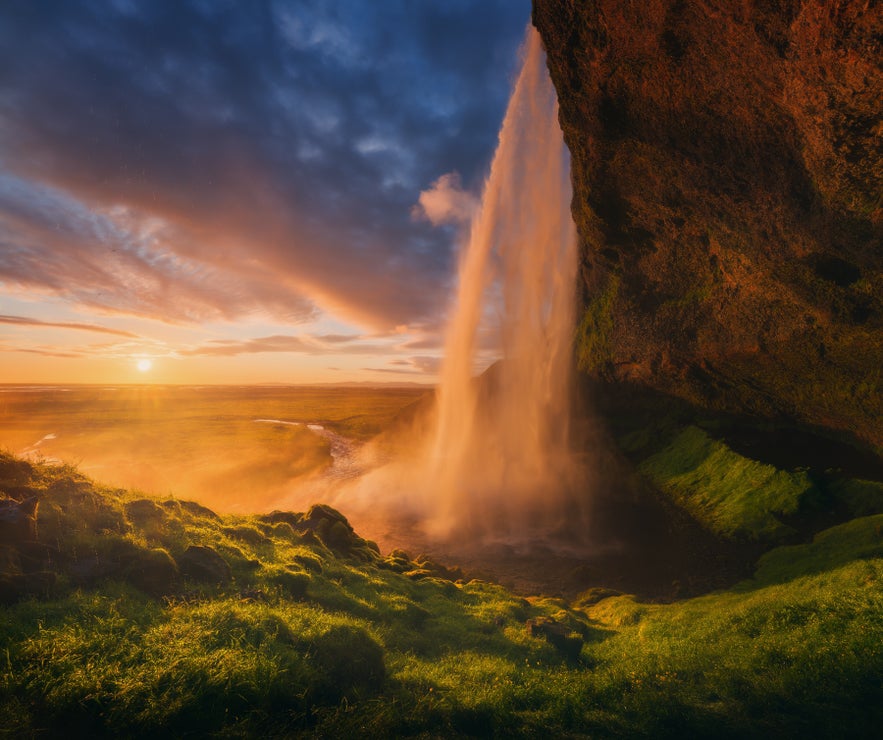 Hella’s location in South Iceland makes it a convenient stop for reaching nearby towns and some of Iceland’s most visited attractions within a short drive.
Nearby Towns
-
Selfoss: The largest town in the area, with restaurants, shops, supermarkets, and services.
-
Hvolsvollur: A town east of Hella, known for museums and visitor centers focused on local history and volcanoes.
Golden Circle Attractions
-
Thingvellir National Park: A UNESCO World Heritage Site where the Eurasian and North American tectonic plates meet.
-
Geysir Geothermal Area: Home to Strokkur Geyser, which erupts regularly throughout the day.
-
Gullfoss Waterfall: One of Iceland’s most famous waterfalls, known for its powerful cascades.
-
Secret Lagoon (Gamla Laugin): A natural hot spring near Hella, popular for relaxed geothermal bathing.
-
Laugaras Lagoon: A modern geothermal lagoon near the Golden Circle with warm pools and river views. Book your Lerki ticket in advance during busy periods.
South Coast Attractions
-
Seljalandsfoss: A waterfall you can walk behind in suitable conditions.
-
Skogafoss: A wide, powerful waterfall with viewpoints above the falls.
-
Reynisfjara Black Sand Beach: Known for basalt columns, sea stacks, and strong Atlantic waves.
Highland Attractions (Summer Only)
-
Landmannalaugar: Famous for colorful rhyolite mountains, hot springs, and hiking trails.
-
Thorsmork: A lush valley surrounded by glaciers and mountains, popular for hiking and trekking.
-
Hekla Region: Volcanic landscapes and hiking areas around one of Iceland’s most well-known volcanoes.
Travel Tips for Visiting Hella
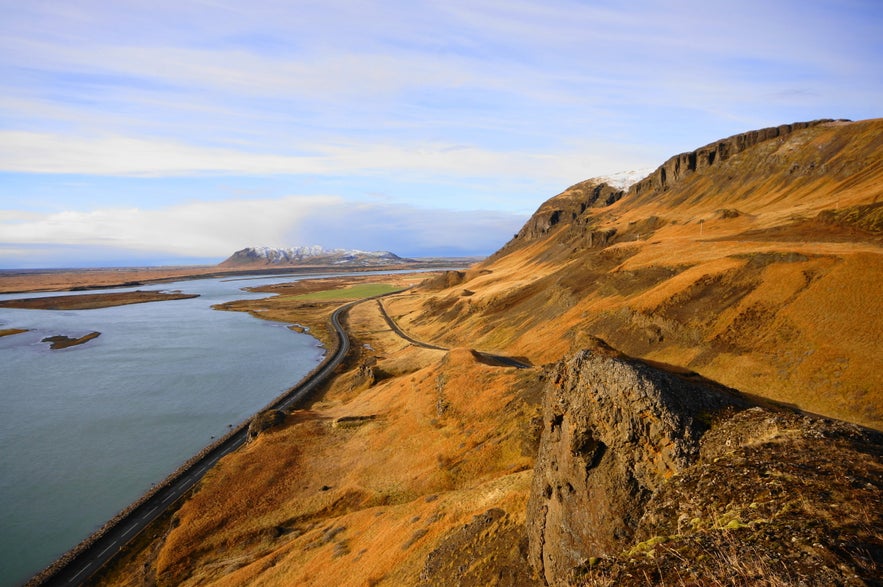 Plan your stop with services in mind. Hella works best as a place to refuel, rest, and prepare for the next leg of your journey, especially if you’re driving the Ring Road or heading inland. Most travelers stay one night, so booking accommodations in advance during the summer is recommended.
-
Check opening hours carefully, particularly outside peak season. Restaurants, cafes, and even grocery stores may close earlier than expected, especially in winter or on weekends.
-
Fuel up before heading inland. If you plan to continue toward Highland routes or remote hiking areas, fill up your tank in Hella, as fuel stations become sparse beyond town.
-
Weather and wind matter more than distance. Drives can feel longer in strong wind or rain. Check road conditions and weather forecasts before departing, even for nearby trips.
-
Don’t rely on mobile signal in remote areas. Coverage is good in Hella but drops quickly outside town. Download offline maps and save important information in advance.
-
Swimming pools follow local etiquette. At Hella’s swimming pool, shower thoroughly without a swimsuit before entering the water, as is standard in Iceland.
-
Northern lights are a bonus, not a guarantee. Hella has low light pollution, but aurora viewing depends on clear skies and solar activity.
-
Allow extra time in winter. Snow, ice, and sudden weather changes can slow travel even on main roads. Keep your itinerary flexible and avoid rushing between stops.
History of Hella
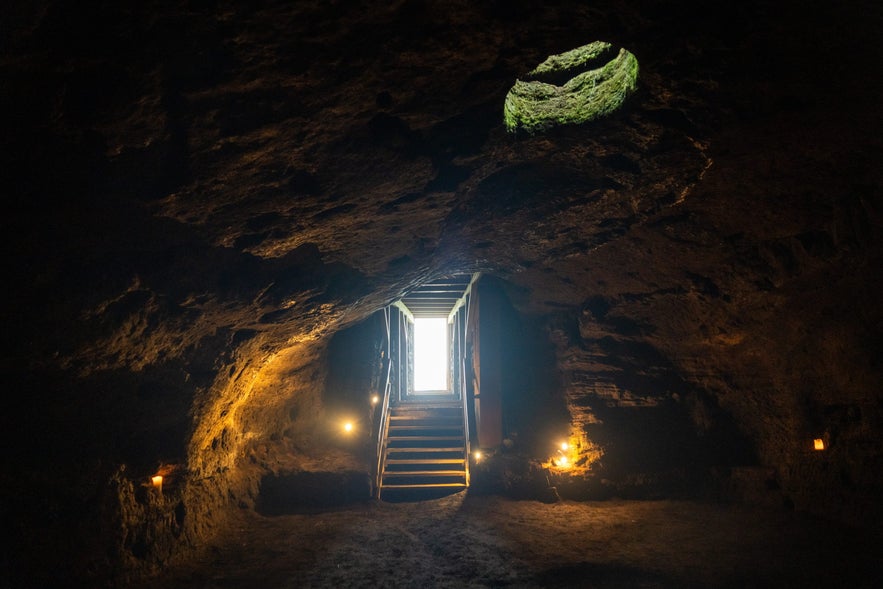 The area around Hella has been used since Iceland’s early settlement period, mainly because of its location beside the Ytri-Ranga River, which provided fresh water and good fishing. Rivers like this played an important role in early travel and settlement patterns across South Iceland.
Early Icelandic sources suggest that Irish monks may have traveled through parts of Iceland before Norse settlement, including areas in South Iceland. While there is no firm evidence of permanent communities, several man-made caves near the river are often discussed in this early historical context.
The name Hella is believed to come from the Icelandic word hellir, meaning “cave,” referring to these nearby rock-cut shelters, which were likely used temporarily by early inhabitants adapting to the landscape and climate.
Hella itself did not develop as a town until the 20th century. In 1927, a store was built beside the bridge over the Ytri-Ranga River, marking the beginning of the modern settlement. Þorsteinn Björnsson established the store, and a memorial to him was built in the prospering village on its fiftieth anniversary.
Economy and Services in Hella
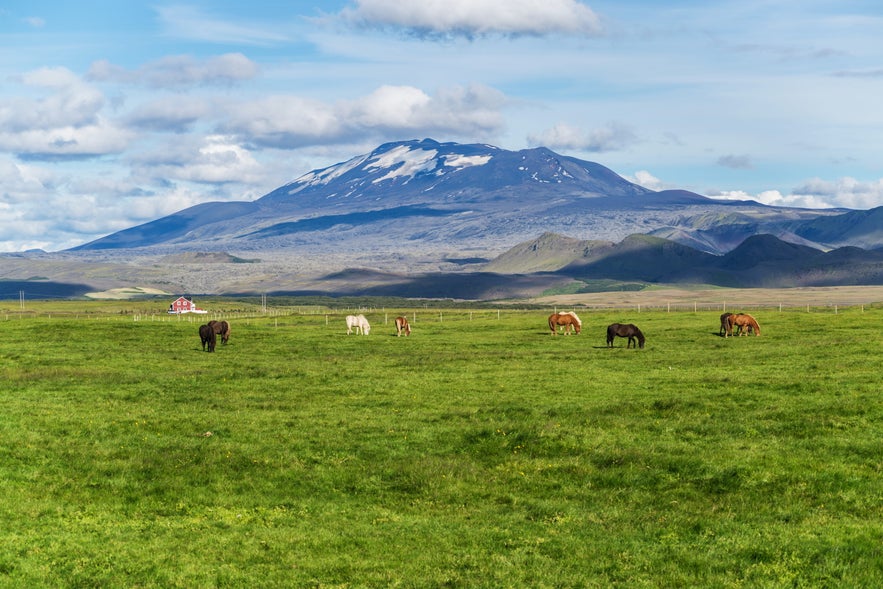 Tourism has become an important part of daily life in Hella, alongside long-standing industries such as agriculture, fishing, and horse farming. The surrounding area is well known for its strong Icelandic horse culture, with farms and riding routes spread across the nearby countryside.
Hella’s location on the Ring Road also places it within easy driving distance of many of South Iceland’s best-known regions, increasing the demand for services catering to travelers passing through.
From Hella, visitors can reach major sightseeing routes such as the Golden Circle and the South Coast, as well as smaller nearby stops like Solheimar Eco Village and Fridheimar Tomato and Horse Farm, which are often visited as part of day trips in the area. This steady flow of travelers has shaped the town’s role as a practical service center rather than a sightseeing destination.
As a result, Hella offers a solid range of local services, including fuel stations, grocery stores, and restaurants. The town also has several accommodation options, ranging from hotels to cottages in Hella. Many travelers driving the Ring Road choose to stay overnight here, especially when breaking up longer drives.
Festivals and Events in Hella
Hella hosts a small number of local events each year, most of which take place during the summer months and focus on community life rather than large-scale tourism.
The main event is Töðugjöld, Hella’s annual town festival, held in August. The celebration takes place in and around the town center, with decorated streets, live music, dancing, and a fireworks display that marks the festival’s finale.
Hella is also home to Allt sem flýgur, an aviation festival held at Hella Airport, where a wide range of aircraft are on display during the summer. Another recurring event is Hellutorfæran, an off-road driving event usually held in early May, based in Hella, with courses set up in the surrounding area.
Visiting Hella in South Iceland
 Hella works best as a practical and well-located stop while traveling through South Iceland. With reliable services, nearby accommodations, and easy access to major routes, it fits naturally into Ring Road journeys and the best tours in Iceland without requiring extra detours.
Whether you’re stopping overnight, preparing for Highland travel, or continuing toward the Golden Circle or South Coast, Hella offers a convenient place to pause and plan. Its central location and straightforward layout make it a simple, stress-free addition to Iceland vacations.
What is Hella, Iceland, known for?
Is Hella worth visiting?
What is the weather like in Hella?
Can you see the northern lights in Hella?
For an even better experience, you can join northern lights tours in Iceland from Hella, where guides take you to prime dark-sky spots, track aurora forecasts, and offer tips for photographing the spectacular display.
Can you visit Mount Hekla from Hella?
How long should I stay in Hella?