
Known for its glacier-carved landscapes and excellent hiking trails, Thorsmork, or the Valley of Thor, is a nature reserve in the Icelandic highlands that won’t disappoint. Whether you’re interested in hiking, photography, or simply immersing yourself in nature, Thorsmork has something for everyone.
Named after Thor, the Norse god of thunder, Thorsmork (Þórsmörk in Icelandic) is as legendary as its namesake. Thorsmork holds strong appeal for those embarking on hiking and trekking tours in Iceland, sitting between glaciers and the three rivers of Krossa, Thronga, and Markarfljot, with a mix of lush valleys, glacier views, and volcanic ridges.
In addition, its remote and rugged terrain makes it a prime destination for thrilling Super Jeep tours, attracting travelers who want to explore Iceland’s backcountry in style and comfort.
Why You Can Trust Our Content
Guide to Iceland is the most trusted travel platform in Iceland, helping millions of visitors each year. All our content is written and reviewed by local experts who are deeply familiar with Iceland. You can count on us for accurate, up-to-date, and trustworthy travel advice.
The valley bears the marks of the 2010 Eyjafjallajokull eruption, which reshaped parts of the landscape and created new features, such as the Magni and Modi craters, which are now popular hiking destinations.
Thorsmork is located in the Highlands and is only accessible from mid-June to September, making it an ideal destination for summer adventures in Iceland. Due to F-roads and river crossings, reaching Thorsmork requires four-wheel drive vehicles with high ground clearance.
Keep reading to discover the best hikes in Thorsmork, how to get there, when to visit, and where to stay to make the most of your trip. Throughout this guide, you'll also find insights from Arnar Haukur Rúnarsson of Ferðafélag Íslands, who spent four seasons as a hut warden in Thorsmork.
Facts About Thorsmork
-
Name: Thorsmork (Þórsmörk) means “Thor’s Valley,” named after Thor, the Norse god of thunder. The name refers to the ridge between the Krossa, Thronga, and Markarfljot rivers.
-
Type: Nature reserve and hiking valley in the southern Icelandic highlands.
-
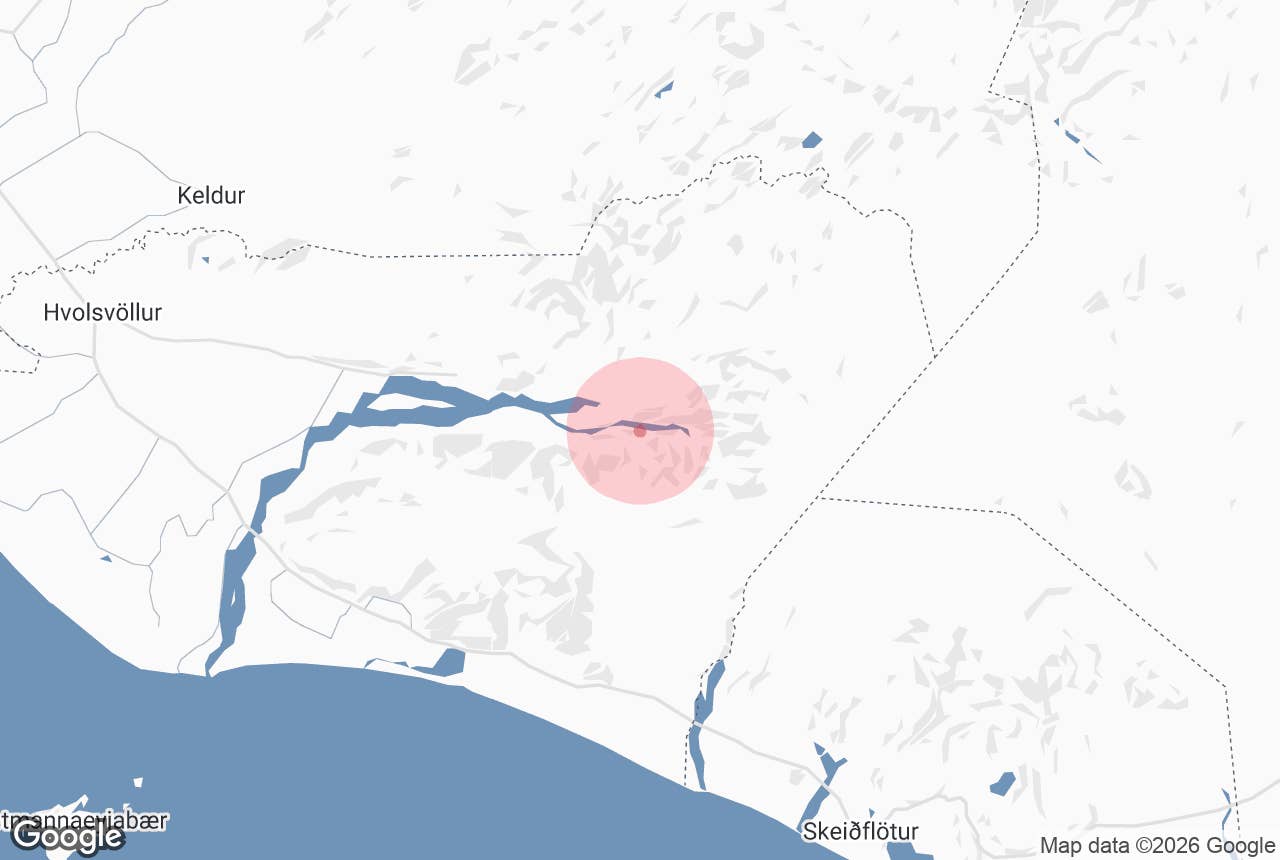
Location: South Iceland, set between Tindfjallajokull Glacier and Eyjafjallajokull Glacier, with Myrdalsjokull Glacier to the southeast.
-
Elevation: Thorsmork lies in a low-lying valley surrounded by glaciers and mountains, while Valahnukur rises to about 458 meters (1,503 feet) above sea level.
-
How to get there: Reach Thorsmork on the F249 mountain road, about 96 miles (155 kilometers) from Reykjavik, or take the summer highland bus from Reykjavik, Hella, or Hvolsvollur.
-
Road conditions: The F249 has several river crossings, ending at the Krossa River, so a large 4x4 is required. A footbridge over the Krossa lets you reach Langidalur on foot.
-
Best time to visit: Summer only. The F249 typically opens from mid-June to September, depending on snow and river levels.
-
Top hikes: The Laugavegur Trail to Landmannalaugar, the Fimmvorduhals Trail to Skogar, and the shorter Valahnukur hike.
-
Accommodation: Volcano Huts in Husadalur, Langidalur Hut, and Basar Hut, each with campsites.
-
Wildlife: Arctic foxes and birds such as ptarmigans, golden plovers, and redwings.
Best Thorsmork Hiking Trails

Thorsmork is one of Iceland’s best hiking destinations, with trails ranging from popular multi-day treks to rewarding day hikes. Below are the best routes to explore, whether you’re staying overnight or visiting for the day.
|
Trail Name |
Distance |
Duration |
Difficulty |
Start/End Point |
|
Valahnukur Mountain |
1.5 miles (2.4 kilometers) |
1.5 to 2 hours |
Moderate |
Langidalur or Husadalur |
|
Stakkholtsgja Canyon |
1.5 miles (2.4 kilometers) |
1 to 1.5 hours |
Easy to Moderate |
Mouth of the canyon (Road F249) |
|
Slyppugil & Rettarfell |
2.3 to 6.2 miles (3.8 to 10 kilometers) |
1.5 to 3 hours |
Moderate to Challenging |
Basar Hut |
|
Tindfjoll Circle |
5 miles (8 kilometers) |
4 to 6 hours |
Challenging |
Langidalur (Skagfjordsskali) |
|
Fimmvorduhals Pass |
15 to 16 miles (25 to 26 km) |
10 to 12 hours |
Challenging to Demanding |
Skogar to Basar/Langidalur |
|
Laugavegur Trail |
34 miles (55 kilometers) |
3 to 4 days |
Demanding |
Landmannalaugar to Thorsmork |
Trail Safety Tip: While day trails like Valahnukur and Stakkholtsgja are highly accessible, mountain conditions in the highlands can shift unexpectedly. Always check safetravel.is for wind, snow, and river updates before setting off.
Best Multi-Day Hiking Trails in Thorsmork

Thorsmork anchors two of Iceland’s most famous long-distance treks, the Laugavegur Trail and the Fimmvorduhals Trail.
-
Laugavegur Hiking Trail: Iceland’s most famous multi-day trek at 34 miles (55 kilometers), connecting Thorsmork to Landmannalaugar, where colorful rhyolite mountains and hot springs await.
-
Fimmvorduhals Pass: A demanding 19-mile (30-kilometer) route between Skogar and Thorsmork that crosses the Magni and Modi craters, formed in the 2010 eruption. While often hiked in a day, it can also be combined with the Laugavegur Trail for a three- to six-day trek.
Best Day Hikes in Thorsmork

Thorsmork also has several shorter day hikes that start near the campsites.
-
Valahnukur Mountain Hike: A 1.5-mile (2.4-kilometer) climb to a summit with panoramic views over the valley, glaciers, black gravel plains, and surrounding mountains. Man-made steps help make the climb easier.
-
Stakkholtsgja Canyon: An easy 1.5-mile (2.4-kilometer) walk through a moss-covered gorge to a waterfall at the end of the trail. The trail is mostly flat with little elevation gain.
-
Tindfjoll Circle: A challenging 5-mile (8-kilometer) loop trail in Thorsmork with wide views of the Krossa River, the Eyjafjallajokull Volcano, and surrounding glaciers. Steep, narrow ledges make this route best suited to hikers with a head for heights.
-
Slyppugil and Rettarfell Hike: A 6.2-mile (10-kilometer) moderate trail follows the lush Slyppugil Canyon, passing deep river gorges and the Slyppugilshryggur ridge, with sweeping views over the valley below.
Nature and Landscape in Thorsmork

Surrounded by glaciers and carved by rivers, Thorsmork Nature Reserve is one of Iceland’s most spectacular natural destinations. Arnar Haukur Rúnarsson says the valley's location between three glaciers creates a surprisingly favorable microclimate. That allows birch woodlands, moss-covered canyons, and summer wildflowers to thrive in an otherwise harsh highland environment.
Weather tends to stick around in the glaciers, leaving a pocket of clear skies above Thorsmork. You'll often be driving in rain right until you get to Thorsmork.
Volcanic Landmarks Near Thorsmork
The journey into the Valley of Thor is marked by dramatic geological history. As you navigate the rugged F-roads into Thorsmork, you will pass natural landmarks carved by Iceland’s famous tectonic forces.
On your way to Thorsmork, you’ll pass Gigjokull, a glacier tongue extending from Eyjafjallajokull. This area was dramatically reshaped by the 2010 volcanic eruption, which caused massive glacial floods that carved new paths through the land.
Today, visitors can see the remnants of these powerful forces, with layers of ash and ice creating a contrast against the surrounding greenery.
Nauthusagil Ravine is one of Iceland's best hidden gems. This narrow, moss-covered gorge is famous for its cascading waterfalls, which visitors can follow by carefully stepping along the stream that winds through the canyon. Towering rock walls and lush vegetation make it one of the South Coast's most scenic short hikes.
The Rich Wildlife in Thorsmork
 During summer in Iceland, wildlife lovers might spot Arctic foxes darting through the underbrush or see herds of reindeer grazing in the distance. Thorsmork is also home to bird species in Iceland, like ptarmigans, golden plovers, and the patterned redwing. If you look to the skies, you may even see gyrfalcons or merlins soaring above you.
Whether you’re tackling a multi-day hike or exploring the valley’s less-traveled corners, Thorsmork offers some of the most memorable natural experiences in Iceland. Efforts are currently underway to establish Thorsmork National Park, which would help preserve its unique ecosystem and improve accessibility for future visitors.
How To Get to Thorsmork Valley

Thorsmork can be accessed by driving in Iceland through the mountain road F249, taking a highland bus, or joining guided Super Jeep tours. The valley is about 96 miles (155 kilometers) from Reykjavik, and it sits on the edge of the Icelandic Highlands.
The route begins as a paved road branching off the Ring Road near Seljalandsfoss. From there, it turns into a rough gravel track with multiple unbridged, fast-flowing glacial river crossings, including the Krossa River.
Highland Bus to Thorsmork
 The highland bus is the easiest way to reach Thorsmork without a 4x4. Scheduled buses let you skip driving the river crossings and enjoy the views along the way. The service runs in summer, from late June to mid-September, when the mountain road is open.
You can catch the bus from three departure points: Reykjavik, Hvolsvollur, and Hella. Each route runs in both directions, so Highland bus passes are available to or from Thorsmork.
-
Reykjavik is the longest route, taking about 4 hours each way, and is the most convenient departure point if you’re staying in the capital. Book a one-way trip from Reykjavik to Thorsmork, then return via a Highland bus from Thorsmork to Reykjavik.
-
Hvolsvollur is the closest departure point to the Highlands, with a journey of about 1.5 hours each way. Book a one-way trip from Hvolsvollur to Thorsmork, then return with a Highland bus from Thorsmork to Hvolsvollur.
-
Hella is another town along the Ring Road, with a travel time of about 2 hours each way. Book a one-way trip from Hella to Thorsmork, then return with a Highland Bus from Thorsmork to Hella.
If you're visiting on a day trip, planning where you get on and off the bus can make a big difference. Based on his years guiding hikers in the valley, Arnar recommends a different approach than the itinerary many visitors follow.
Many people get off the bus at Husadalur, hike to the top of Valahnukur and then down to Langidalur where they get picked up. The view from Valahnukur is one of the best in Thorsmork, but I'd rather get off the bus in Langidalur and hike Tindafjallahringur. There is also a great viewpoint on this trail, and you get to see a bit more of the area.
He adds that if your schedule allows, Thorsmork is best experienced over two or more days rather than as a quick day trip.
Rent a 4x4 Vehicle to Thorsmork

Driving is another way to reach Thorsmork, though it requires careful planning. The closest town is Hvolsvollur, about 31 to 34 miles (50 to 55 kilometers) away, and it serves as the main gateway to the valley.
From the Ring Road, follow F249 into Thorsmork. The route includes rough gravel tracks and several unbridged glacial river crossings, making it suitable only for highly modified 4x4 vehicles, such as Super Jeeps with raised suspension, oversized tires, and a snorkel.
The last and most challenging cross at Krossa River should only be attempted by experienced drivers, as water levels are unpredictable and can change quickly.
Tip: If you prefer to avoid the Krossa River, park at the Krossarvollur parking area before the crossing and continue on foot. A footbridge provides a safe crossing, and it takes about 30 minutes to walk to Langidalur. This is the recommended option for most visitors.
Weather and road conditions in Thorsmork can change quickly. Before your trip, always check the latest road conditions in Iceland, river crossing conditions, and safety alerts on SafeTravel Iceland.
Guided Day Tours to Thorsmork

For most visitors, guided Thorsmork tours are the most convenient way to explore the Highlands. Experienced drivers navigate the rough F-roads and glacial river crossings in specially modified Super Jeeps, while local guides provide insights into the area’s geology and nature.
These exciting day tours with a guide make it easy to experience Thorsmork Valley.
-
Thorsmork Valley Super Jeep & Highlands Hiking Tour: This year-round, family-friendly tour to Thorsmork offers several short hikes, with the longest lasting about 30 minutes, making it suitable for all ages.
-
8-Hour Super Jeep Tour with Hiking in Thorsmork Valley and Transfer from Hvolsvollur: Designed for ages 13 and up, this tour takes you deep into Thorsmork, where you can enjoy four hours of hiking with a local expert, making it an excellent option for active travelers.
-
7 Hour Super Jeep Tour in Thorsmork Valley with Transfer from Hvolsvollur: This tour combines scenic Super Jeep driving with short guided walks to some of Thorsmork’s most beautiful viewpoints.
Multi-Day Guided Tours to Thorsmork

Multi-day guided tours are ideal if you want to fully experience Thorsmork. Instead of trying to see everything in one day, you’ll have time to hike in the valley with an expert guide. Hiking is spread over multiple days, allowing you to cover more ground at a comfortable pace.
-
6-Day Hiking Tour in Iceland from Landmannalaugar to Thorsmork with Fimmvorduhals day hike: This tour combines Iceland’s most famous hiking trails. Cross from colorful rhyolite mountains to black sand deserts across the highlands while staying in mountain huts with meals and luggage transport provided.
-
5-Day Hiking Tour from Landmannalaugar to Thorsmork with Transfer from Reykjavik: This guided trek is a challenging adventure through geothermal valleys and birch forests. With river crossings, steep ascents, and unpredictable weather, it’s a demanding yet rewarding journey for hikers looking for a challenge.
-
2-Day Super Jeep Tour of Thorsmork with Hiking & BBQ: Explore Thorsmork’s rugged landscapes with a guided Super Jeep tour, including scenic hikes and a BBQ dinner. Spend a night in a mountain hut surrounded by the valley’s rugged scenery.
Vacation Packages in Iceland

A vacation package is the easiest way to include Thorsmork and other Iceland Highlands tours in a longer itinerary. It combines accommodations, transportation, and guided tours in one booking, saving you the time of planning separate hotels, transfers, and excursions while avoiding the challenging drive on F249.
Here are the top vacation packages in Iceland that include a guided visit to Thorsmork Valley:
-
8-Day Summer Vacation Package Tour of the Best Attractions in Iceland: Explore Iceland's most famous sights over eight days, including the Golden Circle, South Coast, and optional Highland adventures. A flexible day allows you to add a 4x4 tour to Thorsmork, making it a great choice for first-time visitors who want a customizable itinerary.
-
7-Day Summer Holiday Vacation Package of Icelandic Wonders: Discover the Golden Circle, South Coast, and Jokulsarlon Glacier Lagoon in one week. The itinerary also includes a tour inside Langjokull Glacier and a visit to Landmannalaugar, where you can experience part of the famous hiking region connected to Thorsmork.
-
8-Day Summer Vacation Package in Iceland’s South Coast, Westfjords & Highlands: Travel through the South Coast, Westfjords, and Highlands on less-traveled paths this summer. Highlights include glacier hiking, a Westfjords Super Jeep tour, and a visit to natural landmarks like Jokulsarlon Glacier Lagoon and Dynjandi Waterfall.
When To Visit Thorsmork

The best time to visit Thorsmork is mid-June through September, when mountain road F249 is typically open. Exact opening and closing dates vary each year depending on snowmelt and glacial river levels. Even during summer, the Krossa River can become too deep to cross without a specially equipped 4x4.
Summer brings the best hiking conditions in Thorsmork, with temperatures averaging around 54 F (12 C), long daylight hours, and access to mountain huts, campsites, and most trails. From October to May, F249 is generally closed because of snow and hazardous river crossings.
-
June: A quieter time to visit with fewer crowds, though some higher-elevation trails may still have snow.
-
July to August: Peak hiking season in Thorsmork, with the warmest weather, up to 22 hours of daylight, and snow-free trails. Reserve mountain huts and campsites well in advance.
-
September: Expect colorful autumn scenery and fewer visitors, but cooler temperatures, more unpredictable weather, and reduced highland bus services.
Where To Stay in Thorsmork
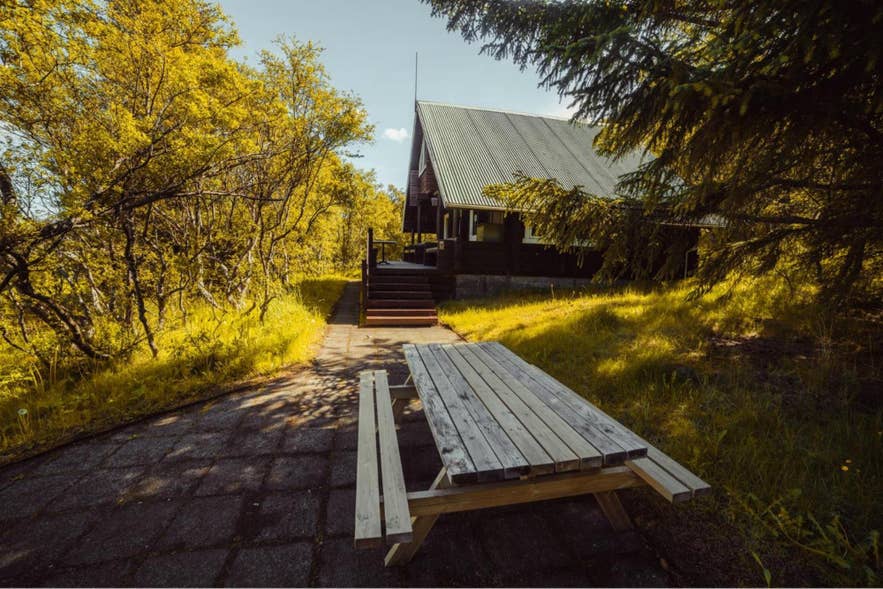
For extended stays in Thorsmork, several accommodation options are available to suit different preferences:
-
Volcano Huts in Husadalur Valley offers several choices, including cozy cottages, private rooms, budget-friendly dorms, and a large campground. For a more comfortable experience, “glamping” tents equipped with electric heaters, down duvets, and woolen blankets are available. Booking in advance is recommended.
-
Thorsmork/Langidalur Hut: Operated by the Icelandic Touring Association (Ferdafelag Islands), this hut is located at the end of Laugavegur Trail. It offers classic dorm-style hostel bunk beds, two kitchens, a dining hall, and camping lawns.
-
Basar Hut and Campground: Located on the south side of the Krossa River (meaning you don’t have to cross Krossa to get here), Basar serves as the starting point for the Fimmvorduhals trail. The site offers showers, toilets, barbecue grills, and a designated camping area where visitors can pitch tents.
For accommodations outside Thorsmork, consider The Garage, which offers studio apartments conveniently located between the Seljalandsfoss and Skogafoss waterfalls, providing easy access to other South Coast attractions.
What To Pack for Thorsmork
 The weather in the Icelandic Highlands can change from warm sunshine to horizontal rain and freezing wind in under ten minutes. Here’s what to pack for Iceland for your visit.
Build a three-layer system
-
Base layer: Moisture-wicking merino wool or synthetic fabric.
-
Mid-layer: Fleece, Icelandic wool, or a light down jacket.
-
Outer shell: A waterproof, windproof jacket and rain pants.
Footwear and accessories:
-
Hiking boots: Sturdy, waterproof hiking boots with good ankle support.
-
River crossing shoes: Water shoes or old sneakers to protect your feet from sharp rocks.
-
Socks: 2 to 3 pairs of merino wool hiking socks.
-
Scarf, gloves, and hat: For added warmth and wind protection.
Gear and equipment:
-
Backpack: 20- to 30-liter waterproof daypack with a hip strap and a rain cover.
-
Map and compass or GPS device: Essential for navigation, especially in remote areas.
-
First aid kit: Including bandages, blister pads, pain relievers, and any personal medications.
-
Trekking poles: These are helpful for stability on uneven terrain and during river crossings.
-
Water bottle: It’s recommended to bring 0.26 gallons (one liter) for a two-hour hike. More is needed for strenuous hikes.
-
Snacks: Energy gel for more challenging hikes and granola bars for lighter hikes.
Adventure to Thorsmork and Beyond
 Thorsmork rewards the effort it takes to reach it, packing glacier views, birch woods, and some of Iceland's finest hiking into one sheltered valley. Whether you come for a day by Super Jeep or a multi-day trek, plan your route, transport, and stay around the short summer season, when the highland roads and buses are open.
To make the most of it, read up on camping in Iceland for a night at the valley's huts and campsites, and our tips for backpacking in Iceland before you take on the Laugavegur or Fimmvorduhals trails. Travelers who fall for the highlands can even give back by volunteering in Iceland on conservation and trail projects.
However you explore it, Thorsmork is one of the country's most rewarding places to lace up your boots