Explore diving and snorkeling in Iceland to discover freshwater fissures, geothermal formations, and ocean habitats. This guide explains what each activity involves, how to prepare for cold water, and what you can see at sites around the country.
The underwater scenery in Iceland varies considerably between locations. Clear fissures reveal submerged lava walls, coastal dives pass through kelp forests, and geothermal sites offer a view of warm water emerging from beneath the seabed.
Silfra Fissure in Thingvellir National Park is Iceland’s best-known snorkeling and diving site, but it is one part of a wider underwater landscape. Exploring other locations can introduce you to marine life and environments quite different from Silfra’s freshwater passages.
You do not need a scuba certification to join suitable snorkeling tours, although swimming ability and other participation requirements still apply. Diving tours explore below the surface and require the qualifications and experience specified for each site.
Cold-water equipment can feel unfamiliar, even if you have snorkeled or dived elsewhere. Understanding the suit, preparing your clothing, and knowing what to expect help you approach the experience with greater confidence.
To add local insight, we spoke to Grétar Þorláksson, an experienced Silfra snorkeling guide from Adventure Vikings. He shares advice on the activity, with practical details to help you prepare before your visit.
Why You Can Trust Our Content
Guide to Iceland is the most trusted travel platform in Iceland, helping millions of visitors each year. All our content is written and reviewed by local experts who are deeply familiar with Iceland. You can count on us for accurate, up-to-date, and trustworthy travel advice.
Key Takeaways
-
Snorkeling eligibility: No scuba certification is needed, but participants must meet swimming, age, health, and equipment-fit requirements.
-
Diving qualifications: Scuba sites require appropriate certification, often with drysuit training or documented experience.
-
Underwater environments: Choose among freshwater fissures, coastal kelp forests, and geothermal formations.
-
Seasonal availability: Some excursions run year-round, while others depend on the season and weather.
-
Clothing and documents: Follow your operator’s layering instructions and bring any required certifications and medical forms.
-
Protecting dive sites: Avoid touching fragile features and keep fins and equipment clear of the bottom.
-
Flying after diving: Leave an appropriate interval between your final scuba dive and your flight.
Snorkeling or Scuba Diving in Iceland: Which Is Right for You?
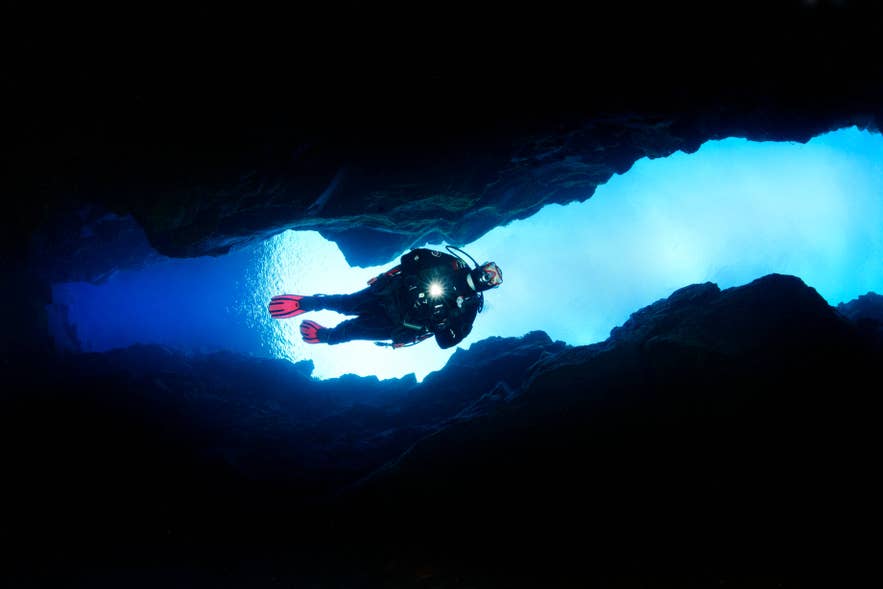
Choose snorkeling if you want to observe underwater scenery from the surface without scuba training. Consider diving if you have the required qualifications and want to explore submerged landscapes or marine habitats using a tank and regulator.
Snorkeling can suit first-timers who swim confidently and feel comfortable in the water. Your guide helps with equipment fitting and explains what to do before you enter.
Being nervous is perfectly normal, especially if it's your first time wearing a drysuit. We, the guides, are very used to that and will do everything in our power to help people feel comfortable.
If you are a certified diver, match the site to your training and recent experience. Some Icelandic dives require drysuit qualifications or documented experience, while deeper or more demanding sites may require advanced certification.
The underwater perspective also differs. Grétar explains that snorkelers look down into sites like Silfra from the surface, while scuba divers explore beneath it. Elsewhere in Iceland, qualified divers can explore coastal kelp forests and hydrothermal chimneys.
Participation Requirements for Diving and Snorkeling in Iceland
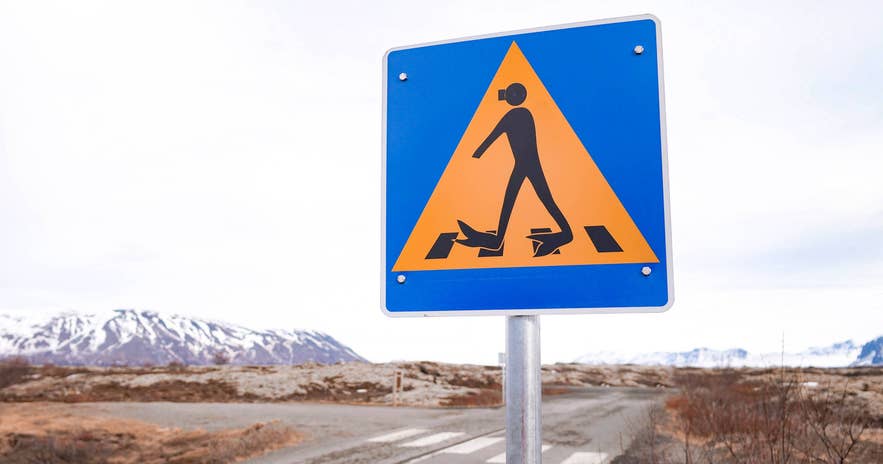
Participation requirements for diving and snorkeling in Iceland depend on the site, activity, equipment, and operator. Check both the site’s rules and your chosen tour’s requirements before booking.
Scuba Diving Requirements
At Thingvellir, divers need an Open Water qualification or equivalent and a drysuit certification. Alternatively, the park accepts ten registered drysuit dives within the previous two years, confirmed in writing by an instructor affiliated with an internationally recognized diving organization.
The park prohibits solo participation and entry into caves or other overhead environments. Its maximum permitted diving depth is 59 feet (18 meters).
Other sites may require advanced qualifications, a minimum number of logged dives, or more recent experience. Confirm that your documents meet the requirements before traveling, and complete any requested medical screening.
If you need additional training, a PADI Dry Suit Diver Course can help you develop the relevant skills. Check the course prerequisites and the requirements of your intended dive separately.
Snorkeling Requirements
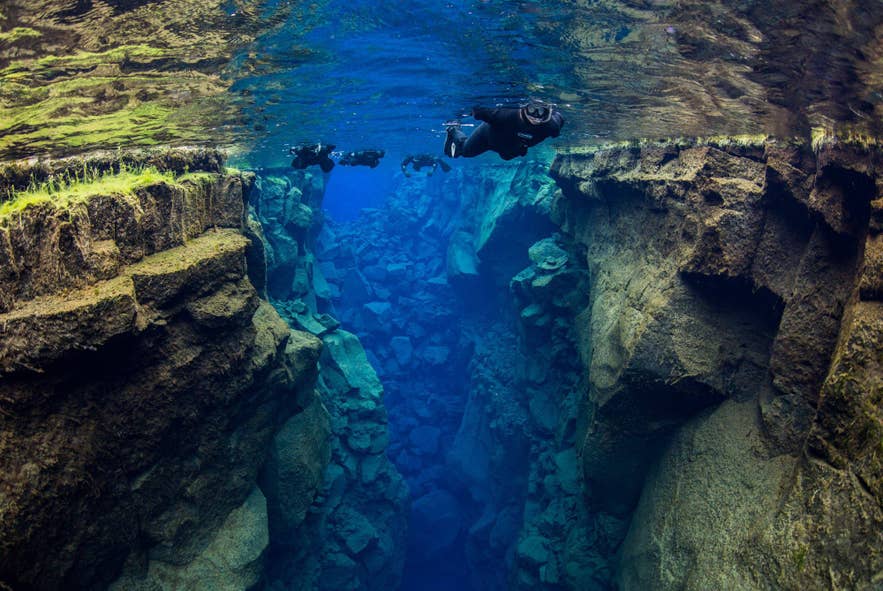
Snorkeling in Iceland does not require scuba certification, but swimming ability and confidence in the water remain important. At Silfra, swimming independently is essential. For Nesgja and Litlaa, check the requirements for each site, especially when joining a combination trip.
Participants must fit the equipment provided. Minimum ages, height and weight limits, and rules for minors vary between operators. Adventure Vikings, the operator that Grétar works for, welcomes Silfra snorkelers from age 12, but this is not a nationwide minimum.
Review the operator’s medical declaration and arrange physician approval if requested. Check pregnancy restrictions before booking, too. The snorkeling tours that Grétar guides do not accommodate pregnant participants, and most other providers have similar restrictions.
Diving and Snorkeling Locations in Iceland
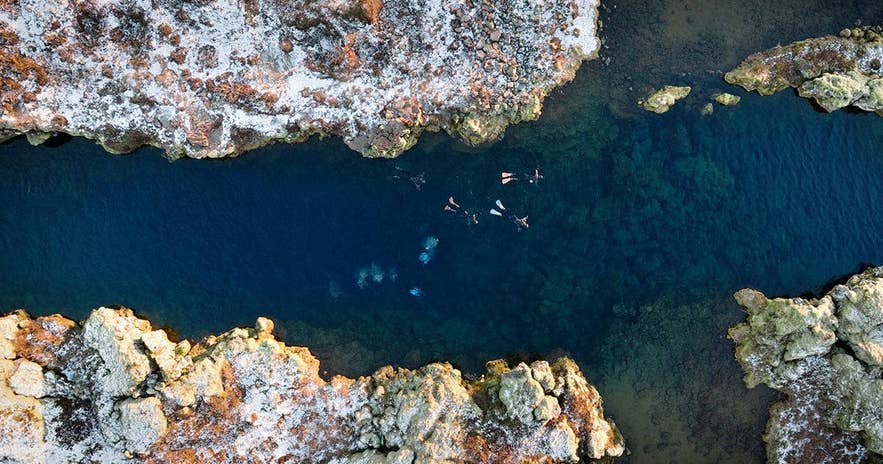
Iceland’s underwater sites include freshwater fissures, geothermal environments, and coastal habitats. Compare their scenery, conditions, and experience requirements when choosing a location. Guided availability varies, particularly at sites requiring advance arrangements.
Silfra Fissure Dive and Snorkel Site
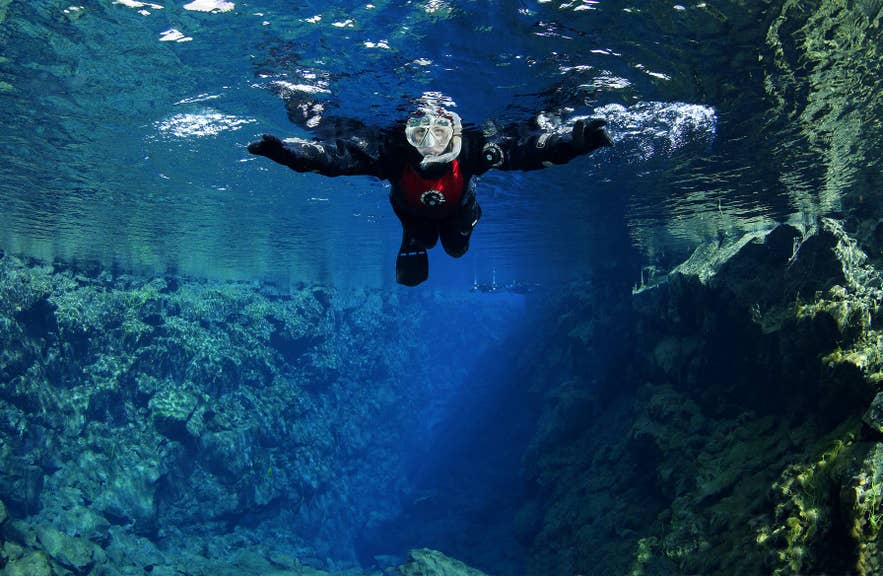
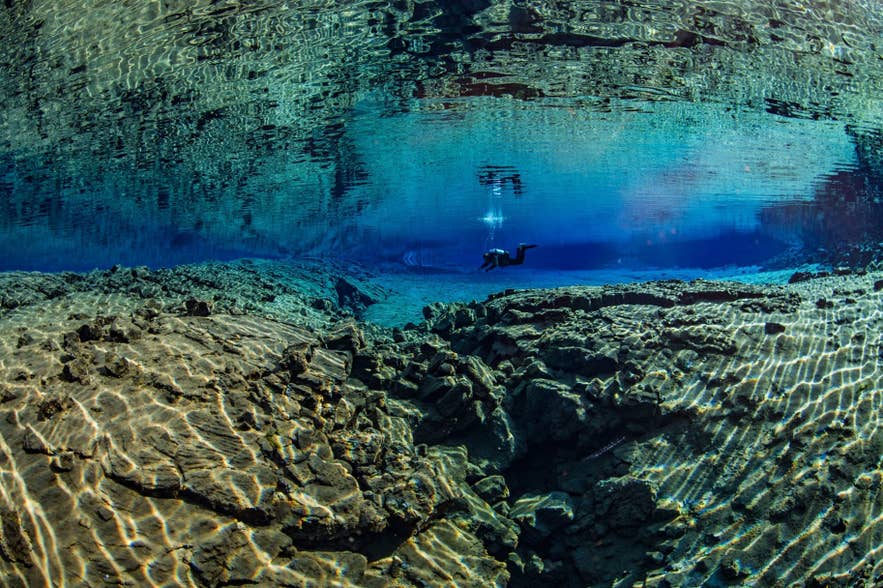
Silfra Fissure lies within Thingvellir National Park, northeast of Reykjavik. Its clear water reveals submerged lava walls and freshwater algae within the wider rift valley between tectonic plates.
Visibility can reach approximately 328 feet (100 meters), while the water remains around 35–39 F (2–4 C). Grétar says visitors are often surprised that Silfra’s underwater views look just as clear in person as in photographs, without filters or editing.
The cold water requires suitable exposure protection throughout the year. Both drysuit snorkeling and wetsuit snorkeling are available. A Silfra diving tour takes appropriately qualified divers beneath the surface using drysuits.
Thingvellir is a main stop on the Golden Circle. Explore the park’s historic assembly area and walking paths before or after entering the water, or continue toward geothermal sights and waterfalls along the route.
For an overnight stop, consider Golden Circle hotels and accommodations. Our Silfra travel guide covers access, parking, nearby sights, and other destination details.
Davidsgja Dive Site
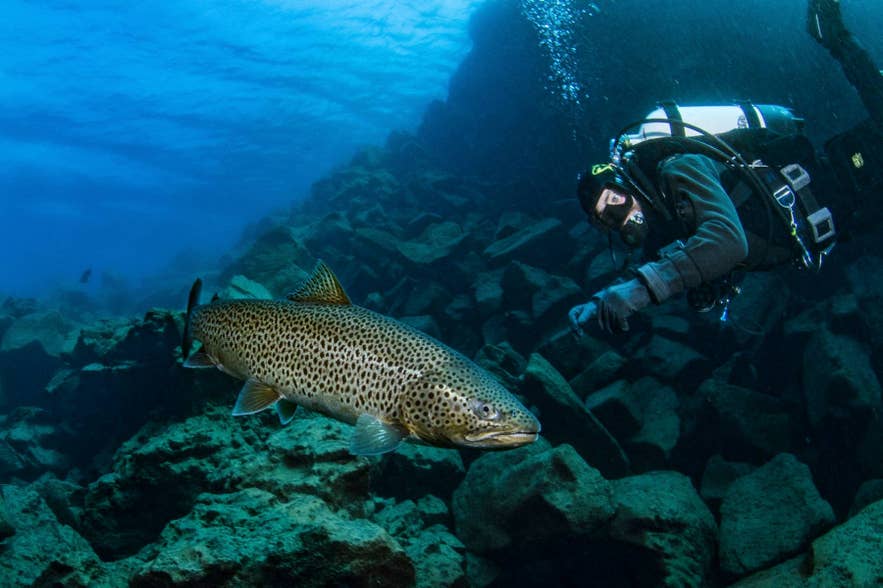
Davidsgja is a submerged fissure in Lake Thingvallavatn, within Thingvellir National Park near Silfra. Divers enter from the shore and cross a shallow section before descending toward its underwater opening.
Visibility is more affected by lake conditions than at Silfra, and trout may accompany divers through the passages. Its submerged entrance gives divers a different perspective on the park’s underwater lava formations.
A Davidsgja diving tour explores the fissure on its own. A Silfra and Davidsgja diving tour combines both sites, with Thingvellir’s diving qualification rules applying to each.
Just like Silfra, Davidsgja fits day trips from Reykjavik or a wider Golden Circle drive. Nearby walking paths in the park include Almannagja Gorge and Oxararfoss Waterfall.
Bjarnagja Dive Site
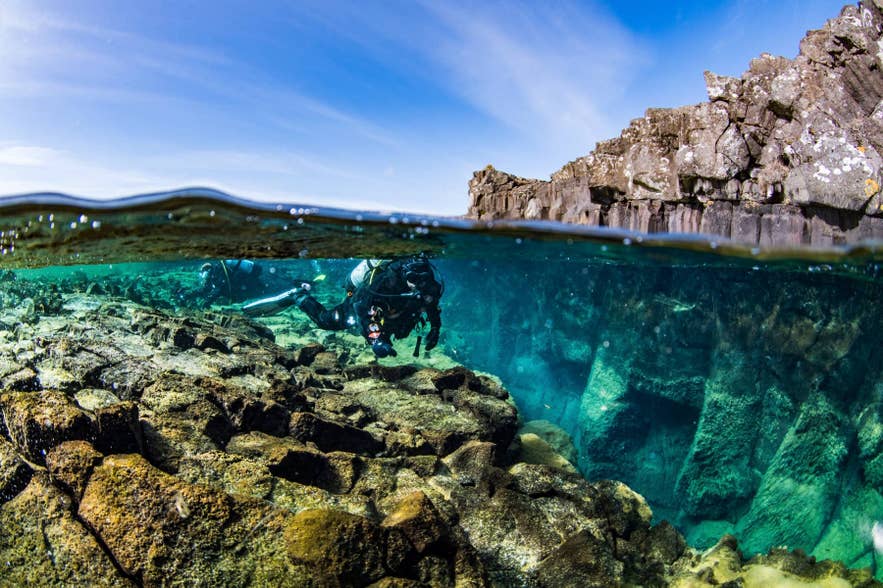
Bjarnagja is a water-filled lava fissure near Grindavik on the Reykjanes Peninsula. Fresh groundwater mixes with seawater here, creating a different underwater environment from the freshwater fissures at Thingvellir.
Divers explore narrow rock walls and a small submerged boat wreck. The mix of fresh and salt water influences visibility, and marine life can enter from the nearby ocean.
A Bjarnagja diving tour explores the fissure. An ocean and Bjarnagja diving combination tour pairs it with a coastal dive. Both have diving qualification and drysuit experience requirements.
You can combine diving with other things to do on the Reykjanes Peninsula. Some tours offer a Blue Lagoon drop-off afterward. For this option, arrange a Blue Lagoon ticket separately. A bus transfer to Reykjavik can cover the onward journey.
Ottarsstadir Dive Site
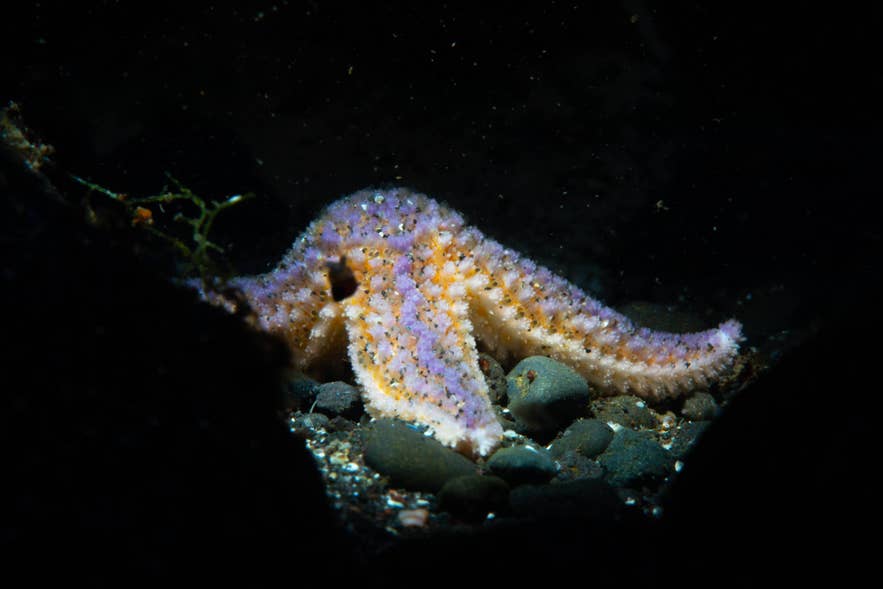
Ottarsstadir is an ocean dive site near Hafnarfjordur, southwest of Reykjavik. Kelp forests grow among submerged volcanic rocks, providing shelter for fish, crabs, sea stars, and sea urchins. Diving here focuses on marine habitats rather than the rock passages of Iceland’s freshwater fissures. Visibility and wildlife sightings vary with ocean conditions.
An Ottarsstadir ocean diving tour can include return transportation from Reykjavik and equipment for a guided dive. Check its certification and recent drysuit experience requirements when choosing your excursion.
The town's proximity to the capital suits a stay at hotels and accommodations in Reykjavik. Our guide to things to do in Reykjavik offers ideas for the rest of your visit.
Gardur Dive Site
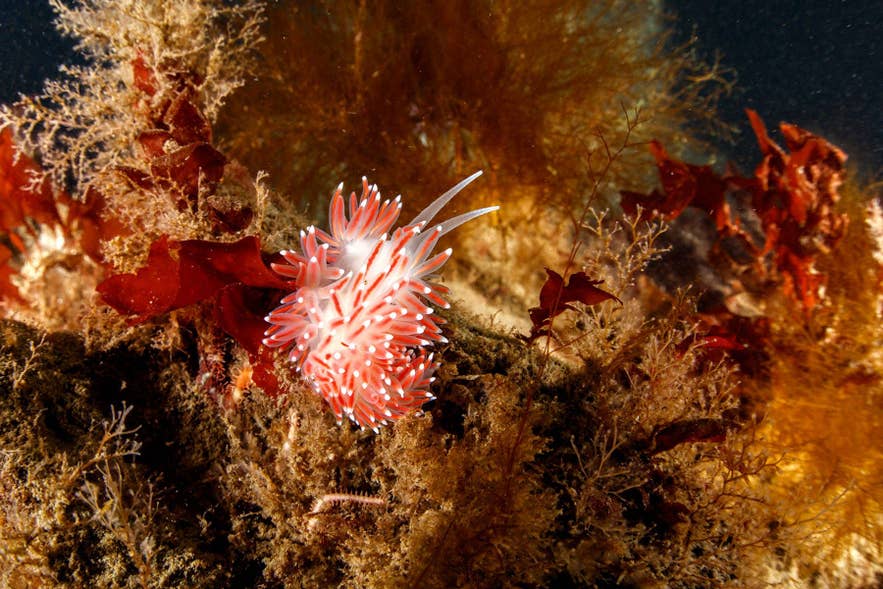
Gardur is an ocean dive site on the Reykjanes Peninsula, southwest of Reykjavik. Kelp forests, marine algae, rocky areas, and a sandy seabed give it a different character from Iceland’s freshwater fissures. Divers may encounter wolffish, flatfish, and other marine life among these habitats. Visibility and sightings depend on ocean conditions.
A Gardur ocean diving tour explores this coastal environment. Departures are seasonal, and timing depends on the tides, so check available dates and the tour’s diving qualifications before planning your visit.
Gardur fits a day trip from Reykjavik or a stay at hotels and accommodations on the Reykjanes Peninsula. The nearby Gardskagi Lighthouses and coastal paths offer another stop in the area.
Strytan Dive Site
Strytan is a hydrothermal chimney in Eyjafjordur, a fjord in North Iceland. This underwater tower forms as warm, mineral-rich freshwater rises through the seabed and leaves deposits where it meets cold seawater.
The main formation rises from about 213 feet (65 meters) deep to within 49 feet (15 meters) of the surface. Nearby Arnarnesstrytan offers smaller formations and opportunities to observe marine life, including cod and wolffish.
Guided boat trips depart from Hjalteyri, north of Akureyri. The main Strytan dive requires advanced certification and drysuit experience, along with careful buoyancy control around the fragile formations.
Akureyri is North Iceland’s largest town, at the head of Eyjafjordur. Its hotels and accommodations provide a base for diving, while our guide to things to do in Akureyri offers ideas for the rest of your stay.
Nesgja Snorkel Site
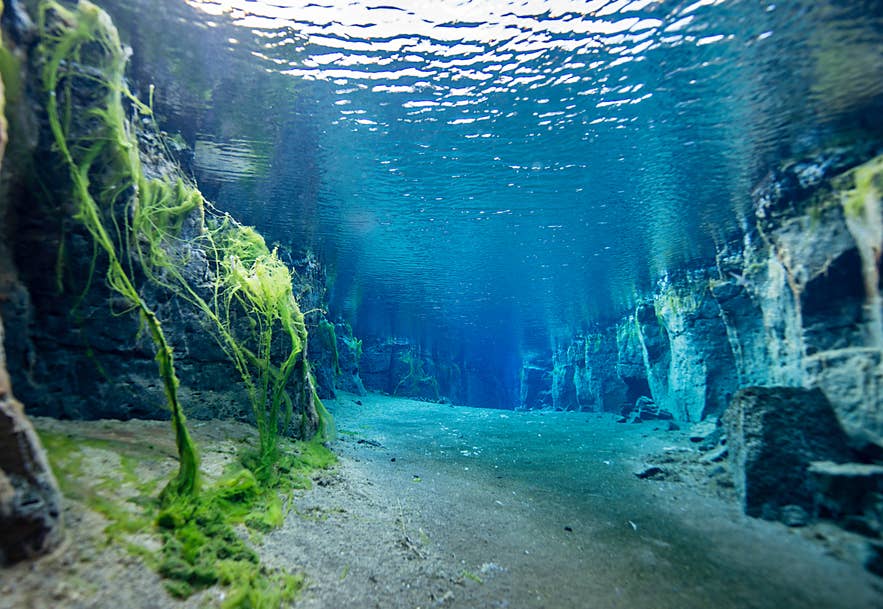
Nesgja is a freshwater fissure in North Iceland, near Asbyrgi Canyon and Litlaa River. Its clear, cold water reveals submerged rock walls within a shallow rift, with occasional Arctic char sightings.
Some locally operated trips combine Nesgja with the warmer snorkeling waters of Litlaa. These excursions require advance arrangements, so confirm the departure point and availability for your dates.
Hotels and accommodations in Husavik offer a base in Iceland’s whale-watching capital. Join a whale-watching tour from Husavik during your stay, or explore more options in our guide to things to do in Husavik.
Litlaa Snorkel Site
Litlaa, meaning “Little River,” is a shallow snorkeling location near Iceland’s northern coast. Geothermal heat creates warmer water than at Silfra, although temperatures vary within the site.
The underwater scenery includes bubbling sands, colorful sediments, plants, and algae. Water emerging through the bottom creates shifting patterns that snorkelers can observe from the surface.
Include Litlaa in a Diamond Circle itinerary in your North Iceland trip, with time for snorkeling and sightseeing at separate stops. Explore the walking trails in Asbyrgi Canyon, or continue to Dettifoss Waterfall for a view of the powerful cascade and surrounding canyon.
Kleifarvatn Dive Site
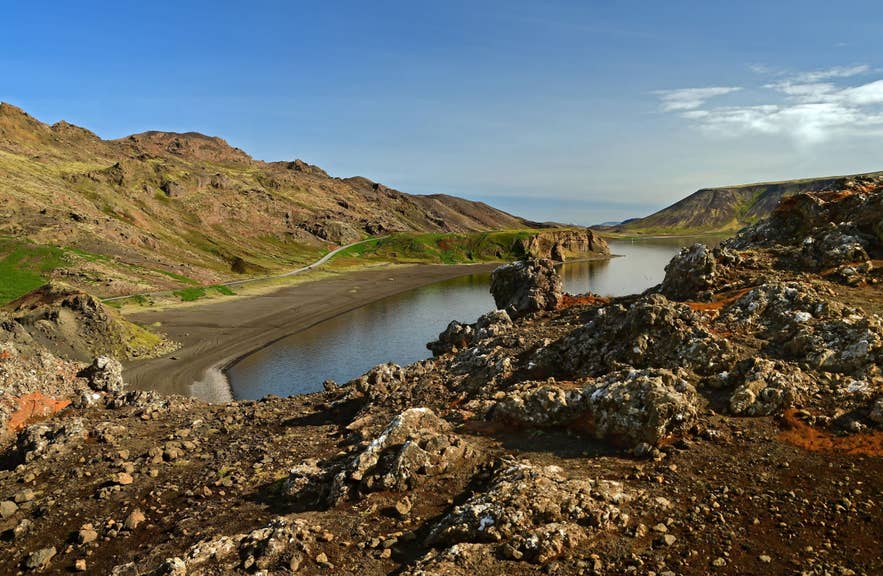
Kleifarvatn is a lake on the Reykjanes Peninsula in Southwest Iceland. Geothermal activity releases bubbles through parts of its lakebed, which guided dives explore. Confirm current guided availability and participation requirements before planning a dive here.
The lake fits a day exploring Reykjanes from Reykjavik or a stay on the peninsula. Nearby Seltun Geothermal Area has steaming vents, mud pots, and mineral-colored ground visible from marked paths.
When To Go Diving and Snorkeling in Iceland
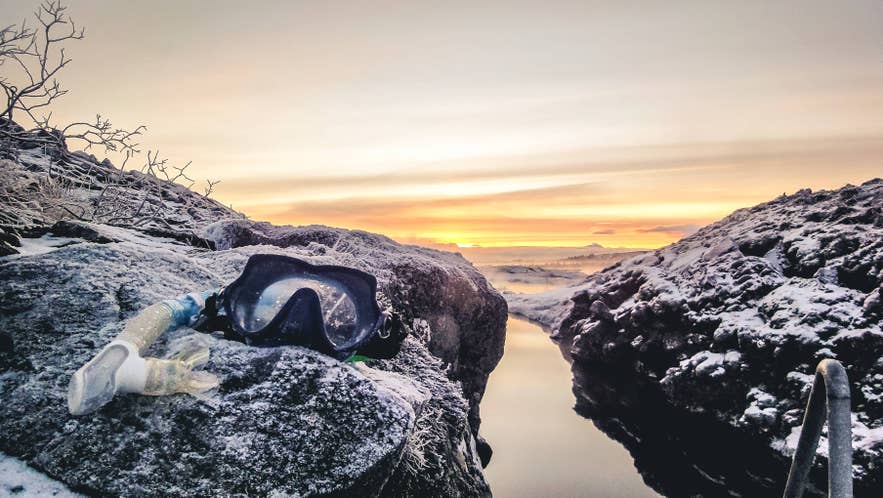
Summer generally offers the most flexibility for diving and snorkeling in Iceland, with longer daylight hours, milder conditions above water, and seasonal ocean excursions. Year-round sites also allow winter visits.
Silfra offers snorkeling and diving throughout the year, with little seasonal change in water temperature. Strytan diving and snorkeling trips to Nesgja and Litlaa are also advertised year-round, subject to weather and advance arrangements.
Ocean excursions run on different schedules, and some, including Gardur dives, are only offered seasonally. Wind, waves, and tides can affect departure times or the choice of dive site, so keep your plans flexible if you want to visit a particular location.
Winter in Iceland requires extra time for travel and preparation, as snow or ice can affect roads and walking paths. Check road conditions and the weather forecast before setting out.
If you plan to scuba dive, also leave enough time between your final dive and your flight. Flying too soon increases the risk of decompression sickness, so check Divers Alert Network’s flying-after-diving guidelines and follow any longer waiting period required by your operator or dive computer.
Your dates should also suit the rest of your trip. Our guide to the best time to visit Iceland compares seasonal contrasts, weather, and activities to help you plan.
What To Expect When Diving and Snorkeling in Iceland
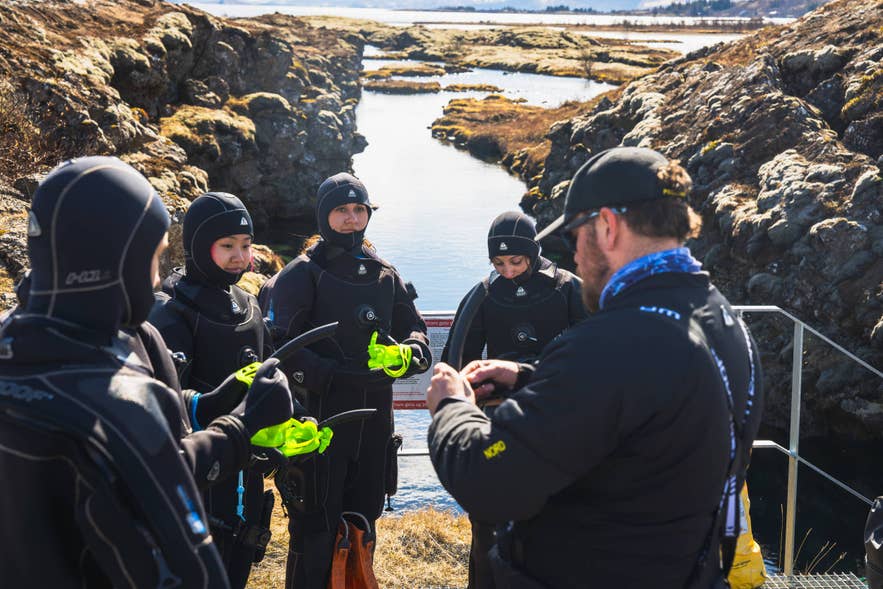
Diving and snorkeling in Iceland begin with equipment checks and a briefing about the site and safety procedures. The suit and gear you wear can take some getting used to, particularly if you have only snorkeled or dived in warmer water.
A drysuit helps keep your body dry, with layers underneath providing warmth. A wetsuit lets you get wet while its neoprene provides insulation. At Silfra, drysuit snorkelers float at the surface, with a gentle current helping them along the fissure.
Drysuit neck and wrist seals can initially feel snug. Turning to take in the surroundings may also feel different while wearing the suit.
One of the most common mistakes we see in the water is people forcing their neck to look around. Instead, use your torso and shoulders to turn. It's much more comfortable, particularly when you're wearing a drysuit.
For scuba divers accustomed to warmer water, thicker suits, gloves, and different weighting can affect movement and balance. Diving in a drysuit also involves managing the air inside it as depth changes, so familiarity with the equipment matters even for experienced divers.
You may still feel cold in the water or during preparation and breaks between dives. Grétar says snorkelers often find the experience less cold than expected once they settle in, but comfort varies. Tell your guide if the suit feels uncomfortable or the cold affects your ability to continue.
How To Prepare for Diving and Snorkeling in Iceland
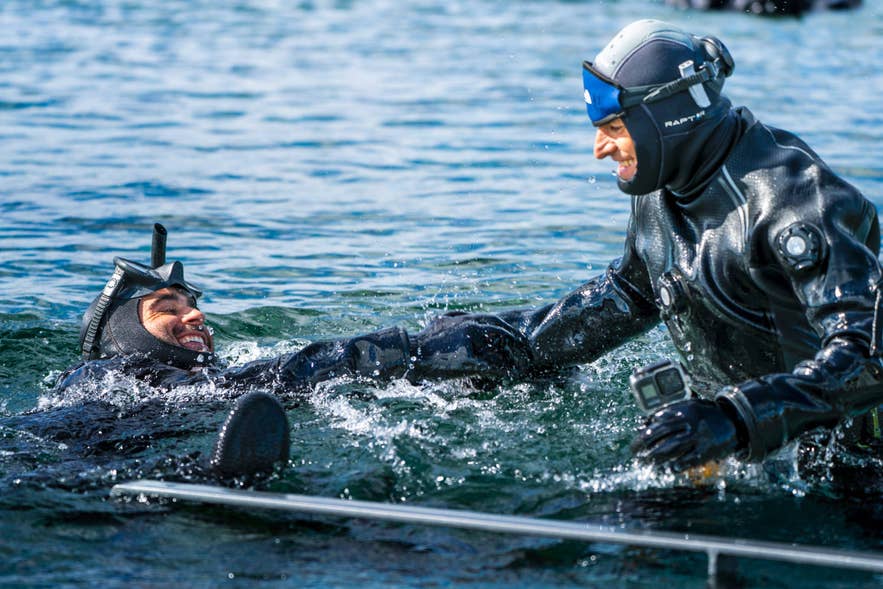
Prepare by checking the clothing instructions, equipment inclusions, and documents requested for your chosen experience. Use the checklist below alongside your operator’s instructions, since the suit and activity affect what you need to bring.
-
Confirm the equipment provided: Check which suit and insulating layers are included. Scuba divers should also discuss any unfamiliar equipment with the operator.
-
Bring suitable drysuit layers: For snorkeling, Grétar recommends a thin thermal base layer, such as merino wool, and warm socks. Scuba divers should follow the instructions for the drysuit and undergarments supplied.
-
Check what to wear beneath a wetsuit: Grétar’s snorkeling tours require a swimsuit and do not allow rashguards or leggings underneath the wetsuits. Follow the instructions for your own equipment.
-
Arrange prescription vision correction: If you wear glasses, discuss contact lenses or a compatible prescription mask with the operator.
-
Eat before your visit: Grétar advises snorkelers to have a normal meal rather than arrive on an empty stomach. Divers should plan food and drinks around their dives and surface intervals.
-
Prepare for equipment fitting: Remove jewelry and wristwatches if instructed, as they can interfere with drysuit seals. Grétar also recommends avoiding makeup.
-
Have your documents ready: Bring any requested certification cards, dive logs, and completed medical forms. Arrange required physician approval before your visit.
-
Pack warm outer clothing: Bring layers for preparation and changing. For multiple dives, include clothing that helps you stay warm and sheltered from wind during surface intervals.
How To Move Safely and Avoid Damaging Dive Sites in Iceland
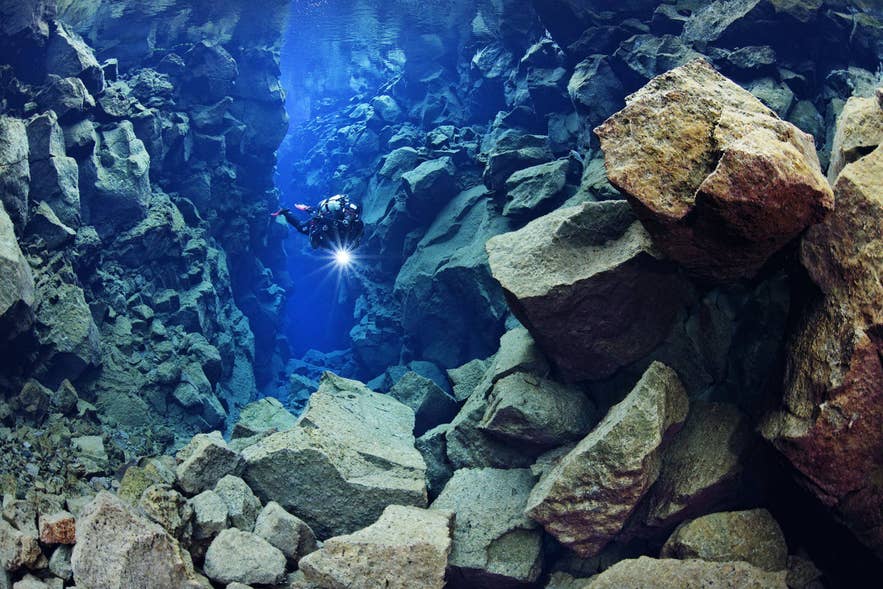
Follow your guide’s briefing and move carefully to avoid contact with fragile underwater features. Stay with your group or buddy and keep clear of rock walls and the bottom wherever possible.
At Silfra, Grétar asks snorkelers not to kneel, sit, or stand on the rocks. He recommends allowing the gentle current to help rather than swimming quickly through the route.
Scuba divers should maintain controlled buoyancy and leave room for their fins to clear the bottom and surrounding formations. Secure loose equipment so it does not drag across rocks or disturb underwater habitats.
Preparing for Your Underwater Experience in Iceland
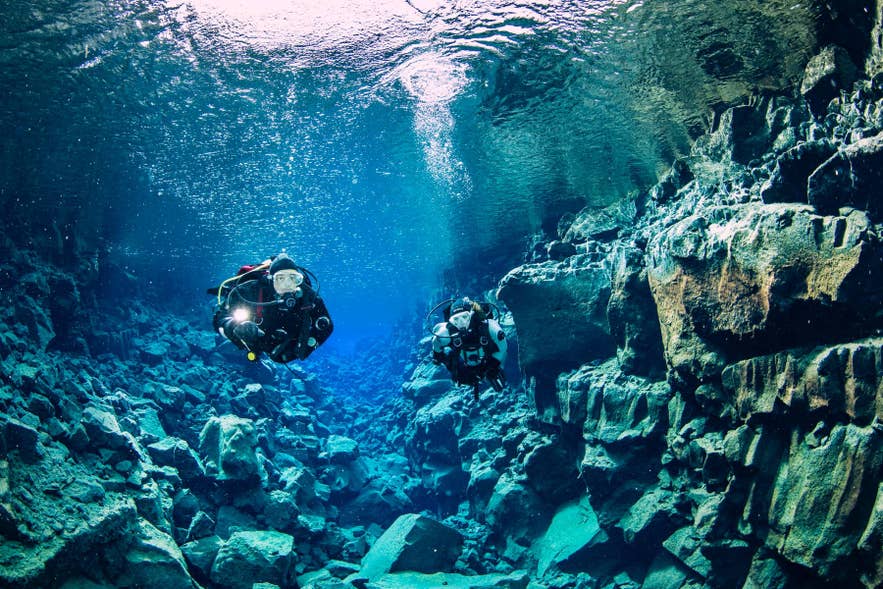
Choose your activity around your swimming confidence, qualifications, and the underwater environment you want to explore. Prepare the clothing and documents requested, and discuss any equipment or health questions before arriving.
Grétar’s advice is to arrive prepared, allow the guide to fit the equipment properly, and take time to settle into the water. That preparation helps you focus on the landscape once the experience begins.
Browse snorkeling tours and diving tours for available experiences and their full participation requirements. Choose an option that matches your experience and fits the places you plan to visit.
Can you snorkel in Iceland?
Do you need a certification to snorkel in Iceland?
Can beginners snorkel in Iceland?
What is the minimum age for snorkeling in Iceland?
Can you snorkel in Iceland while pregnant?
What certification do you need to dive in Iceland?
Where can you dive in Iceland?
How cold is the water for diving and snorkeling in Iceland?
What can you see when diving in Iceland?
When is the best time to go diving and snorkeling in Iceland?
What should you wear under a drysuit in Iceland?
How long should you wait to fly after diving in Iceland?
Will Iceland be your first snorkeling experience, or are you an experienced diver looking for somewhere new to explore? Share which underwater sites interest you most in the comments, or tell us about your experience if you’ve already visited.

Michael Chapman is a British travel writer living in Reykjavík. A former scuba and lava cave guide, he draws on firsthand experience to write about Iceland’s nature and culture. He’s also the author of Hidden Iceland (2020).