Discover everything you need to know about visiting Iceland in September, from weather and daylight hours to the best things to do and tours to book. With fewer crowds, changing colors, and the return of darker nights, September is one of the best times to experience Iceland.
September is an underrated shoulder season in Iceland, offering a balance of mild conditions and seasonal highlights. Many summer activities are still available, including self-drive tours, sightseeing excursions, hiking trips, but the darker nights return, creating the first chances to go hunting for the northern lights in Iceland.
Why You Can Trust Our Content
Guide to Iceland is the most trusted travel platform in Iceland, helping millions of visitors each year. All our content is written and reviewed by local experts who are deeply familiar with Iceland. You can count on us for accurate, up-to-date, and trustworthy travel advice.
Accommodation is still in high demand in September, so it’s a good idea to book a hotel in Iceland in advance, especially if you plan to travel outside Reykjavik. It’s a great time to explore the countryside, whether by joining guided September tours or renting a budget car to enjoy the freedom of traveling on your own schedule.
Before finalizing your plans, it’s helpful to understand what to expect when traveling in Iceland in September. Below, you’ll find information on the weather, practical travel tips, activity recommendations, and everything you need to plan a memorable trip to Iceland in September.
Key Takeaways
-
September is a shoulder season with fewer crowds and good road access.
-
Many summer tours and activities remain available.
-
Northern lights sightings become possible as nights grow darker.
-
Frost returns to the north and inland areas in September, according to our 26-year temperature study, so pack for freezing nights when camping outside the south.
-
Self-drive travel is still easy, including the Ring Road and many remote regions.
-
Early booking is recommended for accommodation and popular tours.
Weather in Iceland in September
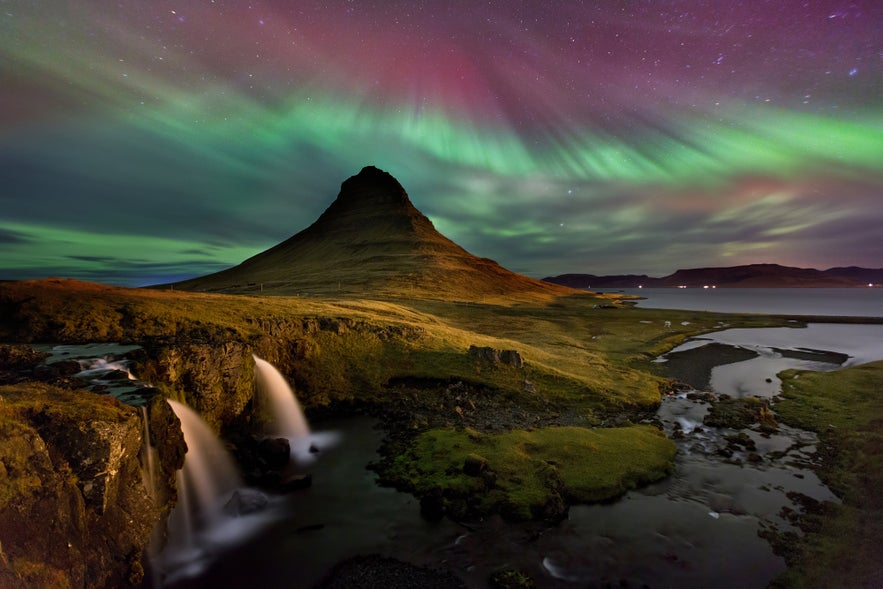
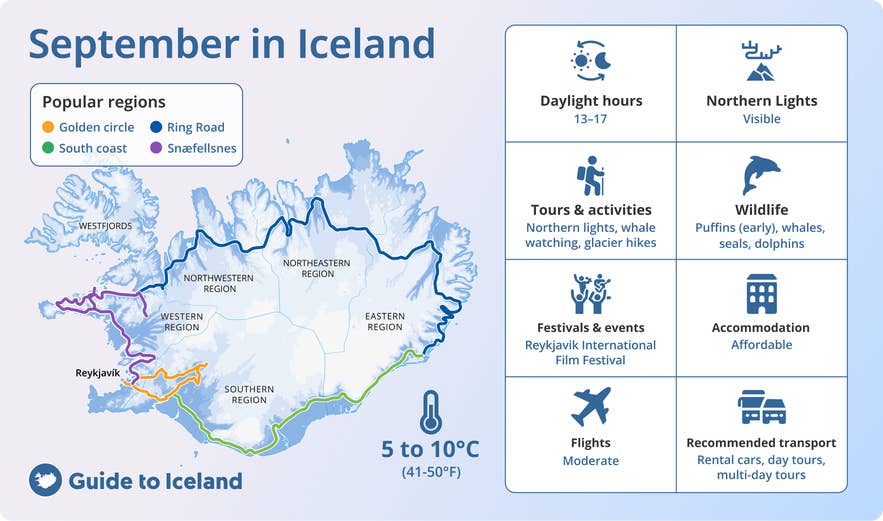
September weather marks the transition from summer to fall in Iceland. Conditions are generally mild but changeable, with a mix of clear days, rain, and wind. Average September temperatures in Reykjavik hover around 47°F (8.6°C), with afternoons near 53°F (11.6°C) and nights around 43°F (6.3°C).
Low-pressure systems, known locally as "haustlægð" or autumn depressions, begin to pass through Iceland in September. These systems can bring short, strong winds and periods of heavy rain, particularly later in the month, so you may encounter some weather warnings during your visit.
Weather conditions in Iceland can vary significantly by region, with Reykjavik often slightly warmer than more exposed areas.
Despite increasing variability, September remains well-suited for outdoor activities such as sightseeing, hiking, glacier tours, and wildlife excursions. Dressing in layers and packing the right equipment, such as waterproof clothing, is essential to staying comfortable while traveling.
Daylight in September
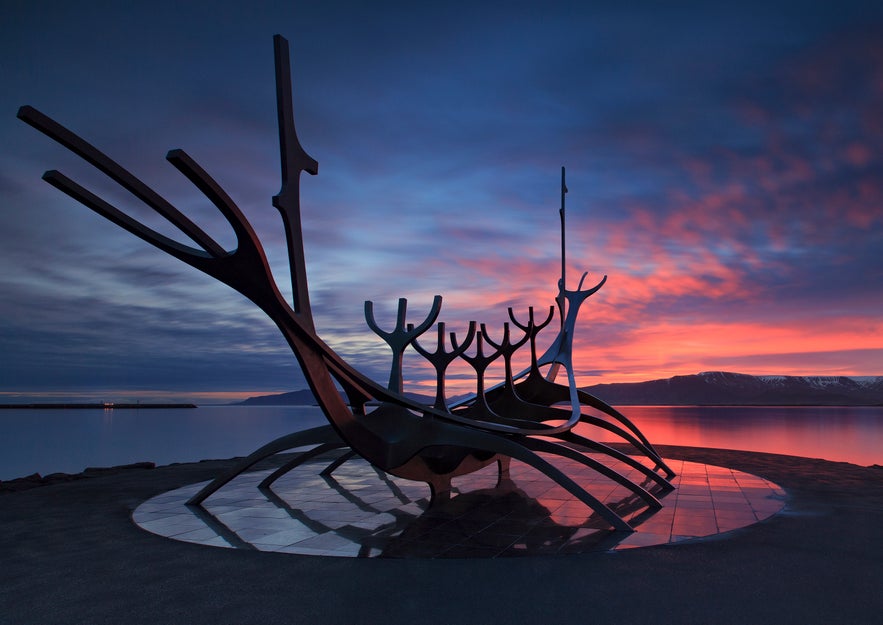
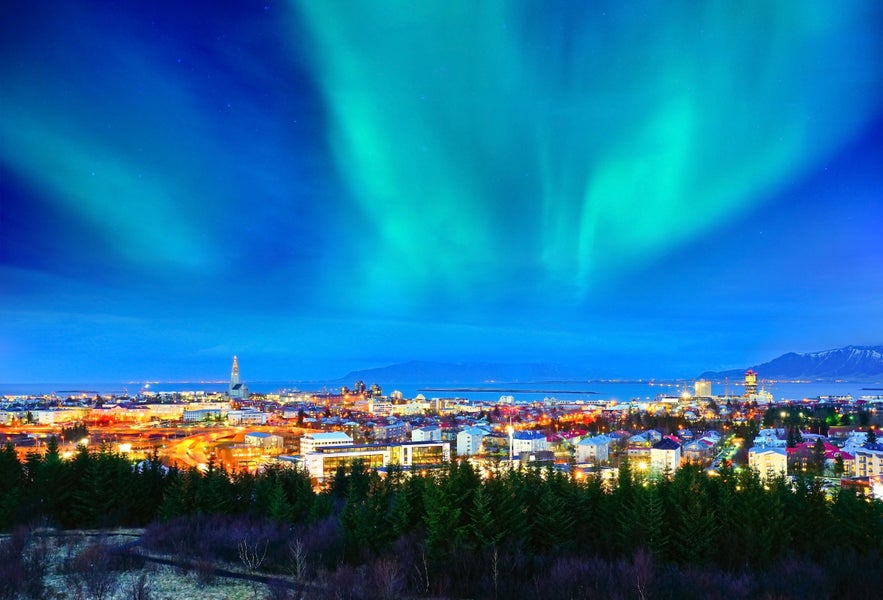
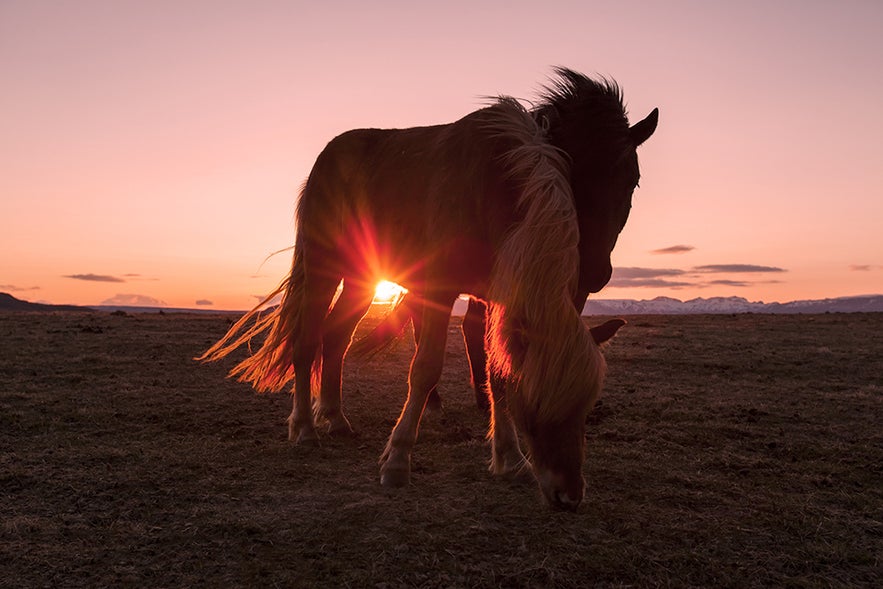
Dark nights return to Iceland in September. The days are still bright and long, so you’ll witness both fantastic sunsets with hues of pink and purple, as well as bright and beautiful sunrises. With the nights getting longer and the sky getting darker, the chance to see the elusive northern lights in September increases.
In September, the daylight hours in Iceland last for an average of about 13 hours. However, the days get shorter as the month goes on. On September 1, the sunrise is at 6:11 AM, and the sunset is at 8:41 PM. But in late September, the sunrise is past 7:30 AM, and the sunset is at almost 7 PM. In total, the number of daylight hours goes down from about 14.5 hours to 11.4 hours.
That means you have a better chance of seeing Iceland’s northern lights in September, towards the end of the month.
What to Pack for Iceland in September
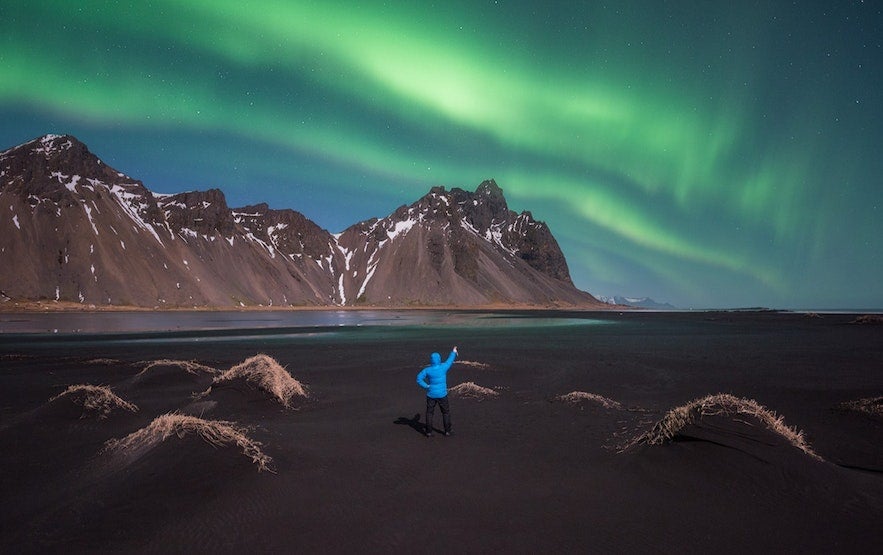
The temperature in Iceland in the month of September is still considered mild, but you should prepare for both warmer and colder weather. The essential packing list for what to wear when visiting Iceland in September:
-
T-shirts and long-sleeve sweaters
-
Warm layers such as fleece and thermal underwear
-
Waterproof and windproof jacket and pants
-
Sturdy hiking boots with heel support
-
Warm gloves and headwear
-
Wool or thermal socks
-
Sunglasses (for sun glare)
-
Swimwear (for hot springs)
You can always rent extra gear in Iceland, and there are plenty of quality outdoor clothing shops on the main shopping street, Laugavegur, such as the iconic 66 North.
Driving in Iceland in September
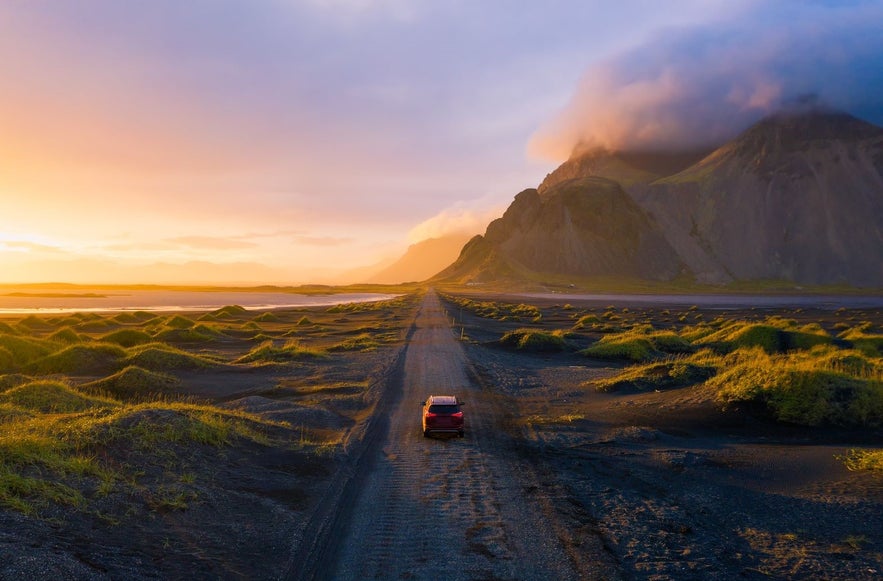
September is one of the best months for driving in Iceland. Most roads across the country remain open, including the Ring Road, South Coast, Snaefellsnes Peninsula, Golden Circle, and Westfjords. Traffic is lighter than in peak summer, making road trips more relaxed and scenic.
Costs can still be relatively high, though. Our study of self-drive tour prices by month found that September ranks ninth out of 12 months, with a median price of 30,098 ISK per person per day.
Highland roads typically stay open until mid- to late September, depending on weather conditions. If you plan to visit remote areas or drive F-roads, it’s important to check daily road updates and be prepared for sudden closures toward the end of the month.
Outside the Highlands, winter conditions are rare when driving in September, and snow is generally limited to mountain peaks.
Standard rental cars are suitable for most routes during September, although rental 4x4 vehicles are recommended if you plan to explore gravel roads or less-traveled regions. Shorter daylight hours later in the month also make route planning important, allowing enough time for driving and sightseeing before dark.
Spotting the Northern Lights in September
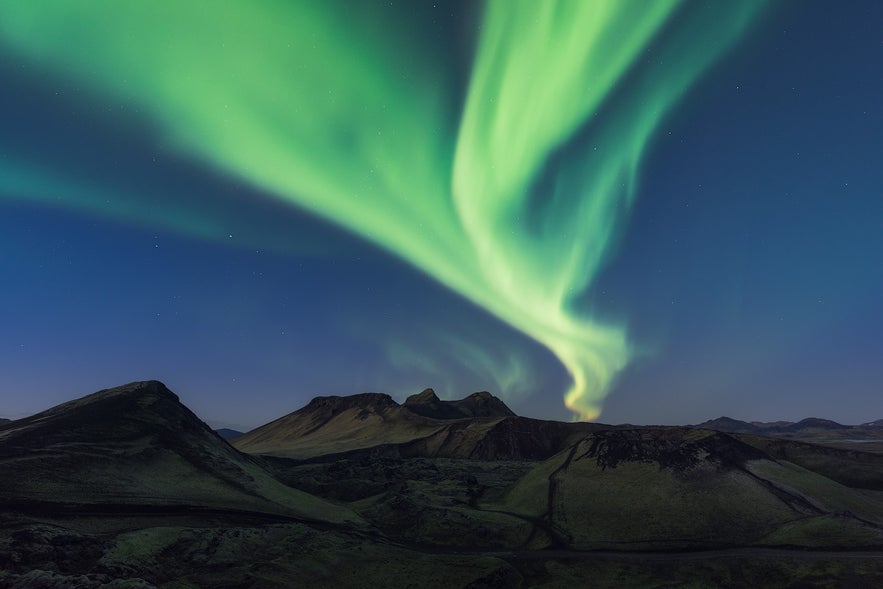
The best time to see the northern lights in Iceland is between September and April, since the sky from May to August is too bright. The darker nights of September mark the return of the northern lights season, and sightings become increasingly likely as the month progresses.
September is one of the cloudiest months of the aurora season, so where you go matters more than usual. Southeast Iceland has the least cloudy skies in the country through the aurora season, along the corridor running from Kirkjubaejarklaustur through Jokulsarlon and Hofn to Djupivogur. That said, a clear break can open up anywhere in Iceland, and one good night is all it takes, so check the cloud and aurora forecasts each evening wherever you are.
September makes up for its cloud with activity. It sits near the autumn equinox, when geomagnetic activity peaks, and together with March it accounts for more than a quarter of all severe storm intervals in 95 years of records.
While auroras can be seen over Reykjavik, the best viewing conditions are found away from city lights. Guided northern lights tours remain the most reliable option, as guides monitor weather, solar activity, and drive to optimal viewing locations.
You can also book northern lights hotels, which are far from light pollution and offer wake-up services in case they appear while you're sleeping.
Temperatures in September are still mild enough for comfortable aurora watching, though warm layers are essential when standing outdoors at night.
Prices and Crowds in Iceland in September
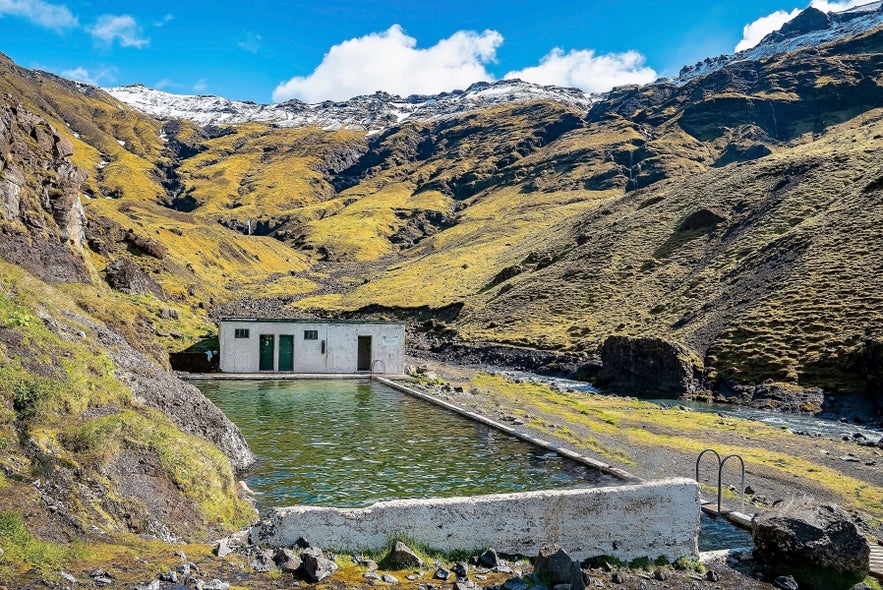
September is considered an off-peak travel period, meaning travelers may benefit from lower flight prices. From New York, September is the cheapest month for flights, according to our best time to fly to Iceland study. A seven-day mid-range trip to Iceland costs 2,916 USD per person in September, according to our study on the cheapest time to visit Iceland.
Popular attractions are generally less crowded, giving you more space to enjoy the best places to visit in Iceland. Tour availability remains high, and travelers can enjoy better flexibility than during peak summer months.
The Top 5 Best Things to Do in Iceland in September
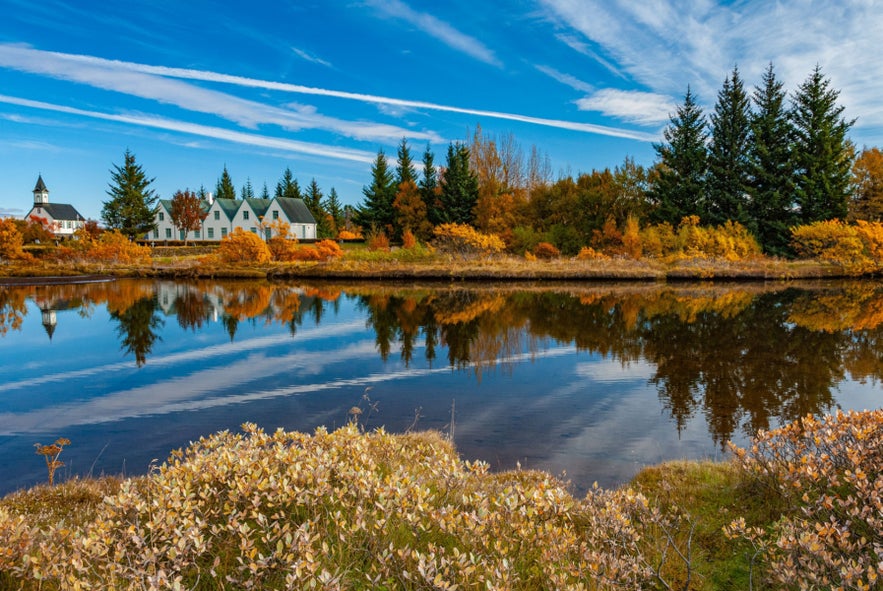
No matter the time of the year, there are several unmissable Icelandic sights and adventures, like the Golden Circle's sightseeing route, taking a dip in the Blue Lagoon, and seeing what Reykjavik has to offer.
Iceland's weather in September is still warm, so there are a few things those visiting in September should definitely pin to their itinerary.
5. Explore Inside an Ancient Volcano
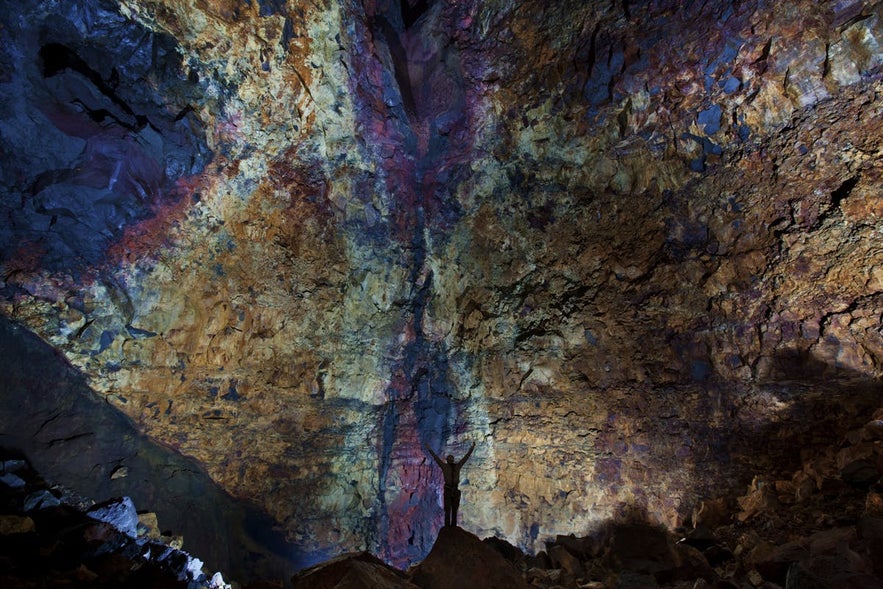
As the Land of Ice and Fire, Iceland is home to over 300 volcanoes, some of which you can hike to or even visit inside. There are many volcano tours that run until the end of October, but one experience you don't want to miss is descending into the Thihnukagigur Volcano.
The magma chamber walls of the ancient Thrihnukagigar Volcano are draped with incredible colors, and it's a true once-in-a-lifetime experience that's not available anywhere else in the world.
4. Go Whale-Watching
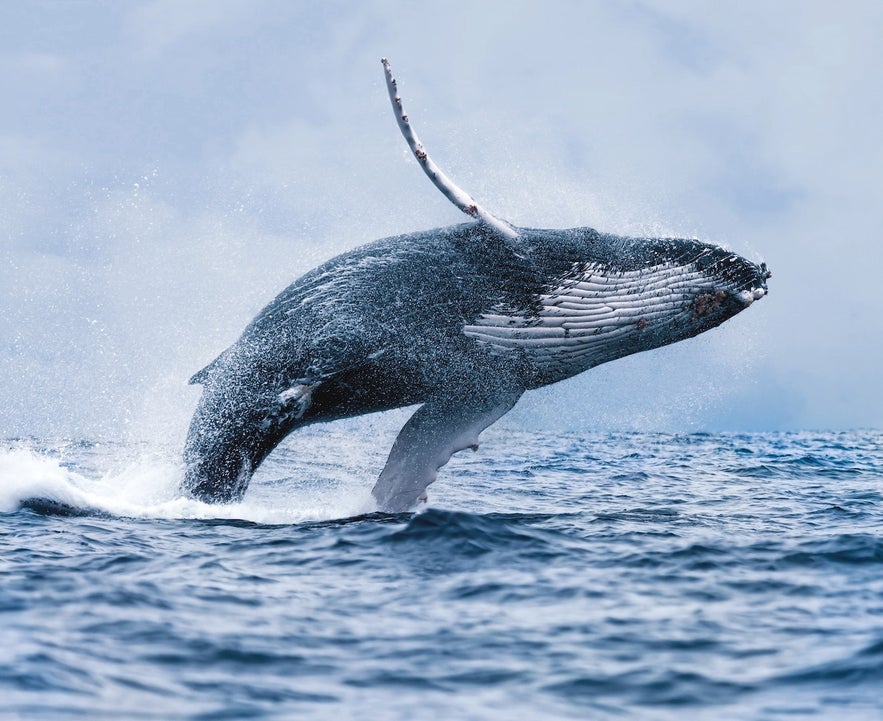
Although you can go on whale-watching tours in any season, the September weather in Iceland marks the end of summer, making it a great opportunity to go whale-watching before it gets really cold.
You have a chance to see the migratory great whales, which are only in Iceland's waters between April and October. Minke whales are the most common, while humpback whales are the most impressive with their dramatic leaps and tail slaps.
You can take a whale-watching tour in Reykjavik, but the best place to watch them is in the "whale capital of Europe", the town of Husavik in North Iceland.
September is the rainiest month in Reykjavik, but North Iceland's rain does not peak until October, according to our 26-year rainfall study. That makes Husavik the drier choice for a whale-watching trip this month.
3. Kayak Between Icebergs
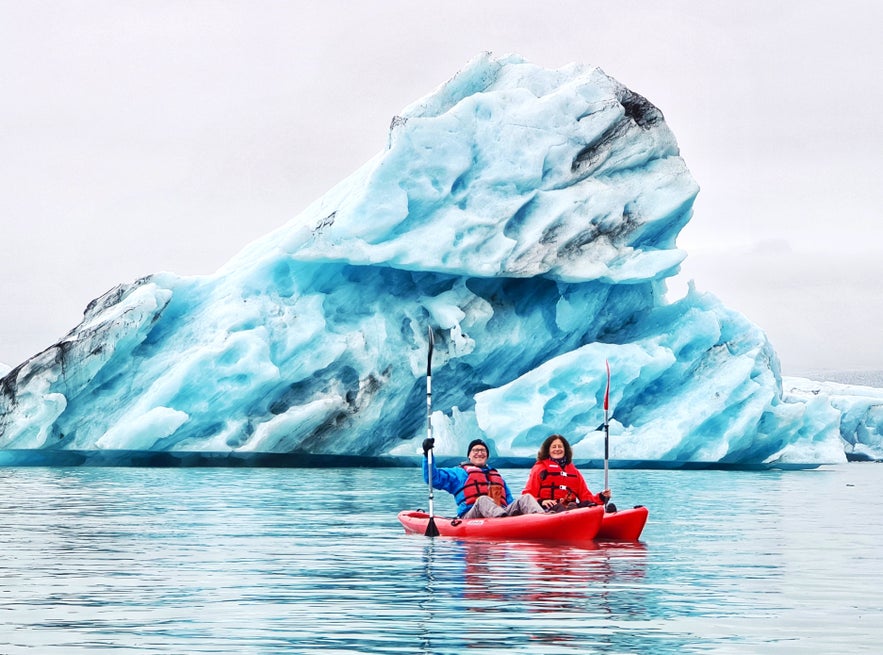
September is your last chance to go kayaking in Iceland. Kayaking is a great way to see the wildlife of Iceland up close, particularly seabirds. Even a curious seal could pop out of the water to say hello.
Kayaking tours will give you the freedom to witness the beauty of Iceland's landscapes from a different view and experience the stillness in the water. On top of that, steering a kayak is fun!
One of the most popular places for this experience is kayaking in the Jokulsarlon glacier lagoon, surrounded by floating icebergs.
If you are feeling adventurous, you can try sea kayaking in Breidafjordur Bay along the Snaefellsnes Peninsula, where you’ll stop by the picturesque Kirkjufell Mountain.
2. Hike Across Dramatic Glaciers
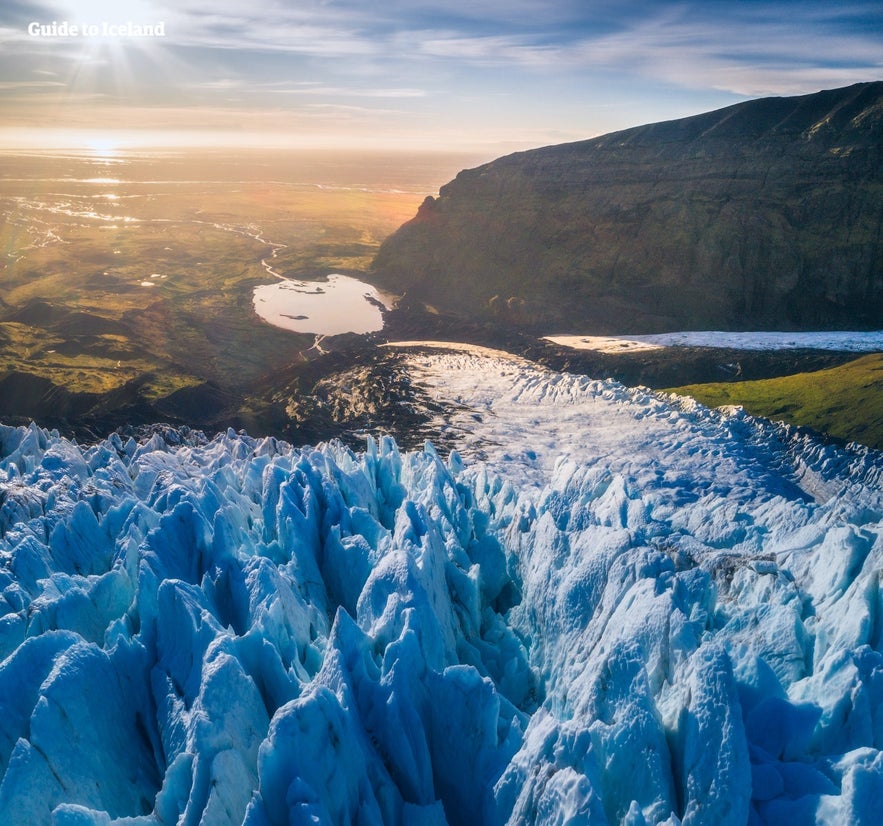
There's no better place in the world to go glacier hiking than Iceland. Glacier hiking tours run year-round, and Iceland has multiple glaciers you can go hiking on, the largest of which is the Vatnajokull glacier, the largest glacier in Europe.
You can take a 3-hour glacier hiking tour on Vatnajokull from the Skaftafell Nature Reserve and experience it in all its glory. Another popular glacier is the Svinafellsjokull glacier, which is closer to Reykjavik.
Yet another way to experience the vast snowy surface of glaciers is with guided snowmobile tours, like this snowmobiling tour on the Langjokull glacier. It's sure to be a fun and adventurous joy ride.
While September is still too early for exploring most of the ice caves in Iceland, as the temperature is too high for the caves to remain stable, the Katla ice cave tour is available in September for those interested in the unforgettable experience of delving into a glacier.
1. Warm Up With a Hot Spring Soak
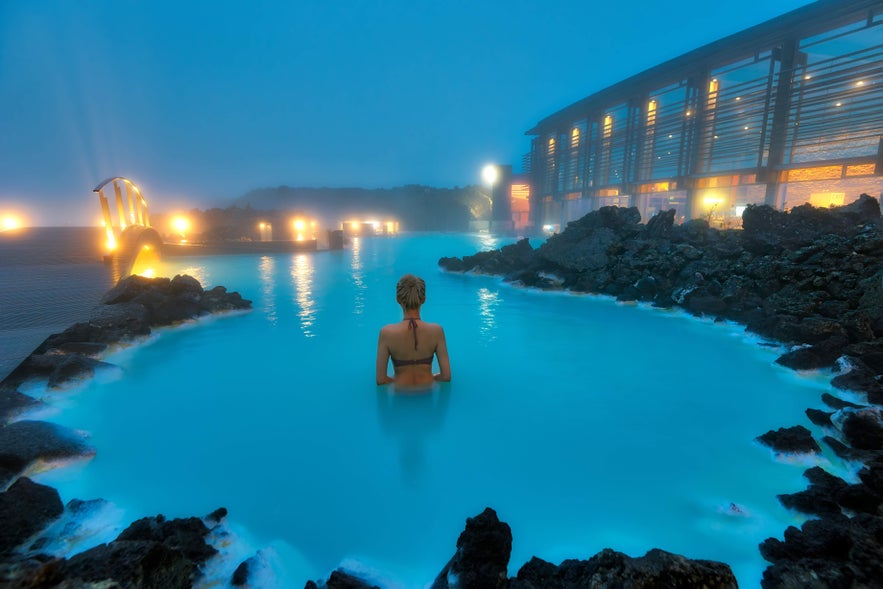
September is an ideal time to enjoy Iceland’s geothermal hot springs and pools, with cooler air temperatures creating a wonderful contrast with the warm water.
The Blue Lagoon is an iconic stop on the way to Keflavik Airport, while the Sky Lagoon offers a modern spa experience just outside the downtown area of Reykjavik.
For a more natural setting, Hvammsvik Hot Springs sits along the Hvalfjordur Fjord, surrounded by mountains and sea. In the Golden Circle area, the recently opened Laugaras Lagoon provides a scenic option for travelers exploring Iceland’s most famous sightseeing route.
While some hot springs are harder to access if you don't have a rental car, guided hot spring tours simplify planning. Iceland’s geothermal swimming pools are also found across the country and offer an affordable, authentic way to relax, often with hot tubs and saunas.
Best Places to Visit in Iceland in September
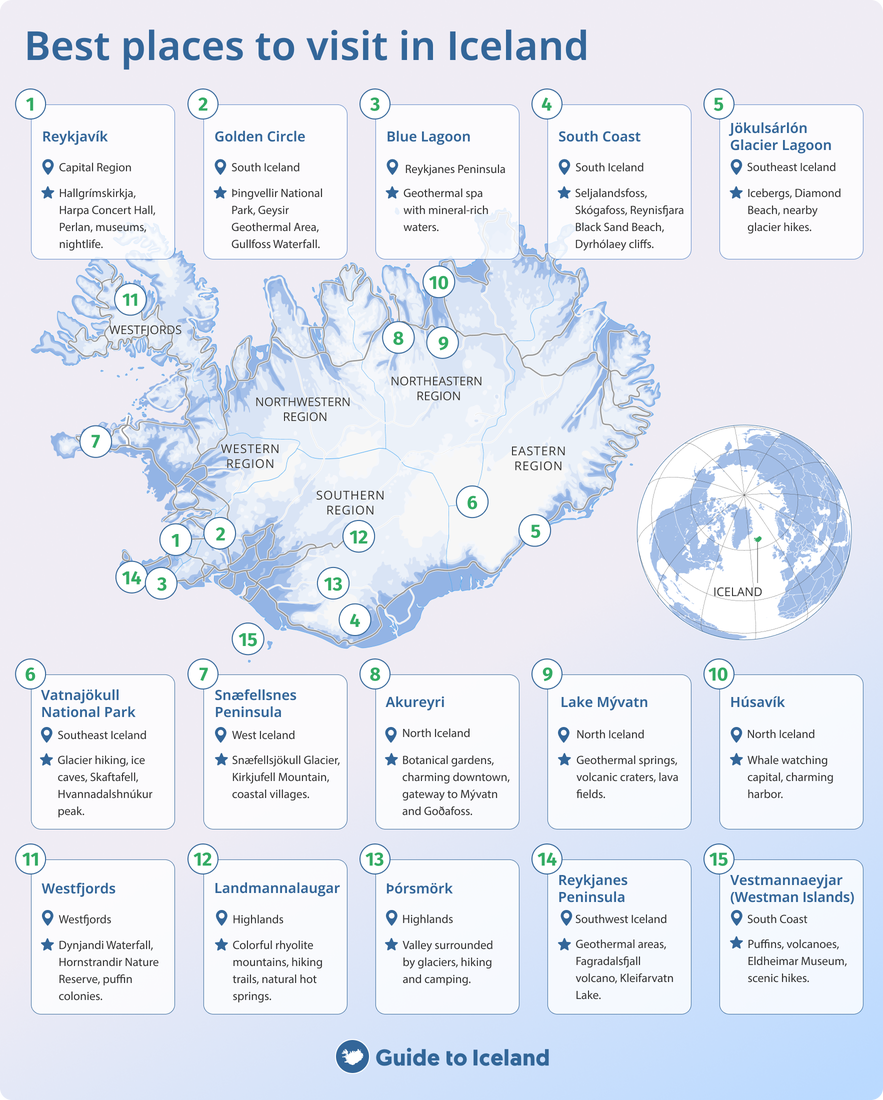
Of course, the famous Ring Road is open all year round (unless there's a massive snowstorm), but as Iceland descends into winter, traveling the highway becomes more and more difficult.
If you travel in September, it should still be relatively easy to drive the Ring Road and visit the Golden Circle, Snaefellsnes Peninsula, Lake Myvatn, and the South Coast, even with a small rental car.
If you want to make the most of this accessibility, here are the top places to visit in September:
South Coast and the Jokulsarlon Glacier Lagoon
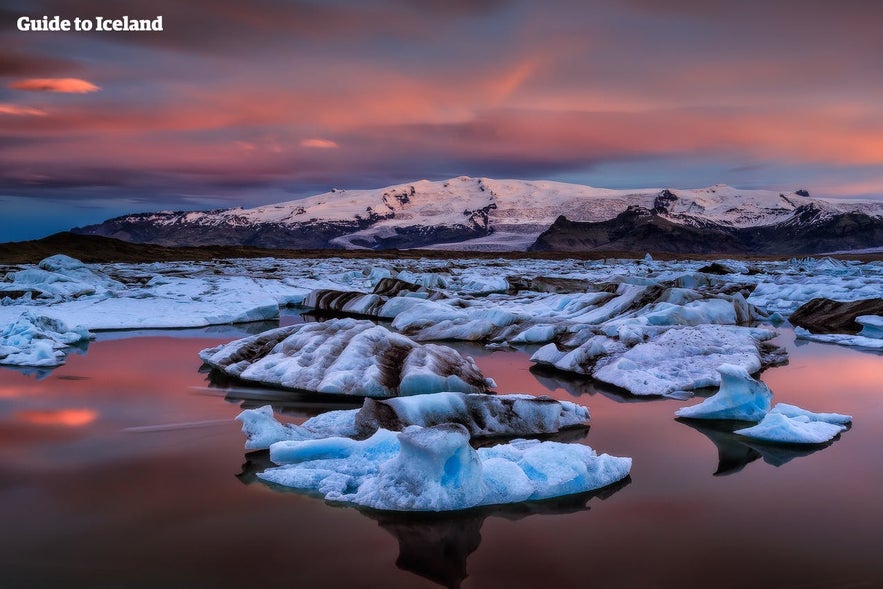
One of Iceland's most popular sightseeing routes is the road along Iceland’s South Coast. Some of the country's most famous and unique attractions are just off the highway, such as the Seljalandsfoss and Skogafoss waterfalls, the Eyjafjallajokull Volcano, Myrdalsjokull Glacier, and the black sand beach of Reynisfjara near the village of Vik.
There are some incredible South Coast tours to choose from, and if you have enough time, include the stunning Jokulsarlon Glacier Lagoon in your journey. September is one of the last months you can take a boat ride on the lagoon for a dramatic, up-close view of the enormous icebergs floating on the icy-blue water.
The Highlands
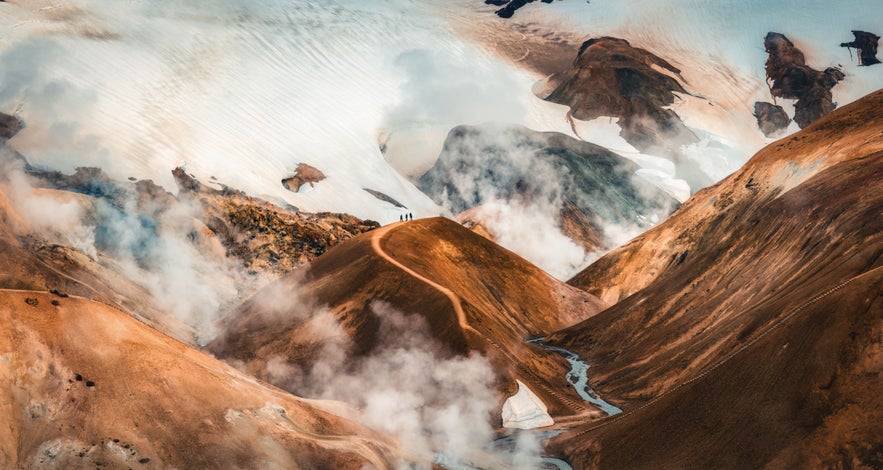
Unless the snow arrives early or it's very rainy, the main F-roads in Iceland (Highland roads) should be open until mid-to-late September. This access means that there's still a chance to visit many parts of the Highlands that are inaccessible during the winter.
If you are driving yourself, you can see some of the top places in the Highlands. You could head up to Landmannalaugar's colorful rhyolite mountains, where you can take a dip in a natural hot spring, or stay in the Highland Base to explore the stunning Kerlingarfjoll Mountain Range.
You can also take guided tours to the Highlands in a customized super jeep and go off the beaten track to explore some of Iceland’s hidden gems.
It’s the last chance to go hiking in the Icelandic Highlands and see the autumn colors of the Highlands before the area closes off for good until next summer.
The Westfjords
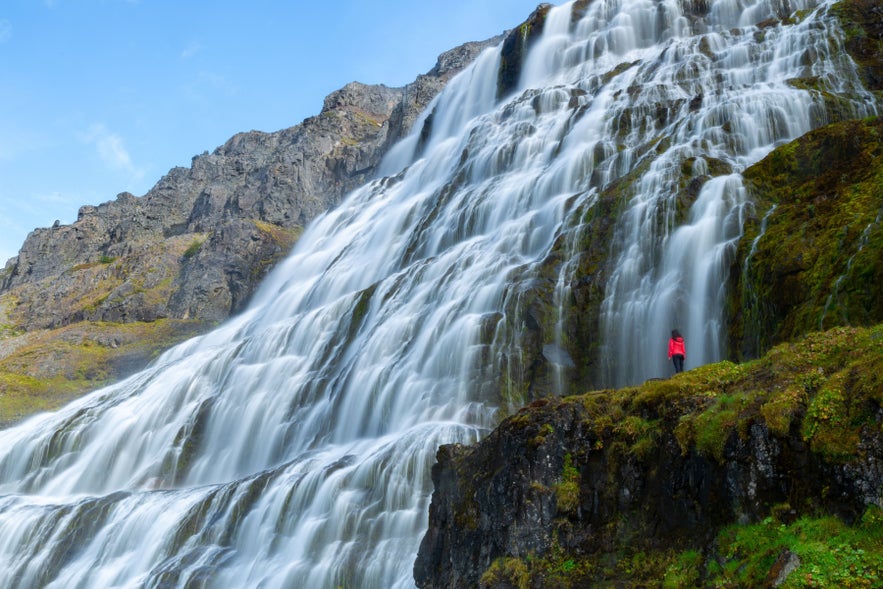
The roads to the Westfjords are still easily accessible in September, one of Iceland's most beautiful but often overlooked regions. Zig-zagging through the fjords is an experience in itself, without mentioning the untouched beauty of its dramatic landscapes.
A lot of roads in the Westfjords are gravel roads that require a four-wheeled drive vehicle, so keep that in mind when planning fall self-drive tours.
In September, you will be able to reach the breathtaking Dynjandi, one of the most beautiful waterfalls in Iceland, and the Latrabjarg Cliff, the largest seabird cliff in Iceland, before the roads close for the winter.
Festivals in Iceland in September
The Icelandic cultural calendar begins to fill up in the fall with art, music, and film festivals around the country. In September, you can find a few of the top festivals in the capital city and one just a short drive away on the Reykjanes Peninsula.
Three out of the four festivals featured here take place in Reykjavik, so if you’re wondering about things to do in Reykjavik during September, read on.
- See more: Top 20 Festivals in Iceland
Ljosanott - the Night of Lights Festival
As the bright days of summer give way to the dark nights of autumn, the people of Keflavik on the Reykjanes Peninsula hold a festival celebrating the light in the darkness.
Ljosanott, or The Night of Lights Festival, is an annual event during the first weekend of September, offering guests a taste of the very best of the local culture of this town, famous for its music and art scene. It's one of the best things to do in Keflavik.
Artists show their work around town, and galleries and private studios will be open to visitors. A variety of Icelandic musicians perform at venues around town. Guests can enjoy a hearty traditional Icelandic Kjotsupa meat soup, check out a collection of classic cars, and ride around on various carnival rides.
Brave children can go visit the giantess cave, where a large troll sleeps; just be careful not to wake her up!
The main event is at dusk on Saturday evening, when the people of Keflavik turn on the lights that illuminate Bergid, the cliffs overlooking the town's harbor, and the night ends with a fantastic fireworks display.
Reykjavik International Film Festival - RIFF
Held annually at the end of September, Reykjavik Film Festival (or RIFF) shows roughly a hundred films from over 40 countries in just 11 days.
The festival shows a wide range of films with special categories. "New Vision" focuses on up-and-coming filmmakers, "Icelandic Panorama" shows movies from the most talented directors in Iceland, while "Focus On" shines a spotlight on a single nation's cinematic history.
Screenings are primarily held in the arthouse cinema Bio Paradis, but special events are held all over Reykjavik. You could catch a symphonic film concert at Harpa Concert Hall or check out the swim-in cinema in the heated indoor swimming pool of the historic Sundhollin.
Cultural Activities in September
The wonderful Icelandic landscape has shaped most of the country’s culture, and September brings some of the country’s oldest traditions: berjamó and réttir.
Berjamo - Berry Picking
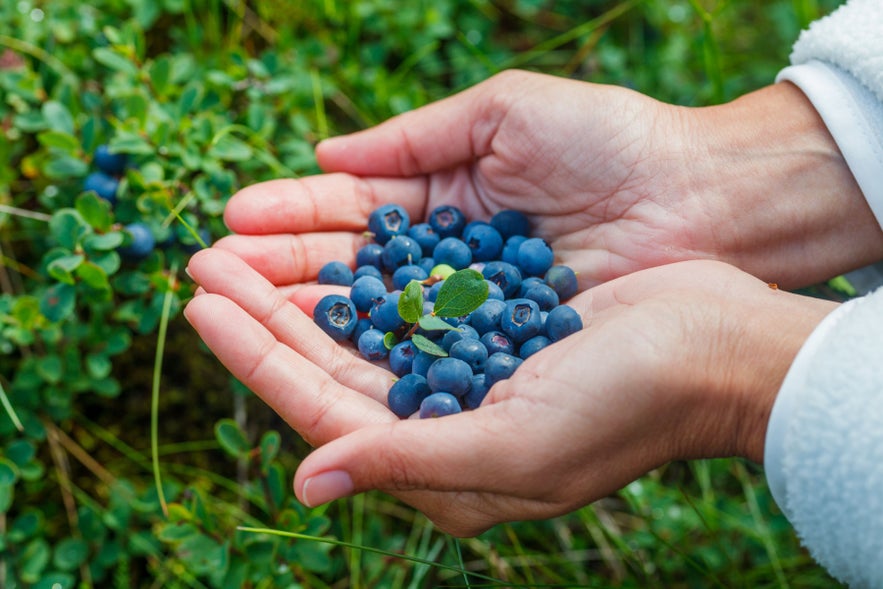
One of Icelander's favorite pastimes in September is picking berries or going to "berjamó". This time-honored tradition is where families or individuals head out of the city to pick the wild berries that grow all around the country.
This activity is surprisingly relaxing. You sit out in the unspoiled nature, hearing nothing but the muffled sound of berries dropping into your container and perhaps a raven cawing in the distance.
Growing wild in the moss-covered lava are crowberries, the most common type of berries in Iceland. These fresh but slightly bitter berries have been used in Icelandic desserts and juices for centuries.
Other berries found here are blueberries and bilberries, juicy blue-colored berries commonly paired with Skyr, one of the most iconic Icelandic foods.
Icelanders make various jams, cakes, and juices from the berries they pick. If you are only visiting for a short while and don’t have the means to make your own jam, you can add the fresh berries to vanilla skyr or just eat them as a healthy snack.
Rettir - Sheep and Horse Round-Ups
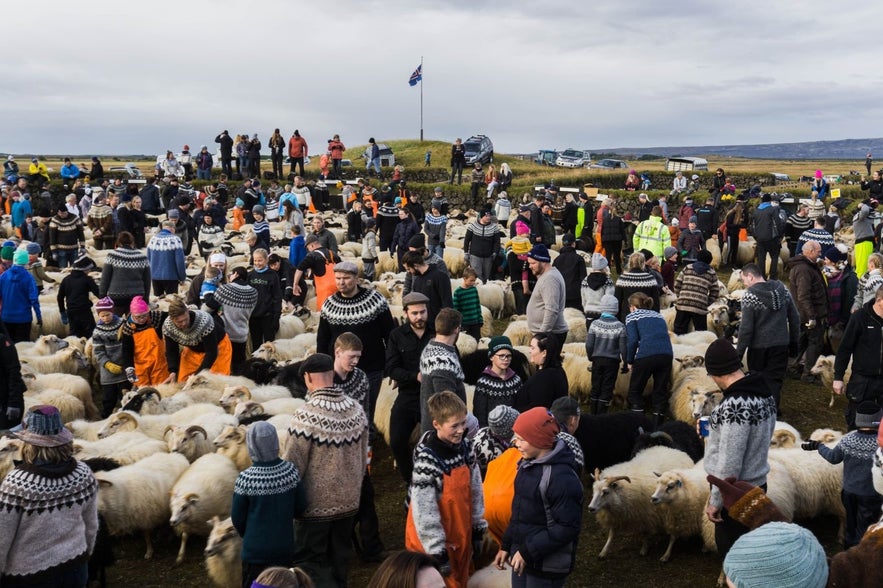
In September, the puffins take flight and head south, and the Iceland gull returns mid-month from its breeding region in Canada and Greenland. Around the same time, many Icelanders head to the countryside to participate in one of the country’s oldest traditions, the annual round-up of sheep.
The round-ups happen across rural Iceland, not in the towns. Our study on where to see sheep in Iceland shows sheep farming is concentrated well outside the capital area, so watching a rettir means driving into the countryside.
Icelandic sheep roam free around the countryside during the summer, grazing on fresh grass and herbs in the wilderness. Every September, farmers invite their family, friends, and sometimes strangers to help herd the sheep from the mountains.
Shepherds walk or ride on horseback to round up the sheep from the pastures with the help of the trusty Icelandic sheepdog. They then herd them back to the sorting fold, where the sorting and fun begin. Lambs are carefully earmarked in the spring so that their owner can reclaim them in September.
In North Iceland, there's a rich tradition of breeding and training Icelandic horses. The horse round-up begins at the end of September. Skagafjordur is the heart of that tradition. Our study of Iceland’s horse population by region found that Northwest Iceland is the only region where horses outnumber people.
The rettir round-up of animals is part of a long-standing custom. Before roads were built, families were scattered around the country with little or no way to communicate. Rettir was one of the few times of the year when farming families gathered in one place. It was used to trade horses or sheep, settle disputes between farmers, and matchmake young couples.
Today, it remains a festive occasion, often ending with a réttarball, where friends and families celebrate with music and social gatherings.
If you’re driving through the countryside in September, expect to encounter sheep and horses on the roads, and if you’re lucky, you might even be invited to join the celebrations.
Why September Is a Great Time to Visit Iceland
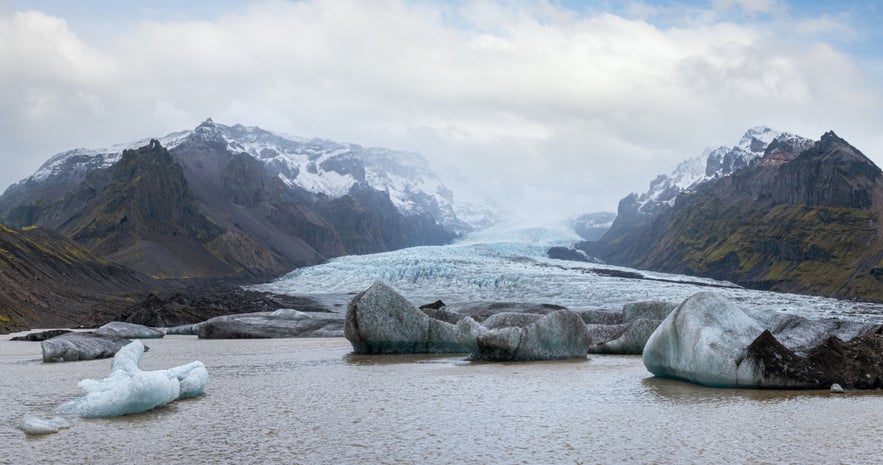
September offers a rare balance of accessibility, seasonal change, and flexibility for travelers. With open roads, fewer crowds, and many summer activities still available, it’s an ideal time to explore Iceland’s landscapes at a comfortable pace. At the same time, darker nights return, creating the first opportunities of the season to see the northern lights.
Whether you choose self-drive adventures to see the main Ring Road attractions, go on guided multi-day tours, or a shorter stay focused on key regions, September allows you to tailor your trip to your interests.
For travelers looking to experience Iceland without peak-season crowds or winter road challenges, September stands out as one of the most rewarding months to visit. Our answers to the most frequently asked questions about Iceland recommend it for the same reason, since it combines easy roads with the first auroras of the season.
Is September a good time for first-time visitors to Iceland?
Is it easy to drive in Iceland in September?
Can I camp in Iceland in September?
Is September cheaper than summer in Iceland?
Can I visit the Highlands in Iceland in September?
Would you consider visiting Iceland in September? Have we covered everything you want to know about the weather in September in Iceland? What would you like to do? Have you visited before? Share your thoughts in the comments below!

I’m Andri Gunnar Hauksson, a marketing specialist, travel writer, and copywriter from Keflavík who specializes in Icelandic travel, local culture, and destination storytelling. I’m an expert in the Reykjanes Peninsula and passionate about sharing the region’s volcanic landscapes, coastal scenery, hidden spots, and cultural history through engaging and informative content. Now based in downtown Reykjavík, I write about travel, music, culture, and local experiences while helping businesses communicate through clear, effective copywriting and marketing.