Thrihnukagigur is a dormant volcano in Southwest Iceland with an enormous, empty magma chamber that visitors can enter. It is the only place in the world where the public can descend into an intact magma chamber. Read on to learn how it formed, what the descent is like, and how to plan your visit.
The Inside the Volcano tour takes visitors about 394 feet (120 meters) down to the chamber floor. Unlike most lava cave tours in Iceland, visitors enter through the crater opening in an open cable lift rather than walking through a cave entrance.
Inside the Volcano is the highest-rated single lava tour in the country in our study of Iceland’s best-scoring tour experiences. You can also compare other volcano tours in Iceland, including guided hikes and helicopter trips.
Thrihnukagigur last erupted about 4,500 years ago and shows no signs of erupting again soon. For broader context on the country’s volcanic activity, read our 1,155-year analysis of how often volcanoes erupt in Iceland.
We reached out to Ragnar Ísleifur Bragason, a guide for the Inside the Volcano tour, for his insights on what makes Thrihnukagigur special. He told us about the chamber’s size and colors, the lift descent, and what first-time visitors should know before they arrive.
Why You Can Trust Our Content
Guide to Iceland is the most trusted travel platform in Iceland, helping millions of visitors each year. All our content is written and reviewed by local experts who are deeply familiar with Iceland. You can count on us for accurate, up-to-date, and trustworthy travel advice.
Key Takeaways
-
Unique feature: Thrihnukagigur is the only known volcano where visitors can enter an enormous, intact magma chamber.
-
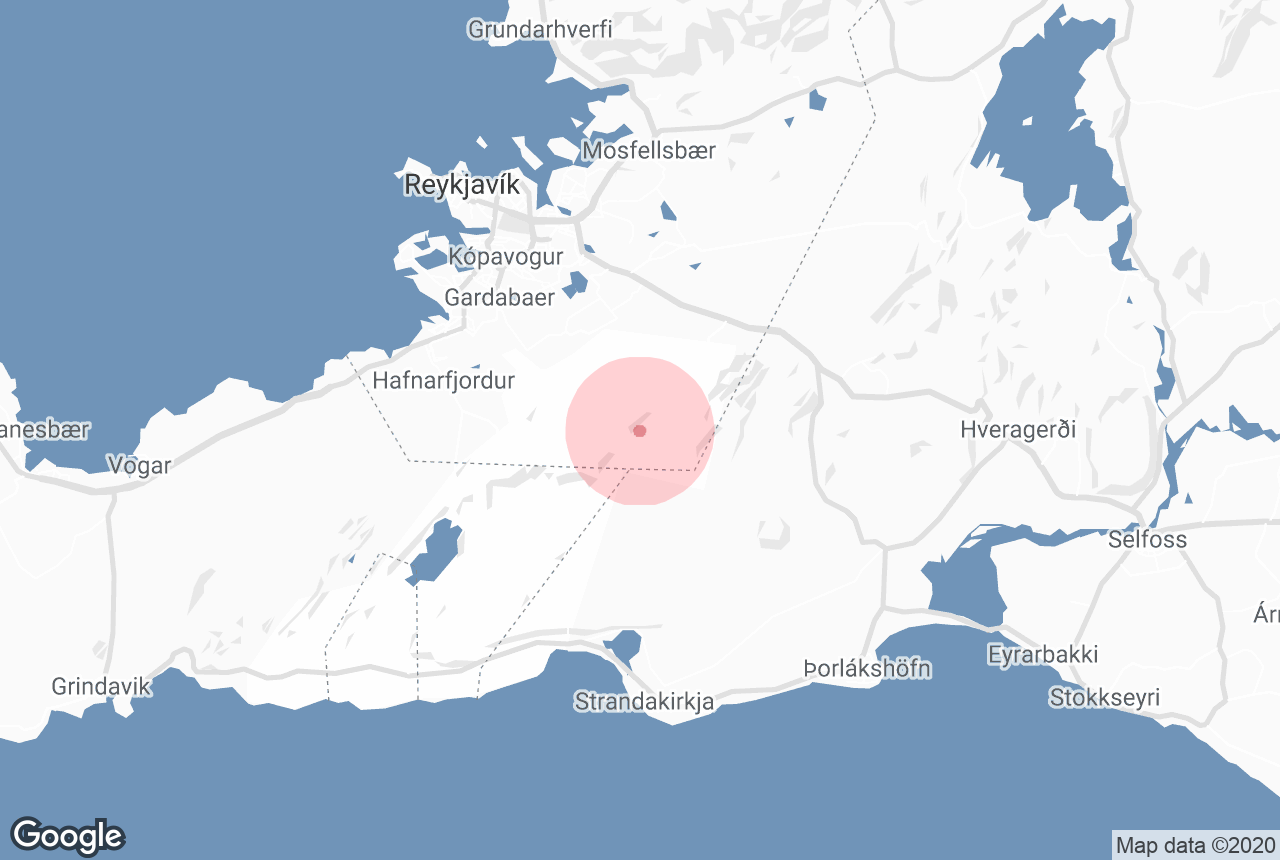
Location: The volcano is within Blafjoll Public Park, about 13 miles (20 kilometers) southeast of the Reykjavik capital area.
-
Access: The chamber can only be entered on a guided tour. Visitors can take a transfer from Reykjavik or drive to the meeting point.
-
Hike: Reaching the volcano involves a moderately difficult 2-mile (3-kilometer) hike in each direction across rocky and uneven ground.
-
Descent: An open cable lift lowers visitors about 394 feet (120 meters) from the crater rim to the chamber floor.
-
Conditions: The chamber remains around 37 F (3 C), so warm clothing and good hiking shoes are recommended even in summer.
-
Season and duration: Tours generally operate from May to October. The full experience takes about four hours for self-drive visitors or five to six hours with Reykjavik transfers.
Why Is Thrihnukagigur Volcano Unique
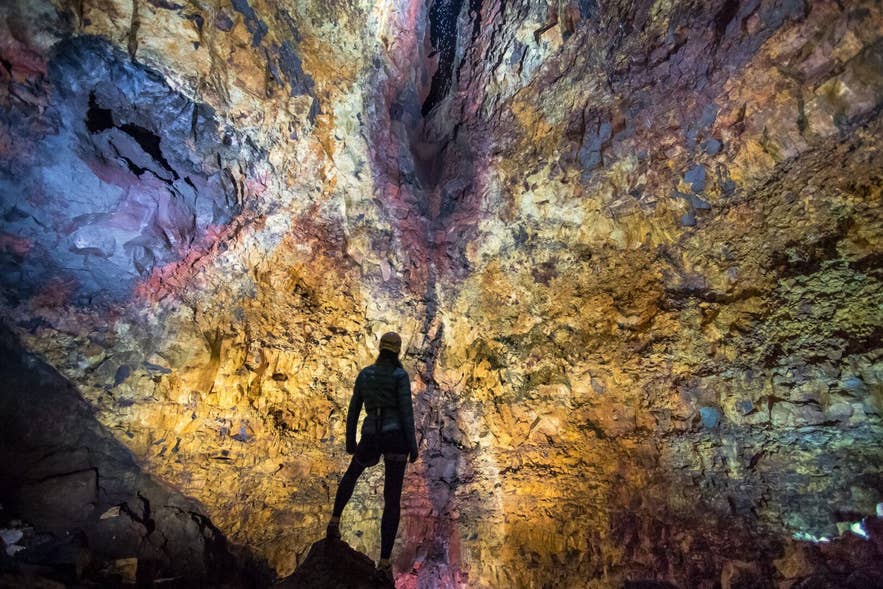
Thrihnukagigur is the only known volcano where the public can enter a large, intact magma chamber. Magma chambers normally fill with cooling rock after an eruption or collapse once the molten rock leaves.
The name Thrihnukagigur means “Three Peaks Crater” and refers to three nearby volcanic peaks. Each formed during a separate eruption, with Thrihnukagigur being the youngest of the three.
Its last eruption occurred about 4,500 years ago and formed the chamber seen today. The magma seems to have drained deeper into the earth instead of cooling inside, but scientists still do not know why the empty chamber remained standing.
The fact that there is a small opening inside a hollow magma chamber is, of course, some sort of miracle.
Discovery and Exploration of Thrihnukagigur
The recorded exploration of Thrihnukagigur began in 1974, when cave explorer Árni B. Stefánsson became the first person to enter the chamber. Friends lowered him through the narrow crater opening using a long climbing rope.
Nearly two decades later, Árni returned with Einar K. Stefánsson and Björn Ólafsson. During two expeditions in spring 1991, the group explored and mapped the chamber using ropes, harnesses, headlamps, and other climbing equipment.
As the significance of the chamber became clearer, attention turned to opening it to the public without damaging it. Work began in 2004 to study possible access methods, including a tunnel that was never built.
The effort took an important step forward in October 2010, when scientists and a National Geographic crew entered Thrihnukagigur. The first scientific expedition into a magma chamber examined and filmed the interior for the documentary Into Iceland’s Volcano.
A custom cable lift developed to move the expedition’s crew and equipment showed that the chamber could be reached through its existing opening. The same approach later made guided public access possible, and tours began in 2012.
How To Get to Thrihnukagigur
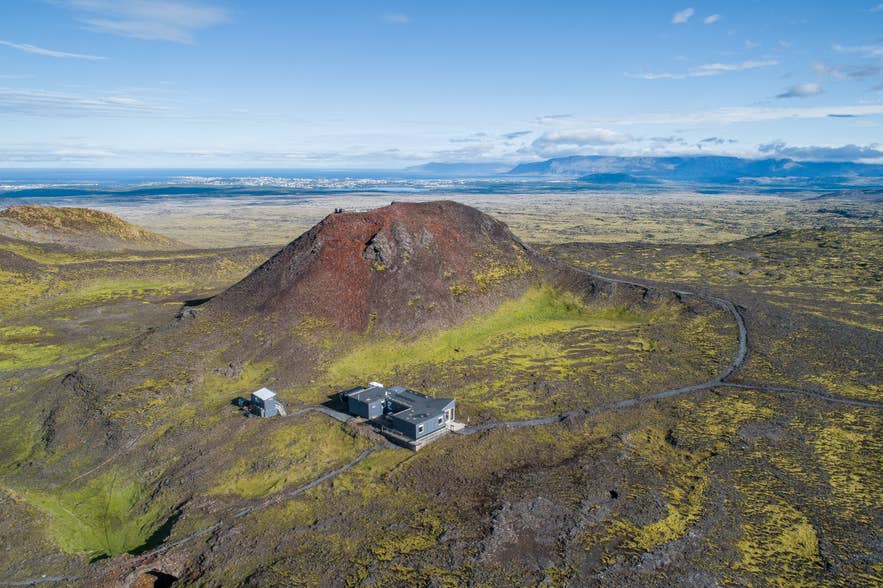
Thrihnukagigur is located within Blafjoll Public Park, about 13 miles (20 kilometers) southeast of the Reykjavik capital area. Visitors can only enter the magma chamber as part of a guided tour.
Travelers can take a Thrihnukagigur tour with a transfer from Reykjavik or drive to the meeting point at Breidabliksskali Ski Cabin. The drive takes about 30 minutes on paved roads.
From Reykjavik, follow Route 1 east toward the South Coast for about 15 minutes before turning onto Route 417. Do not approach Route 417 from Route 42 through Hafnarfjordur because that connection is permanently closed.
The meeting point is the closest visitors can travel by road. Driving to the volcano and base camp is prohibited because they stand within a protected water-reserve area.
From the meeting point, visitors hike approximately 2 miles (3 kilometers) across the lava fields with their guide. The walk normally takes 45 to 50 minutes in each direction and ends with a short incline near the volcano.
Ragnar recommends dressing warmly and wearing good hiking shoes. The trail crosses rocky and uneven ground, while conditions in Blafjoll can be colder and wetter than the weather in Reykjavik.
What Is It Like Inside Thrihnukagigur?
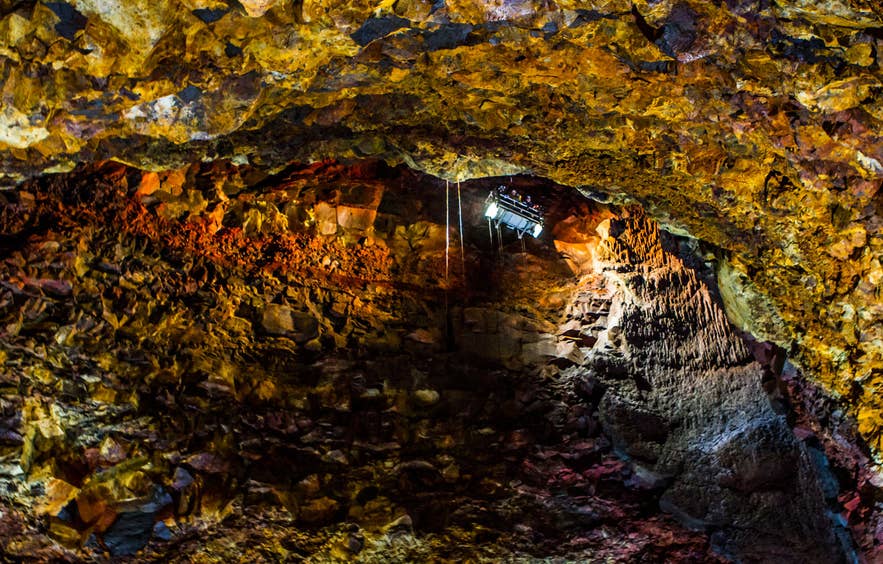
Inside Thrihnukagigur, visitors enter through the crater opening in an open cable lift. As the lift moves lower, the bottle-shaped chamber and its high walls gradually come into view.
You should expect a very safe and smooth journey down, 6 minutes of glory, and a beautiful, once-in-a-lifetime experience. It is extremely rare that people find it challenging, as the staff provides such good service and a great atmosphere.
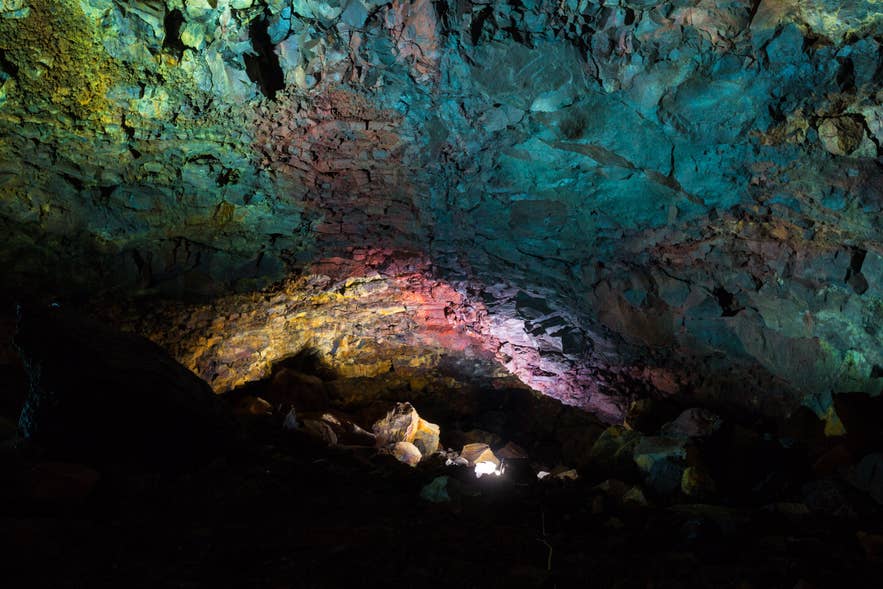
The walls contain shades of red, green, yellow, and copper created by changes in the volcanic rock over thousands of years. Lighting inside the chamber makes the colors and rough rock surfaces easier to see.
The crater opening measures only about 13 by 13 feet (4 by 4 meters), but the chamber below is large enough to hold the Statue of Liberty. The lift descends about 394 feet (120 meters) from the crater rim to the chamber floor.
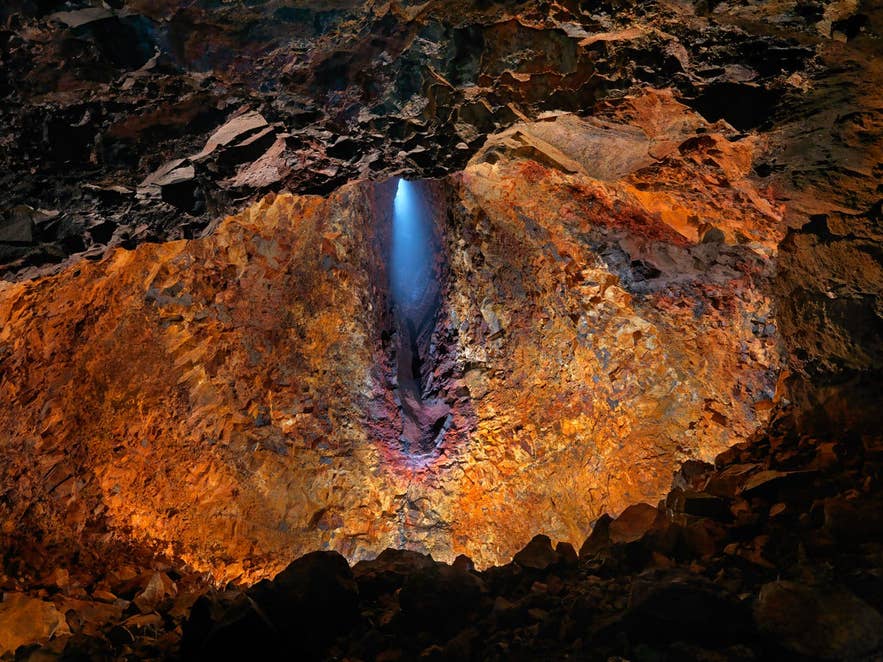
The chamber stays around 37 to 39 F (3 to 4 C), even during summer. Its wide, open space feels very different from the narrow passages found in a typical lava tube.
Visitors can explore a designated area at the bottom but must not disturb the rocks or other natural features. Following the rules helps protect the chamber for future visitors.
We do tell our guests not to disturb the landscape inside the magma chamber, and the basic rule is: don’t take anything, don’t leave anything.
The chamber is only accessible through the guided Inside the Volcano tour. The tour page has current dates, requirements, inclusions, and booking information.
What To See Near Thrihnukagigur
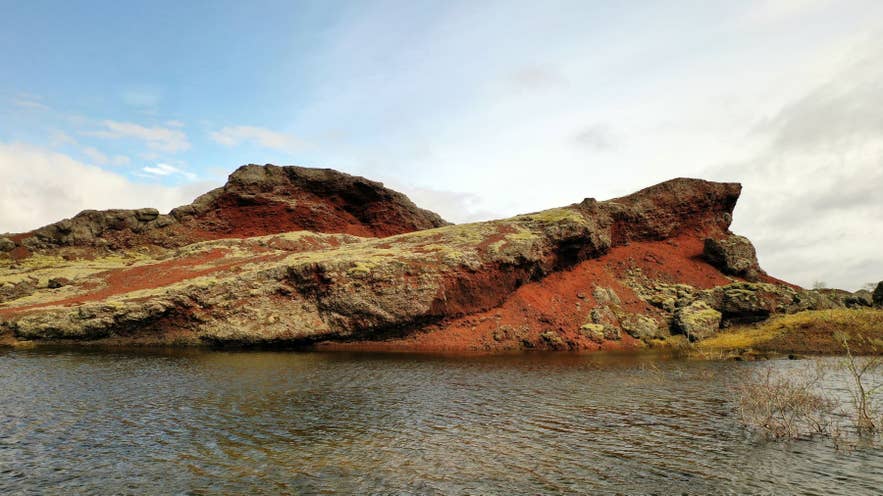
Thrihnukagigur stands within Blafjoll Public Park, which offers more to explore beyond the volcano. Summer hiking trails cross its lava fields and mountain terrain, while Blafjoll Ski Resort opens for skiing and snowboarding in winter when conditions allow.
Another underground attraction in the area is Leidarendi Cave. On a guided Leidarendi caving tour, visitors can explore two lava tubes formed during separate eruptions that later joined together.
On the way back toward Reykjavik, Heidmork Nature Reserve offers forests, lakes, lava formations, and walking trails. Nearby, Raudholar has red pseudocraters formed when hot lava flowed over wetlands and caused steam explosions.
Travelers heading east instead can book entry to the Hellisheidi Geothermal Exhibition. Its displays explain how the power plant uses geothermal energy to produce electricity and hot water.
Why Visit Thrihnukagigur?
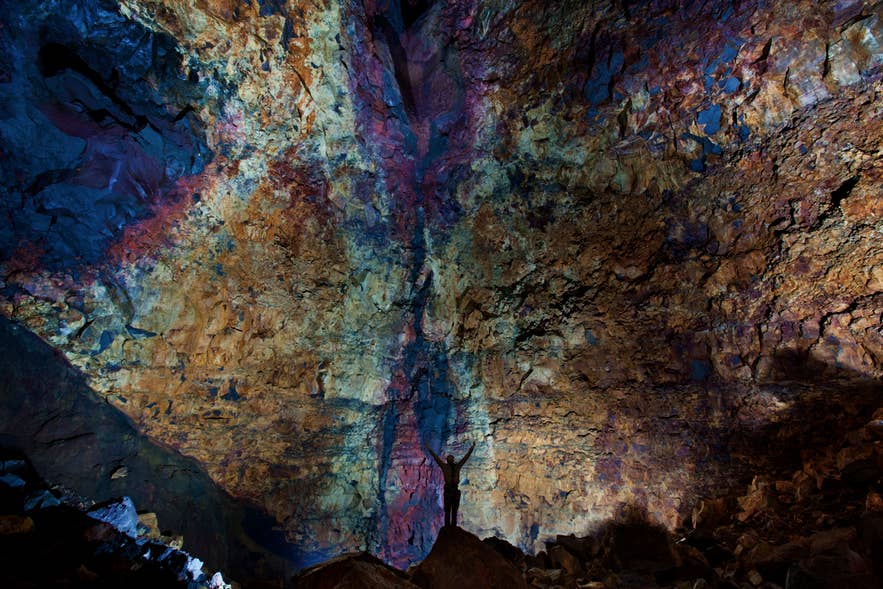
Thrihnukagigur gives visitors the rare opportunity to see the inside of an intact volcanic chamber. Its enormous scale, colorful walls, and unusual formation reveal a side of Iceland’s volcanic landscape that cannot be experienced at a surface crater or traditional lava cave.
The guided descent also makes the chamber accessible without specialist caving experience. Visitors should still be prepared for a moderate hike, cold underground conditions, and changing mountain weather.
Continue exploring underground with a visit to other caves in Iceland, each offering a different view of the country’s volcanic landscape. Browse lava cave tours to find a guided experience that fits your travel plans.