Lava caving in Iceland offers a thrilling adventure through underground tunnels formed by volcanic eruptions. Iceland’s lava caves developed when the surface of flowing lava hardened while molten lava continued moving beneath it, eventually leaving empty tunnels.
Our study of how often volcanoes erupt in Iceland puts the long-term average at roughly one eruption every four to five years. Lava caves preserve traces of past eruptions, offering a way to explore Iceland’s volcanic history underground.
As you step into their cool, shadowy depths, you’ll encounter unusual rocks and lava formations, including stalactite-like features hanging from the ceiling and stalagmite-like formations rising from the floor. You’ll enter a surreal landscape that feels almost alien.
To add local insight, we spoke to Ragnar Isleifur Bragason, a guide for the Inside the Volcano Tour. He shared what visitors can expect underground and how to prepare for a cave tour in Iceland.
Guided Lava Cave Tours In Iceland
Most lava caves in Iceland are accessible only through guided tours. Guides ensure visitors' safety and provide insightful information about the caves' formation, geology, and cultural significance.
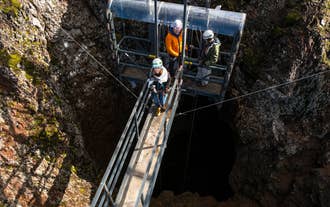
At Thrihnukagigur, where visitors descend into a hollow magma chamber in an open lift, Ragnar, the guide, says the staff’s support and welcoming atmosphere help put people at ease. He describes the roughly six-minute ride as smooth and says visitors rarely find it challenging.
During your lava tunnel tour in Iceland, you’ll get helmets and flashlights for safety. Guided cave tours also help protect these fragile environments for sustainable lava caving in Iceland.
Best Lava Caves in Iceland
Every lava tunnel in Iceland is different because lava composition, cooling rate, and how they're formed vary. Some look wonderfully spooky, with dark, echoing chambers. Other caves look almost magical, with colorful walls and impressive lava formations. To give you a start, here are the best lava caves in Iceland.
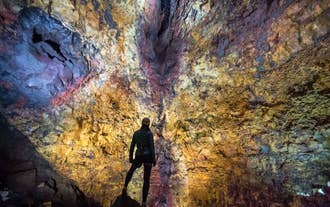
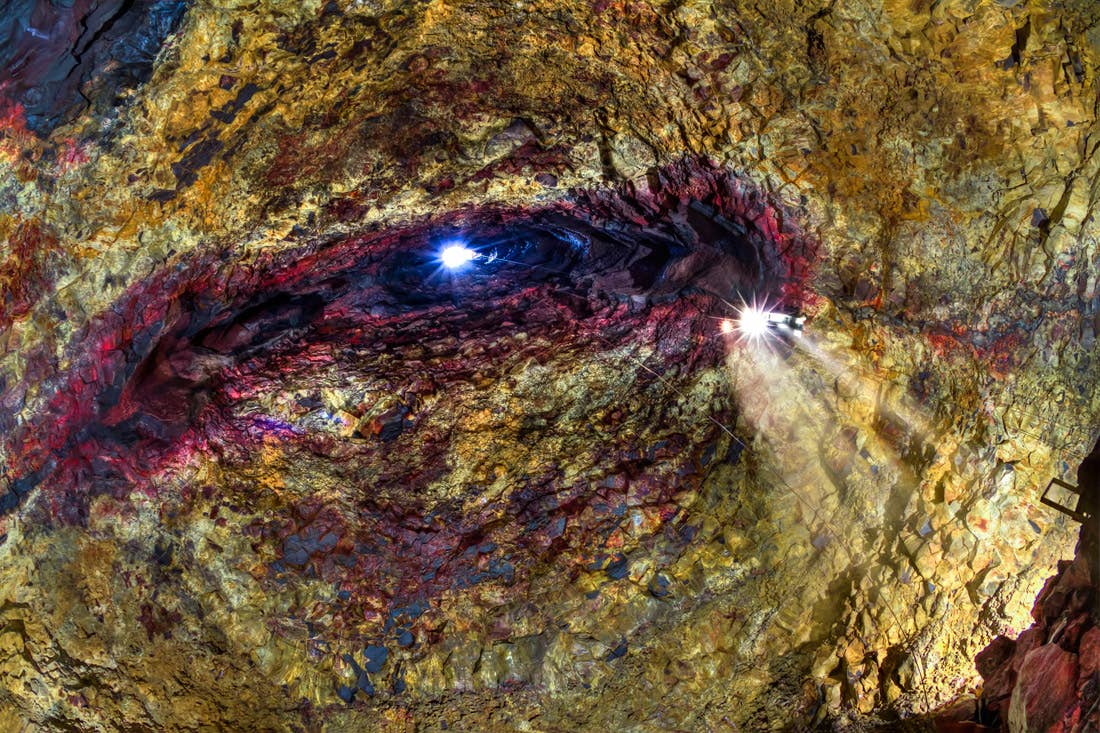
Thrihnukagigur offers a different underground experience, with an open lift descending into a dormant volcano’s hollow magma chamber. Ragnar says its enormous size and colorful rock walls are often what visitors enjoy most. Red, green, and copper tones have developed as the rock oxidized over thousands of years. See the chamber on the Thrihnukagigur Tour with Transfer from Reykjavik.
Vidgelmir Lava Tube is the largest lava cave in Iceland. It’s located in Hallmundarhraun Lava Field and is open to visitors of all ages and fitness levels. Explore it with a Family-Friendly Lava Cave Tour of Vidgelmir.
Raufarholshellir Tunnel is one of the longest lava tubes in Iceland. It’s also one of the nearest lava tunnels to Reykjavik, around a 30-minute drive away. Raufarholshellir is best known for its colorful mineral deposits on the walls. For the ultimate adventure caving in Iceland, join the Raufarholshellir Lava Tunnel Tour from Reykjavik.
Vatnshellir Cave is a fascinating lava tube in Iceland. Its main chamber is accessible through a descending spiral staircase. Inside are colorful rock walls and lava formations. Easily visit this cave on a 50-Minute Vatnshellir Cave Tour.
What To Wear for Lava Caving in Iceland
Warm layers, gloves, and sturdy hiking shoes are important for lava caving in Iceland, even in summer. Temperatures underground can stay low even when the weather outside feels mild.
"Expect beautiful landscapes and dress warm, as the caves tend to be a little bit cold. Inside our magma chamber, the temperature is stable at 3 degrees Celsius, 37 degrees Fahrenheit. And wear good shoes."
— Ragnar Isleifur Bragason, Inside the Volcano Guide
A waterproof outer layer is also useful both underground and on the walk to the cave. At Raufarholshellir, water can drip from the ceiling. For the hike across the lava field on the Thrihnukagigur tour, Ragnar advises checking the forecast and dressing for the weather.
Choose shoes with good grip to handle the terrain on your tour. Uneven cave floors, steps, and outdoor paths all call for secure footing, even on routes with installed walkways.
When To Experience Lava Caving in Iceland
Lava caving is available year-round in Iceland, although individual caves have different operating seasons. Vidgelmir, Raufarholshellir, and Vatnshellir offer tours throughout the year.
Ragnar notes that Thrihnukagigur’s tour season runs from May through October. Winter visitors can choose a lava tunnel tour instead, but should allow flexibility for road and weather conditions that may affect access.
Underground tours are rarely called off. In Guide to Iceland’s tour cancellations study, lava caving tours were called off on 1.30% of bookings, compared with 5.0% across all tours.
How To Protect Iceland’s Lava Caves
Delicate features inside Iceland’s lava caves can suffer permanent damage if touched, stepped on, or removed. Staying on designated visitor routes and following your guide’s directions helps protect them.
Ragnar explains that visitors to Thrihnukagigur are asked to keep the chamber’s natural features in place and take all their belongings and litter with them. Apply the same care to any cave you visit so others can enjoy it as you found it.
Book Your Lava Caving Tour in Iceland
Choose a lava caving tour that fits your route, travel dates, and preferred activity level. Reykjavik hotels are a convenient base for Raufarholshellir and Thrihnukagigur, while Vidgelmir and Vatnshellir fit well into West Iceland excursions.
Browse the tours above to compare meeting points, transport options, and what each visit involves. Book your chosen tour to explore Iceland’s underground landscapes with a local guide.