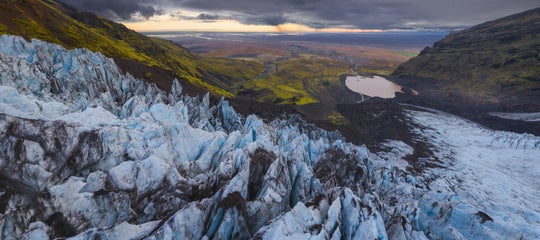
Visiting Iceland in May means long, glowing evenings, the first hints of the midnight sun, and more time to explore each day. This guide covers spring weather, daylight, top things to do, and practical tips to help you plan.
Iceland in May is one of the most rewarding stretches of spring, when winter's chill fades and longer days open up the country for sightseeing. As roads become more accessible and evenings stretch close to the midnight sun, tours in Iceland during May offer a comfortable way to explore before the summer crowds arrive.
Why You Can Trust Our Content
Guide to Iceland is the most trusted travel platform in Iceland, helping millions of visitors each year. All our content is written and reviewed by local experts who are deeply familiar with Iceland. You can count on us for accurate, up-to-date, and trustworthy travel advice.
The range of things to do in Iceland in May runs from relaxing spa experiences to active outdoor adventures. Many travelers choose classic experiences like visiting the Blue Lagoon, while others look for more immersive activities such as horseback riding through open valleys and coastal landscapes. With daylight stretching well into the night, it's easy to fit multiple activities into each day.
Guided excursions, scenic drives, and wildlife encounters are all at their best during this period, making May one of the best times to book a vacation in Iceland and experience the country at a comfortable pace.
Key Takeaways
-
Average temperatures in May range from 36 to 52 F (2 to 11 C), but wind chill can make it feel significantly colder. Layered, windproof clothing matters more than chasing a specific forecast.
-
Daylight stretches from about 17 to 20 hours, giving you more sightseeing time per day than any summer destination in mainland Europe. The trade-off is that northern lights viewing is not possible.
-
May is the sunniest month in Iceland. Our 26-year sunshine study found that Reykjavik averages 221 hours of sunshine in May, about 7 hours a day.
-
May gives nearly as many dry, calm days as June, according to our study of the best and worst months to visit Iceland. This means a May road trip loses little to the weather.
-
May falls within Iceland's shoulder season, meaning lower prices on flights, accommodations, and tours compared to June through August, with noticeably fewer crowds at popular sites.
-
Families who can travel before school holidays should pick May for its sunshine, first puffins, and smaller crowds, according to our study of how good Iceland is for kids.
-
The landscape transitions from winter brown to spring green across the month. Early May can still feel bare, while late May brings wildflowers and lush valleys, especially along the South Coast.
-
Puffins return to nest from late April. May offers whale watching alongside puffin viewing during the nesting season, although whale watching operates year-round from some ports.
-
Most major roads, including the Ring Road and Golden Circle, are clear and safe. F-roads to the Highlands remain closed until late June or early July, so highland routes are largely off-limits.
Is May a Good Time To Visit Iceland?
Iceland in May is one of the most enjoyable periods of spring in Iceland, offering longer daylight, milder weather, and lower travel costs compared to the summer peak. This is a month when the country feels more open and accessible, and many travelers take advantage of Iceland's spring tours to see waterfalls, hot springs, and coastal scenery at a comfortable pace.
With summer crowds still weeks away, flights to Iceland often remain reasonably priced, and you’ll have little trouble securing top accommodations across the country, including luxury hotels and cozy cottages in Iceland.
Whether a given month is a good time to visit comes up often in what travelers ask most about Iceland, and for May the answer comes down to a few trade-offs. Here are the advantages and disadvantages of visiting Iceland in May to help you plan your itinerary.
Pros of Visiting Iceland in May
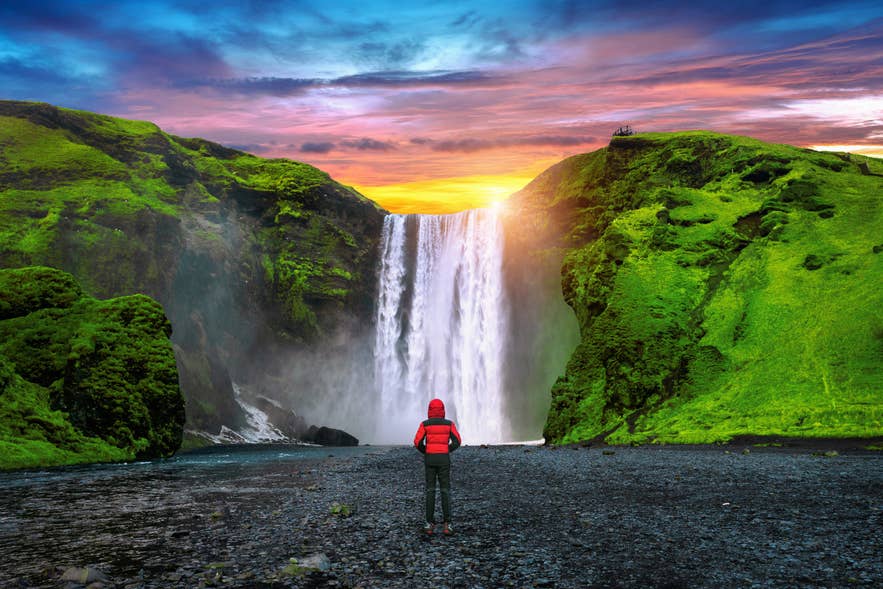 May offers a balance of comfortable weather, long daylight hours, and easier travel conditions. Here are the key advantages:
-
Up to 20 hours of daylight for flexible sightseeing
-
Milder temperatures compared to winter
-
Fewer crowds than peak summer
-
Lower prices for flights and accommodations
-
Most major attractions and Ring Road routes are accessible
-
Puffin season begins, and whale-watching tours run regularly
-
Better road conditions for road trips compared to early spring
Cons of Visiting Iceland in May
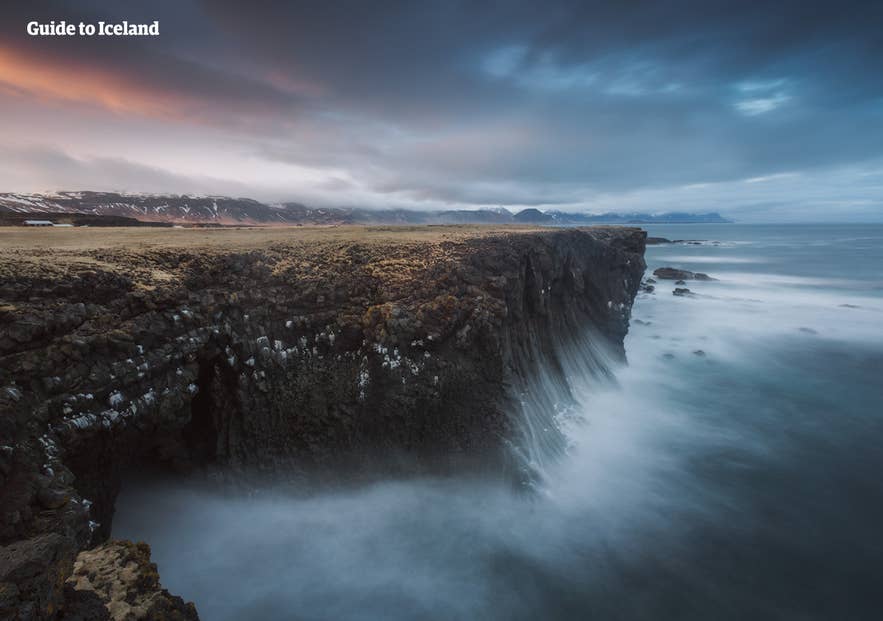 May is still a transitional month in Iceland, so it comes with a few limitations:
-
The weather can be unpredictable, with periods of wind, rain, and occasional late-season snow
-
F-roads (Highland mountain roads) remain closed due to lingering winter conditions
-
Minimal chances of seeing the northern lights because of long daylight hours
-
Fewer snow-based activities are available, including snowmobiling in certain regions
-
Ice caves may be closed or accessible only through select summer tours
-
Some remote areas may still have restricted access early in the month
Visiting Iceland in Early May vs Late May
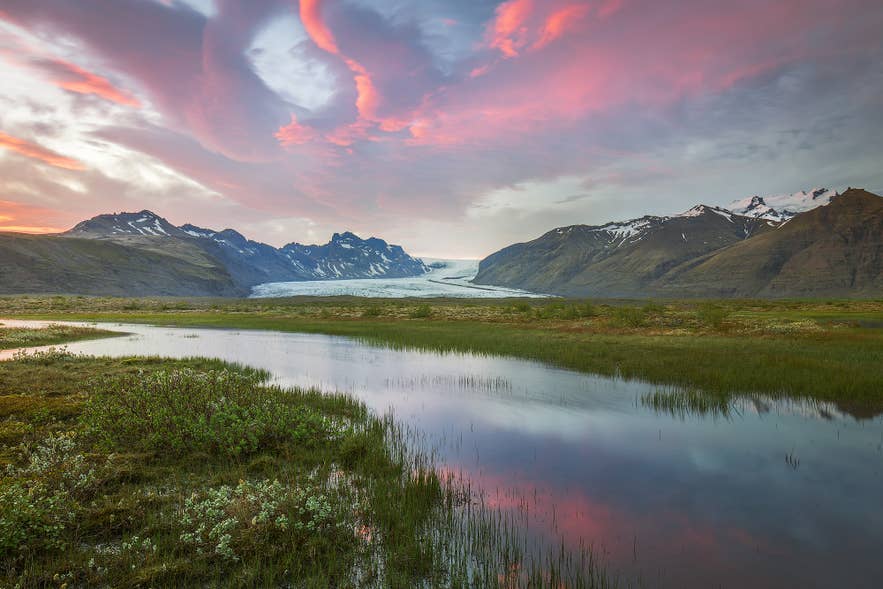 The experience of visiting Iceland in May changes noticeably from the beginning to the end of the month. Early May is cooler and quieter with occasional snow, while late May brings warmer weather, longer daylight, and greener landscapes. Both offer excellent travel conditions, but the best choice depends on your priorities.
Iceland in Early May
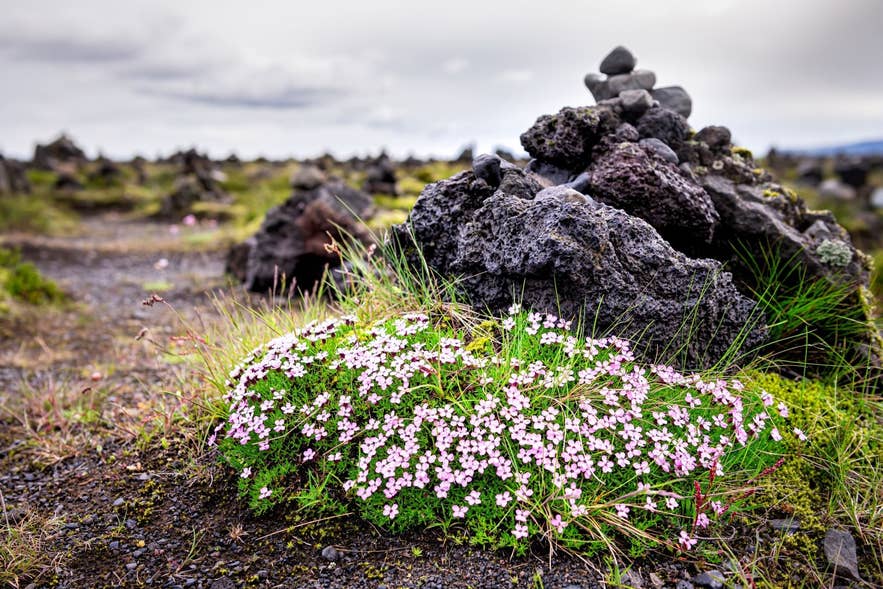 Early May still carries the tail end of spring in Iceland, with cooler temperatures, fresher winds, and a small chance of light snow in the north. Daylight increases quickly, though the weather remains unpredictable, and some F-roads or mountain roads may still be closed. Travelers often enjoy quieter trails and lower prices, but should be ready for shifting conditions.
Iceland in Late May
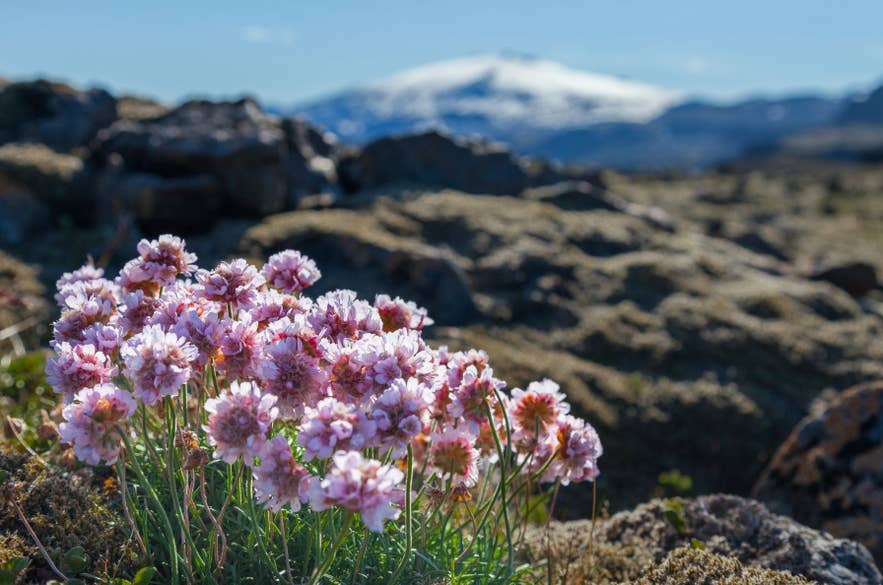 Iceland at the end of May brings warmer days, glowing evenings that stretch toward the midnight sun, and landscapes in full spring color. Road access improves across the country, making remote regions easier to reach and longer hikes more enjoyable. Wildlife activity remains strong, but late May usually offers the most comfortable outdoor conditions.
Iceland in May vs June
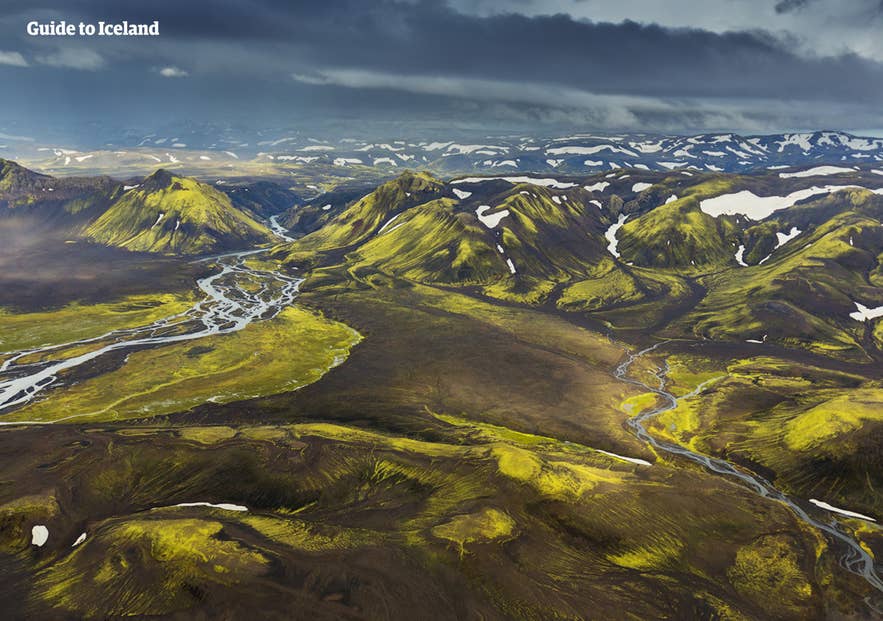
Choosing between May and June often comes down to how you balance cost, crowds, and weather. Both months offer long daylight and access to Iceland's top attractions, but they differ in a few key ways.
May is cooler, with average temperatures ranging from 36-52 F (2-11 C). Iceland in June warms up to around 45-55 F (7-13 C).
Daylight stretches from about 17 to 20 hours in May, and by June, the midnight sun keeps the sky bright nearly around the clock. Neither month offers a chance to see the northern lights.
Crowds and costs are where the two months diverge most. May still falls within shoulder season, with lower prices for flights, accommodations, and tours. By mid-June, peak season pricing kicks in and popular sites get noticeably busier.
Puffins arrive from late April and are in full nesting mode through June, so both months are strong for wildlife experiences in Iceland.
The biggest practical difference is road access. Most F-roads remain closed through May and only begin opening in mid-to-late June, so Highland routes and remote destinations are largely a June option.
May is the better fit for travelers who want lower costs and a quieter experience, while June suits those who prioritize warmer weather, the midnight sun, and Highland tours.
Weather in Iceland in May
Iceland's weather in May brings a noticeable shift toward milder days and more reliable conditions, even as spring remains unpredictable at times. The chart below breaks down average temperatures, daylight hours, and typical weather conditions by month so you can see how May compares to the rest of the year.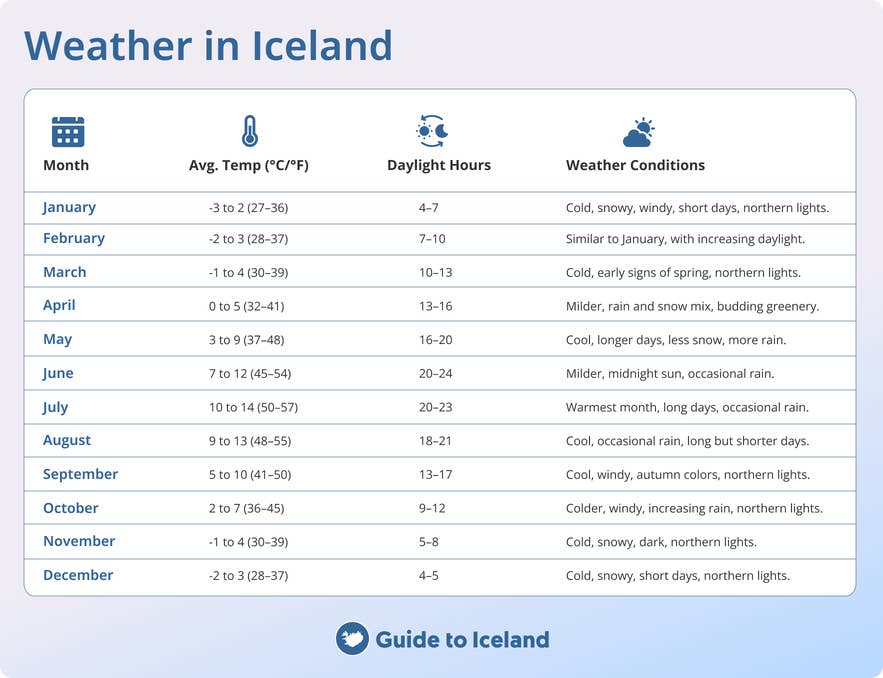
Average Temperature in Iceland in May
The weather in May is generally fair. The worst of winter has passed, and you can expect a better chance of blue skies and sunshine. That doesn’t mean Iceland can't be a bit chilly in May. Average temperatures range from 36 F (2 C) to 53 F (11 C).
 However, there is a big difference depending on when you visit in May. The weather gets warmer as the month goes on. The average temperatures in early May are around 36 F (2 C) with 18 daylight hours. In late May, the average temperature is around 53 F (11 C) with 20 daylight hours.
Those numbers only tell part of the story, though. Iceland is a windy country, and a calm 50 F (10 C) afternoon can feel closer to 40 F (4 C) when a steady coastal wind picks up. In exposed areas like cliff edges and glacier fronts, wind chill drops the perceived temperature even further.
May also brings occasional showers that arrive quickly and pass just as fast, but getting wet in windy conditions makes the cold feel sharper. Dressing in layers with windproof outerwear matters more than chasing a specific temperature forecast.
Daylight and the Midnight Sun in Iceland in May
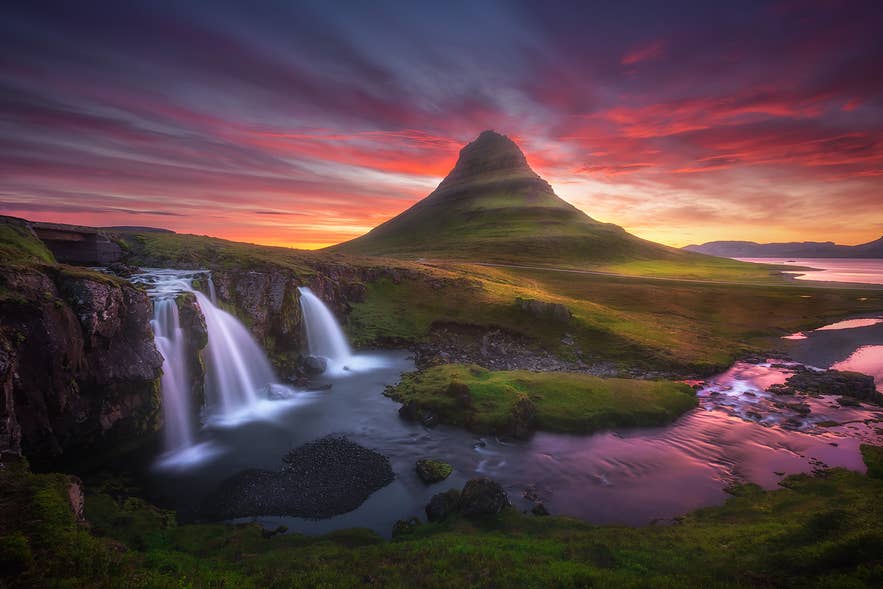 In early May, the sun rises around 5:00 AM and sets close to 10:00 PM. By late May, sunrise shifts to about 3:30 AM and sunset approaches 11:30 PM, leaving only a few hours of twilight. It never becomes fully dark, which is why the northern lights are not visible during this period.
As May progresses, the longer daylight hours mean that you’re getting close to experiencing midnight sun in Iceland. During this event, the sun stays in the sky much longer than usual and barely sets, creating a soft golden light at night. Many travelers join midnight sun tours to make the most of these long, bright nights.
The gentle evening light, clearer skies, and lighter crowds also make May an excellent month for photography in Iceland. This is a rewarding time to take part in photo tours, and many travelers join dedicated photo tours to capture the dramatic twilight colors that sweep across glaciers, coastlines, waterfalls, and volcanic landscapes.
Top 11 Best Things To Do in Iceland in May
Visiting Iceland in May opens the door to a wide range of activities, including guided multi-day tours and self-drive tours that let you explore at your own pace. This is also an excellent month to join nature tours or try Iceland's adventure tours, thanks to longer days and improving conditions.
Take a look at the best things to do in Iceland in May and start planning your spring adventures.
11. Visiting Hot Springs and Swimming Pools in Iceland in May
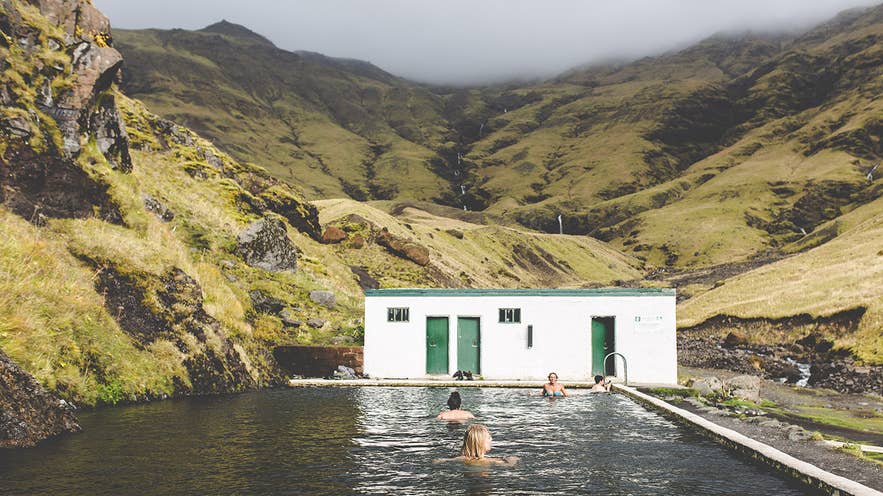 Iceland's hot springs and geothermal pools are especially enjoyable in May, when the weather makes soaking outdoors even more relaxing. Popular options like the Blue Lagoon and Sky Lagoon offer warm mineral-rich water, modern facilities, and scenic views. Book a Sky Lagoon visit or Blue Lagoon ticket to make the most of both experiences.
You can also visit Iceland’s best swimming pools, many of which have hot tubs and steam rooms. There are 18 public swimming pools in Reykjavik and the surrounding Capital Area alone. The crowd favorites include Laugardalslaug in Reykjavik and the Sundholl Reykjavikur Swimming Pool.
Travelers who want to explore natural bathing areas can join hot springs tours to reach sites safely and avoid restricted land. One standout is Hvammsvik Hot Springs, tucked inside the Hvalfjordur Fjord and easily visited on a Hvammsvik tour from Reykjavik.
10. Diving and Snorkeling in May in Iceland
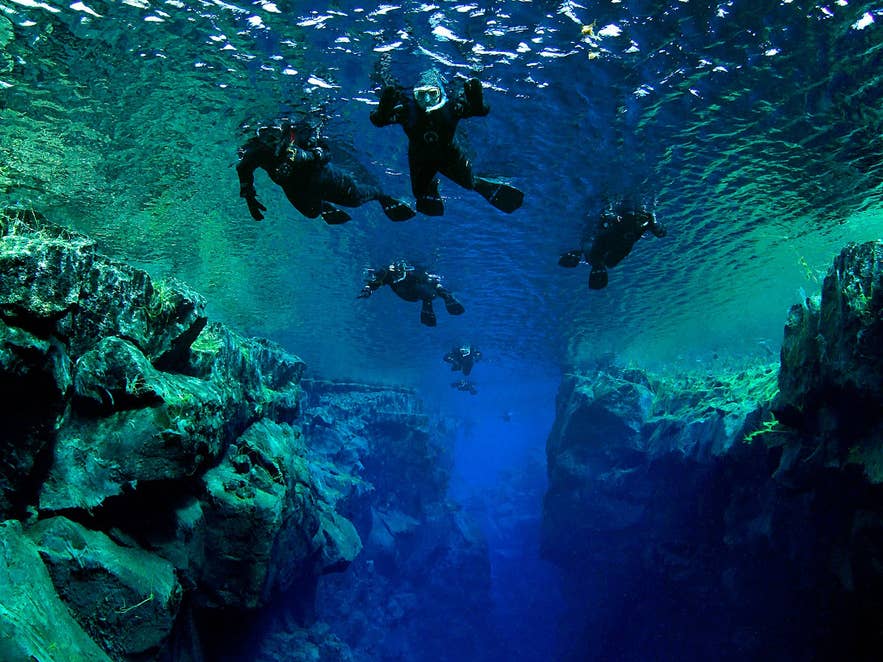
May is an excellent month for diving and snorkeling in Iceland, especially at Thingvellir National Park, home to the world-renowned Silfra Fissure. Here, glacier-filtered water from the Langjokull Glacier flows into the fissure with remarkable clarity.
Those conditions create ideal conditions for snorkeling tours and diving experiences. With longer days in May, many travelers pair Silfra with the Golden Circle, and our snorkeling companies study found that combo costs about 35,500 to 36,000 ISK (295 to 300 USD) for the full day.
Thingvellir is also a historic and geological treasure, where you can see the rift between the North American and Eurasian tectonic plates in Iceland. The gentle current and visibility make Silfra one of the most unique underwater experiences anywhere in the world.
Beyond Silfra, you may also explore nearby sites located in the Litlaa River and Thingvallavatn Lake. In Thingvallavatn, you can join a diving tour at the Silfra and Davidsgja Fissures. Availability varies by season, so guides and certified PADI professionals help determine which dives are suitable during your visit.
9. Exploring Glaciers in Iceland in May
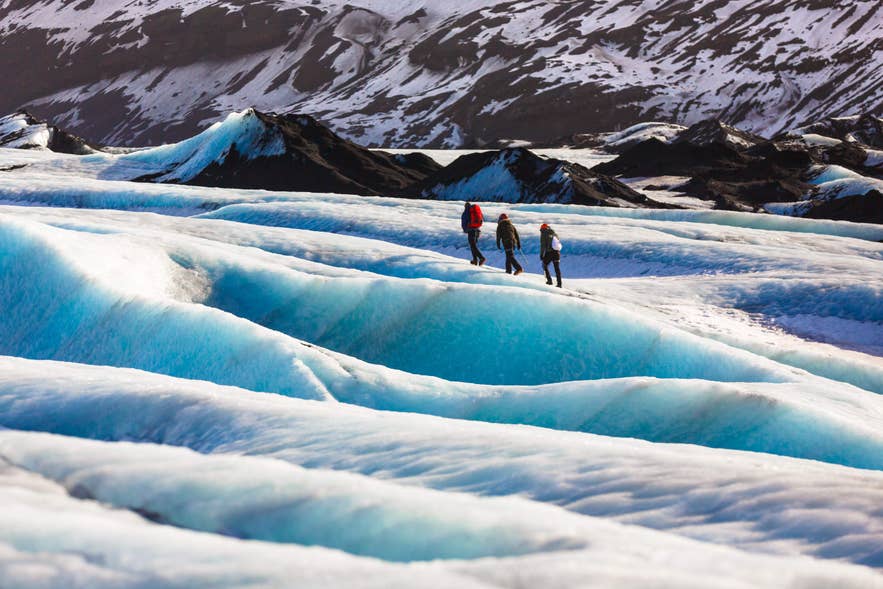 May is an excellent month to explore Iceland’s ice caps. With over 11% of the country covered in ice, Iceland remains one of the few places in Europe where glacier travel is still possible.
Stable spring conditions make glacier hiking tours especially rewarding, allowing you to safely experience blue ice formations, crevasses, and sweeping mountain views. A popular choice is the Skaftafell Glacier hiking tour, led by trained professionals who manage the route and provide essential gear like crampons and helmets.
Travelers seeking more adventure can add an ATV experience, including a quad bike and glacier hike combo tour that covers rugged terrain and lets you reach ice-covered areas in a unique way. For a deeper look at how to choose the right excursion, you can also check out our detailed guide to Iceland’s best glacier adventures.
8. Ice Caving in Iceland in May
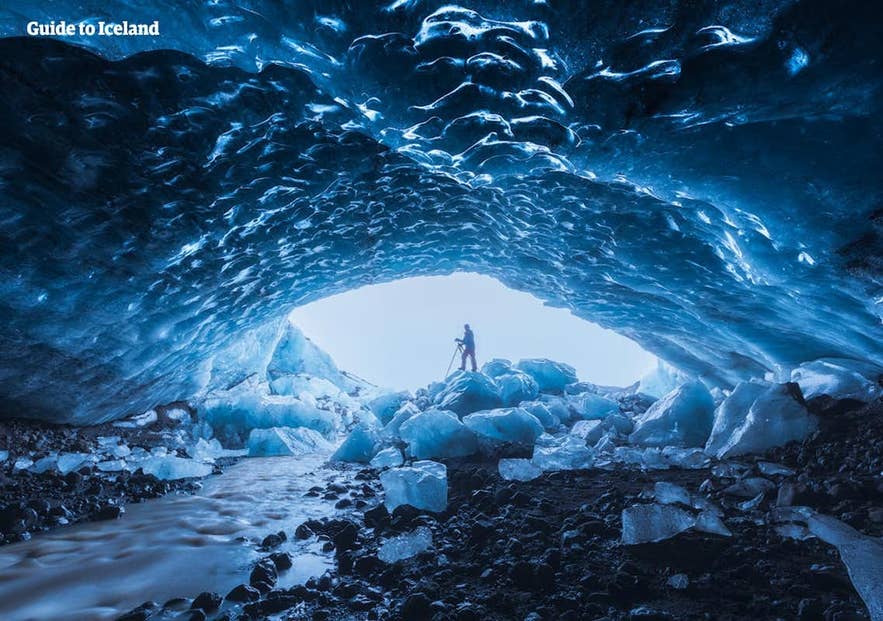
Exploring ice caves in Iceland is a remarkable experience, and although most natural formations open only in winter, select ice caving tours continue into spring.
The ice cave under Katla Volcano is the main natural option in May, offering year-round access to vivid blue ice. Spring conditions are stable, daylight is long, and tours are often less crowded than in winter.
You can also visit the man-made tunnel inside Langjokull Glacier, which provides a reliable way to experience Iceland’s icy interior in any season. Whether you choose the Katla Ice Cave tour or the Langjokull Ice Tunnel tour, May offers a rare chance to enjoy Iceland’s frozen landscapes with comfortable spring travel conditions.
7. Snowmobile Tours in Iceland in May
For those excited to explore Iceland’s glaciers, snowmobile tours offer an exhilarating way to speed across vast ice landscapes. The most popular location is Langjokull Glacier, Iceland’s second-largest glacier, known for sweeping views of ice valleys and the distant Eiriksjokull Mountain.
Snowmobiling is also available on parts of Vatnajokull Glacier in May, with options that include a thrilling snowmobile and Super Jeep adventure.
Much like glacier hiking tours, glacier snowmobiling tours include all the necessary equipment and an experienced guide. Be sure to dress in warm, waterproof clothing, and don’t forget your camera!
6. Fishing in Iceland in May
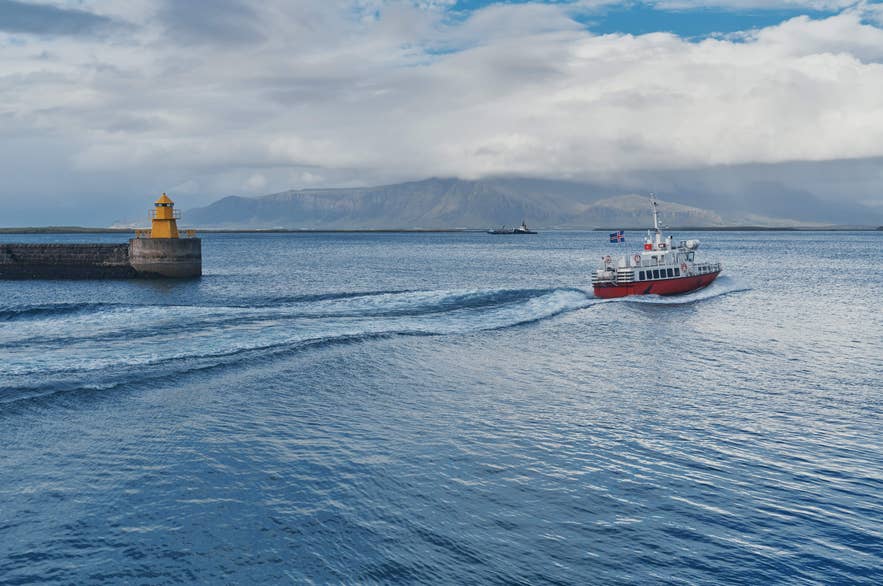
May is a great time for fishing in Iceland, as the season is just beginning and many rivers start to open. While the country offers excellent river fishing, there are also opportunities to fish in the ocean. All fishing is private, with landowners setting the rules to protect fish populations and preserve the natural landscape.
Booking guided fishing tours is recommended, as experienced guides know the best locations and understand local rules, including equipment disinfection requirements and restrictions on live bait.
Seasonal timing influences what you can catch. Brown trout are permitted from April to October, Atlantic salmon are also available during this period, and arctic char become accessible from June.
You can choose from a variety of experiences, such as a family-friendly sea fishing tour, a kayak fishing adventure by Mt. Kirkjufell, or the full-day lake and river fishing angling tour for a more in-depth excursion.
5. Horseback Riding in May in Iceland
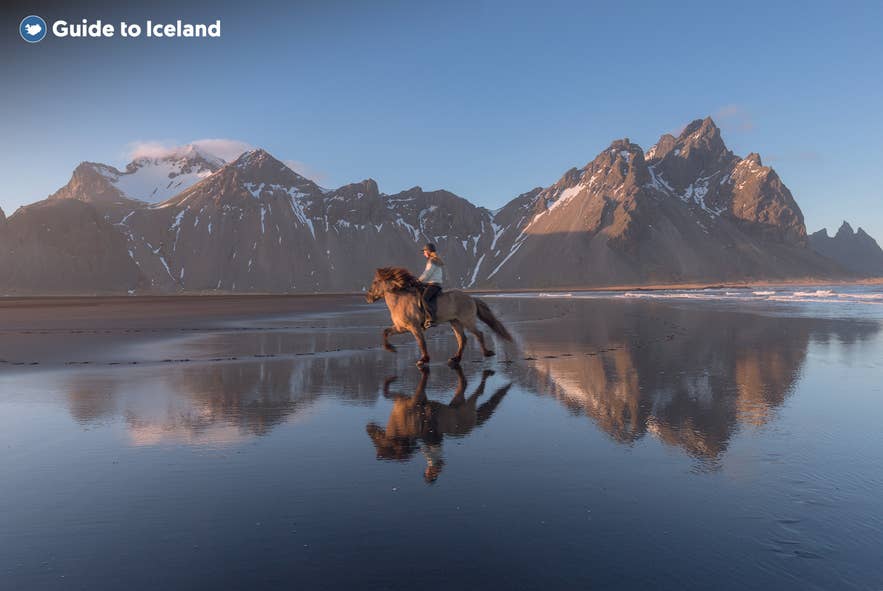 Horse riding tours are available year-round, but the warmer temperature in May makes it a more pleasant experience. Icelandic horses are known for their friendly temperament, strength, and unique gait, making them ideal for new and experienced riders alike.
They also hold a special place in Icelandic folklore and Norse mythology, appearing in myths such as Sleipnir, Odin’s legendary eight-legged horse, said to have shaped Asbyrgi Canyon.
You can choose from memorable options, including a top-rated horse riding tour with optional pickup from Reykjavik or a scenic horseback ride along the black sand beach in Vik. After a brief introduction to riding basics, you’ll set out into Iceland’s wilderness to enjoy farmland, rivers, and peaceful countryside the same way Icelanders have for centuries.
4. Lava Caving in Iceland in May
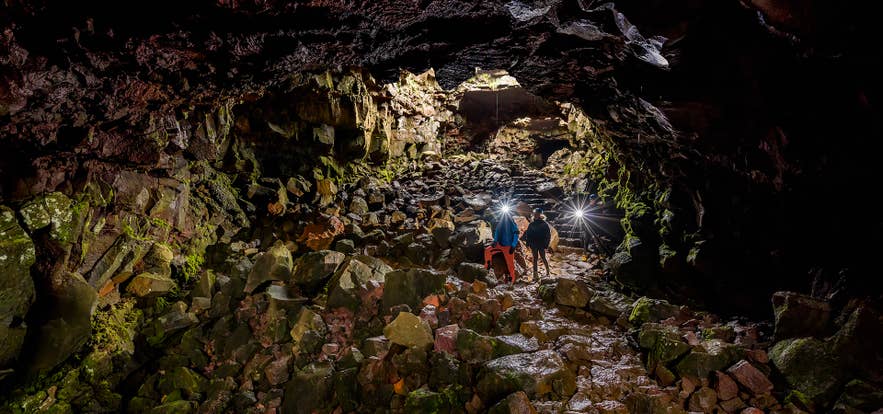
Lava cave tours operate throughout May and offer an exciting look into Iceland’s volcanic underground world. These caves feature striking red, orange, and purple rock formations and provide meaningful insight into Iceland’s geology, including ancient lava flows that shaped much of the landscape.
Most caves in Iceland are easily accessible and require only moderate physical fitness, though some passages are narrow and may require crawling or climbing. Travelers who are uncomfortable with confined spaces should keep this in mind.
Popular choices include the Raufarholshellir caving tour or a West Iceland day trip from Reykjavik with lava caving, waterfalls, and hot springs. Guides provide helmets, headlamps, and insights into each cave’s formation, and sturdy hiking boots are recommended for the uneven, damp terrain.
3. Whale Watching in May in Iceland
May is a good time to explore the many whale watching tours in Iceland. Departure options increase as summer approaches, although sunshine and calm seas are never guaranteed.
Iceland’s waters host humpback whales, minke whales, dolphins, and porpoises, alongside less frequently seen species. Sightings vary by region, with humpbacks the main attraction in Eyjafjordur and orcas most consistently seen off Olafsvik from March to May.
Crews search for wildlife and may share sightings with other boats by radio. These reports can help guides locate animals, although encounters remain unpredictable.
The infographic below highlights the top whale-watching locations in Iceland. It also includes tips and fun facts to help you plan your trip.
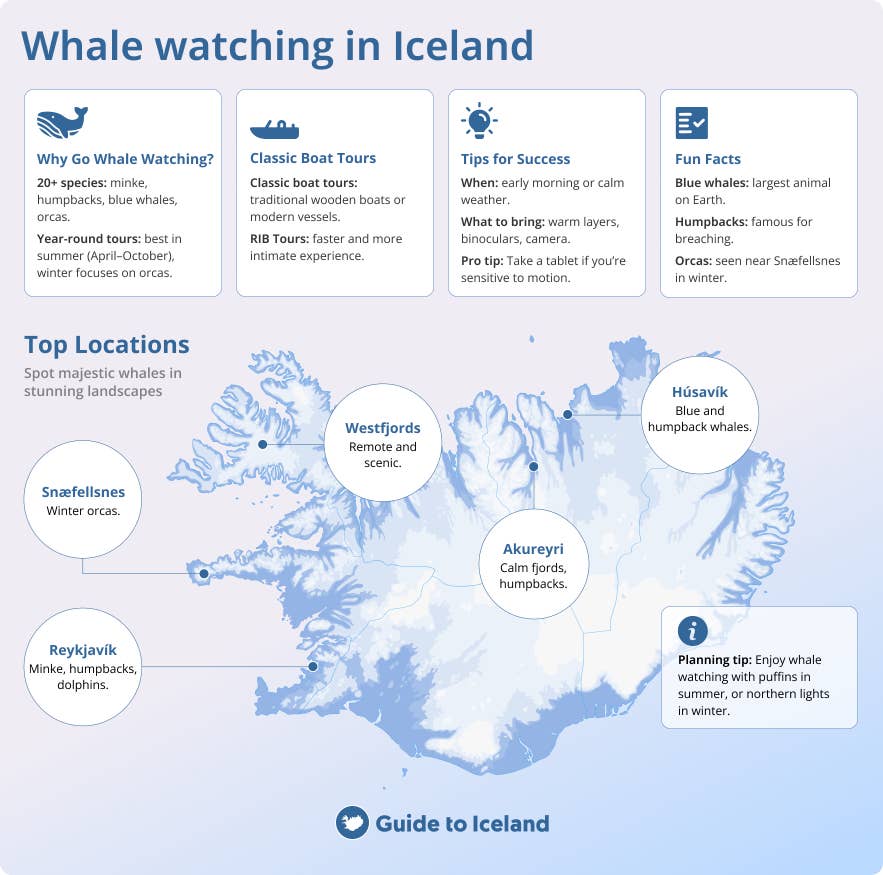
The most popular departure points are Reykjavik on Faxafloi Bay, Husavik in the north, and Akureyri on Eyjafjordur. Each port offers different species and scenery, so the best choice depends on your itinerary.
Travelers staying in the capital or exploring the South Coast often book a whale watching tour from Reykjavik. Those driving the Ring Road can add a whale watching tour from Husavik as a half-day stop.
Whale watching from Akureyri is another option for travelers exploring the north. Tours head into the sheltered waters of Eyjafjordur to look for humpbacks and other marine life.
Beyond the departure point, boat type, passenger numbers, and onboard shelter can shape your trip. Our study of the best whale-watching companies in Iceland compares these features alongside traveler ratings.
2. Puffin Tours in May in Iceland
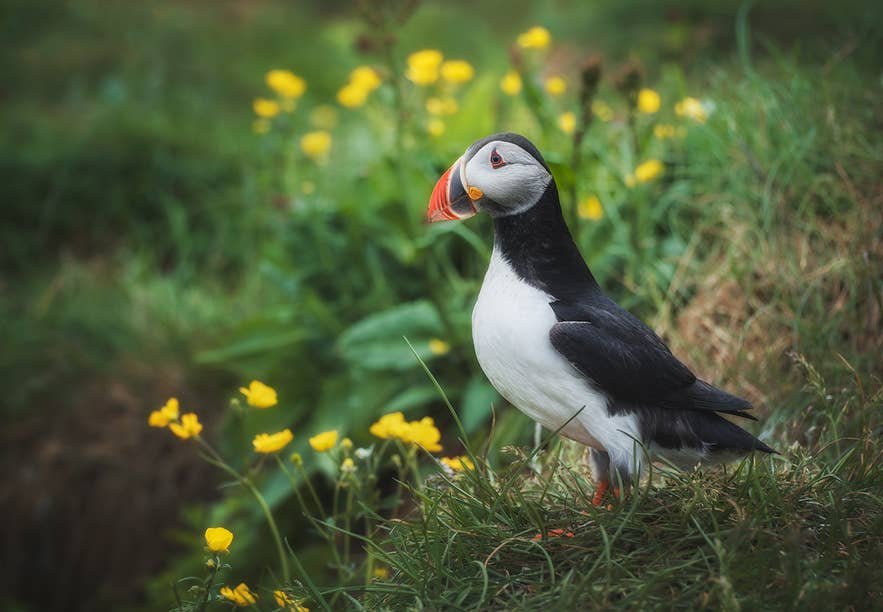
Puffin tours in Iceland are at their best in May, when the country's enormous Atlantic puffin population has returned to nest along the coastline.
One of the best places to spot puffins in Iceland includes Dyrholaey Peninsula, which appears on many South Coast and Ring Road itineraries. Another top location is the Latrabjarg Cliffs in the Westfjords, home to thousands of nesting birds and dramatic coastal scenery. You should take care near the cliff edges, as the drop-offs are steep.
For a guided experience, popular options include a whale watching and Puffin Island boat tour from Husavik or a family-friendly puffin-watching tour from Reykjavik.
1. Hiking in Iceland in May
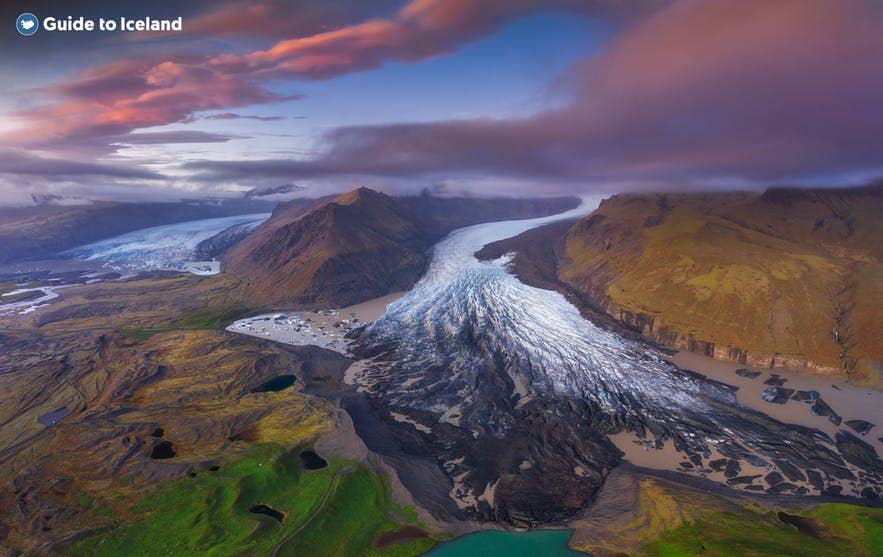
Hiking in Iceland is one of the best ways to experience the countryside, and May opens up trails across the country as snow recedes and daylight stretches to about 20 hours. Guided hiking tours take the hassle out of planning and bring you closer to the meadows, valleys, streams, and waterfalls that make Iceland what it is.
One of the most accessible trails from the capital is at Mt. Esja, overlooking the city at a height of 0.57 miles (914 meters). The two most popular leisure trails on Mt. Esja are the summits Thverfellshorn, 0.48 miles (780 meters), and Kerholakambur, 0.53 miles (851 meters).
The hike is divided into four sections, getting more difficult as the trail gets higher. Those who reach the top have an incredible panorama of Reykjavik and the surrounding Reykjanes Peninsula.
Beyond Esja, May also offers access to trails along the South Coast, around Skaftafell Nature Reserve, and in the Westfjords as conditions improve throughout the month.
Things To Do in Reykjavik in May
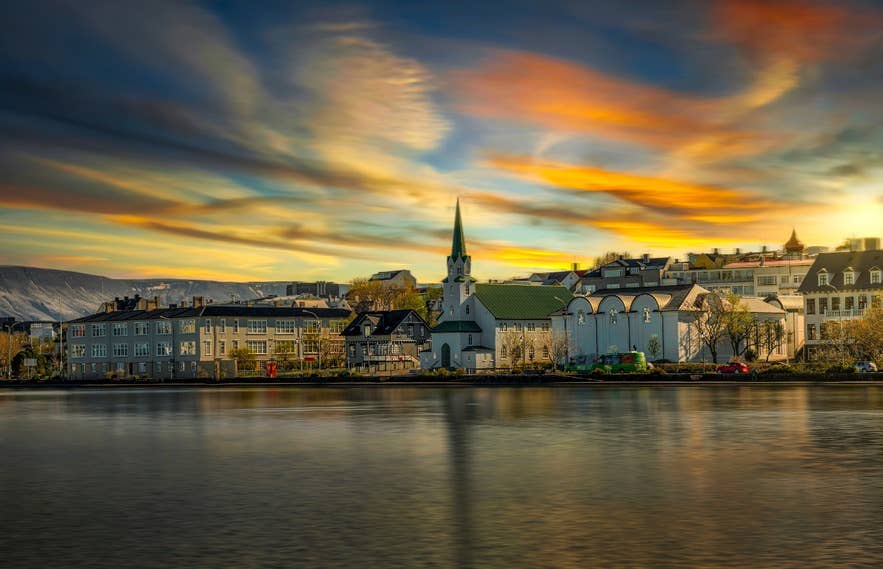 Iceland's capital city is a great place to use as your base for exploring the country. With plenty of hotels and easy access to tours starting from Reykjavik, you can rest up and plan your days while enjoying the city's convenience and charm.
As one of Europe's smallest capital cities, Reykjavik is easy to explore on foot, especially in May when the weather is more accommodating for walking. For a broader look, see our guide to the top things to do in Reykjavik year-round, or dive into our dedicated list of the best things to do in Reykjavik in May.
Here are a few highlights to get you started.
Visit Reykjavik’s Museums
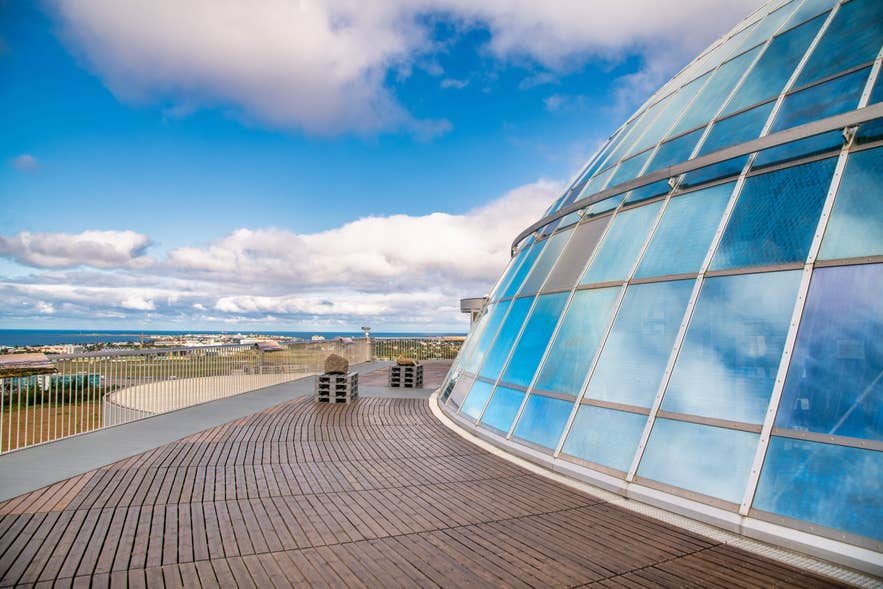 Reykjavik’s best museums offer the perfect break between outdoor adventures, especially during the cooler spring days of May. Highlights include the National Museum of Iceland, the Settlement Exhibition, and other museums and galleries in Reykjavik.
You can also enjoy immersive stops by getting a ticket to the Whale Museum or the Saga Museum for a deeper look at Icelandic culture. Many museums sit within easy walking distance downtown, and the 24-hour Reykjavik City Pass provides convenient, budget-friendly access to several of them.
Attend a Concert at Reykjavik's Top Live Music Venues
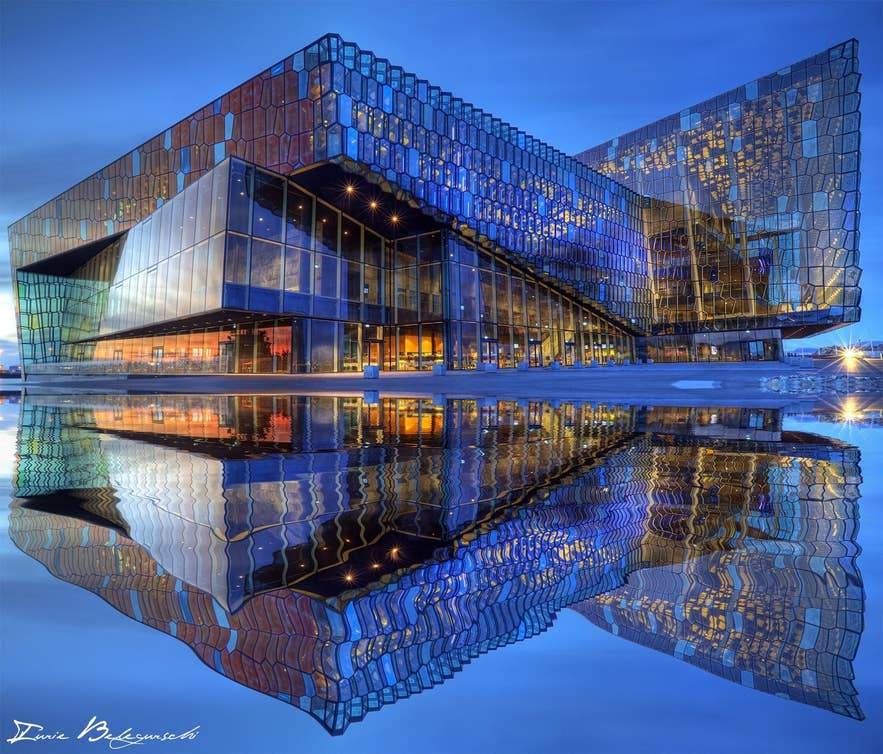 Reykjavik has a thriving live music scene, and May is one of the best months to catch a show. From intimate downtown stages to large-scale arenas, Reykjavik's best live music venues host everything from homegrown Icelandic talent to international headliners.
Several standout performances are lined up across the city in May 2026.
Composer Magnús Jóhann Ragnarsson performs original works with the Iceland Symphony Orchestra at Harpa on May 22, featuring the rare Ondes Martenot.
Indie pop act TV Girl plays Austurbaer on May 22 and May 24, while GusGus closes out the month with a large-scale show at Laugardalsholl Sport Center on May 30.
Note: The May 9 concert by hip-hop pioneer Yasiin Bey (formerly Mos Def) at Gamla Bio was rescheduled to September 10, 2026. You can purchase tickets for the Yasiin Bey concert at Gamla Bio online.
Check out Tix.is to discover the latest listings for concerts, theater performances, and other exciting events happening during your trip.
Try Icelandic Food
 Exploring Icelandic cuisine is a must when visiting the country, and Reykjavik is home to some of the best restaurants showcasing traditional and modern Icelandic flavors. For more in-depth recommendations, check out our guide to the best restaurants in Reykjavik.
This Reykjavik food walk tour allows you to experience Iceland’s food and history while exploring its capital city all in one go! You’ll get a guided tour around the city, stopping to fuel up on delicacies from 10 local dishes along the way.
Go Sightseeing in Reykjavik
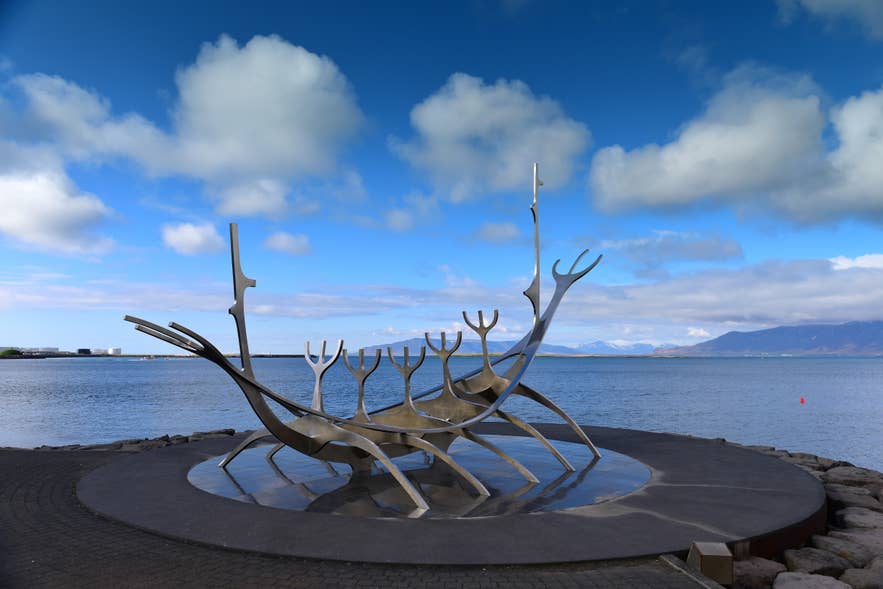 May is a little quieter in Iceland because summer tourism hasn’t really kicked in yet. This makes it a perfect time to book sightseeing tours without worrying about the crowds.
You can enjoy iconic spots such as Hallgrimskirkja Church, the Sun Voyager Sculpture, Harpa Concert Hall, the capital’s harbour, and the panoramic views from Oskjuhlid Hill. It’s easy to explore at your own pace, and many attractions are within walking distance. For added convenience and savings on transportation and entry fees within the capital, consider the 3-day Reykjavik City Card.
Driving Around Iceland in May
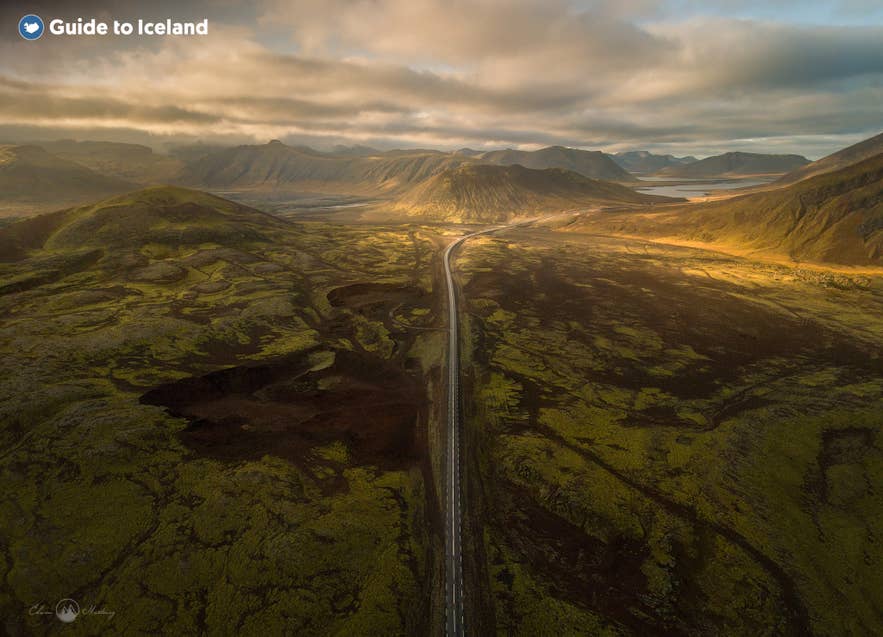
Driving in Iceland in May is a great way to explore at your own pace. Longer daylight, lighter traffic, and mostly open roads make it a good month for self-drive travel. Our study on self-drive tour prices by month found that May is the third cheapest month, with a median price of 24,523 ISK per person per day.
With only a small chance of snow in the north, most routes are open for a custom adventure. For details on parking, age restrictions, and local road rules, see our comprehensive guide to driving in Iceland.
Renting a Car in Iceland in May
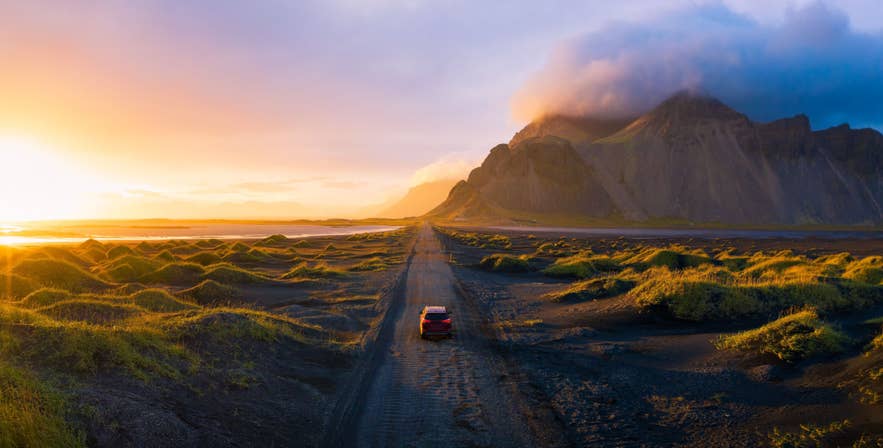 You can easily rent a car in Iceland in May and drive around the island. To take advantage of Iceland’s open roads outside of the city, you can rent four-wheel-drive vehicles like an SUVs, minivans, or campers. This way, you have plenty of room for luggage and the capability to manage most terrains.
Driving the Ring Road of Iceland in May
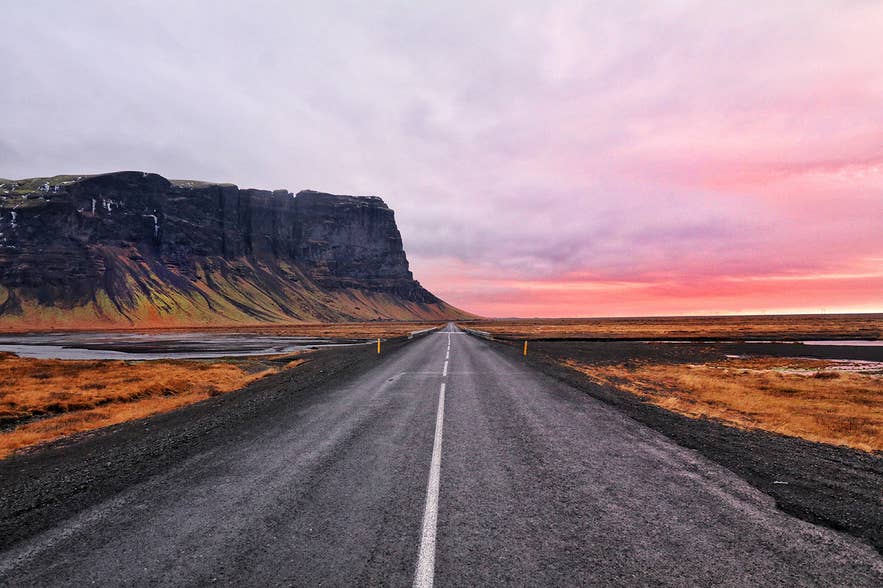 You can drive the Ring Road in May, as most of the route is free of ice and generally safe to navigate. This 810-mile (1,300-kilometer) highway circles the country and offers an easy way to experience Iceland’s diverse regions on a single road trip.
Traffic is usually light, and the paved, single-lane road provides access to many of Iceland’s top sights. The only major areas it does not include are the Westfjords and the Snaefellsnes Peninsula.
Driving the Golden Circle in May
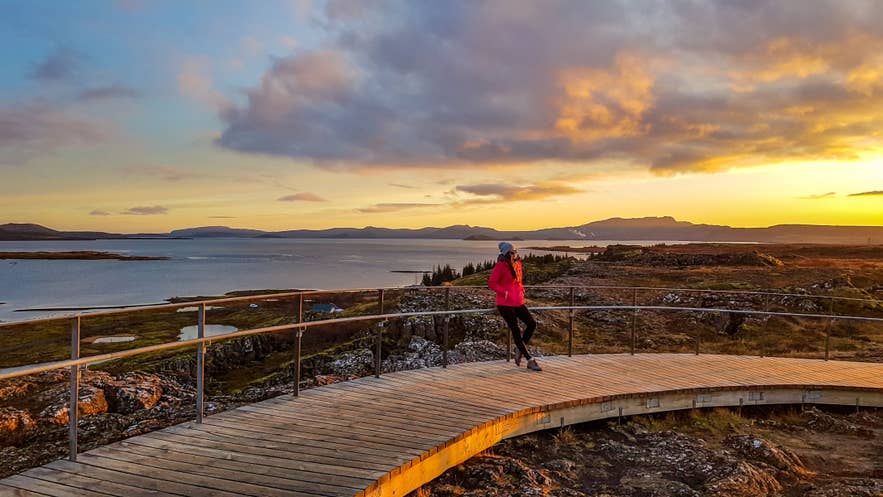 In May, you can drive to Iceland’s Golden Circle, as the route is fully accessible and conditions are generally favorable. This 186-mile (300-kilometer) route takes you to three iconic places: Geysir Geothermal Area, Gullfoss Waterfall, and Thingvellir National Park.
The longer daylight hours in May give you plenty of time to fully enjoy the attractions without the crowds of summer tourist groups. While you can book many excellent Golden Circle tours, it’s worth taking advantage of the freedom that comes with self-driving Iceland.
Iceland in May Itinerary: Best 4-Day to 14-Day Plans
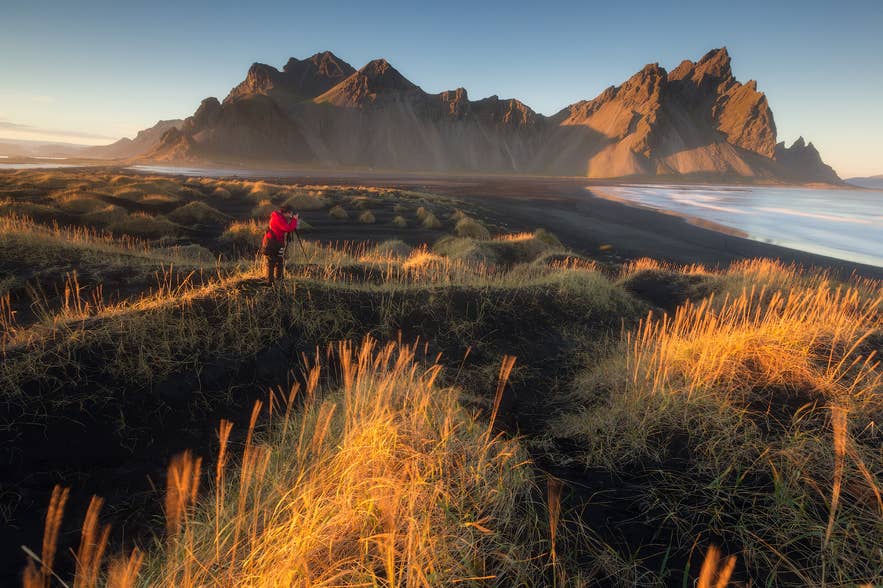 May is one of the most flexible months for exploring Iceland, thanks to extended daylight, milder weather, and increasingly accessible roads. The itineraries below are curated for May travel and range from quick guided tours to full spring self-drive itineraries, so you can choose based on your available time, budget, and comfort level.
-
For the full Iceland experience:
A 14-day self-drive tour of the Ring Road and Westfjords gives you two full weeks to explore coastlines, fjords, lava fields, waterfalls, and remote villages. May’s quieter roads make this longer itinerary peaceful and rewarding.
-
For a slightly shorter trip:
This 12-day self-drive complete Ring Road tour skips the remote Westfjords but still covers Iceland’s major attractions, including the Eastfjords, Lake Myvatn, the Golden Circle, and the South Coast.
-
For a one-week adventure:
A 1-week early summer self-drive tour balances efficiency with sightseeing, taking you around the Ring Road’s essential highlights, plus the Golden Circle, during May’s extended daylight hours.
-
For a shorter, scenic trip:
If early May’s weather is still chilly, this 5-day vacation package with Jokulsarlon Glacier Lagoon and the Golden Circle is an ideal choice for travelers who want iconic views without long drives.
-
For a quick guided experience:
A 4-day combo tour is perfect for visitors who prefer not to drive. It efficiently covers the Snaefellsnes Peninsula, Jokulsarlon Glacier Lagoon, and the Golden Circle with expert guides.
Where To Stay in Iceland in May
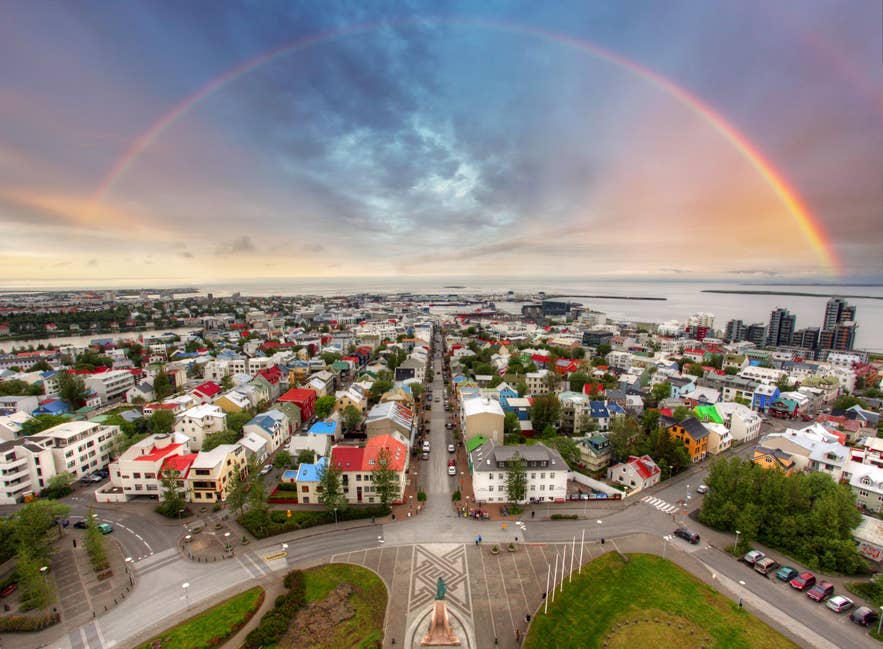 May is a great month for booking accommodations in Iceland because it offers a balance of value, comfort, and availability. Prices are lower than in summer, more rural hotels reopen, and snow-free roads make countryside stays easier to reach. Longer daylight also makes late check-ins more convenient, giving travelers plenty of flexibility when planning where to stay.
With that in mind, here are some of the best places to stay in Iceland in May.
Accommodations in Reykjavik
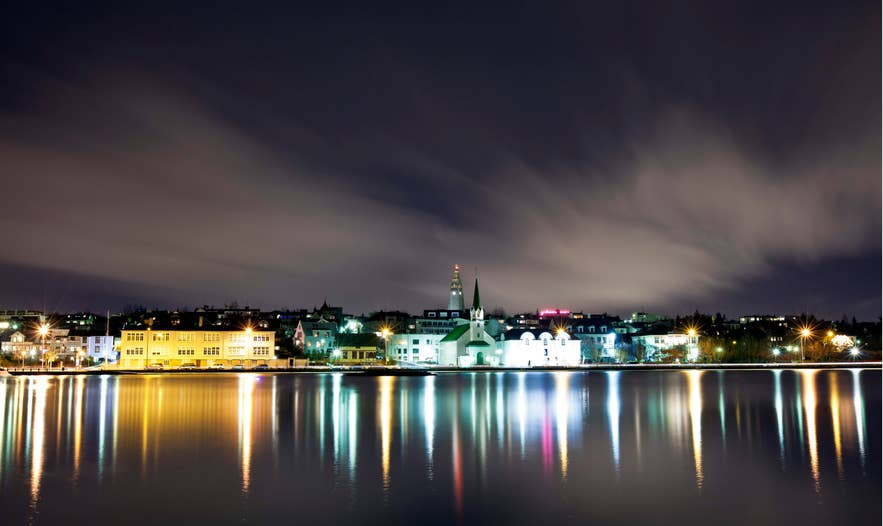 The capital city is ideal if you prefer a city base with easy access to tours, restaurants, and cultural sights, with plenty of hotels and accommodations in Reykjavik to choose from. When picking a neighborhood, consider what matters most to your trip:
-
Hotels in downtown Reykjavik put you within walking distance of Hallgrimskirkja Church, Laugavegur Shopping Street, and most major attractions.
-
Hotels near Reykjavik’s Old Harbor offer a scenic setting close to whale watching departures, the Maritime Museum, and waterfront dining.
-
The Hlidar neighborhood is a quieter, more affordable alternative that's still a short bus ride or walk from the center.
Accommodations Along the Ring Road
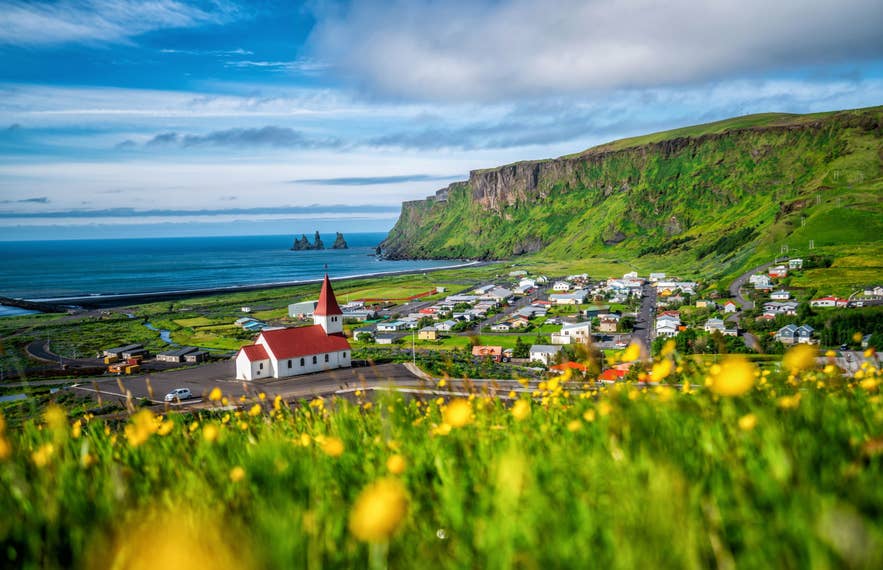 If you're self-driving, May's clear roads make one-night stays along the Ring Road enjoyable and straightforward. Plan your stops based on what you want to see along the way:
-
Hotels in Vik or stays in Kirkjubaejarklaustur are ideal for breaking up the South Coast drive and exploring black sand beaches and nearby waterfalls.
-
Hotels in Hofn put you close to Vatnajokull Glacier and Jokulsarlon Lagoon, with fresh seafood as a bonus.
-
Egilsstadir hotels serve as a convenient hub for exploring the Eastfjords and surrounding hiking trails.
-
Stays in Akureyri give you access to whale watching, Godafoss Waterfall, and Lake Myvatn from Iceland's second-largest city.
-
Accommodations in Borgarnes make a comfortable final stop on the return leg to Reykjavik, with views over Borgarfjordur Estri.
Nature-Focused Stays in Iceland in May
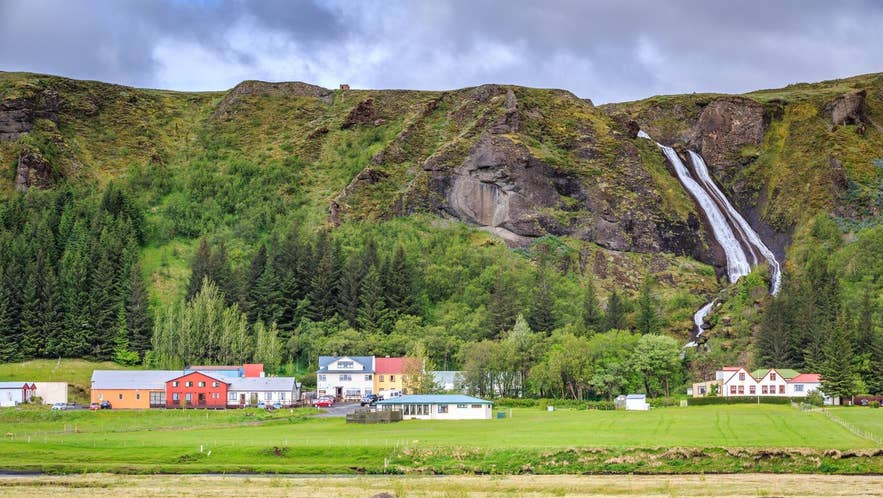 For quieter surroundings and scenic landscapes, consider staying outside the main towns:
-
Countryside guesthouses offer a more personal experience, often with mountain or coastal views and home-cooked breakfasts.
-
Iceland’s farm stays are a cozy, family-friendly option where you can meet horses and lambs during spring.
-
Cabins with hot tubs are perfect for soaking under bright May evenings after a long day of sightseeing.
Costs of Traveling To Iceland in May
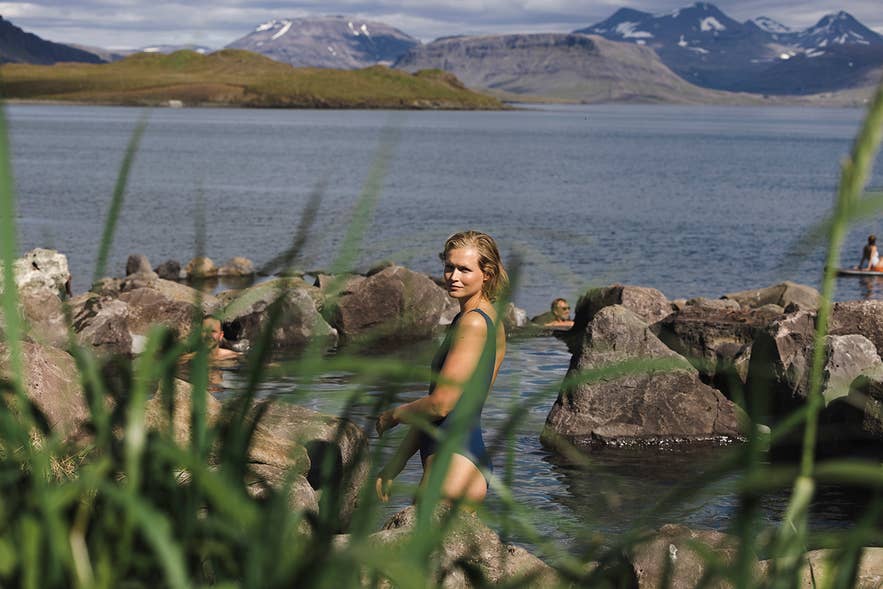 Traveling to Iceland in May means entering the shoulder season, after winter but before the high summer peak. Our study on the cheapest time to visit Iceland found that a seven-day mid-range trip to Iceland in May costs 2,668 USD per person, including flights.
With this, you can enjoy better value, longer days, and accessible routes. However, key expense categories stay higher than in many other destinations. Below is a breakdown of typical costs and budgeting tips for May travel.
-
Flights
Round-trip flights to Iceland in May are cheaper than in summer, often 400 USD to 800 USD from North America and 200 USD to 400 USD from Europe. Booking early and flying midweek usually secures the lowest fares.
-
Accommodation
Expect 160 USD to 260 USD per night for mid-range hotels and 90 USD to 140 USD for budget hotels in Iceland. May is shoulder season, so rates are generally lower, and availability is better than in June to August.
-
Car Rental and Transport
Economy cars cost 60 USD to 100 USD per day, with fuel and insurance adding to daily costs. Guided day tours typically range from 60 USD to 300 USD per person, depending on duration and activity level.
-
Food and Dining
Casual meals cost 15 USD to 25 USD, while mid-range dinners run from 60 USD to 90+ USD per person. Iceland’s grocery stores, such as Kronan, are the best way to keep food costs down.
-
Activities and Attractions
Most natural sights, such as waterfalls, black sand beaches, and national parks, are free to visit. Paid activities like glacier hikes, whale watching, or lagoon boat tours usually cost between 100 USD to 220+ USD.
Events in Iceland in May
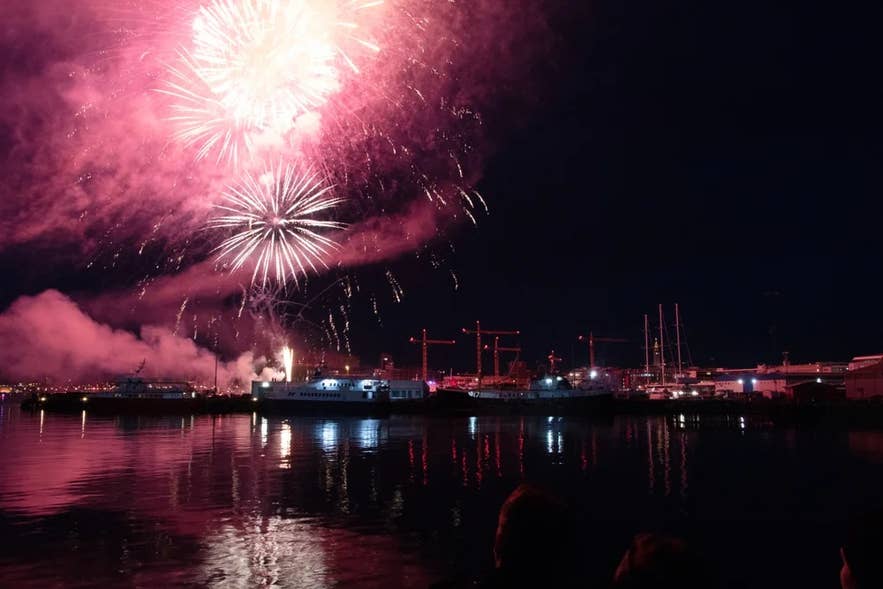 Travelers visiting Iceland in May can enjoy several Icelandic festivals and public holidays. From cultural celebrations to historical traditions, these events offer a chance to experience Icelandic life beyond the landscapes.
May First (Labor Day)
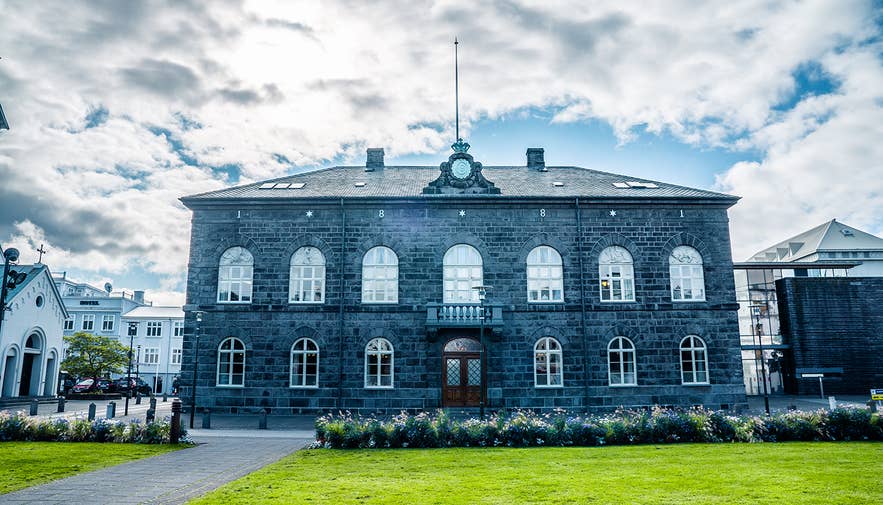
May 1 is a public holiday in Iceland and is widely known as May Day, a long-standing tradition marked by labor marches and union-led demonstrations. The first May 1 march took place in 1923, giving Iceland over a century of organized worker advocacy.
Themes change each year, but demonstrations commonly address higher wages, improved working conditions, shorter workweeks, and workplace flexibility. In Reykjavik, participants often gather near Hlemmur Bus Station before marching down Laugavegur to Austurvollur Square, where union representatives deliver speeches outside the Parliament.
Ascension Day (Public Holiday)
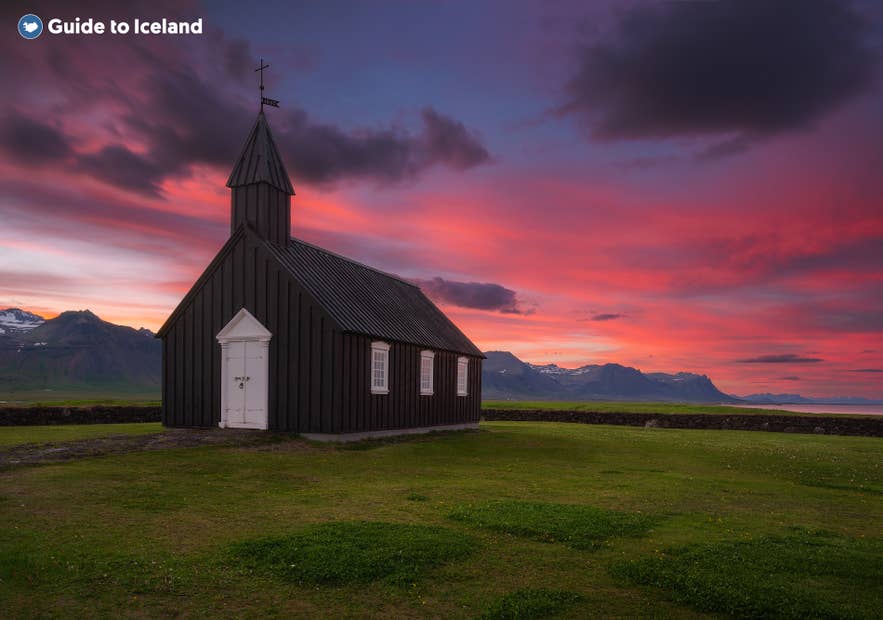
Ascension Day is one of the oldest Christian holidays, celebrated 40 days after Easter to commemorate Jesus' ascension to heaven.
As one of the recognized public holidays in Iceland, children have the day off from school, and most workplaces are closed. As a result, many Icelanders spend the day at home with family. On the other hand, travelers should keep in mind that many shops, services, and attractions may be closed or operating on shorter hours.
Travelers interested in Icelandic architecture can use this day to visit some of Iceland’s most iconic churches. The country's most notable churches include Hallgrimskirkja Church in Reykjavik, the green-roofed Frikirkjan Church near Tjornin city pond, Landakotskirkja Cathedral, Akureyrarkirkja Church in Akureyri, and the Black Church of Budir on the Snaefellsnes Peninsula.
International Day of the Icelandic Horse
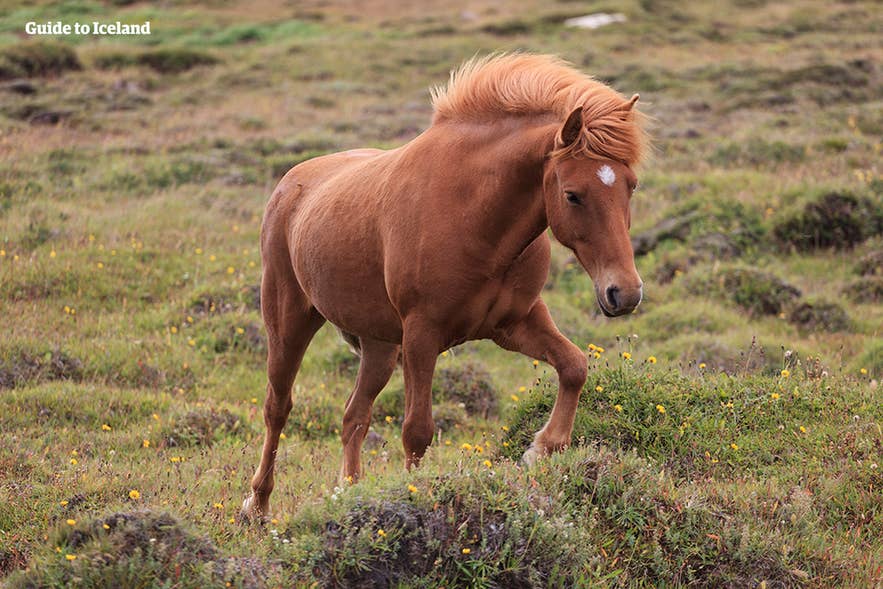
Also celebrated on May 1, the International Day of the Icelandic Horse is a collaboration between the Icelandic Equestrian Association and the Horses of Iceland initiative. The festival is a joint effort between stable owners and enthusiastic members of the Icelandic horse community.
The Icelandic horse has been part of the country’s heritage since the 9th century and remains Iceland’s only horse breed, with no imports allowed. Open days are held at participating stables across the country for friends and families to meet the Icelandic horse breed up close. You can also experience these friendly animals on a top-rated horse riding tour through lava fields with an optional transfer from Reykjavik.
Reykjavik Arts Festival
The Reykjavik Arts Festival is a biennial multidisciplinary event that brings together international and Icelandic artists across music, theater, dance, and visual arts. It last ran from May 30 to June 14, 2026, and the next edition is in 2028.
The festival hosts artistic creations from around the world and is one of Iceland's most significant cultural events. Past editions have featured prominent Icelandic and international artists, and the 2026 program includes exhibitions by Bjork and James Merry at the National Gallery of Iceland.
A dedicated Festival Hub also offers a variety of events and gatherings throughout the run. The full program and tickets are available at listahatid.is.
What to Pack for Iceland in May
Packing for Iceland in May means preparing for mild spring days, sudden weather shifts, and long hours of daylight. This month offers more comfortable conditions than winter, but wind chill can make temperatures feel significantly colder than the forecast suggests.
Knowing what to wear in spring in Iceland makes a big difference, and the essentials below are a good place to start.
-
Waterproof jacket and waterproof pants for sudden rain or wind
-
Warm mid-layer, such as fleece or lightweight down
-
Base layers for cooler mornings and evenings
-
Comfortable hiking shoes with good grip
-
Hat and gloves, especially for South Coast and higher-elevation stops
-
Swimwear for hot springs, pools, and geothermal lagoons
-
Quick-dry towel if visiting multiple bathing spots
-
Reusable water bottle to refill at taps and natural springs
-
A portable charger to keep your phone powered during long sightseeing days
-
Sunscreen and sunglasses, as May sunlight is stronger than many expect
-
Daypack for snacks, layers, and essentials during excursions
-
Travel adapter for Icelandic outlets (Type F)
-
Medication and motion sickness tablets if planning boat tours or long drives
Tips for Travelers Visiting Iceland in May
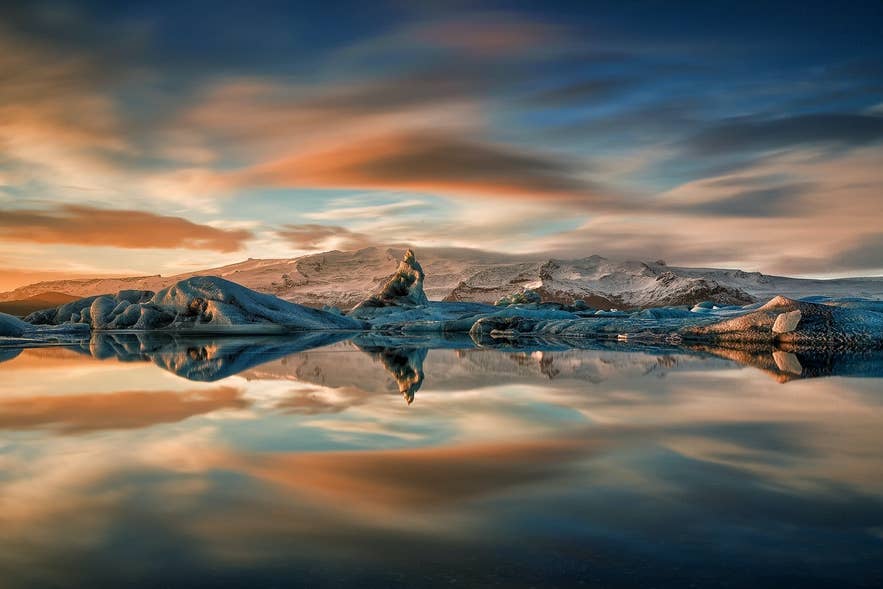 To help you make the most of your trip and keep your budget under control, here are practical tips tailored specifically for May travel in Iceland.
-
Book your car rental and accommodation early, as May fills up faster than most travelers expect. Early bookings lock in better rates and availability.
-
Consider staying outside central Reykjavik or in smaller towns along your route to reduce nightly costs.
-
Stock up at grocery stores, especially for road trip snacks and quick lunches between stops.
-
Accommodations with breakfast included or kitchen access can make a noticeable difference to your daily budget, especially for families.
-
Even on mild days, wind and rain can arrive without warning. Keep a waterproof layer and warm mid-layer in your daypack at all times.
-
Take advantage of long daylight hours by planning flexible sightseeing days and avoiding rushed schedules.
-
Check road conditions before each driving day, especially in early May when some routes in the north may still have restrictions.
-
Book popular experiences like the Blue Lagoon, Sky Lagoon, glacier hikes, or whale-watching tours in advance to avoid limited availability.
-
For families, short driving days from one or two bases work best. Pools are the activity parents mention most in our study of how good Iceland is for kids, so plan a swim every day.
Plan Your Perfect May Adventure in Iceland
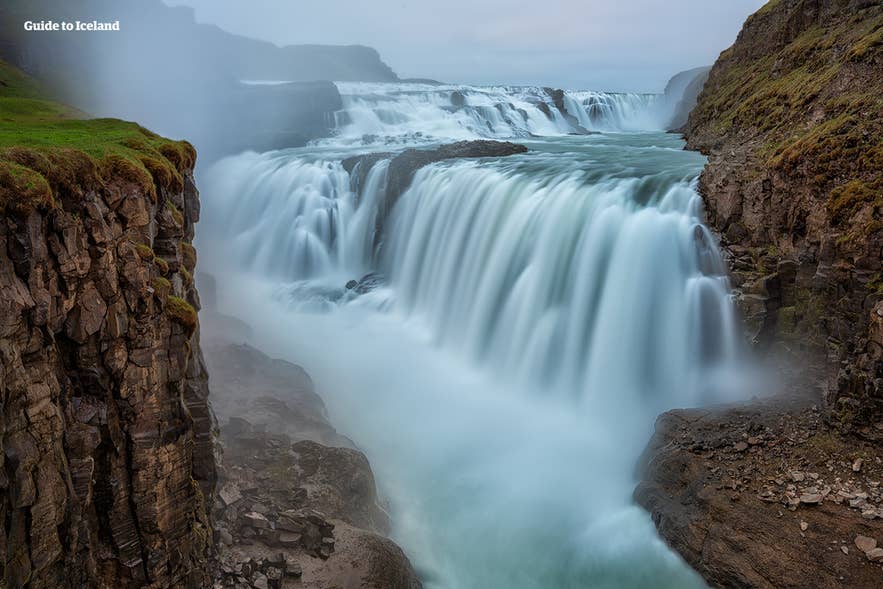 Iceland in May is one of the most rewarding times to explore the country, offering long daylight hours, mild spring weather, and easy access to many of the top tour destinations in Iceland. It’s an excellent month for enjoying wildlife encounters, glacier activities, scenic drives, and cultural highlights around Reykjavik.
Travelers seeking convenience can choose curated vacation packages in Iceland, while those planning their own routes benefit from stable road conditions and a wide range of seasonal tours. With so many possibilities, visiting Iceland in May makes it easy to create a memorable adventure that suits your travel style.
Is May a good time to visit Iceland?
What is the average weather in Iceland in May?
Does Iceland get snow in May?
Can you see the northern lights in Iceland in May?
How dark is Iceland in May?
Can you see puffins in Iceland in May?
Can you see whales in Iceland in May?
Should I visit Iceland in April, May, or June?
What’s the difference between early May and late May in Iceland?
What should I pack for Iceland in May?
Do I need a 4x4 in Iceland in May?
Is Iceland expensive in May?
What is the cheapest month to go to Iceland?
How many days in Iceland are enough?
Is May a good time to visit Iceland with kids?
Do you want to visit Iceland in May? What are you planning to see while visiting? If you visited Iceland in May, please tell us what your favorite experiences were in the comments!

Michael Chapman is a British travel writer living in Reykjavík. A former scuba and lava cave guide, he draws on firsthand experience to write about Iceland’s nature and culture. He’s also the author of Hidden Iceland (2020).