Iceland has gone without an army for its entire time as a modern state. That choice grew out of the nation's past, which travelers can explore firsthand at museums and exhibitions in Iceland.
Why You Can Trust Our Content
Guide to Iceland is the most trusted travel platform in Iceland, helping millions of visitors each year. All our content is written and reviewed by local experts who are deeply familiar with Iceland. You can count on us for accurate, up-to-date, and trustworthy travel advice.
Going without soldiers might sound risky for an island in the middle of the North Atlantic. Yet the country has topped the Global Peace Index every year since 2008. It manages this because allies and a civilian Coast Guard do the work of an army, an arrangement that took shape over the last century of the history of Iceland.
The sections below explain how that arrangement came about and who is responsible for the country's safety today. They end with the places where you can see this history for yourself, either independently or on Reykjavik tours in and around the capital. Keep reading to add those stops to your itinerary.
What to Know About Iceland's Lack of a Military
These facts sum up why Iceland has no military and how the country stays secure.
-
Iceland has no army, navy, or air force, and it is the only NATO member without its own military.
-
Fewer than 400,000 people live in Iceland, which makes a standing army costly to staff and fund.
-
British forces occupied neutral Iceland on May 10, 1940, and US forces took over its defense in July 1941.
-
Iceland became a founding member of NATO in 1949 without creating an army.
-
A 1951 defense agreement makes the United States responsible for defending Iceland on behalf of NATO.
-
US forces were based at Keflavik until September 30, 2006.
-
The Icelandic Coast Guard, founded in 1926, patrols the seas and operates Iceland's air defense radar system.
-
Iceland has ranked first in the Global Peace Index every year since 2008.
Iceland Has No Army, Navy, or Air Force
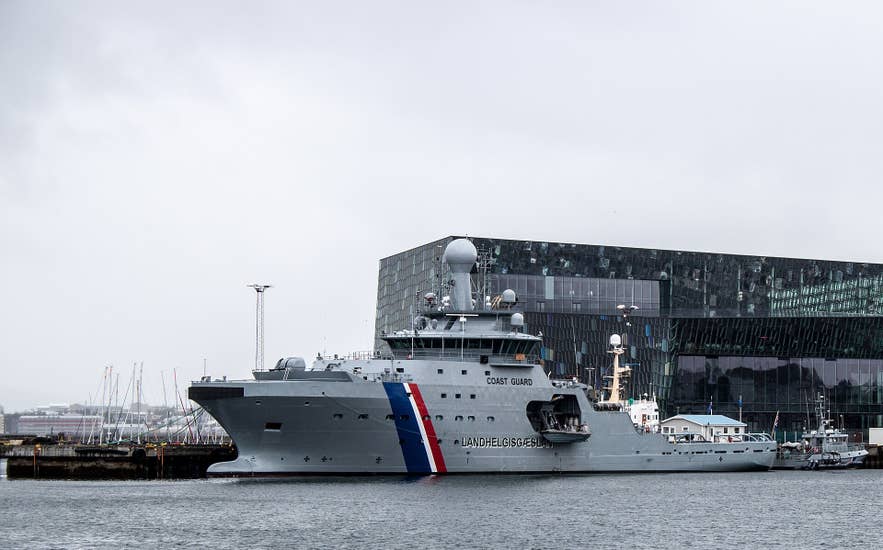
Photo from Wikimedia Commons, Szilas, public domain. No edits made.
NATO lists Iceland as its only member without a military, and the Government of Iceland describes the nation the same way. The work that soldiers do elsewhere falls to civilian agencies instead.
At sea, that work belongs to the Icelandic Coast Guard, while the police respond to armed incidents on land. For military protection, the country relies on its allies.
That protection rests on two arrangements. The first is Iceland's NATO membership, and the second is a 1951 defense agreement with the United States.
Why Iceland Has No Military
Three connected reasons explain why Iceland has no military, starting with the size of its population.
A Small Population Makes an Army Costly
Iceland had 394,324 residents on January 1, 2026, according to Statistics Iceland. Staffing an army from a population of that size would pull many workers out of a small labor force.
The country's own defense agreement acknowledges this limit. Its opening text, signed with the United States in 1951, says the people of Iceland "cannot themselves adequately secure their own defenses."
Icelanders Have a Long Unarmed Tradition
Population is only part of the explanation, because Icelanders also take pride in being unarmed. NATO describes this as a pacifist tradition that is older than the republic.
Foreign Minister Bjarni Benediktsson put the tradition into words when he signed the North Atlantic Treaty in 1949. "My people are unarmed and have been unarmed since the days of our Viking forefathers," he said.
His words reached back to the era of the Icelandic Vikings, more than a thousand years earlier.
Allies Protect Iceland Because of Its Location
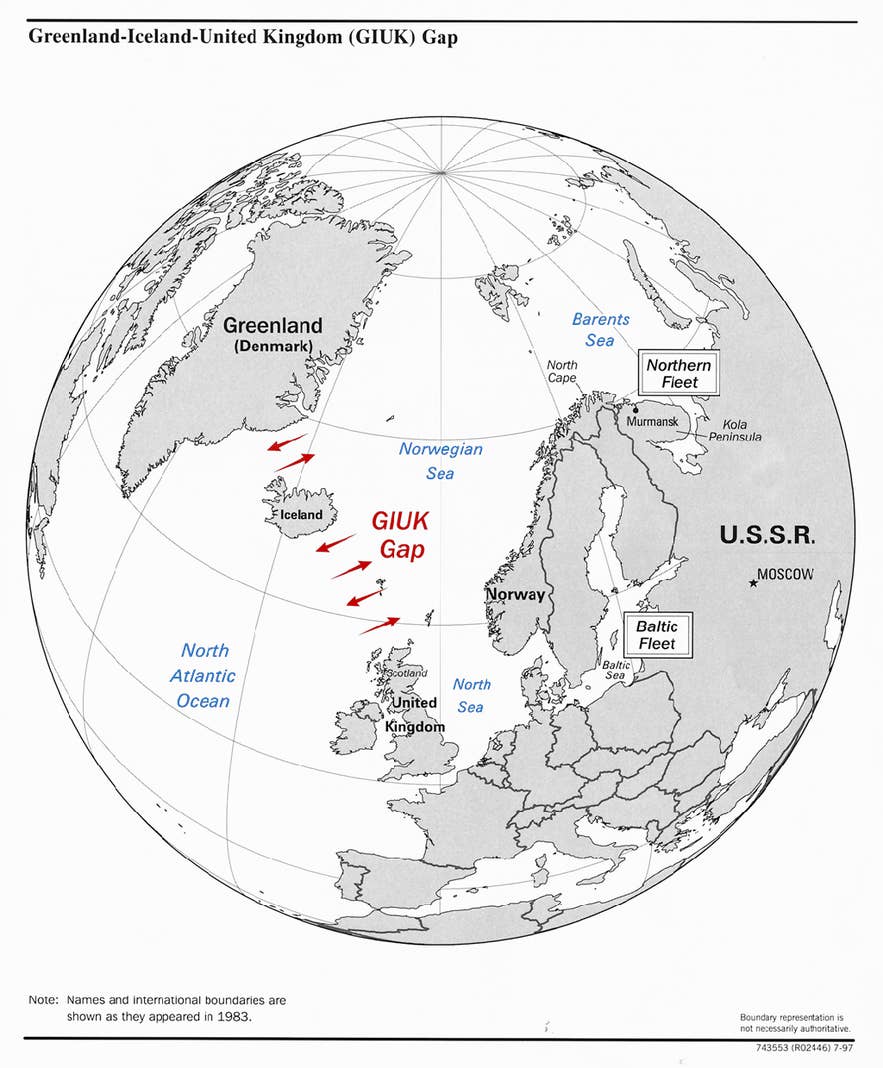
Map from Wikimedia Commons, Central Intelligence Agency, public domain. No edits made.
An unarmed country still needs protection, and Iceland's position on the map helps to secure it. The island lies between Greenland and the United Kingdom, in waters known as the GIUK gap.
US patrol planes still monitor the GIUK gap for submarines, a task that dates back to the Cold War. The gap gives allied countries a lasting reason to defend the island.
Bjarni Benediktsson made the same point in his 1949 speech. He said his country was, "under certain circumstances, of vital importance for the safety of the North Atlantic area."
How Iceland Went From Neutrality to NATO
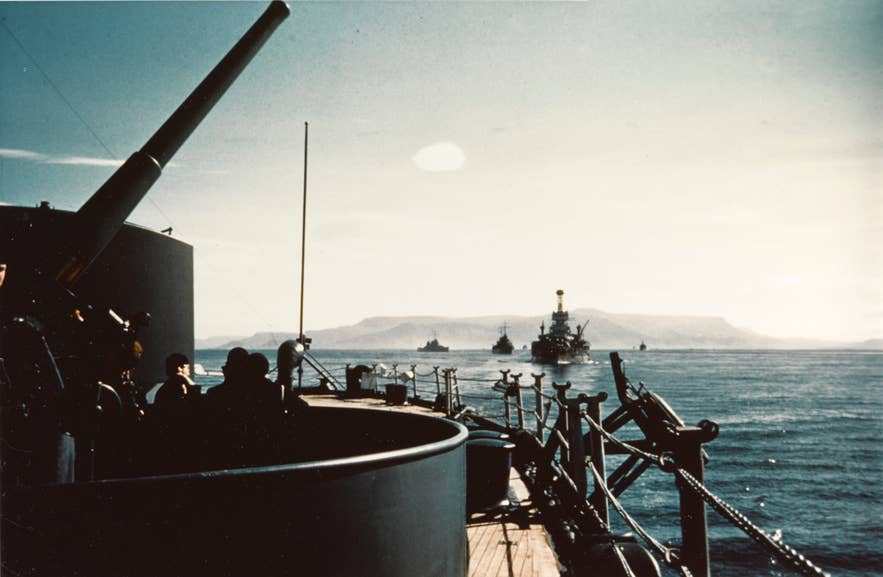
Photo from Wikimedia Commons, US Navy Naval History and Heritage Command, public domain. No edits made.
Iceland's path from a neutral state to a NATO member with no army runs through five events between 1918 and 2006.
Sovereignty and Neutrality in 1918
Iceland became a separate state under the Danish crown on December 1, 1918. Denmark continued to handle its foreign affairs, and the new state followed a policy of neutrality without forming an army.
The Allied Occupation in World War II
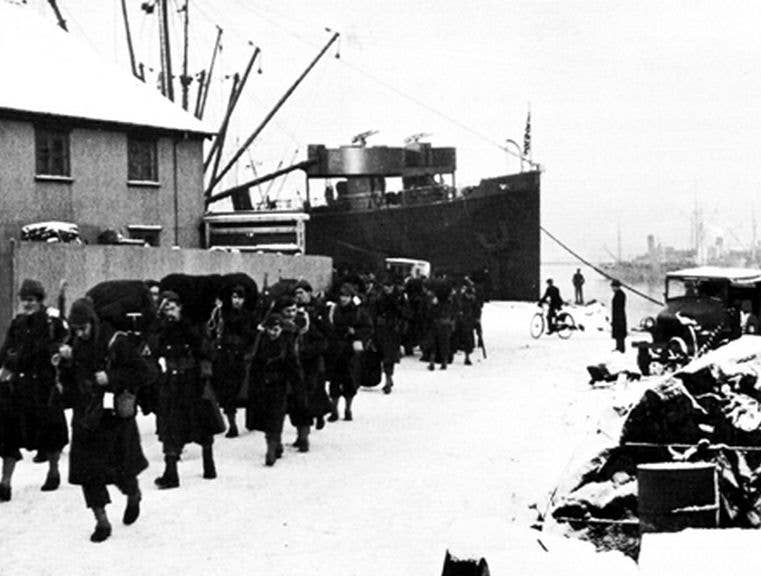
Photo from Wikimedia Commons, United States Army, public domain. No edits made.
That neutrality ended with World War II. British forces landed in Reykjavik on May 10, 1940, to secure the island for the Allies. With no army to call on, Iceland did not resist, though its government protested formally.
US forces took over the island's defense after arriving on July 7, 1941. By the height of the war, tens of thousands of Allied troops were stationed in the country.
Their presence changed the landscape as well. The occupation of Iceland in World War II brought new airfields, and one of them later became Keflavik International Airport. Before the war ended, Iceland also declared full independence from Denmark in 1944.
Founding NATO Membership in 1949
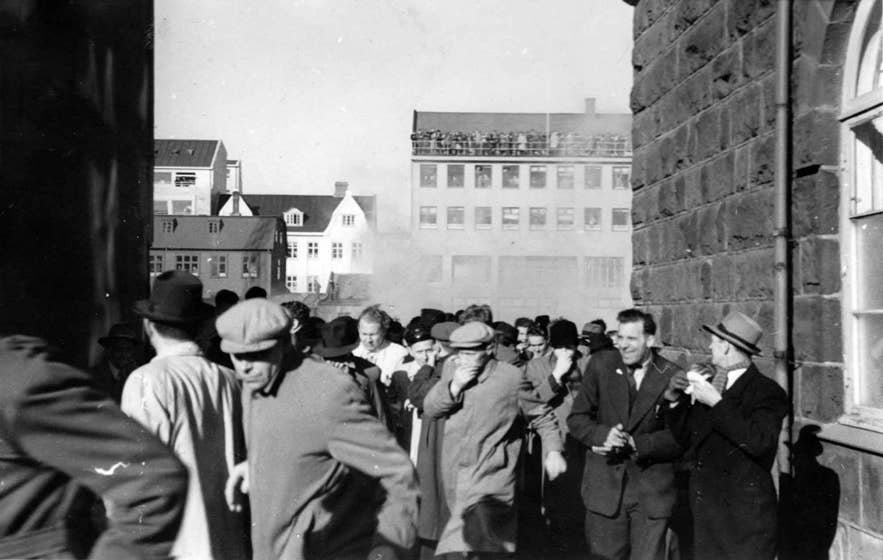
Photo from Wikimedia Commons, Creative Commons, by Valgerður Tryggvadóttir. No edits made.
After the war, many Icelanders expected a return to neutrality. The Althingi, Iceland's parliament, chose a different course on March 30, 1949, by voting to join NATO. Iceland signed the North Atlantic Treaty in Washington, D.C., five days later.
The vote divided the country. While parliament debated, protesters gathered at Austurvollur Square and threw rocks and eggs at the building.
Iceland still joined the alliance without an army, and it has remained without one ever since.
The 1951 Defense Agreement With the United States
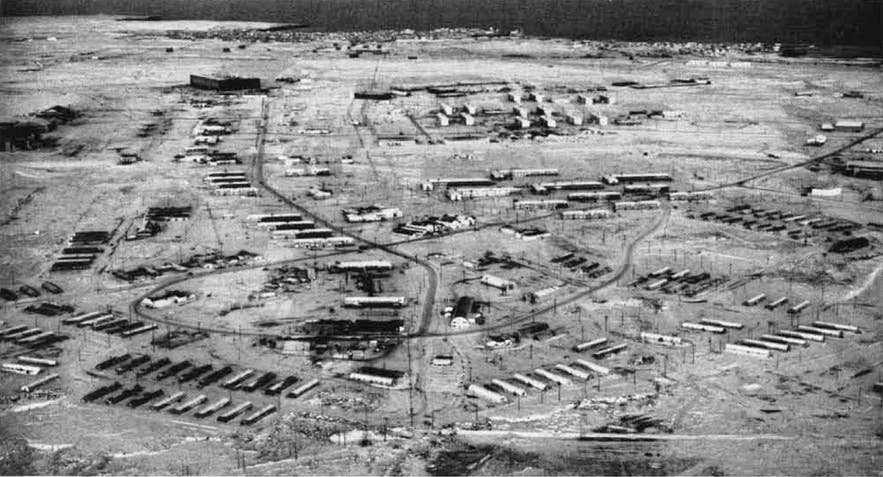
Photo from Wikimedia Commons, US Navy Naval Aviation News, public domain. No edits made.
Foreign troops had left Iceland after the war, so NATO membership alone put no defenders on the island. Iceland and the United States closed that gap with a defense agreement, signed in Reykjavik on May 5, 1951. Under its terms, the United States arranges Iceland's defense on behalf of NATO.
The agreement brought the US military to Keflavik, where it formed the Iceland Defense Force. Its base became NATO's main presence in Iceland during the Cold War.
Public support for the base was put to the test in 1974, when the government proposed closing it. More than 55,000 Icelanders responded by signing a petition to keep it, which was over a quarter of the population.
The US Withdrawal From Keflavik in 2006
The base outlasted the Cold War by more than a decade. The last US service members left Keflavik on September 30, 2006, which ended about 65 years of American military presence in Iceland.
The 1951 defense agreement outlived the base. The United States still defends Iceland under its terms and takes part in exercises in the country.
How Iceland Defends Itself Without a Military

Photo from Wikimedia Commons, Creative Commons, by Geraldshields11. No edits made.
Since 2006, Iceland's defense has combined visiting allied forces with civilian agencies based at home. The Minister for Foreign Affairs oversees defense policy, and the sections below cover each part of the system.
NATO Air Policing and Radar Surveillance
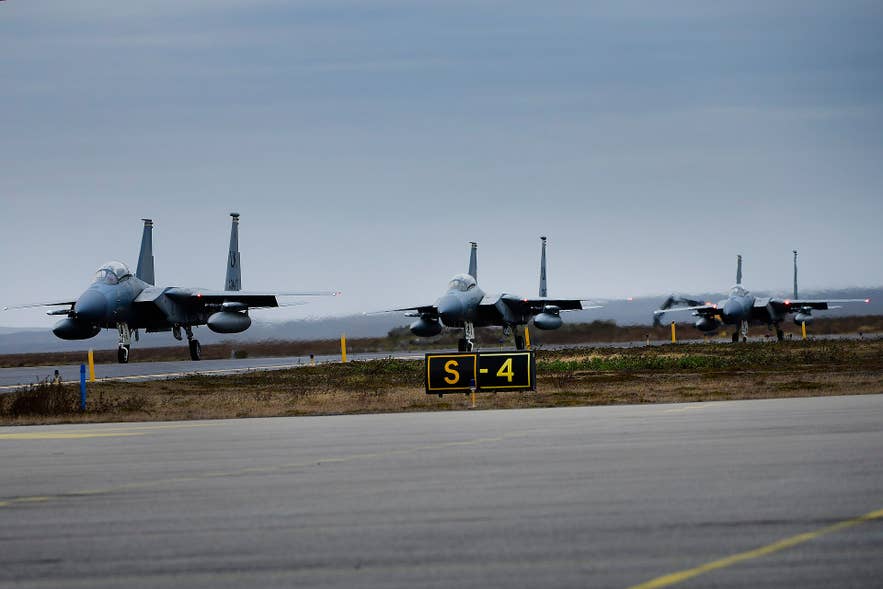
Photo from Wikimedia Commons, US Air Force, Master Sgt. Matthew Plew, public domain. No edits made.
The first gap to fill after the US withdrawal was in the air. NATO decided in July 2007 to send allied fighter jets to Iceland on a regular basis. These deployments take place about three times a year and last two to three weeks each.
Iceland contributes four radar sites of its own, which feed into NATO's air defense system.
The Icelandic Coast Guard
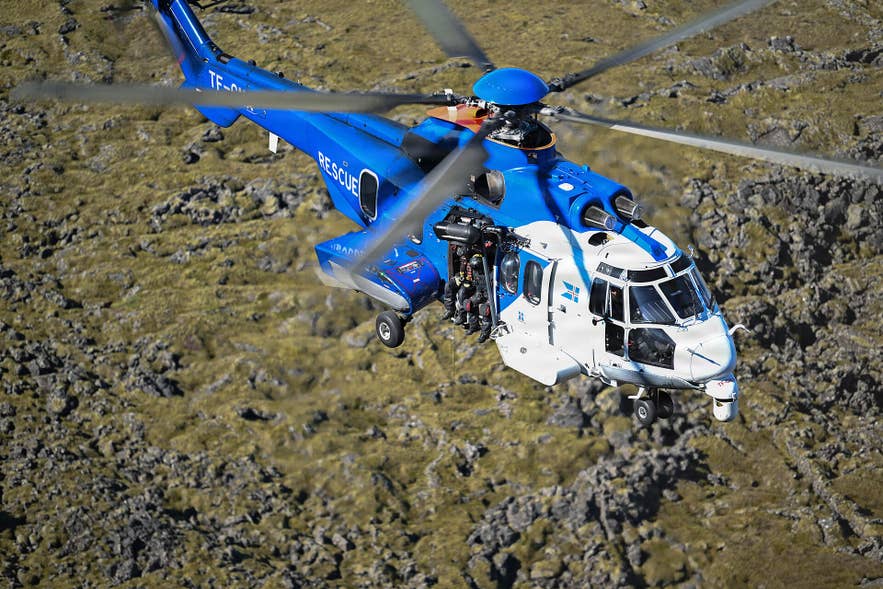
Photo from Wikimedia Commons, US Navy, Petty Officer 2nd Class Chance Hanson, public domain. No edits made.
Those radar sites are operated by the Icelandic Coast Guard, called Landhelgisgæslan in Icelandic. Founded on July 1, 1926, it is a civilian law enforcement agency with about 250 staff.
At sea, its crews patrol the fishing grounds and carry out search and rescue. The agency is also responsible for disposing of explosives in Iceland.
Protecting those fishing grounds once brought the Coast Guard up against the British Royal Navy. In three disputes known as the Cod Wars, Iceland extended its fishing limits from 4 to 200 nautical miles (7 to 370 km). The disputes ran from 1958 to 1976.
Coast Guard crews defended the new limits with tactics such as cutting the nets of British trawlers. The last dispute ended in June 1976, when Britain accepted the 200-mile limit.
The Police Special Operations Unit
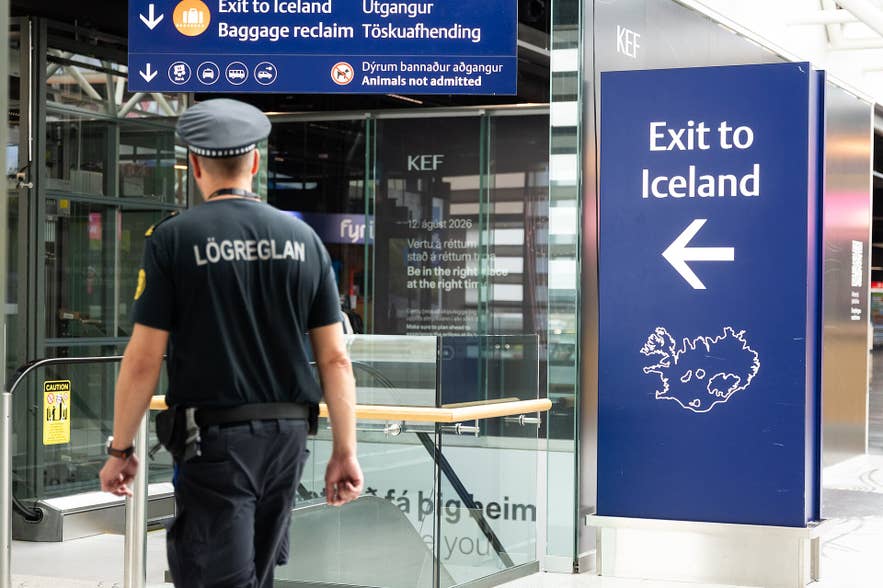
Photo from Wikimedia Commons, Creative Commons, by European Commission Audiovisual Service. No edits made.
On land, armed incidents fall to the police. They maintain a special operations unit that is trained for armed police work. The same unit helps prevent terrorism and handles hostage negotiations.
The Iceland Crisis Response Unit
The lack of an army also shapes how Iceland contributes to peacekeeping abroad. That work goes through the Iceland Crisis Response Unit, which has been part of the Ministry for Foreign Affairs since 2001.
Because Iceland has no military, the unit sends only civilian experts. Between 10 and 20 of them work abroad at any time, mainly with bodies such as the United Nations and NATO.
Defense Cooperation With Nordic Neighbors
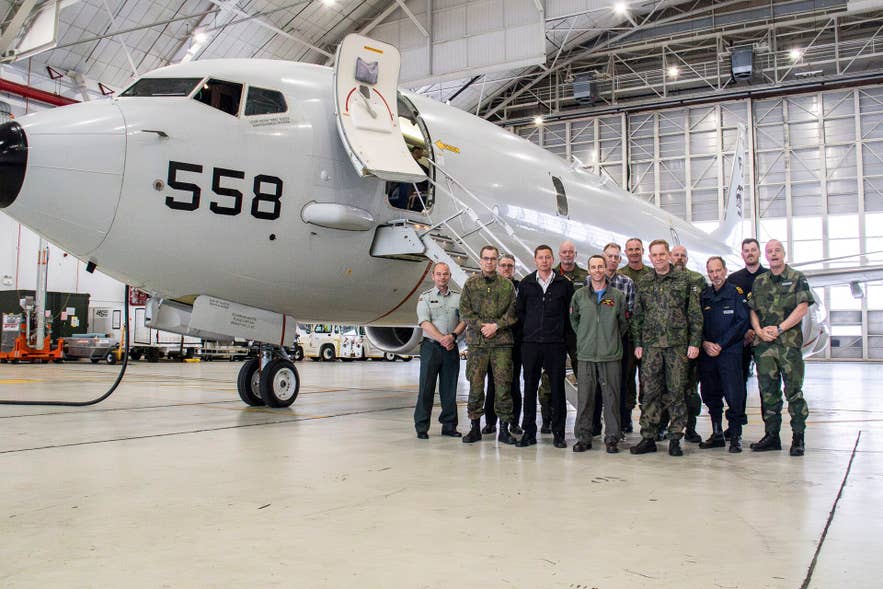
Photo from Wikimedia Commons, US Navy, Petty Officer 2nd Class Jacquelin Frost, public domain. No edits made.
Iceland has widened its circle of partners since the US withdrawal. It takes part in Nordic defense cooperation, known as NORDEFCO. Since 2007, it has also signed cooperation agreements with Canada, Denmark, Norway, and the United Kingdom.
Iceland Adopted Its First Defense Policy in 2026
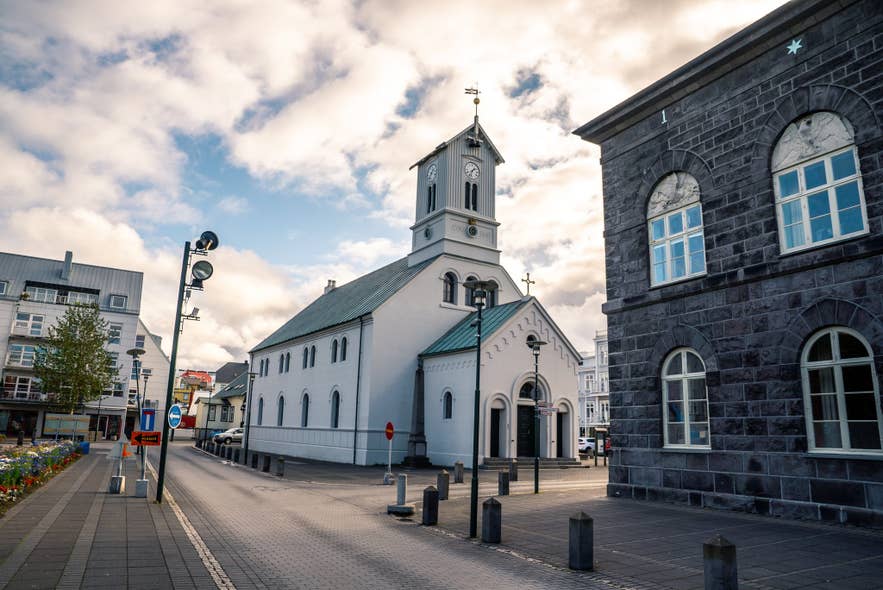
These arrangements were written into formal policy for the first time in 2026. On February 3, the Althingi unanimously approved Iceland's first defense and security policy.
The policy keeps NATO membership and the US defense agreement as its two main pillars, and it calls for stronger preparedness at home. The parliamentary report behind it still describes Iceland as "a state without armed forces" that relies on its allies.
Iceland Ranks as the World's Most Peaceful Country

Iceland pairs its lack of a military with the top spot in the Global Peace Index. It ranked first among 163 countries in the 2026 edition and has held that position every year since 2008.
For visitors, this means travel safety in Iceland depends far more on weather and road conditions than on crime.
Where To See Iceland's Defense History on Your Trip
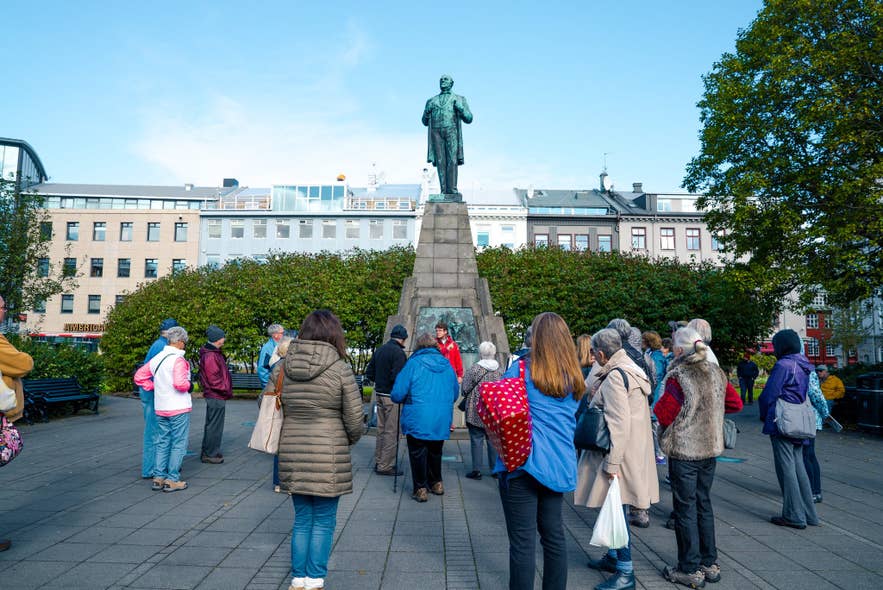
Several places from this story are open to visitors, and most of them are in or near Reykjavik.
A good starting point is Austurvollur Square, where the 1949 NATO protest took place beside the Althingi building. You can walk there from anywhere in downtown Reykjavik.
For the occupation years, a guided World War II sightseeing tour of Reykjavik spends about seven hours on the capital's wartime history. Travelers who would rather explore on foot can choose from several Reykjavik walking tours instead.
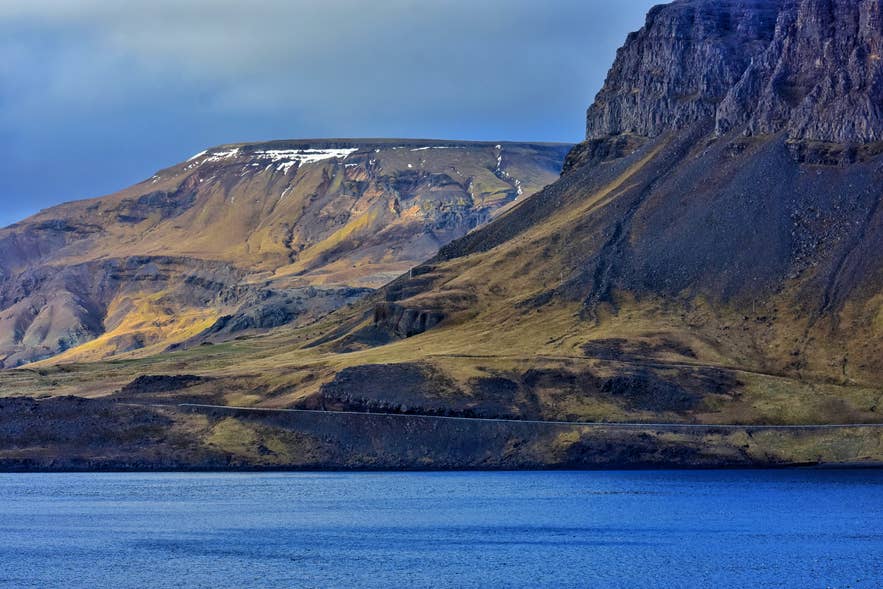
Two more sites lie outside the capital. Hvalfjordur Fjord was a wartime base, where you can visit the War and Peace Museum in summer. In Keflavik, the Asbru district stands on the site of the former US naval air station.
Why Iceland Thrives Without a Military
Iceland has no military because alliances have protected the country since 1949, and a civilian Coast Guard and police force cover the rest. Together, they give a small nation the security that an army provides elsewhere.
If this history interests you, add Austurvollur Square or a wartime museum to your list of things to do in Reykjavik. Choose from hotels in downtown Reykjavik to stay within walking distance of the square.
Does Iceland have a military?
Why doesn't Iceland have an army?
Who defends Iceland?
Is Iceland part of NATO?
Is there a US military base in Iceland?
What is the Icelandic Coast Guard?
Is Iceland a safe and peaceful country?
Does Iceland have a navy or an air force?
Did you know that Iceland has no military before reading this guide? Share your thoughts or questions about Iceland's history in the comments below.

I was born on the west side of Reykjavík and grew up downtown, so Iceland has been my back yard for most of my life. I'm a father of two, I've traveled on five continents, and I still haven't found a country that holds my attention the way this one does.
That's why I co-founded Guide to Iceland. We connect travelers directly with Icelandic operators, guides and hosts, so the advice and the services both come from people who actually live here.
I write about the practical side of a trip: what eating out in Reykjavík really costs, whether to pick Sky Lagoon or Hvammsvík, where to stop for food along the Ring Road, and which regions give you the best odds of clear skies for the northern lights. If you're planning a trip and something doesn't add up, message me.