Exercise, health, and general wellbeing sit at the center of daily life in Iceland, and it shows fastest for anyone who chooses to stay in Reykjavik, the country's fitness-minded capital. Gyms sit around nearly every corner, and some of the top geothermal pools in Reykjavik are a short walk from downtown hotels.
Why You Can Trust Our Content
Guide to Iceland is the most trusted travel platform in Iceland, helping millions of visitors each year. All our content is written and reviewed by local experts who are deeply familiar with Iceland. You can count on us for accurate, up-to-date, and trustworthy travel advice.
Locals don't let Icelandic weather get in the way of a workout. Waking up early for a swim, a run, or a strength session before work is normal, not exceptional. The style of exercise varies as much as it does anywhere else: gym training, swimming, yoga, bouldering, and team sports all have a following.
Going to the gym in Iceland, at least in Reykjavik, is as much a part of the culture as bathing in geothermally heated pools, and the two are often in the same building. Read on for the best gyms, health habits, and outdoor routines Iceland has to offer.
Key Takeaways:
-
Reykjavik has gyms for nearly every style, from CrossFit and powerlifting to mainstream fitness chains and MMA.
-
Icelandic health habits lean on skyr, fish, and lamb, plus daily use of geothermal pools and an outdoor-first mindset.
-
Handball, football, and strength sports are Iceland's biggest sporting passions, alongside a strong CrossFit scene.
-
Oskjuhlid Hill, Hljomskalagardur Park, and Ellidaardalur Valley are the best free spots for an outdoor run or cycle in Reykjavik.
-
LifePass sells single-day passes for gyms, pools, and studios, so a long-term membership isn't necessary for a short stay.
Icelanders Take Health and Fitness Seriously
Iceland's clean air, open space, and healthy cuisine make it a natural fit for anyone focused on fitness. Health consciousness runs through daily life in Iceland, where exercise is treated less like a chore and more like a habit most people build their day around.
Food as Fuel: Skyr, Fish, and Lamb
Icelandic food culture centers on a few protein-rich staples eaten since Viking times. Skyr, a strained dairy product similar to yogurt but much higher in protein, is a daily habit for many locals and a common post-workout snack.
Lamb and fresh fish, especially cod and haddock, form the backbone of a diet that is naturally low in processed sugar and refined flour. Cod liver oil, taken by the spoonful, remains a household habit passed down through generations for its vitamin D and omega-3 content through Iceland's dark winters.
For travelers on a restricted diet, Iceland's traditional menu already does much of the work. Lamb stew, grilled fish, and skyr are naturally gluten-free.

When looking for non-gluten food at Iceland’s grocery stores, the word to look for on packaging is "glutenlaus." Larger grocery chains such as Bónus, Krónan, Hagkaup, and Nettó carry dedicated gluten-free sections, stocking brands like Semper and Schar, which reflects how many locals manage celiac disease or gluten intolerance day to day.
Reykjavik, Vik, and Akureyri have the most reliable restaurant options offering gluten-free food in Iceland. Smaller towns often call for planning ahead.
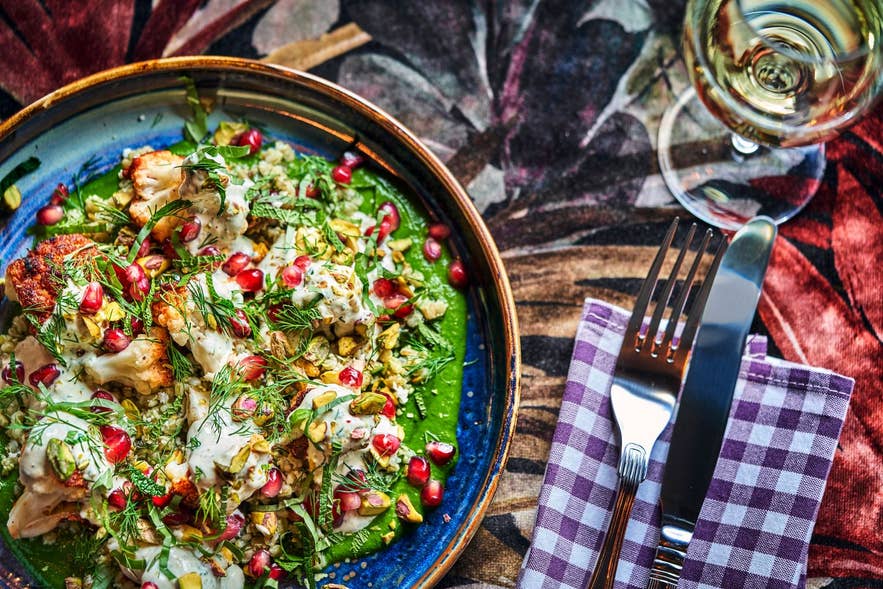
The same holds for vegetarians and vegans. Reykjavik's plant-based scene runs from fully vegan restaurants like Chickpea and Vegan World Peace to mainstream kitchens such as Kopar and Sumac that build full vegetarian menus alongside their regular one.
Popular Reykjavik cafes such as The Laundromat Café and Deig, along with street food stalls like Saffran and Mandi, cover faster options between activities. The city also runs vegan food tours and community meetups, which our vegan & vegetarian guide to Reykjavik rounds up for travelers who want to go beyond a single meal.
Geothermal Pools and the Reset Ritual
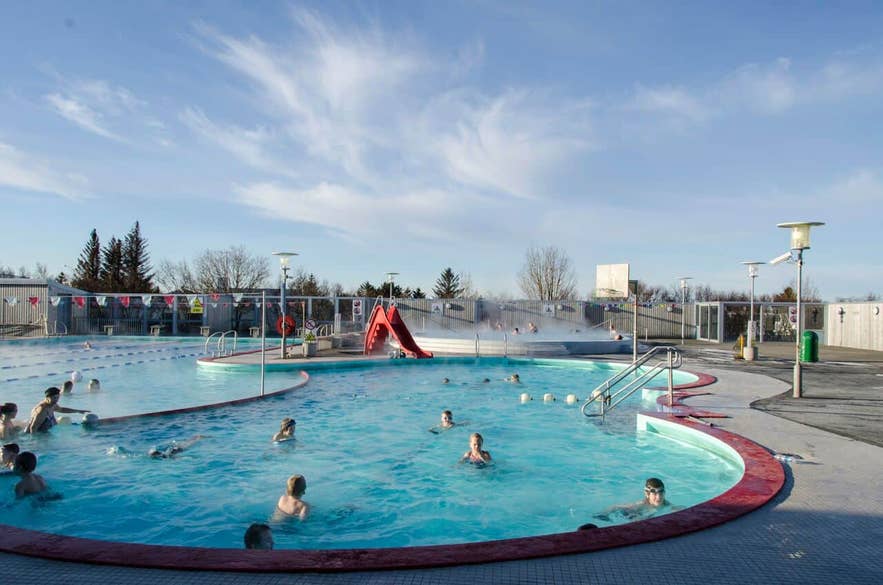
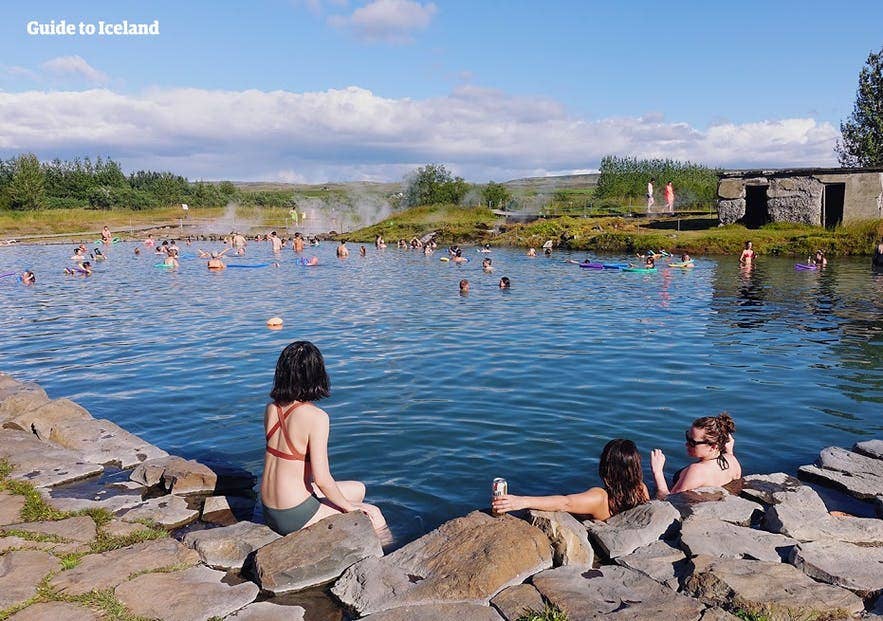
Trips to hot springs, geothermal spas, and swimming pools matter as much for the mind as the body in Iceland. Hot pots encourage conversation among strangers and neighbors, and alternating between a hot tub and a cold plunge is a common way to end a workout or a long day.
Iceland's low-chlorine pools rely on bathers showering thoroughly before getting in rather than after, one of the central customs of swimming pool etiquette in Iceland. Diagrams showing how to shower at an Icelandic pool are posted in every changing room, alongside locker room habits and hot pot conversation norms.
The ritual isn't confined to the capital. The best swimming pools outside Reykjavik keep the same hot pot habit going elsewhere, from a candlelit hot tub in Vopnafjordur to Iceland's only wave pool at Alftanes.
Frequent pool visits add up fast in Reykjavik alone. The 48-hr Reykjavik City Card grants unlimited entry to the capital's eight public pools for a typical weekend in the city, on top of its museums, bus network, and other attractions. A 72-hour version grants the same access for a longer stay.
An Outdoor-First Mindset
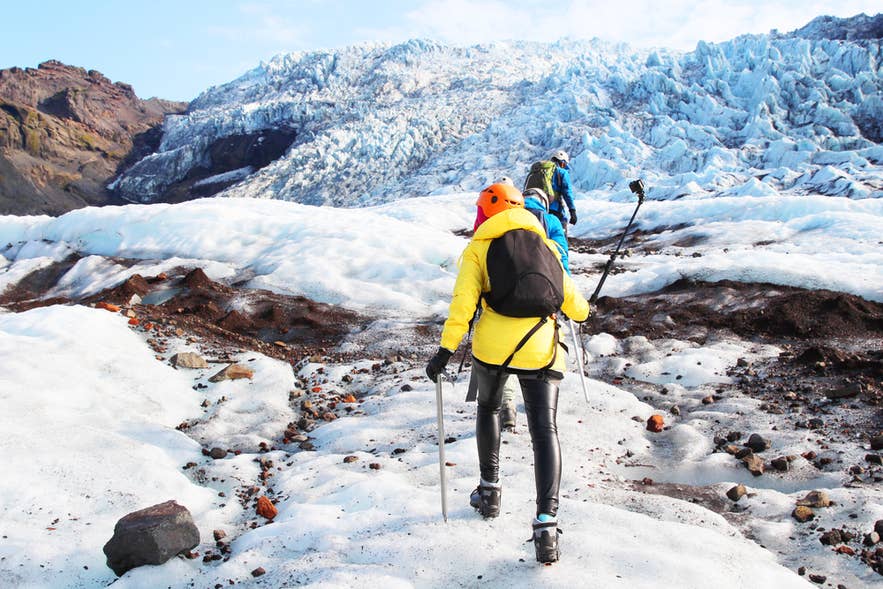
Icelanders shrug off bad weather with a familiar local saying: there is no such thing as bad weather, only bad clothing. That mindset keeps hiking, running, and cycling popular through the country's long winters, not only its bright summers.
Mount Esja is the default hiking trip for people in the Capital Region. The 3,000-foot (914-meter) mountain is visible from the city, stays open around the clock, and welcomes families as easily as serious hikers.
Runners and cyclists tend to head the other way, along the coastal path out to Grotta, a nature reserve known for its lighthouse. Grotta is about an hour's walk from downtown Reykjavik, but it’s also accessible by bus from the Hlemmur station.
For something beyond a regular workout, beginner-friendly adventures like horse riding and fjord kayaking call for little previous experience. Thrill-seekers can go further with glacier hiking, ice caving, and snowmobiling across Iceland's glaciers, each one guided from start to finish.
Iceland's Most Popular Sports
Iceland's official national sport is Glíma, a form of wrestling developed by the Vikings more than a thousand years ago. Wrestlers use holds on a special belt to throw one another off balance, though the sport is rarely seen today outside dedicated clubs and festivals.
Handball is Iceland's most successful modern sport relative to its size. The men's national team won silver at the 2008 Beijing Olympics, and roughly 80 percent of the country tuned in to watch that final.
Football in Iceland has grown quickly since the country's win over England at Euro 2016 and its run to the 2018 World Cup. That surge was helped by a wave of indoor training halls known locally as "soccer houses."
Strength sports, particularly powerlifting and strongman, are a point of national pride. Hafþór Júlíus Björnsson, a four-time World's Strongest Man winner who also played "The Mountain" in Game of Thrones, trained in Reykjavik gyms that are still open to visitors. Fellow Icelander Benedikt Magnússon once held the world deadlift record at 981 lbs (445 kg).
Other popular sports in Iceland include basketball, tennis, volleyball and, naturally, horseback riding.
The Best Gyms in Reykjavik
Reykjavik packs a wide range of gyms into a small area, from mainstream fitness chains to gyms built by Iceland’s strongmen for strongmen. Visitors can train on short-term passes, so a long-term membership isn't necessary for a short visit.
Travelers visiting more than one gym on the same trip, or planning to keep training beyond Reykjavik, may prefer LifePass. It bundles entry to more than 40 gyms, pools, and studios around Iceland, including 17 World Class locations. Single-day gym passes cost 2,990 ISK (about 23 USD), and holders show a QR code at the door.
World Class
World Class is Iceland's largest fitness chain, with locations across Reykjavik and around the country. The Laugar location, next to Laugardalsvollur Stadium, combines a full gym floor, group classes, and a swimming complex under one roof.
Jakaból
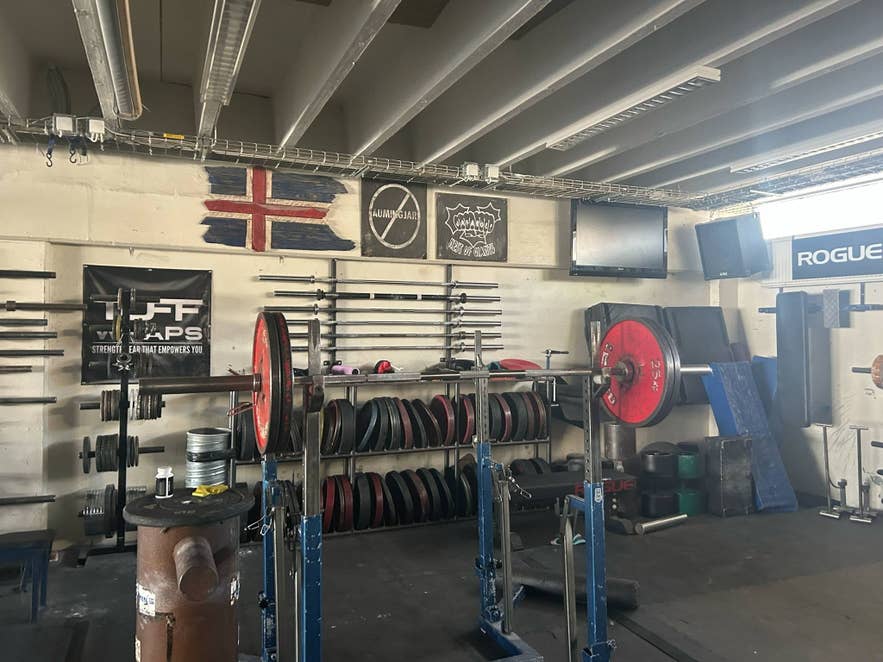
Photo from Jakabol - Nest of Giants (Facebook).
Known locally as the "nest of giants," Jakaból is the training ground of choice for powerlifters and strongmen. Founded by Jón Páll Sigmarsson and later reopened by fellow strongman Magnús Ver Magnússon, it counts Hafþór Júlíus Björnsson among its best-known members. Despite its hardcore reputation, all fitness levels are welcome.
Thor's Power Gym
Founded by Hafþór Júlíus Björnsson, Thor's Power Gym is a small, no-frills strength gym built around the same culture as Jakaból. Space is limited, so it's best to message ahead before visiting.
CrossFit Reykjavik
CrossFit Reykjavik has trained some of the sport's biggest names, including two-time CrossFit Games champions Anníe Mist Þórisdóttir and Katrín Davíðsdóttir. Visitors can drop in to classes and Open Gym, as long as they have at least three months of CrossFit experience.
Mjölnir
Mjölnir is Iceland's main hub for MMA, boxing, and Brazilian Jiu-Jitsu, run by UFC fighter Gunnar Nelson. The facility includes a full MMA cage, a boxing ring, and several class halls, worth a visit even for travelers who just want to watch a class.
Where to Run, Cycle, or Train Outdoors in Reykjavik
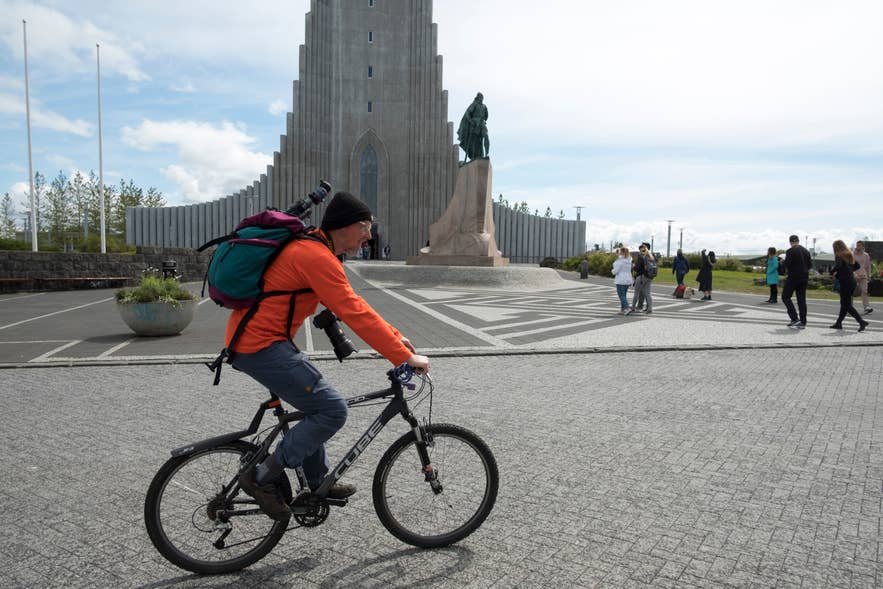 Reykjavik's main outdoor workout spots are green spaces close to the city center, and all of them are free to use. Oskjuhlíd, Hljomskalagardur, and Ellidaardalur each suit running, cycling, or a brisk walk in a different setting. All three can be reached on foot or by bus from downtown.
Oskjuhlid Hill
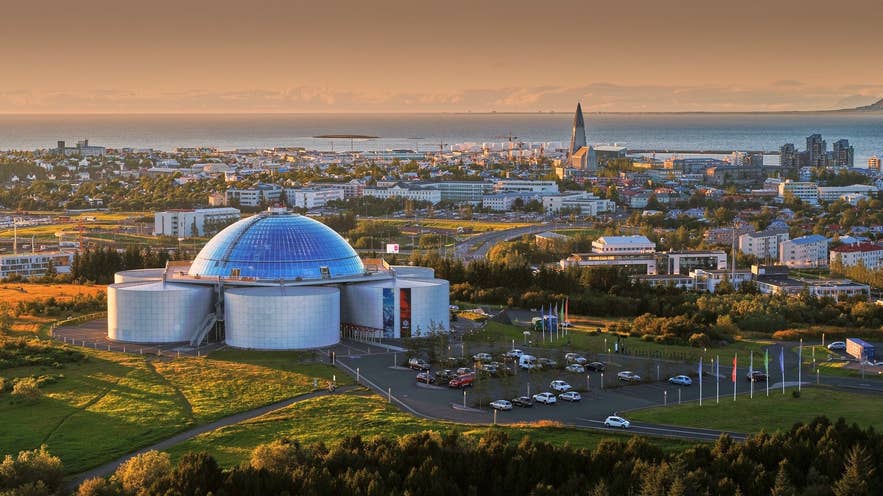
Framed by the city's southwest boundary on one side and the Atlantic on the other, Oskjuhlid is the closest thing to nature within easy walking distance of downtown. Its trails, part of the forests of Iceland, make a good spot for a stroll, cycle, or jog.
Hljomskalagardurinn
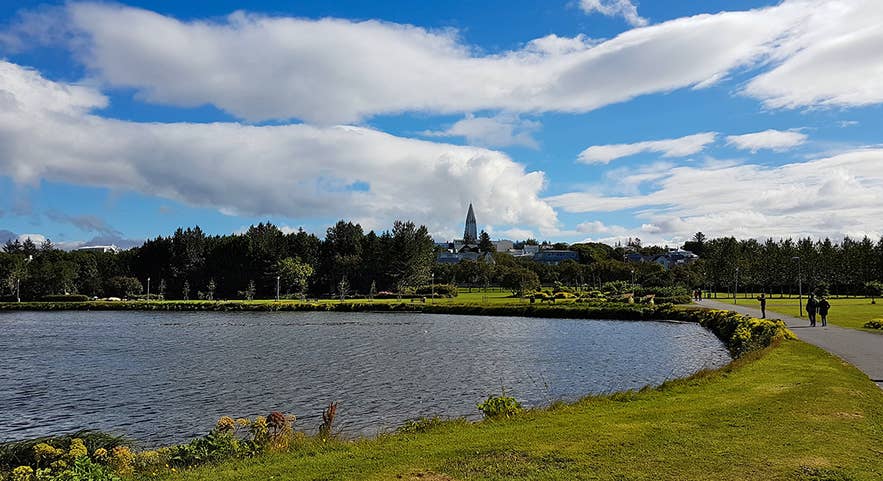
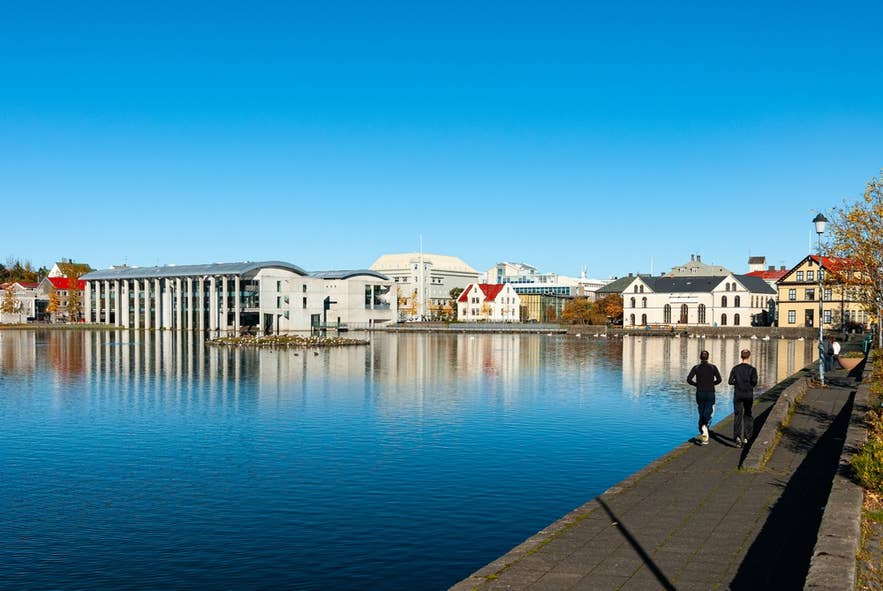
Surrounding Tjornin in the heart of downtown, this park draws people exercising among garden sculptures, trees, and birdlife on any given day. Its name, "Music Pavilion Park," comes from a 1923 pavilion that once housed Iceland's first music school.
Ellidaardalur Valley
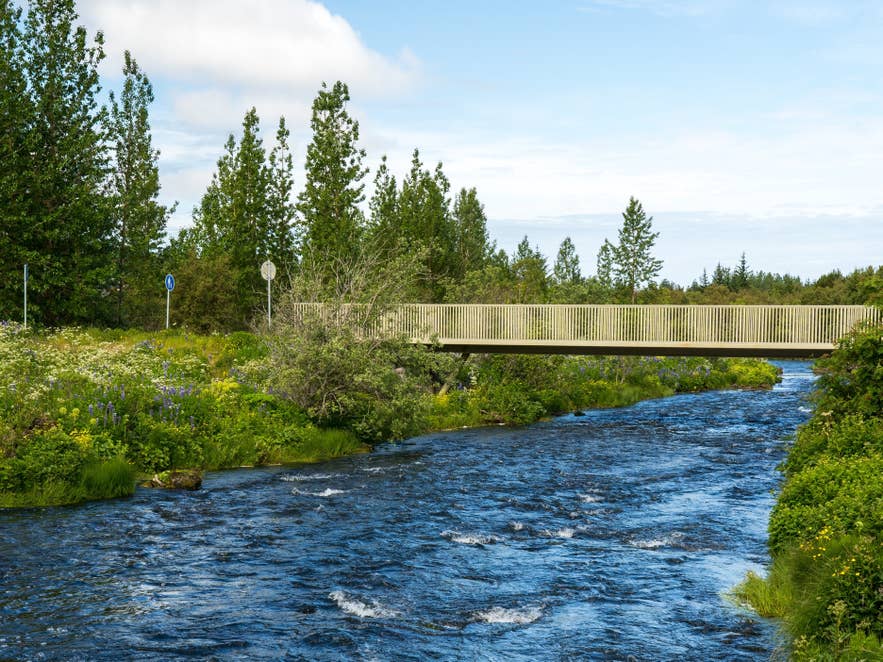
A short bus ride from downtown, Ellidaardalur is a green valley with salmon rivers, waterfalls, and picnic spots. Its network of hiking and cycling trails makes it a favorite for anyone tiring of city streets.
Other Ways to Stay Active in Reykjavik
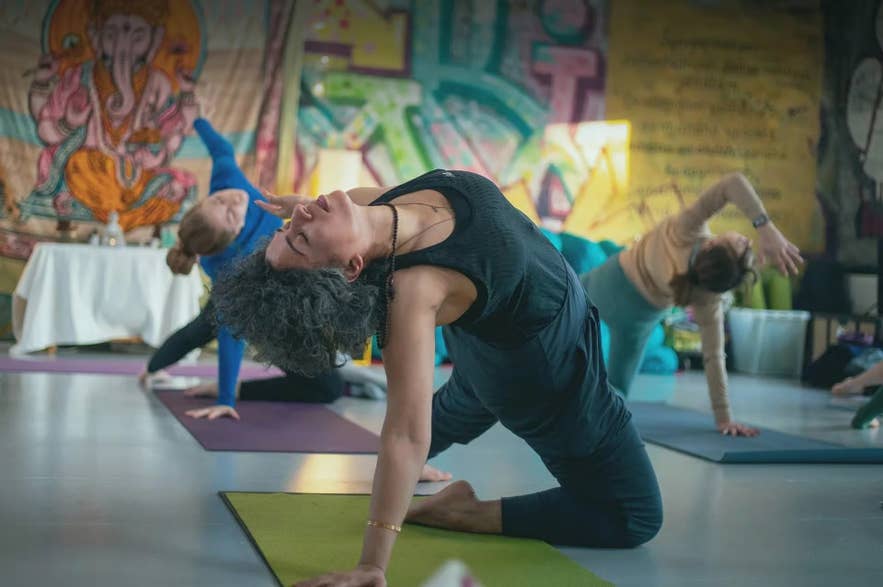 Reykjavik offers plenty of options for travelers whose fitness routine goes beyond the gym. Yoga, bouldering, dancing, snorkeling, hiking, and a yearly marathon cover flexibility, strength, and stamina. The indoor options also make a good rest-day or bad-weather alternative to a regular workout.
Yoga
Yoga classes run in both English and Icelandic at every experience level, including styles like hot yoga and even "rock yoga," set to distorted guitar. Many locals also practice yoga in one of the country's geothermally heated pools.
Yoga Shala in the Skeifan area teaches flow, yin, Ashtanga, power, and hatha yoga, with some classes heated by infrared. Beginners and experienced practitioners are both welcome, and classes can be booked online.
Reyr Studio is a yoga and wellness space in Reykjavik's Harbor area that offers classes, workshops, and private sessions. Núna Collective, also in the harbor area, is a movement studio for barre, mat Pilates, and release classes, with private showers on site.
Travelers who prefer to exercise where they sleep can book one of Reykjavik's spa hotels. The spa at the Hilton Reykjavik Nordica has hot tubs, a steam room, a relaxation pool, and a fitness center. Its yoga runs as four-week courses, so it suits longer stays.
Klifurhúsið: Reykjavik Boulder Gym
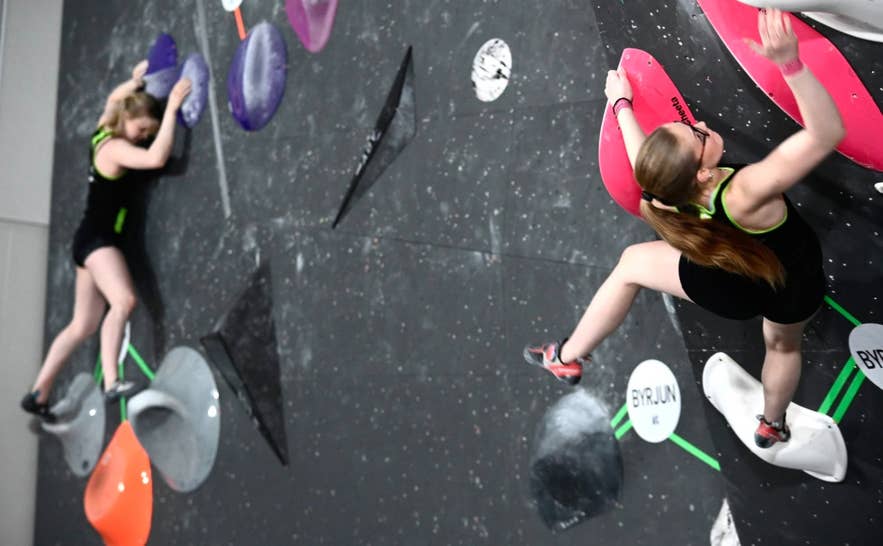
Photo from Klifurhúsið (Facebook).
Klifurhúsið is a bouldering gym in Reykjavik's Armuli district with routes for beginners and experienced climbers alike. Routes change every few weeks, and gym shoes are available to rent for those staying longer. A beginners' page on its website explains how first-timers can get started.
A single visit costs 2,600 ISK (about 20 USD) for adults, and shoe rental adds 800 ISK (about 6 USD). Students with a school ID get 20 percent off a single visit, which does not cover shoe rental.
Children can climb too. Kids' sessions with shoes included cost 900 ISK (about 7 USD) for ages 7 and under. Ages 8 to 12 pay 1,500 ISK (about 12 USD), and teens aged 13 to 17 pay 2,000 ISK (about 15 USD).
The gym is open Monday to Thursday from 11:30 AM to 10:00 PM and Friday from 11:30 AM to 9:00 PM. Weekend hours run from 12:00 PM to 6:00 PM. Hours change in summer and on bank holidays, so check the website first.
Dancing
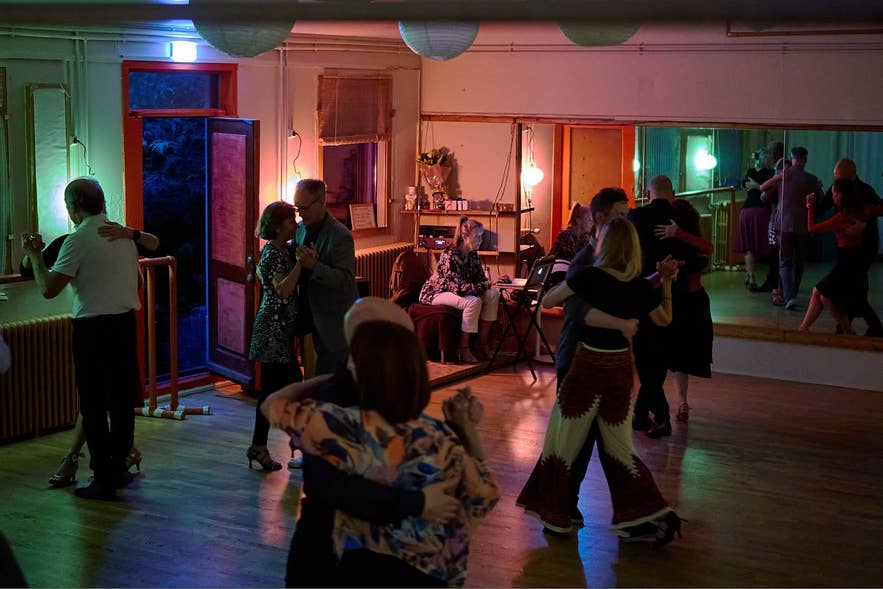
Photo from Tango Club Reykjavik / Iceland (Facebook).
Kramhúsið is a dance and art center in central Reykjavik with more than 30 years of dance history. Classes change each year and range from Pilates to Beyoncé, burlesque, Afro, salsa, and traditional Icelandic dance. The studio says classes welcome all shapes and sizes, even people who are completely out of rhythm.
Tango fans can join a milonga, a social tango evening, at Kramhúsið on Friday nights. Tango Club Reykjavik, which hosts them, also holds milongas on weekday evenings at Iðnó. Its introductory classes have been free or low cost, and newcomers can stay for the dancing afterward.
Visitors can pick up Lindy Hop, West Coast Swing, or K-Pop at Háskóladansinn, the University of Iceland's dance group. Partners rotate in couple dances, so visitors need neither a partner nor experience. Anyone can join, and the first week is a free trial.
Snorkeling
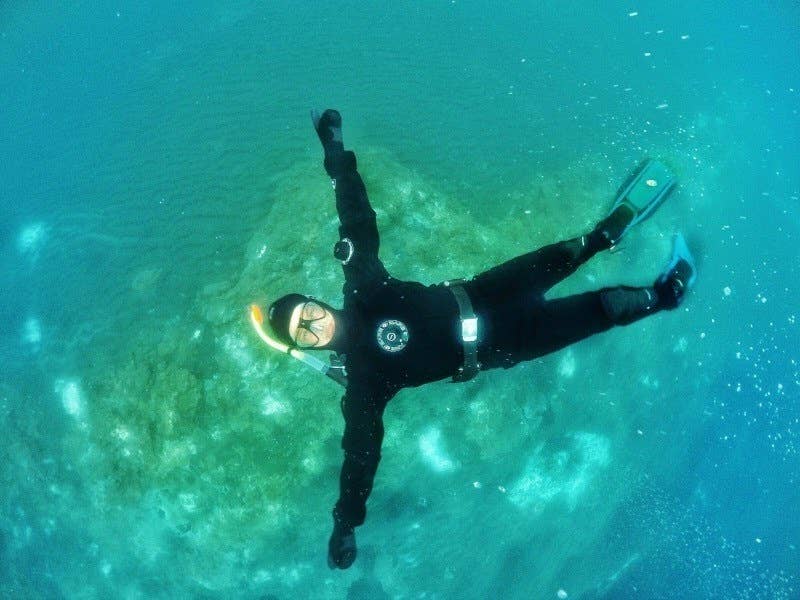 Snorkeling near Reykjavik starts at Nautholsvík, a city beach with free entry and warm baths on site. Snorkeling in Reykjavik at high tide brings algae and sand-eels into view.
Kleifarvatn Lake sits about a 30-minute drive from the city, and its underwater hot springs set it apart. Snorkeling in Kleifarvatn Lake reveals volcanic gas bubbles rising from vents on the lake bottom, past colorful sulfide deposits.
The water is cold, about 37 to 39°F (3 to 4°C), so snorkelers wear dry suits. Visibility reaches about 33 to 49 feet (10 to 15 meters). No snorkeling experience or certification is needed.
Mount Esja Hike
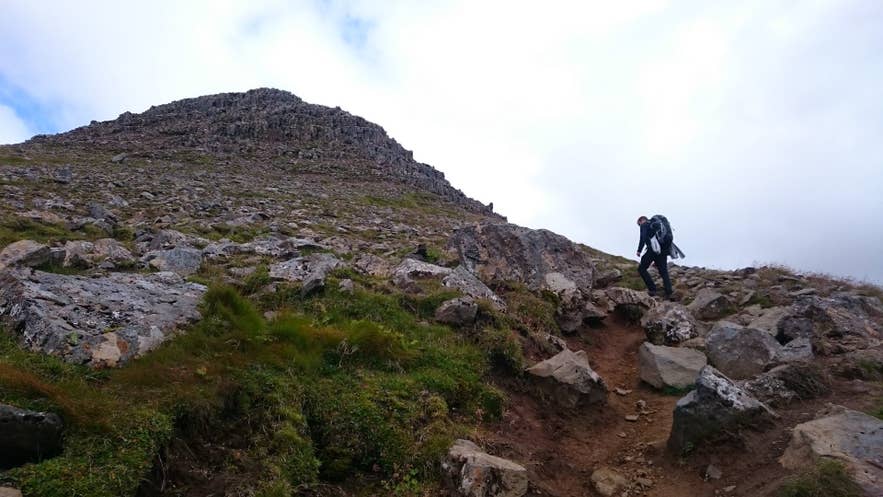
The Esja trailhead is a car park about 3 to 4 miles (5 to 6 km) north of Mosfellsbaer on Route 1. Bus 57 from Mjodd bus station takes about 30 minutes to reach the Esjumelar stop, a short walk from the trailhead. Parking is free, and a café and restrooms sit beside the car park.
The hike takes two to four hours round trip, depending on whether hikers stop at the rock called Steinn or continue to the summit. The well-marked path is divided into sections by signs that grade the trail from one boot (easy) to three boots (challenging). Packing water, sturdy footwear, and waterproof clothing keeps the hike comfortable.
Steinn sits about 650 feet (200 meters) below the summit, where the path steepens into climbing sections. Hikers who want an easier day can turn back there. The trail stays open year-round, weather permitting, and crampons help in winter.
Esja is a regular workout spot for locals. Many Icelanders hike it every weekend, and some athletes run up and down it as often as 10 times in a day.
Guided trips also combine the climb with a soak. Hiking Mount Esja and relaxing at the Hvammsvik hot springs takes about eight hours. It includes hotel pickup from Reykjavik and entry to eight naturally heated pools.
Reykjavik Marathon
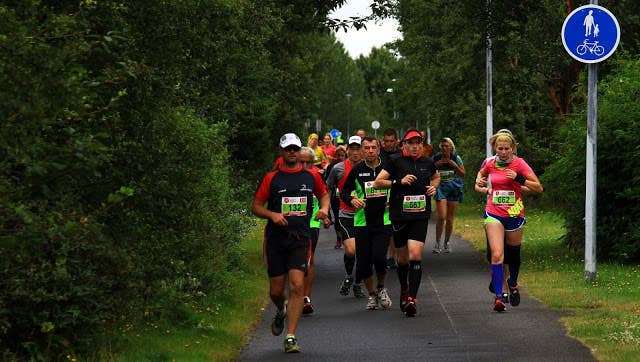 The Reykjavik Marathon takes place each August alongside the city's Culture Night festival. Options include a full marathon of 26.2 miles (42.2 km) and a half marathon of 13.1 miles (21.1 km). A 6.2-mile (10 km) race and a 1.9-mile (3 km) family fun run are also on offer.
Around 4,000 international runners join the race every year. Registration stays open until race day, though fees rise as the date approaches.
Distances can sell out, so booking early helps. Race packages are picked up at the EXPO on the Thursday and Friday before the race, and none are mailed.
Building a Fitness Routine During Your Trip to Iceland
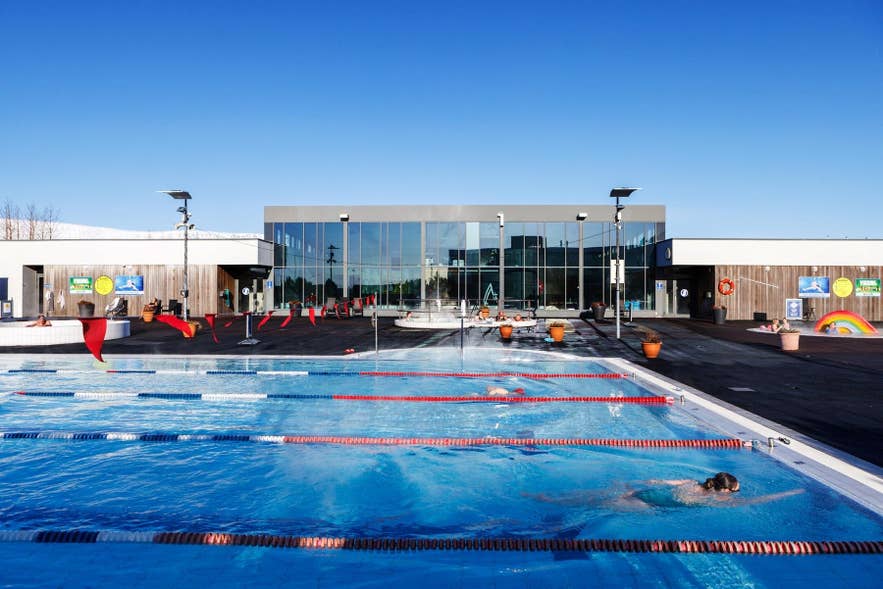
Staying active while traveling here doesn't take much planning. Reykjavik's gyms offer short-term passes, the city's parks and woodland trails are free and reachable without a car, and the pool is never far away.
Whichever routine you keep at home, whether it's team sports, a strength session, or a straightforward gym visit, there's a version of it available in Reykjavik, part of the wider health culture in Iceland.
Does Iceland have gyms?
What is the most popular sport in Iceland?
Have Icelanders won the CrossFit Games?
Why are Icelandic people so healthy?
Can tourists use gyms in Reykjavik?
Which gyms, pools, or outdoor spots did you try while in Iceland? Let us know in the comments below.

Michael Chapman is a British travel writer living in Reykjavík. A former scuba and lava cave guide, he draws on firsthand experience to write about Iceland’s nature and culture. He’s also the author of Hidden Iceland (2020).