Choosing between Sky Lagoon vs Blue Lagoon is one of the biggest spa decisions when planning a trip to Iceland. Both are world-class geothermal lagoons, but they differ in price, location, and atmosphere. This guide compares the two to help you choose the right one for your trip.
If you already know which spa fits your plans, you can book a Sky Lagoon admission ticket or a Blue Lagoon comfort ticket right away. Both require a reserved time slot, and summer dates go first. Missing a slot is one of the most common disappointments in our study of the most recommended hot springs in Iceland, so book early.
Why You Can Trust Our Content
Guide to Iceland is the most trusted travel platform in Iceland, helping millions of visitors each year. All our content is written and reviewed by local experts who are deeply familiar with Iceland. You can count on us for accurate, up-to-date, and trustworthy travel advice.
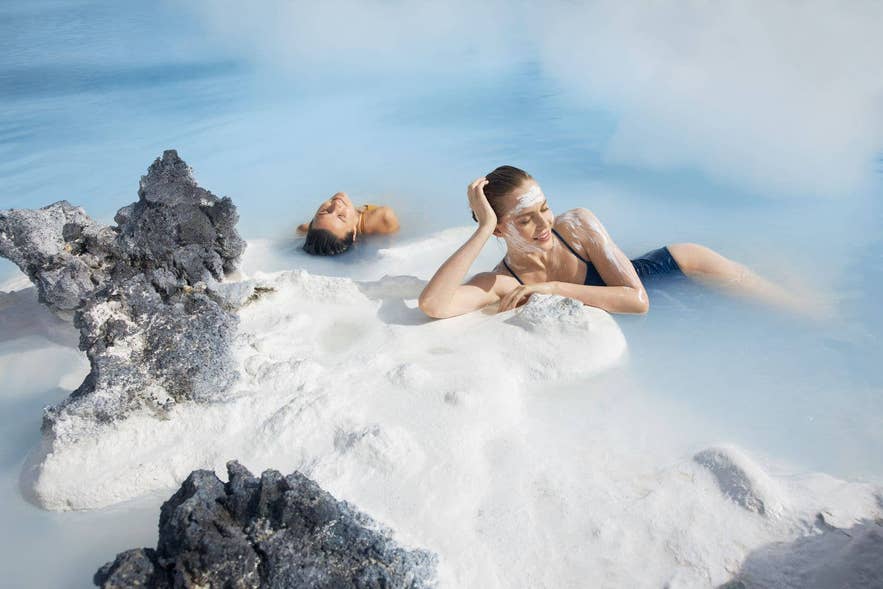
Although both offer geothermal bathing, they deliver very different experiences. The Sky Lagoon, just minutes from Reykjavik, pairs Atlantic Ocean views with its signature seven-step Skjol Ritual, while the Blue Lagoon is known for its silica-rich milky-blue water and sprawling lava-field setting.
Whichever lagoon you choose, geothermal bathing is one of Iceland’s most highly recommended experiences. In a 2026 survey on the top experiences in Iceland recommended by tourism professionals, geothermal spas and natural hot springs ranked first, selected by 29.8% of the respondents.
Whether you're visiting independently or as part of one of the many hot springs tours in Iceland, this guide will help you decide which lagoon is right for you. Read on for the full comparison and find out which one best fits your trip.
Sky Lagoon vs Blue Lagoon at a Glance
Here's a side-by-side comparison of the Sky Lagoon vs Blue Lagoon, covering the key differences in location, price, facilities, and experience to help you choose the best fit for your trip.
| Sky Lagoon | Blue Lagoon | |
|---|---|---|
| Location | In Kopavogur, about a 13-minute drive from downtown Reykjavik | In the Reykjanes Peninsula, 20 minutes from Keflavik Airport, 50 minutes from Reykjavik |
| Adult ticket starting price | Around 125 USD (14,990 ISK) | Around 95 USD (11,990 ISK) |
| Water | Geothermal water, tested monthly by an independent lab | Geothermal seawater (70 percent ocean, 30 percent fresh), rich in silica, algae, and minerals |
| Temperature | 100-104 F (38-40 C) | 98-104 F (37-40 C) |
| Size and depth | 230-foot (70-meter) infinity edge, up to 3.9 feet (1.2 meters) deep | About 108,000 square feet (10,000 square meters), up to 4.7 feet (1.4 meters) deep |
| Age limit | From 12 years (ages 12-14 with a guardian, at half price) | From 2 years (children 11 and younger pay 2,000 ISK or about 16 USD) |
| Spa ritual | Seven-step Skjol Ritual included with every admission | Sauna, steam cave, and cold plunge included; the guided Blue Lagoon Ritual requires the Retreat Spa ticket |
| Advantages | Closest to Reykjavik, adult-oriented, ocean-view infinity edge, and the full seven-step spa ritual included in every ticket tier | Admits kids from age 2, sits 20 minutes from the airport, silica water, psoriasis clinic, on-site hotels, and Michelin dining |
A Quick Background on the Sky Lagoon and Blue Lagoon
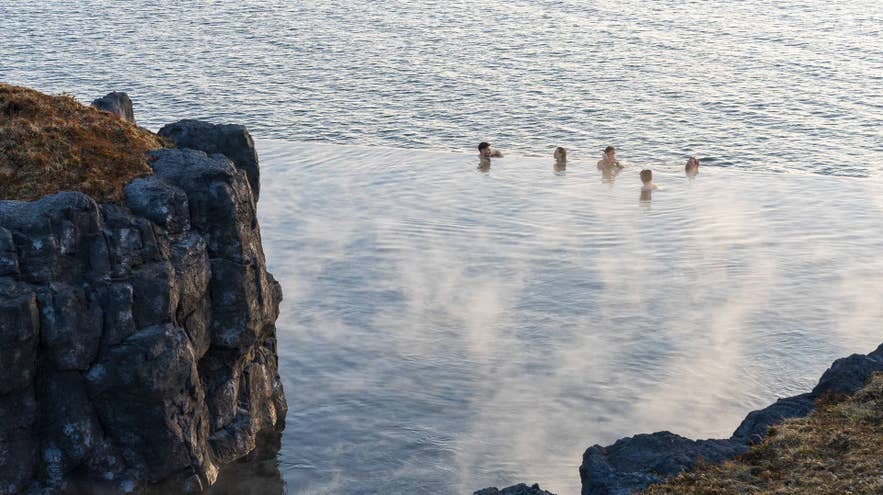
The Sky Lagoon and the Blue Lagoon are both man-made geothermal lagoons, born nearly half a century apart. The Sky Lagoon was built and opened in 2021, while the Blue Lagoon formed by accident in the mid-1970s.
The Sky Lagoon was designed from day one around traditional Icelandic bathing culture, with a turf-house-inspired spa building. In August 2024, its signature ritual was expanded and renamed the Skjol Ritual, with upgraded facilities and Icelandic names for each step.
On the other hand, the Blue Lagoon formed when mineral-rich water from operations at the neighboring Svartsengi Power Plant pooled in the lava field between 1974 and 1976. Locals started bathing in it in 1981, noticed how their skin responded, and the Blue Lagoon company was founded in 1992.
The lagoon has since grown into a full resort with two hotels, a research-backed skincare line, a psoriasis clinic, and a Michelin-starred restaurant. National Geographic named it one of the 25 wonders of the world in 2012.
Atmosphere and Design: Lava Field Icon vs. Oceanfront Retreat
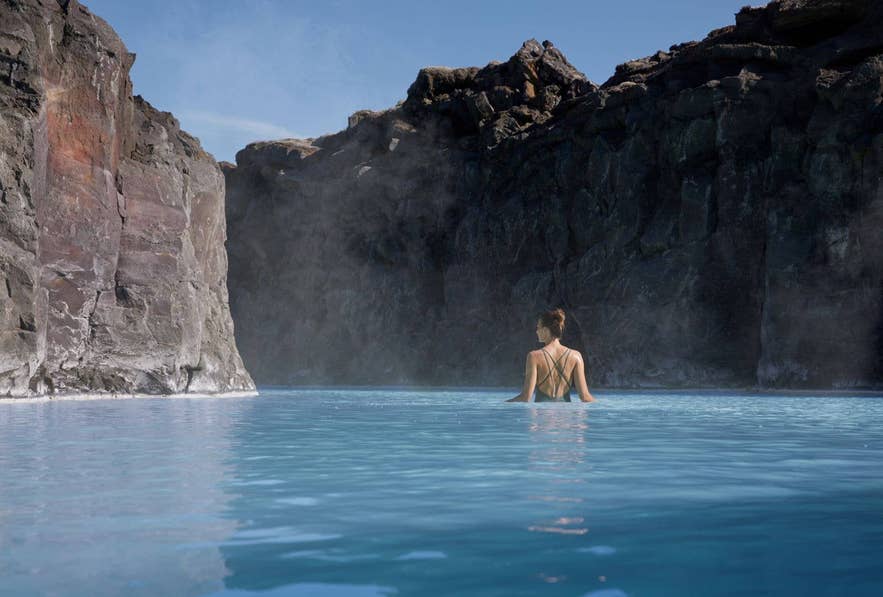
The Sky Lagoon is a 230-foot (70-meter) infinity-edge pool built into the oceanfront rocks of Kopavogur near Reykjavik. Meanwhile, the Blue Lagoon is a 108,000-square-foot (10,000-square-meter) milky-blue lagoon spread across a black lava field, with buildings designed to blend into the surrounding volcanic landscape.
Choose the Sky Lagoon if you prefer a more intimate spa centered on Icelandic-inspired design and its signature Skjol Ritual. Choose the Blue Lagoon if you want a larger lagoon with room to explore.
Sky Lagoon Experience
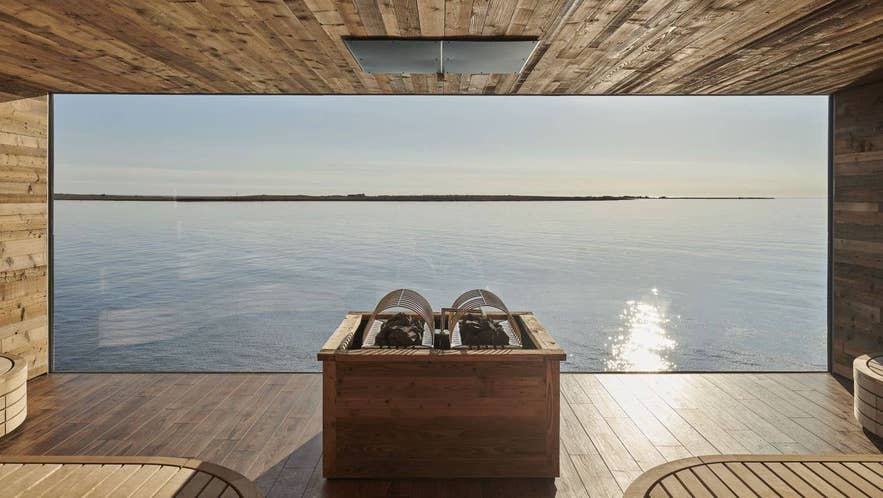
The Sky Lagoon is designed around Icelandic bathing traditions. The turf wall at the entrance was a first for a modern building in Iceland. The sauna overlooks the water through what Sky Lagoon says is Iceland's largest single window.
Another highlight is the outdoor cold mist area, where a fine spray recreates the feeling of standing in Icelandic rain as part of the Skjol Ritual. From the infinity edge, you look across Skerjafjordur Bay toward Bessastadir, Keilir Mountain, and, on clear days, Snaefellsjokull Glacier.
With no guests under 12 and a phone-free sauna option, the spa maintains a calm atmosphere throughout the day. Because the full seven-step Skjol Ritual is included with every ticket, you can enjoy the complete experience without any add-ons. Reserve your Sky Lagoon admission ticket in advance to secure your preferred time.
Blue Lagoon Experience
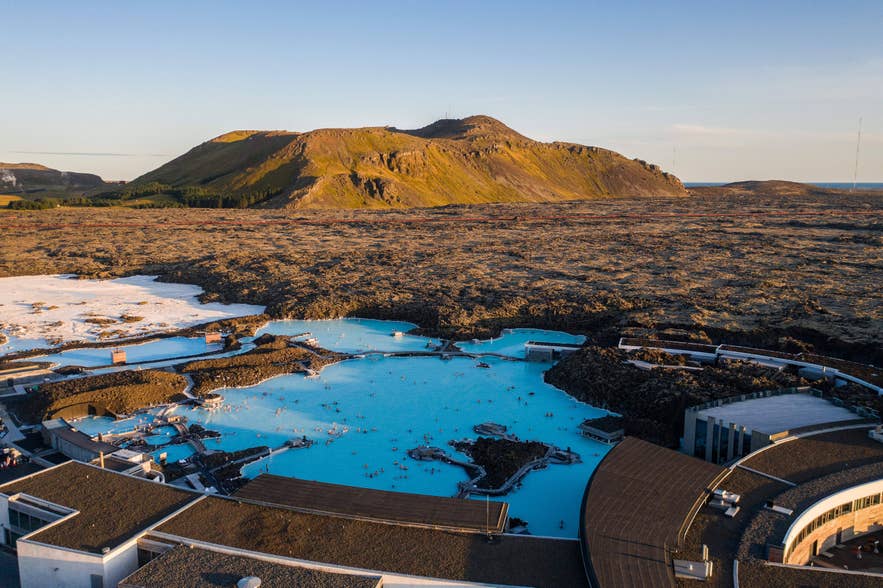
The Blue Lagoon is one of Iceland's busiest attractions, but its size gives you plenty of room to spread out. Crevices, caves, walking paths, and bridges make the lagoon easy to explore. You can wander between lava formations, relax under a geothermal waterfall, or unwind in a phone-free quiet zone.
Upgrades completed in 2024 and 2025 added a new sauna, steam cave, cold plunge, two massage waterfalls, and a welcome house. Spa hosts also lead two daily storytelling sessions about the lagoon's history, folklore, and science.
For a firsthand perspective, read one of our writers' experiences at the Blue Lagoon. She shares what it was like to float in the warm, milky-blue water, apply the famous silica mud mask, and stroll through the surrounding lava field after her soak.
Water and Skincare: Silica Seawater vs. Pure Geothermal Water
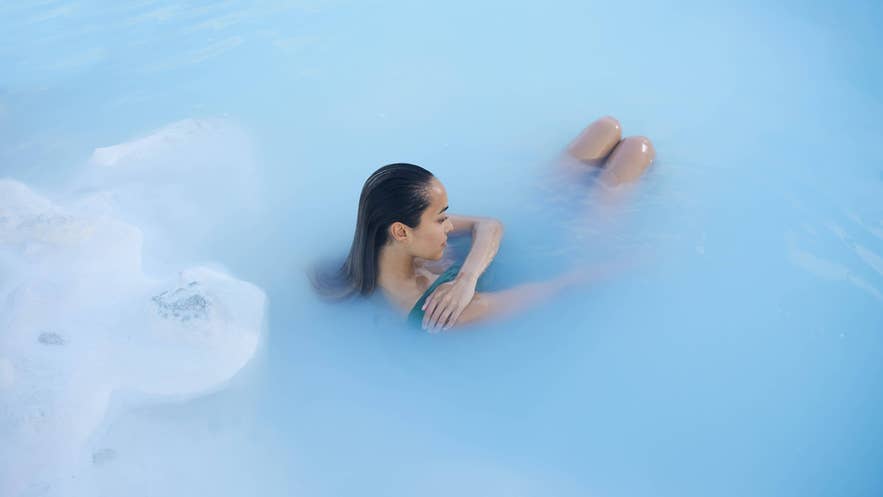
The Sky Lagoon uses fresh geothermal water with no mineral additives, tested monthly by an independent laboratory. The Blue Lagoon is filled with geothermal seawater, a blend of 70 percent ocean water and 30 percent freshwater that is rich in silica, algae, and minerals.
Choose the Sky Lagoon if you want your skincare experience to come from a spa ritual. Choose the Blue Lagoon if you're curious about its famous silica-rich water.
Sky Lagoon Water and Skincare
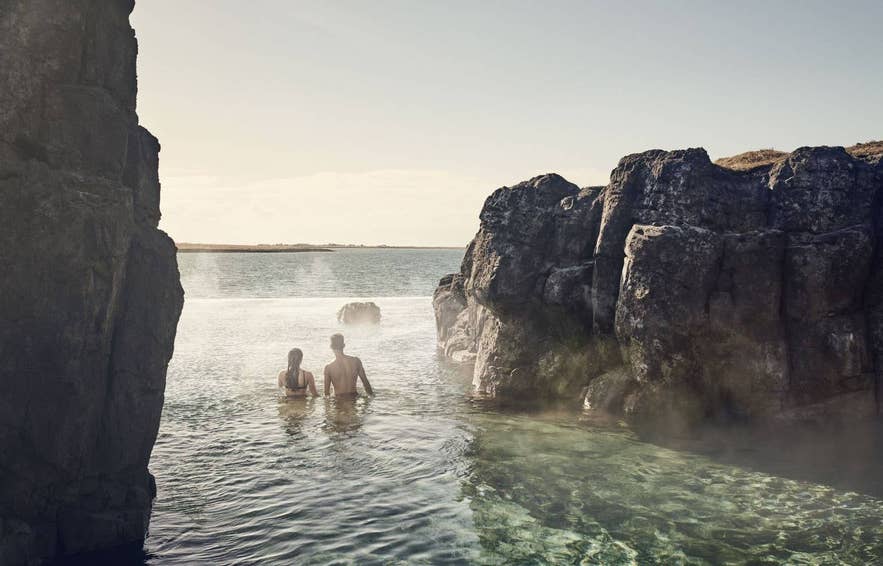
The Sky Lagoon's geothermal water is kept at 100-104 F (38-40 C) and tested monthly by an independent laboratory. Unlike the Blue Lagoon, the water isn't the main attraction. Instead, the focus is on the Skjol Ritual and its sequence of hot, cold, steam, and skincare treatments.
The lagoon's Sky Body Scrub, made with almond and sesame oil, is applied between the sauna and steam room as part of the ritual. Because the water contains no silica-rich minerals, it leaves no noticeable residue and doesn't require special hair care. You can also purchase the scrub and other Sky Lagoon products before you leave.
Blue Lagoon Water and Skincare
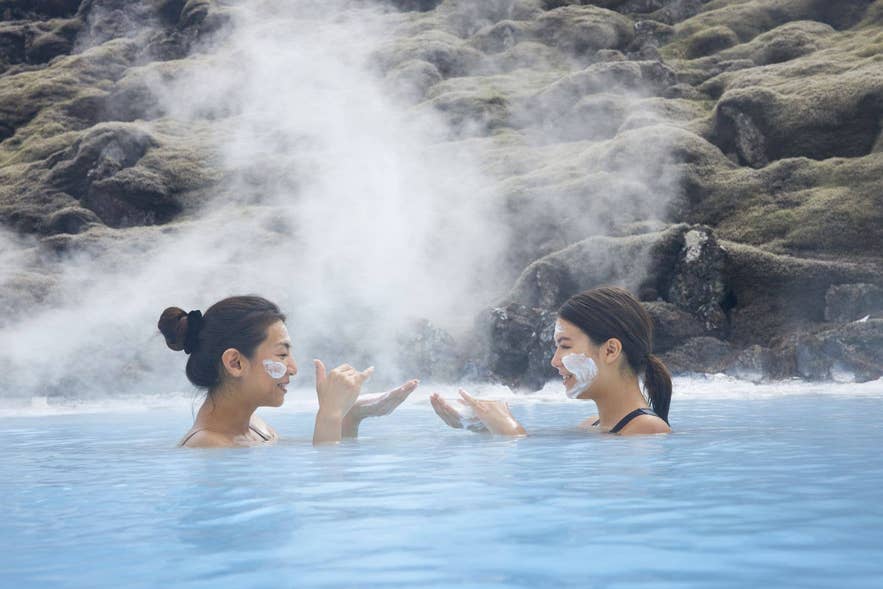
The silica gives the Blue Lagoon's water its milky-blue color and is one reason it became known for its skincare benefits. The lagoon also operates a medically supervised psoriasis clinic at the Silica Hotel and says decades of research support the water's effectiveness.
The lagoon holds 2.4 million gallons (9 million liters) of water that naturally renews every 40 hours, so no chlorine is needed. Every admission includes a silica mud mask, and the same minerals are used in the Blue Lagoon Skin Science line. If you're considering the products, read our review of the Blue Lagoon skincare line.
One caveat: silica isn't harmful to hair, but wet hair can turn stiff and hard to manage for a few days. Using the complimentary conditioner and leaving it in during your visit makes the silica much easier to wash out.
Location: Which Lagoon Is Easier To Visit?
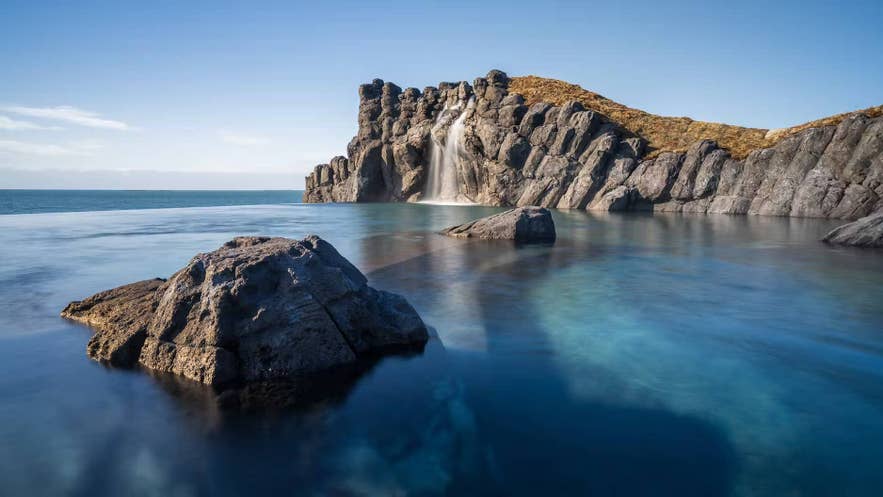
The Sky Lagoon is inside the capital area, about 13 minutes from downtown Reykjavik, while the Blue Lagoon is a 50-minute drive from Reykjavik and 20 minutes from Keflavik International Airport. That 40-minute difference shapes which spa fits which day of your itinerary.
Choose the Sky Lagoon if you're staying in Reykjavik and want the shortest, easiest trip to one of Iceland's top geothermal spas. Choose the Blue Lagoon if you want to make the most of your arrival, departure, or stopover in Iceland.
Getting to the Sky Lagoon
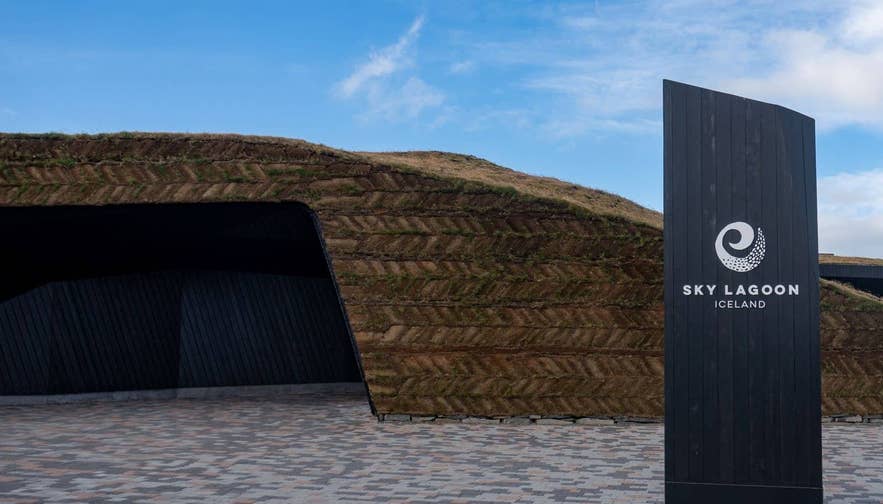
The Sky Lagoon sits in the Karsnes Harbor Area of Kopavogur, making it the closest major spa to Reykjavik. It's about 13 minutes by car from downtown, 9 minutes from the BSI Bus Terminal, and 45 minutes from Keflavik International Airport.
Reykjavik car rentals, city buses, and taxis are all viable options to reach the lagoon from the capital. You can also book a convenient transfer to the Sky Lagoon from your hotel in Reykjavik. Parking is free, with charging stations for electric cars.
If you'd rather combine sightseeing with your spa visit, several guided tours include the Sky Lagoon. A popular option is this Golden Circle tour with Sky Lagoon visit, which pairs Iceland's most famous sightseeing route with an evening soak.
Although the spa is close to the city, the Sky Lagoon feels secluded. Its location on Skerjafjordur Bay creates a peaceful setting where it's easy to forget you're just minutes from downtown Reykjavik.
Getting to the Blue Lagoon
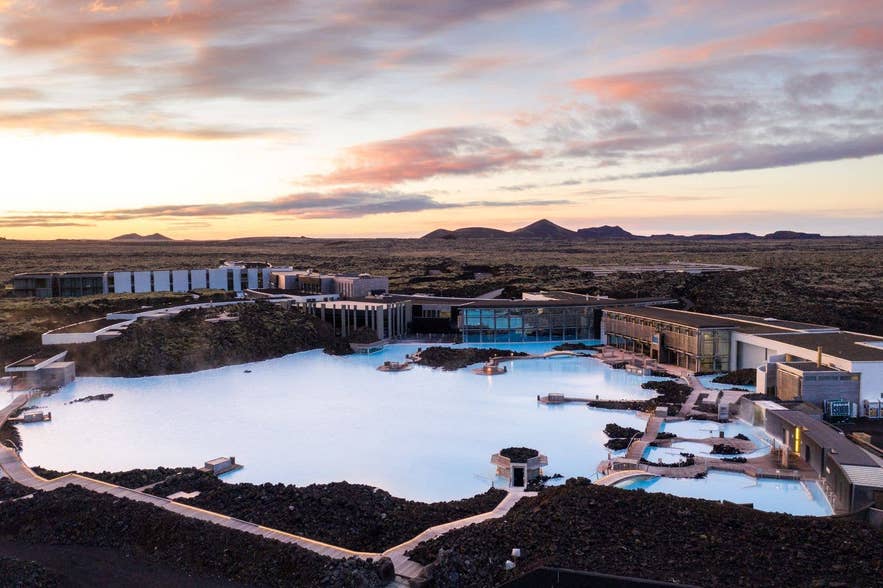
The Blue Lagoon sits in the volcanic landscape of the Reykjanes Peninsula. Its location between Keflavik International Airport and Reykjavik makes it a popular first or last stop in Iceland. If you have extra time, explore the best things to do on the Reykjanes Peninsula.
Drive there on rental cars, take the Blue Lagoon shuttle from Reykjavik, or book a lagoon transfer between Keflavik Airport and Reykjavik. Many Blue Lagoon tours also include admission, making them a convenient option if you don't plan to drive.
If you're exploring the peninsula, it's easy to pair the Blue Lagoon with nearby attractions on self-drive tours or guided excursions. Many day trips from Reykjavik also combine a Blue Lagoon visit with the Golden Circle or other highlights.
Blue Lagoon Access During Volcanic Activity
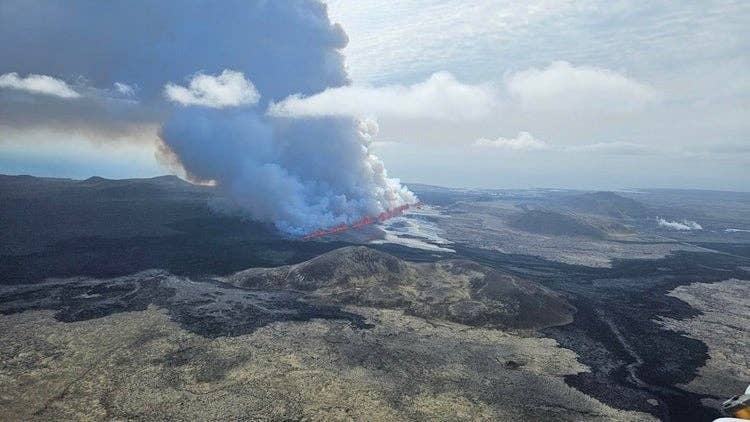
The Blue Lagoon is open, but it has closed temporarily several times during the Reykjanes eruptions since 2023, and guests have been evacuated when new eruptions began. Protective barriers have been built at Svartsengi to shield the lagoon's infrastructure from potential lava flows, and the spa closely monitors conditions with safety measures in place.
If you're driving in Iceland, access is via Grindavikurvegur (Road 43), as some navigation apps may show outdated routes. Road closures are rare, and the lagoon has closed because of weather only three times in the past decade. Check official Blue Lagoon updates for current conditions before you travel.
Opening Hours: The Best Time To Visit Each Lagoon
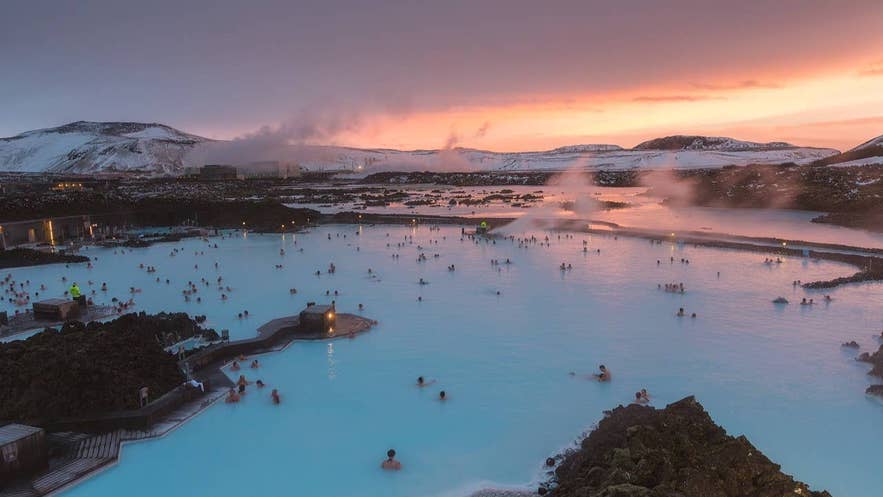
The Blue Lagoon opens at 7 AM or 8 AM, while the Sky Lagoon opens between 8 AM and 10 AM. Both stay open into the late evening, and both ask guests to leave the water 30 minutes before closing. Exact times change, so check before you book.
Although both are open year-round, seasonal hours can influence when you visit. The Blue Lagoon offers earlier starts for much of the year, while the Sky Lagoon's oceanfront setting makes sunset one of its most popular visiting times.
Visiting the Sky Lagoon
| Season | Sky Lagoon hours |
|---|---|
| Winter (October 21 - April 30) | 10 AM - 9 PM |
| Spring (May 1 - June 20) | 10 AM - 10 PM |
| Summer (June 21 - August 20) | 8 AM - 11 PM |
| Autumn (August 21 - October 20) | 9 AM - 10 PM |
The Skjol Ritual and the in-water Gelmir Bar close an hour before the lagoon, so arrive with time to spare. Sky Lagoon recommends allowing 1.5 to 2 hours for your visit, though guests can stay longer.
Evening visits are especially popular for sunset from the infinity edge. During the darker months, you may also see the northern lights.
Visiting the Blue Lagoon
| Season | Blue Lagoon hours |
|---|---|
| June 1 - June 14 | 8 AM - 10 PM |
| June 15 - August 20 | 7 AM - 11 PM |
| August 21 - December 31 | 8 AM - 10 PM |
| January 1 - May 31 | 8 AM - 8 PM |
| Christmas Eve | 8 AM - 4 PM |
| New Year's Eve | 8 AM - 6 PM |
To determine the best time to visit the Blue Lagoon, Guide to Iceland analyzed 4,121 bookings made between August 2025 and August 2026. After canceled bookings were removed, the study covered 3,611 bookings for 9,071 travelers.
The results suggest choosing a midweek evening in April or November for the best balance of a smaller booking share and better prices. Just over half of travelers in the study, 51.1%, booked between 11 AM and 3 PM. The smallest shares chose 8 PM at 2.7%, 7 PM at 3.4%, and 5 PM at 3.9%.
These figures show when Guide to Iceland travelers booked rather than how full the lagoon was overall. Choose 7 PM or 8 PM if you want an entry time that combines a smaller booking share with better prices.
Evening visits can also feel especially atmospheric, with the midnight sun in summer and, once darkness falls, a chance of seeing the northern lights during the darker months.
Price and Spa Experiences: Which Ticket Offers Better Value?
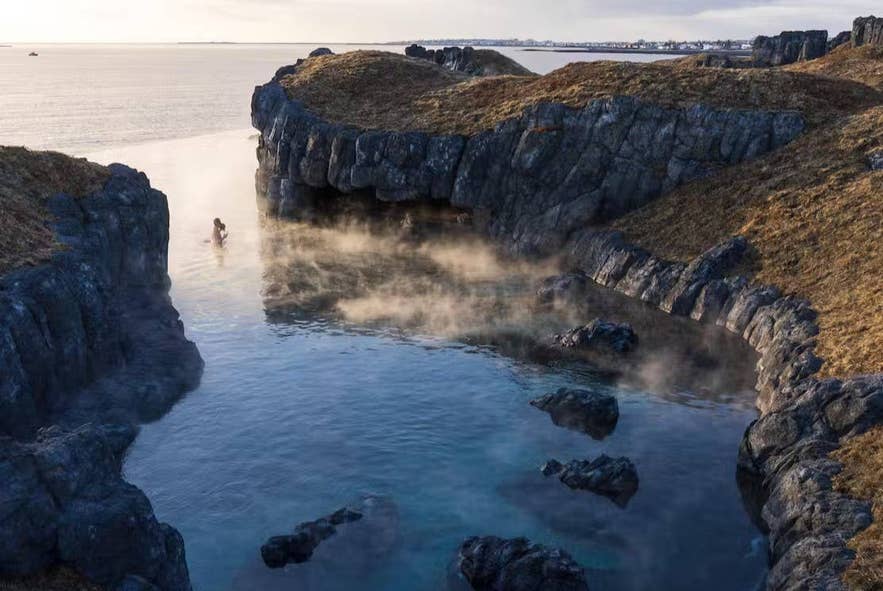
Sky Lagoon admission starts at around 125 USD (14,990 ISK), while Blue Lagoon day tickets start at around 95 USD (11,990 ISK). Neither figure is a flat rate, as both lagoons use dynamic pricing, so the final cost depends on the date and entry time you choose.
For the Blue Lagoon, the same Guide to Iceland study found that 5 PM had the highest average hourly price and 8 PM had the lowest. The 5 PM slot cost about 24% more than 8 PM, while July, the most expensive month, cost about 18% more than April, the cheapest. Visiting midweek also saved about 5% compared with a weekend visit.
These price patterns can help you decide when to visit the Blue Lagoon, but they do not determine which spa offers better value overall. Sky Lagoon focuses on a structured wellness journey, with its seven-step Skjol Ritual included in admission. Blue Lagoon centers on bathing in its distinctive silica-rich geothermal water, with standard admission including a silica mud mask and a drink from the in-water bar.
Both require a reserved arrival time, use wristbands for lockers and cashless purchases, and offer free cancellation with at least 24 hours’ notice. Blue Lagoon tickets also include a one-hour arrival window, while additional treatments and premium facilities cost extra at both locations.
Choose the Sky Lagoon for its oceanfront views, convenient location near Reykjavik, and complete seven-step ritual. Choose the Blue Lagoon for its iconic geothermal setting, silica-rich water, and included drink and face mask. With similar starting prices, the better value depends on which experience matters more to you.
Sky Lagoon Tickets
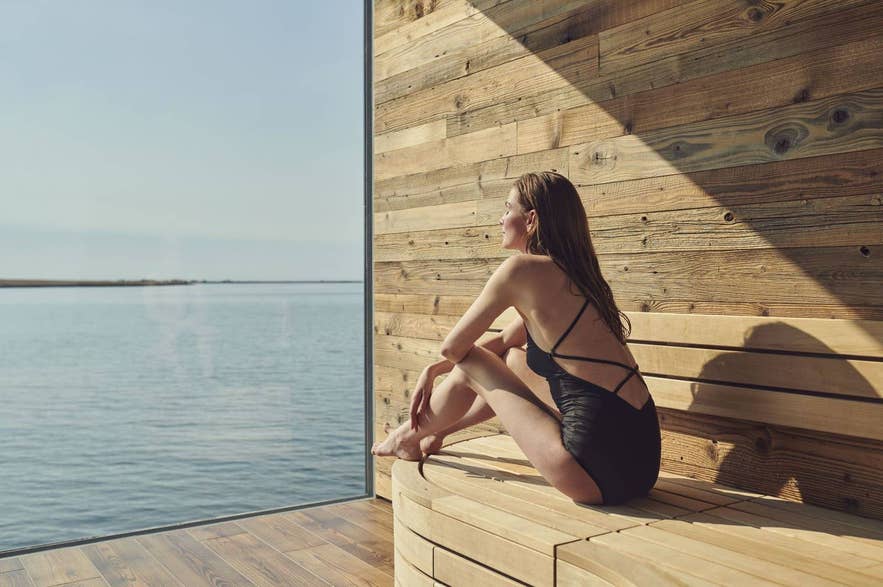
The Sky Lagoon keeps it simple: two passes, both with the seven-step Skjol Ritual included. The only real difference is the changing facilities. Visitors aged 12 to 14 pay half the adult price.
-
Saman: From around 125 USD (14,990 ISK) for adults, about 63 USD for ages 12 to 14. Admission, one ritual journey, a towel, public changing facilities with private shower cubicles, and the wristband payment system. Book the Sky Lagoon saman ticket online.
-
Ser: From around 150 USD (18,990 ISK) for adults. Adds a private changing room and shower with Sky Lagoon's signature products, a private vanity area, and a reusable waterproof bag. Book a Sky Lagoon ser ticket for more privacy.
The Skjol Ritual is included with every admission. It begins in the warm lagoon, followed by a 41 F (5 C) cold plunge, an ocean-view sauna, a cooling mist, the Sky Body Scrub, a steam room, and a crowberry saft elixir.
Frequent visitors can buy a multi-pass with six visits at roughly half price, while gift tickets remain valid for four years. Couples' bundles also include drinks and a sharing platter.
Blue Lagoon Tickets
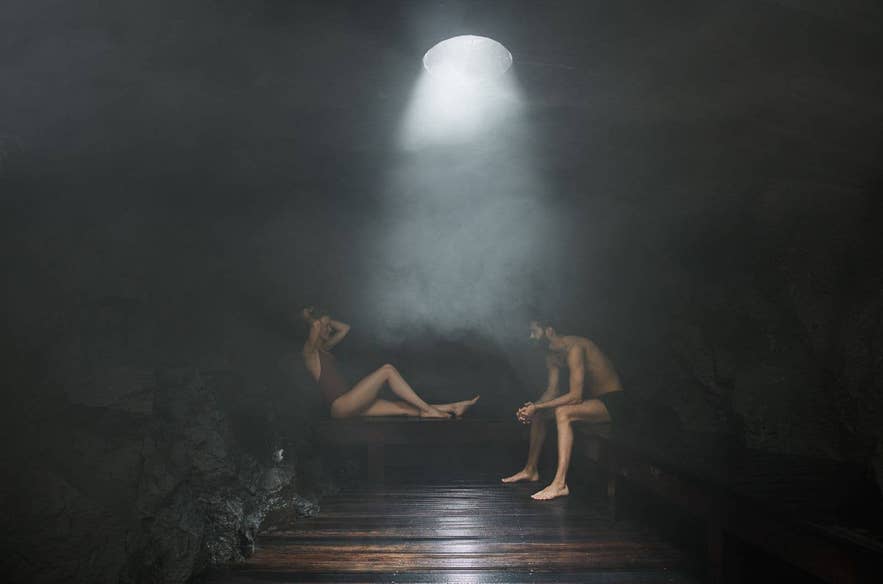
The Blue Lagoon has three day-visit tiers, with prices varying by date and entry time. Pre-booking is essential, and all three packages include unlimited lagoon access plus the sauna, steam areas, and colder lagoon.
-
Comfort: From around 95 USD (11,990 ISK). Entrance, a silica mud mask, a towel, a private locker, and one non-alcoholic drink at the in-water bar. Book a Blue Lagoon comfort ticket for the lowest entry price.
-
Premium: From around 119 USD (14,990 ISK). Adds a drink of your choice, two additional masks, a bathrobe, and a mask to take home. Book a Blue Lagoon premium ticket to maximize the experience.
-
Signature: From around 147 USD (18,490 ISK). Adds two drinks of your choice, two additional masks, a bathrobe, and take-home skincare valued at around 111 USD (14,000 ISK).
Children's pricing makes the Blue Lagoon the better choice for families. Kids aged 2–11 pay about 16 USD (2,000 ISK) for Comfort admission, while prices for upgraded packages are higher. Children aged eight and younger receive free floaties.
Beyond the day tickets, the Retreat Spa is the luxury option. From around 705 USD (89,000 ISK) per private changing room for up to two guests, it includes the secluded Retreat Lagoon, the Blue Lagoon Ritual, and the Spa Restaurant.
Unique add-ons include an in-water massage, available only at the Blue Lagoon, from around 166 USD (20,900 ISK), plus float therapy.
Food and Drink: Dining at Each Lagoon
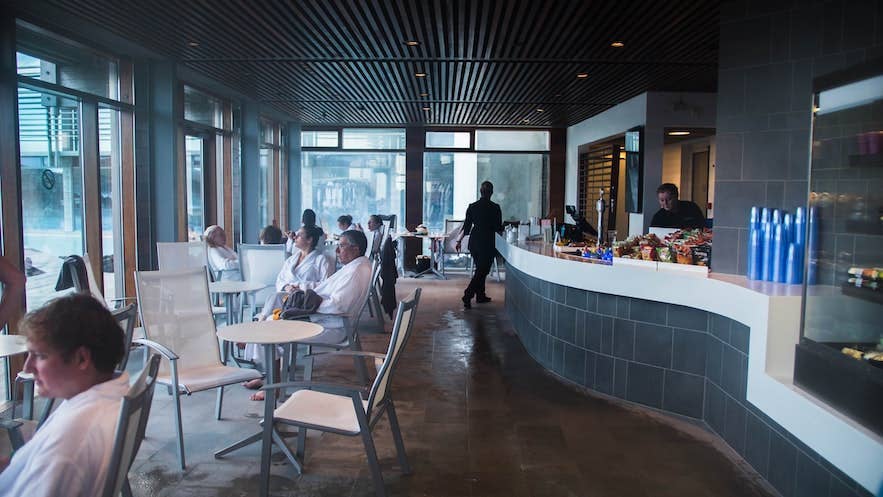
The Blue Lagoon has four dining options plus an in-water bar, while the Sky Lagoon has two dining venues and a swim-up bar. Both let you pay with your locker wristband.
Choose the Sky Lagoon if you're looking for a simpler meal or drink after your soak. Choose the Blue Lagoon if you want the widest choice of dining, from a casual cafe to Michelin-starred cuisine.
Sky Lagoon Dining
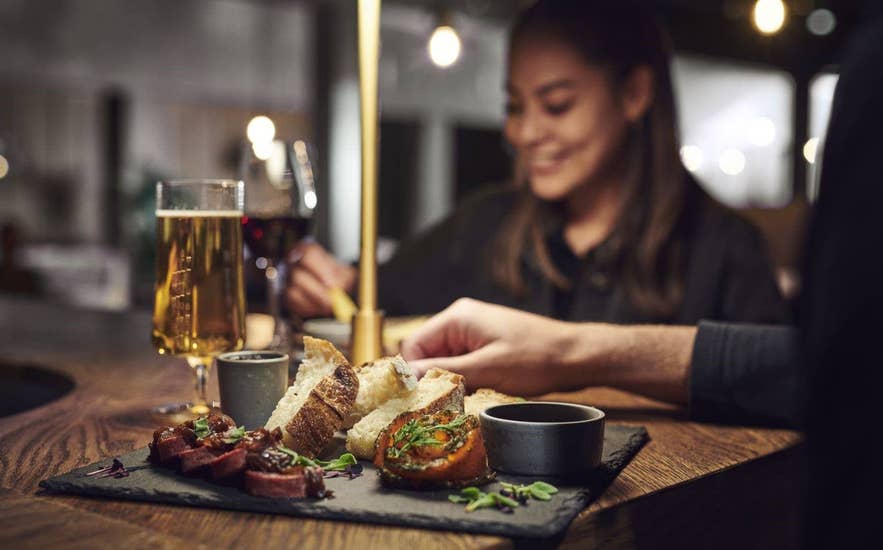
Sky Lagoon's food is inspired by Icelandic and Nordic food culture. Order a tasting platter at the Smakk Bar, or grab a treat at Keimur Cafe, where pastries arrive fresh each morning from Sandholt, one of Iceland's oldest bakeries.
Both take last orders 30 minutes before closing, and guests should change out of swimwear before dining.
In the lagoon itself, the swim-up Gelmir Bar serves beer, wine, and cocktails, with a limit of three alcoholic drinks per adult. It closes an hour before the lagoon, so time your last order.
Blue Lagoon Dining
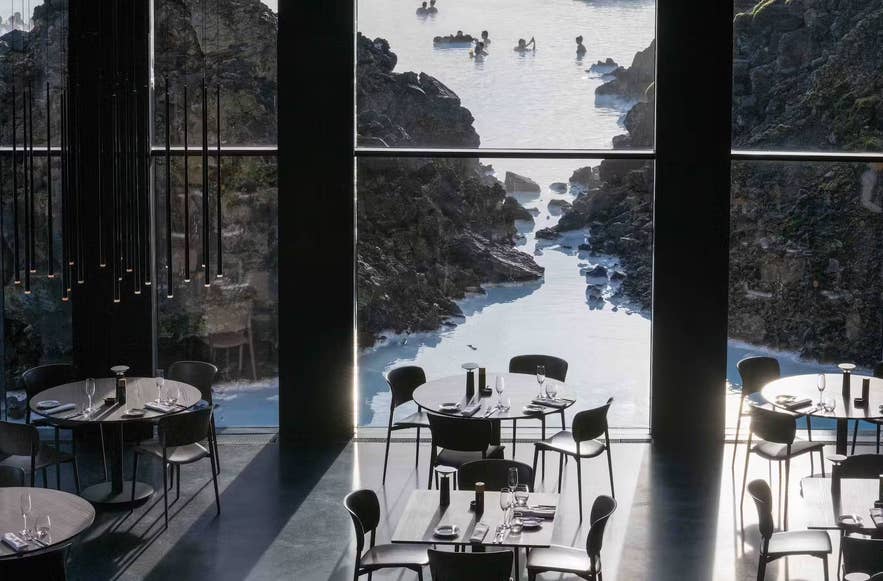
For the quickest and most casual bite, grab something at the Blue Cafe. It's also a good choice for breakfast if you're arriving early. At the in-water bar, every ticket includes one drink, and you can order extra smoothies, juices, beer, and wine.
For a more formal experience, the Lava Restaurant offers fine dining focused on Icelandic cuisine with a view of the blue water. The second option is the Moss Restaurant, which has held a Michelin star since 2023 and is open Wednesday to Sunday evenings.
Retreat Spa guests also have access to the Spa Restaurant, where you can dine in your robe with no reservation needed.
Accommodation: Where To Stay Near Each Lagoon
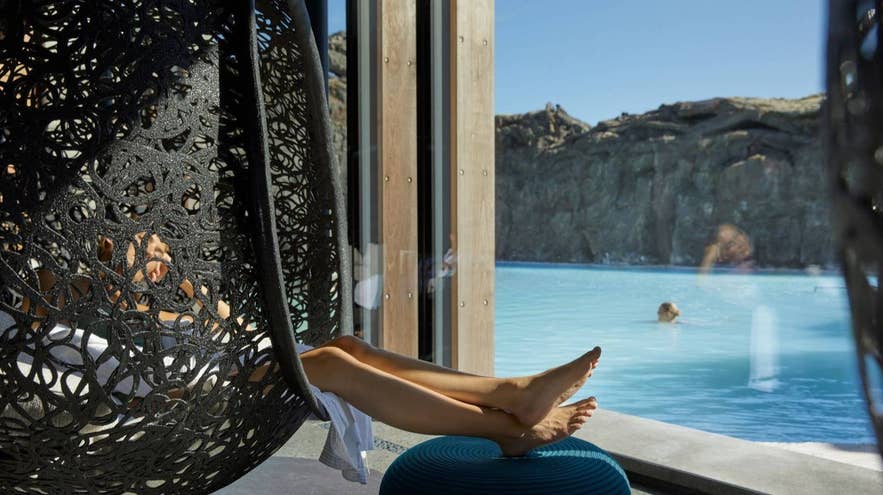
The Blue Lagoon has two on-site hotels, the Retreat Hotel and the Silica Hotel, while the Sky Lagoon has none but sits within a 15-minute drive of nearly every hotel in the capital area. The two areas offer very different bases, so where you sleep depends on what the rest of your trip looks like.
Choose the Sky Lagoon if you want the widest choice of accommodation and a convenient base in the capital area. Choose the Blue Lagoon if you want your spa visit to be the centerpiece of your stay, whether you splurge on an on-site hotel or stay nearby on the Reykjanes Peninsula.
Staying Near the Sky Lagoon
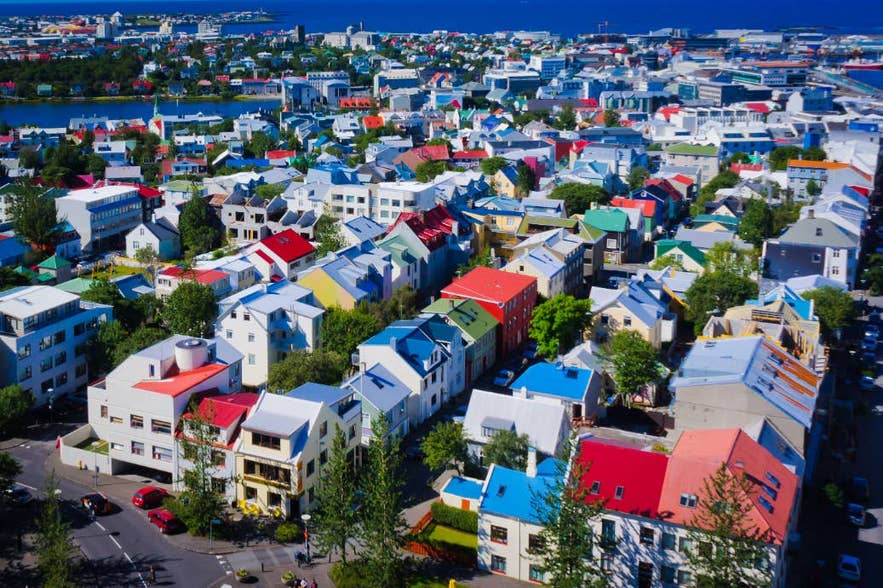
Around the Sky Lagoon, you'll find the widest choice of accommodation in Iceland. Accommodation in Kopavogur puts you closest. Reykjavik's hotels, from budget stays to luxury properties, are only a 13 to 15 minute drive away.
The capital is also the better base for everything besides bathing, with the country's best restaurants, nightlife, and tour departures on your doorstep.
Staying Near the Blue Lagoon
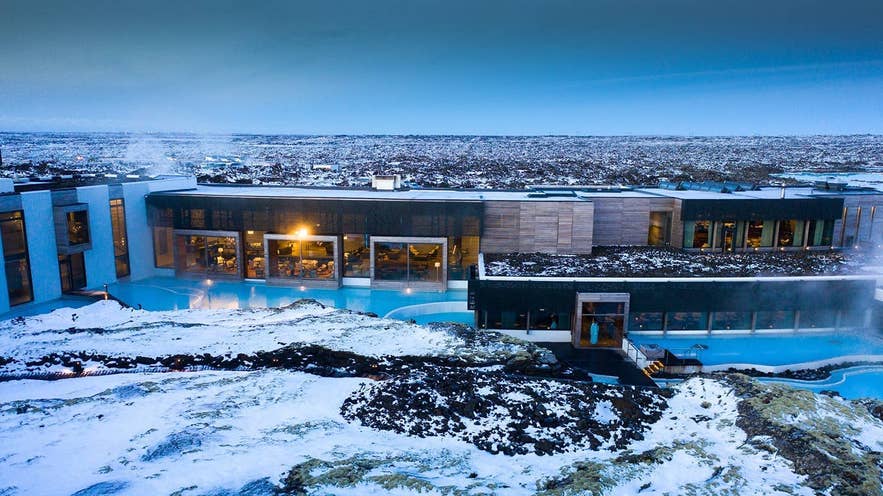
Around the Blue Lagoon, the options are few but special. The Retreat Hotel offers 60 suites surrounded by the lagoon, while the Silica Hotel has its own private lagoon for guests. The Retreat Spa also houses the private Lava Cove.
The surrounding lava field is quiet and remote, with no town within walking distance. You'll find more hotels near the Blue Lagoon a short drive away, including accommodation in Keflavik and hotels near Keflavik Airport. Both make convenient bases before or after a Blue Lagoon visit.
Age Limits and Water Depth: Which Lagoon Is Better for Families?
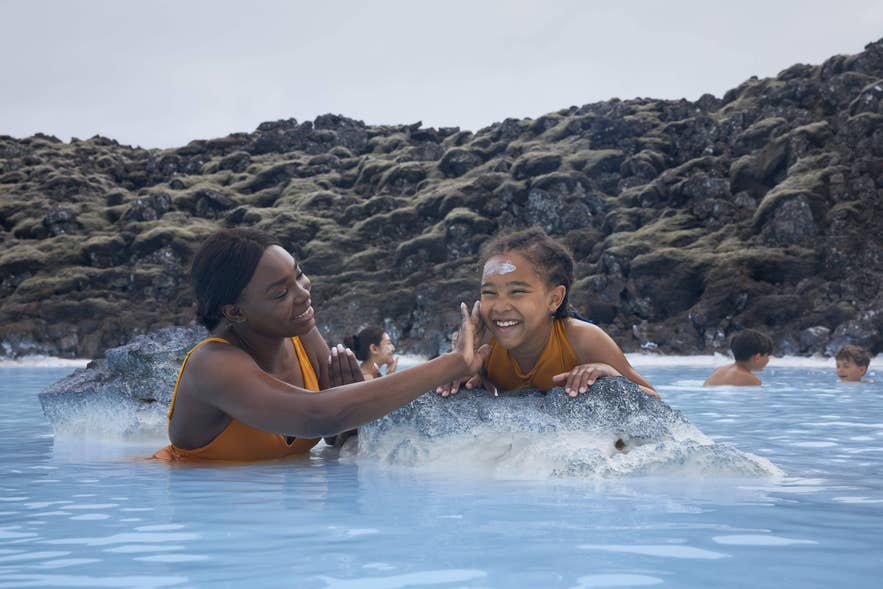
The Blue Lagoon admits children from age 2, while the Sky Lagoon is for guests 12 and older. That makes the Blue Lagoon the natural choice for anyone traveling to Iceland with kids under 12. Many parents in our study of how good Iceland is for kids also recommend Reykjavik's local pools, which are cheaper and have water slides. For everyone else, the Sky Lagoon's age policy creates a more adults-oriented atmosphere.
At the Blue Lagoon, children 11 and younger pay 2,000 ISK (about 16 USD), children 8 and younger must wear free floaties, and one adult can supervise a maximum of two children. The Retreat Spa is for guests 12 and older.
At the Sky Lagoon, visitors aged 12 to 14 must be accompanied by a guardian who is at least 18, and they pay half the adult price.
Both lagoons are shallow enough that most adults can stand comfortably. The Blue Lagoon reaches 4.7 feet (1.4 meters) at its deepest point, while the Sky Lagoon reaches 3 feet 11 inches (1.2 meters). You don't need to know how to swim to enjoy either.
Accessibility: Wheelchair-Friendly Features
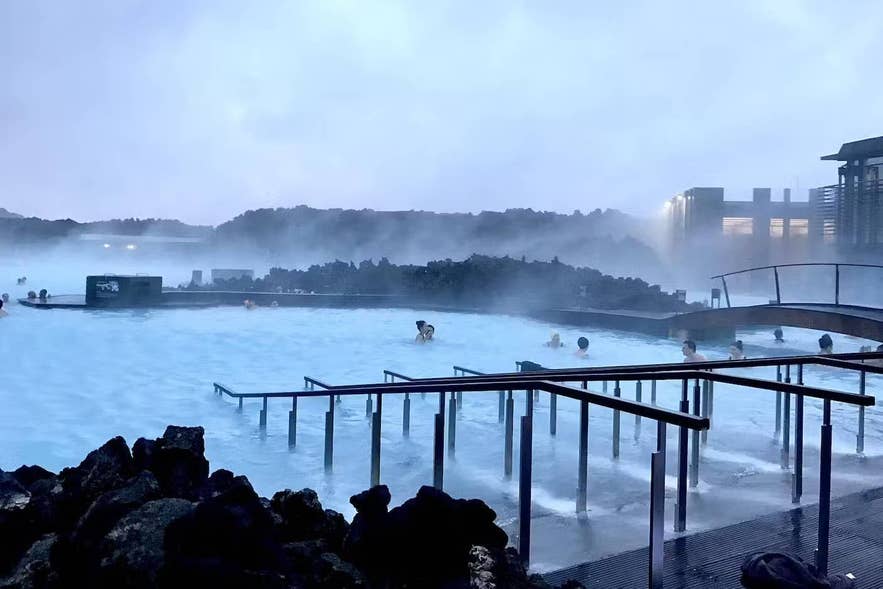
Both lagoons are wheelchair accessible, with facilities that make geothermal bathing easier for guests with reduced mobility. Choose the Sky Lagoon if you want accessible facilities through the spa experience. Choose the Blue Lagoon if you need in-water wheelchair support or are traveling with an assistant.
The Blue Lagoon provides specially designed wheelchairs for entering the water, along with elevators and electric door openers throughout the main complex. It also offers a spacious accessible changing room that can accommodate an assistant, plus free admission for one accompanying assistant.
The Sky Lagoon is wheelchair accessible with chairlifts into the lagoon, the cold plunge, and the turf house for the Skjol Ritual. It also offers an accessible changing suite, an on-site wheelchair, and holds a Good Accessibility Certificate in Travel Service.
Travelers can also find more tips in our guide to exploring Iceland in a wheelchair.
Changing Rooms and Bathing Etiquette: Privacy and Facilities
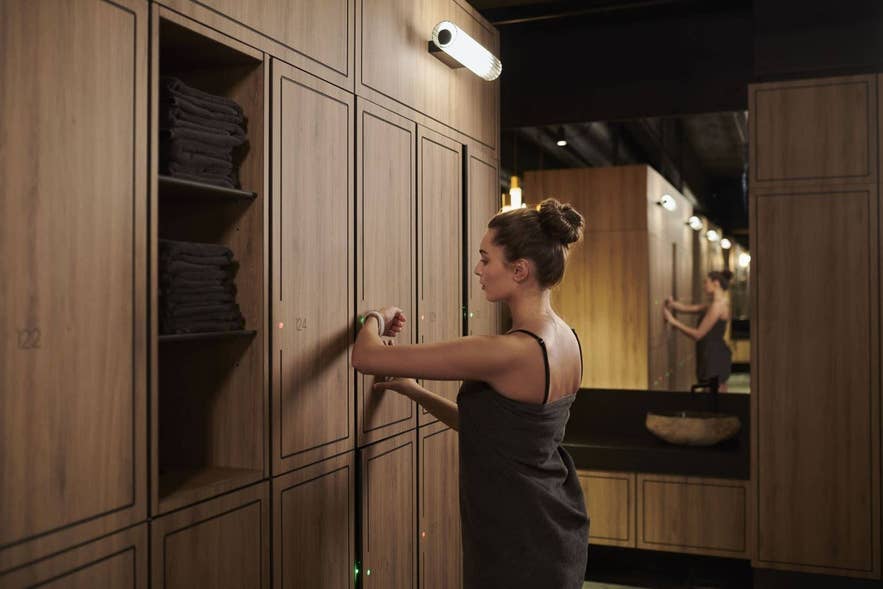
Both the Blue Lagoon and the Sky Lagoon follow the same Icelandic bathing etiquette. Everyone must shower thoroughly without a swimsuit before entering the water.
Choose the Sky Lagoon if you'd rather upgrade to a fully private changing room. Choose the Blue Lagoon if private shower stalls and flexible changing facilities are enough for you.
The Blue Lagoon's standard tickets include communal changing rooms with private shower stalls. Private changing rooms are also available, along with gender-neutral facilities for those who prefer them.
The Sky Lagoon's Saman Pass includes communal changing rooms with private shower cubicles, while the Ser Pass upgrades you to a fully private changing room. Gender-neutral changing facilities are also available.
Blue Lagoon Premium and Signature tickets include a bathrobe for moving between the lagoon and restaurants. At the Sky Lagoon, robes and slippers aren't provided because the changing rooms open directly onto the lagoon.
Other Geothermal Spas in Iceland: When To Choose an Alternative
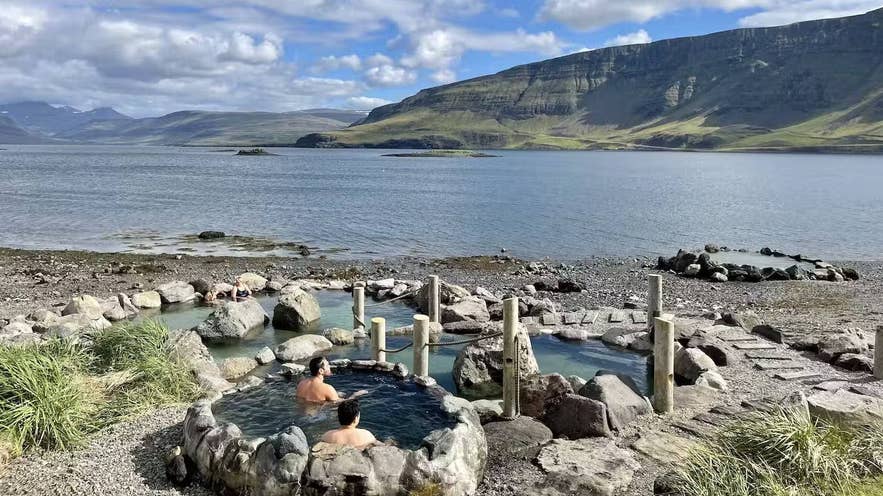
The Blue Lagoon and Sky Lagoon aren't the only geothermal pools in Iceland, and sometimes they aren't even the best ones for your trip. If your route skips the southwest, your budget is tighter, or you want fewer people in the water, one of these eight alternatives may fit your trip better:
-
Laugaras Lagoon: Choose it when you're touring the Golden Circle and want the newest facilities in the country. It opened in 2025 in Laugaras Village beside the Hvita River. Pick a Birki standard ticket, a Lerki premium pass, or the Osp deluxe package with a two-course meal.
-
Hvammsvik Hot Springs: Choose it over the big two when you want a natural hot spring instead of a luxury spa. Its eight pools sit right in the tide line of Hvalfjordur, rising and falling with the ocean, 45 minutes from Reykjavik. Book your admission ticket to Hvammsvik Hot Springs.
-
Secret Lagoon: Choose it for history and simplicity on a Golden Circle day trip. Built in 1891 in the village of Fludir, it's the oldest swimming pool in Iceland, with the tiny Litli Geysir spouting beside it every few minutes. Get your admission ticket to the Secret Lagoon.
-
Fontana Geothermal Baths: Choose it when you want to alternate between steam and a plunge in Laugarvatn Lake. A major 2026 expansion added steam rooms above a natural hot spring on the lakeshore. Secure your entry to Fontana Geothermal Baths.
-
Forest Lagoon: The obvious choice when you're based in Akureyri or driving North Iceland. Five minutes from town in the Vadlaskogur Forest, it has two geothermal pools, a Finnish dry sauna, and a cold pool with views over Eyjafjordur. Get your Forest Lagoon admission here.
-
Earth Lagoon: The North Iceland answer to the Blue Lagoon's mineral waters, near Lake Myvatn. Formerly Myvatn Nature Baths, it reopened in July 2026 after a full rebuild, now featuring a swim-in steam cave. Reserve your ticket to Earth Lagoon.
-
Krauma Spa: If you're weighing Krauma vs. the Blue Lagoon, choose Krauma for a quieter, smaller soak on West Iceland. It's fed by Deildartunguhver, Europe's most water-rich hot spring, and has six pools, saunas, and a fireside relaxation lounge. Book your Krauma Spa ticket here.
-
GeoSea Geothermal Baths: Choose it when whale watching in Husavik is on your itinerary. Its geothermal seawater baths sit on a cliffside overlooking Skjalfandi Bay, so you can scan for spouts while you soak. Get your ticket to GeoSea Baths.
Sky Lagoon vs Blue Lagoon: The Final Verdict
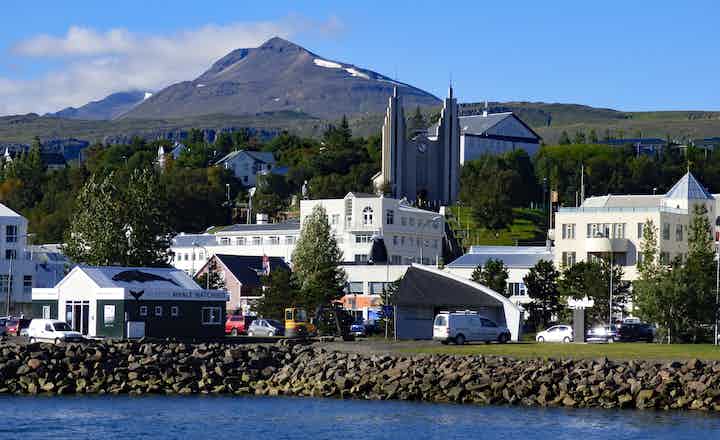
There's no single best lagoon in Iceland, only the one that best fits your trip. Whether the Blue Lagoon is worth it ranks among the most frequently asked questions about Iceland, and the answer depends on how you weigh location, price, and atmosphere.
For most travelers based in Reykjavik, getting a Sky Lagoon admission ticket is the easiest choice: it's the closest lagoon to the city, includes its full seven-step Skjol Ritual with every ticket, and pairs ocean views with a calm, adults-oriented atmosphere.
The Blue Lagoon is a better fit if you want a larger spa with more facilities, silica-rich water, a family-friendly age limit from 2, and a half-day experience near Keflavik Airport, making it ideal for an arrival or departure day.
Price is the top complaint at both lagoons in our analysis of the hot springs and lagoons in Iceland that are worth it, so pick the ticket tier you will use rather than the fullest one. Sky Lagoon draws fewer complaints on Reddit, and the Blue Lagoon draws slightly fewer per review on Google.
Travelers who have visited both lagoons favored Sky Lagoon three to one in our hot springs study, across 53 direct comparisons. The split tracks experience, with first-time visitors leaning toward the Blue Lagoon and returning visitors toward Sky Lagoon.
If you have the time, there's no reason to choose just one. Spend an evening at the Sky Lagoon while staying in Reykjavik, then visit the Blue Lagoon on your arrival or departure day. Together, they offer two very different takes on Iceland's geothermal bathing culture.
Looking beyond the lagoons? Explore more of Iceland's geothermal bathing culture with our guides to swimming pools in Iceland and the best geothermal pools in Reykjavik.
Which is better, the Sky Lagoon or the Blue Lagoon?
Blue Lagoon is a good choice for travelers who want silica-rich geothermal water, a mud mask and drink included with admission, and a lagoon surrounded by black lava fields. It's also close to Keflavik Airport and welcomes children aged 2 and up.
Which is cheaper, the Blue Lagoon or the Sky Lagoon?
Both spas use dynamic pricing, so costs vary by season, demand, and time of day. An early morning or late evening slot often costs less than a peak afternoon, especially in summer.
Is the Sky Lagoon worth it?
Is the Blue Lagoon worth it?
Can you visit both the Blue Lagoon and the Sky Lagoon on one trip to Iceland?
How do you get to the Sky Lagoon from Reykjavik?
How do you get to the Blue Lagoon from Reykjavik?
Is the Sky Lagoon adults only?
Is the Blue Lagoon suitable for children?
Is the Sky Lagoon natural?
Is the Blue Lagoon natural?
How deep is Sky Lagoon?
How deep is the Blue Lagoon?
Is it safe to swim in the Blue Lagoon?
Can you wear jewelry at the Blue Lagoon?
How do the Blue Lagoon and Sky Lagoon compare to the Secret Lagoon?
Which Icelandic geothermal lagoon would you choose? Have you visited one of them before? Are there other lagoons or hot springs that deserve a mention? Tell us about it in the comments below!

I'm an Icelandic folklorist writing about Icelandic nature and culture for travelers. I share practical guides, cultural insights, and tips on hidden spots, helping you experience the best of Iceland and maybe come to love it as much as I do!