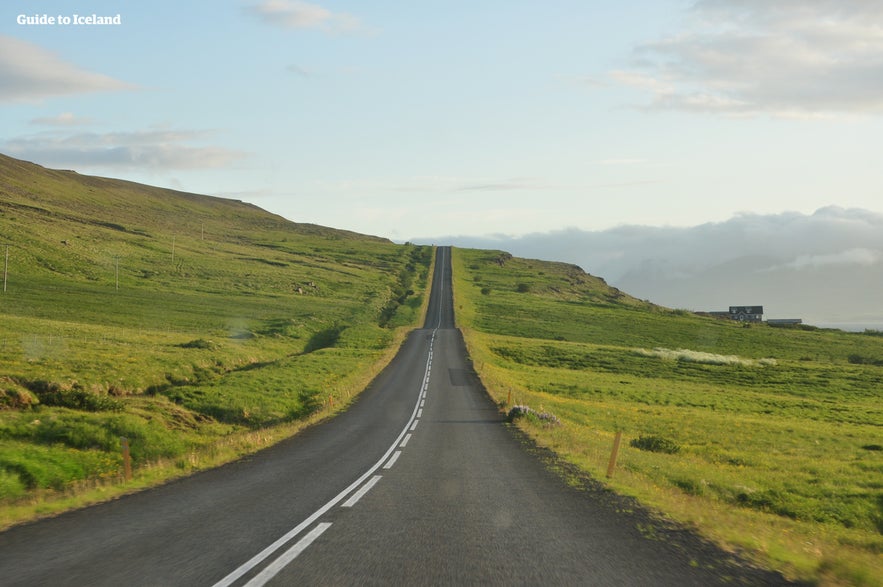
Driving in Iceland in July offers the most accessible conditions of the year, with clear roads, long daylight hours, and the ability to travel across nearly the entire country. At the same time, factors like changing weather, wind, gravel surfaces, and shifting river levels still influence how you plan and approach your drive.
July is the month most travelers choose for a road trip in Iceland, and summer self-drive tours book up well in advance. The paved Ring Road and gravel routes are easy to drive, and even the F-roads into the Highlands become passable. That access is what makes summer in Iceland the busiest road-trip season in the country.
Why You Can Trust Our Content
Guide to Iceland is the most trusted travel platform in Iceland, helping millions of visitors each year. All our content is written and reviewed by local experts who are deeply familiar with Iceland. You can count on us for accurate, up-to-date, and trustworthy travel advice.
Choosing the right vehicle size still matters more than the calendar suggests. 2WD rental cars handle the Ring Road and most coastal routes without trouble, but 4x4 rentals are required for the Highlands and any F-road crossing. Knowing where each one is enough is the single biggest planning decision when driving in Iceland.
That decision shapes how you plan the rest of the trip. The long daylight hours and open roads of summer make it the natural time for independent travel, and Iceland in July is its busiest point. Many visitors compare the full range of self-drive tours or arrange car rentals to build their own itinerary.
This guide walks through what to expect on the road in July, including weather conditions, road types, and the best routes to drive. It also covers the common challenges and practical tips that help you plan your drive with confidence.
Key Takeaways About Driving in Iceland in July
-
July is the easiest time to drive in Iceland, with clear roads, no snow, and long daylight hours. It is also the third-sunniest month in Iceland, and the southwest and the South Coast get the most sun in July.
-
Conditions are easier, but not risk-free, with wind, gravel, and sudden weather changes still common.
-
Highland roads are open, giving you access to remote areas that are closed most of the year.
-
You do not need a 4x4 for most routes, but it is required for F-roads and Highland travel.
-
Expect full parking lots at major attractions, especially along the South Coast and Golden Circle, so plan to arrive early or later in the day.
-
Book your rental car four to six months in advance, as July demand is high and prices increase quickly.
How the Weather in July Affects Driving in Iceland

The weather directly affects driving conditions in Iceland in July by influencing visibility, road grip, and overall safety on the road. While conditions are generally stable with clear roads and long daylight hours, factors like wind, fog, rain, and glacier melt can still impact your drive.
Checking weather conditions before setting out helps you adjust your plans and drive more confidently. Key factors to consider include:
-
Daylight and Visibility: July's midnight sun makes driving more flexible and relaxed. Be aware that the low sun can cause glare, coastal areas may get sudden fog, and dry gravel roads can kick up dust that reduces visibility.
-
Wind Conditions: Iceland's position between the Arctic and the Atlantic means wind is common even in summer. Occasional gusts can affect vehicle stability on open roads and bridges and require care when opening car doors.
-
Rain and Road Surface: July is relatively dry, but passing weather systems can still bring short rain showers. These can make paved roads slippery and reduce traction on gravel roads, though conditions usually improve quickly.
Road Conditions in Iceland in July
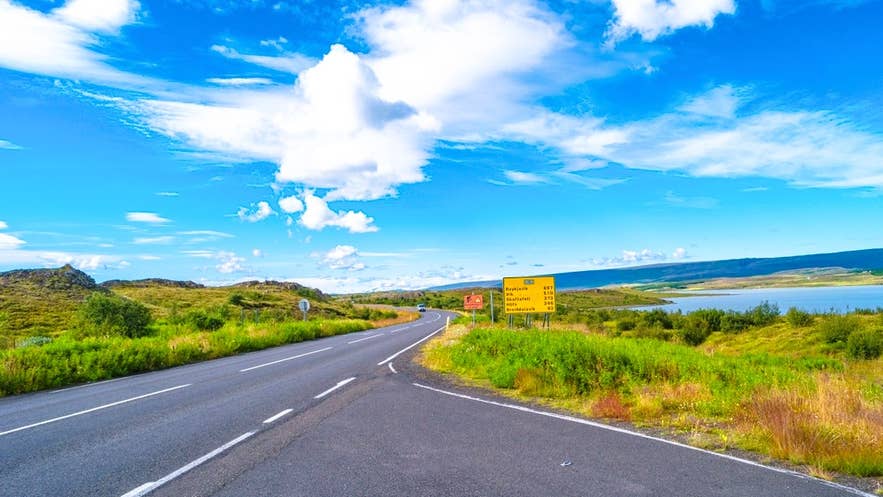
Road conditions in Iceland in July are generally stable and easy to navigate, with clear roads, no snow or ice, and full access to most of the country’s road network. However, conditions still vary by road type, so it’s important to adjust your driving accordingly and check road conditions and SafeTravel before setting out.
Paved Roads
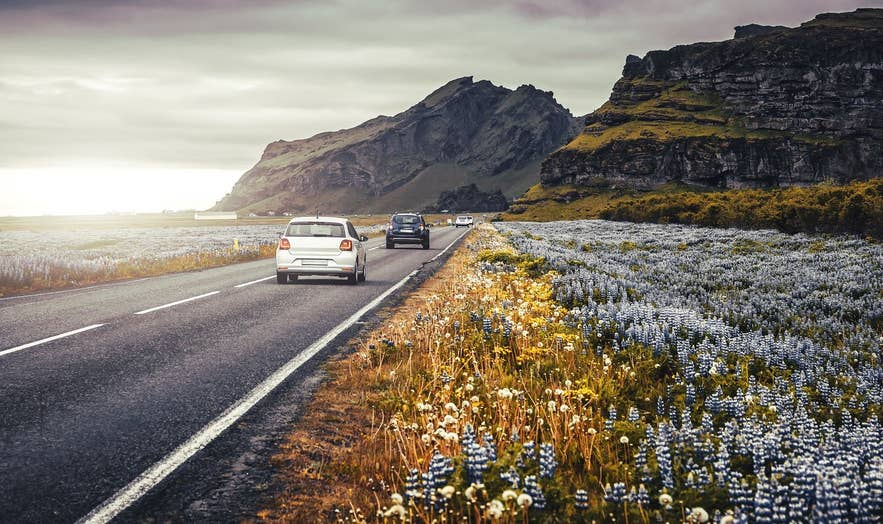
Paved roads cover most of Iceland's main travel routes and are the easiest to drive in July. The biggest is the Ring Road, or Route 1, the country's primary highway, which encircles the island and stays generally well-maintained. It is fully open in summer and suitable for all vehicles.
Beyond Route 1, most of the country's high-traffic routes are paved as well. The Golden Circle and the main roads around Reykjavik are fully paved, and the Ring Road itself carries you along the South Coast past many of the island's popular attractions. Most first-time itineraries stay on these smooth, well-traveled surfaces.
Because these are the busiest roads in the country, the main thing to watch for in summer is traffic rather than the surface. Tour buses and campervans slow things down on narrower stretches, and Icelandic sheep often wander onto the asphalt, so keep a steady speed and stay alert. Parking lots at the busiest stops also fill up around midday.
Gravel Roads
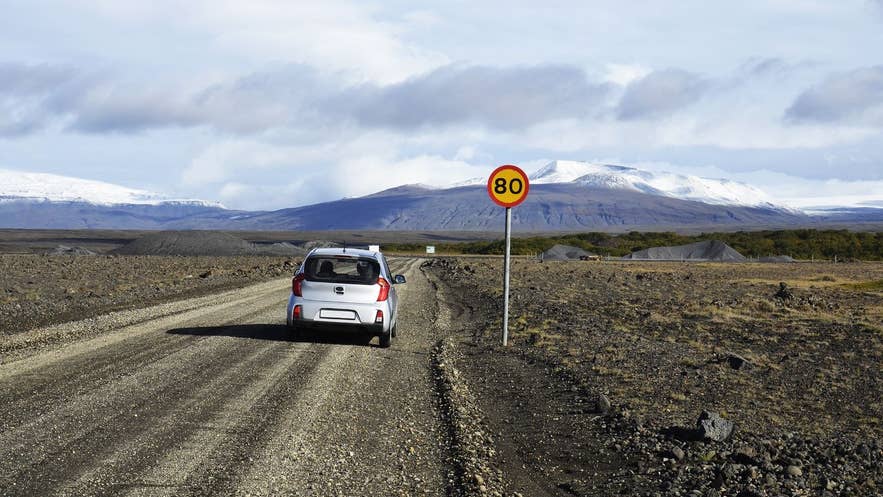
Gravel roads in July are typically dry, free of snow, and generally manageable, though they require more careful driving than paved routes. Loose gravel can reduce traction, especially when transitioning from asphalt, and dust from other vehicles can limit visibility.
These roads are common when heading to more remote areas, including parts of the Snaefellsnes Peninsula, the Westfjords, and routes leading to places like Dettifoss Waterfall from the east side. Small stones can also hit your car when passing traffic, so slowing down and keeping a distance makes these roads more predictable.
F-Roads and Highlands
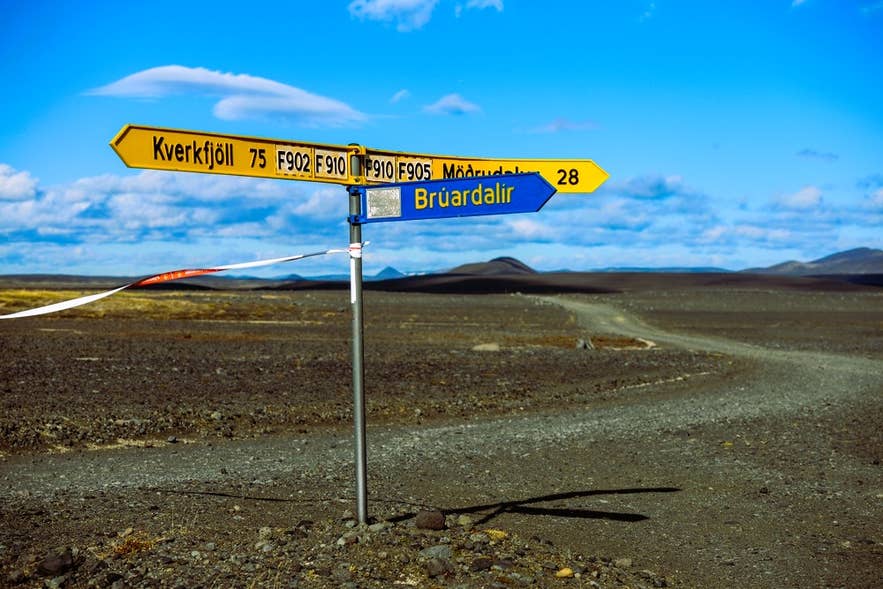
F-roads in July are open but challenging, with rough terrain, river crossings, and changing conditions that require a 4x4 vehicle and careful driving. Water levels can shift throughout the day due to glacier melt, so crossings may be easier in the morning than later in the day.
These roads lead into Iceland’s Highlands, including remote regions such as the Landmannalaugar Trail, Thorsmork Valley, and Kerlingarfjoll Mountain Range, which are closed for most of the year. While the roads here require more attention, they also provide access to some of the most remote landscapes in the country.
Can You Drive Everywhere in Iceland in July?

Almost. July opens up nearly the whole country, and a standard car reaches the Ring Road, the coastal regions, and major areas like the South Coast, Lake Myvatn in North Iceland, and the Eastfjords. For most itineraries, nothing is off-limits.
The exception is the Highlands. Interior destinations like Askja Caldera and Hveravellir Geothermal Area are reachable only on F-roads, which require 4x4 rentals. Most of these roads are open by July, though the exact dates shift each year with the snowmelt.
Best Routes To Drive in Iceland in July
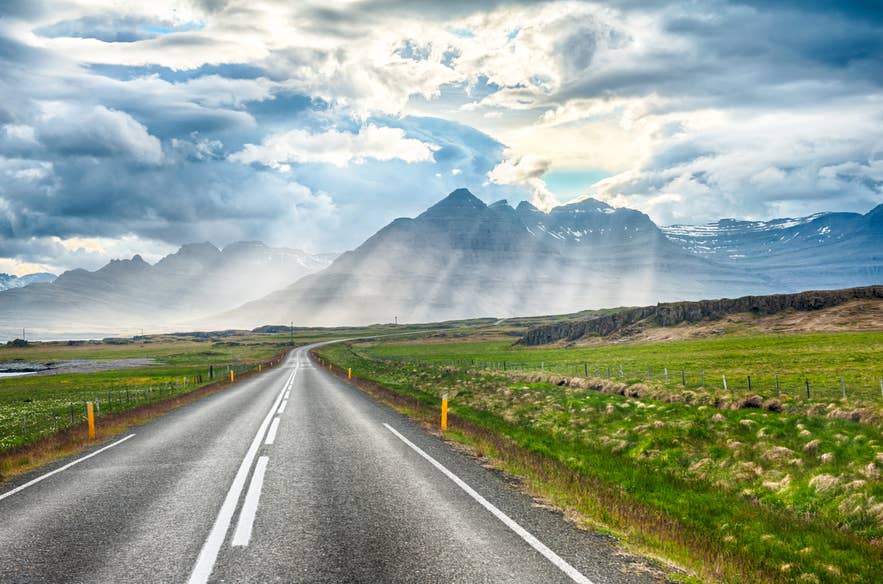
The best July routes include the Golden Circle and South Coast for short trips, the Ring Road for a full-country experience, the Highlands for remote landscapes, and the Westfjords for an off-the-beaten-path drive. Long daylight hours make it easy to cover more ground each day.
A well-planned route also gives you plenty of chances to join meet-on-location activities around the country, including whale watching trips, glacier hikes, hot spring visits, horseback riding tours, and snorkeling excursions.
Golden Circle and South Coast
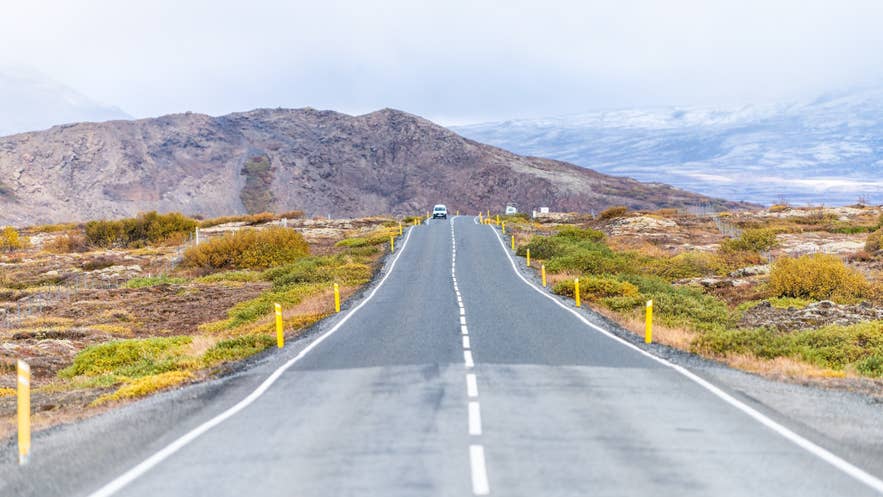
The Golden Circle and South Coast are the best July routes for a one- to two-day trip, with the highest "waterfall-per-mile" ratio in the country. Stops like Gullfoss, Gljufrabui, and Kvernufoss are easy to reach. The Golden Circle loops from Reykjavik, and the South Coast continues along the Ring Road.
Because of their accessibility and well-maintained roads, these routes are also the busiest in July, with parking lots filling up quickly around midday. The midnight sun works in your favor here, as driving later in the day or in the evening allows you to see these sites with fewer crowds.
Ring Road
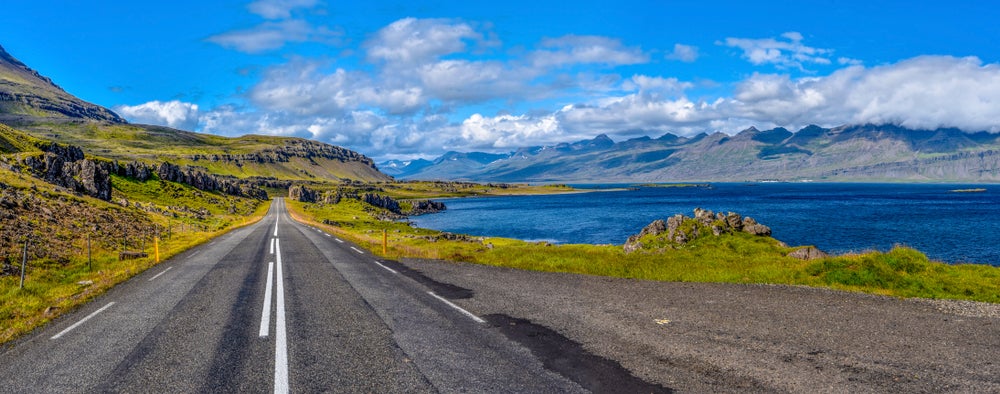
The Ring Road is the best July route for a complete tour of the country. Our study on how many days you need in Iceland found the Ring Road can be driven in seven to eight days. This 828-mile (1,332-kilometer) circuit loops the entire island through the South Coast, Eastfjords, North Iceland, and the Reykjavik area.
In July, long daylight hours make a real difference. You can spread out your driving, visit more attractions along the Ring Road, and stop later in the day when roads are quieter and parking is easier. The route is mostly paved and suits all vehicles, though a medium-sized SUV is more comfortable for longer stretches.
Highlands
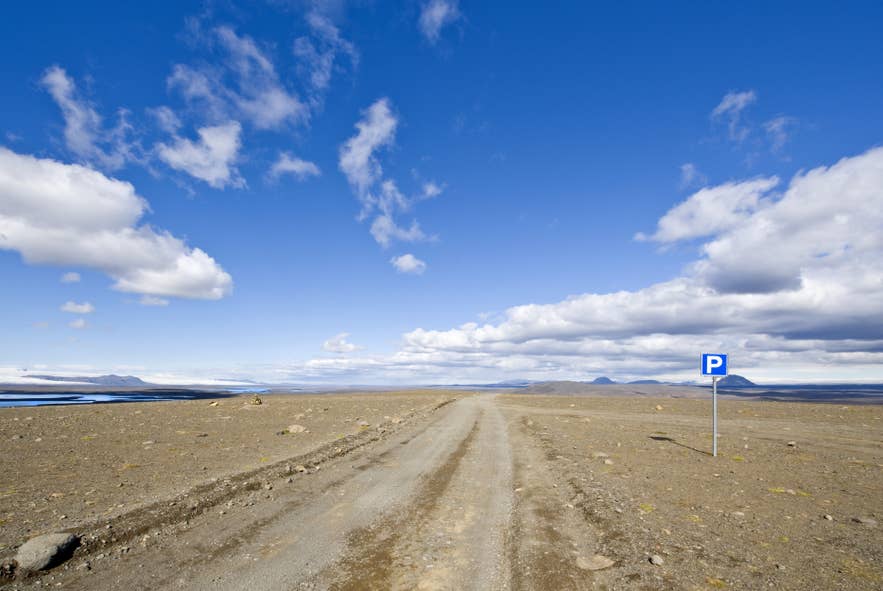
The Highlands are one of the best routes to drive in Iceland in July if you want a more remote and rugged experience, usually explored over one to three days, depending on the route and stops. Reaching this region requires leaving the main road network and following F-roads into the interior, which only open in summer.
Routes like Kjolur (F35) and Sprengisandur (F26) take you through steaming geothermal areas and colorful rhyolite mountains that feel completely different from the coastal landscapes. A 4x4 vehicle is required, and conditions include rough terrain, uneven surfaces, and river crossings, so planning ahead and driving safely is essential.
Westfjords
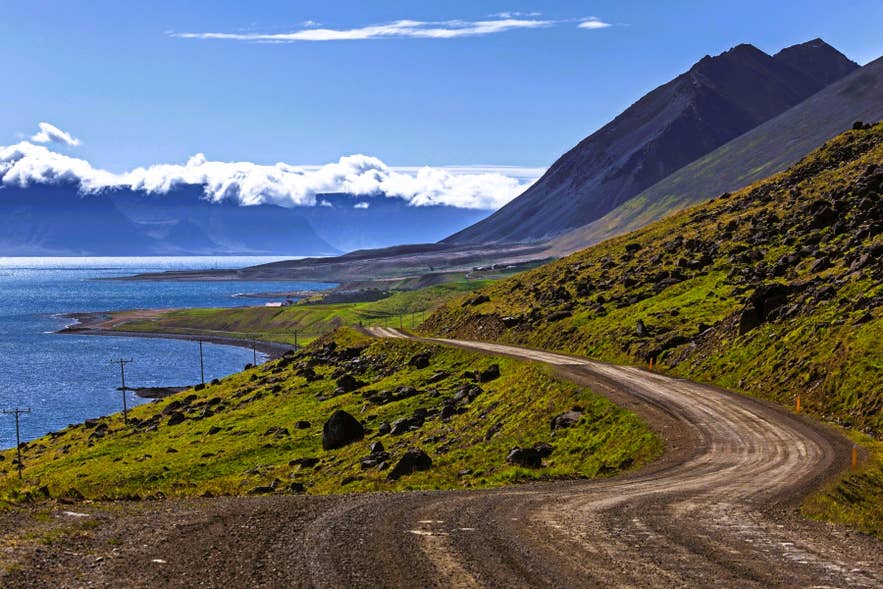
The Westfjords are one of the best July routes for a quieter, off-the-beaten-path experience. Plan two to four days to explore, plus travel time to reach the region. The longer detour off the Ring Road into the northwest is what keeps the area less crowded even in peak season.
You can visit places like Dynjandi Waterfall and Latrabjarg Cliffs without the same level of traffic found elsewhere. Driving here involves narrow, winding gravel roads along cliffs and fjords, requiring more time and attention, but the scenery is some of the most dramatic in the country.
Biggest Driving Challenges in Iceland in July
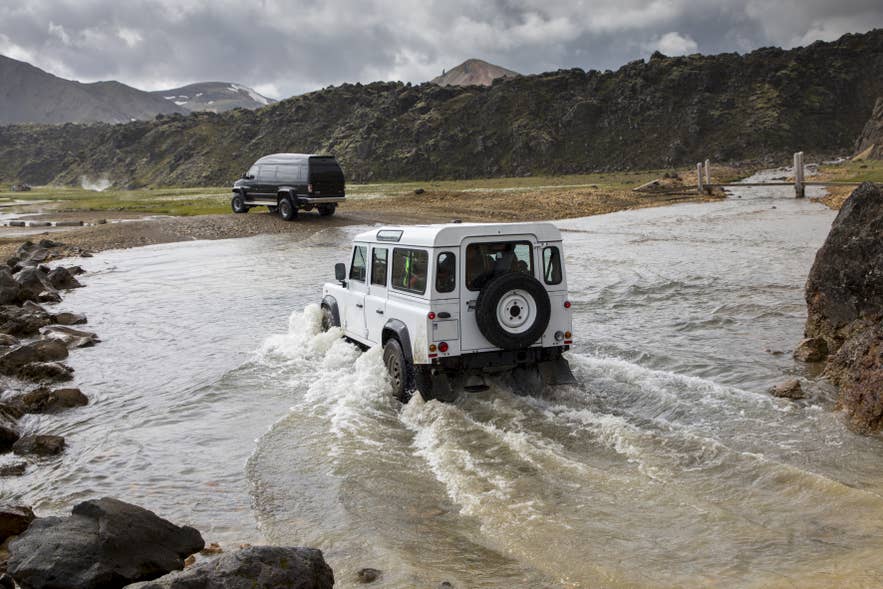
The biggest driving challenges in Iceland in July are increased traffic, crowded attractions, strong winds, and changing road conditions, rather than snow or ice. While July offers the most manageable conditions of the year, these factors become more noticeable during peak season and can affect both safety and travel time:
-
Traffic on the road: July is peak travel season, with more vehicles on the South Coast and Golden Circle. You will often share the road with tour buses and rental campervans that move slowly on narrow sections, so overtaking needs patience and a clear view.
-
Crowds at major stops: Popular attractions like Thingvellir National Park and Geysir Geothermal Area can reach full parking capacity during midday. Visiting earlier in the morning or later in the day helps avoid the busiest periods.
-
Wind and weather changes: Even in summer, wind remains a main challenge in July, though rarely at the strength that closes roads. Our study of the windiest month in Iceland found that July gusts concentrate on the Reykjanes Peninsula, the South Coast around Vik, and the highland stretch between Lake Myvatn and Dettifoss. Gusts there can affect vehicle control and catch car doors when opening, so hold them firmly.
-
Sheep on the road: Icelandic sheep roam freely across the countryside and often stay close to roads in July. They can move unpredictably, especially when separated, so slow down as soon as you spot them to give yourself time to react.
-
Gravel and dust: Short gravel sections are common even on main routes. In July, these roads run dry, so loose stones and dust become more noticeable. Passing vehicles can throw small rocks and briefly drop visibility, so keep a greater distance from the car ahead.
Do You Need a 4x4 in Iceland in July?
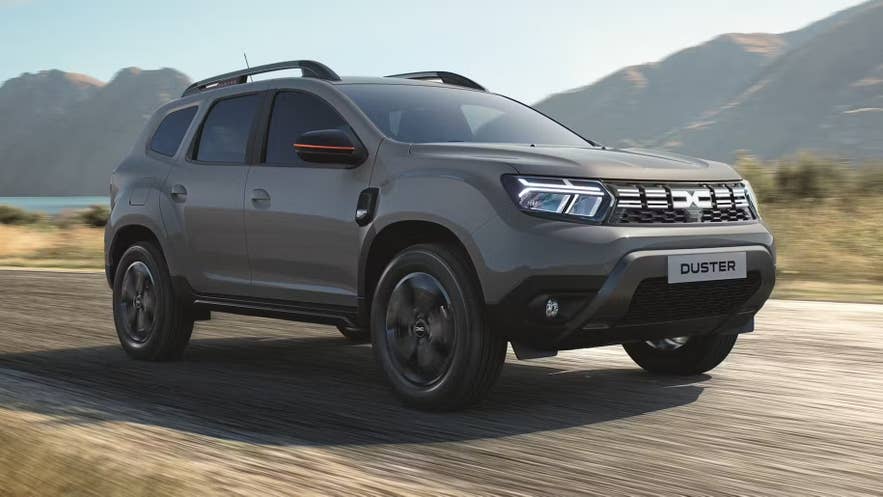
It depends on where you plan to go. If your route includes the Highlands or any F-road, then yes, 4x4 rentals are required, and there is no way around it. For trips that stay on the Ring Road and other paved or well-maintained roads, 2WD rental cars are enough, since summer conditions are straightforward with no snow or ice.
That said, a 4x4 is not a bad choice even if you are not heading inland. The extra size and ground clearance feel more stable in strong wind and on gravel, which adds a margin of comfort and safety on longer drives. The tradeoff is cost, as a 2WD is cheaper to rent and more fuel-efficient, so it comes down to your route and budget.
Tips for Renting a Car in Iceland in July
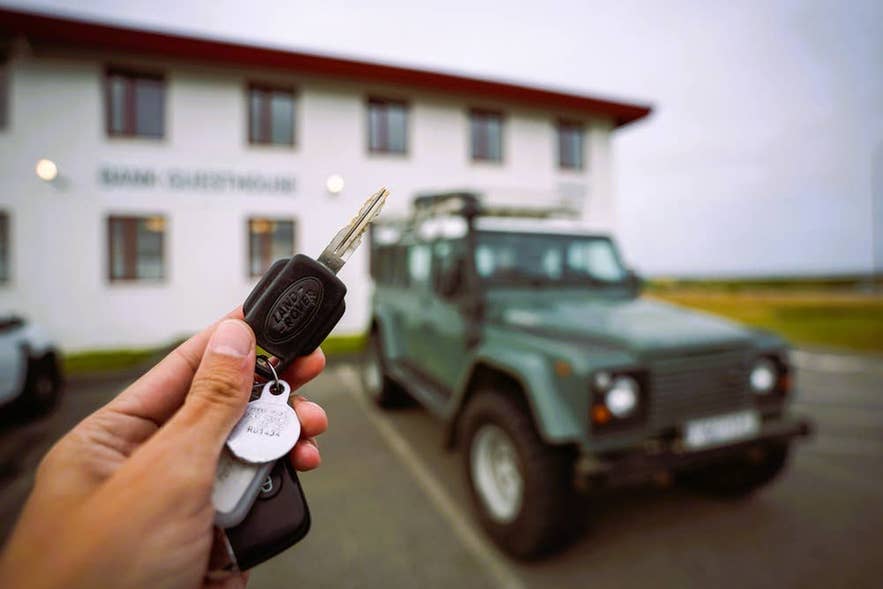
To rent a car in Iceland in July, you need to book early, choose the right vehicle for your route, and review insurance coverage carefully. July is the busiest month for tourism, so rental cars are in high demand, and availability, pricing, and coverage can vary significantly across different car rental companies.
Here are the key things to keep in mind before booking a rental car:
-
Book 4 to 6 months in advance: July is peak season, and popular options like small 2WD cars and mid-sized 4x4s often sell out early. Booking several months ahead gives you better choices and significantly lower prices.
-
Expect higher prices closer to your travel date: Rental rates increase as availability drops. Last-minute bookings can cost substantially more, especially for larger vehicles or automatics.
-
Automatic cars are limited: Most rental cars in Iceland are manual. If you need an automatic, book early, as they are fewer in number and tend to be reserved first.
-
Consider gravel protection: Loose stones are common even on well-traveled roads, especially near construction zones or on short gravel stretches. Without coverage, windshield damage can be costly.
-
Check sand and dust coverage: In some parts of Iceland, strong summer winds can lift sand and fine volcanic material, which can damage paint and windows. This type of damage is often not included in standard insurance.
-
Review 4x4 insurance carefully: If you plan to go to more remote areas when driving around Iceland in July, check if your policy covers undercarriage or water damage, as these are commonly excluded.
Best Driving Tips for Iceland in July

The best tips for driving in Iceland in July focus on timing your drives, staying alert in busy conditions, and adjusting to summer-specific factors like long daylight hours and increased traffic. While July offers the most flexibility for road trips, these factors play a bigger role than in other months.
Keeping these tips in mind can help you drive more smoothly and make the most of your time on the road:
-
Use the midnight sun to your advantage: Long daylight hours let you shift your schedule. Driving later in the day helps you avoid peak traffic and visit popular stops with fewer crowds and better lighting.
-
Budget for parking fees: Many of the busiest attractions charge for parking, and the fees go toward maintaining the sites. You can usually pay at on-site machines or through apps like Parka, so it helps to set one up before you set off.
-
Set a clear stop time: With constant daylight, it is easy to keep driving without realizing how tired you are. Plan your driving hours in advance to avoid fatigue.
-
Watch for sheep and lambs: July is when sheep roam freely, and lambs are especially active. If you see Icelandic sheep on both sides of the road, expect sudden crossings and slow down early.
-
Fuel up before heading inland: If you plan to explore more remote areas like the Highlands, make sure you fill up whenever you can, as gas stations can be limited.
-
Do not stop on the road for photos: With more traffic on the roads in July, pulling over suddenly can be dangerous. It is not permitted to stop on the road, so always use designated parking areas or pull-outs instead.
Make the Most of Driving in Iceland in July
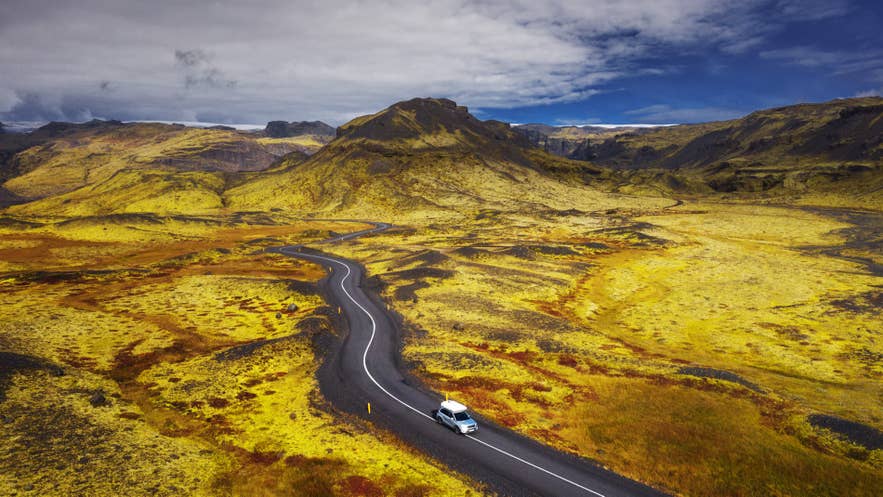
Driving in Iceland in July gives you the easiest access to the country, with open roads, long daylight hours, and most regions without restrictions. It is the best time for a flexible road trip and to explore the top things to do in Iceland. The extended daylight also makes finding your way in Iceland easier across longer distances.
Even with these advantages, understanding road conditions, timing your drives, and choosing the right vehicle can make your trip smoother. Small decisions, like driving later in the day or preparing for changing conditions, can have a big impact when driving around Iceland in July.
Is driving in Iceland in July easy for first-time visitors?
What should I check before driving in Iceland in July each day?
- en.vedur.is: wind speed, rain, and fog
- umferdin.is: closures, surface conditions, and route restrictions
- safetravel.is: warnings and real-time travel advice
How busy is it to drive in Iceland in July?
Can I reach most places when driving in Iceland in July?
What are gravel roads like when driving in Iceland in July?
- Slowing down when transitioning from asphalt
- Keeping a safe distance from other vehicles
- Preparing for dust clouds on narrow sections
How do you safely handle river crossings in Iceland in July?
Is it safe to drive late in the day in Iceland in July?
What are the biggest challenges when driving in Iceland in July?
- Sudden wind gusts: hold the wheel firmly and slow down in exposed areas
- Heavier traffic on popular routes: travel early or late to avoid peaks
- Sheep on the road: slow as soon as you spot them
- Dust and loose gravel: keep distance and a steady speed
Are you going to be driving in Iceland in July? Where are you planning to go? Be sure to let us know in the comment section below!

I was born on the west side of Reykjavík and grew up downtown, so Iceland has been my back yard for most of my life. I'm a father of two, I've traveled on five continents, and I still haven't found a country that holds my attention the way this one does.
That's why I co-founded Guide to Iceland. We connect travelers directly with Icelandic operators, guides and hosts, so the advice and the services both come from people who actually live here.
I write about the practical side of a trip: what eating out in Reykjavík really costs, whether to pick Sky Lagoon or Hvammsvík, where to stop for food along the Ring Road, and which regions give you the best odds of clear skies for the northern lights. If you're planning a trip and something doesn't add up, message me.