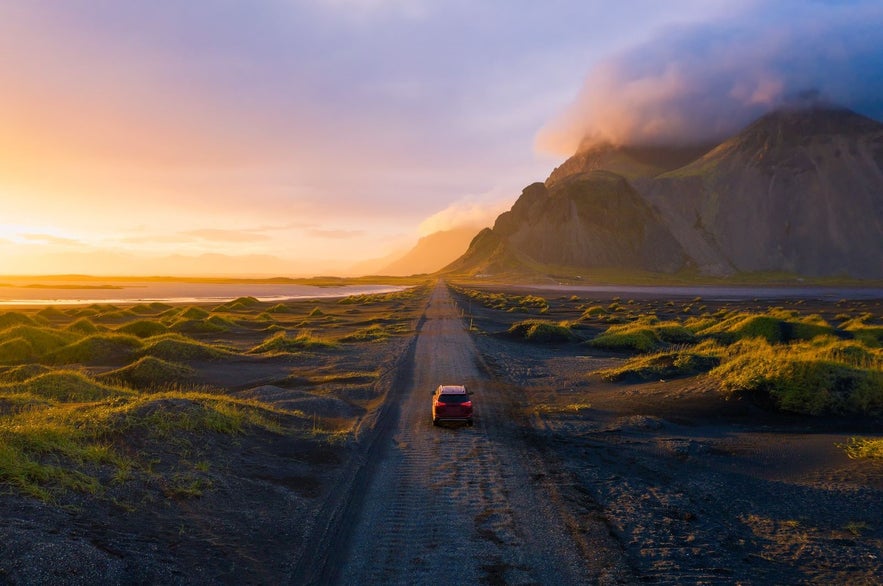
Make the most of driving in Iceland in May by understanding what conditions are really like and how to plan around them. Learn how to prepare, what to expect on the road, and how to confidently navigate Iceland during this time of year.
May in Iceland is one of the most practical and rewarding times for spring self-drive tours. Winter has loosened its grip, and more roads across the country are open and reliable, making it easier to drive in Iceland.
The long daylight hours give you the freedom to travel without rushing from one stop to the next. At the same time, the surge of summer visitors has yet to arrive, so driving feels smooth, flexible, and far less crowded.
Why You Can Trust Our Content
Guide to Iceland is the most trusted travel platform in Iceland, helping millions of visitors each year. All our content is written and reviewed by local experts who are deeply familiar with Iceland. You can count on us for accurate, up-to-date, and trustworthy travel advice.
This combination makes a difference once you’re on the road. You can move efficiently between regions, take your time at major sights, and adjust your plans without dealing with tight availability or heavy traffic. Whether you're following the Ring Road or focusing on a specific region, the pace of travel feels more relaxed and adaptable.
May can also be a more affordable time for a road trip. Prices for car rentals and accommodation in Iceland are often lower than in peak summer, and there is usually more availability. Our study of self-drive tour prices by month found that May is the third cheapest month, with a median price of 24,523 ISK per person per day.
This guide covers what you need to know to drive in Iceland in May with confidence, including road conditions, weather, vehicle choices, routes, and key rules that can affect your trip.
Key Takeaways
-
May is one of the best times for a self-drive trip in Iceland, with long daylight hours, fewer crowds, and lower costs than peak summer. It is also the sunniest month in the south and west, according to our sunshine study, with Reykjavik averaging about 7 hours of sunshine a day.
-
The Ring Road and main routes are open and accessible, but F-roads and some Highland areas remain closed.
-
Weather can change quickly, with wind being the most consistent driving hazard. Always check forecasts before driving.
-
A standard car is sufficient for paved routes, while a 4x4 is recommended for more remote regions with gravel roads.
-
Gravel roads require extra caution and can cause damage, making additional insurance coverage important.
-
Common rental insurance exclusions include gravel, sand, and ash, windscreen, and undercarriage damage.
-
Adding Gravel Protection (GP) and Sand and Ash Protection (SAAP) is strongly recommended, depending on your route.
-
Iceland’s kilometer-based road fee, introduced in 2026, is already factored into rental pricing as a daily average for convenience.
-
Driving conditions improve noticeably from mid to late May, especially in the south.
-
Planning flexible driving days and avoiding fatigue is key to a safe and enjoyable road trip.
Why Driving in Iceland in May Is Better Than You Think
The case for May road trips in Iceland comes down to access, light, and space. By May, the Ring Road and all main paved routes are fully open and well-maintained after winter. Daylight is generous enough that you can drive well into the evening with perfect visibility.
And because Iceland's peak tourist season does not fully arrive until late June, you will share the road and the viewpoints with far fewer people than in summer. Popular stops along the South Coast, the Golden Circle, and around Reykjavik are all accessible and noticeably less crowded than in summer.
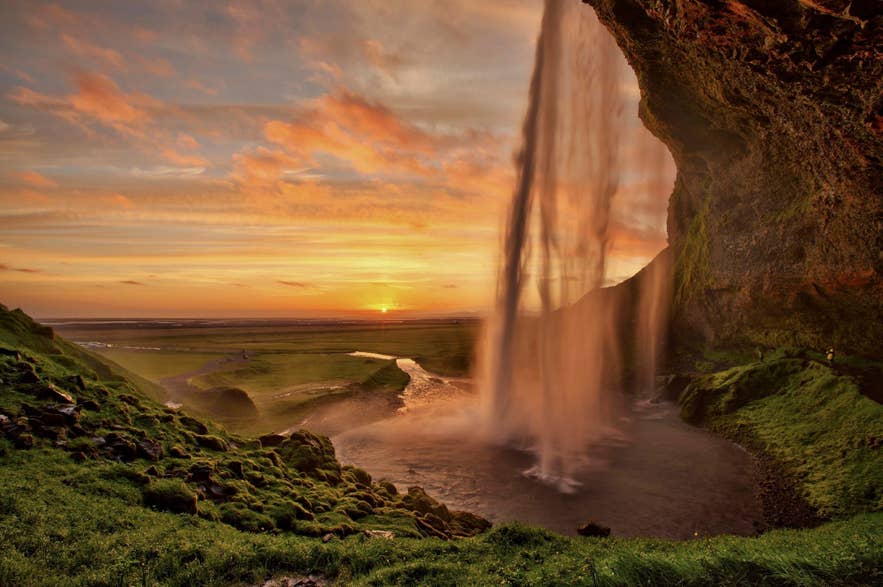
Waterfalls are at their most powerful from snowmelt. Puffins return to their coastal cliffs in May, and whale watching tours operate with far less risk of cancellation than in winter. Car rental and accommodation rates are also cheaper than in June through August, which makes a longer self-drive road trip in Iceland easier to budget.
One thing to set expectations on before you arrive is that the northern lights are over. Iceland's nights are too bright for aurora sightings from May onward. If northern lights are your priority, you need to visit between September and April. The trade-off is near-midnight sun conditions, remarkable photography light, and a driving experience that’s easier to plan and pace.
-
Discover Hiking in Iceland: A Complete Guide to the Best Hikes and Trails
-
Also, learn about Birds in Iceland and Where to See Puffins in Iceland
Iceland Weather in May
Understanding the weather in Iceland in May is essential before you get behind the wheel. Conditions can shift from bright sunshine to sleet within a single afternoon, and some hazards like strong winds and icy roads can affect driving.
The average temperature in Iceland in May ranges from around 36 F to 52 F (2 C to 11 C) at sea level, depending on where you are in the month and the country.
Early May leans colder and more wintry. The weather in Iceland in early May can still deliver frost overnight and ice on secondary roads first thing in the morning, particularly in the north and at higher elevations.
By late May, conditions improve noticeably, especially along the South Coast and around Reykjavik. The weather in Iceland at the end of May feels closer to early summer in the south, though the north and Highland fringes remain noticeably cooler.
Beyond temperature, several key weather factors directly affect driving conditions in Iceland in May:
-
Rain: Common throughout the month, particularly in the west and along the South Coast. While May is statistically one of Iceland’s drier months, showers can still arrive without warning
-
Snow: Still possible, especially in North Iceland, the Westfjords, and at higher elevations. It is rare at sea level in the south, but conditions can change quickly
-
Wind: The most consistent and underestimated hazard. Strong gusts on exposed roads and passes can push vehicles sideways, especially smaller cars. Wind can also slam car doors open hard enough to damage them, which is typically not covered by basic rental insurance
-
Daylight: Ranges from around 17 hours early in the month to nearly 20 hours by late May, with sunrise around 3:30 AM and sunset close to 11:30 PM
Because of these conditions, packing cold-weather layers and a waterproof jacket is essential. It is also important to check wind forecasts on Vedur before every driving day and take weather warnings seriously.
-
See also: What To Pack for Iceland for All Seasons
Road Conditions in Iceland in May
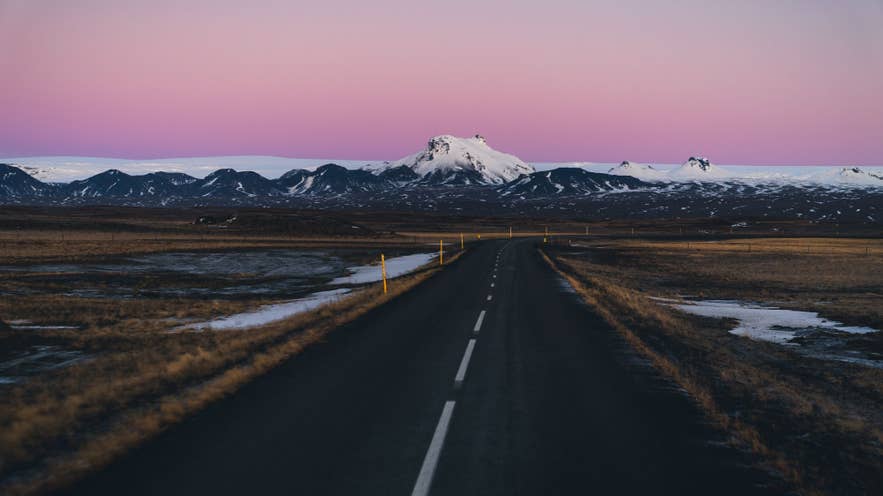
The Ring Road, or Route 1, is open year-round and remains in reliable condition throughout May. The South Coast and Golden Circle routes are also well-maintained, fully paved, and accessible to standard rental cars, making them the safest and most consistent options for driving in Iceland in May.
However, F-roads in Iceland’s Highlands remain closed throughout most of May, and some mountain roads may still be inaccessible.
Patches of ice are still possible in early May, particularly on bridges, in shaded sections, and at higher elevations. Headlights must be on at all times, which is a legal requirement in Iceland regardless of time of day or season.
Gravel roads require more caution. Many secondary routes are unpaved and can still be rough after winter, with potholes, loose surfaces, and uneven sections common.
-
Drive below the 50 mph (80 km/h) gravel limit
-
Keep a safe distance from vehicles ahead
-
Be cautious when opening car doors in strong winds
Gravel can also cause damage:
-
Stones thrown by tires can crack windshields
-
Damage caused to other vehicles is typically your responsibility
-
Adding gravel protection insurance is strongly recommended
There is also a short gravel section on the Ring Road in East Iceland near Berufjordur. It is manageable in a standard car but slower than paved sections.
Single-lane bridges are common, including on the Ring Road. Always check the priority sign before crossing.
-
Vehicles with priority cross first
-
If you do not have priority, wait for oncoming traffic to clear
May is also lambing season. Icelandic sheep and newborn lambs are often near roads and can easily cause accidents by suddenly running across the road.
If you see sheep near the road, slow down immediately. Collisions with sheep are dangerous and can result in high costs.
Before every drive in Iceland, check two key sources. The Icelandic Road and Coastal Administration provides a live road condition map, while the Icelandic Meteorological Office issues wind and weather forecasts. It only takes a few minutes and can prevent you from driving into unsafe conditions.
Download offline maps before you leave, as mobile coverage in Iceland can be unreliable in remote areas.
Choosing the Right Rental Car for Driving in Iceland in May
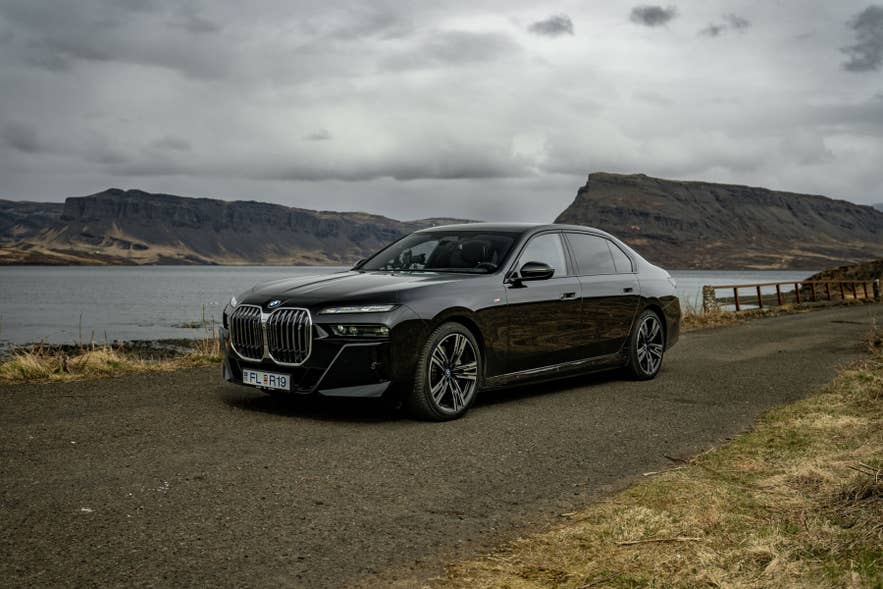
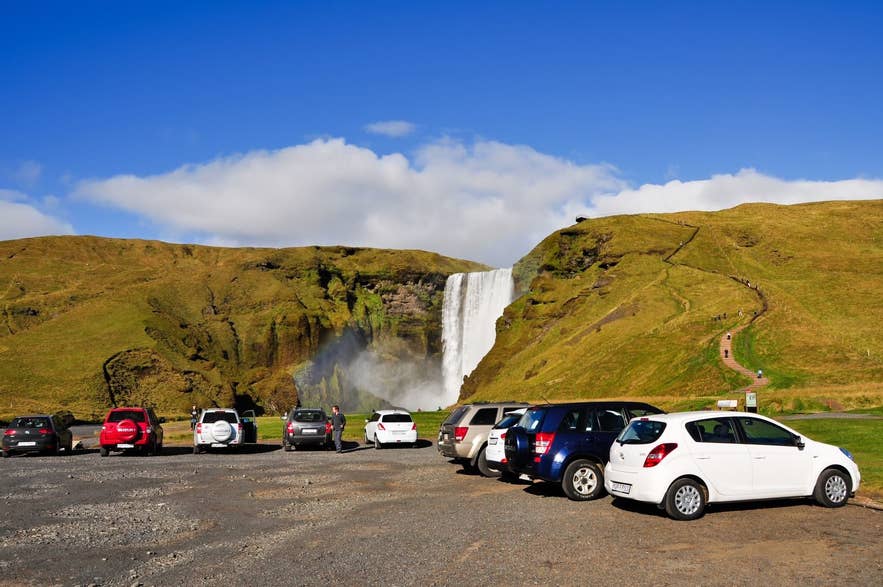 Choosing the right rental car for driving in Iceland in May depends entirely on where you plan to explore. A standard economy or compact car handles the Ring Road and South Coast comfortably, as these routes are paved and well-maintained.
If your road trip in May includes North Iceland, the Westfjords, or the Eastfjords, a 4x4 or SUV is strongly recommended due to rougher roads.
-
Standard rental cars: Best for the Ring Road, South Coast, and paved routes
-
4x4s and SUVs: Recommended for gravel roads, fjords, and more remote regions
Campervans are a popular option, and most campsites open in May, though some facilities may not be fully operational until June. Campervan rentals with a proper heater are a comfortable choice in May when overnight temperatures can still be close to freezing. You can learn more about camping in Iceland with our guide.
-
Discover the Best Guide to Rental Car Sizes in Iceland
-
See also: Finding Your Way in Iceland | Car Rental & Road Information
Choosing Rental Car Insurance for a May Road Trip
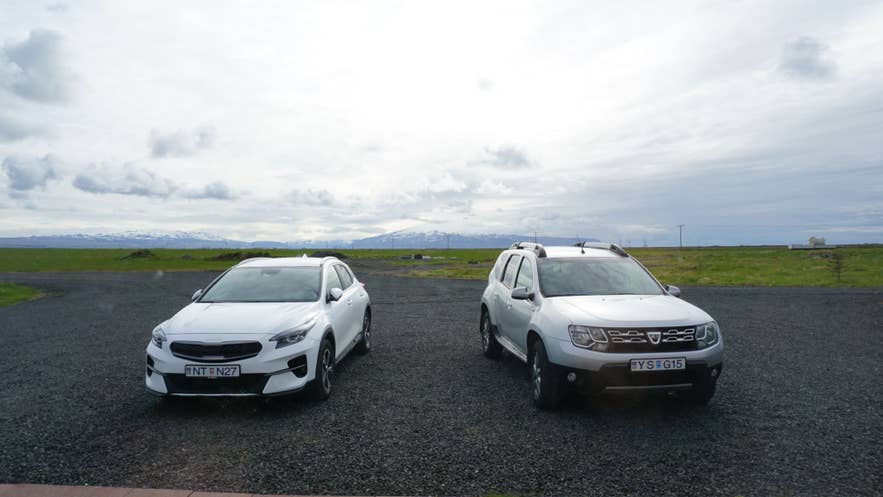 Before leaving the rental lot, check your insurance carefully. Basic policies often exclude several common types of damage:
-
Gravel damage: Chips or scratches to paint, headlights, and the windshield caused by loose stones, especially on unpaved roads or when passing other vehicles
-
Sand and ash damage: Abrasive particles carried by strong winds that can strip paint, damage glass, and affect mechanical components, particularly in exposed or volcanic areas
-
Windscreen damage: Cracks or chips to the windshield from flying debris, often from gravel roads or passing traffic
-
Undercarriage damage: Damage to the underside of the vehicle from rough roads, potholes, or uneven terrain, which is common outside paved routes
Adding Gravel Protection (GP) is recommended for any itinerary with unpaved roads, while Sand and Ash Protection (SAAP) is worth considering in volcanic areas.
If you are renting a car, be aware that Iceland introduced a road tax for electric and hybrid vehicles in 2024. From 2026, this system was expanded into the kilometer fee, a distance-based road charge that applies to all vehicles and replaces part of the fuel tax.
Driving the Iceland Ring Road in May
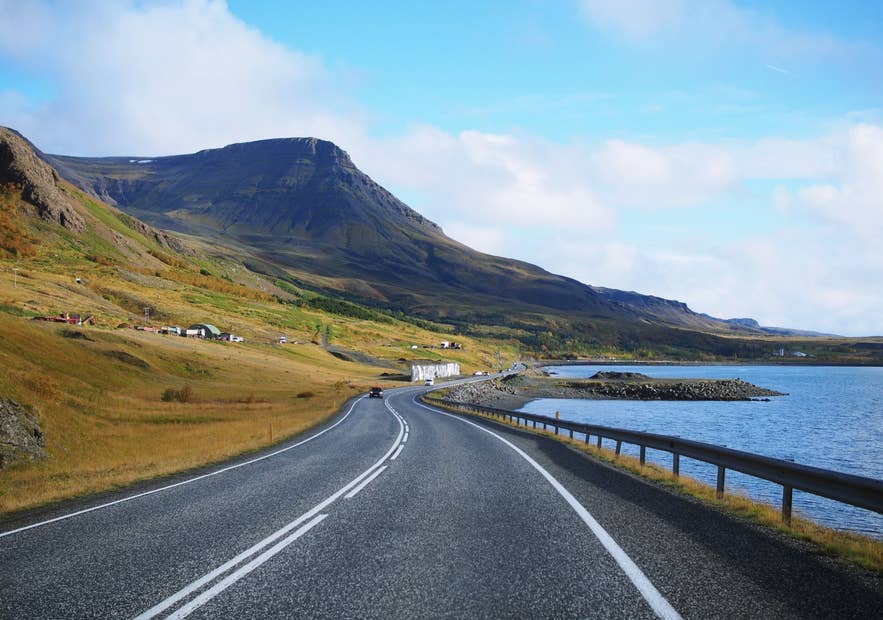 The Ring Road in May is one of the great drives in Europe. The 828-mile (1,332-kilometer) route circles all of Iceland and passes through lava fields, glacier edges, dramatic fjords, waterfalls at full snowmelt power, and long stretches of coastal road that feel genuinely remote.
Traffic is light in May, accommodation is priced well below peak season, and you will regularly find yourself alone at viewpoints that would be packed in July. This makes driving more relaxed and enjoyable, with fewer crowds at attractions along the Ring Road and less time pressure.
The full Ring Road circuit takes between seven and ten days to drive properly. Our study on how many days to spend in Iceland narrows that range. Across 249 multi-day trips, the Ring Road itself takes seven to eight days, and a full self-drive trip works best at nine to ten.
A seven-day itinerary, such as the 7-day complete Ring Road self-drive tour, takes you around the entire island with flexible daily stops. Meanwhile, the 10-day Ring Road & Snaefellsnes self-drive is the most thorough May road trip available, giving you the full circuit plus the Snaefellsnes Peninsula.
A practical note on timing within May: conditions on the Ring Road in early May are less stable than in late May. Ice is more likely in the first two weeks, especially on the north and east stretches of the route. If you have flexibility in your dates, starting your Ring Road drive in mid to late May gives you more consistent conditions.
Budget generously for stops and do not plan driving legs of more than three to four hours without a break. Iceland's landscape demands attention, and driving while fatigued on gravel sections or in crosswind is dangerous. On longer stretches, it also helps to know where major gas stations are located so you can combine fuel stops with breaks.
Best Places To Drive in Iceland in May
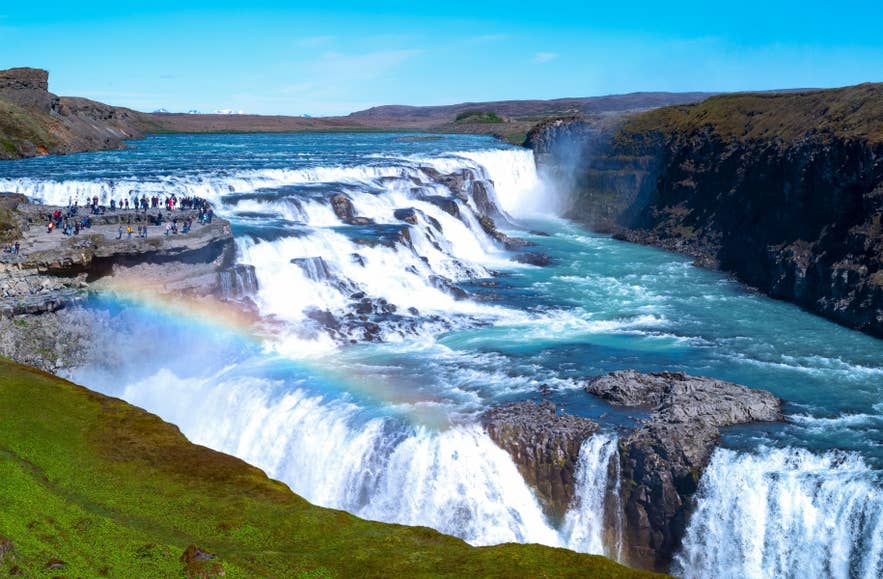 Driving conditions and accessibility vary across the country in May, depending on the region and your route. Here are some of the best places to drive in Iceland in May.
South Coast
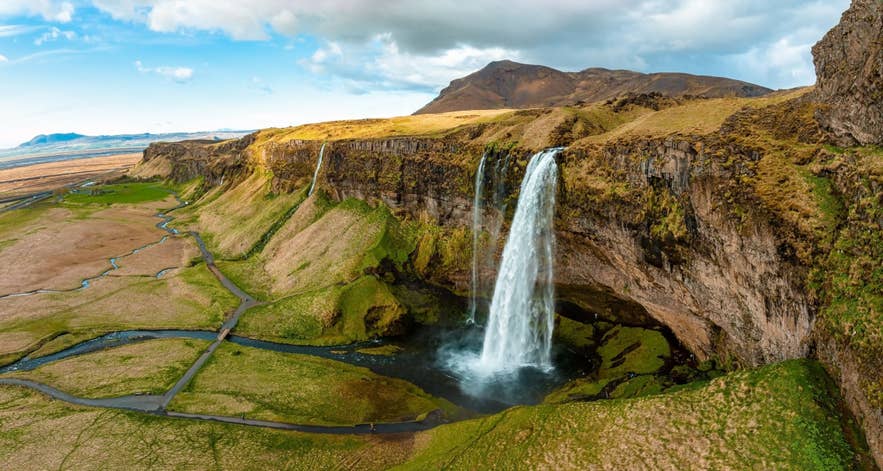 The South Coast is the most accessible and rewarding stretch for drivers in May. Waterfalls like Seljalandsfoss and Skogafoss are running at full power from snowmelt. Reynisfjara Black Sand Beach is dramatic in any weather.
Jokulsarlon Glacier Lagoon delivers a landscape unlike anywhere else, with icebergs drifting slowly toward the sea. Skaftafell Nature Reserve at Vatnajokull National Park offers guided glacier walks from May.
All of these sites are reachable by a standard car. You can also book dedicated South Coast tours if you prefer a guided experience.
Golden Circle
The Golden Circle connects Thingvellir National Park, the Geysir Geothermal Area, and Gullfoss Waterfall in a loop that works perfectly as a full-day drive from Reykjavik. All three are fully open in May and noticeably quieter than in summer.
Pay the parking fee at Thingvellir on arrival via the signage at the car park. Drivers who want to add an activity to the route can book snorkeling at Silfra or horseback riding in the countryside as easy add-ons. You can also join one of the many Golden Circle tours if you prefer not to self-navigate.
Snaefellsnes Peninsula
The Snaefellsnes Peninsula, about two hours from Reykjavik, packs glacier scenery, lava fields, coastal cliffs, fishing villages, and birdwatching into a compact circuit that is fully accessible on paved roads with a standard car. It is often called "Iceland in miniature" and works well as a two-day detour from the capital.
Drivers interested in adding a structured excursion can book Snaefellsnes tours to cover the peninsula's highlights with a local guide.
North Iceland
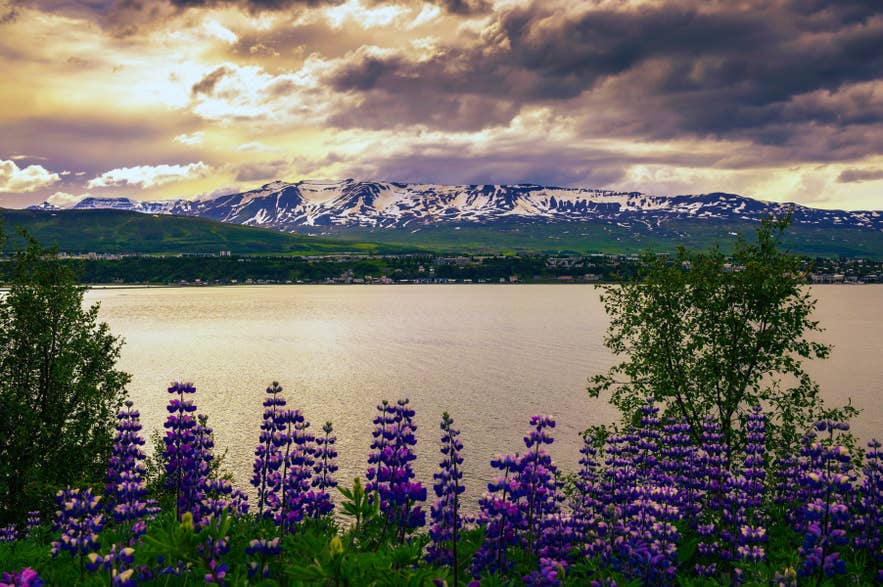 North Iceland is worth the drive in May, but it demands more preparation. Roads around Akureyri and Lake Myvatn are generally good, though gravel sections are more frequent and temperatures are lower than in the south. A 4x4 SUV is the practical choice for this region.
Godafoss Waterfall is particularly spectacular in May from snowmelt. Husavik on the north coast is Iceland's whale watching capital, and whale watching tours run regularly in May with good sighting rates.
Westfjords
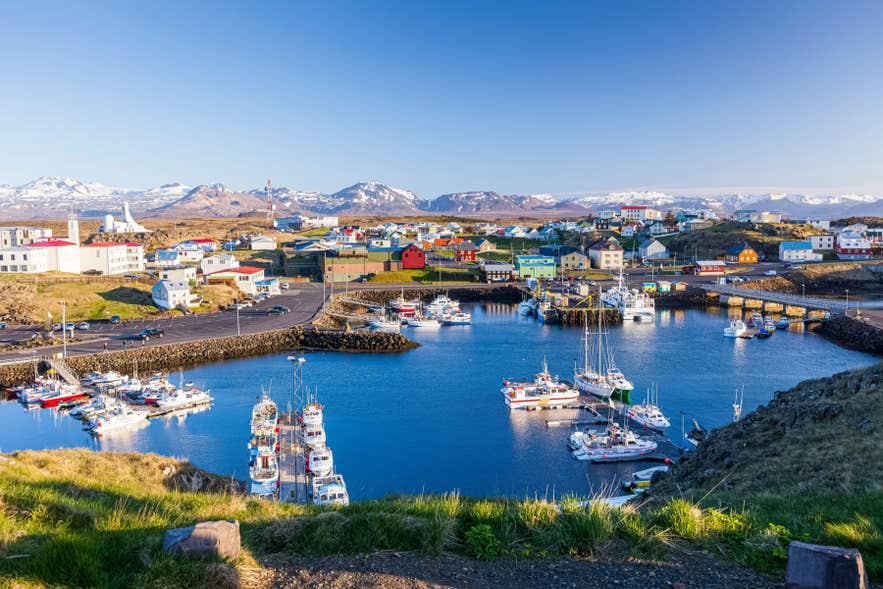 The Westfjords are the most remote and rewarding option for drivers who want to get well off the beaten path. Roads are largely unpaved, and a 4x4 is essential.
The Latrabjarg Cliffs in the far west are among the best places in Iceland to see puffins in May, with birds returning to their nesting ledges from early in the month.
The Dynjandi Waterfall is one of the most dramatic in Iceland and sees a fraction of the visitors that the South Coast receives. Plan more time for the Westfjords than your map suggests, as distances are deceptive and the roads demand careful, slow driving.
Speed Limits, Speed Cameras, and Driving Fines in Iceland
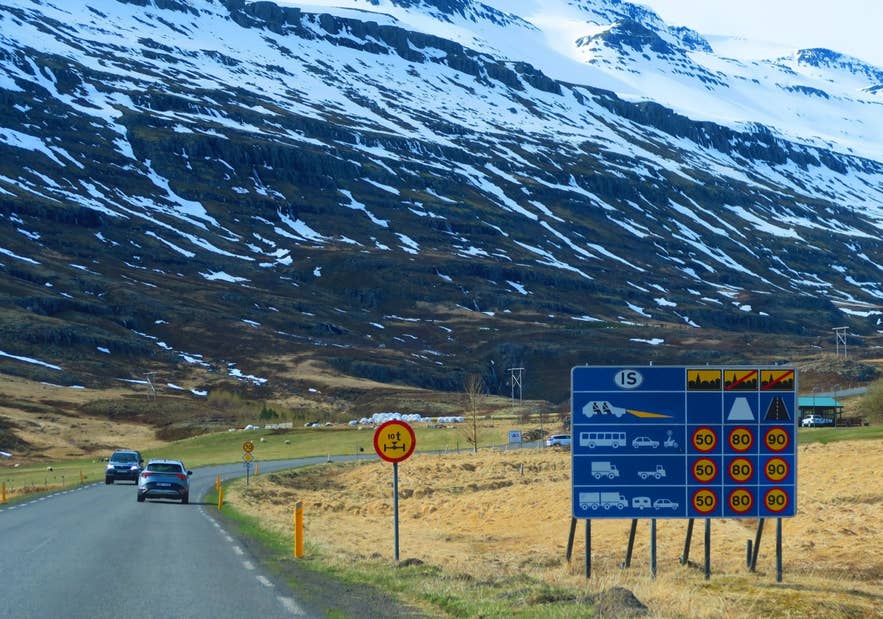 Iceland's speed limits are strictly enforced, and the fines are high. This is one area that catches many visitors off guard, so it is worth understanding before you drive.
Speed limits:
-
31 mph (50 km/h): in towns
-
50 mph (80 km/h): on gravel roads
-
56 mph (90 km/h): on paved roads outside towns
The Ring Road follows the same structure:
-
56 mph (90 km/h) on paved sections
-
50 mph (80 km/h) on gravel stretches
-
Around 43 mph (70 km/h) in tunnels, depending on signage
These limits change frequently as you move between road types and town boundaries. Pay close attention to roadside signs, especially when entering and leaving towns, where speeds can drop quickly with little transition.
Speed enforcement:
-
Fixed speed cameras are common, including on rural roads
-
Cameras are small grey boxes and can capture vehicles from up to 656 feet (200 meters) away
-
Average speed cameras are used on some routes, measuring speed over distance
-
Mobile police checks can appear anywhere
There is very little tolerance. Fines can be issued for only a few km/h over the limit.
Fines and penalties:
-
Around 215 USD (30,000 ISK) for minor speeding
-
Over 1,000 USD (150,000 ISK) for serious violations
-
Rental car fines are forwarded to you with an added admin fee
-
Paying on the spot by card may give a 25% discount
Off-road driving carries separate and severe penalties. Driving off marked roads is illegal and can result in fines of around 2,500 USD (350,000 ISK). Iceland’s moss and vegetation take decades to recover, and this rule is actively enforced.
Driving Rules, Fuel, and Practical Information for Iceland
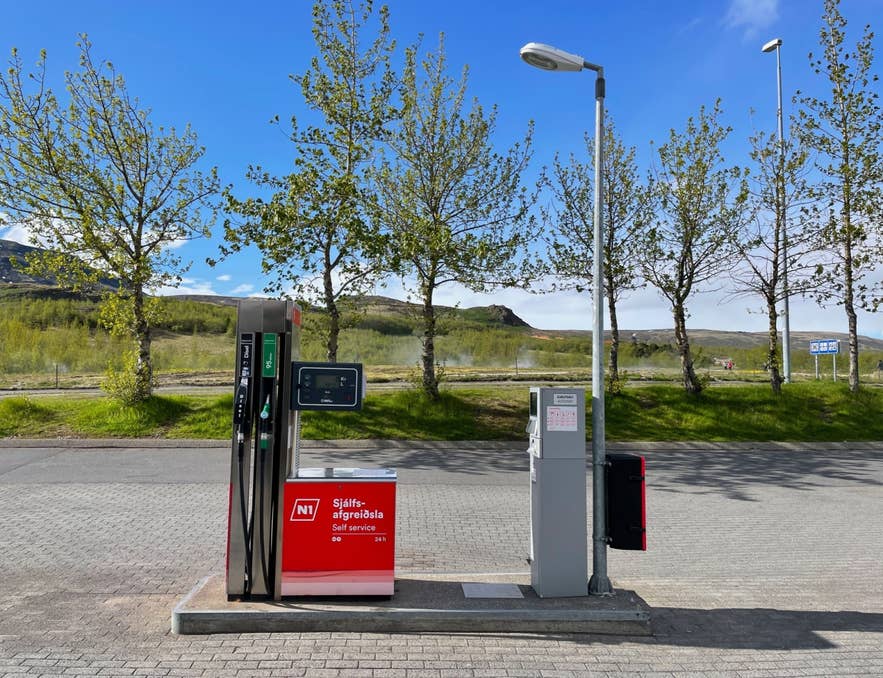 Before driving in Iceland, it is important to understand a few key rules and practical details that affect safety, legality, and trip planning. For a more detailed breakdown, see our full guide to driving in Iceland and our guide to road signs in Iceland, and register your daily plans with SafeTravel before heading out.
-
Driving rules and legal basics: Drive on the right side of the road, keep headlights on at all times, and ensure all passengers wear seat belts. Mobile phone use is only allowed with a hands-free system, and drink driving laws are strictly enforced with a very low legal limit.
-
Driver’s license requirements: Your license must be written in the Latin alphabet and held for at least one year. If not, you will need an International Driving Permit. EU, EEA, and UK licenses are fully accepted, and most rental companies require at least one year of driving experience.
-
Fuel and gas stations: Gas stations are common along the Ring Road and near major towns, but can be limited in remote areas, especially in the north and east. Fill up when you reach half a tank in rural areas. Most gas stations are self-service, open 24 hours, and accept international cards.
-
Safety and emergency planning: The emergency number is 112. Register your travel plans with SafeTravel before each day of driving. It is quick, free, and helps emergency services locate you if needed.
When looking for where to stay along your route, browse Iceland accommodation for options ranging from guesthouses and farm stays to hotels along the Ring Road. If you want to add structured activities to your self-drive days, browse self-driving activities to complement your itinerary.
Start Planning Your Iceland Road Trip in May
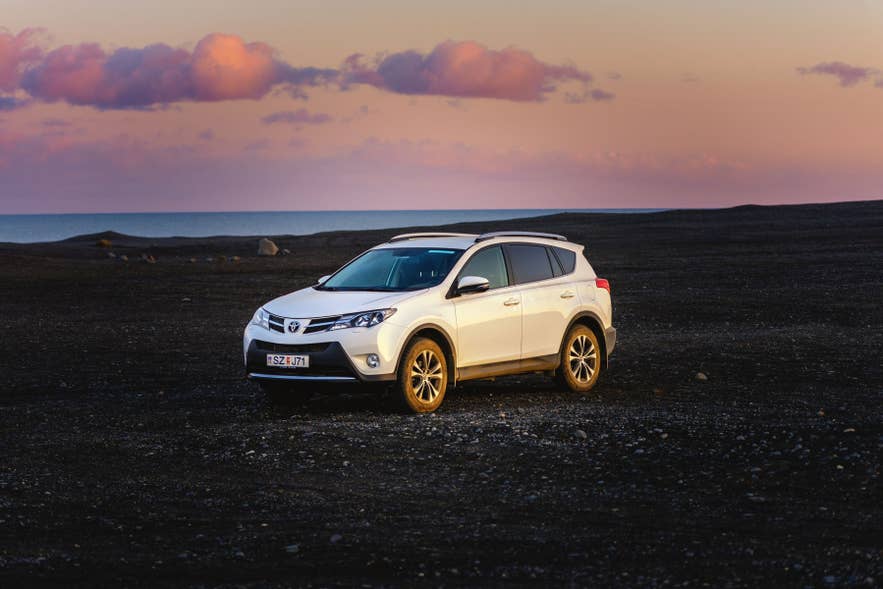 Driving in Iceland in May rewards travelers who prepare well and stay flexible. The roads are open, the light is extraordinary, waterfalls are running at full power, and the country feels genuinely alive after winter without the pressure of peak-season crowds.
Whether you are planning a 4-day Golden Circle and South Coast itinerary or a full Ring Road circuit over 10 days, May gives you the conditions to do it properly. Browse our self-drive tour packages to find a fully organized May road trip, or rent a car and plan your own route from scratch.
Check road conditions daily at road.is. Watch the weather at Vedur. Set up the SafeTravel app before you leave. Know the speed limits and choose a rental car that matches your actual route. With those habits in place, a May road trip in Iceland is one of the most satisfying drives you can take anywhere in Europe.
Is it safe to drive in Iceland in May?
Check road and weather conditions before each day of driving, choose a vehicle that matches your route, and do not attempt any closed roads.
What is the weather like in Iceland in May for drivers?
Are F-roads open in May in Iceland?
Read the full F-roads guide and always check the current status at road.is and SafeTravel before your trip. Driving on closed F-roads is illegal, voids insurance, and can be dangerous due to isolation and lack of services.
Do I need a 4x4 to drive in Iceland in May?
Is there a toll road in Iceland?
How many days do I need for a road trip in Iceland in May?
Can I see the northern lights while driving in May?
Hopefully, this guide has helped you feel more confident about driving in Iceland in May and what to expect on the road. Take your time, stay flexible, and enjoy the experience. Got questions or your own tips to share? Drop them in the comments; we’d love to hear from you!

I'm an Icelandic folklorist writing about Icelandic nature and culture for travelers. I share practical guides, cultural insights, and tips on hidden spots, helping you experience the best of Iceland and maybe come to love it as much as I do!