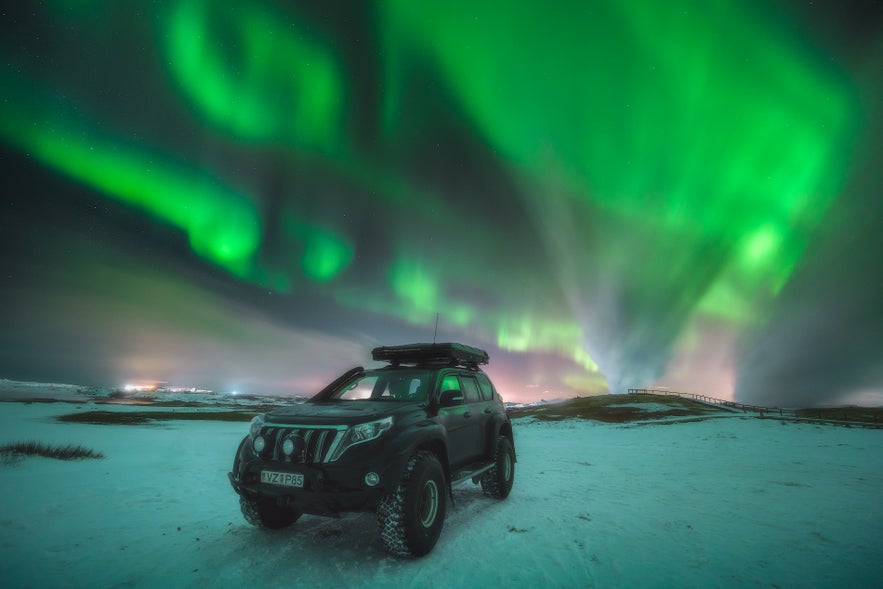
Driving in Iceland in February is not your average road trip. Expect snow-covered landscapes, quiet highways, and the kind of winter light that makes every drive feel cinematic.
Our study found February the windiest month in Iceland. If you plan to rent a car, you'll need a few extra considerations for wind alone.
Why You Can Trust Our Content
Guide to Iceland is the most trusted travel platform in Iceland, helping millions of visitors each year. All our content is written and reviewed by local experts who are deeply familiar with Iceland. You can count on us for accurate, up-to-date, and trustworthy travel advice.
Roads can be icy, daylight hours are short, and the weather can change fast. But that’s also what makes February perfect for winter self-drive adventures in Iceland. Driving yourself also lets you chase the northern lights at your own pace, enjoy self-driving activities, visit the Blue Lagoon, and experience other unforgettable Icelandic winter activities.
Keep reading to discover how to make the most of your Iceland winter road trip safely and smoothly.
Weather in Iceland in February
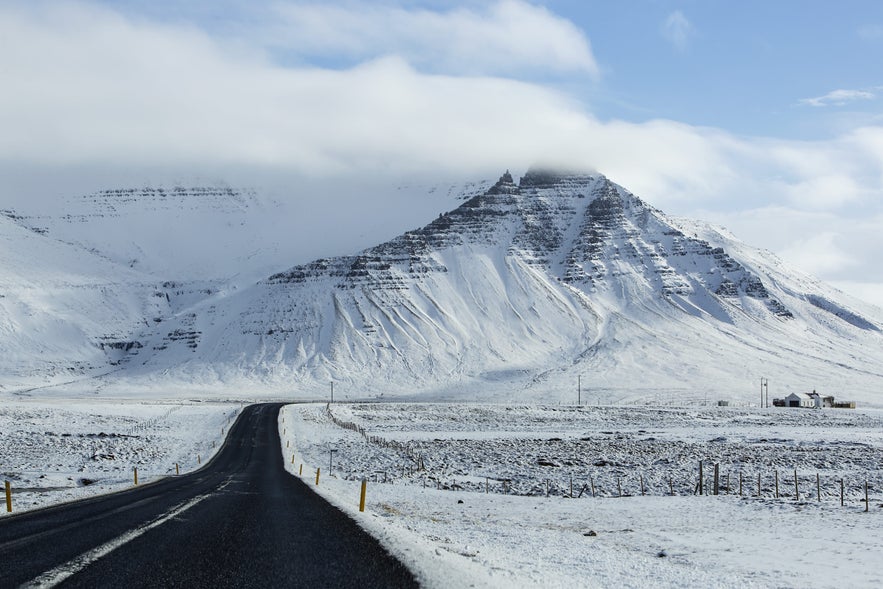 February in Iceland is the heart of winter, and the Icelandic weather can be as dramatic as the landscapes themselves. Expect short daylight hours, averaging around 7 to 9 hours, with temperatures typically ranging from 27 F to 37 F (-3 C to 3 C) in most lowland areas.
Snow, sleet, and icy winds are common, especially along the coasts and in northern regions. Driving conditions can change rapidly, with sudden snow showers, black ice, and strong gusts making driving in Iceland in winter both challenging and thrilling.
It’s essential to stay updated on weather warnings in Iceland before setting out. Icelandic Meteorological Office and SafeTravel websites provide real-time alerts for storms, heavy snow, and icy roads. Even with careful planning, conditions can shift in minutes, so flexibility is key.
On days when the weather limits outdoor driving, there are plenty of activities during bad weather in Iceland to enjoy, from geothermal pools and museums to cozy cafes and winter photography tours. With preparation, February adds an unforgettable layer of adventure to any Icelandic winter road trip.
Understanding Iceland Winter Road Conditions
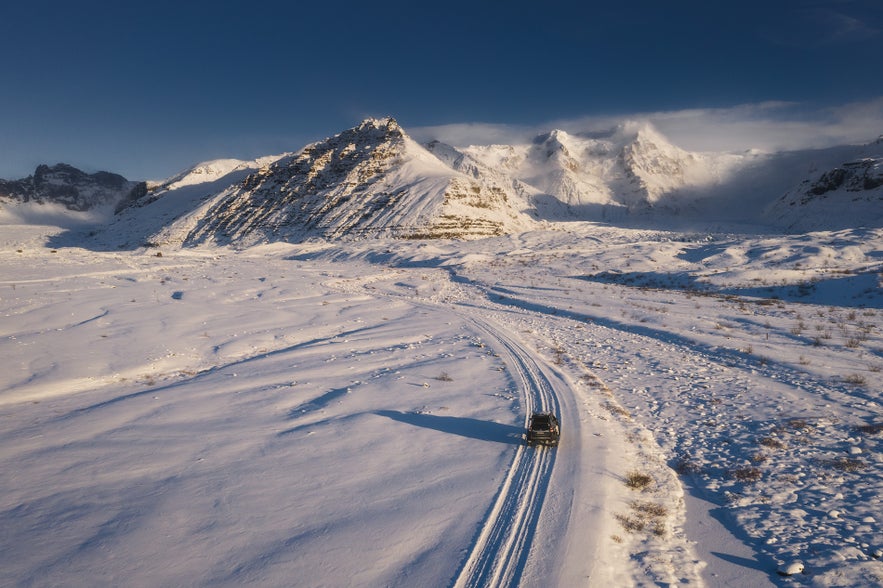 Driving in Iceland in winter requires a solid understanding of the country’s unique road conditions. In February, roads can range from clear asphalt to snow-covered or icy surfaces, often changing within a short distance.
The main Ring Road and major highways are usually plowed and maintained year-round, but temporary closures can occur depending on heavy snow, icy conditions, or strong winds. Rural roads, mountain passes, and Highland routes (F-roads) are often closed for the season.
Black ice is common, especially in shaded areas and on bridges, making it essential to drive slowly and carefully. Strong winds can create snowdrifts, reducing visibility and making some roads temporarily impassable. Road conditions can also deteriorate rapidly during a storm, so checking official sources before every drive is crucial.
The Icelandic Road and Coastal Administration provides up-to-date road conditions and closures, and the SafeTravel app alerts travelers to extreme weather and hazards. Understanding which routes are open, recognizing signs of icy conditions, and knowing how to respond to sudden changes are essential skills for anyone driving in Iceland in winter.
If you prefer not to drive, guided winter tours and packages in Iceland offer a safe and convenient way to explore winter landscapes. These tours provide expert guidance, comfortable transportation, and access to destinations that may be challenging to reach independently.
Getting Around Iceland in February
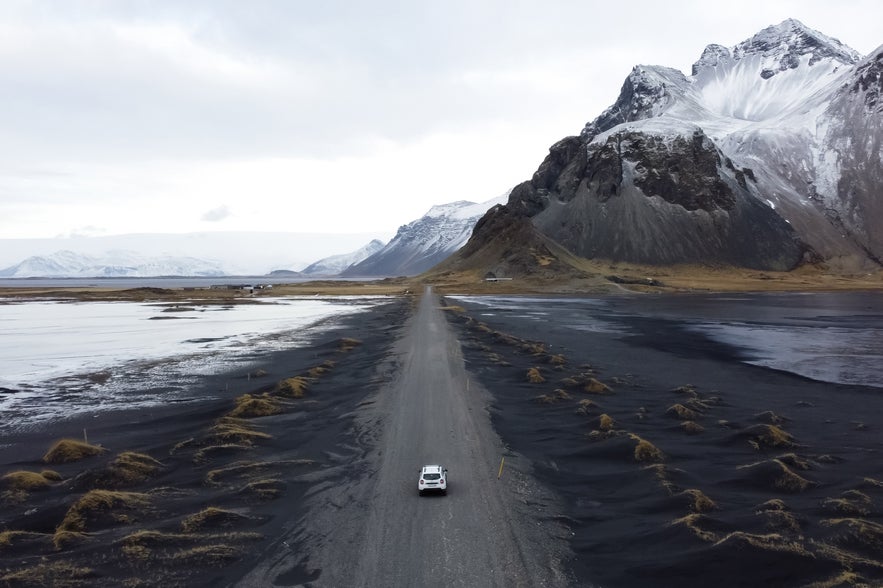 Winter conditions in Iceland can vary dramatically, from clear highways to snow-covered or icy roads, so choosing the right transport method is essential. While guided tours are an option, many travelers prefer the freedom of driving themselves to access remote landscapes, chase the northern lights, and explore at their own pace.
Renting a Car in Iceland for Winter Driving
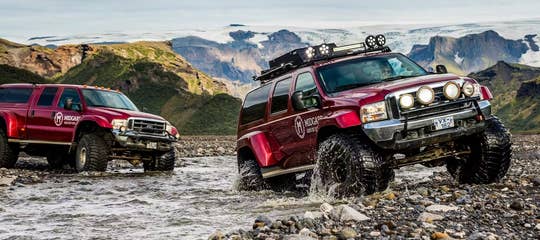
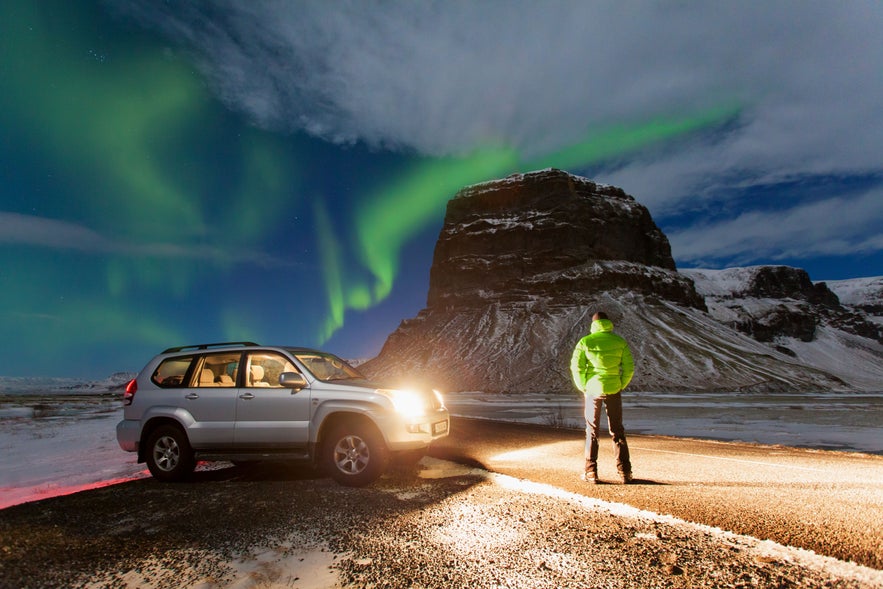 When planning to drive in Iceland in February, selecting the right vehicle is crucial. Most experts recommend a 4x4 or SUV car rental for winter roads, as these vehicles handle snow, ice, and strong winds far better than standard cars.
Renting luxury vehicles or higher-end cars is also available for travelers seeking comfort without compromising safety.
Key considerations when renting a car for winter driving in Iceland include:
-
Studded winter tires: Essential for icy roads.
-
High clearance vehicles: Helpful on rural roads with snowdrifts.
-
Insurance coverage: Opt for winter-specific coverage to protect against storms, gravel roads, and icy conditions.
-
Rental flexibility: Check if swaps or extensions are allowed if road conditions force changes.
For most travelers, renting a car in Keflavik Airport or Reykjavik is the easiest option. This makes it convenient to pick up your vehicle right after arrival and begin your winter adventure immediately. If you’re based in North Iceland, Akureyri car rental options are also available.
Having the right vehicle ensures you can safely explore popular routes like the Golden Circle or South Coast, while still having the ability to venture off the beaten path if conditions allow.
Winter Self-Drive Adventures in Iceland
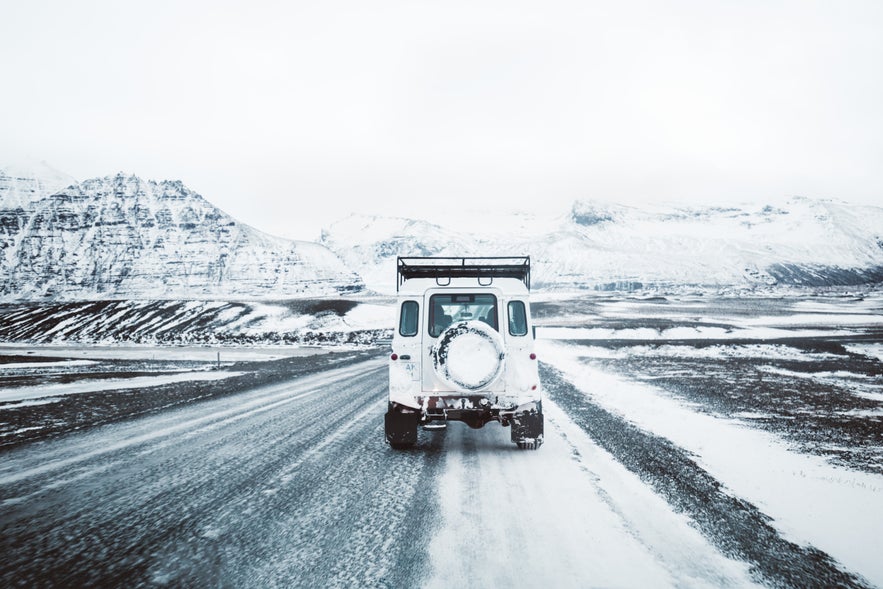 For those who prefer a structured yet flexible experience, self-drive adventures in Iceland combine the best of both worlds. These packages provide a planned itinerary, recommended routes, and sometimes even pre-booked accommodations, while still letting you enjoy the freedom of your own vehicle.
February can also be a relatively affordable time to choose this type of trip. Our study of self-drive tour prices by month found that February is the fourth cheapest month, with a median price of 24,680 ISK per person per day.
Benefits of self-drive packages include:
-
Expertly planned itineraries tailored for winter conditions.
-
Access to iconic sites such as Gullfoss, Skogafoss, and the Solheimajokull Glacier.
-
Opportunities to chase the northern lights on your own schedule.
-
Guidance on safety, weather updates, and road closures.
If seeing the northern lights is a priority, trip length becomes especially important. Our study on how many days you need in Iceland found that five nights gives you a 76% to 95% chance of a sighting.
Whether you choose to rent a 4x4 and explore independently or book a self-drive package, February in Iceland offers the perfect mix of adventure and convenience. With careful planning and the right vehicle, your winter road trip can be safe, comfortable, and absolutely unforgettable.
Top Winter Destinations in Iceland Accessible by Car
 Iceland in February is a winter wonderland, and many of its most iconic destinations are accessible by car, even in snowy conditions. Traveling at your own pace lets you explore dramatic landscapes, frozen waterfalls, glaciers, and volcanic beaches without the constraints of guided tours.
-
Golden Circle: Explore the iconic trio of Thingvellir National Park, Geysir Geothermal Area, and Gullfoss Waterfall. In February, the snowy landscapes add a magical winter atmosphere, and the roads are generally well-maintained for 4x4 vehicles.
-
South Coast: Discover the majestic Seljalandsfoss and Skogafoss waterfalls, walk along Reynisfjara Black Sand Beach, or get up close to the Solheimajokull Glacier. This route is ideal for winter-ready SUVs or 4x4s.
-
Snaefellsnes Peninsula: Often called “Iceland in Miniature,” this peninsula offers lava fields, rugged cliffs, volcanic craters, and fishing villages. Winter brings quiet roads and a serene atmosphere, perfect for scenic drives and photography without the summer crowds.
-
Reykjavik and Surroundings: Even if you base yourself in the capital, short drives can take you to geothermal pools, lava fields, and coastal vistas. Explore sites like the Blue Lagoon or the Reykjanes Peninsula, while enjoying the comfort of well-maintained roads.
-
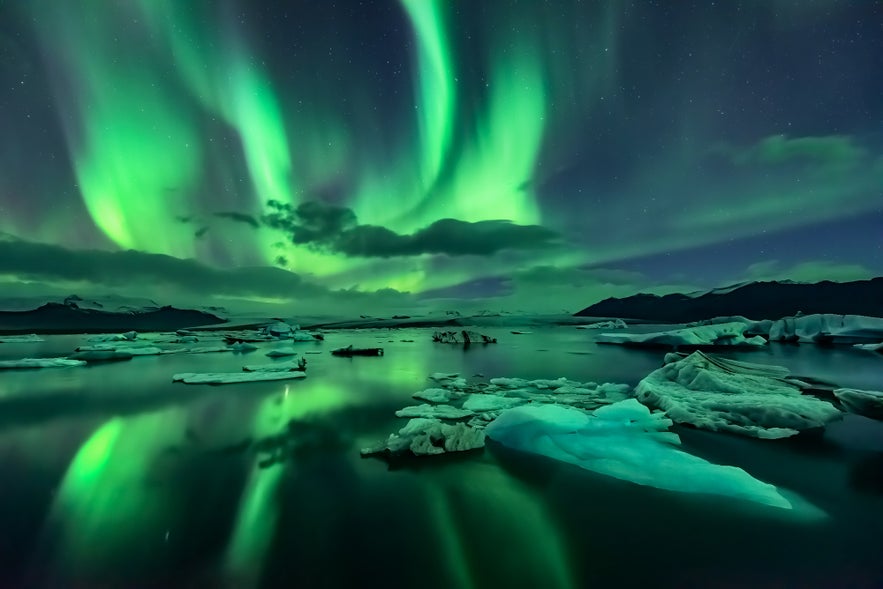
Jokulsarlon Glacier Lagoon: A must-see for winter travelers, this lagoon features floating icebergs and glacial scenery straight out of a postcard. On clear nights, Jokulsarlon is also a fantastic spot to watch the northern lights dancing above the icy landscape.
-
Northern Lights Stops: Away from city lights, any clear night can become a northern lights adventure. Flexible driving allows you to chase the aurora across snowy plains, frozen lakes, and quiet coastal areas for unforgettable winter skies.
Tips for Safe Winter Driving
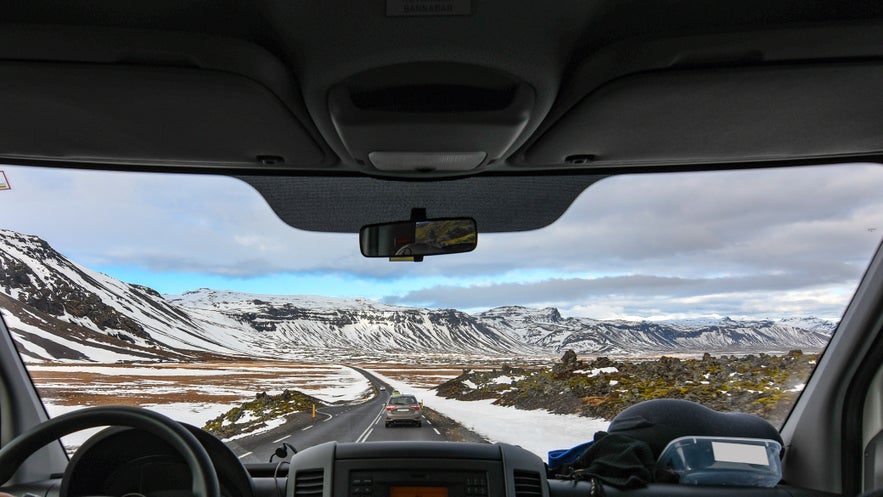 Driving in Iceland in February is thrilling but challenging. Here are some essential safety tips to help you drive confidently and stay safe on Iceland’s winter roads.
-
Check conditions before every drive. Make sure to review the latest road conditions and weather updates, and always keep an eye on any weather warnings.
-
Carry an emergency kit. Include blankets, food, water, a flashlight, and first-aid supplies in case you get stranded or delayed.
-
Drive slowly and increase following distance. Icy roads can appear even on plowed highways, so reduce speed and leave extra space between vehicles.
-
Use headlights at all times. Even during daylight, keep headlights on for better visibility in low winter light, snow, or fog. This helps you see hazards and ensures other drivers can see you.
-
Keep your fuel tank full. Winter driving can involve long stretches between gas stations in Iceland, especially in rural areas, so refuel whenever you can. You’ll often find major chains like N1 and Orkan along major routes, making them a reliable stop during long winter drives.
-
Avoid sudden braking or sharp turns. Abrupt maneuvers can cause skidding, especially on icy or slippery roads.
-
Be cautious on bridges and overpasses. These freeze faster than regular roads, so approach them carefully and reduce speed.
-
Watch for strong crosswinds. High winds are common along the south and east coasts and can push your vehicle, so keep both hands on the wheel and slow down.
-
Look out for sheep and livestock. Animals often wander onto rural roads, so stay alert, especially in marked areas.
-
Plan your route around daylight hours. With only 7 to 9 hours of daylight in February, schedule drives to avoid driving in darkness whenever possible.
-
Stick to main roads if inexperienced. Major routes like the Ring Road are plowed regularly and are safer for winter driving.
-
Pull over or turn back if visibility drops. Don’t risk continuing in whiteout conditions or heavy snow; wait for safer conditions.
-
Don’t be shy to ask locals for real-time advice. They often know which roads are safest and can provide tips for navigating winter conditions.
-
Consider guided winter tours for remote areas. Expert drivers can safely access hazardous or hard-to-reach locations, providing a stress-free way to see Iceland’s winter landscapes.
-
Check out: What To Pack for Iceland for All Seasons
Common Mistakes To Avoid When Driving in Iceland in February
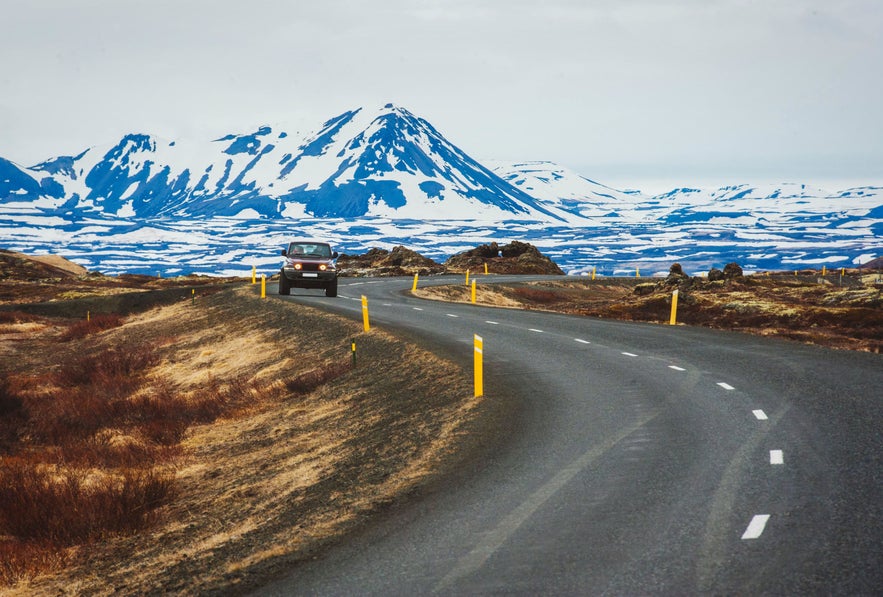 Driving in Iceland in winter is an unforgettable experience, but many visitors make the same mistakes that can put their trip at risk. Here are the most common pitfalls to watch out for:
-
Underestimating road conditions. Many visitors assume plowed roads are always safe. Even main highways can have icy patches, black ice, or snowdrifts.
-
Ignoring weather warnings. Storms and sudden weather changes are common in February. Not checking updates can lead to dangerous situations.
-
Driving too fast for conditions. It’s easy to stick to normal speeds, but icy roads and strong winds require slower, cautious driving.
-
Venturing onto closed or F-roads. Some rural and highland routes are completely closed in winter. Ignoring closures can strand you or damage your vehicle.
-
Skipping tire or vehicle checks. Renting a car without winter tires, insufficient fuel, or improper insurance is a common oversight.
-
Overconfidence in self-driving. Some travelers assume they can handle all conditions without experience; local knowledge and preparation are crucial.
-
Not having an emergency plan. Lack of blankets, food, water, or communication options can turn a minor delay into a dangerous situation.
Wrap up Your Winter Road Trip in Iceland
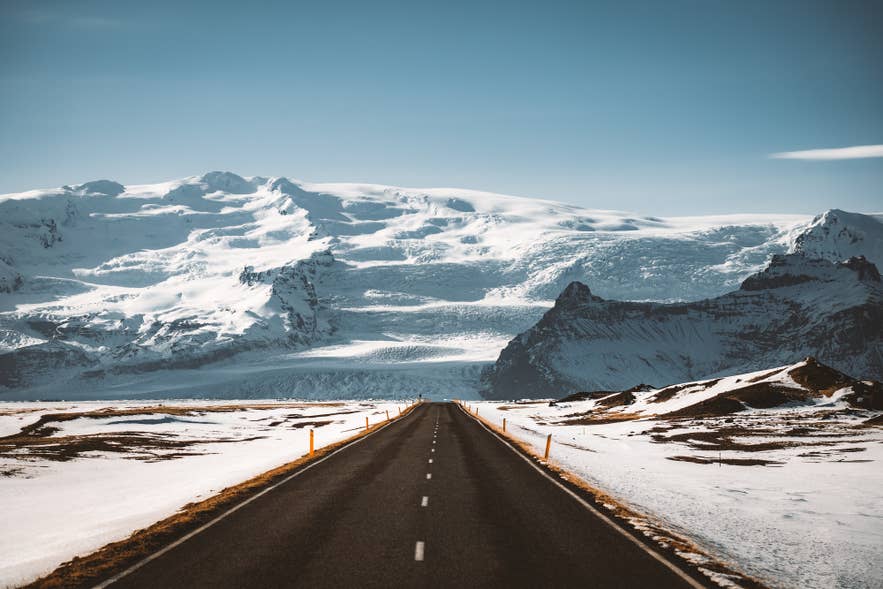 February sits right in the heart of winter, which means conditions can be unpredictable, but with the right planning, it’s also one of the most rewarding times to explore Iceland by car.
Driving in Iceland in February offers a rare chance to experience snow-covered landscapes, frozen waterfalls, and the magical glow of the northern lights at your own pace. By preparing properly, choosing the right vehicle, and following safety tips, you can turn a winter road trip into a memorable adventure.
Whether you plan to rent a car or book winter self-drive tours, Iceland in February is perfect for discovering places off the beaten path. If you’re not confident driving in winter conditions, you can opt for winter vacation packages in Iceland that include accommodations, planned routes, and expert guidance.
Is there a minimum age requirement for driving a car in Iceland?
Do I need an International Driving Permit to drive in Iceland?
What type of vehicle and tires are recommended for winter driving in Iceland?
Is it safe to drive Iceland's Ring Road during the winter months?
Are all main roads and highways in Iceland accessible in February?
What should I do if I encounter a snowstorm while driving in Iceland?
How can I safely navigate steep hills and icy roads when winter driving in Iceland?
How can I stay updated on Iceland winter road conditions and closures?
Planning a winter road trip in Iceland? We’d love to hear from you. Tell us which adventures or attractions you’re most excited about in the comments below!

I was born on the west side of Reykjavík and grew up downtown, so Iceland has been my back yard for most of my life. I'm a father of two, I've traveled on five continents, and I still haven't found a country that holds my attention the way this one does.
That's why I co-founded Guide to Iceland. We connect travelers directly with Icelandic operators, guides and hosts, so the advice and the services both come from people who actually live here.
I write about the practical side of a trip: what eating out in Reykjavík really costs, whether to pick Sky Lagoon or Hvammsvík, where to stop for food along the Ring Road, and which regions give you the best odds of clear skies for the northern lights. If you're planning a trip and something doesn't add up, message me.