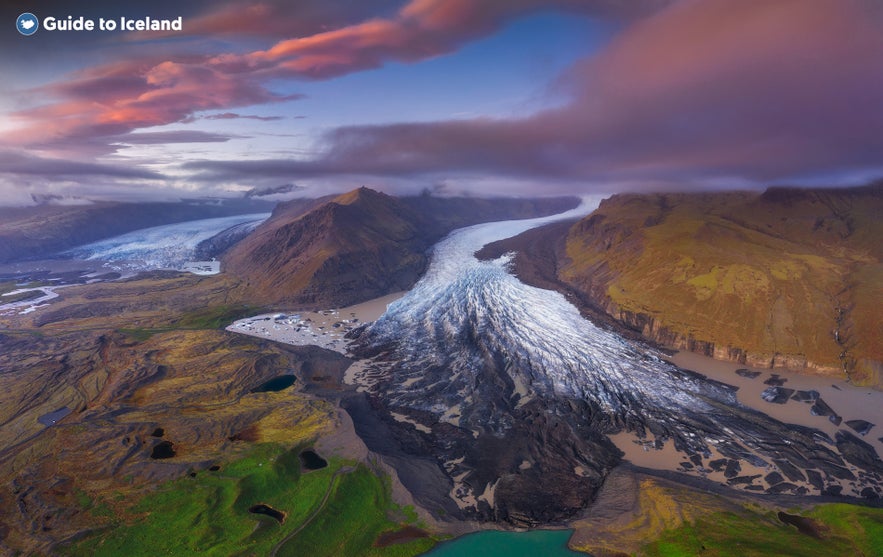
Skaftafell is a nature reserve in Southeast Iceland. This stunning area offers breathtaking landscapes, massive glaciers, lush valleys, and cascading waterfalls. Once a national park in its own right, it is now part of Vatnajokull National Park and features a popular camping site.
With its vast glaciers, Skaftafell has become a prime spot in Iceland for glacier hiking and ice adventures. To fully experience Skaftafell in its breathtaking beauty, take a Skaftafell glacier hiking tour to get up close to the glaciers and ice formations.
Why You Can Trust Our Content
Guide to Iceland is the most trusted travel platform in Iceland, helping millions of visitors each year. All our content is written and reviewed by local experts who are deeply familiar with Iceland. You can count on us for accurate, up-to-date, and trustworthy travel advice.
You can join one of the many guided Skaftafell tours or explore on your own by renting a car in Iceland. It’s also easy to visit other famous sites like Jokulsarlon Glacier Lagoon and Diamond Beach, making Skaftafell a perfect stop on Iceland’s South Coast.
The glaciers around Skaftafell are part of Vatnajokull, one of the major ice caps examined in our study of glacier melting rates in Iceland. Drawing on 135 years of records, the research adds scientific context to the glacier landscapes visitors can explore with a guide.
Read on to learn everything you need to know for your visit to Skaftafell.
Skaftafell at a Glance
-
Location: Southeast Iceland, within Vatnajokull National Park
-
Highlights: Glaciers, waterfalls, lush valleys, and panoramic viewpoints
-
Popular activities: Glacier hiking, ice cave tours, waterfall hikes, and scenic photography
-
Accessibility: By car on the Ring Road or via guided tours from nearby towns
-
Accommodation: Skaftafell camping, hotels in Hofn, and Kirkjubaejarklaustur accommodations
-
Best time to visit: Summer for hiking and photography; winter for ice caves and snowy landscapes
How To Get to Skaftafell Nature Reserve
Before becoming part of Vatnajokull National Park in 2008, Skaftafell was a national park in its own right, known as Skaftafell National Park. This nature reserve is about 205 miles (330 kilometers) east of Reykjavik along the Ring Road (Route 1), making it a perfect stop on South Coast tours and Ring Road trips.
Driving to Skaftafell
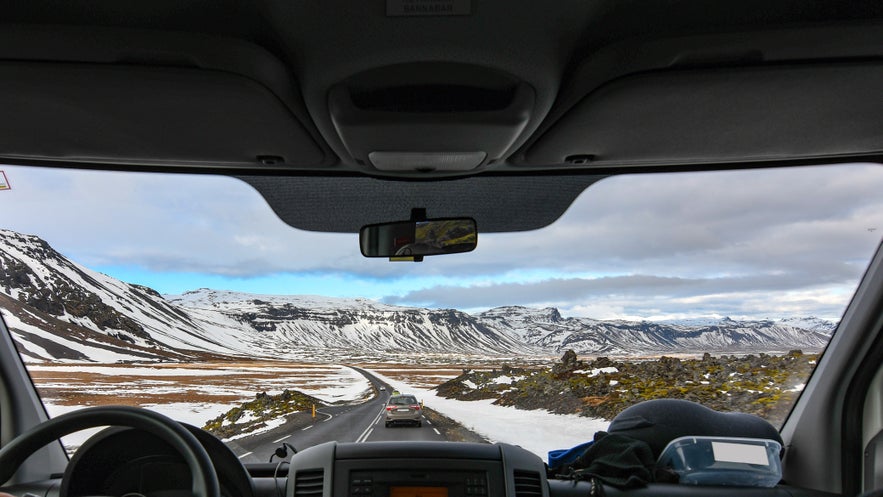 Driving to Skaftafell gives you maximum flexibility to explore at your own pace. From Reykjavik, it’s about a 4–5 hour drive along the Ring Road east through towns like Hella, Vik, and Kirkjubaejarklaustur.
Roads are paved and well-maintained in summer, but winter conditions can be icy and require caution. Parking is available at the Skaftafell Visitor Center, the main starting point for trails and guided tours.
For convenience, consider renting a car in Reykjavik or arranging a Keflavik car rental to combine your Skaftafell visit with nearby attractions like Jokulsarlon Glacier Lagoon and Diamond Beach.
Joining Skaftafell Tours
 If you prefer not to drive, several guided tours run from Reykjavik and the South Coast. These tours often include transportation, a local guide, and stops at iconic highlights such as Skaftafellsjokull Glacier, South Coast waterfalls, and nearby lagoons.
Options range from day trips to multi-day tours, and many include glacier hiking experiences. Guided Skaftafell tours are ideal for first-time visitors or those who want expert insight into the area’s geology, flora, and ice formations. Glacier hiking draws some of the warmest feedback in the country, with one of the lowest rates of negative reviews in traveler ratings of Iceland’s guided activities.
More glacier hikes set off from Skaftafell than from anywhere else in Iceland, so the choice here is about which hike suits you, not whether one is running. The classic three-hour walk is the most booked option in the country and the one most first-timers are happiest with, while the longer routes rate a little higher among people who want more distance on the ice. Our breakdown of how glacier hiking tours in Iceland compare on length and price sets out what each price band gets you.
Skaftafell Weather
The weather in Skaftafell, like much of Iceland’s South Coast, can be unpredictable and change quickly.
Summer in Iceland (June–August) brings mild and generally stable weather, with temperatures ranging from 50–59 F (10–15 C). Winds are usually lighter, and rainfall is less frequent, creating comfortable conditions for outdoor exploration.
Keep in mind, though, that areas near the glaciers, like Skaftafellsjokull, can feel noticeably chillier than the surrounding valleys, even on warm days.
Winter in Iceland (November–March) is colder, with temperatures often dropping below freezing. Snow, ice, and strong winds are common, and daylight hours are much shorter. These conditions can affect road access and trail availability, making weather awareness especially important during winter visits.
Year-round, you should expect wind, occasional rain, and sudden weather changes. Dressing in layers and checking local forecasts before heading out is essential when exploring Skaftafell.
Best Time To Visit Skaftafell
 Choosing the right time to visit Skaftafell can make a big difference in your experience. Here’s a summarized look at the best seasons to explore this stunning nature reserve.
-
Summer (June–August): The peak season and the best time for hiking, sightseeing, and exploring waterfalls. Long daylight hours allow more time on the trails, and most routes around Skaftafellsjokull are fully accessible. It’s also the most popular season for photography and self-drive trips.
-
Winter (November–March): Ideal for ice cave tours, guided glacier hiking, and winter photography. Snow-covered landscapes and icy formations create dramatic scenery, and visitor numbers are lower compared to summer.
-
Shoulder Seasons (May & September): A good balance between accessibility and fewer crowds. These months are great for lighter hiking, photography, and enjoying quieter trails, with changing colors and seasonal landscapes adding to the experience.
Top Attractions in Skaftafell
Skaftafell is packed with natural highlights that make it one of the most rewarding places to explore in Iceland. Whether you’re visiting for a short stop or spending a full day on the trails, these are the must-see attractions in the area.
Svartifoss Waterfall
Svartifoss Waterfall is one of the most famous sights in Skaftafell, known for the dramatic black basalt columns that frame the waterfall. These hexagonal columns were formed by cooling lava and are said to have inspired the design of Hallgrimskirkja Church in Reykjavik. The contrast between dark rock, white water, and green surroundings makes Svartifoss a standout stop in Skaftafell.
Local Recommendation: Hiking to the “Black Waterfall” is one of the most popular things to do in Skaftafell. The hike to Svartifoss starts at the Skaftafell Visitor Center and follows a well-marked trail through gentle inclines and forested sections. The round-trip hike takes about 1.5 hours, making it accessible for most visitors with basic fitness.
For photography, visit earlier in the morning or later in the afternoon to avoid crowds. Overcast days work especially well, as they soften shadows and bring out the texture of the basalt columns.
Skaftafellsjokull Glacier
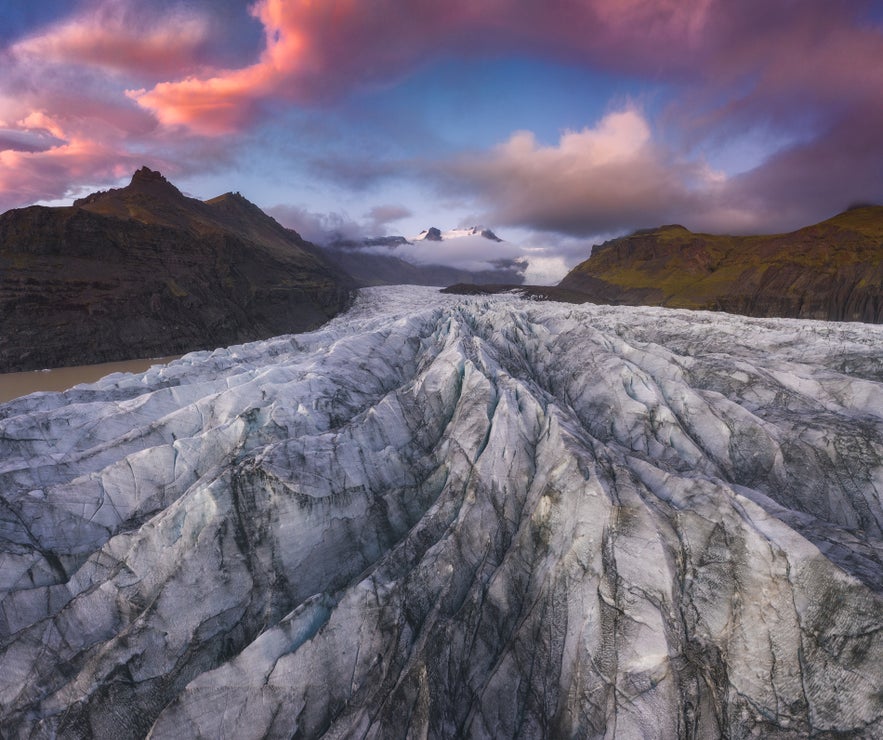 Skaftafellsjokull is one of the most accessible outlet glaciers of Vatnajokull and a highlight of the Skaftafell area. The glacier tongue stretches down from the ice cap, creating a dramatic landscape of ice ridges, crevasses, and meltwater streams.
A clearly marked walking path leads from the parking area to several safe viewing points near the glacier’s edge. These viewpoints allow visitors to see the glacier up close while staying within designated safety zones.
Local Recommendation: At the top of the list of things to do in Skaftafell is joining a Skaftafell glacier hiking tour. Explore the ice safely with a guide, walk across the glaciers, discover unique ice and rock formations, and get up close to areas of the glacier that can’t be seen from the regular trails.
When photographing the glacier, look for blue ice details, ice caves in winter, and strong contrast between ice and surrounding volcanic terrain.
Sjonarnipa Viewpoint
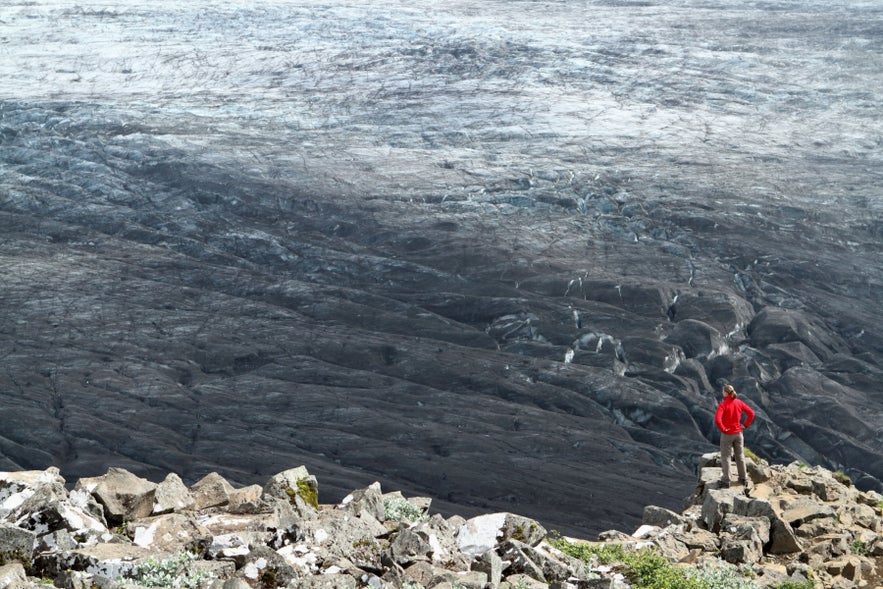 Sjonarnipa Viewpoint is one of the best panoramic viewpoints in Iceland. From the top, you’ll see sweeping views over Skaftafellsjokull Glacier, the surrounding valleys, and the vast Vatnajokull ice cap stretching into the distance.
The viewpoint provides a perfect spot for photography, taking in panoramic landscapes, and appreciating the dramatic scale of the South Coast’s glaciers and mountains. On clear days, the contrast between ice, rock, and greenery creates a striking, ever-changing scene that captures the natural beauty of Skaftafell.
Local Recommendation: The hike to Sjonarnipa is moderately challenging, with a steady uphill climb from the visitor center. The trail is well-maintained, and the reward at the top makes the effort worthwhile. Expect the hike to take around 2–3 hours round trip, depending on pace.
The best time for photos is on clear days when visibility is high. Early morning and late afternoon offer softer light and fewer people, making it easier to capture wide landscape shots.
Kristinartindar Peaks & Hiking Trails
 The Kristinartindar Peaks are among the most challenging hikes in Skaftafell and are best suited for experienced hikers. The trail climbs steeply and offers some of the most dramatic views in the area, including glaciers, mountain ridges, and deep valleys.
There are multiple route options, ranging from demanding half-day hikes to longer, more strenuous climbs. Elevation gain is significant, and weather conditions can change quickly at higher altitudes.
Proper hiking boots, layered clothing, food, and water are essential. Always check trail conditions at the visitor center before starting, and avoid this hike in poor weather or low visibility.
Local Recommendation: For a guided experience, this hiking tour along the Kristinartindar Route in Skaftafell Nature Reserve is among the best things to do in Skaftafell. It’s a great option, combining scenic trails with expert guidance and insights into the area’s unique landscape.
Vatnajokull’s Crystal Blue Ice Cave
 Exploring the crystal ice cave of Vatnajokull is one of the most unique experiences in Skaftafell and is best suited for visitors joining guided ice cave tours. These natural caves form seasonally in the glacier, creating stunning blue ice formations, tunnels, and crevasses that are impossible to access safely on your own.
Weather conditions and glacier stability can change quickly, so tours are only offered with experienced guides who provide safety equipment and instructions.
Warm, layered clothing, sturdy boots, gloves, and helmets are essential. Always book with a certified guide and follow all safety recommendations.
Local recommendation: Joining a Vatnajokull ice cave tour & glacier hike from Jokulsarlon is one of the top things to do in Skaftafell. Walk through crystal-blue ice caves, navigate crevasses, and learn about the glacier’s geology with an expert guide.
For the more adventurous, the Vatnajokull ice climbing & glacier hiking tour lets you scale the glacier walls safely, while those on glacier hikes can admire formations and frozen landscapes that are impossible to see from the trails.
Other Notable Waterfalls & Nature Spots
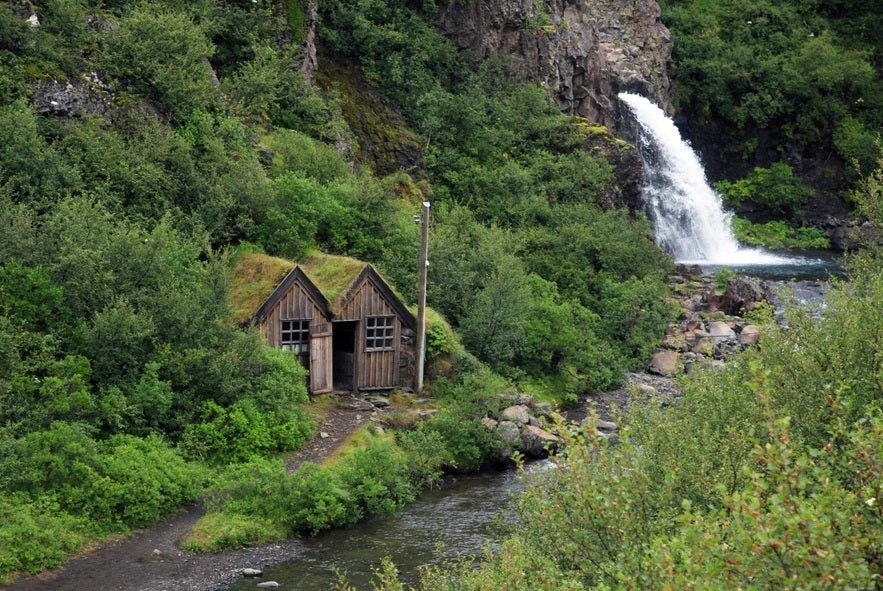 Beyond Svartifoss, Skaftafell is home to several lesser-known but equally beautiful waterfalls. Hundafoss and Magnusarfoss waterfalls can be seen along hiking routes near the visitor center, often with far fewer visitors. These quieter spots are ideal for travelers who want to experience Skaftafell beyond the main attractions.
Nature lovers will also enjoy the lush birch forests, moss-covered lava, and glacial rivers scattered throughout the reserve. These features make Skaftafell unique compared to other parts of Iceland.
The Skaftafell Visitor Centre
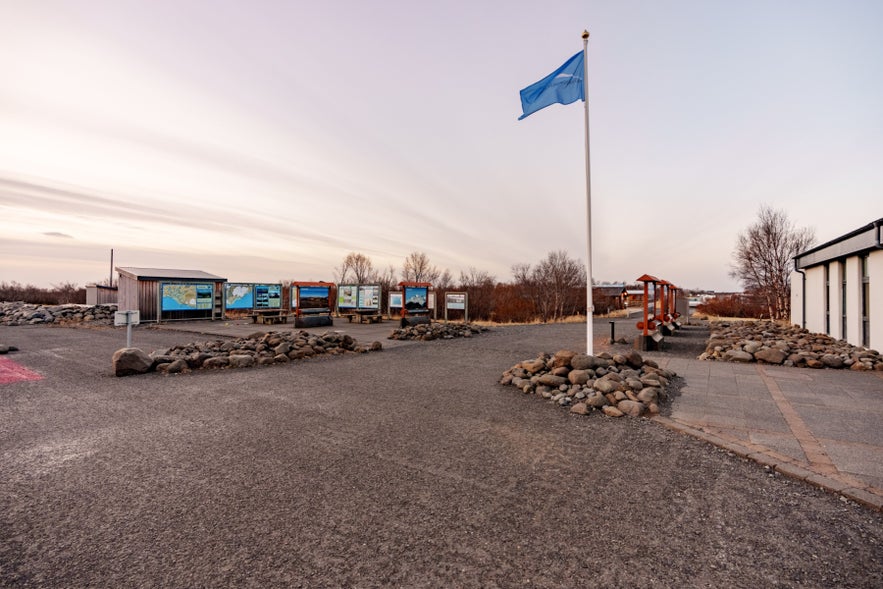 The Skaftafell Visitor Centre is the main hub for anyone exploring the area. It’s the perfect place to start your visit, with staff ready to answer questions about the nature reserve, its history, and the geology of the surrounding landscapes.
Inside the centre, you’ll find detailed maps, trail guides, and information on nearby hiking routes, glaciers, waterfalls, and other recreational opportunities. The Visitor Centre also provides tips on safety, weather conditions, and practical advice for making the most of your time in Skaftafell Nature Reserve.
Many guided tours begin here, and it’s a convenient spot to plan your day, check trail conditions, or learn about accommodation options in the region.
Nearby Attractions to Combine with Skaftafell
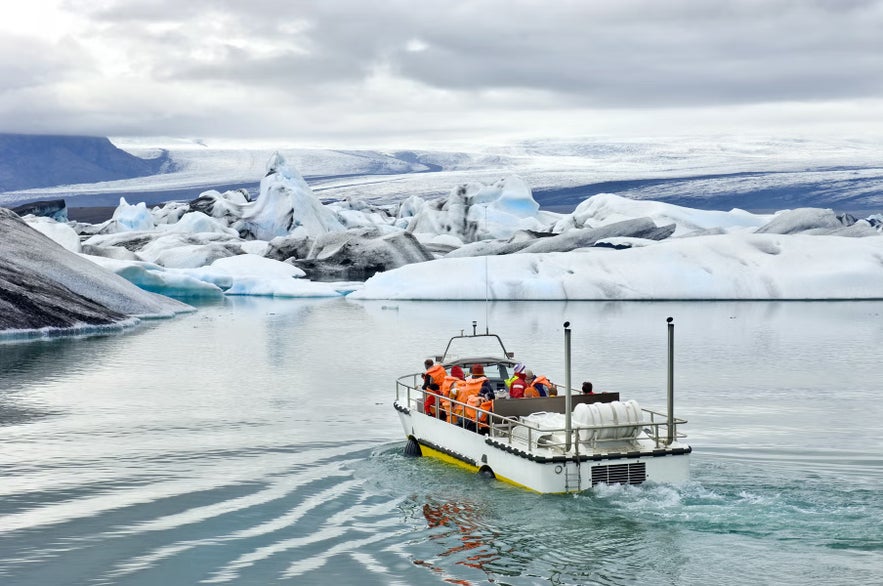 While Skaftafell itself is packed with natural wonders, the surrounding Icelandic South Coast is full of must-see sights, making it easy to combine multiple attractions in one trip.
-
Jokulsarlon Glacier Lagoon (20 miles (32 km) east) – Famous for its floating icebergs, this glacier lagoon offers stunning views and boat tours. A must-see for photographers and nature lovers.
-
Diamond Beach (21 miles / 33 km east) – Just across the road from Jokulsarlon, sparkling ice chunks wash up on the black sand, creating one of Iceland’s most iconic landscapes.
-
Fjadrargljufur Canyon ( 48 miles / 77 km west) – A dramatic, winding canyon carved by glacial rivers. Easy to access with short walking trails and viewing platforms.
-
Hofn (85 miles / 136 km east)– A coastal town known for lobster dishes and accommodations, ideal as an overnight stop after visiting Skaftafell and Jokulsarlon.
-
Reynisfjara Black Sand Beach (85 miles / 137 km west) – Famous for basalt columns, roaring Atlantic waves, and the Reynisdrangar sea stacks. A must-stop along the South Coast.
-
Skogafoss Waterfall (94 miles / 151 km west)– One of the largest and best waterfalls in Iceland, with a staircase leading to panoramic views from above.
-
Seljalandsfoss Waterfall (102 miles / 165 km west) – A unique waterfall you can walk behind, offering incredible photo opportunities at sunset or during summer’s long daylight hours.
Where To Stay in Skaftafell
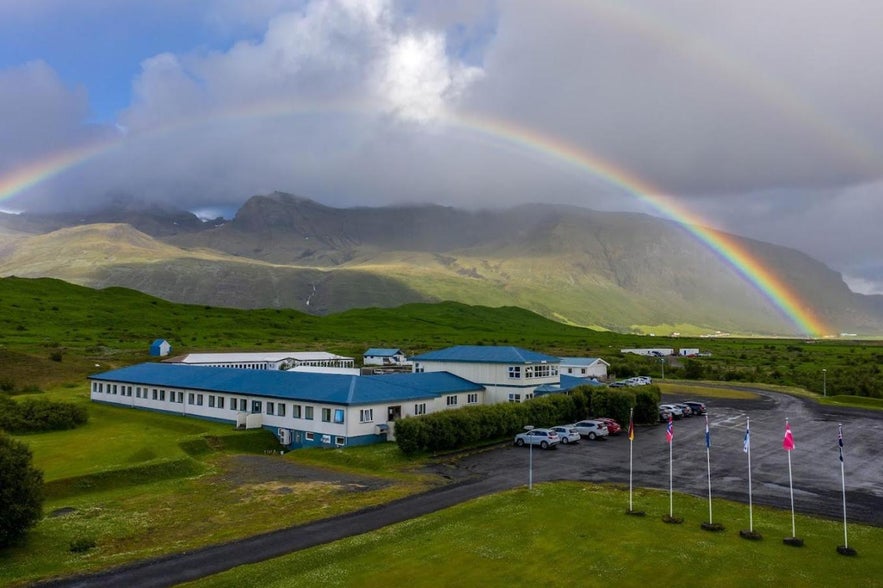 Finding a place to stay near Skaftafell is simple, whether you prefer camping, hotels, or self-drive adventures with a rental campervan.
Skaftafell is one of the best places for camping in Iceland, with the campsite located right next to the Visitor Centre. It has basic facilities, including toilets, showers, and designated parking areas, and it’s perfect if you want to immerse yourself in Icelandic nature. Our study of 128 campsites in Iceland found that Skaftafell gets more praise for its views than any other campsite in the country.
There is also a small hotel at Skaftafell itself, the Hotel Skaftafell. However, it tends to get fully booked early, especially during the summer.
For more options, places to stay in Kirkjubaejarklaustur are popular, located roughly 45 minutes west of Skaftafell. Hotels and accommodations in Hofn also make a convenient base, with the fishing town about a 2-hour drive east of the nature reserve.
Many travelers choose to spend a night in Kirkjubaejarklaustur, explore Skaftafell the following day, and then continue east to Hofn for their next overnight stop. It’s an easy and well-paced way to travel this stretch of Iceland.
Dining Options in Skaftafell
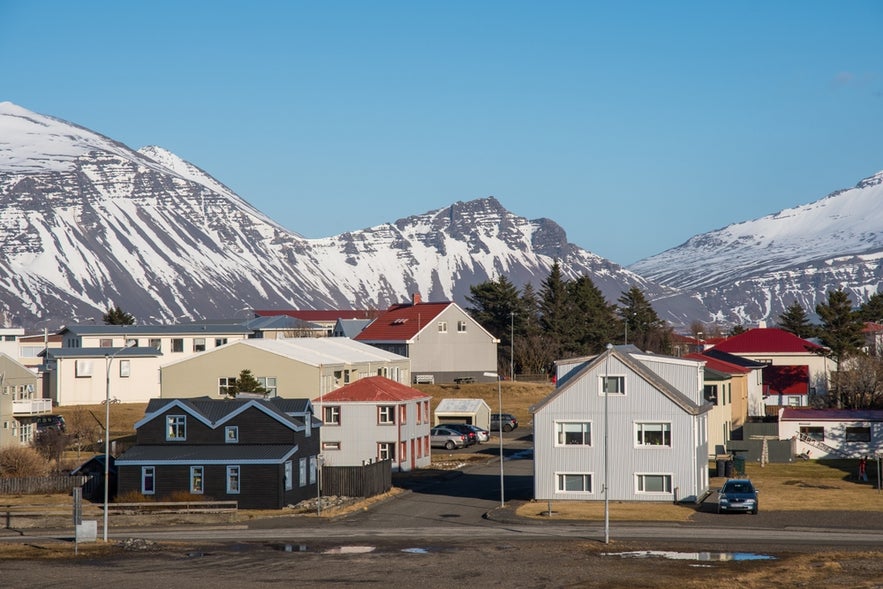 While Skaftafell itself is more about nature than nightlife or dining scenes, there are a few convenient options and nearby choices to fuel your adventure around the reserve.
On‑site:
-
Skaftafell Visitor Centre cafe: The most convenient spot within the nature reserve. It offers light meals, pastries, coffee, and hot drinks, perfect for warming up after a hike or grabbing a bite before heading out.
-
Snack Options at the campsite: During peak season, there are often food trucks or seasonal snack stands near Skaftafell Campsite where you can pick up quick bites and refreshments.
Dining options near Skaftafell:
-
Hotel Skaftafell: The hotel has its own restaurant, making it a convenient choice for hearty meals if you’re staying overnight and want a sit-down option close to the nature reserve.
Nearby town dining (short drive):
-
Kirkjubaejarklaustur (approx. 59 miles / 95 km west): This village has family‑run restaurants serving hearty Icelandic fare, great for lunch or dinner if you’re passing through on the South Coast. We recommend Systrakaffi for a casual meal or Klaustur Restaurant for more fine dining.
-
Hofn (approx. 85 miles / 136 km east): A larger town with multiple cafes, seafood restaurants, and casual dining spots. Hofn is especially known for its fresh seafood, including langoustine (Icelandic lobster). Good options are the legendary Pakkhusid or the cozy Kaffi Hornid.
Travel Tips for Visiting Skaftafell
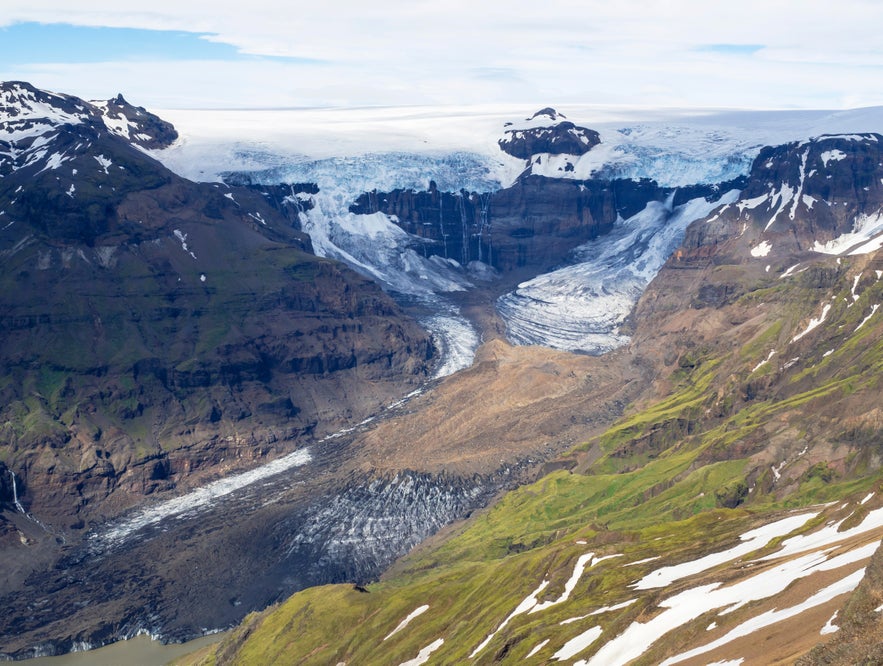 Visiting Skaftafell Nature Reserve is an unforgettable experience, but a few practical tips can help you make the most of your trip:
-
Plan ahead. Skaftafell is popular, especially in summer, so book guided tours, accommodations, and any special activities (like glacier hikes or ice cave tours) in advance.
-
Dress in layers. The weather on Iceland’s South Coast can change quickly. Bring waterproof and windproof clothing, sturdy hiking boots, hats, and gloves, even in summer.
-
Safety first. Stick to marked trails and follow guidance from the Visitor Centre. Glacier hiking, ice caves, and high-elevation trails like Kristinartindar require proper gear and/or a guide.
-
Start early. Trails like Svartifoss and Skaftafellsjokull can get busy. Arriving early helps you enjoy a quieter experience and better photography opportunities.
-
Food & water. Dining options inside Skaftafell are limited. Pack snacks, sandwiches, and water for hikes. For sit-down meals, check the Visitor Centre cafe or nearby towns like Hofn or Kirkjubaejarklaustur.
-
Photography gear. Bring a tripod, extra batteries, and weather protection for your camera. Dramatic glaciers, waterfalls, and panoramic viewpoints like Sjonarnipa make for incredible shots.
-
Combine nearby attractions. Plan to visit Jokulsarlon Glacier Lagoon, Diamond Beach, and other South Coast highlights for a full day or multi-day adventure.
-
Respect nature. Skaftafell’s environment is fragile. Practice good travel etiquette in Iceland by staying on marked paths, avoiding disturbance to wildlife, and taking all your trash with you.
Making the Most of Your Skaftafell Trip
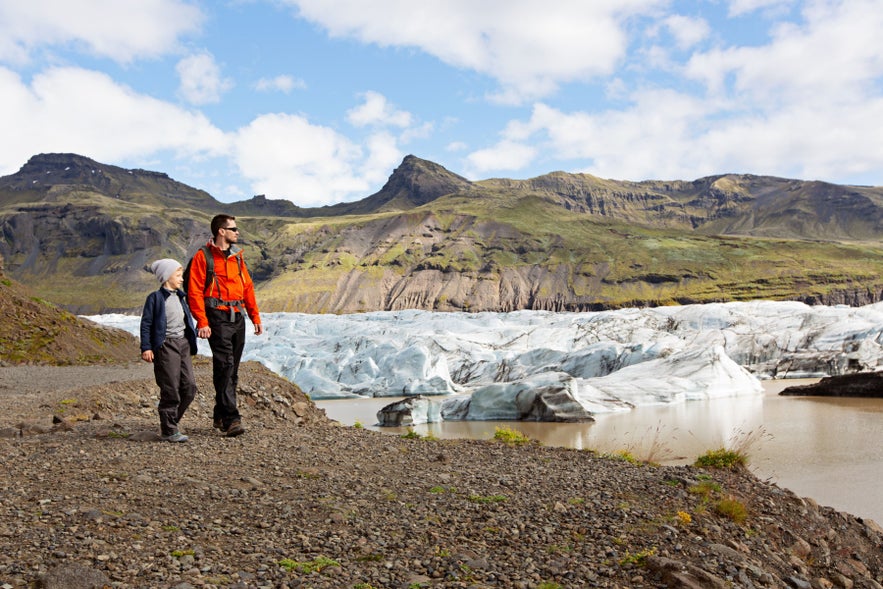 Skaftafell Nature Reserve is one of the best spots to experience Iceland’s South Coast. You’ll find glaciers, waterfalls, and trails with some of the most incredible views in the area.
Plan your visit around the best time to hike, consider joining a Skaftafell glacier hiking tour for a closer look at the ice formations, and don’t miss nearby attractions like Jokulsarlon Glacier Lagoon and Diamond Beach.
Whether you rent a car in Iceland, join one of the many Icelandic tours, or book vacation packages in Iceland, taking the time to prepare, dress appropriately, and respect the fragile environment will ensure an unforgettable adventure in one of Iceland’s most stunning landscapes!
Do I need a guide to visit Skaftafell?
However, if you want to explore glaciers, ice caves, or higher-altitude routes like Kristinartindar, joining Skaftafell tours, guided glacier hiking, or arranged ice cave tours is strongly recommended for safety and local insights.
Are there entrance fees for Skaftafell?
Can I visit Skaftafell Nature Reserve in winter?
How much time do I need to visit Skaftafell?
Are dogs allowed on Skaftafell trails?
Is parking available at Skaftafell?
Which Skaftafell trails are best for beginners?
Are food and drinks available in Skaftafell?