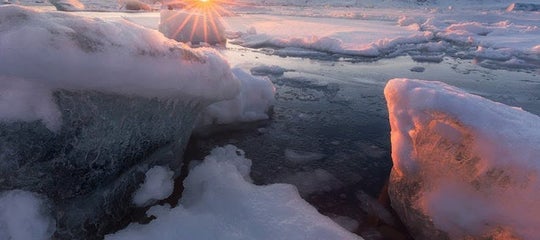
Can you drink tap water in Iceland? What role does water play in Icelandic culture and society? What is the secret behind the international reputation of Icelandic water? How do Icelanders utilize water for energy? Read on to find out everything you didn’t know about Icelandic water.
When travelers talk about Iceland, one thing always stands out: the water. Glaciers cover more than a tenth of the country, feeding river systems that cut through every region and creating more than 10,000 waterfalls in Iceland.
The country’s water flows from glaciers, travels through lava fields, and emerges as some of the purest drinking water in the world. This same water powers Iceland’s many waterfalls, the highlights of many popular tours in Iceland, and runs directly from the tap in accommodations across the country.
Why You Can Trust Our Content
Guide to Iceland is the most trusted travel platform in Iceland, helping millions of visitors each year. All our content is written and reviewed by local experts who are deeply familiar with Iceland. You can count on us for accurate, up-to-date, and trustworthy travel advice.
Whether you're drinking it from the tap, exploring glaciers, or soaking in hot springs, Icelandic water offers an experience unlike anywhere else. Understanding Icelandic water helps travelers appreciate Iceland’s commitment to sustainable tourism.
Here are six surprising facts about Icelandic water based on science, geology, and centuries-old natural processes.
Key Takeaways
-
Iceland’s cold tap water is safe to drink across towns and hotels, even without boiling or filtering. Run the cold tap for a few seconds for the cleanest taste and refill a reusable bottle instead of buying plastic.
-
The eggy smell in Icelandic water comes from hydrogen sulfide in natural geothermal systems. It is harmless, safe for showering, and does not affect the cold tap water in Iceland.
-
Glacier and river water are not automatically safe. Use known clean springs identified by guides or stick to the cold tap.
-
Water powers daily life in Iceland. Hydropower and geothermal energy in Iceland supply most electricity and heat, and even keep some Reykjavik pavements warm in winter.
-
Respect water sites. Keep clear of sneaker waves at Reynisfjara, shower with soap before pools, ask permission at private hot springs, and leave no trace.
7. Iceland is Defined by Water
 Naturally surrounded by the Atlantic Ocean, Iceland’s entire landscape exists because of its unique position on the Mid-Atlantic Ridge. The island rose from the ocean 16–18 million years ago, formed by the “Iceland Plume,” a powerful upwelling of heat that still fuels the country’s volcanoes, hot springs, and geothermal waters today.
Despite its cold reputation, Iceland receives a surprising amount of precipitation. The South Coast can see more than 80 inches of rainfall a year, while Reykjavik averages around 32 inches. This explains why you’ll find an abundance of waterfalls, wetlands, and rivers in Iceland.
 Locals don’t let the weather hold them back. Instead, Icelanders embrace water in all its forms. Water is part of everyday life, whether it’s soaking in geothermal pools or exploring countless lakes in Iceland.
In fact, many of Iceland’s most popular activities bring you closer to exploring the country’s incredible waters. Here are some of the best water-based activities that you can experience in Iceland:
-
Snorkeling: Float between two tectonic plates at Silfra Fissure in Thingvellir National Park, one of the top dive sites in the world.
-
Glacier hiking: Explore the shimmering ice of Solheimajokull or Skaftafell, where meltwater streams and ancient snow constantly reshape the glaciers.
-
Ice climbing: Scale blue-ice walls carved by pressure, time, and flowing meltwater deep within Iceland’s frozen landscapes.
-
Whale watching: Head out from Husavik, Reykjavik, or Akureyri to meet humpbacks, minkes, and orcas in Iceland’s rich coastal waters.
-
Ice-caving: Enter brilliant blue ice tunnels carved by meltwater deep inside glaciers.
-
River rafting: Ride powerful glacial rivers fed by Iceland’s melting ice caps.
-
Boat tours: Experience Icelandic water up close as you cruise past floating icebergs on glacier lagoons or explore the stunning fjords in Iceland.
6. Norse Mythology is Filled with Water Gods

Icelandic water is deeply rooted in the stories that early settlers believed. When Vikings arrived in Iceland, they brought with them Norse mythology overflowing with water gods, giants, spirits, and sea creatures.
Much of this tradition lived on through folklore in Iceland. Living beside the wild North Atlantic, they understood water as both a giver of life and a force to be feared.
For Vikings, water shaped everything. They relied on the ocean for food, travel, and exploration, yet they knew how unpredictable and unforgiving it could be. This deep respect for the sea carried into early Icelandic literature, where poems and sagas describe raging storms, mysterious waves, and spirits beneath the water’s surface.
Midgard: A World Surrounded by Ocean

The early followers of Norse mythology believed their plane of existence to be Midgard (“Middle Earth”), one of the “nine homeworlds” and the only one visible to man. Midgard was said to be surrounded by an impassable ocean, thus immediately aligning it with divinity and ambiguity in Old Norse culture. Though modern science has done wonders toward discovering the ocean’s many secrets, the omnipresent mystery that underlies it is still as real to us as it was to ancient people.
Ægir and Rán: The Lord and Lady of the Sea
 One of the most important water deities in Norse mythology, Ægir, is first mentioned in the Prose Edda, a medieval saga written by medieval Icelandic poet, Snorri Sturluson. Ægir is considered to be a Jötunn (a contrast to being a God) and is described as a giant with white hair and a long beard. Widely considered Lord of the Ocean, Ægir is married to the sea Goddess, Rán, with whom they had nine children, the Daughters of Ægir.
The Nine Daughters of Ægir are spirits of the ocean’s waves, each taking a poetic name drawn from the nature of water. These deities were known as Himinglæva (transparent wave), Dúfa (pitching wave), Blóðughadda (red wave), Hefring (rising wave), Uðr (frothing wave), Hrönn (billowing wave), Dröfn (foaming wave), and Kólga (cool wave).
Other Norse Deities Linked to Water and Weather
 Other Norse deities associated with the sea include the God Njörður, personifying seafaring, fishing, wind, and wealth. His son, Freyr, is one of the most important Gods in the canon and was known to represent rain, sunshine, and fertility, while Njörðr’s daughter, Freyja, personified sex, love, and death.
Icelandic folklore features the Nykur, a water spirit said to dwell in rivers and lakes, capable of luring people to drown. Related to the Scandinavian Nix, this legend continues to shape local tales, with stories linked to natural sites like Sveinstekksfoss Waterfall in East Iceland.
5. You Can Drink the Tap Water
 Iceland’s tap water is completely safe to drink and is considered some of the purest water in the world. Icelandic tap water comes straight from glacier melt that has been naturally filtered through volcanic rock, giving it exceptional purity.
The cold tap water in Iceland meets the strict quality standards of the Regulations of Drinking Water and the EU Water Framework Directive. You can safely drink it anywhere in the country, and most cafes and restaurants in Iceland will also gladly offer a free glass of water.
Despite this, bottled water is sold everywhere and is often one of the common tourist traps in Iceland. In fact, the water inside those bottles is the exact same water that flows from the tap. Save your money and bring a reusable bottle instead. Refilling as you travel will also help support Iceland’s commitment to sustainability by reducing plastic waste.

Many travelers are surprised to learn how clean Icelandic water really is. In some remote regions, it is even safe to drink from spring-fed streams. For example, when snorkeling in the Silfra Fissure, you can take a sip of the crystal-clear water during the dive.
Cold tap water in Iceland is always safe to drink, whether you’re in Reykjavik or deep in the countryside. You do not need to boil or filter tap water in Iceland. Just let the tap run for a few seconds to ensure no warm water is mixed in.
If you notice a sulfur or ‘eggy’ smell while showering in Iceland, it’s completely normal. The scent comes from naturally occurring hydrogen sulfide in geothermal water, which helps protect the country’s heating system. It doesn’t linger on your hair or skin, affect laundry, or pose any health risk.
4. Glacier Water in Iceland Isn’t Automatically Safe to Drink
 It’s easy to assume that water from a glacier in Iceland is safe to drink because it looks clean and pristine. But here’s the truth: glacier water isn’t always safe to drink in Iceland.
Most glacier rivers in Iceland carry sediment, minerals, and microorganisms that aren’t visible. Even in untouched landscapes, upstream sources like geothermal vents or bird nesting areas can contaminate the water.
Because of this, locals do not drink directly from glacier rivers. Some highland springs and remote streams are safe, but these are specific locations usually known to guides. If you’re hiking in Iceland without a guide, stick to marked safe sources or rely on the cold tap in towns and accommodations.
3. You Can Bathe in Natural Hot Pools
 One of the most surprising ways to experience Icelandic water is by soaking in a naturally heated hot pool. Nothing else feels quite as authentic as lowering yourself into soothing hot springs in Iceland. The experience is often complemented by the midnight sun or the northern lights in winter.
Iceland has more than 45 discovered hot springs. Sitting on the Mid-Atlantic Ridge, the country’s volcanic heat warms underground water, creating the steamy pools Iceland is famous for.
Do be aware that a large number of hot pools in Iceland are either difficult to find or located on private property. One of the most popular locations, however, is in the Reykjadalur Valley and Landmannalaugar.
It is also important to know that not every hot spring is safe for bathing. Some are so hot that they serve as part of Iceland’s geothermal energy system rather than as bathing areas. Always follow local guidance and posted signs when exploring.
If you prefer something easier to reach, you do not always need to travel far to soak in Icelandic hot springs. Several world-famous geothermal spas in Iceland offer the same naturally heated water in comfortable, well-maintained facilities.
The most iconic is the Blue Lagoon near Keflavik Airport. With its soothing milky-blue water and spa-like atmosphere, it offers a luxurious twist on Iceland’s hot spring tradition. As one of the most popular attractions in the country, it is recommended to book your Blue Lagoon ticket in advance.
There is also a common misconception that all hot springs in Iceland damage your hair. While silica-rich pools like the Blue Lagoon can leave hair feeling stiff or dry if left unconditioned, most natural hot springs in Iceland won’t cause any harm at all.
Hot Spring Etiquette in Iceland
Following these simple courtesies helps keep Iceland’s natural hot springs clean and enjoyable for everyone.
-
Shower with soap before entering any hot pool. This is essential for maintaining water quality.
-
Keep all glass items out of pool areas to prevent accidents.
-
Avoid disturbing stones, algae, or natural features.
-
Respect signs that restrict access during maintenance or high water levels.
-
In remote or privately owned pools, always ask permission before entering.
-
Pack out everything you bring, including trash.
-
Skip sunscreen, oils, or cosmetics that can leave a film on the water’s surface.
2. Icelanders Love the Swimming Pool
 Swimming pools in Iceland are a major part of daily life because geothermal water keeps them open even in winter. In fact, as of 2025, Icelandic swimming pool culture is officially recognized on UNESCO’s List of Intangible Cultural Heritage of Humanity.
More than just places to swim, these pools are wellness centers and cozy social hubs. Locals chat with neighbors and unwind after a long day. Bring a swimsuit, a small towel, and a reusable bottle you can refill at the cold tap on site.
Swimming pools offer one of the easiest ways to experience Iceland’s water. Thanks to an abundance of naturally heated geothermal water, even the smallest Icelandic towns have their own warm outdoor pools.
In Reykjavik alone, there are more than 16 pools to be explored, with more in the surrounding Capital Region. If you plan to explore several of them during your stay, a Reykjavik City Card comes in handy, as it offers free access to many of the city’s public pools.
The Best Swimming Pools in Iceland
 Below are some of the most beloved and unique pools in the country:
-
Laugardalslaug: The largest and one of the busiest swimming pools in Reykjavik. Olympic-sized with multiple hot tubs, steam rooms, saunas, water slides, and a gym.
-
Vesturbaejarlaug: A beloved neighborhood pool known for its cozy hot tubs and relaxed atmosphere. A social hotspot for locals, artists, and community regulars.
-
Sundhollin: Reykjavik’s oldest public pool with a charming mix of indoor and outdoor geothermal pools.
-
Seljavallalaug: One of Iceland’s oldest man-made pools, built in 1925 and nestled between steep green hills in South Iceland.
-
Secret Lagoon: It’s the oldest pool in Iceland and a popular stop on the Golden Circle route. For the best experience, it’s best to book Secret Lagoon tickets ahead of time.
Swimming Pool Etiquette in Iceland
 To keep the water quality exceptionally high for everyone, follow strict swimming pool etiquette in Iceland:
-
Showering naked before entering the pool is perfectly normal. This is required in all Icelandic pools because proper washing keeps the water clean without relying on heavy chlorine.
-
Use the provided soap to wash your hair and body before entering.
-
Wear a swimsuit at all times in the pool and hot tubs.
-
Towels can be rented, but bringing your own saves money.
1. Iceland Exists on Energy from Water
 Icelanders are fortunate enough to have an abundance of water. The country harnesses two natural forms of water to power nearly all of its electricity and heating: hydropower and geothermal energy. Today, 100% of electricity in Iceland is produced from renewable energy.
This reliance on water allows Iceland to keep its carbon footprint low and protect the landscapes that travelers come to see. This sustainable approach allows Iceland to use its natural resources responsibly, from the geothermal systems that heat homes and public spaces to the renewable energy that powers daily life.
Iceland’s Hydropower Comes from Glacier Rivers
 In contrast to popular belief, Iceland uses more hydropower energy than geothermal for electricity generation. As Iceland’s glaciers melt, they feed fast-moving rivers, like the Thjorsa and Laxa Rivers, that have been carefully developed into hydropower plants.
Because glacier melt is steady throughout the year, hydropower remains one of Iceland’s most reliable and abundant energy sources. Travelers can often see these rivers on nature tours in Iceland. You can also pass reservoirs connected to power stations, like Karahnjukar, Burfell, or Hrauneyjafoss, on scenic road trips.
Geothermal Water Heats Homes, Pools, and Hot Springs
While hydropower provides electricity, geothermal water is responsible for heating. Iceland is one of the few countries where almost 100% of hot water for homes, showers, swimming pools, and spas comes directly from underground. This is why showers, radiators, and even public pools feel consistently warm throughout the year.
When you feel the warmth of a geothermal pool or see steam rising from the ground, you are witnessing one of Iceland’s energy sources in action. In North Iceland, Lake Myvatn explorations lead to mud pots and steam vents that feed the Krafla Power Station. In West Iceland, the Deildartunguhver heats nearby communities with some of the highest-flowing hot springs in Europe.
Over 80% of Reykjavik's domestic and industrial heating comes from volcanic activity near the city. In the winter months, even sidewalks are heated to help avoid pedestrian accidents. Water is transferred to the city from giant power plants through several large pipes, clearly visible on a helicopter sightseeing tour.
Why Icelandic Water Is Truly One of a Kind
 Water defines Iceland’s identity in more ways than one. It shapes the land, fuels the nation’s energy, and connects modern life to Viking legends and Icelandic Witchcraft and Sorcery. From waterfalls to geothermal spas and hot springs, every encounter with water in Iceland is shaped by unique geology and a commitment to sustainability.
Understanding why the cold tap is safe to drink or how glacier rivers power the nation helps visitors experience Iceland with a deeper appreciation. By knowing what’s truly special about Icelandic water, you can enjoy nature in Iceland more responsibly.
아이슬란드에서는 수돗물을 마셔도 안전한가요?
아이슬란드에서는 생수가 꼭 필요한가요?
아이슬란드에서 빙하 물은 마셔도 안전한가요?
아이슬란드 폭포에서 바로 물병을 채울 수 있나요?
또한 아이슬란드의 대부분의 폭포는 물살이 강하거나 주변이 미끄러워 안전하게 가까이 다가가기 어렵습니다. 확실히 안전한 식수를 원한다면 찬 수돗물이 가장 좋은 선택입니다.
아이슬란드의 일부 온수가 유황 냄새가 나는 이유는 무엇인가요?
아이슬란드 물이 세계에서 가장 깨끗한 물 중 하나로 여겨지는 이유는 무엇인가요?
아이슬란드 물의 장점은 무엇인가요?
아이슬란드에는 왜 폭포가 그렇게 많나요?
아이슬란드의 온천은 공공인가요, 사유지인가요?
아이슬란드 사람들은 물을 어떻게 에너지로 활용하나요?
아이슬란드에서 뜨거운 수돗물을 마셔도 되나요?
Did you enjoy our article about Icelandic water? What were your favourite water-based activities in Iceland? Please feel free to leave a comment or query in the box below. Tell us if you tried the cold tap, a natural hot pool, or a local swimming complex. Your tips and photos help fellow travellers make the most of their time on the island.

Michael Chapman is a British travel writer living in Reykjavík. A former scuba and lava cave guide, he draws on firsthand experience to write about Iceland’s nature and culture. He’s also the author of Hidden Iceland (2020).