Start planning how to get around Iceland without a car by building your itinerary around organized transport and Reykjavik-based excursions. You can experience waterfalls, glaciers, geothermal lagoons, and even the northern lights without driving, as long as you understand how Iceland’s tour network and public systems operate.
Many travelers choose structured vacation packages that bundle accommodation, transport, and experiences into one streamlined plan. These packages reduce the stress of planning your trip while covering Iceland’s most iconic highlights.
Getting around without a car ranks ninth in our study of the most frequently asked questions about Iceland, and the answer is reassuring. Car-free travel works well thanks to day trips from Reykjavik, multi-day tours, and guided excursions that adjust routes based on road and weather alerts.
Additionally, scheduled airport transfers connect Keflavik Airport, the Blue Lagoon, and central Reykjavik daily. This makes arrival and departure straightforward without a rental car.
Keep reading for a clear breakdown of your transport options, practical tips, and sample itineraries. By the end, you will know exactly how to structure a smooth and efficient car-free trip.
Why You Can Trust Our Content
Guide to Iceland is the most trusted travel platform in Iceland, helping millions of visitors each year. All our content is written and reviewed by local experts who are deeply familiar with Iceland. You can count on us for accurate, up-to-date, and trustworthy travel advice.
Key Takeaways
-
You do not need rental cars to see Iceland’s most famous sights if you base yourself in Reykjavik and use guided day tours.
-
Straeto buses and airport shuttles connect major towns and key hubs, but they are mainly used for commuting, not sightseeing transport.
-
Northern lights tours, Golden Circle trips, and South Coast excursions run year-round and remove the stress of driving, especially during winter in Iceland.
-
Public transport is reliable within Reykjavik, but rural travel in winter depends heavily on weather conditions and road closures.
-
Choosing to travel without a car works best for shorter stays, structured itineraries, and travelers who prioritize simplicity over flexibility.
How To Get From Keflavik Airport to Reykjavik Without a Car
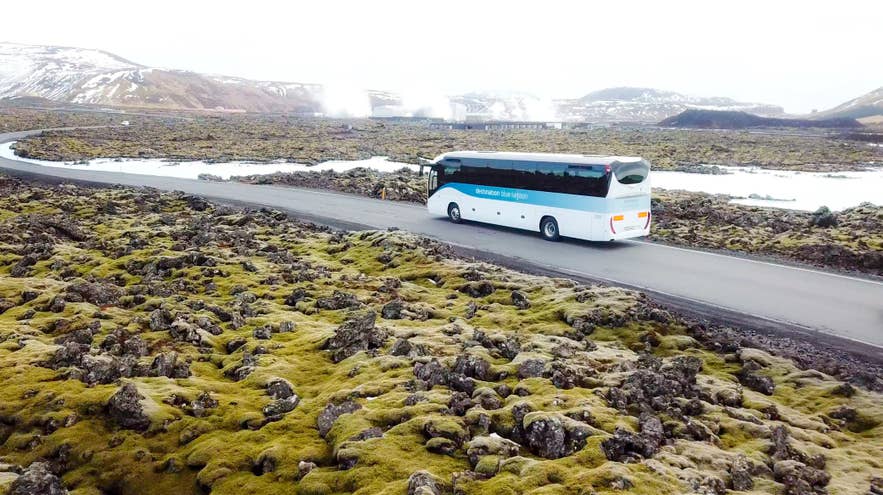
The most important thing to plan first when traveling around Iceland without a car is how to get from Keflavik International Airport (KEF) to Reykjavik. Almost all tours and bus connections are based in Reykjavik, so reaching the capital first makes the rest of your trip much easier to organize.
The airport is 50 kilometers (31 miles) from the city center, and there are no trains between Keflavik Airport and Reykjavik. Taxis are available but expensive, typically costing 20,000 to 30,000 ISK (145 to 220 USD). Here are the main options:
-
Airport Shuttle Bus: The most popular and convenient option. A Flybus transfer from the airport runs after every arriving flight and takes about 45 minutes. You can take an airport transfer to the BSI Terminal or be dropped off near your accommodation.
-
Public Bus (Route 55): The cheapest way to get from Keflavik Airport to Reykjavik at 2,400 ISK (19 USD) for adults, but it takes longer than the dedicated airport shuttle buses. It stops right at the terminal, at the KEF Arrivals stop on the arrivals side. Travel time to the BSI Bus Terminal is about 1 hour and 20 minutes. It runs on a fixed schedule, and luggage space is limited.
-
Blue Lagoon Transfer: An airport transfer to Reykjavik with a Blue Lagoon stop is a good option if you want to visit the geothermal spa immediately after landing. The lagoon is located between Keflavik Airport and the capital, which makes it a convenient first stop.
Getting Around Reykjavik Without a Car

After arriving in the capital, getting around is straightforward. The city center is compact, and most things to do in Reykjavik are within walking distance of each other. If you are staying in downtown Reykjavik, you likely will not need a car at all.
Here are the main ways to get around:
-
Walking: Reykjavik is highly walkable. You can walk from the Old Harbor to Hallgrimskirkja Church in about 15 minutes. Most museums, cafes, and shops are concentrated around the streets of Laugavegur and Skolavordustigur.
-
Electric Scooters: A fast option for slightly longer distances. Use the Hopp app to unlock a scooter and park within the designated zone. Short rides usually cost 1,000 to 2,000 ISK (7 to 15 USD).
-
Public Bus (Straeto): The Reykjavik bus network covers the greater city area. A single 75-minute ticket costs about 690 ISK (5 USD) and is purchased through the KLAPP app.
-
City Tours: A convenient way to explore without navigating on your own. Options include walking tours, food tours, and the hop-on hop-off sightseeing bus.
-
Taxi: Available through companies like Hreyfill and BSR. A short ride across town usually costs 3,500 to 5,000 ISK (25 to 35 USD). Uber and Lyft do not operate in Iceland.
Best Ways To Travel in Iceland Without a Car
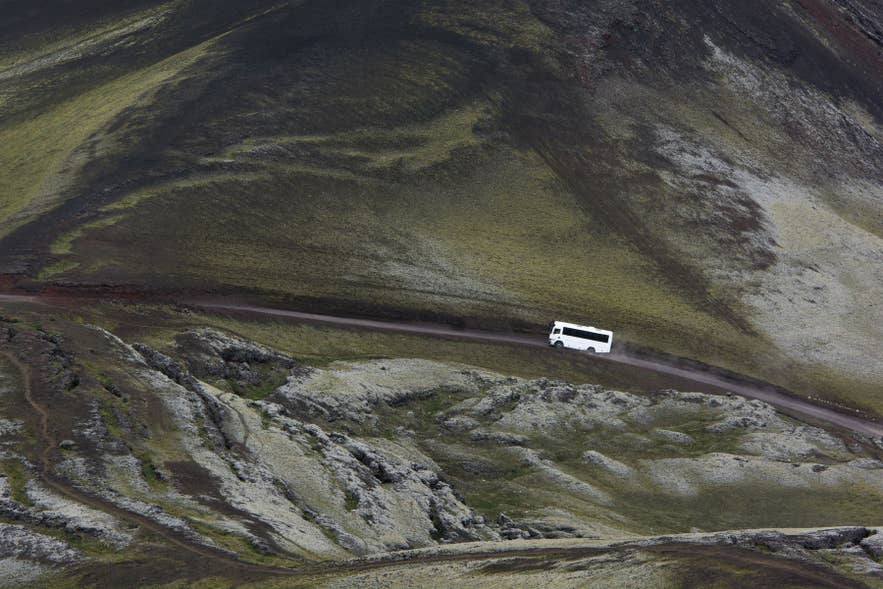
You do not need to rent a vehicle to explore Iceland beyond Reykjavik. With the right mix of domestic flights, public buses, guided excursions, and structured multi-day tours, it is entirely possible to reach waterfalls, glaciers, geothermal areas, and remote regions without driving yourself.
Each transport option serves a different type of traveler. Some prioritize budget and flexibility, others value speed, comfort, or fully organized itineraries. The sections below break down the most practical ways to travel around Iceland without a car, including when each method makes the most sense based on distance, season, and overall travel goals.
Carpooling and Hitchhiking in Iceland
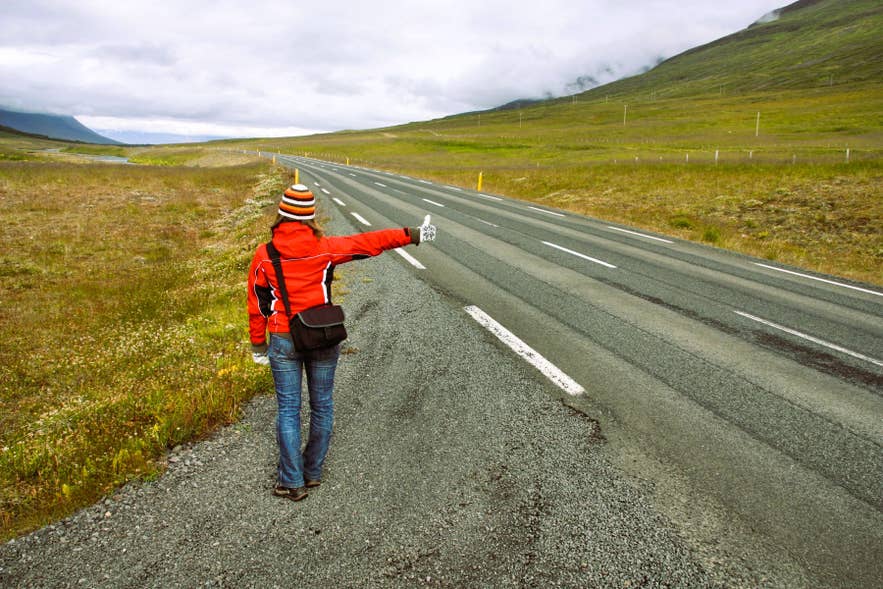
If you are traveling on a very tight budget or want a more local experience, carpooling and hitchhiking are realistic ways to get around Iceland without a car. Both are commonly used, especially during the summer season.
One of the most useful resources is Samferda, Iceland’s main ride-sharing network. Drivers post upcoming trips, and passengers request a seat. You usually contribute a small, agreed-upon amount for fuel, which is often 50 to 70 percent cheaper than taking a bus or domestic flight.
Hitchhiking is also common in Iceland and is generally considered safe, especially during the summer months when traffic is heavier and daylight is nearly constant. However, the weather is the main risk. You should never hitchhike without waterproof clothing and a way to check forecasts.
If you choose this route, always wait at safe pull-off areas such as gas stations or designated bus stops. In winter, hitchhiking is not recommended due to limited daylight, freezing temperatures, and dangerous road conditions that make it difficult for cars to stop safely.
Domestic Flights in Iceland
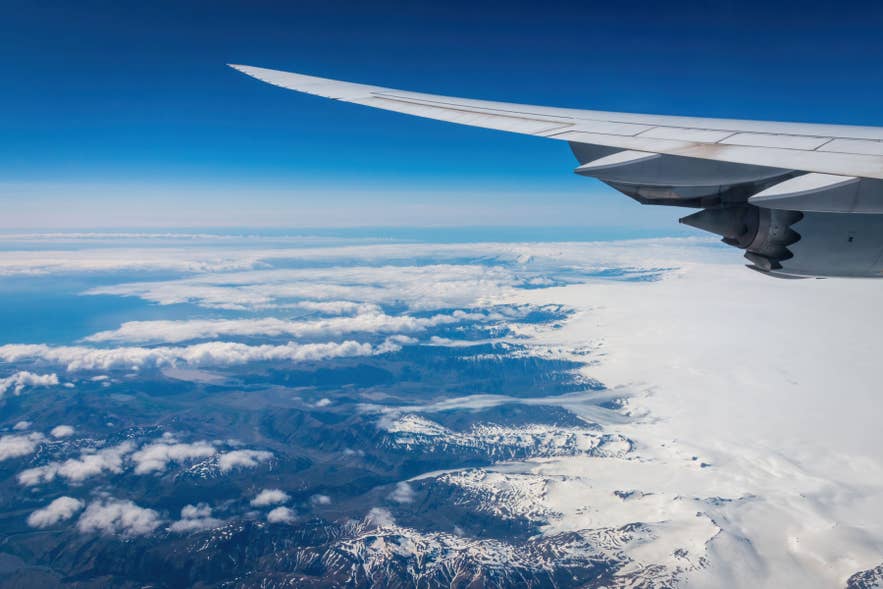
If you want to reach North, East, or West Iceland without spending 7 to 10 hours on a bus, domestic flights are the fastest option. In Iceland, flying is a practical way to cover long distances, especially in winter when road conditions can slow travel significantly.
Most domestic flights depart from Reykjavik Domestic Airport (RKV), located just minutes from the city center and separate from Keflavik International Airport. One-way tickets usually start around 14,000 to 18,000 ISK (100 to 130 USD). Here are the main routes:
-
Akureyri: Flights to Akureyri take about 45 minutes, compared to roughly 6.5 hours by Straeto bus. This is the quickest way to access Lake Myvatn, Godafoss Waterfall, and the rest of the Diamond Circle in North Iceland.
-
Egilsstadir: Flights to Egilsstadir take around 60 minutes, compared to 9 or more hours by bus with transfers. Flying makes it much easier to explore the Eastfjords or visit the Vok Baths without losing a full travel day.
-
Isafjordur: Flights to Isafjordur take about 40 minutes, compared to roughly 7 hours by bus with limited seasonal service. Flying is often the most reliable way to reach the Westfjords, especially in winter.
-
Vestmannaeyjar (Westman Islands): Flights to Vestmannaeyjar take about 20 minutes. While you can also travel by ferry, flying is faster and offers scenic aerial views of the archipelago.
Public Bus Travel in Iceland

Straeto is Iceland’s national public bus network. It is affordable and reliable, but it operates as a commuter system, not a sightseeing service. Buses connect towns and neighborhoods and stop only at designated stations, not at waterfalls or scenic pull-offs along the way.
This makes the bus most useful for travel within Reykjavik or for moving between larger towns. It is also a practical option if you plan to base yourself in one town and go on excursions from there. For example, you can take the bus to Selfoss and use it as a base to explore nearby highlights and discover things to do in Selfoss through organized tours.
In rural areas, bus schedules are less frequent, so it is best to plan around departure times and choose a town that offers organized tour options. Most stops are located in town centers or near gas stations away from attractions, so select a well-connected town where tours depart regularly to nearby landmarks.
To ride, download the KLAPP app to purchase tickets and scan when boarding. Always check Straeto for updated routes and schedules, and note that some countryside routes require pre-booking at least 30 minutes in advance.
Key Strato Bus Routes in Iceland
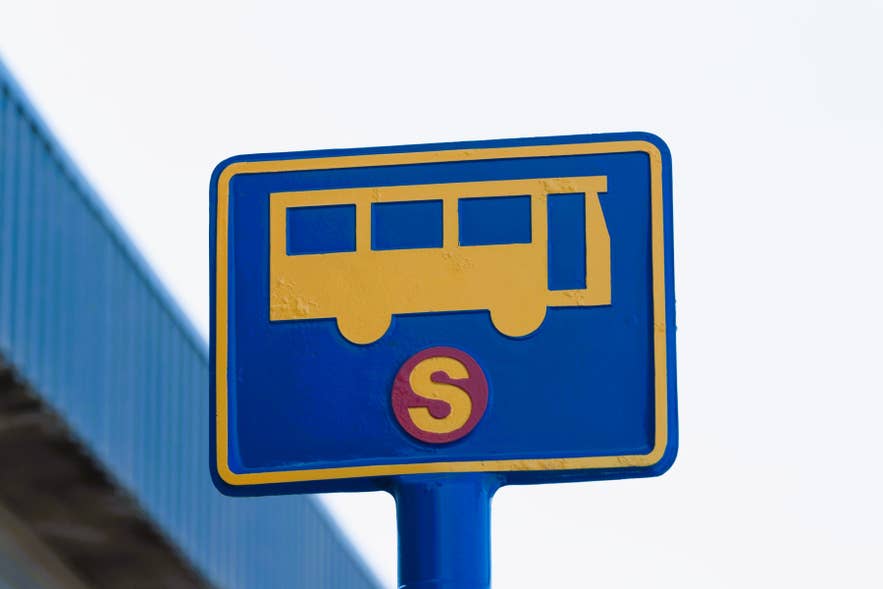
The national network has been reorganized into shorter regional routes that connect key towns and tour-access hubs across the country. Below are the main Strato routes to know when traveling around Iceland without a car.
| Route | Main Connection | Why It Matters for Travelers |
|---|---|---|
| Route 51 | Reykjavik ↔ Selfoss | Frequent service linking the capital to South Iceland towns. Useful if based in Selfoss and taking a Golden Circle tour or a seasonal Highland tour in summer when mountain roads are open. |
| Route 52 | Reykjavik ↔ Vik ↔ Hofn | Long-distance South Coast route. Stops in Vik, a popular South Coast base. Here, you can watch the Lava Show, take a Katla ice cave tour, ATV ride on the black sand beach, and experience a variety of Vik tours. |
| Route 53 | Selfoss ↔ Landeyjahofn | Connects inland South Iceland towns to Landeyjahofn Harbor, where you board the ferry to the Westman Islands. On Heimaey Island, you can hike Eldfell Volcano, visit the Eldheimar Museum, and see puffins in summer. |
| Route 55 | KEF Airport ↔ Reykjavik | Most affordable public bus connection between Keflavik Airport and the capital. It is also practical if you choose to stay in the town of Keflavik, which is close to the airport and convenient for early morning departures or late-night arrivals. |
| Route 72 & 73 | South inland region | Serves Fludir and Laugarvatn in the Golden Circle. You can get a ticket to Fludir's Secret Lagoon and soak in Iceland’s oldest natural pools. Admission to Laugarvatn's Fontana Spa allows you to relax and upgrade with a geothermal rye bread baking experience. |
| Route 50 | Reykjavik ↔ Borgarnes | Reliable link to West Iceland towns and a transfer point toward the Snaefellsnes Peninsula. From Borgarnes, you can head to Stykkisholmur and join a Snaefellsnes day tour or board the Baldur ferry to Flatey Island. |
| Route 57 | Reykjavik ↔ Akureyri | Main northbound route to Akureyri, a key tour hub in North Iceland. Akureyri tours can take you to Lake Myvatn, Dettifoss Waterfall, and a whale watching tour in Eyjafjordur. |
| Route 56 | Akureyri ↔ Egilsstadir | Connects North and East Iceland towns. Egilsstadir serves as a major hub in East Iceland, where you can join a tour that heads to Studlagil Canyon and the Vok Baths, as well as other East Fjords attractions. |
| Route 78 & 79 | North Iceland local lines | Serve Siglufjordur and Husavik from Akureyri. Enjoy water activities like kayaking in Siglufjordur’s fjord. Husavik is one of Iceland’s whale-watching hubs. Husavik tours offer a traditional Skjalfandi Bay boat tour and RIB Husavik whale watching excursion. |
Guided Day Tours From Reykjavik
If you are visiting Iceland without a car, guided day tours are the most practical way to explore beyond Reykjavik. Instead of navigating rural roads yourself, you can base yourself in the capital and join professionally operated excursions with pickup from designated tour bus stops throughout downtown.
Below are some of the most popular and practical day tours for car-free travelers, covering Iceland’s iconic highlights as well as seasonal adventures:
-
Golden Circle Minibus Tour: Small-group day tour to Thingvellir National Park, the Geysir Geothermal Area, and Gullfoss Waterfall, with comfortable minibus transport and expert guidance.
-
South Coast of Iceland Day Tour: Full-day guided trip to Seljalandsfoss Waterfall, Skogafoss Waterfall, and Reynisfjara Black Sand Beach, showcasing dramatic scenery.
-
Snaefellsnes Peninsula Small-Group Minibus Tour: Scenic journey around the Snaefellsnes Peninsula, featuring Kirkjufell Mountain, lava fields, coastal cliffs, and Snaefellsjokull National Park.
-
Landmannalaugar Hiking & Hot Spring Tour: Summer-only Highland adventure to Landmannalaugar, with guided hiking through colorful rhyolite mountains and a soak in a natural hot spring.
-
Inside the Volcano Thrihnukagigur Tour: Unique experience descending into the magma chamber of Thrihnukagigur Volcano, one of the only accessible volcano interiors in the world.
-
Northern Lights Super Jeep Tour: Super Jeep excursion operating during the northern lights season, traveling beyond city light pollution in search of optimal aurora viewing conditions.
-
7.5-Hour Snowmobiling Tour on Langjokull: Glacier adventure combining a scenic drive and guided snowmobile ride across Langjokull, one of Iceland’s largest ice caps.
Multi-Day Tours and Vacation Packages in Iceland
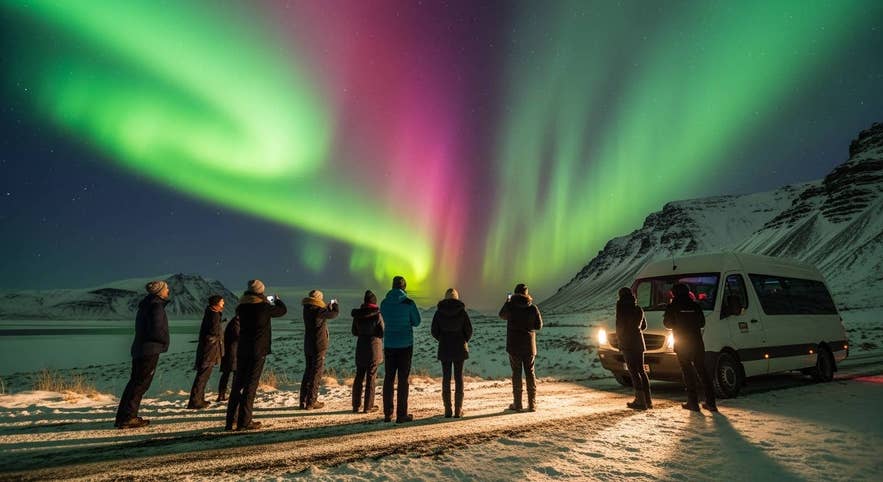
If you want to travel around Iceland without a car, multi-day tours and vacation packages are the most practical options. Both allow you to explore beyond Reykjavik without driving, and both include transportation and overnight accommodation along the route.
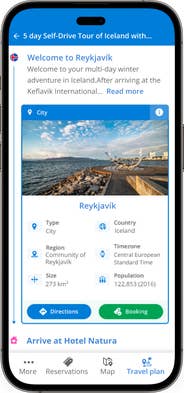
Multi-day guided tours follow a fixed itinerary with set departure dates and a structured schedule. You travel with the same group and guide, stay in pre-arranged countryside hotels, and follow a planned route around the country. Everything is organized for you, from transport to daily activities.
Vacation packages follow a similar multi-day route but offer more flexibility. While transport and accommodation are included, travelers can often choose hotels and add optional experiences such as glacier hikes, ice cave tours, or horse riding excursions.
Multi-Day Tours

These options are ideal if you want to experience the Ring Road or remote regions without the responsibility of driving. Popular choices include:
-
3-Day Northern Lights & Ice Cave Tour: A winter adventure that combines glacier ice caving, Jokulsarlon Lagoon scenery, and dedicated northern lights hunts, with professional guides.
-
3-Day Golden Circle & South Coast Summer Tour With Glacier Hiking: A small-group summer tour covering the Golden Circle, South Coast waterfalls, and a glacier hike near Jokulsarlon.
-
5-Day Hiking Tour From Landmannalaugar to Thorsmork: Multi-day guided trekking through the Highlands, crossing lava fields, rhyolite peaks, and birch forests with expert guidance.
-
8-Day Guided Tour of the Complete Ring Road & Snaefellsnes Peninsula: A group tour that covers the Ring Road and Snaefellsnes Peninsula with stops at waterfalls, glaciers, and geothermal landscapes.
-
11-Day Winter Tour of the Ring Road With Snaefellsnes Peninsula: An immersive winter Ring Road itinerary that includes Snaefellsnes, ice caves, snow-covered waterfalls, and a seasonal experience.
Vacation Packages
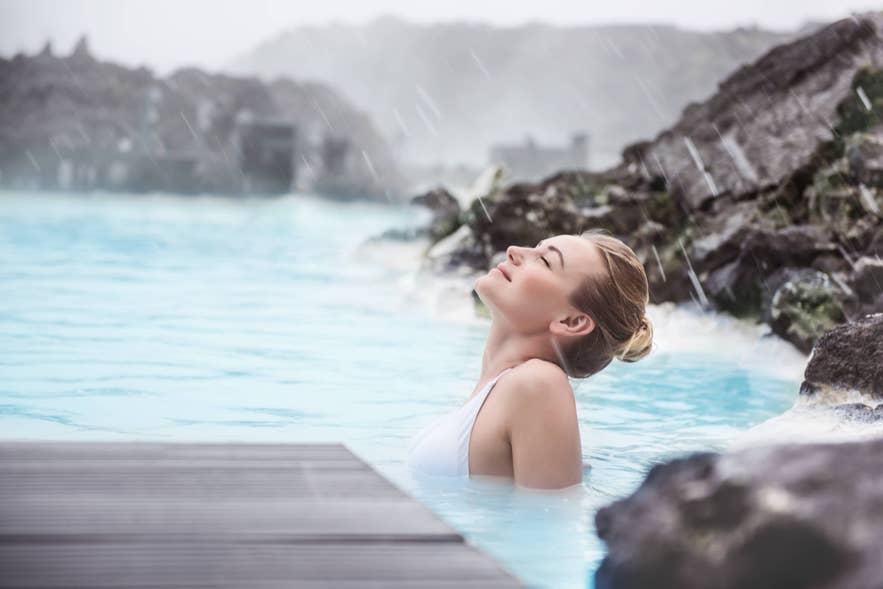
These options are ideal if you want a fully organized itinerary that combines accommodation, transportation, and guided experiences into one seamless plan. Popular choices include:
-
4-Day Summer Vacation Package With the Golden Circle: A compact summer getaway that highlights Iceland’s classic natural wonders, including Thingvellir National Park, Geysir Geothermal Area, and Gullfoss Waterfall, paired with comfortable accommodations.
-
5-Day Northern Lights Winter Vacation Package With the Blue Lagoon: A winter escape that combines a soak at the Blue Lagoon with guided ice cave adventures and aurora hunts.
-
6-Day Summer Vacation Package With Jokulsarlon Glacier Lagoon: A well-rounded summer itinerary that includes South Coast highlights, glacier lagoon vistas, coastal landscapes, and guided experiences.
-
6-Day Northern Lights Adventure Package With Ice Caving: A winter holiday focused on glacier ice caves, aurora excursions, and seasonal landscapes, with tours and transport arranged for you.
-
9-Day Vacation Package With a Guided Tour of the Ring Road: A longer exploration that loops Iceland’s Ring Road with expert guides, covering waterfalls, fjords, lava fields, and glacier views with pre-booked stays.
Sample Itineraries for Iceland Without a Car
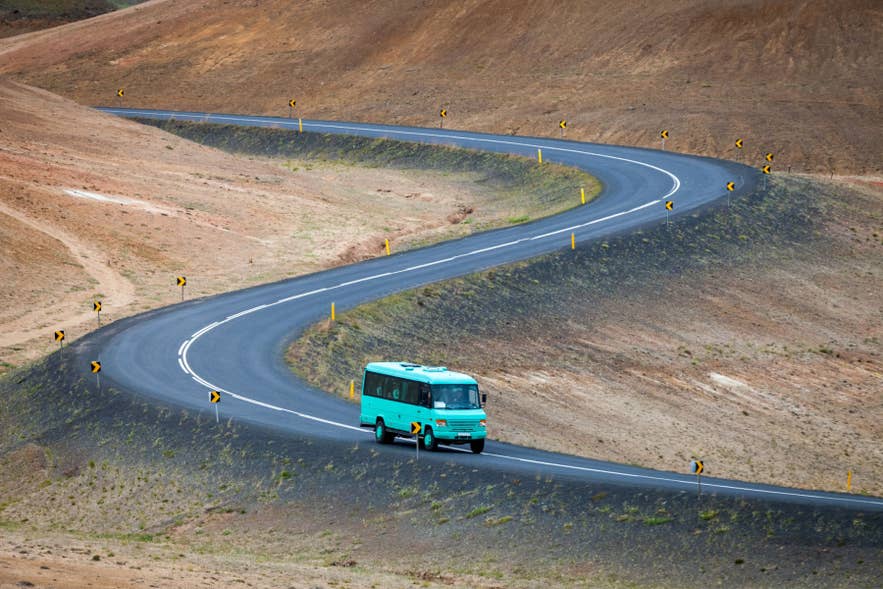
Many travelers assume that visiting Iceland without a car limits them to Reykjavik. In reality, you can explore waterfalls, glaciers, fjords, volcanic craters, and even the Highlands using airport shuttles, domestic flights, and guided tours. These sample itineraries show how to structure a car-free trip based on season, length, and travel style.
Essential Iceland 5-Day Plan
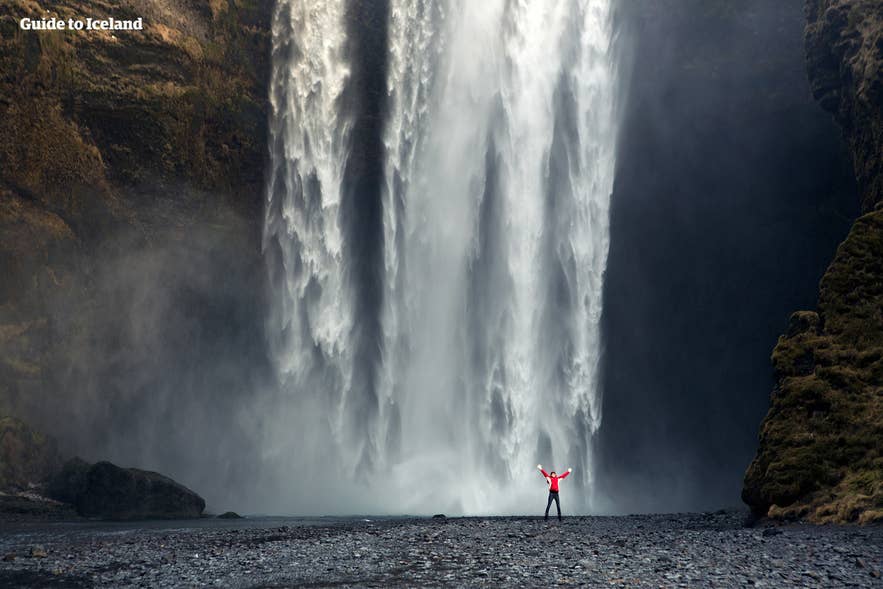
Best for first-time visitors who want to see Iceland’s most iconic highlights while staying in Reykjavik.
Day 1: After landing at KEF, take a pre-booked transfer to the Blue Lagoon. Relax in the geothermal waters before continuing by shuttle to Reykjavik from the lagoon.
Day 2: Join a full-day guided tour to the Golden Circle. Many tours include the Kerid Crater and Fridheimar Tomato Farm, along with the classic stops.
Day 3: Begin a 2-day South Coast tour. Visit Seljalandsfoss Waterfall, Skogafoss Waterfall, and Reynisfjara Black Sand Beach before staying overnight in a countryside hotel.
Day 4: Continue to Jokulsarlon Glacier Lagoon and Diamond Beach. In winter, most tours include a blue ice cave experience before returning to Reykjavik.
Day 5: Explore Hallgrimskirkja Church, the Old Harbor, or Laugavegur Street before taking the Flybus back to Keflavik Airport.
Complete North and South 7-Day Plan
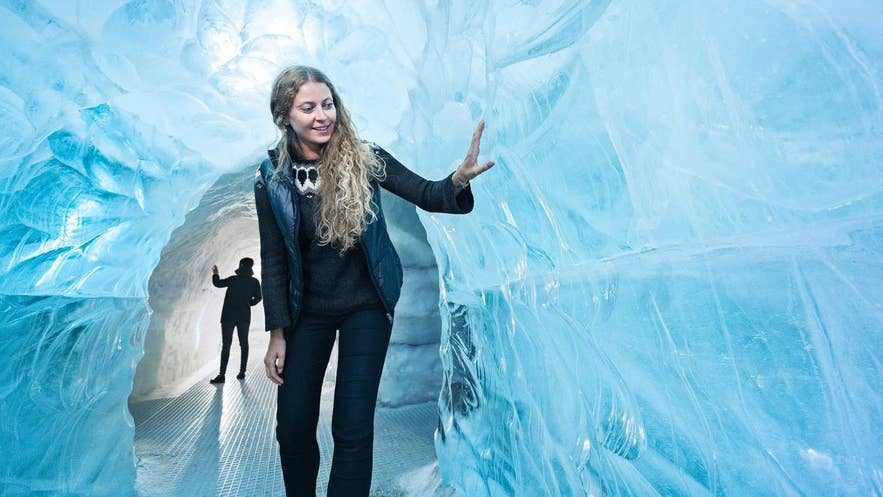
Best for travelers who want to experience both North and South Iceland without driving.
Day 1: Visit Harpa Concert Hall, Perlan Museum, or stroll along the harbor to settle in.
Day 2: Take a guided day tour to Snaefellsnes to see Mount Kirkjufell, lava fields, coastal cliffs, and volcanic landscapes often called “Iceland in miniature.”
Day 3: Take a 45-minute domestic flight to Akureyri instead of a 6.5-hour bus ride. Spend the afternoon exploring Akureyri’s Botanical Garden and enjoy a meal at LYST Cafe.
Day 4: Join a guided tour of the Diamond Circle to see geothermal mud pools, lava formations, and the “Waterfall of the Gods.”
Day 5: Take a whale watching tour from Akureyri’s harbor before flying back to Reykjavik in the evening.
Day 6: Experience Iceland’s most famous Golden Circle tour with a relaxing soak at Sky Lagoon.
Day 7: Enjoy breakfast at BakaBaka Bakery & Pizzeria or Reykjavik Rost and last-minute shopping at Rammagerdin before your airport transfer.
3-Day Car-Free Highlights
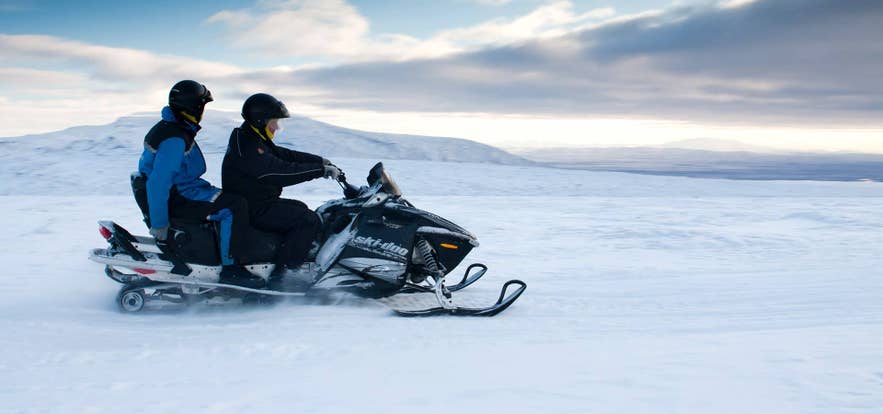
Best for first-time visitors on a short trip who want to experience Iceland’s most iconic landscapes without renting a car while staying in Reykjavik.
Day 1: After landing at KEF, take a pre-booked airport transfer to the Blue Lagoon before continuing by shuttle to one of Reykjavik’s top hotels.
Day 2: Join a Golden Circle tour with snowmobiling on Langjokull Glacier, combining Iceland’s classic sights with a guided ride on the ice.
Day 3: Take a guided South Coast tour with a Katla ice cave experience that covers waterfalls, black sand beaches, and a visit inside a natural glacier cave near Vik. Return to Reykjavik in the evening, with time for a Flybus or airport transfer to KEF if departing late.
Winter Aurora 5-Day Plan
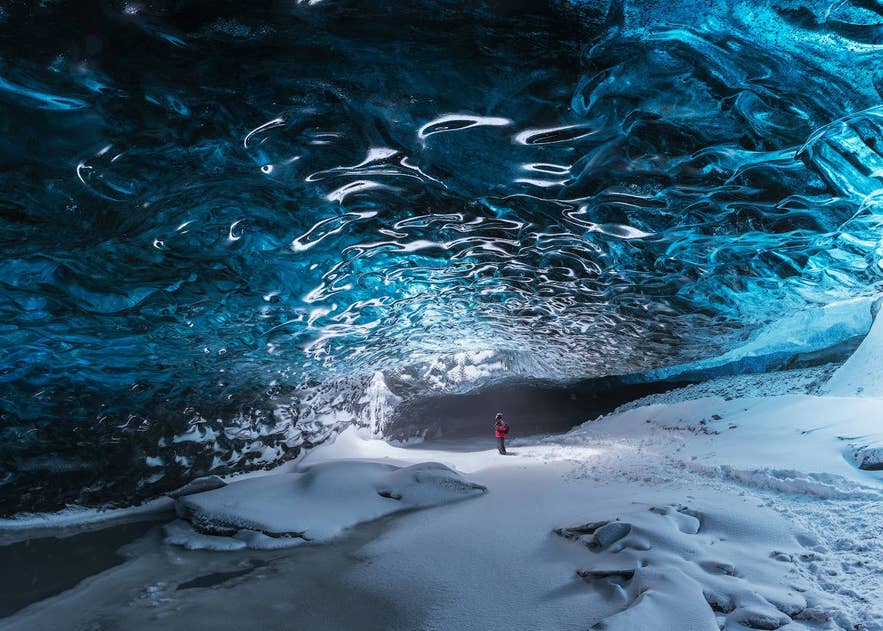
Best for October to March, focusing on winter landscapes and northern lights.
Day 1: After landing at KEF, take an airport transfer straight to Sky Lagoon for a relaxing soak before continuing on to Reykjavik.
Day 2: Join a 2-day South Coast winter tour to see icy waterfalls and visit Jokulsarlon Glacier Lagoon, traveling with drivers who navigate snowy roads confidently and share tips for spotting the northern lights.
Day 3: Step inside a natural blue ice cave in Vatnajokull National Park, where layered glacier walls glow in vivid shades of blue, then return to Reykjavik in the evening.
Day 4: Enjoy a leisurely day in Reykjavik, then, if you have not yet seen the aurora, join a northern lights Super Jeep tour in the evening.
Day 5: Buy last-minute souvenirs at 66 North or Made in Iceland Souvenirs before heading to the airport.
Summer Adventure 7-Day Plan
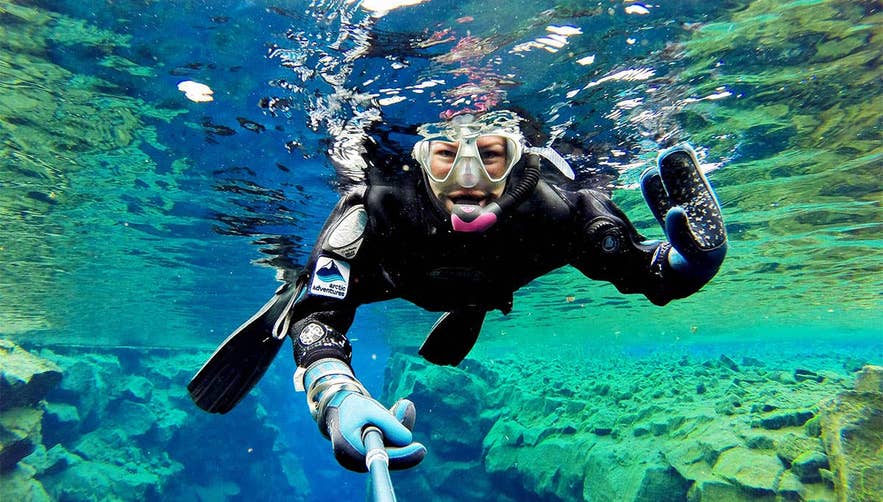
Best for June to August, when the midnight sun’s long daylight hours allow extended exploration.
Day 1: Arrive at KEF, transfer to Reykjavik, settle into your hotel, and join a Reykjavik food walk tour to sample local specialties while getting oriented in the city.
Day 2: Take a 4x4 Highland tour and hike the colorful rhyolite mountains before returning to the city.
Day 3: Take a Golden Circle tour with guided snorkeling between tectonic plates in Thingvellir National Park.
Day 4: Begin a 2-day guided South Coast summer tour covering waterfalls, black sand beach, and a glacier hike.
Day 5: Continue the tour with a boat ride at the Jokulsarlon Glacier Lagoon and stop by scenic South Coast stops before returning to Reykjavik.
Day 6: Experience an ATV ride across black sand terrain followed by a helicopter tour with a mountaintop landing, combining ground-level adventure with panoramic aerial views.
Day 7: Enjoy a relaxed breakfast at the legendary Prikid Cafe before your airport transfer.
Plan Your Trip to Iceland Without a Car
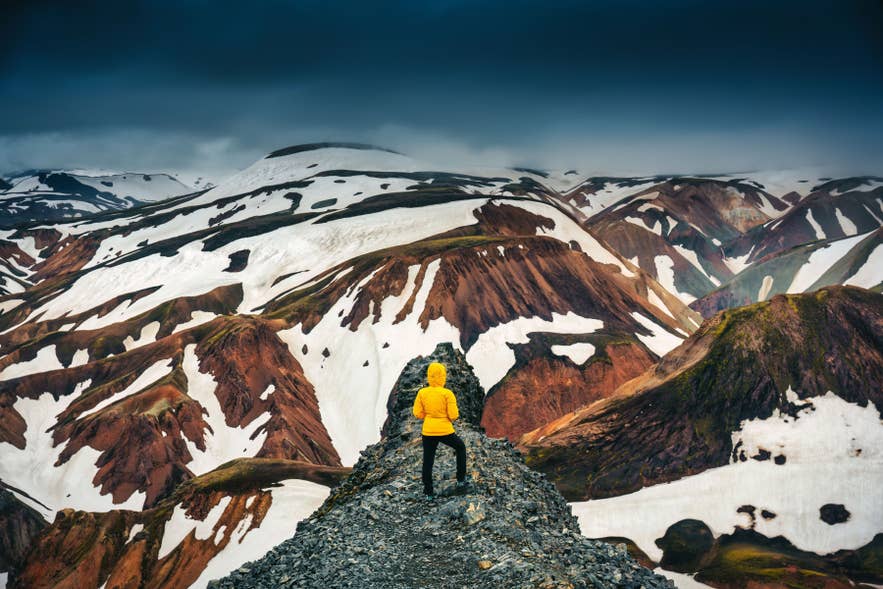
Traveling through Iceland without a rental car is not only possible, but it is also often simpler than visitors expect. If you stay in Reykjavik, you can access the Golden Circle, South Coast waterfalls, Snaefellsnes Peninsula, glacier lagoons, and northern lights tours through well-organized excursions.
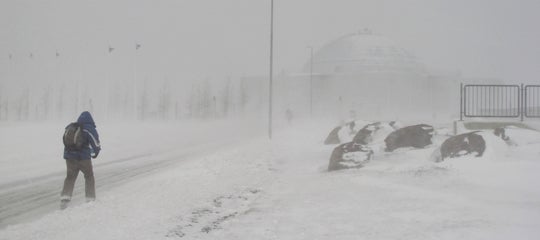
City transport is straightforward with Straeto buses and the KLAPP app, while airport shuttles connect Keflavik Airport and central Reykjavik multiple times daily. During winter storms or volcanic eruptions, guided operators adjust routes in real time, which adds reassurance for travelers unfamiliar with Iceland’s fast-changing conditions.
Choosing to travel without a car comes down to your schedule, comfort level, and how much independence you want. Many visitors find that guided tours provide structure, local expertise, and peace of mind that make the experience smoother overall.
As you prepare for your trip, review what to pack so you are ready for Iceland’s rapidly changing weather and outdoor conditions. It is also important to understand local travel etiquette to help protect fragile landscapes and ensure a safe, respectful experience throughout your journey.
Do I need a car in Iceland?
Domestic flights also connect Reykjavik to Akureyri, Egilsstadir, and the Westfjords. If you are visiting during winter storm season or during periods of volcanic activity, guided tours reduce stress and handle rerouting for you.
Does Iceland have public transportation?
Straeto connects Reykjavik to major towns including Akureyri in North Iceland, Vik on the South Coast, Egilsstadir in the Eastfjords, and Hofn near Vatnajokull Glacier. In 2026, Straeto restructured several long regional routes to improve winter reliability. Tickets within Reykjavik are purchased through the KLAPP app.
Are there trains in Iceland?
Is it easy to travel solo in Iceland without a car?
Iceland consistently ranks at the top of the Global Peace Index. Small-group tours typically carry 12 to 19 passengers and include professional drivers trained in winter road conditions. During northern lights season or unpredictable weather periods, this setup is significantly safer than self-driving.
What is the cheapest way to get around Iceland?
To keep costs low, use Straeto for transport between towns, arrange longer rides through Samferda when schedules align, walk within downtown Reykjavik, and use scooters for short city hops.
Do I need a car in Reykjavik?
Hallgrimskirkja Church, Harpa Concert Hall, the Old Harbour, and Laugavegur Shopping Street are all centrally located. For longer trips within the city, Straeto buses operate frequently, and tickets are managed through the KLAPP app.
Can I see the northern lights without renting a car?
Most northern lights tours operate between September and April, when darkness returns to Iceland. Solar activity has stayed elevated since the solar maximum in late 2024, though cloud cover remains the main limiting factor.
How do I get to the Blue Lagoon without a car?
Is Iceland’s public transport reliable in winter?
Before traveling between towns in winter, check live road conditions, storm and wind alerts, and official travel warnings. If a red weather alert is issued, tours are often canceled proactively for safety.
Are you visiting in winter or summer? And which regions are at the top of your list? Share your plans in the comments so other readers can see how different travelers approach Iceland without a car.

Hi, I’m Richard. I lived in Iceland for a decade, during which I traveled the country extensively and worked as a guide for several leading travel companies. I’m passionate about writing and sharing the best travel experiences Iceland has to offer so visitors can discover and enjoy the magic of this incredible country just like I did.