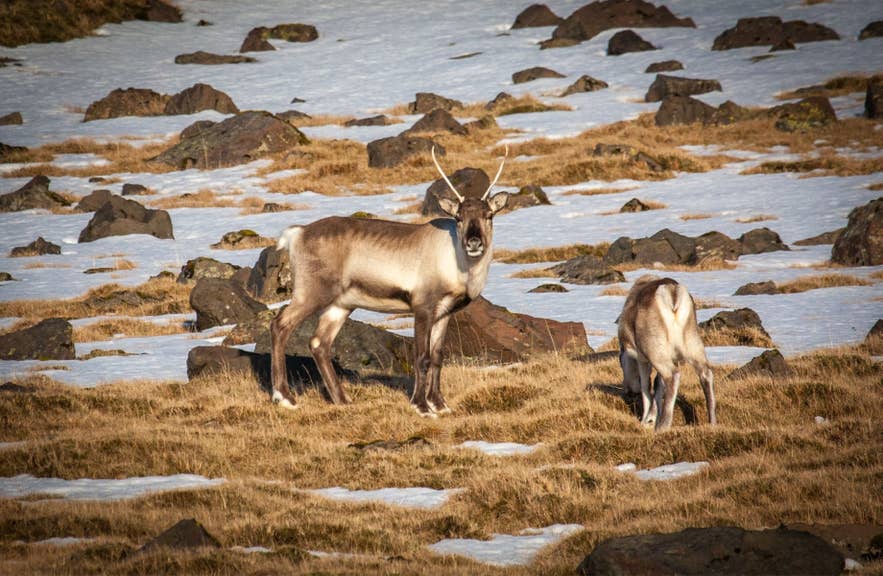
Discover reindeer in Iceland. From East Iceland’s Highlands to its coastal areas, find out where and when you can spot them in the wild. Learn some tips to increase your chances of seeing them and capture stunning photos without disturbing their natural habitat.
Iceland’s reindeer are a rare and unforgettable sight that are only found in one region of the country, East Iceland. Our study mapping Iceland's reindeer herds shows where the wild herds are found throughout the year and ranks five key areas by their likelihood of winter sightings.
Reindeer roam freely from the Highlands to the east coast, but because they move with the seasonal contrasts, timing and location are key to spotting them. This Icelandic wildlife can sometimes be spotted on self-drive tours through the region, or by joining dedicated Eastfjords tours for a better chance of seeing them in nature.
Why You Can Trust Our Content
Guide to Iceland is the most trusted travel platform in Iceland, helping millions of visitors each year. All our content is written and reviewed by local experts who are deeply familiar with Iceland. You can count on us for accurate, up-to-date, and trustworthy travel advice.
Whether you’re renting a car for a scenic Ring Road trip or joining guided tours, encountering reindeer in their natural habitat is a highlight for wildlife lovers on vacations in Iceland.
Read on to learn more about reindeer in Iceland, including where and when to spot them and how to plan the perfect East Iceland adventure.
Key Takeaways
-
Icelandic reindeer only live in East Iceland.
-
Winter is the best time to spot reindeer in East Iceland’s coastal lowlands.
-
Summer is the best time to see reindeer in the Highlands.
-
Reindeer are shy and calm animals.
-
The best way to explore the region is by staying in Egilsstadir.
-
Guided tours offer ethical and safe experiences with expert trackers.
-
Icelandic reindeer are wild, except for a few rescued ones at Reindeer Park.
-
Reindeer hunting is legal in Iceland, but heavily restricted.
-
There are conservation efforts for reindeer in Iceland.
The Curious History of Reindeer in Iceland
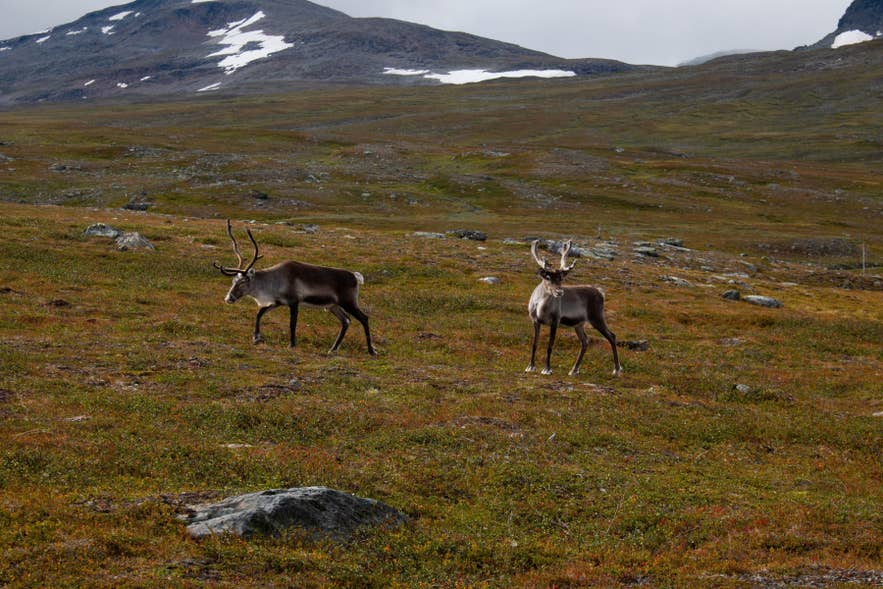 Reindeer in Iceland weren’t always part of the local wildlife. In fact, they were brought to the country by people. What started as a practical experiment in the 1700s has evolved into a unique story of survival in East Iceland.
How Reindeer Came to Iceland
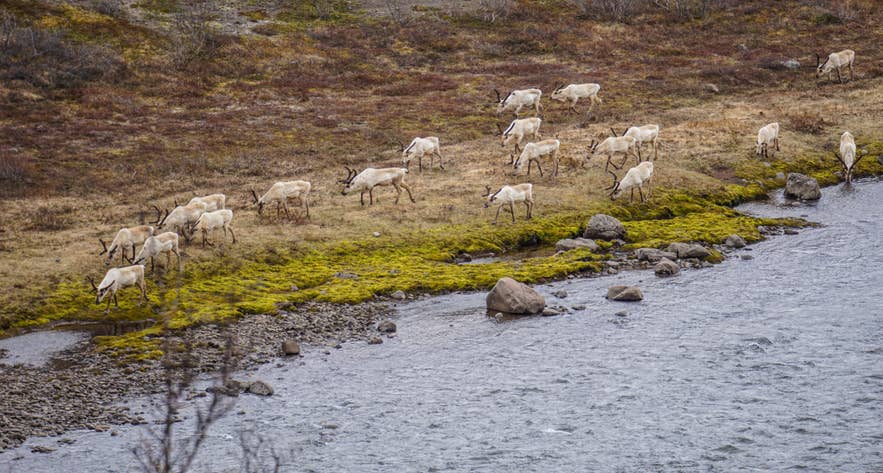 Reindeer aren’t native to Iceland. They were imported from Norway in the 18th century, intended as livestock and as part of broader 18th-century efforts to diversify Icelandic agriculture.
Several herds were released in different regions of Iceland. However, only the group in East Iceland adapted well to the environment.
The plan was always bigger than shipping animals over. A royal decree of April 18, 1787 arranged for a Sami family from Finnmark to settle in Iceland and teach Icelanders reindeer husbandry. The lawman Páll Vídalín had first raised the idea in 1699. The family never came, and officials concluded that Iceland lacked the conditions for a herding way of life.
Icelanders tried on their own and gave up. A bill put before the Icelandic parliament in 1847 recorded that taming reindeer had been attempted many times without success, because animals kept through the winter ran back to the mountains every spring.
That sets Iceland apart from the rest of the Nordic region. In Norway, Sweden, and Finland, most reindeer are semi-domesticated, privately owned, and moved between seasonal pastures, largely under Sami herding rights protected in law.
Herd Formation and Reindeer Population Size in Iceland
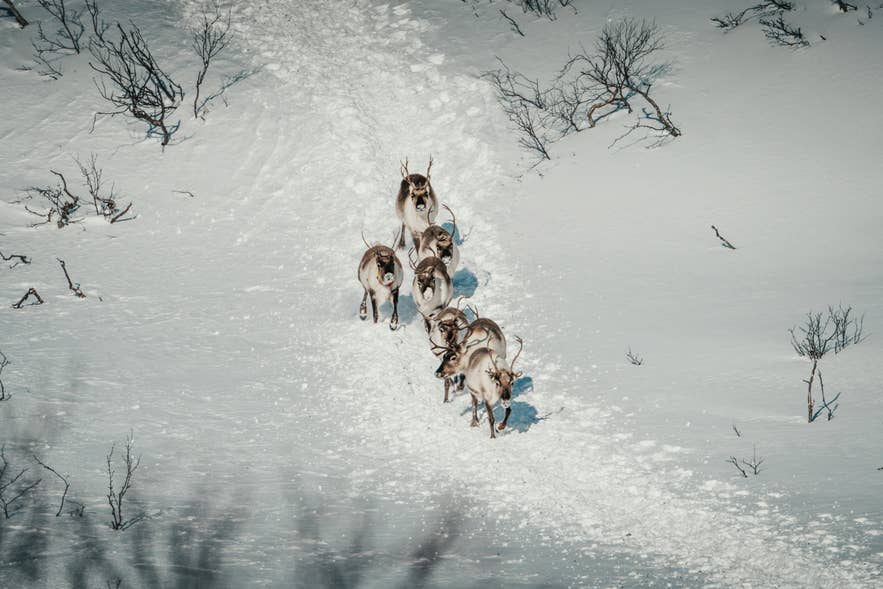 No one ever herded or penned East Iceland's reindeer, so they have lived as a wild herd ever since. Their population ebbed and flowed based on harsh winters, food availability, and government-regulated hunting policies. Today, these reindeer roam freely, untamed, untagged, and unbothered by fences.
How To Spot Reindeer in Iceland
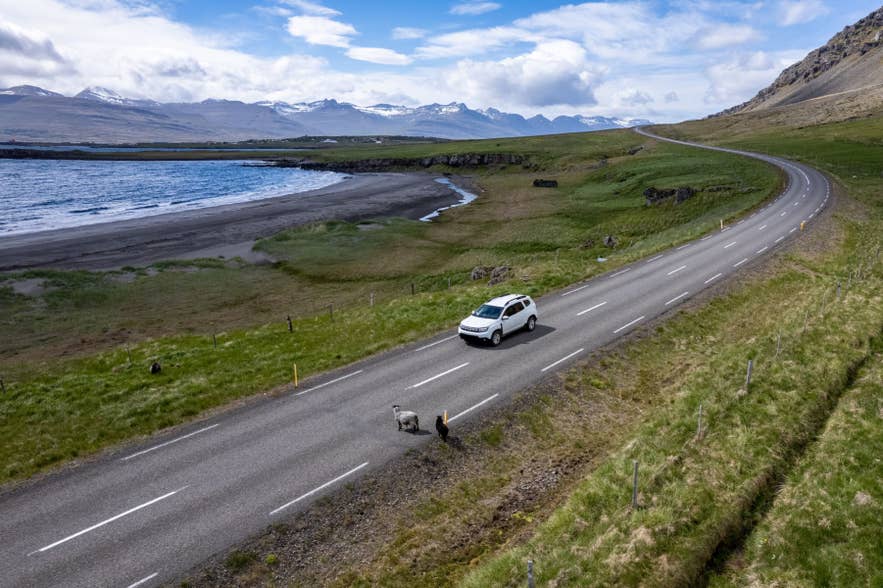 The best way to see reindeer in Iceland is through a self-drive tour or your own independent exploration. Here are your options:
-
Rent a car in Iceland: Suitable for gravel roads and exploring at your own pace. Just make sure to bring offline maps or a GPS.
-
Go on a self-drive tour across Iceland: These offer customizable routes along East Iceland. Add Vopnafjordur (via Route 85) for winter routes, or Breiddalsvik Town via Route 1 on Ring Road tours.
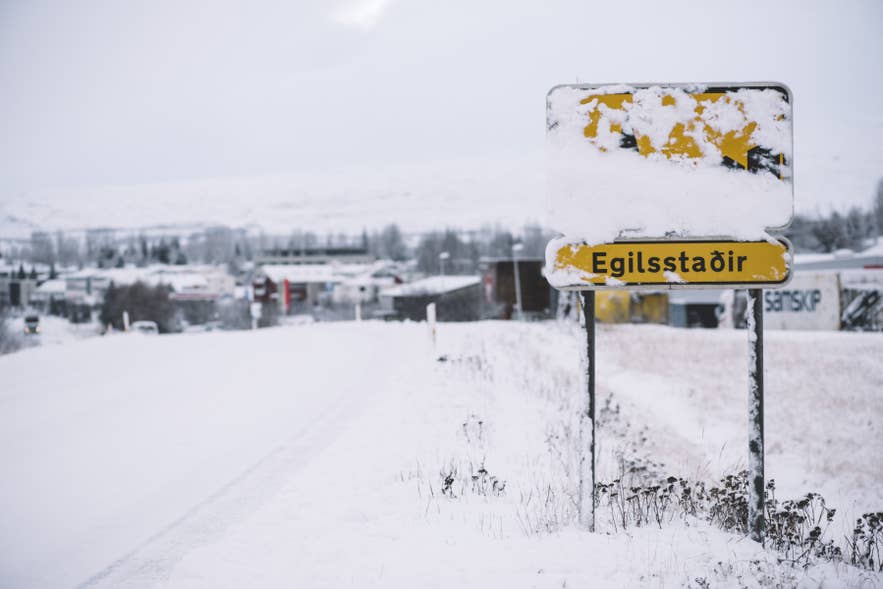
Most spots are easily reachable from Egilsstadir, the main hub of East Iceland. It’s the ideal base for your trip.
Best Place To See Reindeer in Iceland
 The best place to see reindeer is in East Iceland. In fact, you won’t find them anywhere else in Iceland. Aside from the location, the best places to see reindeer also depend on the season; you might spot them without even leaving your car.
Our mapping of Iceland's reindeer herds gives an overview of where East Iceland’s wild herds are located throughout the year. The findings indicate that Fljotsdalsherad, around Egilsstadir, is the most likely place to see reindeer in Iceland.
For a convenient base in East Iceland, you can book your stay in Egilsstadir. The town is only a short drive from all prime reindeer territories. Here’s where to go and how to increase your chances.
Drive Between Hofn and Djupivogur
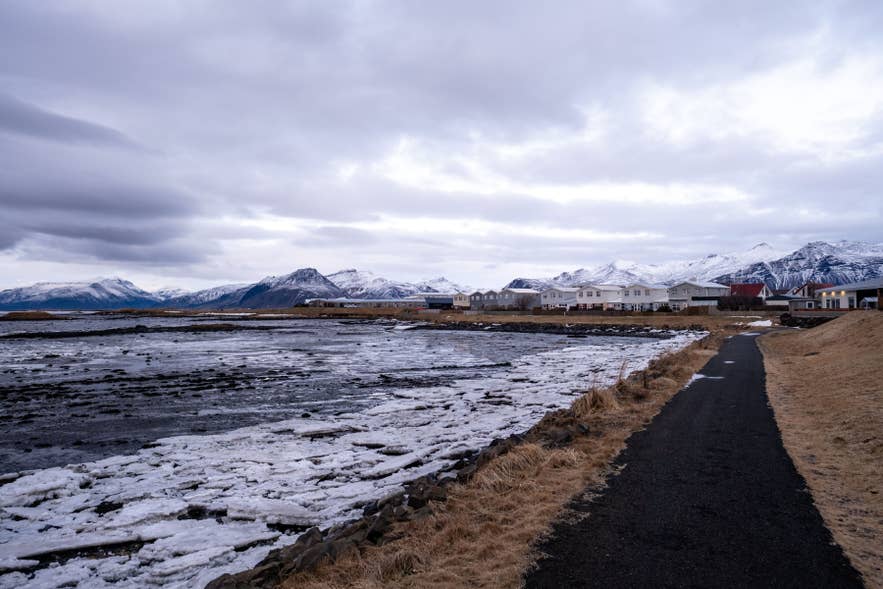 Explore the stretch of the Ring Road that runs along the southeastern coastline, starting from Hofn. In winter, reindeer often come down from the Highlands and graze near the roadside, especially around Lon, Almannaskard Pass, and open valleys west of Djupivogur Village.
Drive slowly, scan the fields, and be ready to pull over (safely) at a parking area if you spot a herd.
Look Near Breiddalsvik and Berufjordur
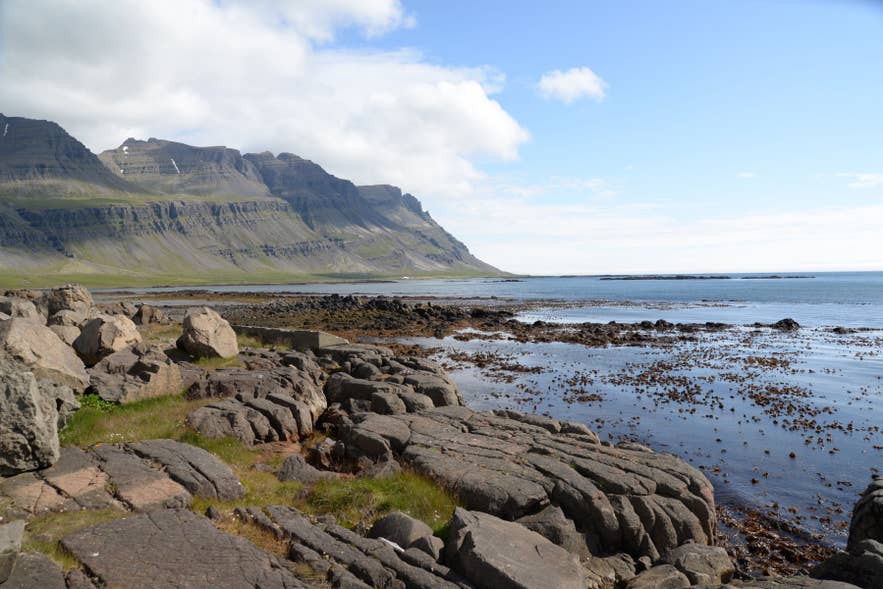 Route 95 connects the Eastfjords to the interior. Reindeer can often be seen crossing open plains near Breiddalsvik Village, especially early in the morning or near dusk. Nearby Berufjordur Fjord and Fagridalur Valley (on Route 1 between Reydarfjordur and Egilsstadir) also see frequent reindeer sightings in winter.
Explore Jokuldalur and the Roads Around Snaefell Mountain in Summer
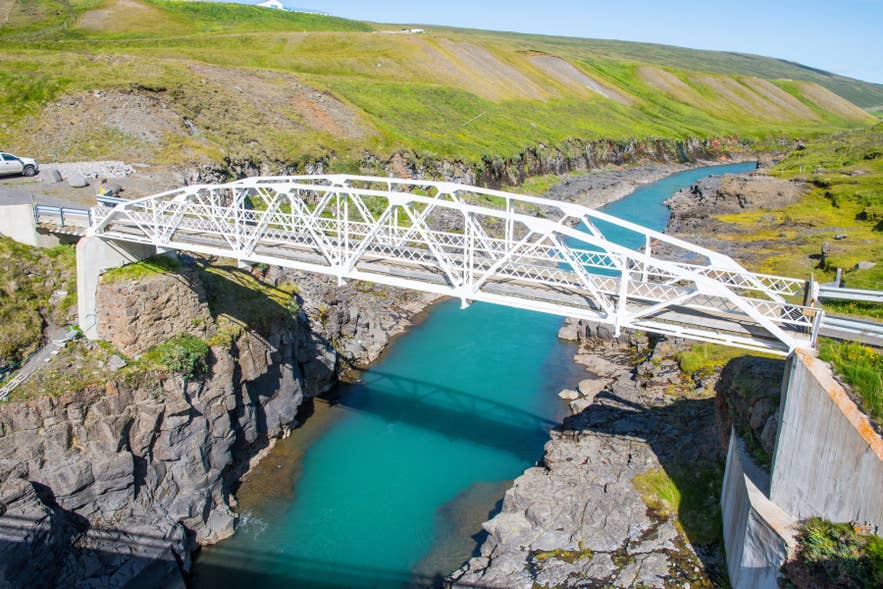 In summer, reindeer move to the Highlands. For self-drive travelers with a 4x4, roads like F909 and F910 (open only in summer) lead toward the Mount Snaefell area, a prime grazing region. There are no guarantees here, since reindeer are more spread out. However, the views are stunning.
The Reindeer Park in Iceland
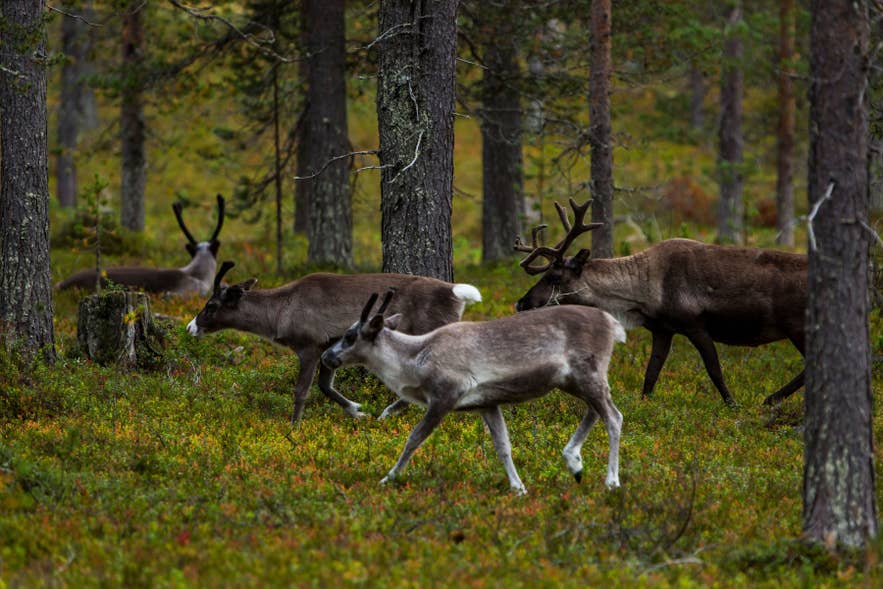 There’s a place in Iceland called the Reindeer Park (Hreindyragardurinn), located at Vinland Guesthouse, near Egilsstadir. It’s a small park, home to only two male reindeer, Garpur and Mosi.
Families with young children can visit the Reindeer Park near Egilsstadir for a gentle introduction to Iceland’s reindeer.
While Iceland doesn’t have a formal wildlife enclosure for these animals, there are excellent guided tours that bring you into their natural habitat. A great option for a prime reindeer experience is a Studlagil Canyon and Reindeer Park private tour from Seydisfjordur.
Visit Information & Hours
-
Location: Vinland, 701 Egilsstadir
-
Opening Hours: 10:00 AM to 6:00 PM daily in summer.
Guided Reindeer Tours in East Iceland
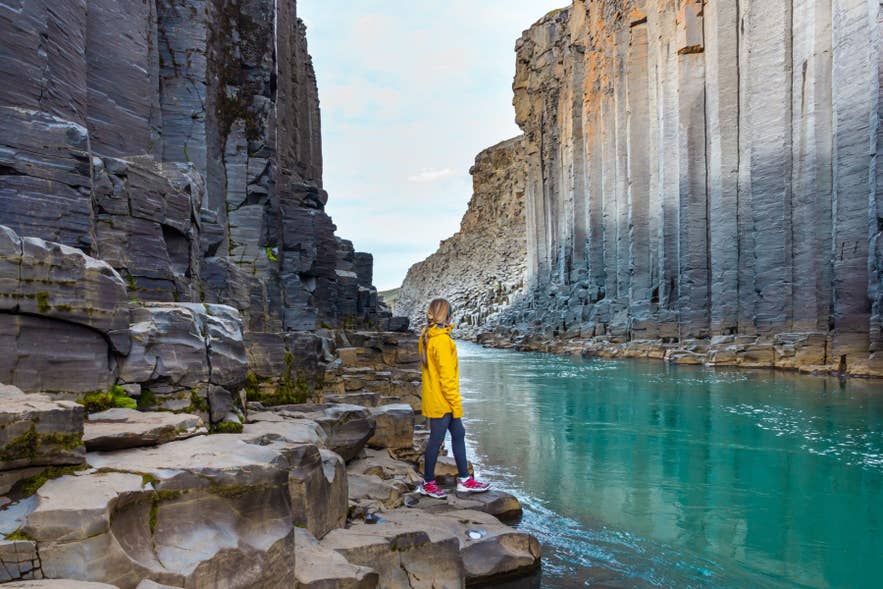 Guided tours in Iceland typically include transfers and equipment. For reindeer tours, there are also knowledgeable guides who understand animal behavior, ensuring sightings are respectful and safe.
With a small-group excursion, your guide can take you directly to reindeer habitats like Snaefell or the Reindeer Park from Egilsstadir or Seydisfjordur. Spotting reindeer in the wild takes local knowledge and the right timing. Here are some guided tours to help you maximize your chances of seeing them:
-
Studlagil Canyon and The Reindeer Park Private Tour from Seydisfjordur: A private day tour that combines a visit to the stunning Studlagil Canyon with a stop at the Reindeer Park near Egilsstadir.
-
Super Jeep Wild Reindeer Experience in East Iceland from Breiddalsvik & Nearby Towns: A dedicated wildlife tour in a super jeep, heading into reindeer territory in the East Iceland Highlands.
Best Time To See Icelandic Reindeer
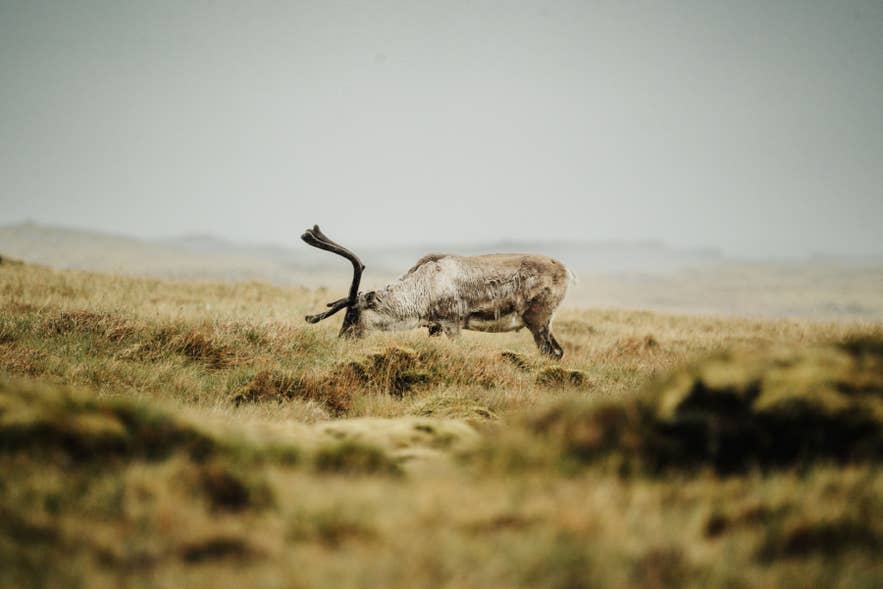
Our analysis of reindeer herd data shows the best time to see reindeer in Iceland is November through March. During winter, the herds descend from the Highlands into coastal lowlands and valleys, where they're far easier to spot from the road.
Reindeer live in East Iceland year-round, but they head back to higher ground in summer. Look for them on inland hikes if you're visiting in the warmer months.
Winter (November to March)
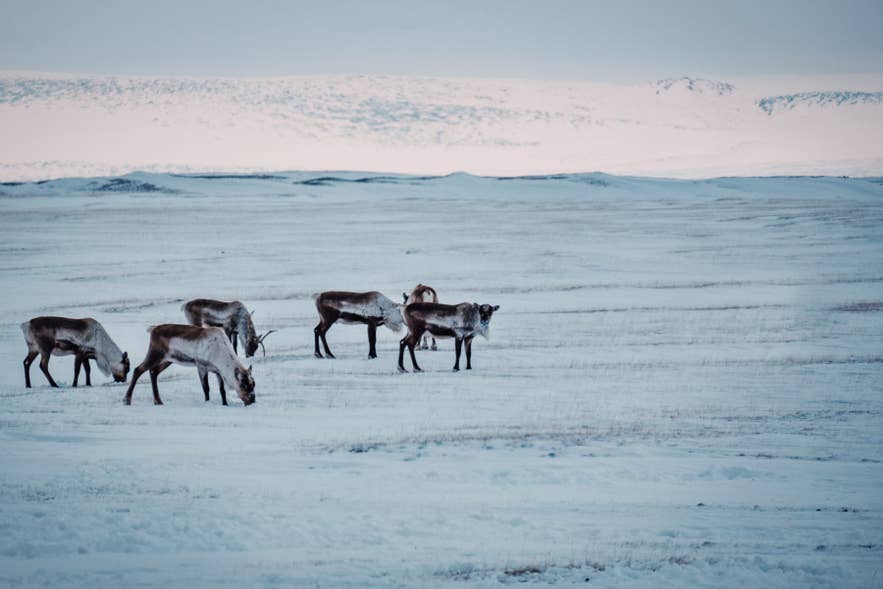 During winter in Iceland, reindeer descend to lowland valleys and coastal regions in search of food, making sightings more accessible. Look for them near Vopnafjordur, Breiddalsvik, and as far south as Hofn, on the drive toward Jokulsarlon Glacier Lagoon.
Any time of day works for winter sightings; your main concern will simply be the limited daylight. Don’t forget to pack well for winter in Iceland with comfortable layers.
Summer (May to August)
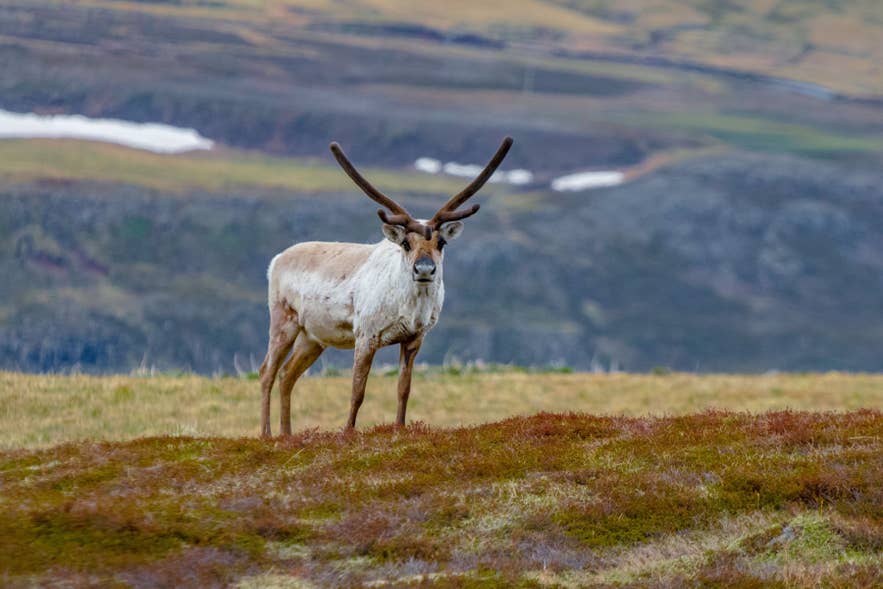 Reindeer move to the remote Highlands around Mount Snaefell during the summer in Iceland from May to August. Calving runs from May into June, so keep well away from the herds in those weeks.
Although sightings require more effort, the landscapes are stunning. Roads are open and accessible once the snow melts, but many of them require a 4x4 rental car.
For the best chance of spotting them, plan outings during early morning or late evening when reindeer are most active. Consider joining a hot spring and hiking tour to Snaefell from Egilsstadir for a guided experience deep in reindeer territory.
What To Expect When You Spot Reindeer in Iceland
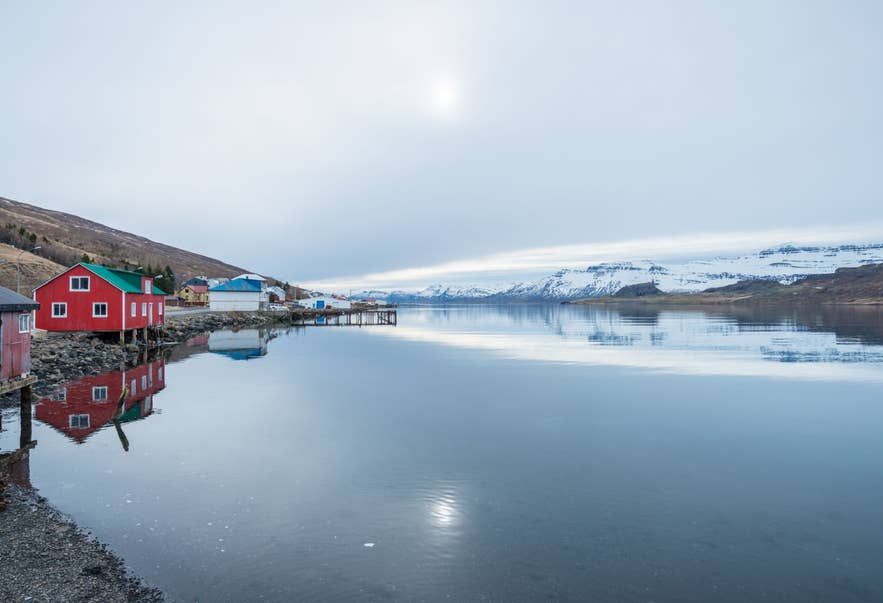 Seeing reindeer in their natural habitat is one of the most memorable experiences in Iceland. Whether exploring East Iceland’s coasts in winter or going on a hiking tour in Snaefell in summer, spotting a herd is a magical moment. However, knowing what to expect can make it even more meaningful.
Reindeer Size and Physical Features
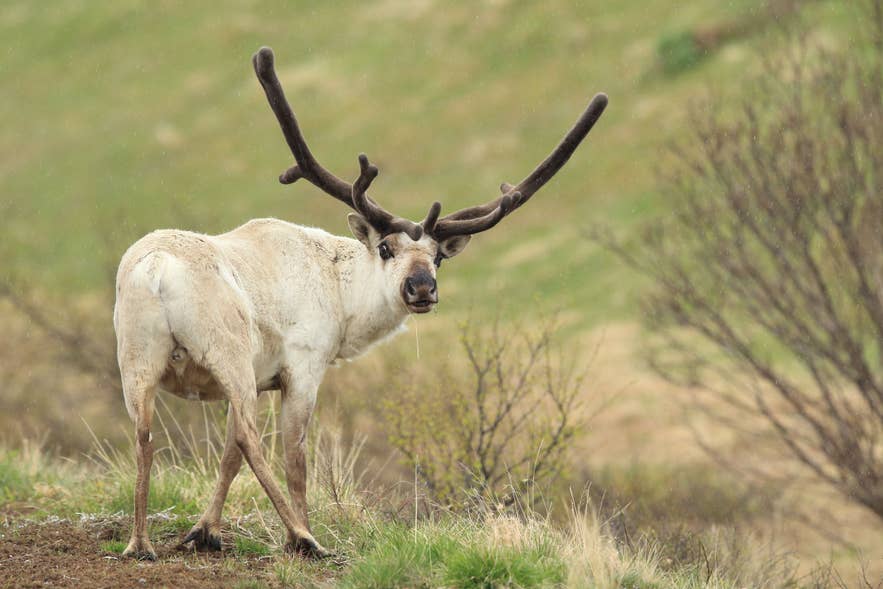 Reindeer in Iceland are striking creatures. Males can weigh between 220 and 330 lbs (100-150 kg) or more, and sport impressive antlers. Females are slightly smaller, weighing between 130 and 200 lbs (60–90 kg). They also grow antlers, which they carry throughout the winter to defend feeding grounds before shedding them in spring.
Reindeer’s thick coats range from brown to light gray. Their coats lighten in winter, helping them blend into snow-covered landscapes.
How to Behave Around Reindeer at the Roadside in Iceland
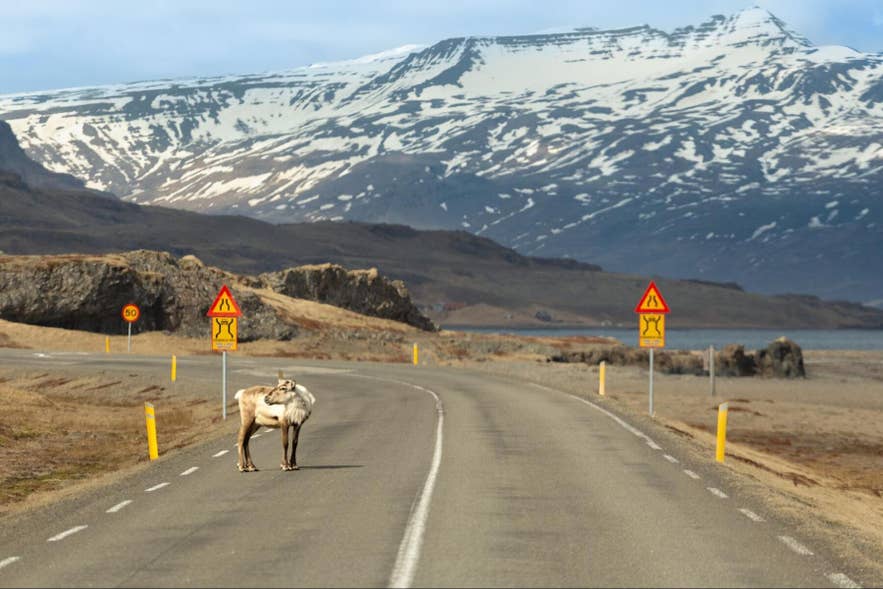 Reindeer in Iceland are wild animals on open ground rather than livestock in a paddock. A cornered herd runs, and a running herd on a winter road is a danger to itself and to traffic. The rules below keep the herd calm and you safe.
The following guidelines explain how to watch reindeer safely while driving in Iceland.
-
Never position a car between a herd and its escape route. Reindeer move away from pressure, and a vehicle blocking the open ground behind them pushes the herd toward the road.
-
Watch from the car where you can. A parked car reads as part of the landscape to a reindeer herd, while a person walking toward it does not.
-
Use a zoom lens instead of walking closer. Every step toward a wild herd shortens the time it stays in view, so the long lens gets the better picture.
-
Keep well away from calving areas in May and June. Disturbing a herd during calving separates cows from their calves in remote country.
-
Do not feed reindeer anything. Feeding teaches a wild herd to approach vehicles, which puts the animals on the road and in front of traffic.
-
Keep drones away from herds. The noise scatters wild animals, and a bolting herd can injure itself on rough ground or run into traffic.
-
Park fully off the road. East Iceland’s roads have narrow shoulders, and a car left on the asphalt is a hazard to the traffic behind it.
-
Slow down at dusk between Hofn and Egilsstadir. Reindeer graze near the roadside on dark winter afternoons, and they cross without warning.
Current road and safety conditions across the country are published on safetravel.is, and our guide to driving in Iceland covers winter conditions.
Behavior and Group Dynamics
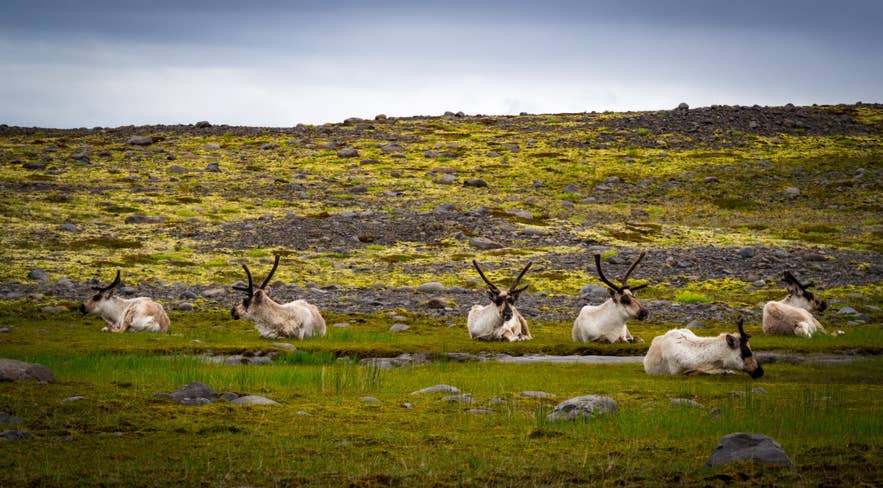 You’ll often see reindeer in small family herds. They’re calm and non-aggressive, but always maintain your distance and observe quietly.
Tips for Seeing Reindeer in Iceland
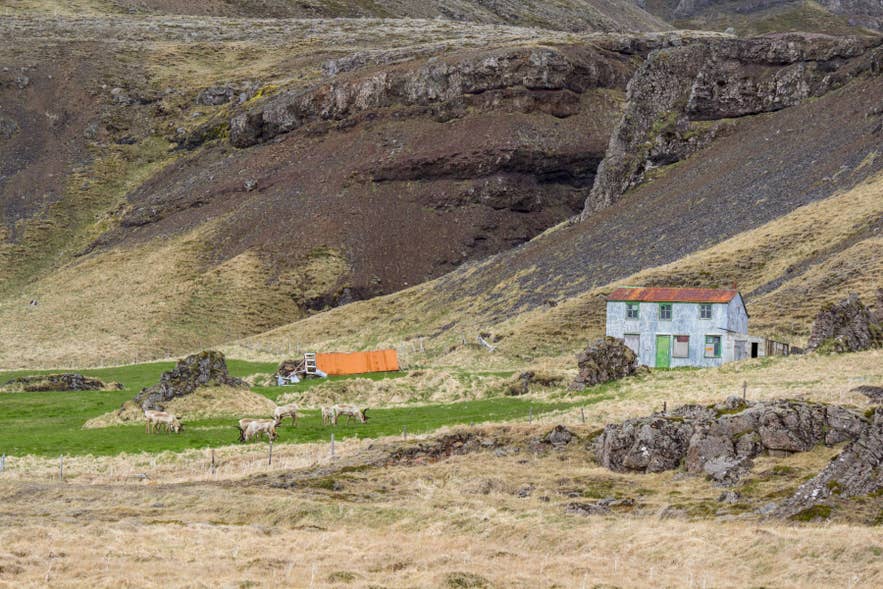 Whether you’re heading out solo or with a guide, a little preparation goes a long way. These tips cover everything from safety tips for reindeer spotting to what to pack before you head into East Iceland’s reindeer territory.
Travel Warnings in Iceland to Know Before You Go
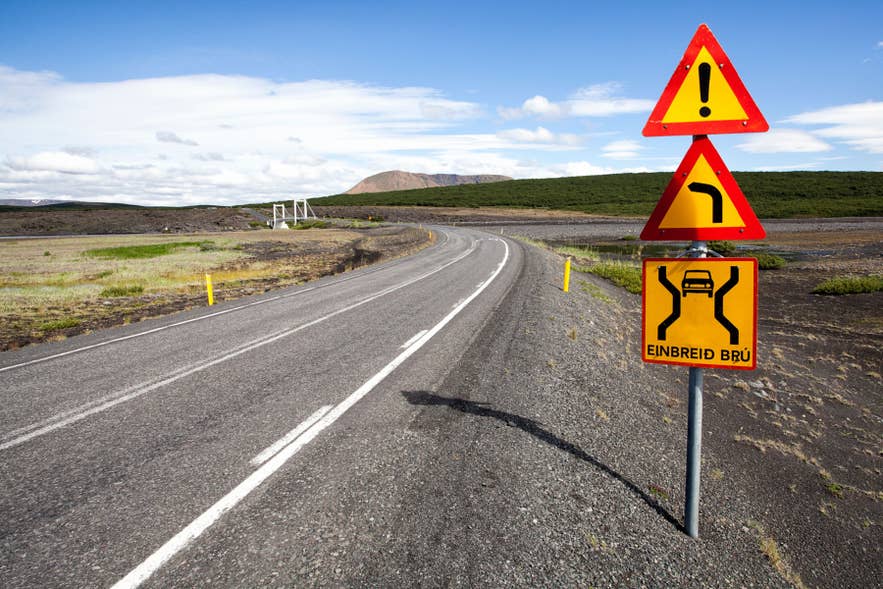 The Eastfjords can be remote and weather-exposed. Before heading out, check for active weather warnings. What counts as a travel warning in Iceland is usually a weather or road alert. Here are the ones worth checking out:
-
Wind alerts. Strong winds in East Iceland can make driving dangerous.
-
Road closures. Always check road.is in case there are impassable roads on the route you plan to take to see reindeer, especially in remote areas.
-
Volcanic activity. Volcanic ash alerts can affect road visibility and air travel in Iceland. Check vedur.is before travel.
-
Animal hazards. In winter, a travel warning might literally be a herd of reindeer on a blind curve.
Preparation for Reindeer Spotting in Iceland
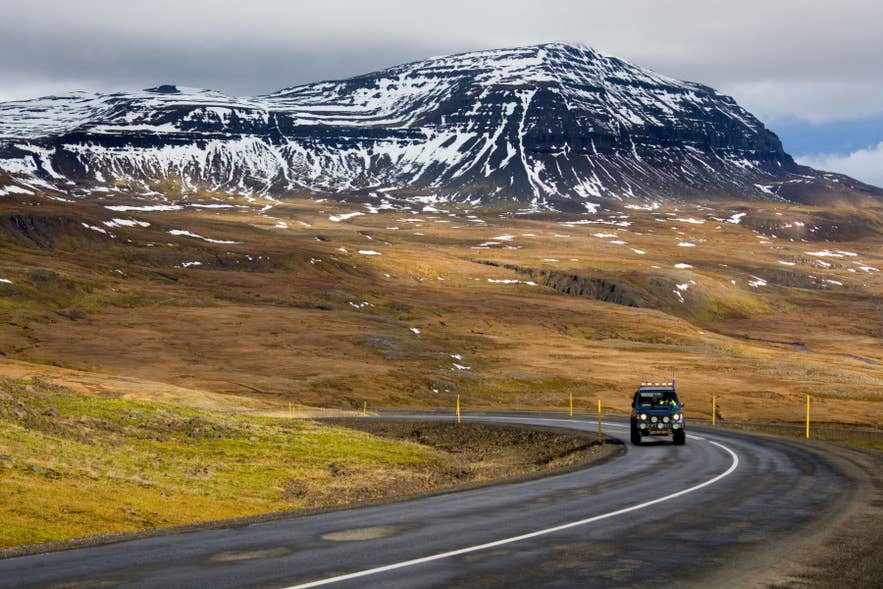 Getting the right gear and tools sorted before you leave makes all the difference between a frustrating drive and a successful sighting.
-
Rent a 4WD vehicle in Iceland. Crucial if you’re heading into the Highlands’ rough and unpaved roads.
-
Pack for the weather conditions. Pack warm layers and waterproof gear, and a full battery for your devices.
-
Bring binoculars or a zoom lens for wildlife photography. Get a close look without disturbing the animals.
-
Download offline maps. Signal can be weak or unavailable in the Highlands, so mobile navigation can be difficult.
Safety Tips for Reindeer Spotting
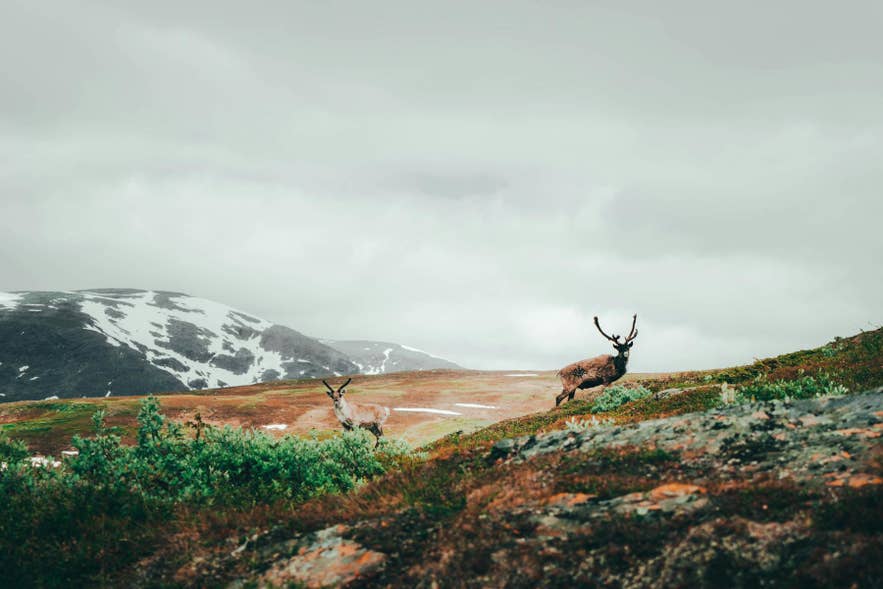 Reindeer are calm animals, but they’re still wild. A few simple rules help keep both you and the herd safe. It also improves your chances of a longer, close encounter.
-
Keep your distance. Don’t approach or chase the animals.
-
Don’t feed the reindeer. Even if they come close, let them stay wild.
-
Stick to marked roads and trails. Some areas can be tricky to navigate, and sticking to designated paths helps protect both you and the environment.
-
Avoid sudden movements or loud noises. These can startle the herd and cause them to flee.
-
Use binoculars or a long camera lens. This lets you get a close look while maintaining a respectful distance.
-
Don’t block reindeer paths. If you’re on a trail or road, always give reindeer the space to move freely.
Reindeer in Icelandic Culture
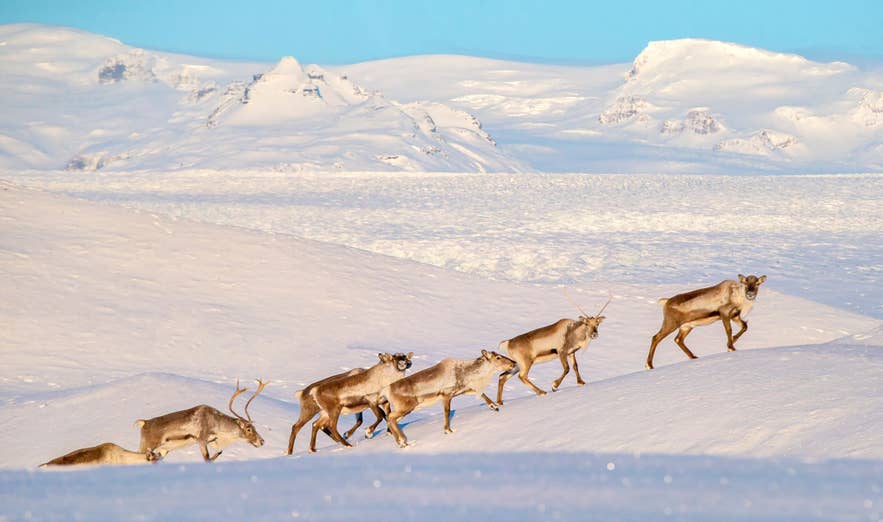 While reindeer never made it into Iceland’s sagas and folklore, having arrived only in the late 1700s, East Iceland has claimed them as its own. The municipality of Mulathing carries a reindeer antler in its coat of arms, and local craftspeople work antlers into knife handles, jewelry, and homeware. That makes antler one of the few souvenirs from Iceland that comes from this corner of the country.
Hreindyrakjot, or reindeer meat, has a festive place in Icelandic food culture, appearing as steaks, tenderloin, and pate on Christmas menus beside the traditional smoked lamb. It all comes from the licensed autumn hunt, and a shot animal is the property of the permit holder, so restaurants depend on hunters choosing to sell.
Reindeer Conservation in Iceland
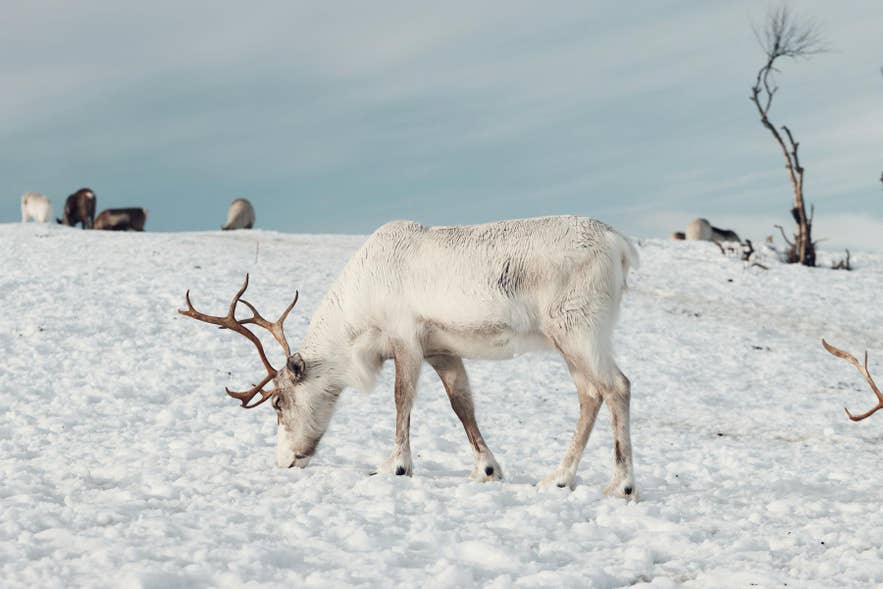 Reindeer in Iceland are found only in the eastern part of the country. Their population is closely monitored to maintain balance with the local ecosystem.
Conservation in Iceland includes strict hunting rules, environmental protection, and responsible tourism.
Reindeer Hunting in Iceland
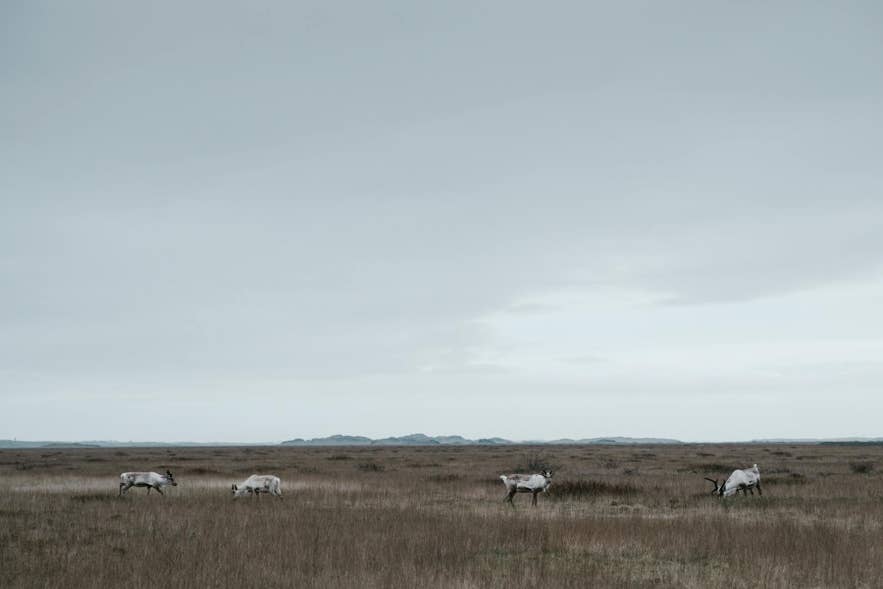 Reindeer hunting is legal but highly regulated. The Icelandic government sets strict quotas based on population health and ecological balance, overseen by the Nature Conservation Institute. Foreigners who wish to participate need:
-
a valid hunting license,
-
a gun license, and
-
be accompanied by a licensed Icelandic reindeer-hunting guide.
The numbers are set annually. For 2026 the quota is 936 animals, split into 499 cows and 437 bulls, with bulls taken from July 15 to September 15 and cows from August 1 to September 20.
The fees stay largely in the East. A bull permit costs 241,600 ISK and a cow permit 137,700 ISK, and a full quota would raise about 174.3 million ISK in 2026. Around 106 million ISK of that goes to landowners as compensation for grazing, with the rest funding population monitoring and enforcement.
Since reindeer have no natural predators in Iceland, regulated hunting is essential to prevent overgrazing and ecosystem damage.
Human Impact and Conservation
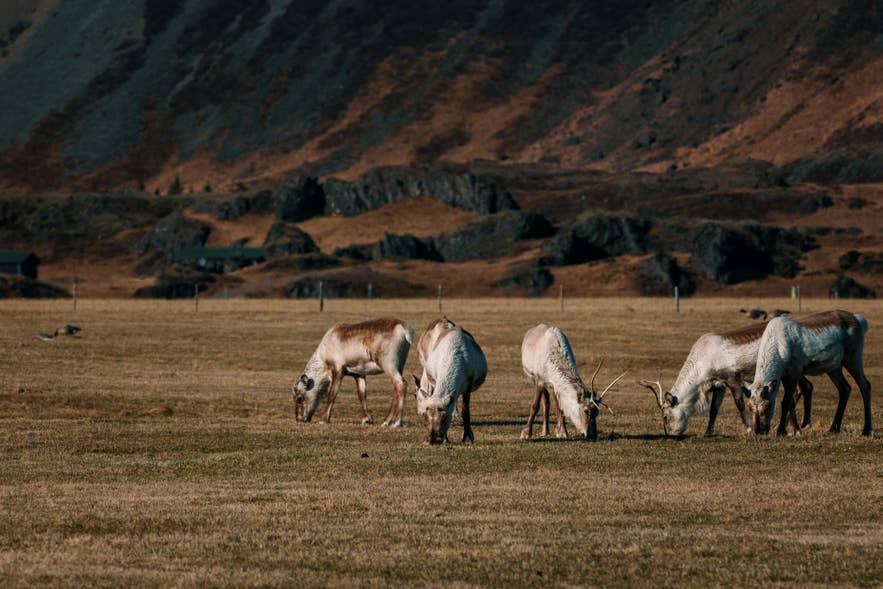 The East Iceland herds now number about 5,000 in 2026. Conservation today is a balancing act: prevent excessive growth while protecting long-term sustainability.
Here’s how to travel responsibly in Iceland’s reindeer territory:
-
Stick to marked trails when exploring reindeer habitat.
-
Keep a respectful distance. Instead, use binoculars or a zoom lens to observe reindeer rather than approaching them.
-
Avoid disturbing reindeer during calving season (May to June).
-
Follow local guidance and signage.
-
Leave no trace. Pack out all trash, and avoid picking plants or disturbing the ecosystem in any way.
-
Choose ethical tours. Pick experiences that prioritize sustainability and wildlife welfare.
Are there any reindeer in Iceland?
Can you do reindeer rides in Iceland?
Why were reindeer brought to Iceland?
Are reindeer dangerous?
Do you need a permit to photograph reindeer in Iceland?
However, make sure to follow some ethical wildlife photography practices: keep your distance, avoid loud noises, and don't block the reindeer's path.
Where is the easiest place to see reindeer in Iceland without a tour?
When is the best time to see reindeer in Iceland?
Wrapping Up Your Reindeer Adventure Responsibly
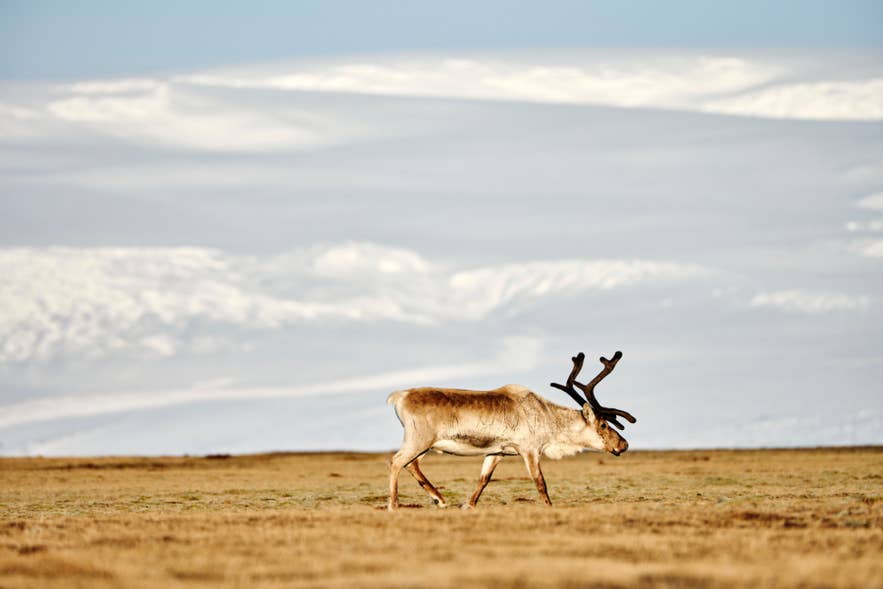 Reindeer in Iceland are more than just a photo op. They’re a window into the country’s delicate balance between wild nature and human interaction. If you’re dreaming of a trip where you can spot these incredible animals, East Iceland is the place to go.
Remember the best times to visit (summer for the highlands and winter for the coastal regions), and be ready to rise early or hang out at sunset for those magical moments.
Whether you choose a self-drive route or book a guided tour in Iceland to see reindeer, always travel with respect for the animals and the land they roam.
If you’re building a full East Iceland itinerary, don’t stop at reindeer! Pair your wildlife encounter with scenic hikes, waterfalls, and charming villages. Or go all in with one of the best vacation packages in Iceland to explore the country’s wild side with ease.
Want more helpful information? Check out our guide on Wildlife and Animals in Iceland: The Complete Guide.
Have questions or reindeer stories from your trip to East Iceland? Drop them in the comments. We’d like to hear from you!

I’m Farrah, a writer and researcher. I’ve also worked as a tour guide, which gave me a deep appreciation for crafting engaging travel experiences. My fascination with Iceland comes from a long-standing interest in its unique landscapes, deep-rooted folklore, and culture shaped by independence and resilience. I share the best of Iceland to help visitors discover the moments and magic that make this country special.