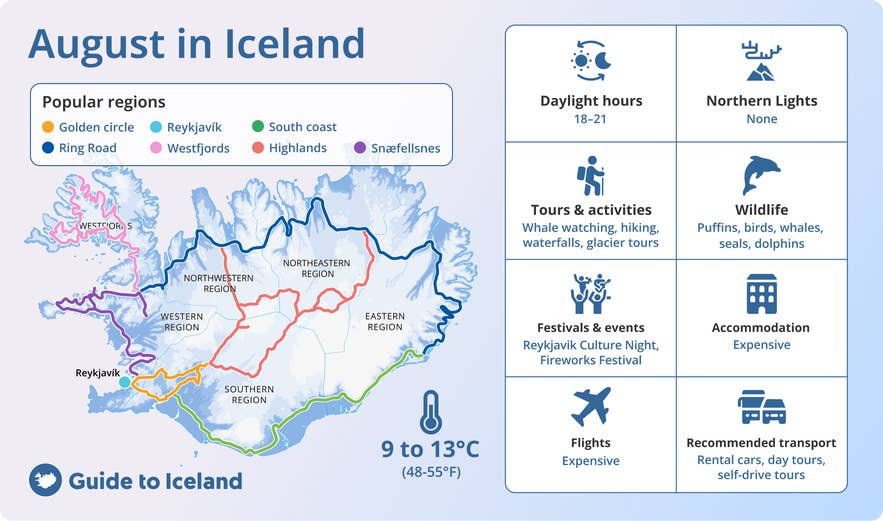
Visiting Iceland in August allows you to experience great summer weather while soaking up the culture during annual festivals. Learn what makes this time of year so memorable and discover events happening in the country.
August is at the tail end of Iceland’s summer tourist season. The crowds start to thin slightly, but the atmosphere is still in full swing. It’s the perfect time for planning eventful summer vacations, centered around Iceland’s top experiences in August.
Why You Can Trust Our Content
Guide to Iceland is the most trusted travel platform in Iceland, helping millions of visitors each year. All our content is written and reviewed by local experts who are deeply familiar with Iceland. You can count on us for accurate, up-to-date, and trustworthy travel advice.
The days are long enough for a full Ring Road self-drive tour without rushing, the Highlands are fully open to 4x4 travel, and puffin colonies linger on the sea cliffs until most birds leave in late August. By the last week of August, the first faint northern lights start appearing on dark, clear nights.
This guide covers what to expect from the weather, wildlife, landscapes, and culture during the month.
Why Visit Iceland in August
-
August keeps nearly all of July's warmth, according to our study of the warmest and coldest months in Iceland, with a little less of the midnight sun. August is the warmest month of the year on the east coast, so an August road trip is the one to take through the Eastfjords.
-
August has a sunnier share of its daylight than June or July. Our 26-year sunshine study found the sun out for 35 percent of Reykjavik's daylight hours in August, against 30 percent in both June and July.
-
Summer activities such as kayaking, hiking, and river rafting are accessible throughout the country.
-
Annual festivals take place in towns and villages all over Iceland, making August one of the best times to get acquainted with the culture.
What Makes August in Iceland Unique?
If you’re planning a summer trip to Iceland, August offers a mix of relatively good weather and plenty of things to do. It’s the country’s second-warmest month of the year after July, and it closes the June to August window that our study of the most frequently asked questions about Iceland recommends for mild weather. Much of the landscape is lush and green, perfect for outdoor activities.
August also falls within the season Icelandic tourism professionals recommended most often. In a 2026 survey on the top experiences in Iceland recommended by tourism professionals, summer ranked first among named seasons, chosen by 31.3% of the respondents.
August also suits families tied to school vacations, since it keeps most of the summer weather. Parents' own reports agree, as summer trips with kids in Iceland score higher than winter trips by a clear margin.
The sections below cover what makes August unique, including daylight, aurora, and weather.
Midnight Sun in Iceland in August

August is when the midnight sun in Iceland winds down and true nighttime returns. How much darkness you experience depends on when in the month you visit.
Early August still gets around 18 hours of daylight with only a few hours of twilight. By the final week, daylight drops closer to 14 hours, and the nights grow dark enough to see stars again.
For most visitors, the timing works out well. The long evenings of early August are ideal for hiking, driving, and photography without racing the clock, while the returning darkness of late August opens the door to the first aurora sightings of the season.
Northern Lights in Iceland in August

Iceland is one of the best places in the world to see the northern lights, and the aurora season quietly restarts in late August. The first sightings of the year typically occur in the final week of the month, when nights grow dark enough for faint green arcs to appear on clear evenings. Early August is generally still too bright for aurora viewing.
Seeing the northern lights requires three things: solar activity, clear skies, and darkness. August offers the third in limited supply and the first two are unpredictable, so any aurora sighting this early is a bonus rather than something to plan a trip around.
Winter is still the best time to see the northern lights in Iceland. For travelers who want to maximize their odds in late August, northern lights hotels in darker, rural areas offer a meaningful advantage over staying in Reykjavik.
Weather in Iceland in August
 August is one of Iceland's warmest and most comfortable months. Reykjavik averages 48 to 58 F (9 to 14 C) between night and afternoon, with occasional warmer spells reaching 68 F (20 C). However, coastal winds can make mild temperatures feel considerably cooler.
Daylight lasts roughly 17-18 hours at the start of the month and shortens to around 14 hours by the end. Rain falls on roughly 15-18 days of the month, usually as light showers rather than sustained downpours.
Iceland's maritime climate means conditions shift quickly throughout the day. A typical day in South Iceland can move between grey clouds, rain, and bright sunlight within a few hours. Snow appears only at the tops of mountains or on glaciers. North Iceland has the warmest afternoons in the country and cooler nights than the south.
For what to wear in Iceland in these conditions, layering is the practical answer, paired with a waterproof and windproof outer shell.
What To Pack for Iceland in August

August weather swings between mild sunshine and sudden wind-driven rain, so your packing list should cover both ends. Activities matter too: hikers and glacier travelers need more serious outerwear than travelers sticking to Reykjavik and short day tours.
The long daylight hours create two things to plan for. Sun exposure is real at Iceland's latitude, so sunglasses and sunscreen aren't optional. And sleeping in the near-constant brightness of early August can be difficult without a sleep mask, especially for light sleepers.
A basic August packing list for Iceland includes:
-
Warm layers such as a light fleece or lopapeysa
-
Waterproof and windproof outer shell
-
Sturdy walking or hiking shoes
-
Hat, gloves, and thermals for hiking, glacier tours, and Highland trips
-
T-shirts and lighter layers for warmer days
-
Bathing suit for geothermal pools and hot springs
-
Sunglasses and sunscreen
-
Sleep mask for the bright summer nights
-
Reusable water bottle (tap water in Iceland is safe and clean)
Top 11 Things To Do in Iceland in August
 August gives travelers full access to the country. All of the major routes are open, including the Highland F-roads that stay closed most of the year. Daylight hours are long enough to fit multiple activities into a single day, and the mild summer weather opens up options that aren't practical in winter, from river rafting to camping and extended hiking trips.
Here are the best things to do in Iceland in August, counting down to the most iconic.
11. Head Out on a Glacier Hiking Tour
 Iceland's glaciers cover roughly 11% of the country's landmass, and August is one of the best months to explore them up close. Summer conditions make hikes more comfortable, trail markers are fully visible, and the ice itself takes on a particularly striking blue tone under clear skies.
Glacier hiking is the most common way to experience Iceland's glaciers. Most guided hikes are suitable for travelers in decent physical condition, and no prior experience is required.
Popular options include a guided glacier hiking tour in the Skaftafell Nature Reserve on the South Coast and a snowmobiling tour across Langjokull Glacier in the west. For a less physically demanding option, an ice tunnel tour inside Langjokull Glacier lets visitors walk into the heart of a glacier on a paved path, learning about the geology and ice dynamics along the way.
Glaciers are actively moving ice, which means crevasses and shifting surface conditions make unguided access genuinely dangerous. Going with a certified guide is a safety requirement, not a convenience.
Certified guides provide all the technical equipment needed on the ice, though travelers who want their own can rent crampons ahead of the trip. Sturdy hiking boots and waterproof layers are the traveler's responsibility. If you're arriving without proper footwear, you can rent hiking boots in Iceland rather than buying a pair just for the trip.
For the full packing rundown, see what to wear for glacier hikes in Iceland.
10. Visit the Blue Lagoon
 The famous Blue Lagoon is one of Iceland’s most visited attractions. This luxurious geothermal spa is conveniently located just 30 miles (50 kilometers) from Reykjavik and 12 miles (20 kilometers) from Keflavik International Airport, making it a common first or last stop for travelers.
August sits firmly in the Blue Lagoon's extended summer operating window. From June 15 to August 20, the lagoon is open from 7:00 AM to 11:00 PM, giving travelers more flexibility to fit a visit around other plans. From August 21 onward, hours shift to 8:00 AM to 10:00 PM.
Pre-booking your Blue Lagoon ticket is essential in either case, since the lagoon caps daily visitors and peak August slots often sell out weeks in advance. The standard Comfort ticket covers the core experience, while upgrading to a Premium ticket adds extras like bathrobe access and a restaurant reservation.
Getting to the Blue Lagoon from either the airport or Reykjavik is straightforward. The Blue Lagoon bus transfer from Reykjavik is the most common option for travelers based in the city, while arriving or departing travelers can book airport transfers and fit a visit around their flight.
9. Soak in Iceland’s Top Swimming Pools and Hot Springs
 Swimming pools in Iceland are some of the most accessible everyday experiences in the country, and August's mild weather makes an afternoon soak particularly easy to add into a trip. Even the smallest towns and villages have a public pool, most of them filled with naturally heated geothermal water and open year-round.
In the capital, the best pools in Reykjavik range from quiet neighborhood pools to the large Laugardalslaug complex, which features an Olympic-sized pool, geothermal hot tubs, water slides, a steam room, and a sauna.
Beyond the public pools, Iceland’s natural hot springs are scattered across the country and work well as hiking break stops. Some are on private land and require the landowner's permission, so asking locals for guidance before heading off-trail is essential.
For travelers who'd rather skip the planning, guided hot spring tours cover transport and take you to springs vetted for safety and access.
Before jumping in, Icelandic swimming pool etiquette requires showering thoroughly without a swimsuit before entering the water. This isn't optional and it isn't negotiable. Locals take it seriously, and the rule exists because Iceland's chlorine levels are kept low thanks to the cleanliness of the source water.
8. Snorkel or Scuba Dive in Silfra Fissure
 August is one of the best months for diving and snorkeling in Iceland. Calmer summer seas, slightly warmer surface conditions, and longer daylight hours give travelers more flexibility in scheduling, and the clearer skies often improve underwater visibility on dive sites.
The Silfra Fissure in Thingvellir National Park is the most famous underwater destination in the country, where visibility regularly exceeds 100 meters. Silfra works for both snorkelers and certified divers, and it's the most accessible option for travelers without prior diving experience.
Snorkeling tours are the easier entry point. No certification is required, and most operators run Silfra tours that include all equipment, a briefing, and guided time in the water.
Scuba diving tours require a valid open-water certification and drysuit experience, and the drysuit requirement applies year-round because the water temperature stays close to freezing regardless of season.
Both activities require wearing a drysuit at Silfra because of the cold water. Thermal base layers and thick wool socks underneath make a real difference to comfort, especially for divers who spend longer submerged.
7. Take a Summer Boat Tour in a Glacier Lagoon
 August offers the calmest sea conditions of the year in Iceland, which opens up boat tours that aren't practical in rougher months. Longer daylight hours extend the window for evening departures, and the mild weather makes deck time more comfortable for travelers who want to be out on the water rather than below it.
Zodiac and RIB boat tours are a particular highlight of the summer season. These smaller, faster vessels access coastlines and glacier lagoons that larger cruise-style boats can't reach, and they sit low enough on the water to deliver a more immersive experience.
A few standout August boat tours include:
-
The Jokulsarlon Glacier Lagoon Boat Tour: An amphibious vessel carries travelers directly into Jokulsarlon Glacier Lagoon, gliding between icebergs that have broken off the Breidamerkurjokull Glacier. The English-speaking guide often hands out chunks of glacier ice for travelers to taste, and curious seals frequently appear alongside the boat.
-
Boat Tour in Fjallsarlon Glacier Lagoon at Vatnajokull National Park: A 45-minute Zodiac tour through Fjallsarlon Glacier Lagoon, the quieter neighbor of Jokulsarlon just a few kilometers down the road. Smaller boats and far fewer visitors make for an isolated, dreamlike experience beneath the towering Oraefajokull Glacier.
-
2-Hour RIB Boat Tour of the Westman Islands: A fast-paced tour of the volcanic Westman Islands archipelago, home to the largest puffin colony on earth. The tour covers dramatic rock formations, including the famous Elephant Rock, and offers some of Iceland's best chances of spotting otherwise elusive orcas and fin whales.
Sea conditions can still shift quickly even in August, so wear layered waterproof clothing and consider having motion sickness medicine on hand regardless of the tour type.
6. Raft Iceland's Glacier-Fed Rivers
 Late summer is the prime season for river rafting in Iceland, when the flow of the country's glacier-fed rafting rivers are at their most consistent. Clearer skies and warmer air make the full-day adventure more comfortable than earlier or later in the season.
River rafting tours in Iceland range from accessible family trips to genuinely challenging whitewater, graded by the international class system that runs from I (gentle) to VI (extreme). Iceland's rivers top out at Class IV.
Three rivers carry most of the country's rafting traffic, each suited to a different kind of traveler:
-
The Hvita River in South Iceland is the most popular rafting destination in the country. Fed by the Langjokull Glacier and running through the dramatic Bruarhlod Canyon, it's a Class II river suitable for beginners with no prior experience. River rafting on Hvita River is the most accessible option from Reykjavik, reachable as a day trip via the Golden Circle.
-
The Vestari-Jokulsa River (West Glacial River) in North Iceland flows from the Hofsjokull Glacier and is also a Class II river. That said, a Vestari-Jokulsa rafting tour is another solid choice for first-timers or family groups.
-
The Austari-Jokulsa River (East Glacial River), nicknamed the "Beast of the East," is Iceland's most challenging rafting river at Class IV. An Austari-Jokulsa rafting tour features long, powerful rapids suited to experienced rafters and adrenaline-focused travelers.
Tour operators provide wetsuits or drysuits, life jackets, helmets, and safety briefings. Travelers should bring woolen base layers and thick wool socks to wear underneath, since the glacial meltwater stays cold even in August.
Early to mid-August is the ideal window for river rafting. By late August, colder air and more variable weather start to make trips more conditions-dependent.
5. Kayak Iceland's Coastline
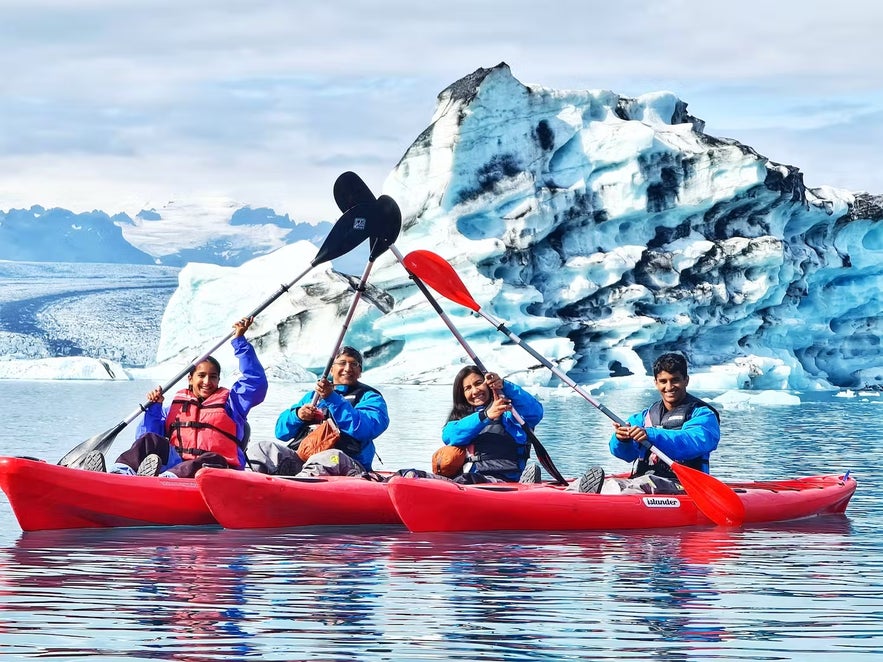 Kayaking in Iceland works particularly well in August. The seas are at their calmest, daylight stretches well into the evening, and the coastline opens up to paddlers who want a perspective that driving and hiking can't deliver.
Most kayaking tours in Iceland welcome beginners, with guides providing all the equipment and instruction before departure.
Kayaking destinations are spread across the country, and each region offers a distinctly different kind of experience:
-
South Coast: Paddle between floating icebergs that have calved off nearby glaciers. Travelers can kayak on Jokulsarlon Glacier Lagoon, or paddle at the tongue of Solheimajokull Glacier Lagoon.
-
Snaefellsnes Peninsula: The west coast peninsula is best known for its iconic Kirkjufell Mountain, Iceland’s most photographed mountain. Kayaking under the midnight sun by Kirkjufell Mountain is a memorable way to experience the long summer evenings, with the peak reflecting in near-still water.
-
Westfjords: Iceland's most remote region offers steep-sided fjords and some of the country's quietest waters. A Westfjords kayaking tour from Isafjordur takes travelers into waters rarely seen by other visitors.
4. See Whales and Enjoy the Last Chance to Spot Puffins

Spotting puffins and whales in Iceland on the same tour is possible in early August, before puffins leave their nesting colonies. Our count of Iceland's biggest puffin colonies ranks the ten monitored areas by size, with the Westman Islands holding 42% of the national total.
Whale watching runs year-round from some Icelandic ports, but summer is peak season. Travelers arriving in the first two weeks of August generally have the best window that month for combined whale and puffin watching tours, although sightings are never guaranteed.
Several operators include puffin viewing until approximately mid-August, with routes and boat types varying between trips. Our study of the best whale-watching companies in Iceland discusses these options alongside traveler ratings.
Three combo tours stand out for August travelers wanting to see both species in a single outing:
-
RIB bout tour in Skjalfandi Bay from Husavik: Focuses on finding the biggest whales, including humpbacks and occasionally blue whales, with a stop at puffin nesting islands before heading into deeper waters.
-
Whale and puffin tour from Akureyri: Runs through Eyjafjordur, one of Iceland's longest fjords and a reliable habitat for humpback whales and Atlantic puffins.
-
Whale and puffin boat tour from Reykjavik: Departs from the Old Harbor on a small-group RIB, combining Faxafloi Bay wildlife watching with coastal views of Reykjavik's Harpa Concert Hall and the Sun Voyager sculpture on the return.
Bring warm, waterproof layers. Sea spray and cold wind are consistent factors even on the warmest August days.
3. Go Camping Under Iceland's Summer Skies
 Camping in Iceland reaches its peak in August. The weather is at its most forgiving, campsites across the country are fully open, and the long evenings give travelers time to set up and settle in without racing the light.
Camping is also one of the best ways to save money in Iceland, where accommodation is one of the biggest expenses.
Travelers arriving without gear don't need to commit to buying. Camping equipment can be rented in Iceland for the duration of a trip, including tents, sleeping bags, and cooking gear.
For travelers who want the freedom of mobile camping without carrying a tent, renting campervans gives you a bed and basic kitchenette in a single vehicle. Look for campervans with heaters if you're traveling later in August, when nights start to cool down.
For travelers who like the idea of sleeping in nature but not the reality of setting up a tent, glamping in Iceland offers a middle path. Glamping accommodations range from geodesic domes to luxury tents, most of them positioned in remote locations with uninterrupted views. These book up quickly in peak August, so advance reservations are essential.
Whichever format you choose, a few rules apply across the board. Only use authorized campsites. Wild camping on private land requires the landowner's permission, and it's strictly prohibited in national parks and other protected areas.
Finally, pack out what you pack in, and keep your distance from wildlife.
2. Hike Iceland's Highland Trails Before Summer Ends
 Hiking in Iceland is at its best in August. The Highland roads are fully open, snow has melted off most non-glacial trails, and the weather stays warm and bright enough for full-day treks without serious cold exposure.
Trails run the full range from casual half-day walks to multi-day wilderness routes, and guided hiking tours in Iceland are widely available for travelers who prefer company or don't want to navigate alone.
The Highlands are the region August travelers shouldn't skip. Accessible only from late June to mid-September, the interior's rhyolite peaks, lava fields, and geothermal valleys form some of the most visually distinctive landscapes in the country.
The Landmannalaugar Region is the anchor point, known for its colorful rhyolite mountains and the natural hot springs that gave it the nickname "The People's Pools."
For travelers who want to experience the Highlands in a single day, a Landmannalaugar day tour from Reykjavik pairs a guided hike through the rhyolite landscape with a geothermal pool soak.
Hikers ready for the full commitment can opt for a multi-day guided trek from Landmannalaugar to Thorsmork, which follows the Laugavegur Trail through glaciers, waterfalls, and geothermal areas.
Conditions can shift quickly on any Icelandic trail. Waterproof layers, sturdy boots, and a weather check before setting out are essential even for short hikes.
1. Go on a Late-Summer Road Trip Around Iceland
 Driving the Ring Road is the most iconic way to experience Iceland, and August is the most forgiving month to do it. All of the country's major roads are open, daylight stretches long into the evening, and weather conditions are generally mild enough that travelers can focus on the landscape rather than the forecast.
The Ring Road (Route 1) circles the entire island over roughly 828 miles (1,332 kilometers), connecting small towns, villages, and nearly every major natural attraction in the country. Most travelers complete the loop over 7 to 10 days, though ambitious itineraries compress it into 5 and relaxed ones stretch it to 14 or more.
Self-driving is the most popular way to take on the Ring Road because it preserves flexibility. Renting a vehicle in Reykjavik and driving counter-clockwise (south-first) is the traditional approach, though direction makes little functional difference.
A few practical notes for driving in Iceland in August:
-
Gravel roads are common outside the Ring Road itself, and they require slower speeds and extra caution, especially when passing oncoming traffic.
-
Icelandic road signs include a few unique symbols worth knowing before departure, including warnings for gravel transitions, blind rises, and single-lane bridges.
-
Gas stations in Iceland are sparse in remote regions, particularly the Westfjords and the Highlands. Fill up before leaving populated areas.
-
Sheep wander freely across rural roads throughout summer. Slow down in open farmland areas.
-
Wind is rarely a concern this month. Our study of the windiest month in Iceland found August one of the calmest months nationally, averaging just 10 mph (16.1 km/h).
Travelers who want the route without planning can book summer self-drive tours that come with pre-arranged accommodation along the way. This is particularly useful in August when hotels book up quickly. Prices follow the same pattern, and our study of self-drive tour prices by month ranks August second most expensive, at a median of 34,046 ISK per person per day.
Festivals and Holidays in August in Iceland
 Icelanders try to make the most out of the end of summer and the midnight sun in August. The result is an assortment of festivals, holidays, sporting competitions, and outdoor markets.
Between national celebrations, music festivals, sporting events, and community gatherings, nearly every weekend carries something worth planning around. For a broader view of what runs throughout the year, see the top festivals across Iceland.
Verslunarmannahelgi Holiday Weekend (July 30 – August 2, 2027)
 The first Monday in August marks one of the most widely celebrated public holidays in Iceland: Commerce Day (Fridagur Verslunarmanna).
What started as a day off for merchants in the 1890s has grown into the country's biggest travel weekend of the year, driving a nationwide migration out of Reykjavik and into the countryside for festivals, camping trips, and family gatherings.
The holiday weekend is less about the Monday itself and more about the three days leading up to it. Icelanders reserve campsites months in advance, book flights to the Westman Islands, and pack rental cars with enough gear to survive a long weekend outdoors.
Three events in particular draw the largest crowds: Thjodhatid in the Westman Islands, Ein Med Ollu in Akureyri, and Innipukinn in Reykjavik for travelers who prefer to stay in the city.
Thjodhatid in the Westman Islands
Thjodhatid is Iceland's largest outdoor festival, held every year in the Herjolfsdalur Valley on Heimaey Island over the Verslunarmannahelgi weekend.
First celebrated in 1874 to mark the 1,000th anniversary of Iceland's settlement, the festival has grown into a four-day gathering that brings around 16,000 visitors to an island with a year-round population of roughly 4,500.
The format is distinctive. Attendees camp in a sea of matching white tents in the volcanic bowl of Herjolfsdalur, with performances from Icelandic musicians running across multiple stages through the weekend.
Two traditions define the experience: a massive bonfire on Saturday night that lights up the surrounding cliffs, and a collective sing-along on Sunday night where the entire valley joins voices for a selection of Icelandic songs set to red flare light. Fireworks cap off the main nights.
Accommodation on Heimaey sells out months in advance for the festival weekend, and ferry tickets from Landeyjahofn often follow the same pattern. Travelers serious about attending should plan 6 to 12 months ahead.
Ein Med Ollu in Akureyri
In Akureyri, Iceland's "Capital of the North," the Verslunarmannahelgi weekend is celebrated with Ein Med Ollu ("One With Everything"), a family festival named after the Icelandic way of ordering a fully loaded hotdog. The name captures the event's spirit: a little of everything for everyone.
The festival takes over Akureyri's streets with live music, pop-up amusement parks, fairground attractions, and theatrical performances, programmed alongside the Iceland Summer Games (Islandsmot i hestaithrottum), a major sporting competition held during the same weekend.
The whole weekend closes with a large outdoor concert on Sunday evening featuring some of Iceland's biggest pop acts, followed by a fireworks display over Pollurinn Bay put on by the local search and rescue team.
Innipukinn in Reykjavik
Innipukinn is the Reykjavik answer to the mass exodus that defines Verslunarmannahelgi weekend. The name translates to "the indoor type," a playful nod to the Icelanders who choose city comforts over camping in the rain. The festival runs across three nights in downtown venues, with more than 20 Icelandic bands performing across two stages.
The programming leans into Iceland's alternative music scene, covering alternative rock, hip hop, experimental electronica, and pop. Wristbands cover the full weekend, or travelers can buy tickets for a single night depending on who's playing.
For visitors who want the festival atmosphere without the ferry ride to the Westman Islands or the drive to Akureyri, Innipukinn keeps the weekend within walking distance of downtown Reykjavik hotels and restaurants.
Fireworks Show at Jokulsarlon Glacier Lagoon
One of the most unusual fireworks shows in the world happens every August at the Jokulsarlon Glacier Lagoon in southeast Iceland. The annual show illuminates floating icebergs against the dark August sky in a roughly 30-minute display, with the glacier itself reflecting the colors from the surrounding lagoon.
The event is typically held on the third Saturday of August, with the official date usually announced in May.
The show is a fundraiser for the local volunteer Search and Rescue team, Bjorgunarfelag Hornafjardar in Hofn, and tickets are sold at the lagoon on the night of the event and at gas stations in the area in advance.
What To Do in Reykjavik in August
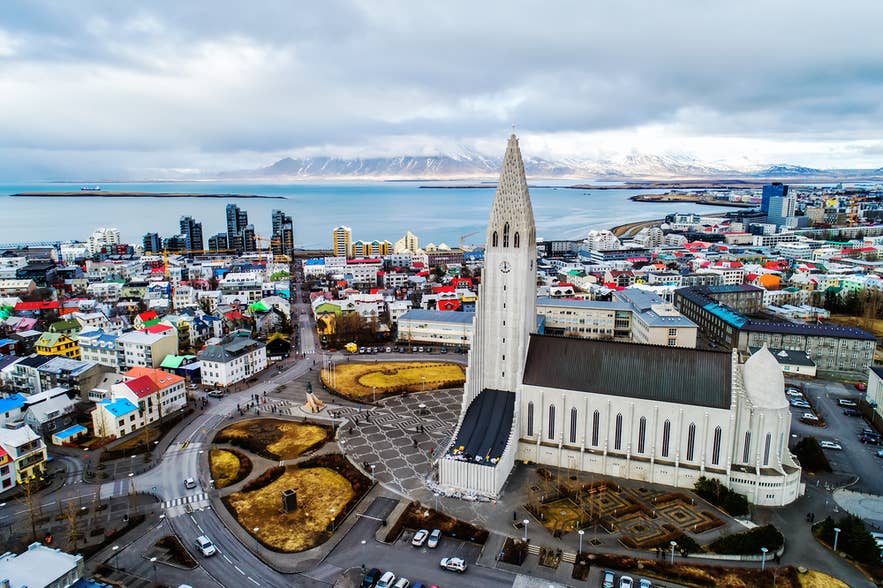 Reykjavik hits its cultural stride in August. Four of the city's biggest annual events land within the same month, each drawing both locals and visitors. Some fill the city streets for a single night, others run across a full week, but together they cover nearly every weekend of the month.
Here are the top things to do in Reykjavik in August for travelers timing their visit around the city's cultural calendar.
Celebrate Reykjavik Pride
Reykjavik Pride, known locally as Hinsegin Dagar ("Queer Days"), is Iceland's largest annual festival, held over a week in early August. Over 100,000 people fill the city center on parade day, with the parade starting at 2:00 PM and proceeding down Laugavegur, Reykjavik's main shopping street.
The week builds toward the parade with a full program of concerts, drag performances, film screenings, lectures, and community events. The opening ceremony on Tuesday evening sets the tone, and the week closes with the parade and a large outdoor post-parade party at Hljomaskalagardur Park.
Reykjavik Pride has been held annually since 1999 and is notable for the scale of participation relative to Iceland's population. A significant share of Icelanders take part or attend each year, and the festival is widely considered one of the most welcoming and community-oriented Pride events in Europe.
Travelers visiting outside Pride week will still find Iceland's gay scene active and easy to navigate, since it's concentrated in a compact downtown area.
Experience Reykjavik Culture Night (August 21, 2027)
Menningarnott, or Culture Night, is held on the Saturday closest to August 18th, the date Reykjavik was granted municipal charter. The festival draws crowds rivaling those of Icelandic Independence Day, with over 100,000 attendees filling the city center for a single night of free cultural programming.
The format is distinctive. Museums, cafes, clubs, restaurants, galleries, parks, theaters, and private homes open their doors for concerts, art exhibitions, performances, and readings, most of them free. Waffles and coffee appear on street corners where residents set up stands for passersby.
The night builds to a large outdoor concert on the main stage, followed by a fireworks display around 11 PM over the harbor. Many of the venues then transition into the city's regular nightlife in Reykjavik, with bars and clubs running well past midnight.
Because the Reykjavik Marathon is held the same morning, the day transitions from a sporting event in the morning to a citywide cultural celebration by afternoon, running straight through until midnight.
Run the Reykjavik Marathon (August 21, 2027)
The Islandsbanki Reykjavik Marathon has run annually since 1984 and takes place on Saturday, August 21, 2027. Runners can choose between four distances: the full marathon, half marathon, a 10K timed race, and a 3K fun run open to all ages.
The course starts and finishes in the city center near the Tjornin Pond, winding westward along the coast and through the Ellidaardalur Valley before returning downtown.
Around 11,000 participants take part across all distances, making it one of Iceland's largest sporting events while still maintaining a less-crowded atmosphere than major international marathons.
Because the race shares its date with Reykjavik Culture Night, travelers not running can spectate along the course in the morning and stay in the city for the cultural programming that takes over downtown from afternoon through midnight.
Attend the Reykjavik Jazz Festival
The Reykjavik Jazz Festival closes out the month with five days of performances across the city in late August. Founded in 1990, it's the second longest-running music festival in Iceland and has grown into one of the more respected jazz events on the international calendar.
The festival's programming is deliberately wide-ranging, covering contemporary jazz, avant-garde, Latin jazz, gospel, and big band performances across multiple venues in central Reykjavik.
International artists share the bill with Iceland's leading jazz musicians, and the compact venue network across the city makes it easy for festival-goers to catch several performances in a single evening.
It's a particularly good fit for travelers visiting Iceland in the last week of August, offering an indoor cultural counterpoint to the outdoor summer activities that define most of the month elsewhere in the country.
Where To Stay in Reykjavik in August
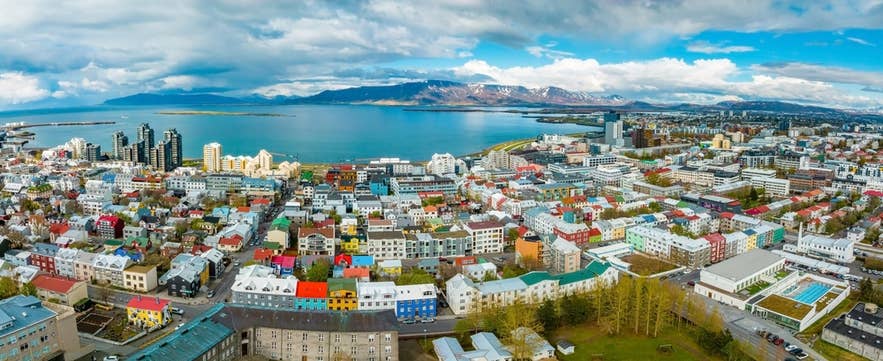 August is Iceland's peak tourist month, which drives accommodation prices to their yearly high and means the best-located properties book out months in advance. A hotel room in Iceland costs 49% more in August, according to our study on the cheapest time to visit Iceland. A seven-day mid-range trip averages 3,299 USD per person, making August the most expensive month to visit Iceland.
With so many visitors traveling at this time of year, choosing where to stay is about more than picking a hotel. The right neighborhood can make it easier to reach the places you want to visit while helping you stay within your budget.
Downtown Reykjavik (101)
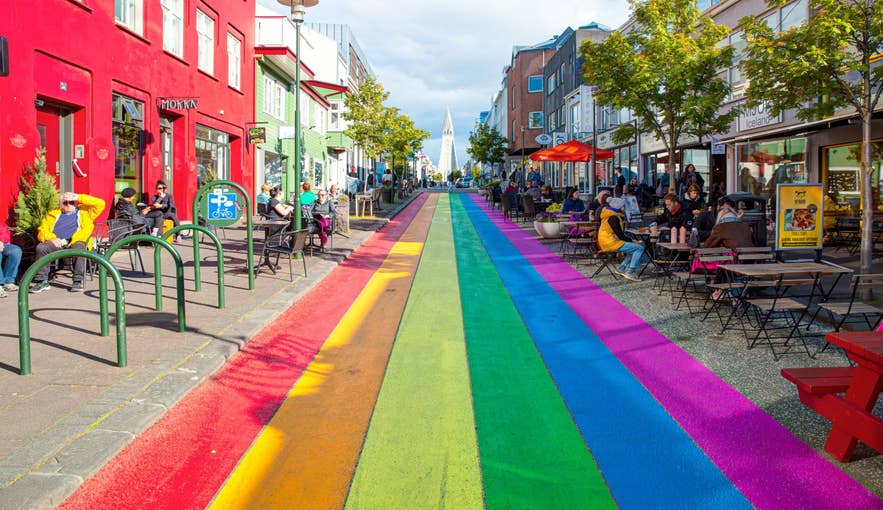 The 101 District covers the area from Hallgrimskirkja Church to the Old Harbour and is the most popular neighborhood for first-time visitors. Laugavegur Shopping Street, the Sun Voyager Sculpture, Harpa Concert Hall, and most of the city's restaurants and bars are within walking distance.
If your trip is short or heavily focused on tours that pick up from downtown, staying in 101 is the most convenient option, though also the most expensive. Well-regarded hotels in downtown Reykjavik include:
-
Midgardur by Center Hotels — A 4-star property at one end of Laugavegur with an on-site spa, outdoor hot tub, and the popular Jorgensen Kitchen & Bar. The Hlemmur bus station sits right outside, making it a practical base for travelers combining city time with day tours.
-
Berjaya Reykjavik Marina Hotel — Housed in a distinctive curved building by the Old Harbour, this hotel blends quirky Icelandic design with views of the working harbor. It's also home to Slippbarinn, widely credited as Reykjavik's first cocktail bar.
-
Skuggi Hotel — A modern boutique property a short walk from Hlemmur, favored by travelers who want a design-forward stay without the busiest stretches of Laugavegur directly outside.
-
Reykjavik Lights Hotel — A mid-range option slightly further east of the 101 core, themed loosely around Iceland's natural light phenomena and priced below the most central properties.
-
Canopy by Hilton Reykjavik City Centre — Hilton's lifestyle brand property in the heart of downtown, with a focus on local food, design, and neighborhood connection.
Budget Hotels and Hostels in Reykjavik
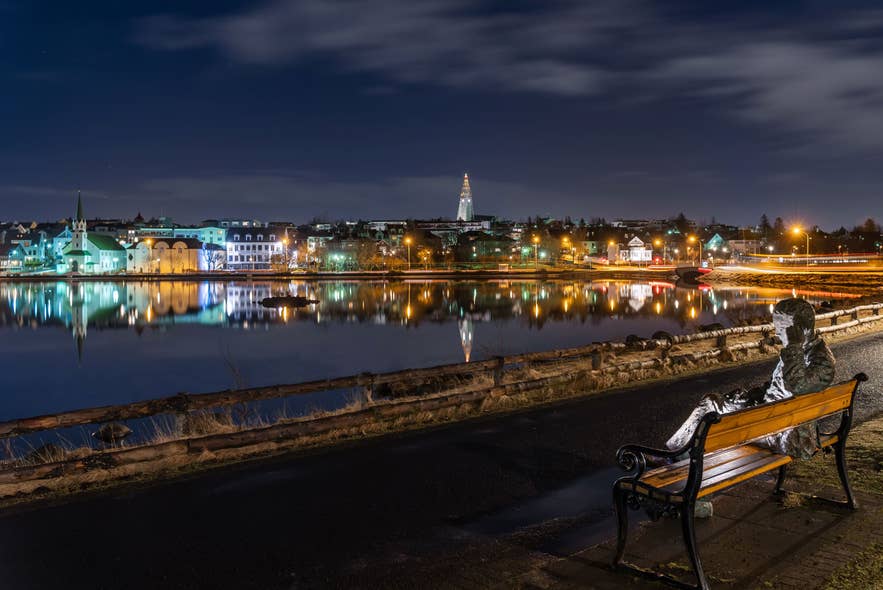 Iceland's reputation as an expensive destination is largely driven by accommodation costs, and that pressure peaks in August. A decent mid-range hotel room in central Reykjavik often starts around 250 USD a night in peak season, and waterfront or design hotels frequently run well above that.
Hostels in Reykjavik remain the most reliable way to book sub-100 USD nights, with most offering private rooms alongside traditional dorms. A few stand out:
-
Kex Hostel — Housed in a former biscuit factory, this hostel is known for its live music calendar and popular in-house bar.
-
HI Loft Hostel — This hostel sits on Bankastraeti Street and runs 4- to 8-bed dorms alongside private rooms.
-
CityHub Reykjavik — A hybrid between a hostel and a hotel, this property offers private pod-style rooms at rates well below traditional hotels.
-
Reykjavik Dalur HI Hostel — A quieter, more family-friendly option slightly outside the city center, near the Laugardalslaug Swimming Complex.
Staying Outside Central Reykjavik
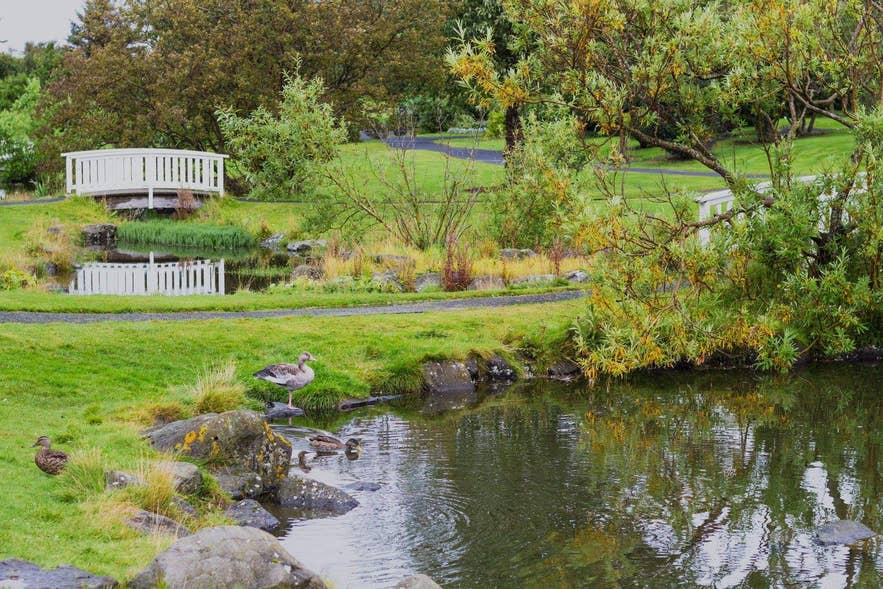 Accommodation prices drop noticeably as you move out of the 101 postcode. Areas like Vesturbaer District (just west of downtown), Laugardalur District (a greener residential area with the city's main swimming pool), and the eastern edge of Reykjavik near Hlemmur offer hotels and guesthouses at 20 to 30 percent less than equivalent downtown properties.
Public buses connect all of these areas to the city center in under 15 minutes, making them practical bases for travelers who don't need to walk out their hotel door onto Laugavegur. For a broader view of options in the capital, browse the largest selection of hotels in Reykjavik.
Summer Tours for Visiting Iceland in August
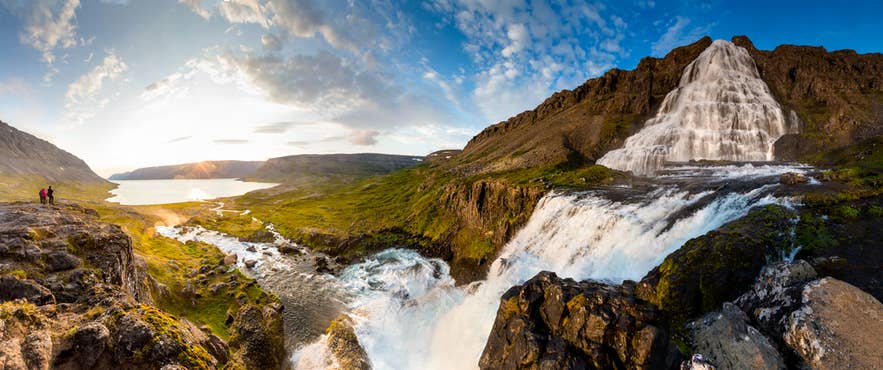 August is the easiest month to explore Iceland on a structured itinerary. Summer tours and packages built around the season take advantage of open Highland roads, long daylight, and mild conditions that make the country unusually accessible.
Tours From Reykjavik
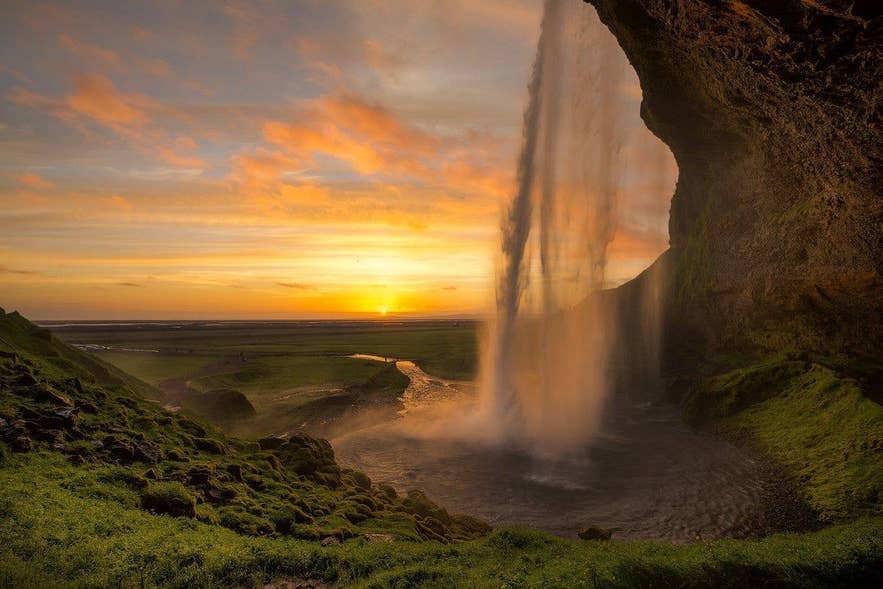 Most of Iceland's most famous natural attractions sit within a day's drive of Reykjavik, which makes single-day excursions from the capital a practical way to experience the country without constantly changing accommodations. These tours typically leave in the morning and return in the evening, with hotel pickup included.
-
The South Coast Tour From Reykjavik — See the Seljalandsfoss and Skogafoss waterfalls, Reynisfjara Black Sand Beach, and glacier viewpoints.
-
Go Inside the Volcano From Reykjavik — Descend into the dormant Thrihnukagigur Volcano for a unique adventure.
-
The Whale-Watching Tour From Reykjavik — Spot whales, dolphins, and puffins on a thrilling marine excursion.
-
The Snaefellsnes Peninsula From Reykjavik — Discover black sand beaches, lava fields, volcanic craters, Snaefellsjokull Glacier, and the famous Kirkjufell Mountain.
Self-Drive Tours
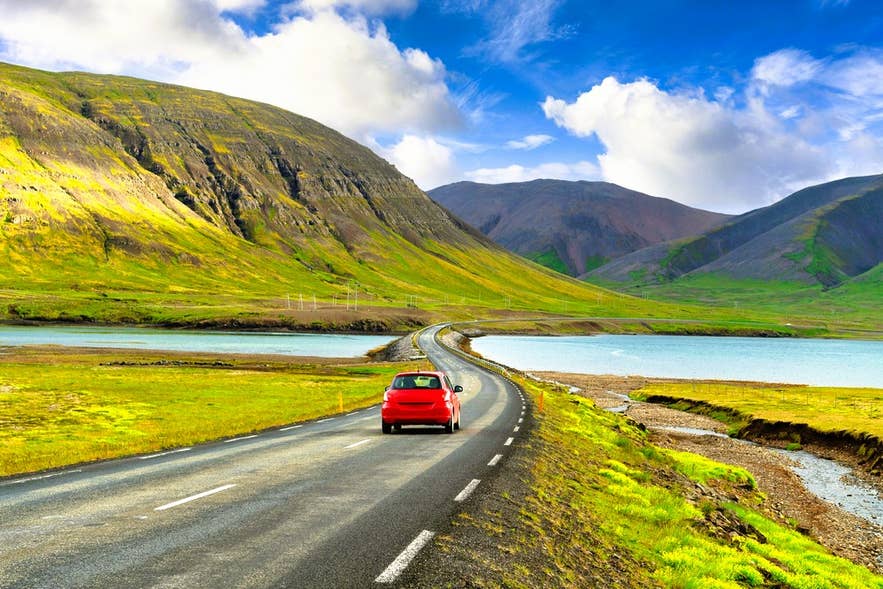 For travelers who want to set their own pace, self-drive tours come with pre-arranged accommodation and a suggested route, leaving the day-to-day driving and sightseeing decisions up to you. August is one of the most forgiving months for this format since all major roads are open and weather conditions generally stay mild.
-
10-Day Circle of Iceland — Discover most of Iceland at your own pace, including glaciers, waterfalls, volcanic landscapes, and black sand beaches.
-
2-Week Iceland Self-Drive Adventure — Experience Iceland’s most stunning natural wonders on this epic two-week journey around the entire country.
-
1-Week Circle of Iceland — A streamlined itinerary covering all major attractions, from glaciers to geysers.
-
7-Day Summer Adventure — An exciting one-week tour of Iceland’s top highlights during the vibrant summer season.
-
1-Week South & West Iceland Tour — Discover the best of Iceland’s South Coast and magical West on this slow-paced yet scenic one-week itinerary.
-
9-Day Ring Road & Snaefellsnes Tour — Travel the iconic Ring Road and explore the diverse landscapes of the Snaefellsnes Peninsula.
Enjoy Iceland in the Summer
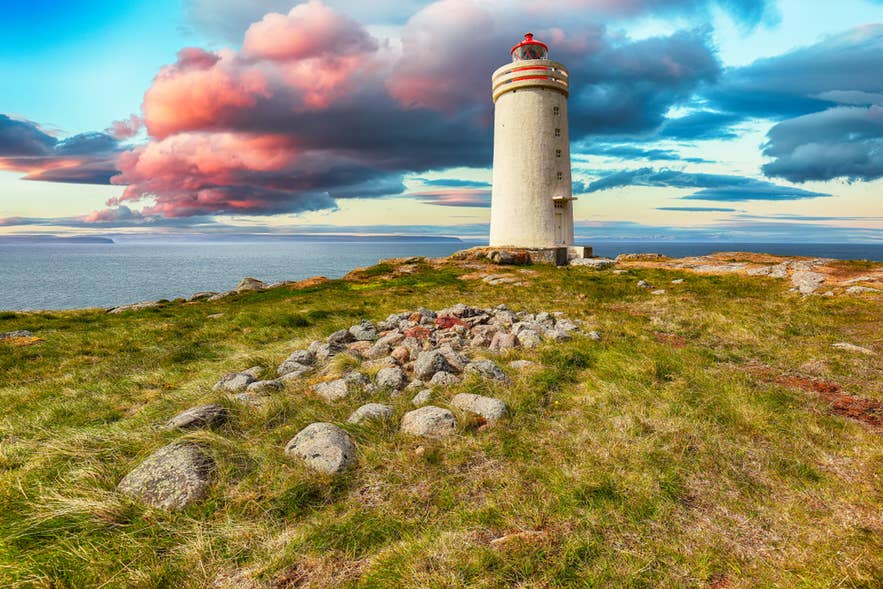 August packs more into a single month than almost any other time of year in Iceland. Between open Highland roads, long daylight hours, the country's biggest travel weekend, and a packed festival calendar, the month offers something worth planning around for nearly every kind of traveler.
Book well in advance, dress in layers, and leave room in the itinerary for Iceland's famously changeable weather. If you're driving yourself, the best summer self-drive itineraries in Iceland offer well-tested routes built around August's long daylight and open roads.
Is August a good time to visit Iceland?
What is happening in Iceland in August?
Will Iceland be crowded in August?
How far in advance should I book a trip to Iceland for August?
What is the weather like in Iceland in August?
Does it rain a lot in Iceland in August?
What should I pack for Iceland in August?
Does it get dark in Iceland in August?
Can you see the northern lights in Iceland in August?
Do I need to rent a car in Iceland in August?
What is the difference between visiting Iceland in early vs late August?
When is the best time in August to see puffins in Iceland?
Why is Iceland so expensive in August?
What can you do in Iceland in August on a budget?
Is Iceland safe to visit in August?
Are you excited about visiting Iceland in August? Tell us what you’re adding to your summer itinerary in the comments below.

I’m a writer and filmmaker from Reykjavík with a background in film studies and directing. I focus on stories that give voice to overlooked perspectives—both in my short films and in my writing about Iceland’s culture, places, and people.