Discover how to travel smarter and safer with this travelers’ guide to health and safety in Iceland. Knowing what to expect can make all the difference between a stressful adventure and an unforgettable trip. Read more and learn how to stay safe in Iceland without missing out on the fun.
Iceland is incredibly safe, but its wild nature requires preparation. Before you book your rental car in Iceland, be ready for unpredictable weather, volcanic eruptions, and glaciers. For extra security, many travelers choose Iceland vacation packages that include 24/7 support for total peace of mind.
This guide covers everything you need to know to travel safely while keeping your health in check. From health care access and emergency services to driving tips and cultural customs, this article is packed with practical advice to help you feel confident when you visit.
Why You Can Trust Our Content
Guide to Iceland is the most trusted travel platform in Iceland, helping millions of visitors each year. All our content is written and reviewed by local experts who are deeply familiar with Iceland. You can count on us for accurate, up-to-date, and trustworthy travel advice.
Key Takeaways
-
Iceland is a safe country, with low crime and a strong culture of public trust.
-
Health care is modern and accessible, but visitors should carry valid travel insurance.
-
Pharmacies are widely available, though opening hours may be limited in small towns.
-
Respect local customs and nature laws, like showering before pools and staying on marked trails.
-
Wildlife is not dangerous, but sheep and nesting birds can create driving or hiking hazards.
-
Water is safe, air is clean, and serious crime is rare. Keep an eye on your belongings at crowded sites and use licensed taxis.
Quick Reference: Contacts and Links for Travelers in Iceland
-
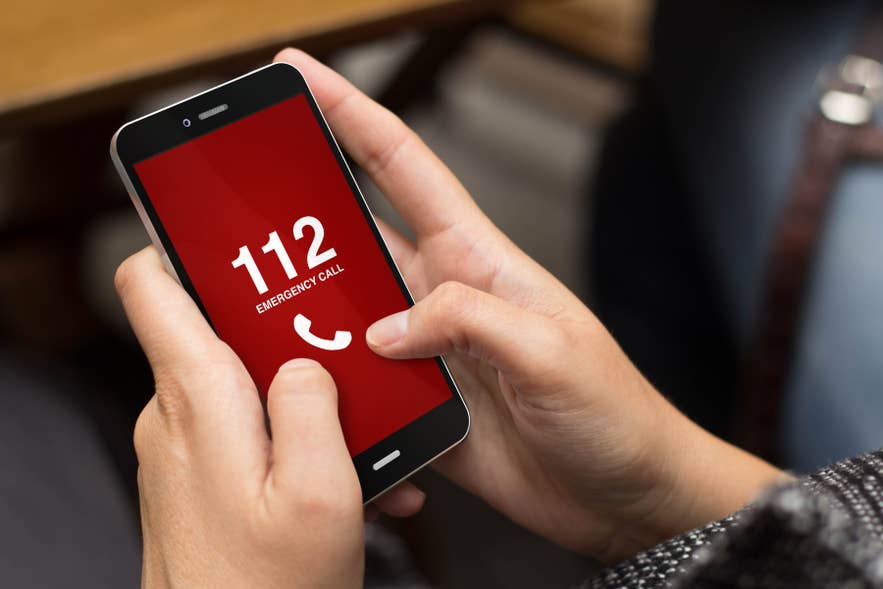
112 Iceland App or dial 112 – For general emergencies (police, fire, ambulance)
-
SafeTravel Iceland – Get real-time alerts, register your travel plans, and access safety guidance.
-
Icelandic Met Office – Stay updated on weather forecasts, storm warnings, earthquakes, and volcanic activity.
-
Umferdin – Check current road conditions, closures, and driving safety alerts across Iceland.
-
Heilsuvera – Locate health clinics and access healthcare services in Iceland.
-
Pharmacies in Iceland – Find licensed pharmacies throughout the country.
Why Iceland Is Safe for Travelers
Iceland consistently ranks among the safest countries in the world, and for good reason. Low crime, a culture built on trust, and reliable emergency systems make safe travel in Iceland straightforward for most visitors. Here’s what that looks like on the ground:
-
Crime is rare. Violent crime is practically nonexistent. Petty theft is the one crime that has risen in recent years, with pickpockets working crowded tourist spots, so keep bags zipped and belongings close.
-
Police are approachable. Officers are visible, helpful, and unarmed. Don’t hesitate to ask for assistance.
-
Reykjavik is relaxed, even at night. The biggest issue on a weekend is noise from the nightlife scene.
-
Solo and family travel is well-supported. Women traveling alone consistently rank Iceland as a top destination for safety. Families will find public spaces easy to navigate, with stroller-friendly streets throughout.
-
Emergency systems are reliable. Tools like SafeTravel Iceland keep you informed on weather alerts and road closures in real time.
Safety in Reykjavik
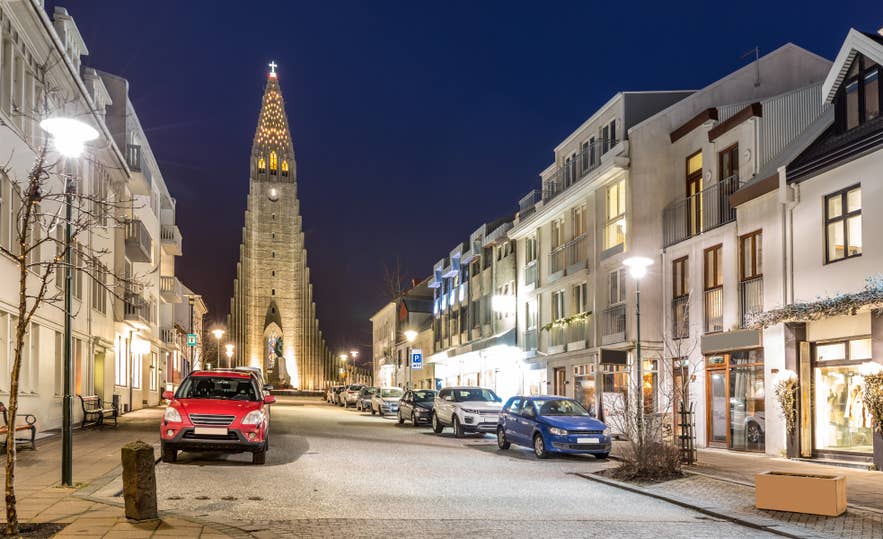
Reykjavik is one of the safest capitals in Europe, and it was named the world’s safest city for travelers in Berkshire Hathaway Travel Protection’s 2026 report, its second year in a row at the top. Crime is minimal, and walking around at night is generally not a concern.
The one area worth being mindful of is the nightlife in Reykjavik. Bars stay open late, drinks are strong and expensive, and the weekend crowd can get lively. Standard precautions apply: stay with friends, watch your drink, and have a plan for getting back. Taxis and apps like Hopp are reliable options.
Downtown is also where pickpockets have been most active since 2025, particularly around Hallgrimskirkja Church, Skolavordustigur Street, and Laugavegur Shopping Street. Keep your bag zipped and your phone in a secure pocket in crowds. You’ll find the full rundown in the Crime and Scams in Iceland section below.
Scams are rare, but it’s still worth booking tours through verified platforms. If you want a guided introduction to the city, a walking tour with beer and schnapps in Reykjavik is a solid option. For anything else, book tours in Reykjavik from trusted sources to avoid unlicensed operators.
Natural Disasters and Climate in Iceland
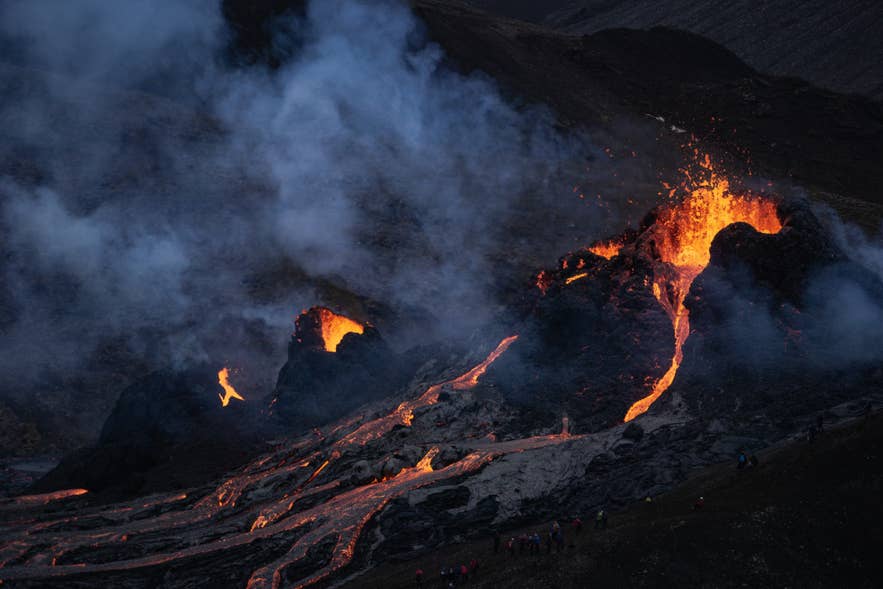
Iceland’s stunning nature is shaped by powerful geological forces, which means you’ll want to stay informed about environmental conditions as you explore. From the lava landscapes of Fagradalsfjall Volcano to the glacier-capped Eyjafjallajokull, the scenery is unforgettable, but it comes with certain risks.
Fortunately, the country has reliable systems for monitoring and communicating risks like storms, earthquakes, and eruptions. Check vedur.is and SafeTravel to ensure your safety in Iceland. They’re good resources for real-time weather alerts.
Earthquakes
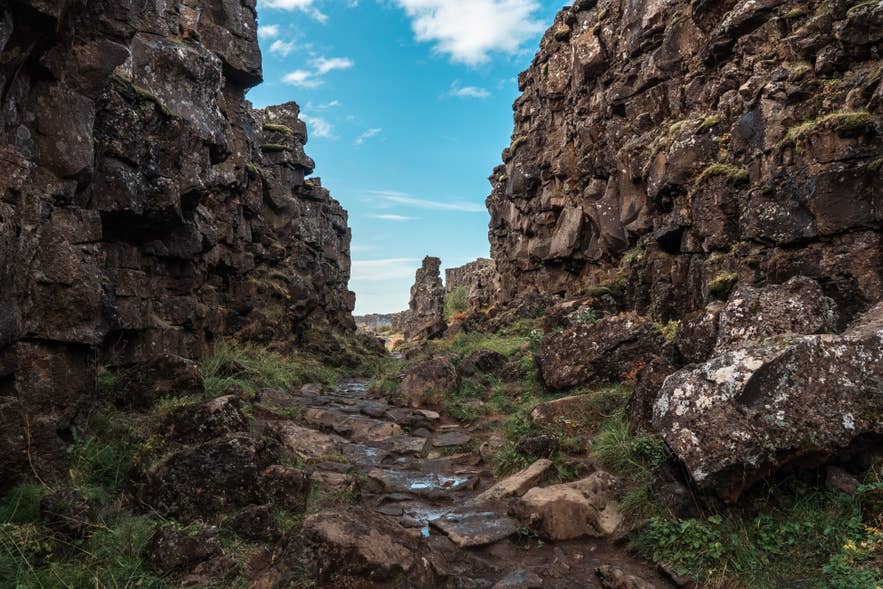
Small quakes are frequent and usually harmless. Most visitors don’t even feel earthquakes in Iceland. If you do experience one, follow basic safety protocols: drop to the ground, cover your head, and stay away from windows or anything that could fall.
Volcanoes
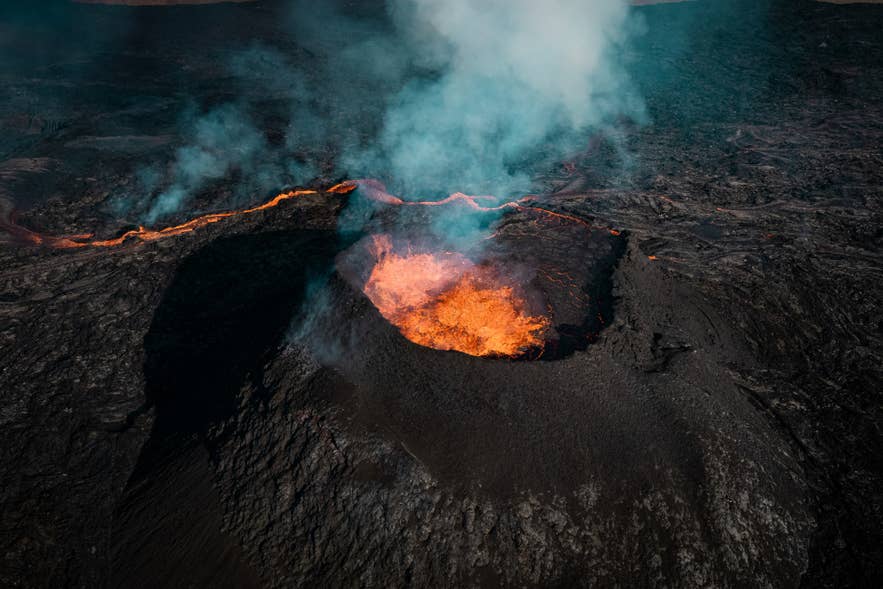
Iceland sits on a volcanic hotspot, and eruptions do happen. If you’re joining hiking tours in Iceland, near volcanoes and mountains, awareness and preparation are crucial. Fortunately, Iceland’s volcanoes are closely monitored, so you’ll get clear warnings if any eruption is expected.
For real-time updates, check the Icelandic Meteorological Office’s website, vedur.is and SafeTravel Iceland. These are the most reliable sources for volcanic activity alerts and travel safety information. Popular areas like the Reykjanes Peninsula are also safe to visit when open.
For added safety when exploring Iceland’s volcanoes or its surroundings: stay on marked trails, respect all closures and warning signs, avoid entering closed or restricted zones, and regularly check for updates. Also, join guided volcano tours in Iceland with experts who are trained to navigate these terrains safely.
Wind
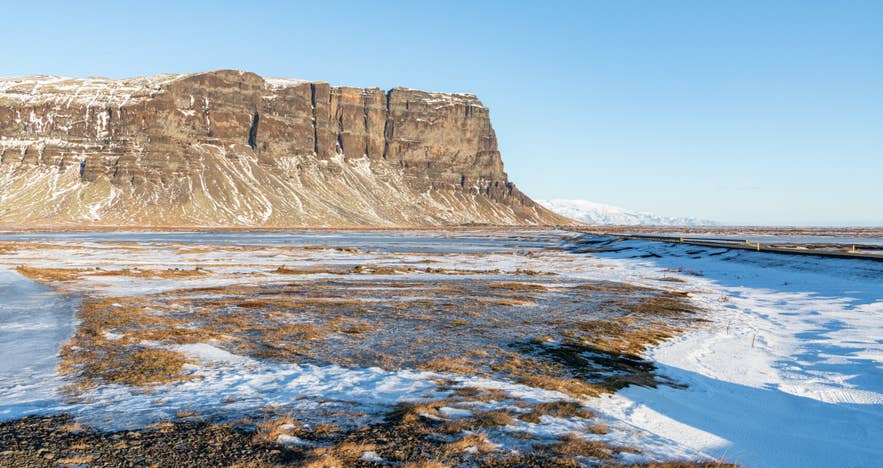
Wind is one of the most underestimated hazards in Iceland, peaking in autumn and winter. Before any drive, check vedur.is for the current warning level:
-
Yellow – Conditions are manageable but drive with extra care, especially on open roads and bridges.
-
Orange – Conditions are dangerous. Avoid exposed highland routes and reconsider non-essential travel.
-
Red – Severe storm. Do not drive. Stay indoors and follow local authority guidance.
On windy days, open car doors carefully as strong gusts can damage them. Avoid cliff-edged coastal roads and highland routes where wind exposure is highest.
Snow
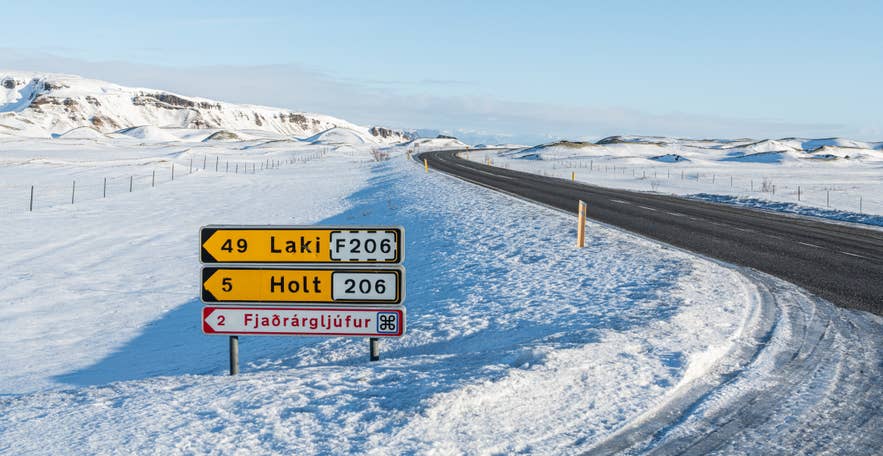
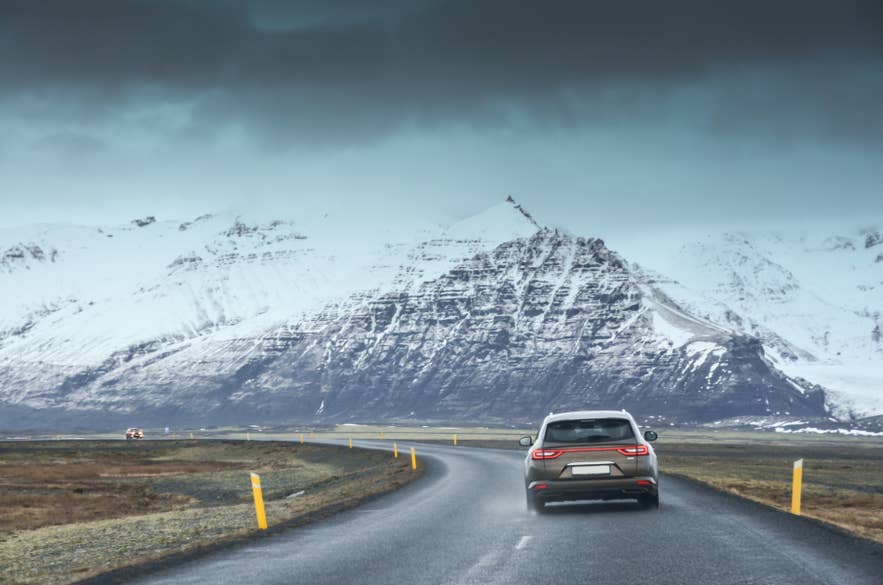
Winter driving in Iceland means dealing with snow, black ice, and limited daylight. A few things to remember before going out in winter in Iceland.
-
Winter tires are legally required on all cars in Iceland from November 1 to April 15, and rental cars come fitted with them automatically. Studded tires are optional, but worth requesting if you plan to drive icy rural routes.
-
Slow down when driving to avoid black ice. This is crucial, especially when driving through bends, bridges, tunnels, and shaded road sections.
-
Check umferdin.is before every drive. Color codes go from green (normal) to yellow (slippery) to orange (very difficult) to red (closed). Don’t attempt orange or red roads.
-
Avoid F-roads in winter. They are closed without exception. Check umferdin.is for current status.
-
If flying home from Keflavik, stay in Reykjavik the night before. Winter road conditions between regions can change overnight, and missing a flight because of a closed highway is a real risk.
Health Care in Iceland for Travelers
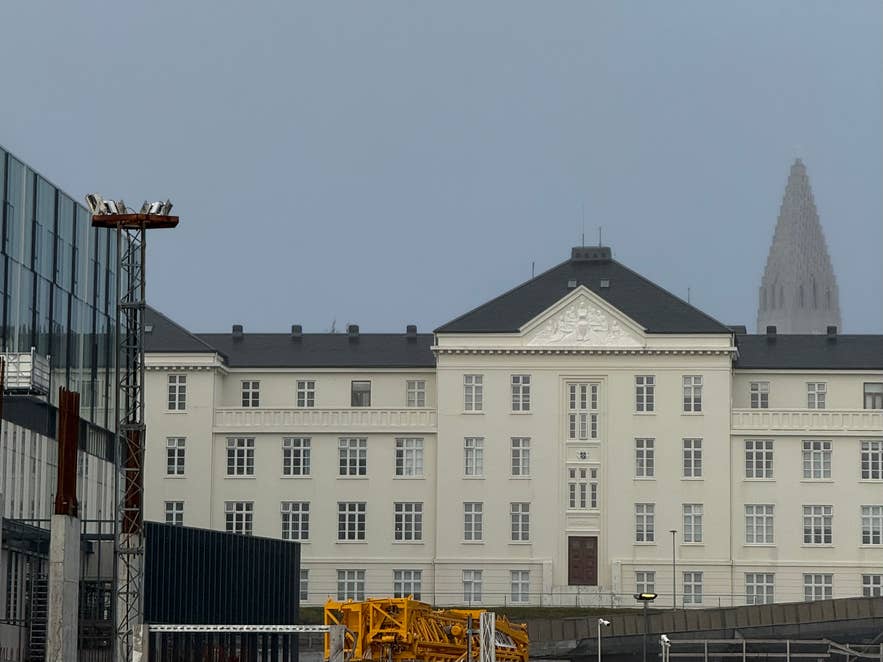
Photo from Wikimedia Creative Commons, by Siqurdur. No edits made
Iceland’s health care system is modern and accessible, even for visitors. Plus, there are many local clinics and hospitals all over the country. Iceland’s clean environment, active lifestyle, and strong public health culture support excellent health in Iceland.
Still, there are some things you’ll want to know in advance, from insurance and costs to where to go when you need help. Here’s what travelers should know about getting medical care in Iceland.
Key Points About Medical Care in Iceland

Iceland has a high-quality healthcare system, known for its modern facilities and excellent care standards. Visitors can expect reliable treatment, but it’s important to know the basics.
-
EU and EEA citizens can access medical care in Iceland. Bring your European Health Insurance Card (EHIC), and you will pay the same fees residents pay at state-run clinics and hospitals. Note that outpatient fees still apply and are non-refundable in Iceland, so travel insurance is worth having even with an EHIC.
-
Health care is not free for foreign visitors. Buy travel or medical insurance for Iceland before your trip to avoid high costs for doctor visits or emergencies.
-
Travel insurance is essential. Non-residents should carry travel insurance that covers medical expenses during their stay. Check with your airline or tour operators if they offer travel insurance as an add-on when booking your flights or tours.
Where to Get Medical Care in Iceland

If you need medical attention during your trip, Iceland has clinics and hospitals that are accessible to visitors. Knowing where to go, whether for minor issues or emergencies, will help you get the right care quickly.
-
Health Clinics (Heilsugaesla): For non-urgent issues like minor injuries or illnesses, visit a local health clinic. They are typically open on weekdays from 8 AM to 4 PM or 5 PM, so check your nearest clinic’s hours.
-
Emergency Rooms (Bradamottaka): For serious or urgent medical needs, head to the nearest hospital ER. They’re open 24/7, and no appointment is needed.
-
Hospital Locations: Full hospital facilities are available in Reykjavik and Akureyri. Meanwhile, smaller towns and rural areas typically have smaller local clinics.
For any type of medical emergencies, call 112. Operators provide immediate medical assistance and speak in English.
For non-life-threatening issues outside clinic hours, dial 1770 to reach Laeknavaktin, the doctors’ on-call service for the capital region. It operates on weekday evenings and around the clock on weekends. You can also dial 1700 anytime for nurse advice nationwide.
Pharmacies in Iceland

Apotek, or pharmacies, are easy to find in Reykjavik and most towns across Iceland. Basic medicines like pain relievers and allergy tablets are available without a prescription. However, anything stronger will require a doctor’s note.
If you need prescription medicine while in Iceland, you can visit a local health clinic or hospital to get one from a doctor. Bringing a copy of your prescription is also a good idea, in case you need a refill.
Travelers arriving from outside the EEA are allowed to bring up to a 100-day supply of regular prescription medicine, and up to a year’s supply if arriving from an EEA country.
The rules are much stricter for controlled medicines such as ADHD medication, strong painkillers, and sleeping pills: a maximum of 30 days’ use when arriving from a Schengen country, and only 14 days’ use from outside Schengen. Always carry your prescription, a doctor’s note, or the pharmacy label as proof the medicine is yours.
Plan ahead for medications. Pharmacy hours in Iceland may be shorter than you expect, especially in smaller towns. No pharmacy in Iceland is open around the clock. Downtown options like IslandsApotek in Reykjavik operate between 10 AM and 6 PM on weekdays, with limited Saturday hours and no Sunday or overnight service. If you need medicine late in the evening, Lyfja at Lagmuli 5 in Reykjavik keeps the longest hours in the country and is open daily until 12 AM.
Emergency Services and Travel Assistance
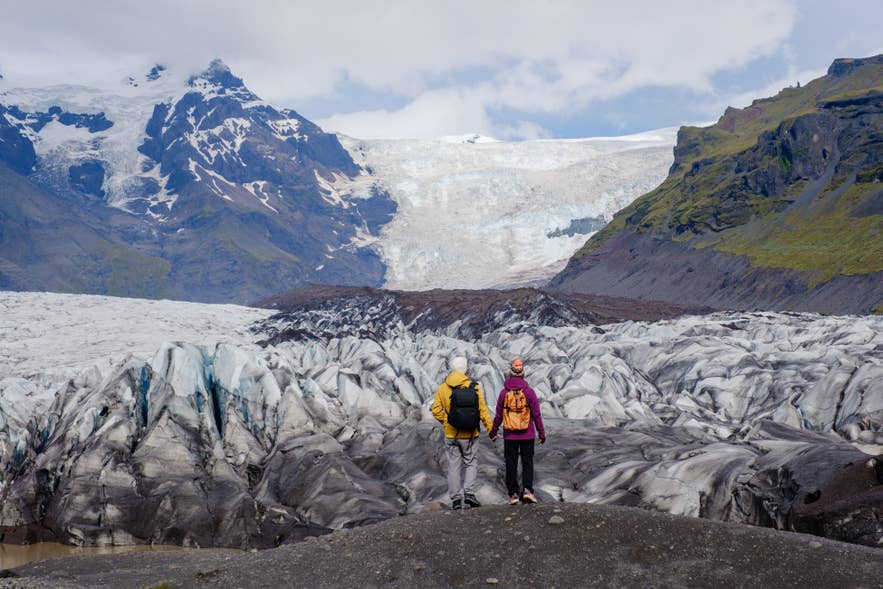
Iceland has efficient and easy-to-access systems for emergencies, even in remote areas. This section covers everything you need to handle unexpected situations in Iceland.
Iceland Emergency Numbers
Dial 112 for police, fire, or medical emergencies. The system is fast and reliable, and operators usually speak English. You can also use the 112 Iceland app for location-based emergency contact. It’s especially useful in areas with poor reception or when you can’t speak.
Finding a Doctor or Medical Help
If it’s not a full-blown emergency, visit a local health clinic. Hotel staff or locals can help you find the nearest one. Larger towns have walk-in services, and Reykjavik hospitals are open 24/7 for critical care. In case you need advice from medical professionals outside of clinic hours, dial 1770.
Emergency Assistance Apps
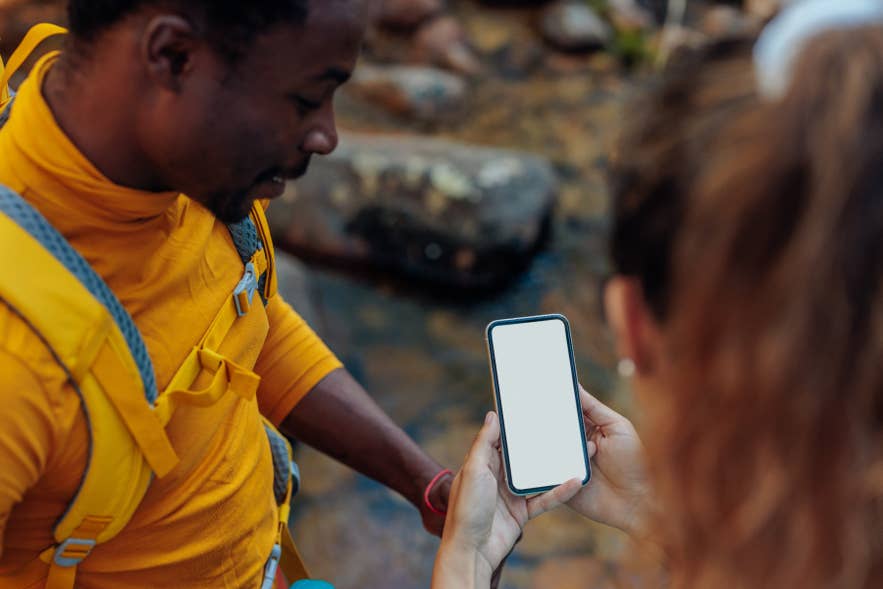
When it comes to safety in Iceland, it’s important that you know which digital tools to use. If you’re exploring remote areas or driving long distances, it’s more crucial. Two essential applications in Iceland stand out for travelers who want real-time support in case of emergencies.
SafeTravel App
This app is developed by the Icelandic Association for Search and Rescue (ICE-SAR), and it helps travelers avoid danger by staying informed. Key features:
-
Real-time weather alerts
-
Emergency check-ins
-
GPS route tracking
-
Notifications if your planned route becomes unsafe due to weather or road closures
112 Iceland App
The 112 Iceland app is Iceland’s official emergency service tool. It allows users to contact police, fire, or medical responders with just a tap. It is one of the top apps to download in Iceland. Key features:
-
Sending your GPS location to emergency dispatchers
-
Built-in support for those with speech or hearing impairments
-
Works in areas with limited mobile signal
-
Silent mode for contacting help when speaking is not possible
Both applications are solid companions whether you’re road-tripping, hiking, or visiting remote places in Iceland.
Embassy and Consular Support for Travelers
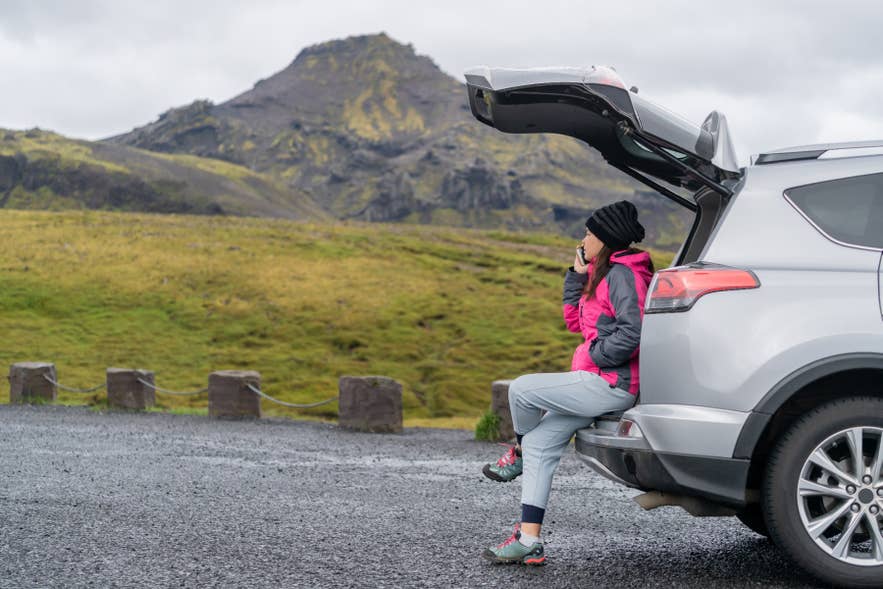
Embassies can help replace lost passports, offer legal referrals, and connect you with family back home. They’re important if things go wrong while you’re in Iceland.
However, they won’t cover medical bills, provide travel insurance, or pay to get you home. That’s why it’s important to have travel insurance that includes medical coverage to ensure your health and safety in Iceland.
For peace of mind and safety, look up the contact information and location of your country’s embassy or consulate in Iceland before traveling. In case of emergencies, having these details on hand can save valuable time.
Travel and Weather Safety in Iceland
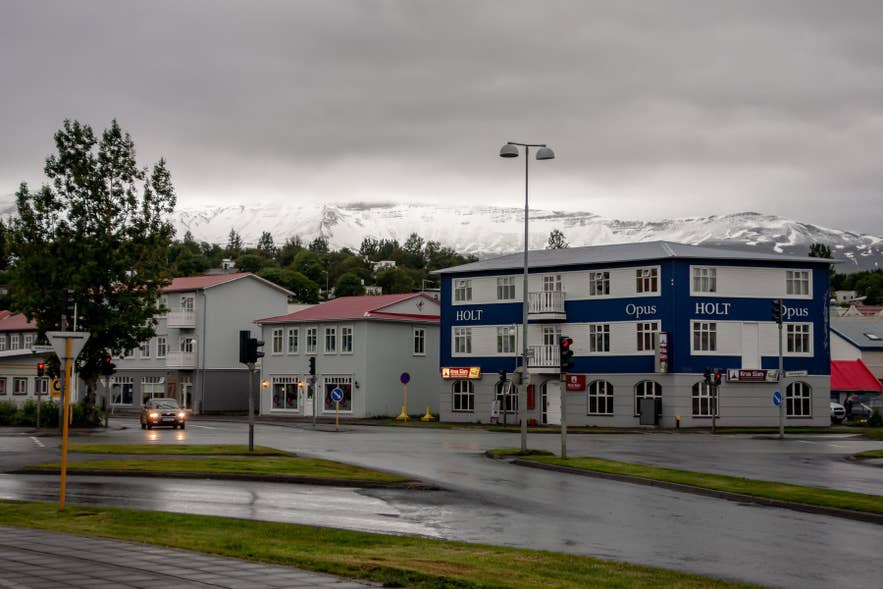
If there’s one thing to know about the weather in Iceland, it’s this: it’s unpredictable. If you’re driving around the Ring Road, a sunny morning in Reykjavik can turn into a stormy afternoon in Vik or Snaefellsnes. Always check the weather forecast through vedur.is, especially before long drives or hikes.
Driving in Iceland
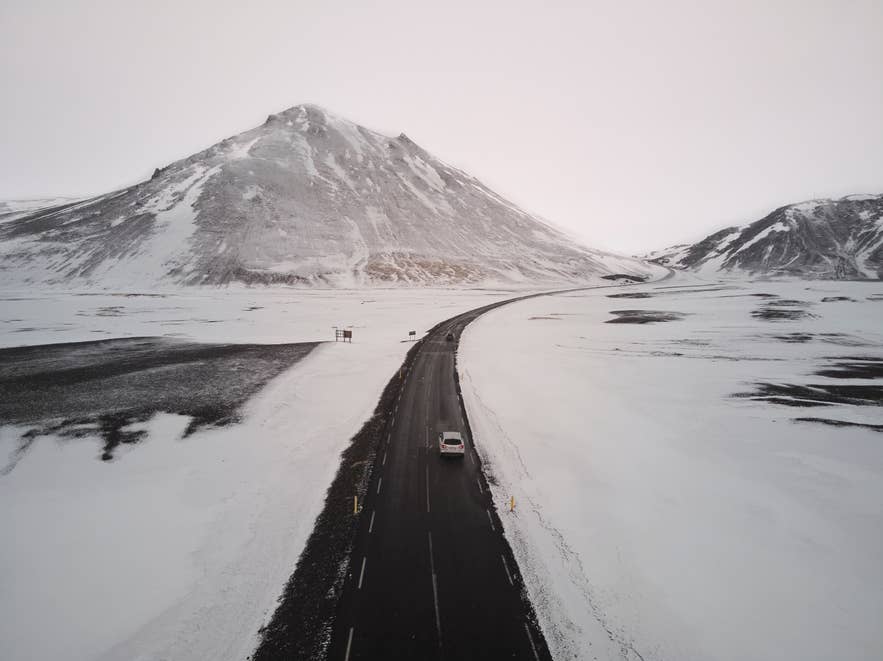
Driving lets you explore at your own pace, especially along scenic routes like the Golden Circle, the South Coast, and the Ring Road. But Iceland’s roads have specific rules and quirks. Gravel roads, highland F-roads, strong winds, and remote areas with limited services are all part of the experience.
For your safety, make sure you’re prepared and know the rules when driving in Iceland. Read below for more tips and information about safety on Iceland’s roads.
Rules When Driving in Iceland
-
Drive on the right.
-
F-roads like F26 in the Highlands or routes to Askja Caldera are for 4x4 vehicles only.
-
Don’t stop in the middle of the road for photos (seriously, don’t).
-
Fuel up often. Gas stations can be far apart, especially between Myvatn and Egilsstadir.
-
Beware of high winds. They can damage car doors, so open them carefully.
Rental & Insurance Tips
-
Book your car rental in Iceland early. Ideally, three to six months in advance.
-
Add gravel and windshield insurance. These are highly recommended if you plan to drive outside of main paved routes.
-
Choose car rental services with Collision Damage Waiver (CDW) insurance. It covers repair costs in case of minor accidents, weather-related damage, or theft.
Roadside Assistance Tips
-
Be extra careful in remote or highland areas, especially on rough terrain or F-roads.
-
Use trusted roadside assistance services like Krokur or 24 Road Assistance (24RA), which operate nationwide. If your rental car’s insurer is VIS, its roadside assistance line will connect you to Krokur. Depending on the provider, their services may include towing, flat tire repairs, jumpstarts, vehicle recovery, emergency assistance, and vehicle storage.
-
Save emergency contacts in your phone. Keep your rental company’s assistance number, and Iceland’s emergency number (dial 112).
Changing Weather and Road Conditions
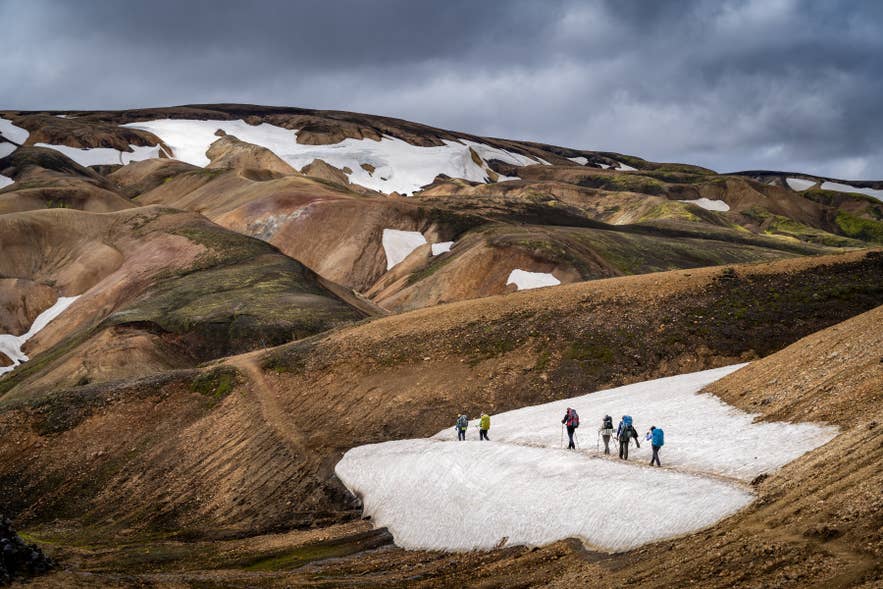
Use umferdin.is to check real-time road closures and alerts. Even in summer, some mountain roads or highland routes, like the ones in Landmannalaugar or Thorsmork, may be closed due to melting snow, landslides, or river crossings.
Wind, ice, floods, and fog can change all your plans in a matter of hours. Your safety in Iceland should be your top priority, so be flexible with your itinerary. If the weather turns, it’s always safer to adjust your route than to push through unsafe conditions.
To avoid weather-related headaches, join guided tours or vacation packages in Iceland, designed by local experts. Tour operators are used to handling Iceland’s unpredictable weather and can easily adjust routes and timing to keep your experience smooth and safe.
Environmental Awareness and Outdoor Safety
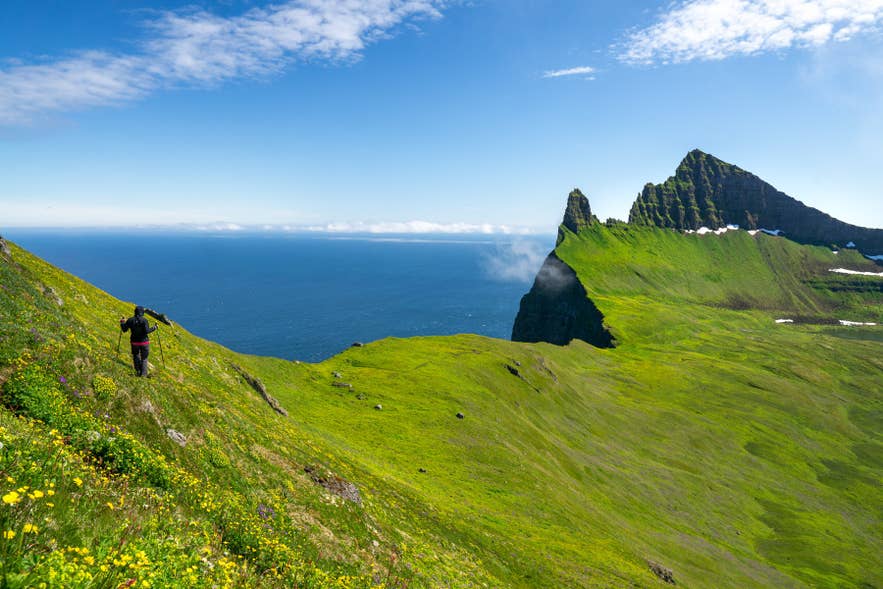
Don’t walk on moss, cross ropes, or ignore warning signs. Iceland’s terrain is stunning but can be fragile or hazardous. Boiling geothermal hot springs, unstable glaciers, and fast-flowing rivers aren’t just photo ops.
Stick to marked trails, especially in geothermal areas like Hverir, Geysir, or Kerlingarfjoll. If you’re exploring mountains in Iceland or remote regions like Hornstrandir Nature Reserve, consider going with a guide.
Other Safety Tips for Iceland Travelers
Iceland is one of the safest and most welcoming countries you can visit in Europe. However, even with its strong reputation for peace and order, there are still a few things travelers should keep in mind.
Everyday habits, local customs, and even wildlife behavior can play a role in your overall safety in Iceland. Read on for practical tips on staying safe, respecting local customs, and making the most of your time in Iceland.
Safety for Different Types of Travelers in Iceland
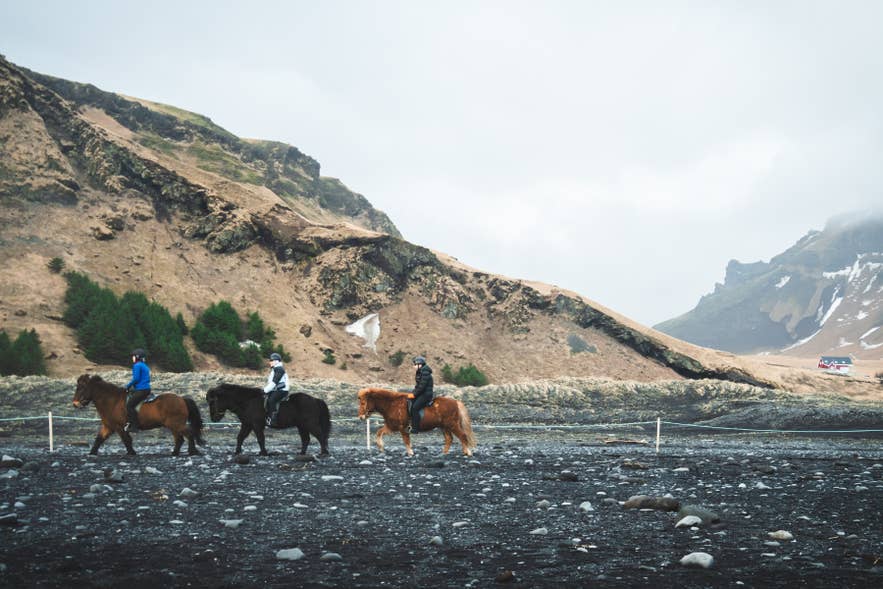
Iceland is widely regarded as one of the safest and most inclusive places to travel. In fact, most of the time, travelers will find plenty of support from friendly locals. Plus, it’s easy to explore places like Vik, Snaefellsnes, and Seydisfjordur with confidence.
-
Families: Iceland is a fantastic destination for families. Kids are welcome nearly everywhere, and outdoor spots like waterfalls and hot springs are easy to enjoy safely. Just watch the weather and stick to marked paths.
-
Solo travelers: With low crime, helpful locals, and solid infrastructure, solo traveling in Iceland is safe. It’s easy to get around, whether you’re renting a car from Reykjavik or riding a bus.
-
Solo female travelers: Iceland is safe for solo female travelers. Gender equality in Iceland is strong, and harassment is rare. Walk around day or night with confidence. Just stay aware of your surroundings, like you would anywhere.
-
LGBTQ+ travelers: LGBTQ+ travelers are welcome in Iceland. It also hosts a huge Pride celebration in Reykjavik every August. The city is also full of inclusive bars, cultural spaces, and queer-owned businesses that celebrate diversity year-round.
Crime and Scams in Iceland
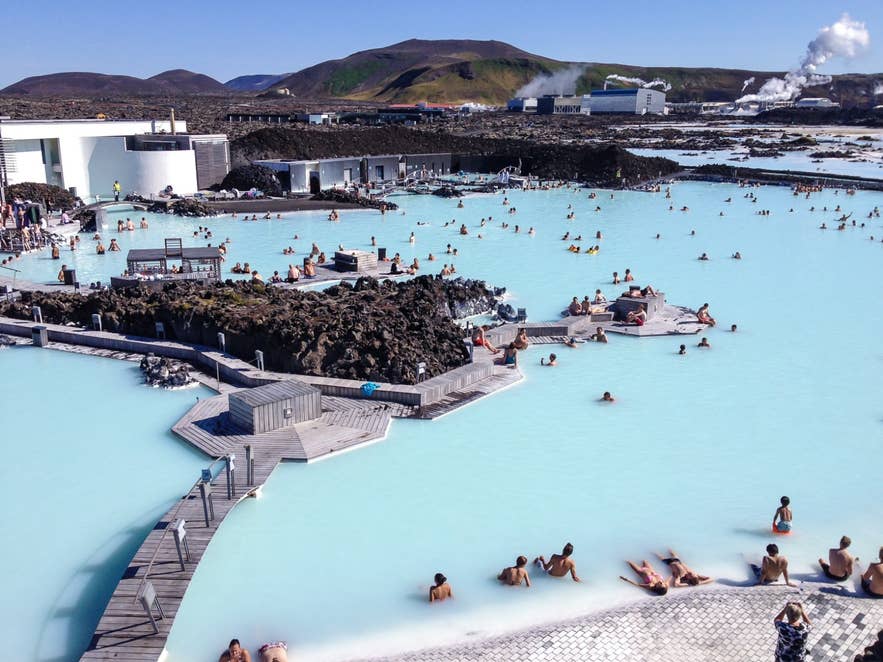
Iceland is one of the safest countries in the world. However, no destination is completely crime-free. While violent crime is rare, petty theft and scams can happen, especially at big attractions.
Unlicensed taxi drivers charging inflated prices have become a known problem in Reykjavik, and police have charged dozens of drivers since stepping up inspections in 2025. To avoid this, stick to official taxi stands, use licensed apps like Hopp, and book reliable airport transfers in Iceland, like Flybus.
Pickpocketing is also one of the few safety concerns travelers should be aware of. Isolated cases have occurred in the past, but police have reported an increase in organized pickpocketing targeting travelers since 2025.
According to police, these groups target busy tourist areas, including Hallgrimskirkja Church, Skolavordustigur Street, Laugavegur Shopping Street, and popular Golden Circle attractions such as Thingvellir National Park, Gullfoss Waterfall, and Strokkur Geyser.
Iceland has responded with additional surveillance cameras, increased police patrols, and the arrest and deportation of suspects. Although incidents remain uncommon, a few simple precautions can help protect your belongings.
-
At the sights: Be more attentive in queues, at viewpoints, and in shoulder-to-shoulder crowds. Keep bags zipped and in front of you, store phones in secure pockets, and avoid leaving belongings unattended on ledges or cafe tables.
-
When paying: Cover the keypad with your free hand. Thieves have watched PINs being typed in shops and stolen the cards afterward, so never keep a written PIN anywhere near your cards.
-
At the car: A bag visible on a seat in an attraction parking lot is the easiest target there is. Take valuables with you or lock them in the trunk before you arrive, not after you park.
-
If it happens: Freeze your cards first, then call the police on 112 and ask for a police report. Your travel insurance will need it.
Cultural Norms and Behavior Expectations
Icelanders are relaxed and friendly, but they also value personal space, quiet, and respect for nature. Understanding a few cultural do’s and don’ts can help you fit right in, avoid awkward situations, and show respect as a visitor. Here are some things to keep in mind.
Do:
-
Shower (yes, fully naked) before entering public pools or hot springs in Iceland like the Secret Lagoon or Myvatn Nature Baths.
-
Be quiet and respectful in libraries, restaurants, and rural guesthouses.
-
Follow queue etiquette and be courteous to the locals.
Don’t:
-
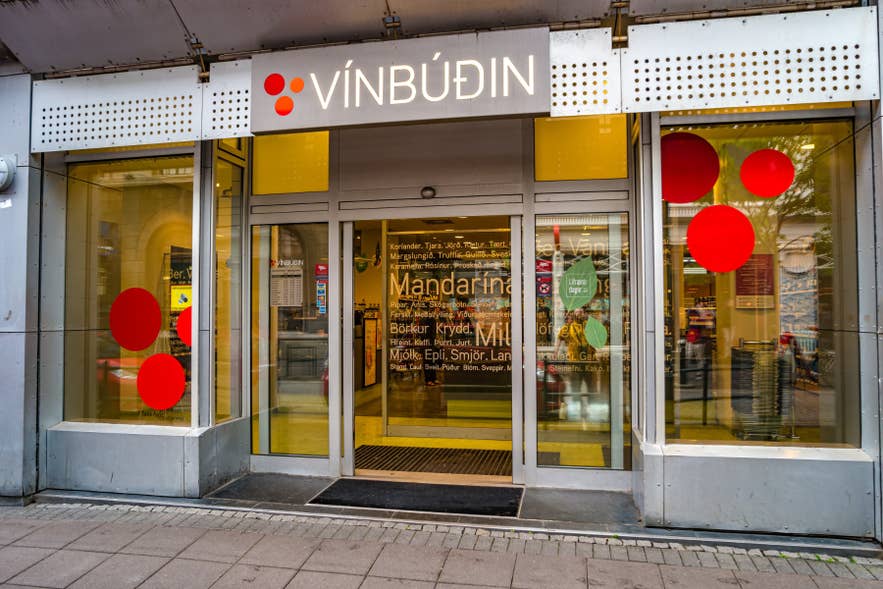
Expect to buy alcohol in supermarkets or corner stores. They don’t sell it. Buy it at the state-run Vinbudin liquor stores, or order it at licensed bars and restaurants.
-
Drive off-road, even if it looks tempting near places like Hveravellir or Landmannalaugar. It’s illegal and environmentally damaging.
-
Ignore safety signs in nature. They’re there for your protection and to preserve Iceland’s unique environment.
Food Safety and Eating Exotic Dishes in Iceland

Curious about hakarl (fermented shark) or raw lamb? Icelandic food may look exotic, but it’s held to high hygiene standards. However, for peace of mind, join food and drink tours in Iceland so you can rest assured that the dishes you’ll taste are prepared safely.
Icelandic restaurants are also used to accommodating allergies and dietary restrictions. You’ll find gluten-free food in Iceland, as well as vegan and lactose-free options, even in smaller towns. You can also ask your server directly to accommodate your dietary needs.
Iceland’s tap water is some of the cleanest on earth. Water in Iceland comes from natural spring sources, has minimal treatment, and is regularly monitored and tested. So it’s safe to fill your bottle straight from the faucet or glacier stream.
Practical Health Tips for Travelers
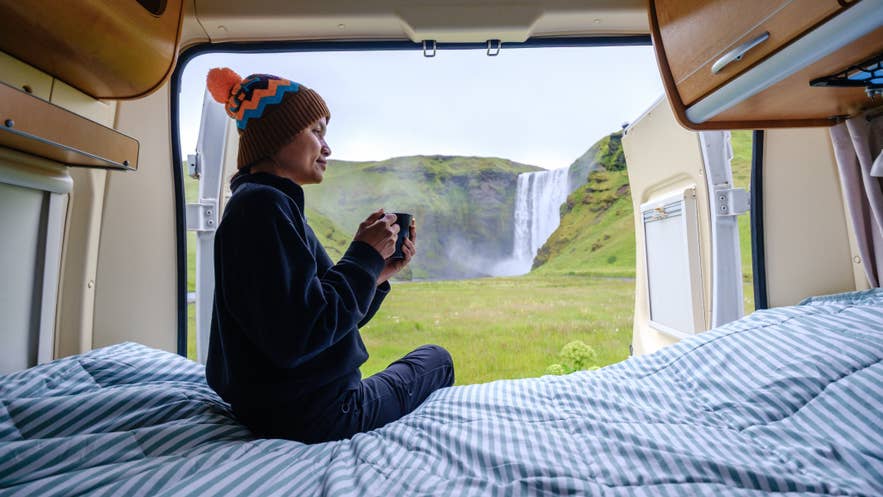
Iceland’s climate and landscape are stunning but can also be demanding. Staying healthy on the road comes down to good preparation and awareness.
Whether you’re hiking, road-tripping, or joining northern lights tours, keeping up with your health and safety in Iceland ensures a smoother, more enjoyable trip. Here are things to keep in mind to stay safe while traveling in Iceland.
-
Layer up properly. Pack thermal base layers, a breathable mid-layer, and a waterproof shell. Avoid cotton as it traps moisture and cools you down fast.
-
Hydrate and eat well. Bring a reusable water bottle. Tap water in Iceland is safe and clean. Drink plenty of water and don’t skip meals.
-
Prioritize rest. If you’re hiking, skiing, or going on self-drive tours in Iceland, give your body enough downtime.
-
Handle the daylight shift. In summer, the sun barely sets, especially during the midnight sun in Iceland, so bring a sleep mask. In winter, consider bringing vitamin D supplements for the short days.
-
Plan road trips smartly. Download offline maps in case of poor mobile signal in remote areas. Keep snacks handy, refill your water at every stop, and recognize signs of fatigue to avoid accidents while driving on the road.
Tipping, Money, and Card Safety
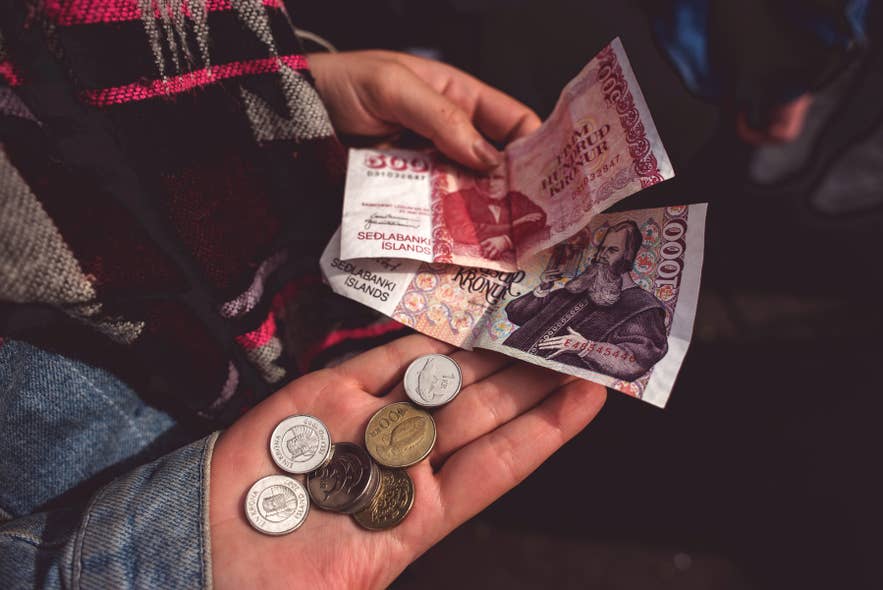
There’s no tipping culture in Iceland, but rounding up or leaving small change is appreciated in cafes or tour services.
Iceland is a card-friendly country. Credit cards, especially Visa and Mastercard, work for almost everything, from gas stations in the Westfjords to hot dog stands in Reykjavik.
The currency in Iceland is the Icelandic krona (ISK). When paying, always choose ISK to avoid hidden conversion fees. If you want to withdraw cash, ATMs are available anywhere in Iceland.
Wildlife and Animal Encounters
Sheep roam free, especially in the countryside, and they have zero road awareness. To ensure your safety in Iceland, as well as the wildlife’s, drive carefully and always use your brakes, especially in rural areas.
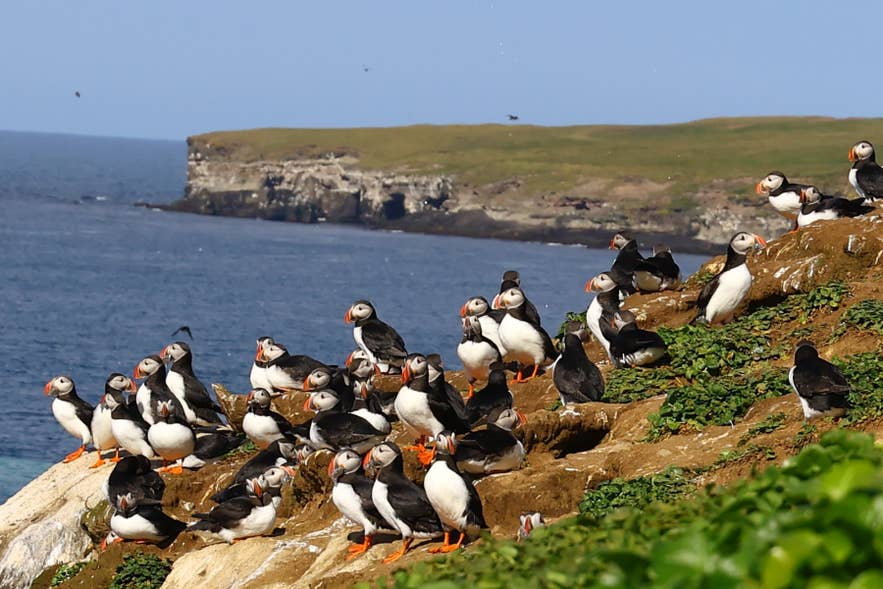
In summer, Icelandic birds, like puffins or Arctic terns, are often seen on beaches and cliffs, like Latrabjarg. Don’t feed or approach wildlife. Iceland’s nature is best admired from a respectful distance. If you want to get close to the birds safely, you can always join guided experiences with experts, like a Westfjords birdwatching and hiking tour.
Final Thoughts on Health and Safety in Iceland
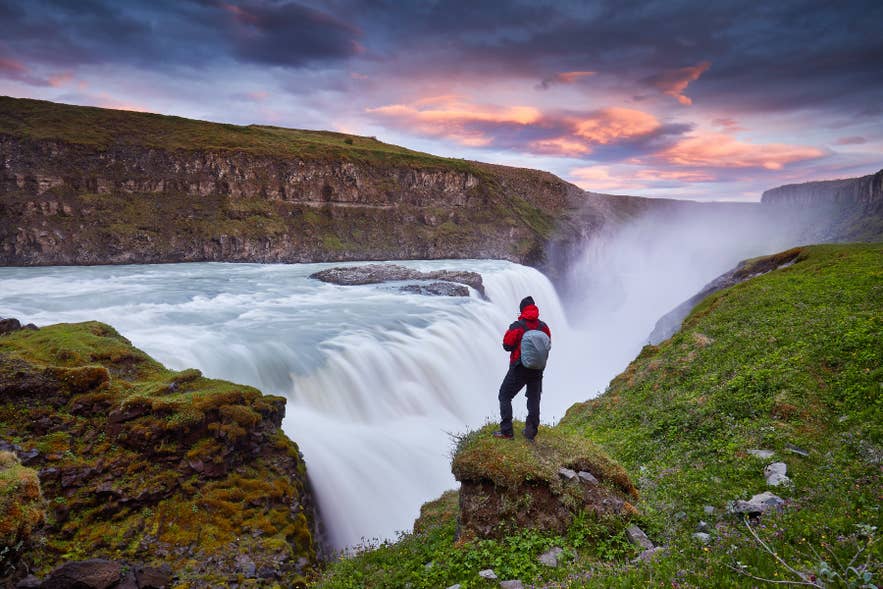
Iceland has no large predators, near-zero violent crime, and a strong search-and-rescue culture. The unpredictable part is the weather, and even that comes with color-coded warnings and real-time updates on vedur.is and SafeTravel Iceland.
From top-tier medical care to inclusive social norms and low crime rates, Iceland sets a high standard for both health and security. Knowing what to expect, like how to navigate F-roads during Highlands tours, prepare for changing weather, or pack a sleep mask for summer daylight, can help you avoid surprises and stay comfortable during your trip.
We hope this guide has helped you better understand the essentials of health and safety in Iceland. As you plan your visit, be it your first or your fifth time around the Golden Circle, being prepared means you’ll enjoy more and worry less.
Want more helpful tips? Check out our guide on The Top Do’s and Don’ts When Traveling to Iceland.
Is Iceland a safe country to visit?
Is it safe to walk around Iceland at night?
What is the biggest predator in Iceland?
Is crime a problem in Iceland?
To stay safe, keep your bags zipped in crowds, cover your PIN when paying by card, and never leave valuables visible in your parked car. Violent crime remains extremely rare, and most visits to Iceland are trouble-free.
What are the main risks for travelers in Iceland?
Always prioritize safety by checking current conditions before heading into the highlands or remote coastal areas.
Are there any travel warnings for Iceland?
Don't forget to register your itinerary at SafeTravel.is. These resources ensure you stay informed about localized risks. If you prefer expert navigation during alerts, consider booking guided tours where professional drivers handle the conditions for you.
What is the emergency number in Iceland?
Is Iceland's tap water safe to drink?
Do I need vaccinations to visit Iceland?
Is healthcare free for tourists in Iceland?
Are winter tires legally required in Iceland?
Is Reynisfjara black sand beach dangerous?
Can you swim at Icelandic beaches?
Are Iceland's volcanoes dangerous for tourists?
Can I walk on a glacier in Iceland without a guide?
Is it safe to drive in Iceland in winter?
Can I cross rivers in a rental car in Iceland?
Have questions or stories to share from your trip? Let us know in the comments section below. We’d love to hear from you!

I’m Farrah, a writer and researcher. I’ve also worked as a tour guide, which gave me a deep appreciation for crafting engaging travel experiences. My fascination with Iceland comes from a long-standing interest in its unique landscapes, deep-rooted folklore, and culture shaped by independence and resilience. I share the best of Iceland to help visitors discover the moments and magic that make this country special.