March in Reykjavik brings some of the city’s best experiences, and tours in March make it easy to enjoy both the capital and the surrounding winter landscapes. You’ll find everything from food tours and cultural walks to seasonal outings such as northern lights trips, ice caving tours, and glacier adventures.
The month naturally blends city life with outdoor exploration. You can spend one day visiting museums, geothermal pools, and cafés, and the next day join a guided tour that takes you into Iceland’s icy scenery. Renting a car in Reykjavik is another practical option if you prefer the freedom to explore on your own.
Why You Can Trust Our Content
Guide to Iceland is the most trusted travel platform in Iceland, helping millions of visitors each year. All our content is written and reviewed by local experts who are deeply familiar with Iceland. You can count on us for accurate, up-to-date, and trustworthy travel advice.
Iceland in March brings a mix of snow, rain, and sunshine, and Reykjavik reflects this shift in a way that keeps your plans interesting. Some nights give you northern lights over Grotta, while others offer concerts, festivals, and the warmth of cozy cafés across the city.
This guide brings all of these elements together and highlights the top things to do in Reykjavik in March. It gives you a clear plan for cultural experiences, seasonal activities, and city highlights as Iceland moves toward spring.
Weather in Reykjavik in March
 The weather in Reykjavik in March is unpredictable, with snow, rain, sun, and wind often in quick succession. Average temperatures hover around freezing during the day, but wind chill makes it feel colder, so wearing layers is essential.
Daylight increases from about 10 hours to nearly 13, giving you more time to explore. Nights remain dark enough for the northern lights, so bring warm gear if you plan to be outside watching the skies.
Overview of Reykjavik’s temperatures and daylight in March:
-
Average daytime temperature: 36 F (2 C)
-
Average nighttime temperature: 29 F (–2 C)
-
Sunrise: 8:30 AM at the start of March, 6:45 AM by the end of March
-
Sunset: 6:45 PM at the start of March, 8:15 PM by the end of March
To stay comfortable, wear a thermal base layer, a fleece or wool sweater, and a waterproof, windproof jacket. Choose sturdy waterproof boots with good grip, and add gloves, a hat, a scarf, and warm socks for comfort outdoors.
Now that you know what to expect from the weather and what to wear, here are the top 17 things to do in Reykjavik in March.
17. Warm Up with Coffee and Pastries in Reykjavik’s Cozy Cafés
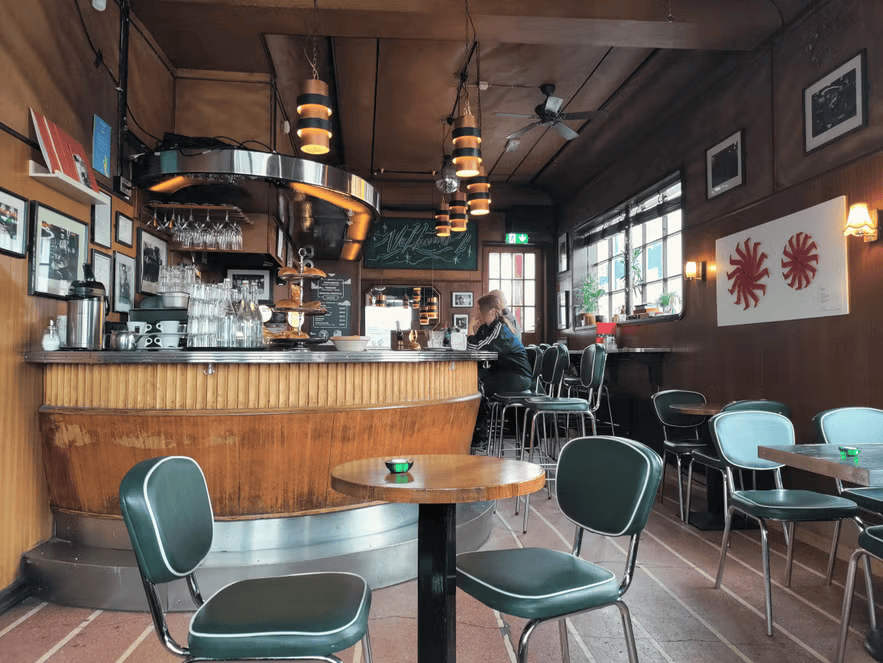 March weather in Reykjavik is a roulette wheel of wind, sleet, and sudden sunshine, which makes the city’s café scene a genuine lifesaver. When the cold cuts through your coat, slipping into a warm café becomes one of the best things to do in Reykjavik in March.
The city blends old favorites with modern hangouts. Prikið, a Laugavegur icon since 1951, pairs strong coffee with a retro vibe by day and transforms into a full-blown nightlife spot after dark. Te & Kaffi, Iceland’s biggest and most reliable café chain, is perfect when you want a quick warm-up, a seasonal latte, or just a straight-up black coffee that hits the spot.
For atmosphere, IÐNÓ is hard to beat. Its lakeside location and tall windows overlooking Tjornin Pond make it ideal for slow mornings and quiet breaks. Down by the harbor, Reykjavík Röst gives you waterfront views with your coffee, plus solid pastries and sourdough sandwiches. There’s also Sweet Aurora, which offers refined French-style pastries made with Icelandic ingredients.
If you want to try multiple spots, you can save a bit in the process. Several cafés offer discounts and special perks through Guide to Iceland’s VIP Club, making your March coffee crawl even sweeter.
16. Explore Iceland’s Nature on a Day Trip From Reykjavik

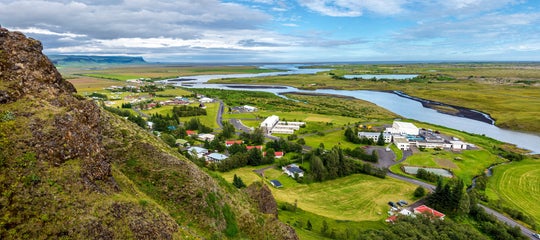
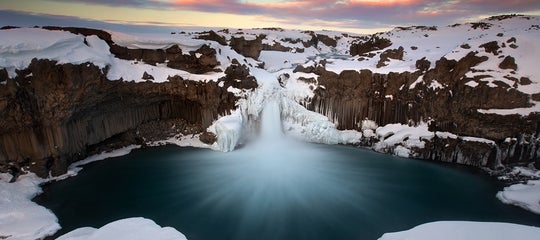
March is a great time to explore Iceland’s wild scenery while still basing yourself in Reykjavik. With longer daylight hours, you have more time to see waterfalls, glaciers, and black-sand beaches, and the snowy landscapes make the countryside look especially dramatic.
Guided day trips from Reykjavik are the simplest way to get out of the city. The Golden Circle is the most popular route, and day tours make it easy to visit Thingvellir National Park, the Geysir Geothermal Area, and Gullfoss Waterfall in one trip.
For coastal scenery, South Coast tours take you to Seljalandsfoss and Skogafoss waterfalls, Reynisfjara Black Sand Beach, and the village of Vik. If you prefer something less busy, the Snaefellsnes Peninsula offers lava fields, sea cliffs, and volcanic craters, often described as “Iceland in miniature.”
If you prefer more freedom, self-drive tours give you the flexibility to explore at your own pace. Just make sure to read up on driving in Iceland in March, as roads can be icy and conditions change quickly. Check umferdin.is/road.is and vedur.is for updates before heading out.
15. Go Out for Fun Night of Games and Drinks
 Reykjavik’s nightlife isn’t only about bars and clubs, it also offers places where you can mix games with drinks for a relaxed evening. Two popular spots are Oche, where you can play interactive darts with a modern twist, and Bullseye, a newer venue that combines darts, shuffleboard, and other pub games.
Both venues serve cocktails, beer, and food, so you can make a whole night of it. If you prefer something lower key, there are also bars in downtown Reykjavik with pool tables, foosball, or board games to enjoy over drinks.
It’s a casual way to spend a March night in the city, especially if rain or storms make outdoor plans less appealing.
14. Shop for Icelandic Wool Sweaters and Souvenirs
 Strolling along the shopping streets in Reykjavik is one of the top things to do in March, or any month for that matter. Popping into the shops on Laugavegur and Skolavordurstigur offers the perfect chance to pick up something memorable.
The most iconic choice is an Icelandic wool sweater, or lopapeysa. Made from local wool that’s warm, durable, and water-resistant, it’s both a practical layer for your trip and a lasting reminder of Iceland.
Reykjavik’s independent shops are full of character and stocked with local designs, from knitwear to modern fashion. Alongside sweaters, you’ll find classic Icelandic souvenirs such as scarves, mittens, lava jewelry, chocolate, and skincare products.
Even if you don’t buy anything, taking a little shopping tour gives you insight into another side of Icelandic culture than museums and landmarks.
13. Hit the Slopes at Blafjoll Ski Resort
Blafjoll Ski Resort is one of the best skiing and snowboarding spots in Iceland, and hitting the slopes here is one of the locals' favorite things to do near Reykjavik in March. Blafjoll is located just 25-30 minutes by car from downtown Reykjavik and is the perfect day trip if you want to enjoy some downhill action.
The resort has about 14 lifts, including two chairlifts, and a variety of slopes for beginners and intermediate skiers. Equipment rentals are available on site, so you don’t need to bring your own skis or snowboard.
While it’s by no means a large alpine resort, the slopes are varied enough to make for a fun day in the snow. What makes Blafjoll special is the setting: wide-open Icelandic landscapes, crisp winter light, and the ease of returning to Reykjavik for dinner or a soak in a hot pool.
Check the opening hours at Blafjoll before you go, as snow conditions and lift operations vary in March.
12. Jump into Iceland’s Easter Egg Tradition
In Iceland, Easter eggs are a big deal. As March arrives, shelves across Reykjavik fill with giant chocolate eggs, or "páskaegg," stacked from floor to ceiling. Locals take them seriously, and Easter doesn’t really begin until everyone has their egg.
They come in all sizes, from small treats to massive ones that need two hands to hold. Each is filled with sweets like caramel balls, jelly beans, and chocolate drops. Inside, you’ll find a slip of paper with Icelandic proverbs and sayings, called "málshættir." Some are wise, some make no sense at all, and many are funny enough to get everyone laughing.
Icelanders eat over a million of these eggs every year, and no one is too old to enjoy them. If you’re in Reykjavik in March, make sure to buy one and join Iceland’s sweetest spring tradition.
11. Taste Icelandic Cuisine at the Food & Fun Festival
Reykjavik’s Food & Fun Festival is one of Iceland’s top festivals and a genuine highlight if you’re visiting in early March. Reykjavik's top restaurants partner with guest chefs from around the world to create exclusive tasting menus built around fresh Icelandic ingredients.
These menus are offered as fixed-price specials available only during the festival, turning Reykjavik into a week-long tasting tour. Most participating restaurants are downtown, so it’s easy to plan an evening of restaurant-hopping.
In 2026, the Food & Fun Festival takes place from February 25 to March 1, placing part of the event right at the beginning of the month. If you’re in Reykjavik at that time, it’s one of the best culinary experiences you can have.
10. Catch a Concert or Show at Harpa Concert Hall
 Harpa Concert Hall is one of Reykjavik’s most recognizable landmarks and a centerpiece of the city’s arts and music scene. In March, its program features everything from classical concerts and local folk performances to international artists and stand-up comedy. You can check the month’s lineup to see what events are on while you’re in town.
A local favorite is the comedy show "How to Become Icelandic in 60 Minutes," a hilarious crash course on Icelandic habits, humor, and quirks that both visitors and locals love.
Even if you don’t attend a show, Harpa is worth a visit. The geometric glass walls are stunning up close, and the views of the harbor and surrounding mountains are some of the best in the city. At night, the building glows with shifting colors that dance across the bay, creating one of Reykjavik’s most memorable evening sights.
If you continue walking along the waterfront for a few minutes, you’ll reach the Sun Voyager Sculpture, another iconic spot that looks especially striking in March’s soft winter light.
9. Visit the Imagine Peace Tower
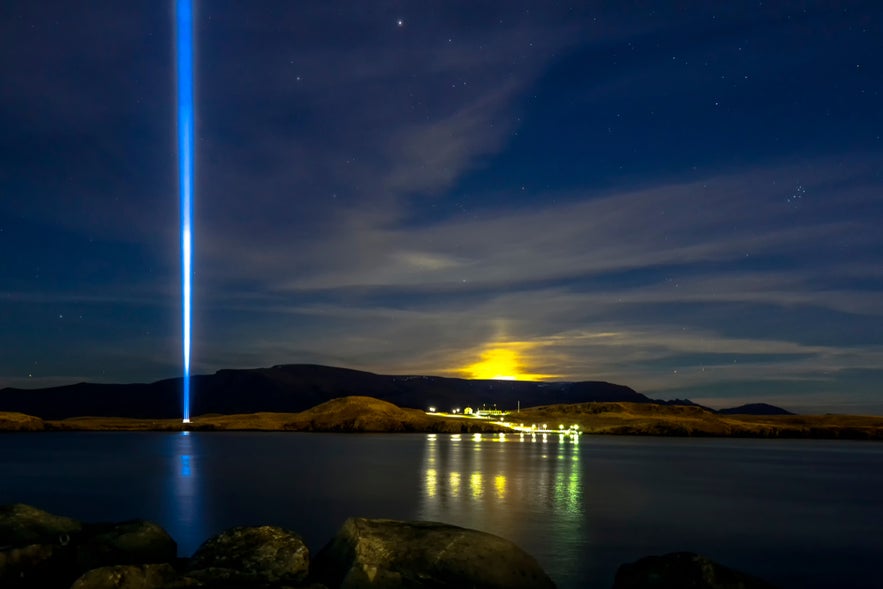 Each March, Reykjavik’s night sky glows with the beam of the Imagine Peace Tower on Videy Island. Created by Yoko Ono in memory of John Lennon, the tower shines on select dates that were special to them. One of these is March 20 to 27, marking the anniversary of their honeymoon and the message of peace they shared with the world.
The beam can be seen from many points around the city, especially along the waterfront, but visiting Videy Island gives you the closest and most striking view. Ferries depart from Skarfabakki Pier, about a 10-minute drive from downtown. The ride is free for travelers with a Reykjavik City Card.
Videy Island is also one of the best places to see the northern lights near Reykjavik, with minimal light pollution and open views of the sky. You can also explore Milestones, an outdoor art installation by Richard Serra, or go birdwatching for white-tailed eagles that nest around the island.
8. Stroll Down Laugavegur and Discover Reykjavik’s Street Art
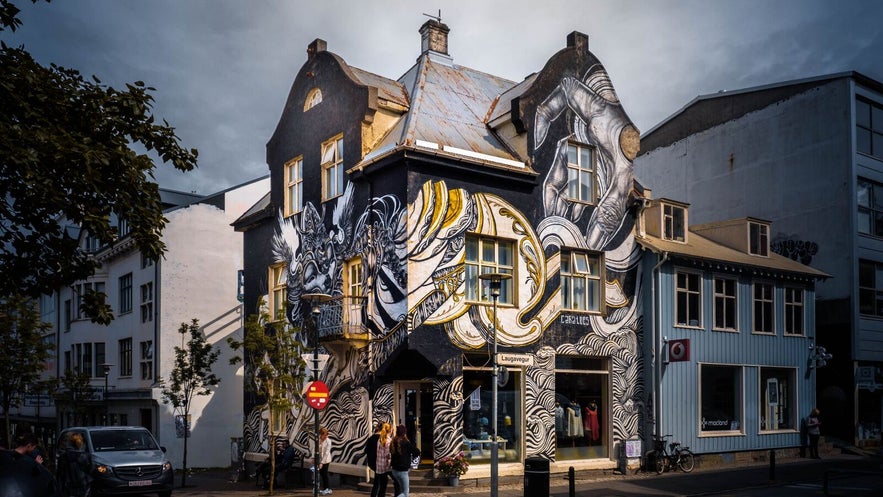 Reykjavik’s street art is one of the city’s most unexpected delights. Bright murals and colorful graffiti bring life to gray buildings, turning ordinary walls into open-air galleries that light up even the gloomiest March days.
The styles vary widely. Some pieces are playful and cartoon-like, while others are strikingly realistic, covering entire sides of buildings. Much of Reykjavik’s graffiti and street art tells local stories or reflects Icelandic humor, while other works carry messages about community, culture, or the environment.
Projects like Wall Poetry helped grow this scene, bringing musicians and visual artists together to create some of the city’s most recognizable murals.
With longer daylight hours in March, it’s an easy time to explore. Wandering in search of murals is one of the best free things to do in Reykjavik, but you can also join a private street art walking tour if you want more context.
When you’re done, warm up with a coffee and a cinnamon roll at a nearby café, a cozy reward after a colorful walk through the city.
7. Celebrate Beer Day on March 1
Beer was banned in Iceland for 74 years, until March 1, 1989. When the ban was finally lifted, locals poured into the streets to celebrate, and that day has been marked ever since as Beer Day. What began as a moment of national relief has turned into a lighthearted annual tradition that’s part history lesson, part pub crawl.
In Reykjavik, people mark the occasion by meeting friends for a few drinks at their favorite bars and breweries. Many spots offer some of the best happy hour deals in Reykjavik, especially along Laugavegur and in the downtown area.
If you want to join in, check out the best bars for great craft beer in Reykjavik for local brews. You can also join a Reykjavik beer tour for a guided tasting and a deeper look at the city’s brewing culture.
However you celebrate, Beer Day is a fun and easy way to experience Reykjavik in March.
6. Go Horse Riding Near Reykjavik
 Horseback riding is one of the best outdoor experiences to try in March, especially if you want an accessible way to explore Iceland’s winter scenery. Icelandic horses are small, sturdy, and known for their smooth tölt gait, which makes riding comfortable even for first-time riders.
You can join a horse riding tour from Reykjavik, with an optional pickup that takes you to the nearby stables on the edge of the city. From there, the trails lead through snowy lava fields and gentle hills, offering quiet winter scenery and wide views of the surrounding mountains.
If you want to see more in a single day, choose a Golden Circle and horse riding combination tour from Reykjavik. It pairs time in the saddle with visits to Thingvellir National Park, Geysir Geothermal Area, and Gullfoss Waterfall. It’s an easy way to blend classic sightseeing with an authentic outdoor adventure in Iceland’s March light and crisp winter air.
5. Experience the Wonders of Iceland at Perlan Museum
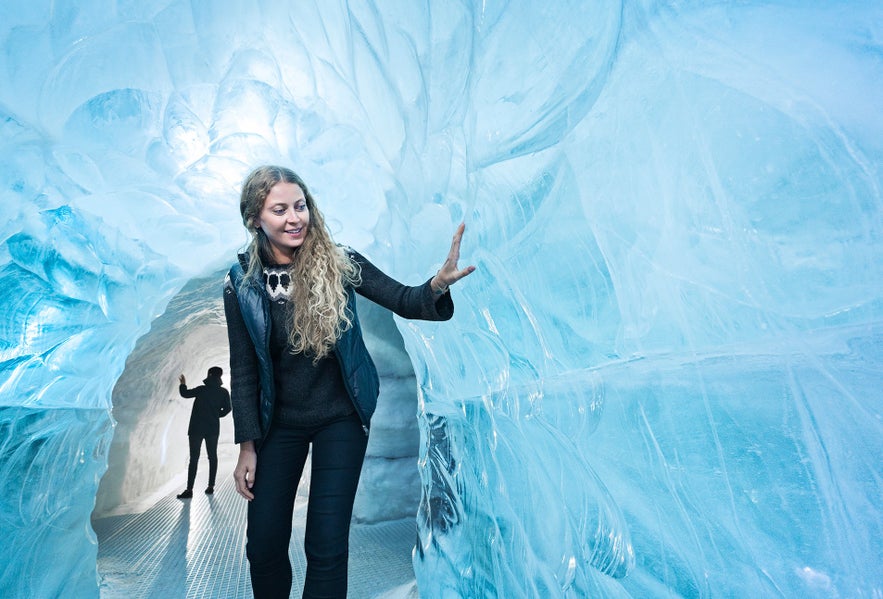 Perlan is one of the top museums in Reykjavik and an excellent place to visit in March, especially when the weather turns cold or unpredictable. The building combines a museum, a planetarium, and a viewing deck, giving you a full look at Iceland’s natural wonders without leaving the city.
Inside the Wonders of Iceland exhibition, you’ll learn about volcanoes, glaciers, geothermal energy, and local wildlife through easy-to-follow displays. There’s also an indoor ice cave made of real snow and ice, which gives you a safe, fun way to experience glacier conditions. You’ll need a Wonders of Iceland admission ticket to access the main exhibits and the planetarium show.
The Áróra planetarium show is another highlight. It recreates the northern lights on a domed screen with beautiful colors and stories, making it a great option when the real lights are hidden by clouds.
Perlan also has a slowly rotating restaurant and café on the top floor, offering a full panoramic view while you enjoy a warm drink or meal.
4. Go Whale Watching from Reykjavik Harbor
 Can you go whale watching in Reykjavik in March? Yes, you can. Whale watching tours run year-round, and March still offers a meaningful chance to see whales and other marine wildlife. While it isn’t peak season, whale watching remains a popular activity in Reykjavik this month, especially for travelers who are comfortable with winter conditions.
March is not the strongest whale watching period, but it’s still a steady time for the species that stay in Icelandic waters throughout the year. The most common sightings include minke whales, white-beaked dolphins, and harbor porpoises, all of which are regularly spotted in winter.
As the season shifts toward spring, the first migratory whales begin to return to Iceland, so the possibility of seeing a humpback slowly increases, just not at the reliability you get later in the year.
What makes March appealing is the overall experience: snow-covered mountains, crisp winter light, and quieter boats create a more atmospheric trip on the water. If you’re flexible with conditions and want a scenic, winter-style wildlife outing, whale watching can still be one of the best things to do in Reykjavik in March.
3. See a Volcanic Eruption Site Outside Reykjavik
 Just 45 minutes from Reykjavik, the Reykjanes Peninsula offers Iceland’s most dramatic recent volcanic landscapes. Since the first 2021 eruption in Geldingadalur, the area has seen several more events, including new fissures and lava fields in 2023, 2024, and 2025. The result is a raw, still-warm terrain around Fagradalsfjall, Meradalir, Sundhnukur, and Geldingadalur that looks unlike anything else near the capital.
March makes it even more striking. Snow settles on the black lava, creating sharp, otherworldly contrasts. Steam vents, warm patches of ground, and fresh formations hint at how active the region remains. Even without an ongoing eruption, the landscape feels surreal, exactly the kind of place that produced those dramatic photos of the Fagradalsfjall Volcanic Eruption in Geldingadalur.
Reaching the eruption areas usually involves an 8–9 mile (13–14 kilometer) round-trip hike. Winter conditions can be tough: icy trails, strong winds, and fast-changing weather. Warm layers, sturdy boots, and a windproof jacket are essential, and you should always check trail conditions with SafeTravel Iceland or the Icelandic Meteorological Office before heading out.
Because of these conditions, the best way to experience the region is through guided volcano tours. These tours manage navigation, weather decisions, and safety gear, offering the safest and most reliable way to explore the young lava fields in March.
2. Catch the Last Chance to See the Northern Lights
 March is one of the final months of the northern lights season, making it a great time to try and see the aurora before Iceland’s nights become too bright. You still get long, dark evenings in early March and several hours of usable darkness toward the end of the month, which keeps viewing conditions favorable.
With the current solar maximum boosting solar activity, displays are often brighter and more frequent than usual, good news for anyone visiting this year.
Grotta Nature Reserve and Oskjuhlid Hill are two of the best places to see the northern lights in Reykjavik. They offer darker skies, open views, and easy access. Still, leaving the city always improves your chances. Light pollution drops quickly once you drive 15 to 30 minutes outside Reykjavik, and even a short trip can make a noticeable difference in how bright and clear the aurora appears.
Joining a northern lights tour from Reykjavik in March also helps. Guides monitor cloud cover, wind direction, and solar activity in real time. If conditions are poor in Reykjavik, they simply drive you to a clearer area, which significantly increases your chances of seeing the lights. Most tours also offer a free re-try if the aurora does not appear.
1. Soak in a Geothermal Pool or Spa
Soaking in hot springs in Iceland is a must in March, and from Reykjavik, the two big names are the Blue Lagoon and Sky Lagoon. The Blue Lagoon vs Sky Lagoon debate comes up all the time, but the answer is simple: visit both!
The Blue Lagoon, about 29 miles (47 km) or 45 minutes from Reykjavik near Keflavik Airport, is Iceland’s most iconic spa. Its silica-rich water stays at 98 F to 104 F (37 C to 40 C), with saunas, in-water bars, and restaurants on site. Booking is essential, so reserve a Blue Lagoon comfort ticket in advance and allow two to three hours for your visit.
Closer to the city, the Sky Lagoon is just 5 miles (8 km) or 15 minutes from downtown. Its infinity pool overlooks the Atlantic, and the signature seven-step ritual combines hot and cold bathing, sauna, steam, and body scrub. It’s easy to add to a city day, and you can secure your spot with a Sky Lagoon entry ticket.
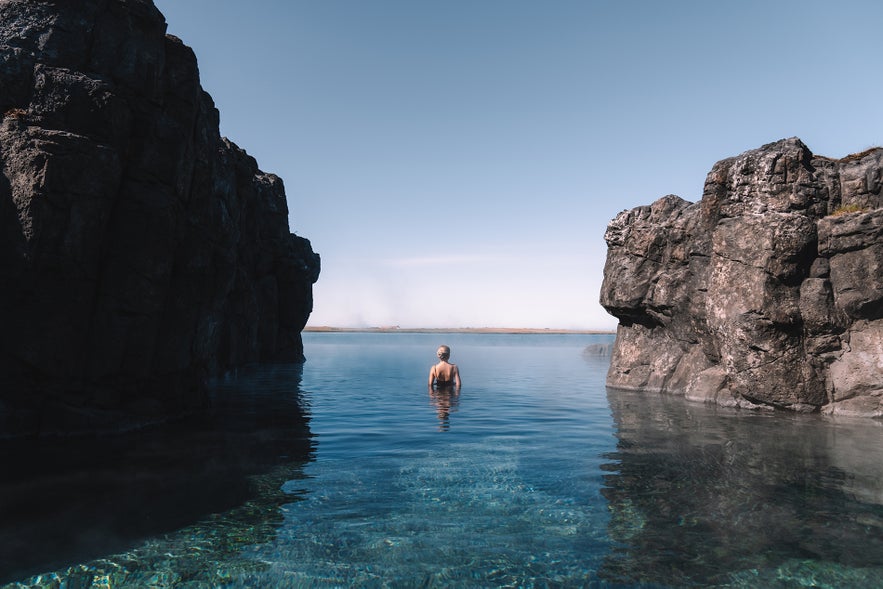 Beyond the two lagoons, Hvammsvik Hot Springs in Hvalfjordur is also a must-visit. It's about 40 miles (65 km) or one hour from Reykjavik. Eight sea-fed pools rise and fall with the tide, and evening visits often come with northern lights views. You can book admission to Hvammsvik Hot Springs and enjoy a soak from 11:00 AM to 9:00 PM.
If you want a local experience, visit the best swimming pools in Reykjavik. These include Laugardalslaug, Vesturbaejarlaug, and Sundhollin, all heated by geothermal energy. You can access the pools with a Reykjavik City Card, which also covers museums and public transport.
Why Go To Reykjavik in March
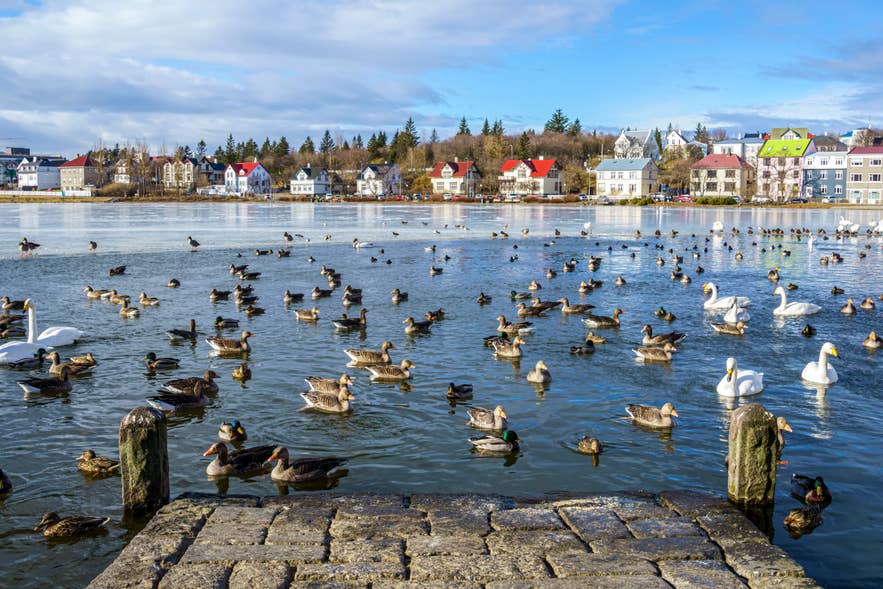 March in Reykjavik sits in the sweet spot between Iceland’s heavy winter and the tourist rush of summer. You still get real winter activities like northern lights, skiing, and whale watching, along with Reykjavik tours that focus on food, culture, and the city’s top sights. Longer days let you explore more without losing sleep.
Big events like Beer Day and the Food and Fun Festival add energy, while seasonal traditions like Icelandic Easter eggs keep it local. Prices for flights and hotels in Reykjavik are often lower, tours are easier to book, and driving in Iceland in March gives you the freedom to explore at your own pace, as long as you check the weather.
If you want Iceland’s winter landscapes, cultural events, and fewer crowds in one trip, March is one of the best times to visit Reykjavik. It also marks the shift toward Iceland in spring, when longer daylight hours bring more chances to enjoy both the city and the countryside.
Is March a good time to visit Reykjavik?
Is March a good time for whale watching in Reykjavik?
Is Reykjavik cheaper in March compared to summer?
Can you see the northern lights in Reykjavik in March?
What are the top things to do in Reykjavik in March?
Seasonal highlights include buying Icelandic Easter eggs, chasing the northern lights, and seeing the Imagine Peace Tower lit during the spring equinox. Day trips to the Golden Circle, South Coast, or Geldingadalir lava fields are also worth it.
How many days should you spend in Reykjavik in March?
Can you drive outside Reykjavik in March?
What are you most excited to do in Reykjavik in March? Have you already been and tried some of these activities? Share your experience in the comments below!

I’m Rebecca, Head of Content at Guide to Iceland. I’ve lived in Reykjavík for almost a decade and have traveled across the country in every season. I care about making travel information easy to find, accurate, and genuinely helpful.