Most travelers reach the country through flights to Iceland that arrive at Keflavik International Airport (KEF), the nation’s main gateway. Comparing flight options in advance can help you choose what works best for your plans, and learning a bit about local travel etiquette can make your arrival smoother.
Why You Can Trust Our Content
Guide to Iceland is the most trusted travel platform in Iceland, helping millions of visitors each year. All our content is written and reviewed by local experts who are deeply familiar with Iceland. You can count on us for accurate, up-to-date, and trustworthy travel advice.
If you’re planning to drive, rental services in Iceland are available directly at the airport. Airport transfers also offer an easy way to reach Reykjavik or other destinations if you prefer not to drive upon arrival. Whatever you choose, remember that booking ahead can save you time and hassle after your flight. Use this guide to make your first hours in the country stress-free.
Key Takeaways
-
Keflavik International Airport is the main airport in Iceland. It is about 31 miles (50 kilometers) from Reykjavik.
-
You will go through customs and immigration after landing. The airport offers car rentals, currency exchange services, and SIM card shops.
-
To get to Reykjavik, you can take an airport transfer, shuttle bus, taxi, public bus, or rent a car. It is best to book your ride in advance.
-
If you arrive early, you can store your luggage, relax at a cafe, or join a short tour, such as a visit to the Blue Lagoon.
-
The weather in Iceland changes fast. Dress in layers and bring warm and waterproof clothes.
-
Credit cards are accepted almost everywhere. Still, it helps to have some local cash.
-
Plan your arrival and transport ahead of time to ensure a smooth and enjoyable trip.
About Keflavik International Airport (KEF)
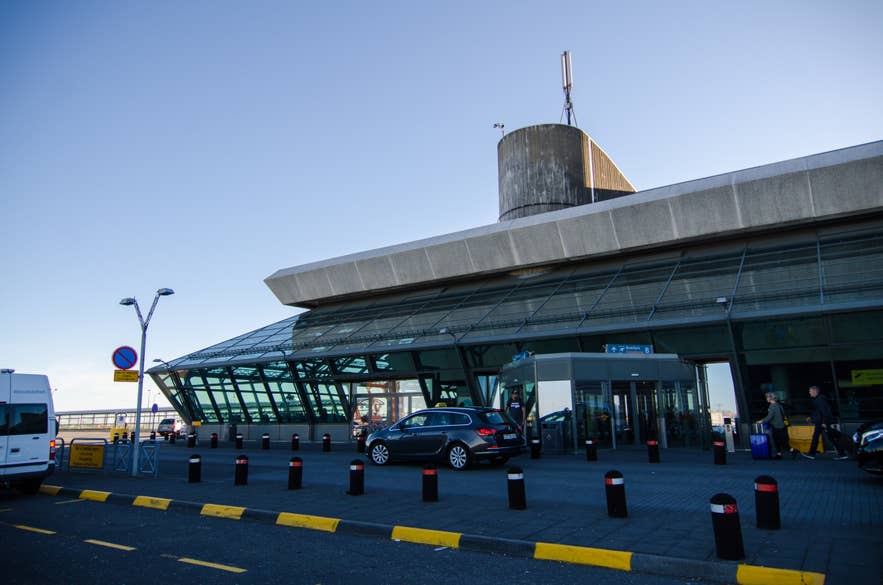
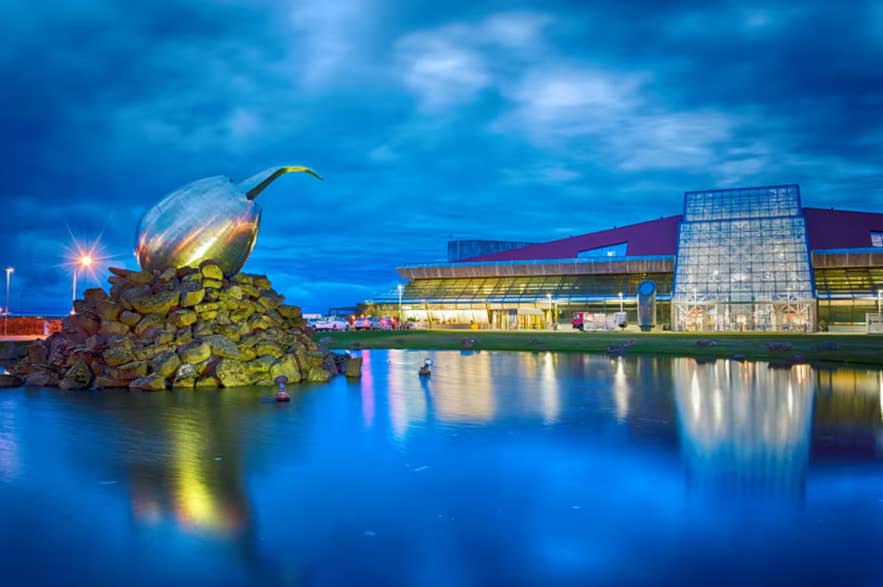
Photo from Wikimedia Creative Commons, by Jeff Hitchcock. No edits made
The airport in Keflavik is Iceland’s main hub for international arrivals, handling nearly all flights from abroad. It is located about 31 miles (50 kilometers) southwest of Reykjavik. Travel to the capital usually takes 40 to 50 minutes by car or shuttle.
The airport is modern and easy to navigate, which makes it a convenient starting point for your trip. Signs are in both Icelandic and English, and the airport staff is helpful if you need directions.
The airport is modern and easy to navigate, making it a convenient starting point for your trip. It offers free Wi-Fi, lounges, restaurants, duty-free shops, and ATMs, along with SIM card kiosks and tourist information desks in the arrivals area.
Private airport transfers and car rental services are also available. Booking these or guided tours in advance can help you save time and travel with ease.
Arrival Procedures at Keflavik Airport
 Arriving at Keflavik International Airport is usually simple, but knowing what to expect can make the process even easier. From passport control to baggage claim and connectivity options, here’s what you need to know once your flight lands in Iceland.
Passport Control and Customs
 After landing at Keflavik Airport, international travelers go through passport control. The process is usually quick for visitors from Schengen countries. Your passport is scanned, and in most cases, there's no need for questions.
Travelers from outside the Schengen area may go through a standard check. Border officers might ask about your return ticket, accommodation details, or travel plans. Make sure your documents are ready to avoid delays during inspection.
Once you pass through passport control, you’ll collect your luggage at the baggage claim area. Follow the signs to customs, where all passengers must pass through, whether they are carrying goods to declare or not.
Iceland has strict rules on alcohol, tobacco, food, and medicine. Check the allowance limits before your trip. Use the green channel if you have nothing to declare or the red channel if you’re carrying restricted items.
Baggage Claim Tips
 The baggage claim area is located right after passport control. Digital screens show your flight number and the carousel. Signs are in English, and the space is easy to navigate. Luggage carts are free and readily available.
If your bags don’t appear, head to the baggage service desk near the carousels. Airline staff will help you report missing luggage and arrange delivery to your accommodation once it’s found.
Keep your baggage tag or claim receipt, as it's needed to track your luggage. It’s smart to pack essentials like medication, chargers, or a change of clothes in your carry-on in case of delays.
Health and Safety Checks
Health and safety protocols at Iceland’s airports are usually minimal. However, they may change if there’s a global health concern. During outbreaks, travelers may need to complete health forms or go through temperature screening upon arrival.
If you're traveling during a time of increased health alert, check official websites before departure. Carry hand sanitizer and wear a mask if required. Travelers with symptoms may be asked to take a test or speak with a health officer.
The Icelandic Directorate of Health and Keflavik Airport websites provide the latest rules, including mask use, vaccinations, and testing requirements. Following updates helps you avoid delays and stay safe.
Currency Exchange
Once you exit customs, you’ll see currency exchange booths and ATMs in the arrivals hall. While most places in Iceland accept credit and debit cards, it’s helpful to carry a small amount of Icelandic krona as a backup.
Cash is mostly used for public toilets, coin-operated machines, or very remote areas. ATMs are reliable and offer fair exchange rates. Make sure your card has a PIN, as some machines and gas pumps require it.
Transportation Options From Keflavik Airport to Reykjavik
 Once you arrive at Keflavik International Airport, the next step is getting to Reykjavik. There are several reliable transportation options to choose from. Each option has its own benefits, depending on your plans. Here’s what to know to reach the capital easily.
Airport Shuttle Services
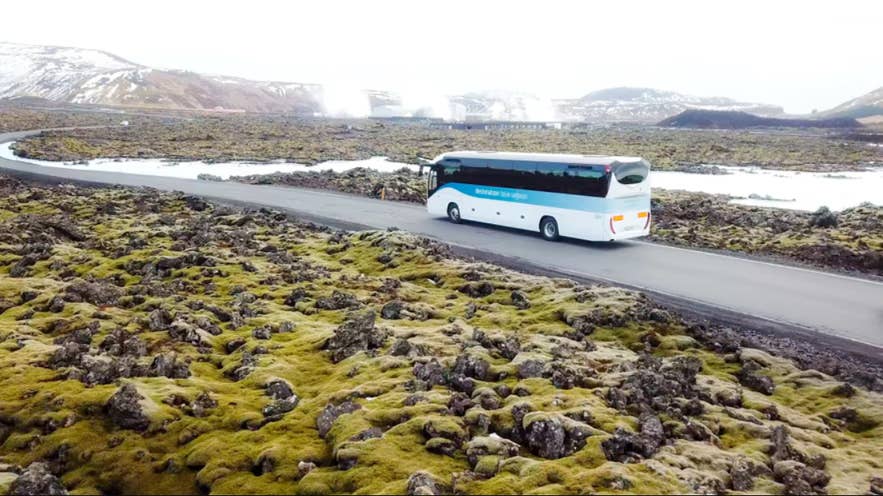 Airport shuttles are the easiest and most popular way to reach Reykjavik from Keflavik Airport. Trusted companies like Flybus, Airport Direct, and Gray Line run frequent departures that match incoming flight times, even for early morning arrivals.
Shuttles stop at central bus terminals or hotels across Reykjavik. Many services switch from a larger coach to a smaller minibus for final drop-offs. Drivers help with luggage, and onboard Wi-Fi is often available.
Booking Tips and Schedules: Book your ticket online to guarantee a seat, especially during busy seasons. You can also buy tickets at the airport counters. Travel time ranges from 45 to 60 minutes, depending on the weather and the number of stops.
Public Bus
 Taking the public bus is one of the most affordable ways to reach Reykjavik from Keflavik Airport. Route 55 runs every day, but not all trips go to BSI in Reykjavik, so it’s important to check the timetable before you travel. An adult ticket costs ISK 2,400 (about USD 19) to the BSI Bus Terminal in Reykjavik, making it a good budget option, although the ride takes slightly longer than the Flybus.
Since October 1, 2026, route 55 stops right at the terminal. Arriving passengers catch it at the KEF Arrivals stop, a marked bay on the arrivals side that you reach by a covered walkway from the terminal. Buses heading to the airport drop passengers off at KEF Departures, in the same drop-off area as the airport coaches.
On Route 55, you can pay on board with a debit or credit card or cash. Klapp tickets are not valid because this route belongs to Straeto’s countryside network. For buses within the capital area, use contactless payment, the Klappid app, a Klapp card, or Klapp ten. These buses stopped accepting cash on June 1, 2025.
Taxi Services
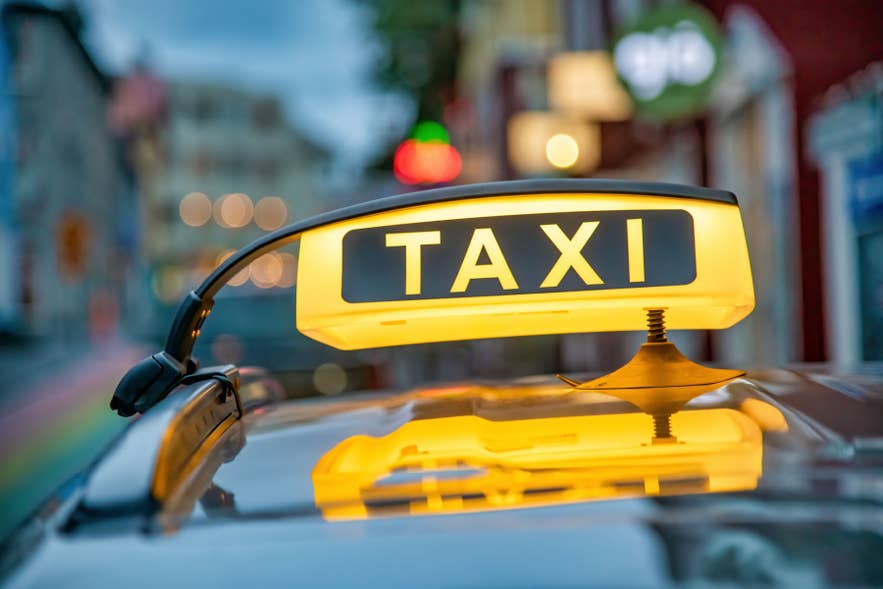 Taxis are available outside the arrivals hall at Keflavik Airport 24 hours a day. They offer a direct and comfortable ride to Reykjavik. This is a good option if you arrive late, have heavy luggage, or prefer private transport.
Taxi fares usually range from ISK 20,000 to 25,000 (about USD 140 to 175), depending on the time of day and your destination. Before you leave the airport, it’s a good idea to ask the driver for an estimated fare.
Most taxis accept credit cards, and some offer contactless payments. You can also use local taxi apps like Hreyfill or BSR to book a ride. Taxis are clearly marked and regulated, so they are safe and reliable.
Car Rentals
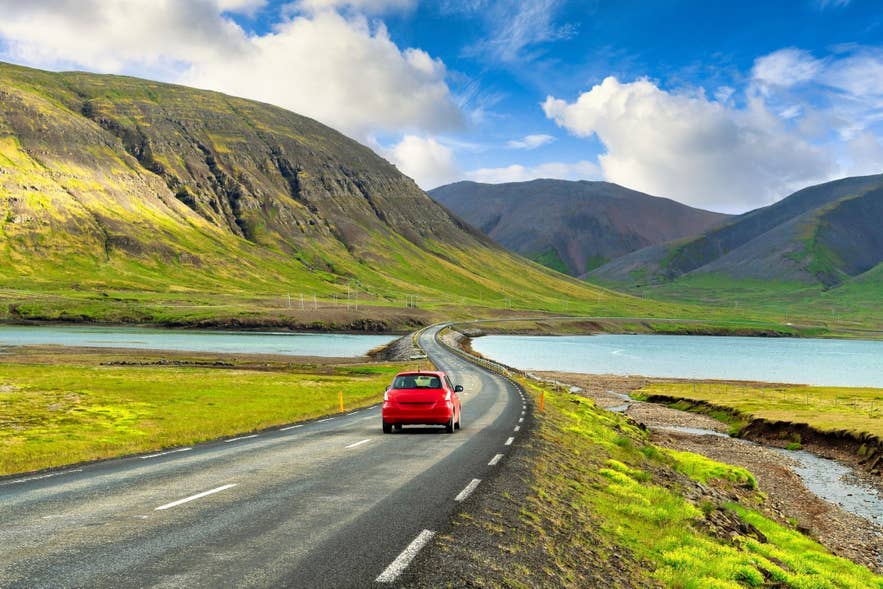 Several major car rental companies operate at Keflavik Airport, including Hertz, Avis, Europcar, and local providers. Booking your car in advance is a good idea, especially in summer. Rental desks are inside or just outside the terminal, and some companies provide a free shuttle to their nearby office.
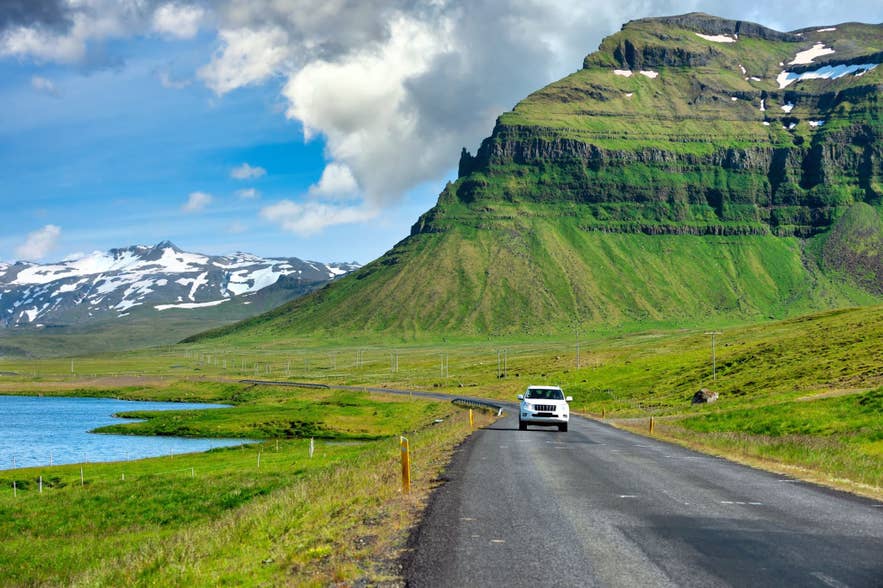
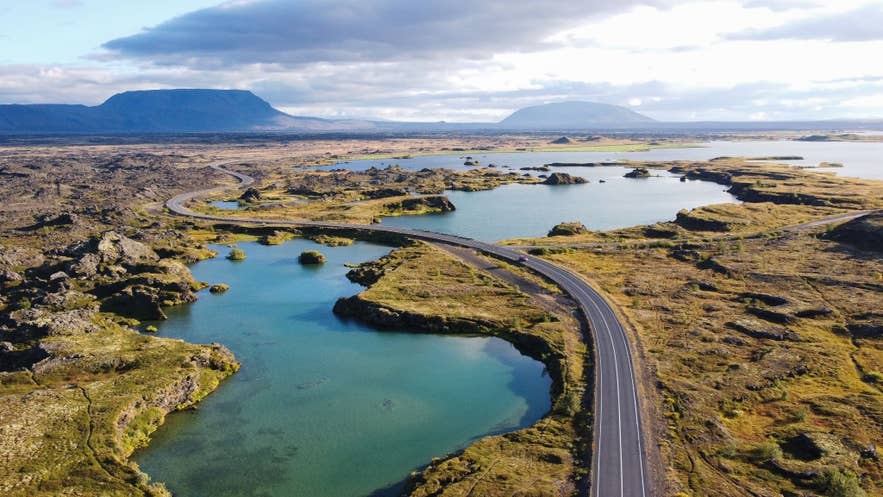
The main road to Reykjavik is paved and easy to drive. Road signs are clear, and traffic is usually light. However, the weather in Iceland can change fast, so check road.is for updates before you drive and plan for conditions like low visibility or icy surfaces.
New drivers should know that headlights must be on at all times, even during the day. Most cars have automatic headlights, but it’s best to check. Also, watch for sheep on rural roads and avoid off-road driving, which is illegal and heavily fined.
What To Do With an Early Arrival in Iceland
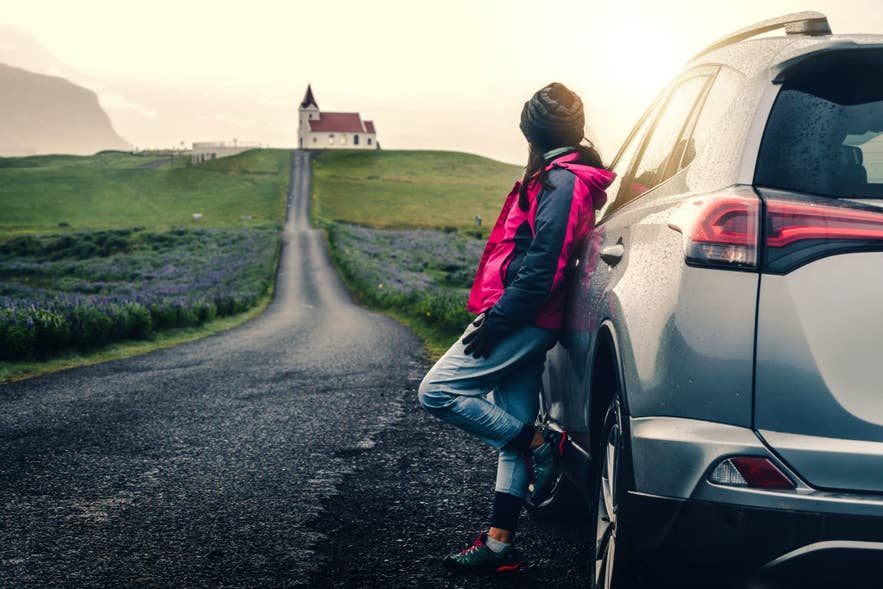 If you land in Iceland early in the day and your check-in is still a few hours away, there are still plenty of ways to make the most of your time. Here’s how to stay comfortable, entertained, and productive after you arrive.
Opt for Early Check-In or Luggage Storage
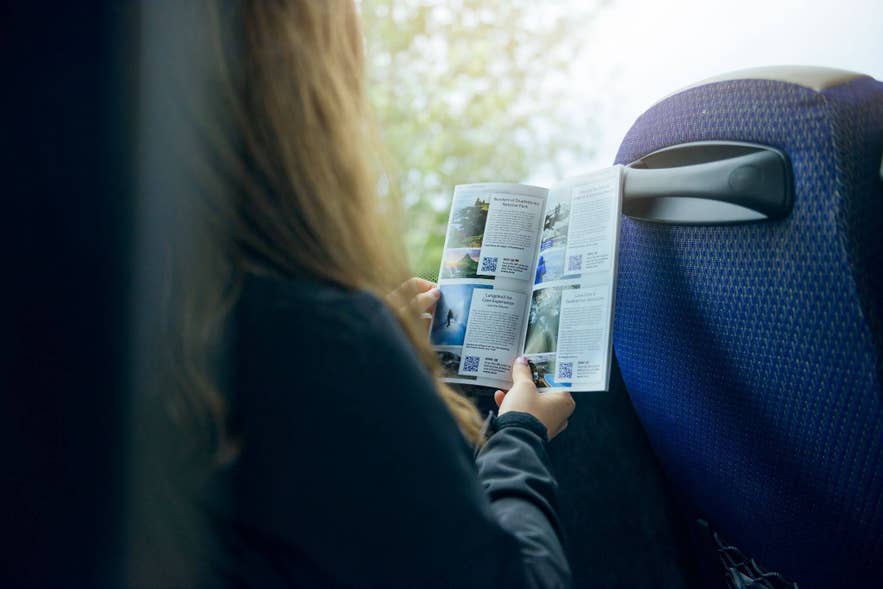 If you arrive before the standard check-in time, ask if early check-in is available. Some hotels and guesthouses offer early check-in for a fee. If your room isn’t ready, most places also provide free luggage storage, so you can drop your bags and start exploring.
If that’s not an option, Reykjavik’s BSI Bus Terminal and LuggAway lockers in the city center provide secure storage options for a few hours or a full day. These are useful if you plan to walk around, visit cafes or museums, or take a short tour before check-in. Lockers vary in size, and you can pay by card or online.
Unwind in Cafes and Cozy Spots Around the City
 For a comfortable spot to relax at the airport, try Joe & The Juice, Loksins Cafe, or Te & Kaffi. These places offer coffee and light snacks, and they have seating near the arrivals area.
In Reykjavik, Sandholt Bakery on Laugavegur Street and Reykjavik Roasters near Hallgrimskirkja Church both have indoor seating. Sandholt offers fresh pastries and high-quality coffee, while Reykjavik Roasters serves high-quality coffee in a calm setting. They're great spots that open early in the day.
Most cafes have free Wi-Fi, power outlets, and helpful staff who speak English. They’re ideal places to charge your phone, check your travel plans, or simply enjoy your first moments in Iceland.
Take a Tour From Keflavik Airport
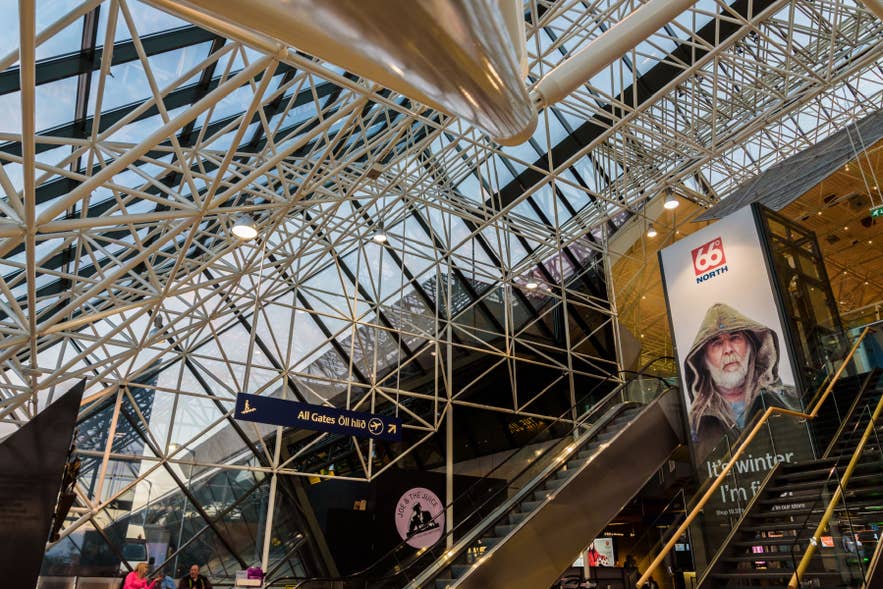 If you arrive in Iceland early and have several hours to spare, a tour from Keflavik Airport is a great way to make the most of your time. Several private tours and transfer options depart directly from the airport, allowing you to explore nearby highlights before checking into your accommodation.
Here are a few recommended options:
-
Comfortable Transfer From Keflavik Airport to the Sky Lagoon: A scenic ride to Reykjavik with a stop at the Sky Lagoon for geothermal bathing and coastal views.
-
4-Hour Stopover Tour of the Reykjanes Peninsula and Blue Lagoon: A private tour that picks you up at the airport and explores the volcanic Reykjanes Peninsula, with an optional stop at the Blue Lagoon.
Tip: It’s best to book your tour in advance, especially during the summer months when demand is high. Early booking helps secure your spot and makes it easier to coordinate with your flight arrival time.
Morning Tours in Reykjavik
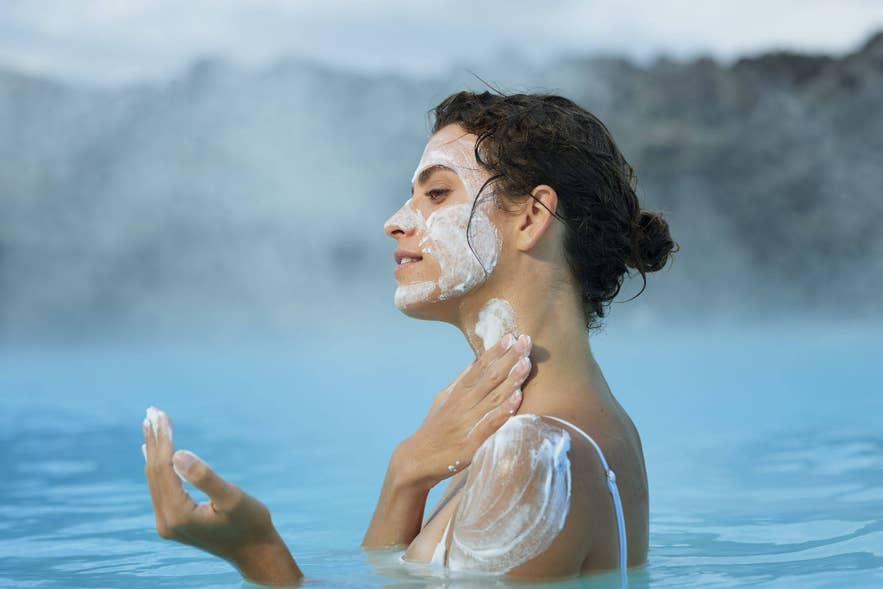 For early arrivals in Iceland, here are great options to dive into Reykjavik right away:
-
1.5‑Hour Volcano Horse-Riding Tour: Ride Icelandic horses through volcanic lava fields just outside Reykjavik.
-
3.5‑Hour Morning Whale-Watching Tour from Reykjavik: Sail from the Old Harbor to see whales, dolphins, and seabirds before lunch.
-
2.5‑Hour Express Whale-Watching Tour: Quick morning cruise, ideal for short layovers.
These tailored airport and Reykjavik departures ensure your early arrival becomes a memorable introduction to Iceland. No time wasted, just discovery.
Important Travel Tips for Arriving at Keflavik Airport
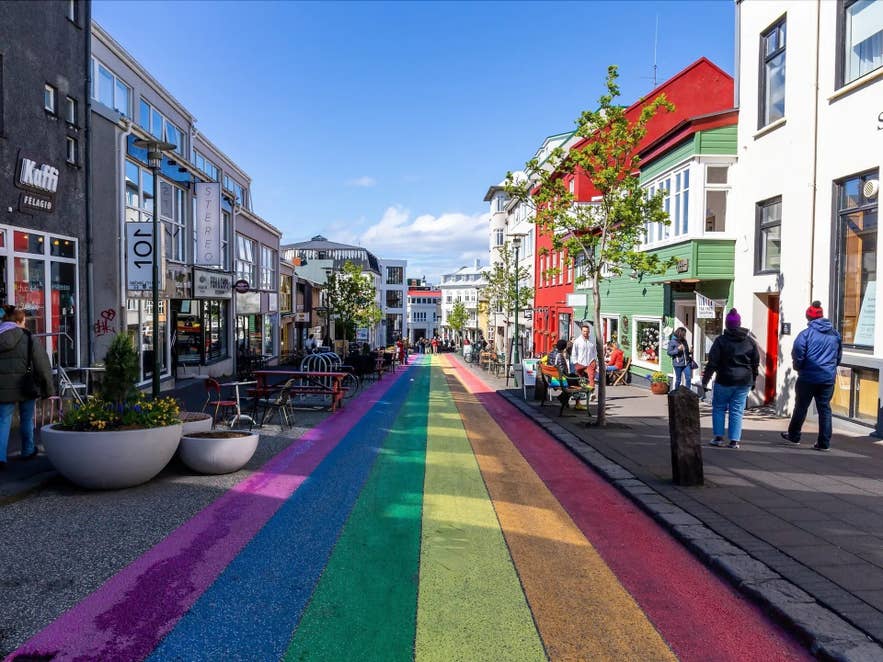 To start your trip smoothly, it helps to know a few practical things before or just after you arrive in Iceland at Keflavik Airport. From dealing with changing weather to understanding customs rules and payment options, these tips can help you avoid common problems and enjoy your first hours in the country.
Weather Considerations and Appropriate Clothing
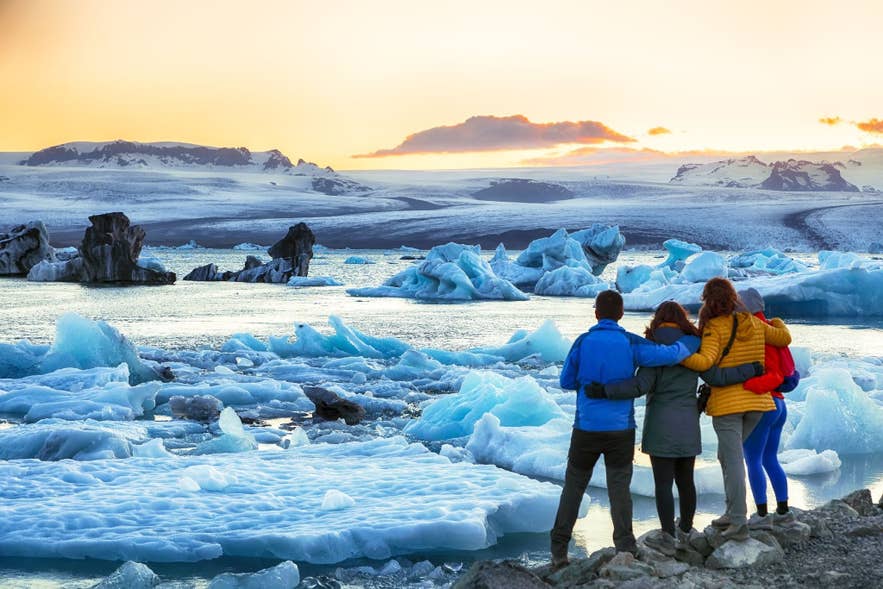 One important thing to know when visiting Iceland is to expect the weather to change at any time. Due to its location in the North Atlantic, the weather can shift quickly. It might be sunny one minute and raining or snowing the next. Being prepared helps you stay comfortable and safe, no matter what time of year you visit.
Here’s what you should pack:
-
Waterproof Outer Layer: Wear a durable, breathable jacket and pants to protect yourself from wind and rain.
-
Thermal Base Layers: Pack moisture-wicking long underwear for both top and bottom. These help keep your body warm and dry.
-
Insulated Mid Layer: Bring a fleece or wool sweater to trap heat and stay comfortable.
-
Accessories: A hat, gloves, and a scarf are important, even in summer, to protect you from wind and cold.
-
Footwear: Choose waterproof hiking boots with a strong grip. They are great for walking on wet, rocky, or uneven paths.
-
Swimwear: Remember to pack a swimsuit. Iceland has many geothermal spas and hot springs, such as the Blue Lagoon and Sky Lagoon, that you won’t want to miss.
Seasonal Considerations
What you pack also depends on the time of year. Here are a few tips for each season:
-
Summer (June–August): Milder temperatures, but still cool compared to most countries. Lightweight layers plus a good rain jacket are usually enough.
-
Winter (October–April): Expect snow, ice, and strong winds. Pack heavier insulation and consider traction aids for your boots.
-
Shoulder Seasons (May and September): The weather changes more often. Pack for both warmer days and chilly conditions.
Being well-packed means you can focus on enjoying Iceland’s breathtaking landscapes without worrying about the weather. When in doubt, prepare for cold and wet, and you’ll be ready for whatever the country throws your way.
-
See also: What to Pack for Iceland for All Seasons
Customs Regulations and Prohibited Items
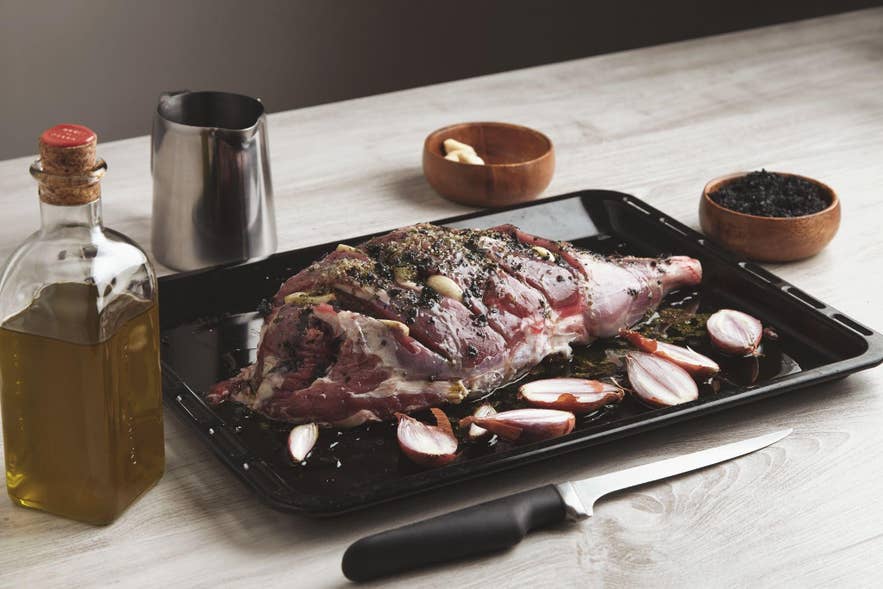 Iceland has strict customs rules, especially when it comes to food, alcohol, and tobacco. Items like raw meat, dairy, or fresh fruits and vegetables are often not allowed. Outside food can bring in harmful pests or diseases that don’t exist in the country. Even small amounts can risk local wildlife, farm animals, or crops.
Regarding age and allowances, travelers aged 20 and over can bring in limited amounts of alcohol, and those 18 and over can bring tobacco. Unlike a fixed list, Iceland uses a unit system for alcohol, allowing for various combinations of units.
Typical allowances include combinations like 1 liter of spirits, 0.75 liter of wine, and 3 liters of beer, 3 liters of wine and 6 liters of beer; or up to 18 liters of beer.
For tobacco, you're generally allowed 200 cigarettes or 250g of other tobacco products. If you bring more than the permitted amount of any item, you must declare it and pay a customs fee to avoid penalties.
Check the official customs website before you travel to see what’s allowed. If you’re unsure about an item, use the red customs channel when you arrive. This helps you avoid fines or having your belongings taken away.
Iceland’s Local SIM Cards and Connectivity Options
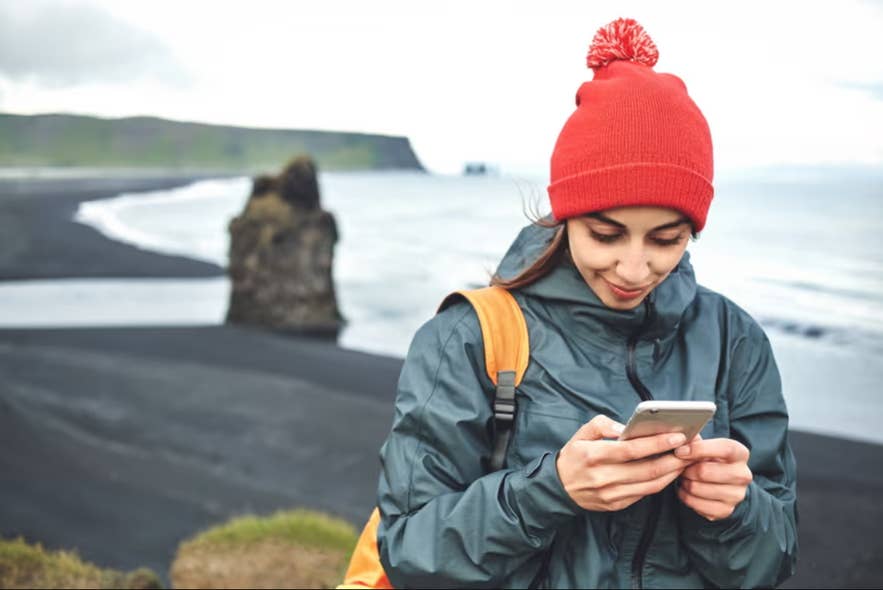 Staying connected in Iceland is easy. SIM cards with data packages are available at Keflavik Airport and most major convenience stores. Providers like Nova, Siminn, and Vodafone offer prepaid options that are ideal for travelers.
If you have a newer smartphone, you can also choose an eSIM, which many local carriers support. This can be set up online without needing a physical card.
Wi-Fi is easy to find in Reykjavik. It’s available in most hotels, cafes, and even on some public buses. But if you plan to go on tours or drive in the countryside, having a local SIM card will help you stay connected where Wi-Fi might not be available.
If you’re from the EU, your phone plan may work in Iceland at no extra cost. Still, it’s best to check with your provider before your trip. With strong mobile coverage in towns and most tourist spots, it’s easy to stay connected wherever your journey takes you.
Currency and Payment Methods in Iceland
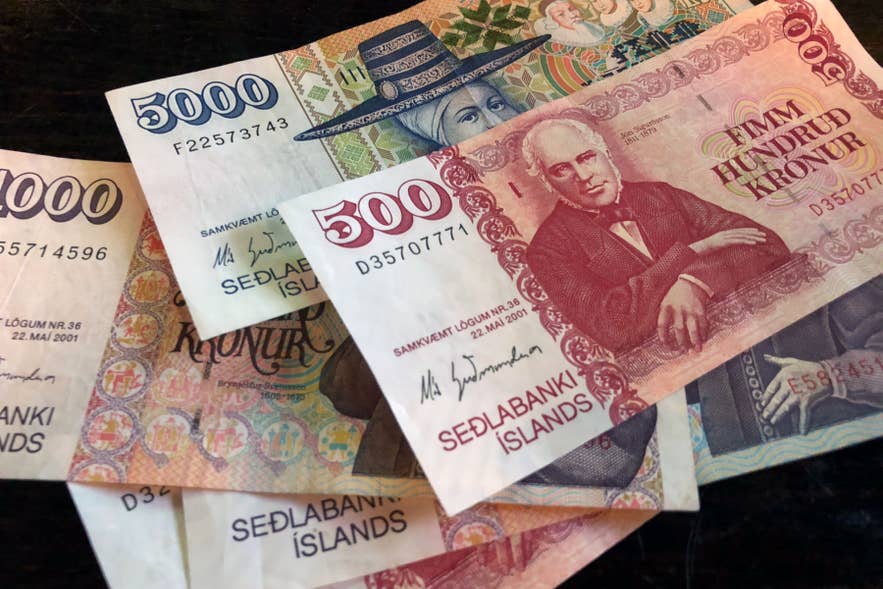 The official currency in Iceland is the Icelandic krona (ISK), and you’ll often see prices displayed as “kr.” Although cash is still accepted in some places, most travelers find they rarely need it. That’s because card payments are common in most locations.
Credit and debit cards are used almost everywhere, including in taxis, parking meters, shops, restaurants, and even some public restrooms. Visa and Mastercard are the most widely accepted, though some places may also take American Express.
Contactless payment is the standard, whether you're tapping a physical card or using a mobile wallet like Apple Pay or Google Pay. This makes paying fast, convenient, and secure across the country.
To make the most of Iceland’s card-friendly system, here are a few helpful tips to keep in mind:
-
Enable international use on your cards before your trip to avoid any issues.
-
Inform your bank about your travel plans to prevent your card from being blocked.
-
Know your PIN, as it's often required for purchases, even with credit cards.
-
ATMs are easy to find, especially in cities and airports, and most accept international cards.
You likely won’t need much cash, but it can be useful in remote areas, for public toilets, or for small local services that don’t take cards. Having a few coins or small notes on hand is a smart backup.
-
See also: Guide to the Icelandic Krona
Iceland’s Cultural Etiquette and Local Tips
 Icelanders are known for being friendly, relaxed, and proud of their culture. While the atmosphere is generally casual, it’s always appreciated when visitors respect local customs and social norms. Here are a few helpful tips to keep in mind during your stay:
-
Remove your shoes when entering someone’s home. This is a common courtesy and widely expected.
-
Tipping is not necessary in Iceland. Service charges are included in the price, whether you’re dining out or taking a taxi. That said, rounding up a bill or leaving a small tip for great service is always welcome but never expected.
-
Use first names, not surnames. Icelanders typically use their given names in all situations, including business and formal settings. For example, you would say, "Hello, Anna," not "Ms. Jónsdóttir."
-
Be respectful of nature. Icelanders care deeply about the environment. Always stay on marked paths, follow local guidance, and never stack rocks or disturb wildlife.
-
Hot water has a sulfur smell, but it’s safe and natural. Cold water, on the other hand, is clean glacier water and safe to drink.
-
Showering without your swimsuit before entering pools or spas is mandatory. This is taken seriously in Iceland, and proper hygiene is expected at all public bathing facilities.
Common Icelandic Phrases
While most locals speak excellent English, learning these few basic Icelandic phrases shows respect and is often appreciated:
-
Takk – Thank you
-
Góðan daginn – Good day
-
Bless – Bye
-
Já – Yes
-
Nei – No
-
Hvar er...? – Where is...?
These small gestures and cultural insights can go a long way in making your experience in Iceland more enjoyable and respectful.
Staying Healthy and Safe When You Arrive in Iceland
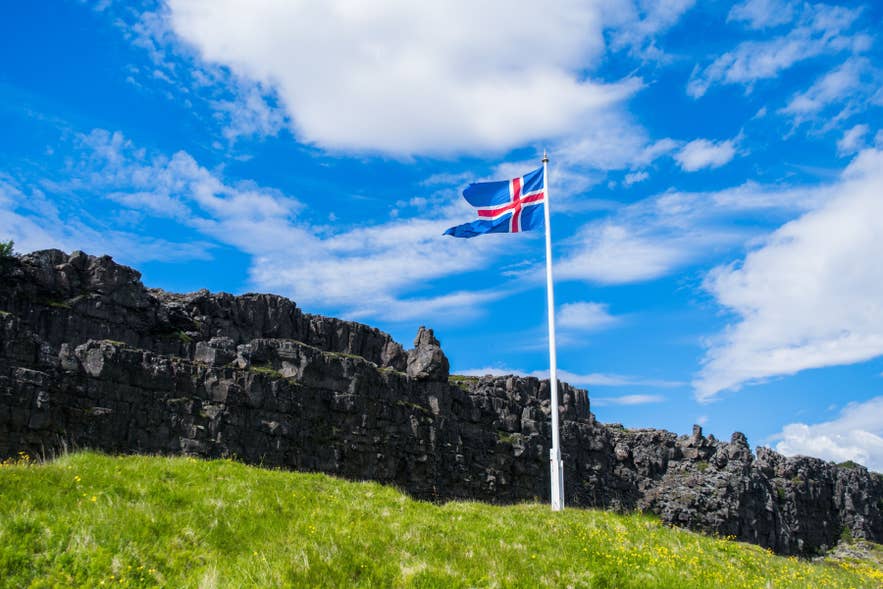 Once you arrive in Iceland, it’s helpful to know a few key things about staying healthy and safe during your visit. Iceland is one of the safest countries in the world, with very little crime and a strong emergency support system. Whether you're spending time in Reykjavik or exploring the outdoors, you can feel at ease.
If you ever need urgent help, the emergency number in Iceland is 112, which connects you to police, fire, or ambulance services. For non-urgent medical advice, call 1700 (or +354 544 4113 from a foreign phone). English-speaking staff are available to assist you.
Pharmacies, called Apótek in Icelandic, are easy to find, especially in cities and towns. Pharmacists can give advice on minor health issues and let you know if you should see a doctor or visit a clinic.
There are no vaccine requirements to enter Iceland, and the tap water is safe to drink, often coming straight from natural springs. Still, it’s smart to have travel insurance, which can help if you need medical care, lose your luggage, or experience a travel delay.
-
See more: Travel Safety in Iceland
Driving in Iceland: What To Know Right Away
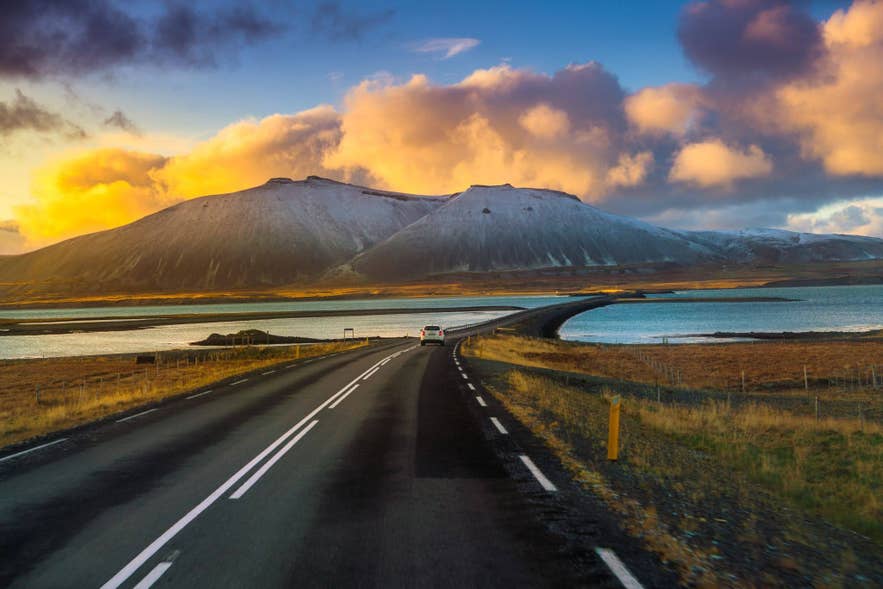 Driving in Iceland is a great way to explore the country at your own pace, but it comes with a few important rules and safety tips. Here are a few things to keep in mind:
-
Headlights must be on at all times, even during the day. This helps keep your vehicle visible, especially in bad weather.
-
Seat belts are required for everyone in the car, no matter where they’re sitting.
-
Never stop in the middle of the road to take photos. Always pull over safely in designated areas if you want to enjoy the view.
-
Roads to and from Reykjavik are paved and easy to follow, but keep in mind that the weather can change quickly. Rain, fog, snow, or strong winds can make driving more difficult, especially in rural areas.
-
Be alert for single-lane bridges and blind hills. These are common in Iceland, and you may require slowing down or giving way to oncoming traffic. Drive with care and take your time.
Recommended First-Day Tours When Arriving in Iceland
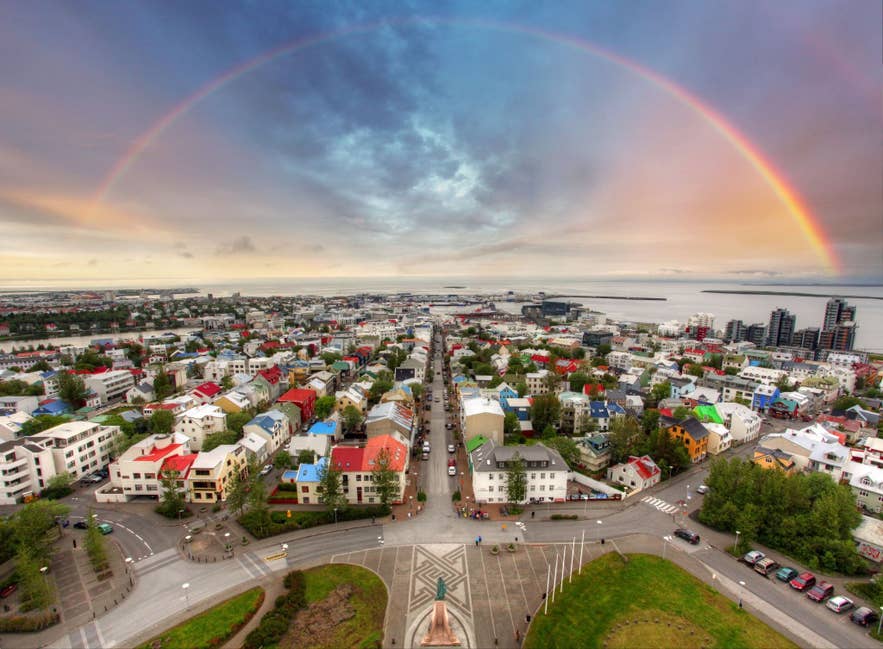 Even after a long flight, many travelers feel energized by the fresh Icelandic air and ready to begin exploring. The key is to choose something enjoyable but not too tiring. Whether you want to relax, see the sights, or dive into local culture, these tours are perfect for your first day in Iceland.
Golden Circle Tour
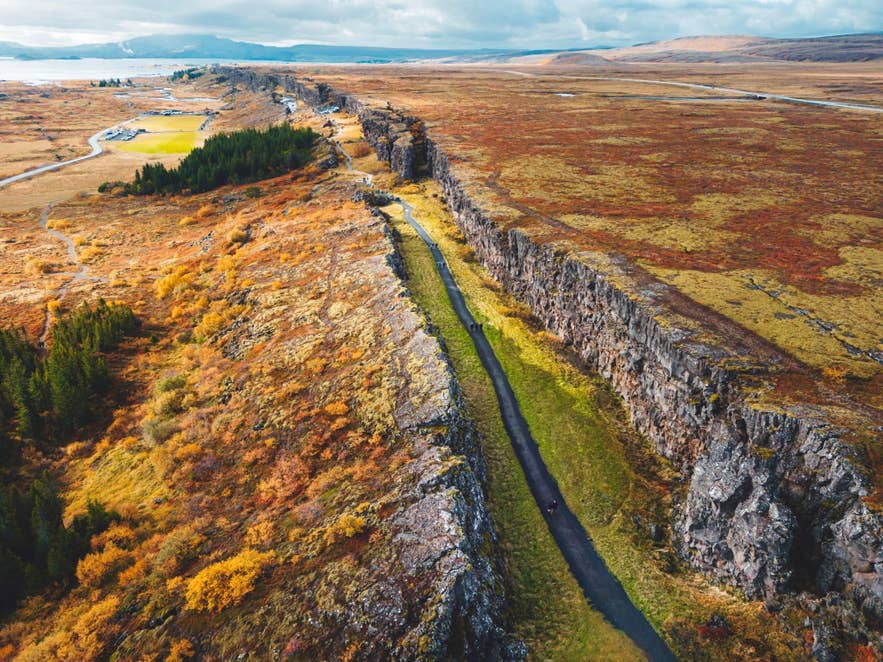 Golden Circle tours from Reykjavik are a great way to explore Iceland comfortably without the stress of driving. With everything arranged for you, you can sit back, relax, and fully enjoy the journey.
You’ll visit three of Iceland’s most famous sights: Thingvellir National Park, the Geysir Geothermal Area, and Gullfoss Waterfall. These places offer amazing views, natural beauty, and a chance to learn about the country's geology and history.
Northern Lights Tour (Winter Only)
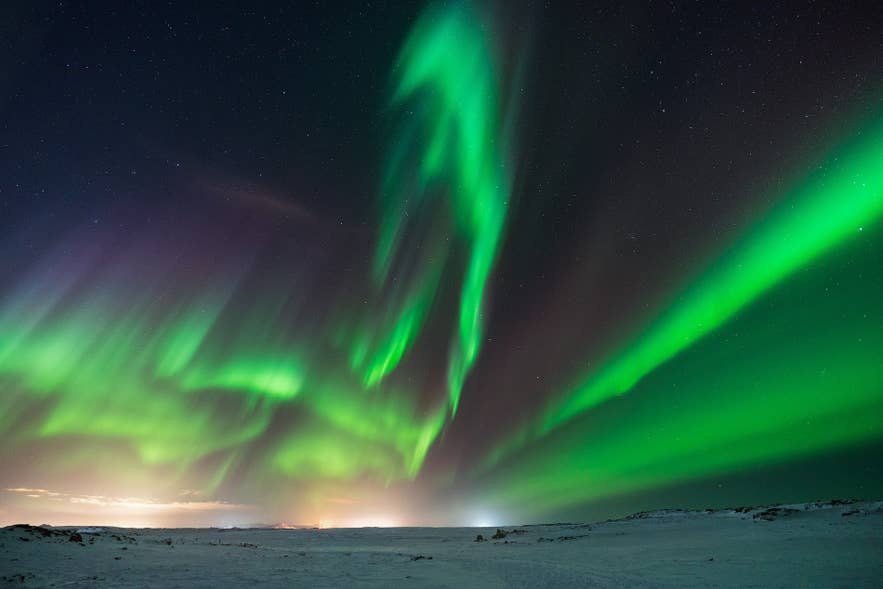 If you're visiting during winter in Iceland, between September and April, you may get the chance to see the northern lights. These colorful lights appear in the night sky and are one of Iceland’s most magical natural sights.
Northern lights tours usually take place in the evening and are led by experienced guides. Some tours also include hot drinks, warm blankets, or help with photos.
You’ll need clear skies and patience, as the lights can’t be guaranteed. However, taking a tour can increase your chances, as guides know the best spots and track the ideal conditions for viewing.
Here are the top-recommended northern lights tours departing from Reykjavik. These tours are all expertly led and designed to maximize your chances of witnessing the aurora borealis:
-
3-Day Northern Lights & Ice Cave Tour with the Golden Circle, South Coast & Glacier Lagoon: This immersive small-group tour combines Golden Circle wonders, glacier hikes, ice cave exploration, and nightly aurora hunts, complete with Reykjavik pick-up and drop-off.
-
The Northern Lights Super Jeep Tour from Reykjavik with Free Photos: Venture off-road in a rugged super-jeep to remote locations ideal for aurora viewing, with professional photos included.
-
The Northern Lights Boat Cruise from Reykjavik: Sail from the Old Harbor into the dark waters of Faxafloi Bay for a peaceful cruise under the lights. Includes rebook vouchers if the aurora doesn’t appear.
-
The Northern Lights Bus Tour from Reykjavik: A budget-friendly, coach-based night tour that includes hotel pick-up, scenic rural stops, and photo help.
Food and Walking Tour
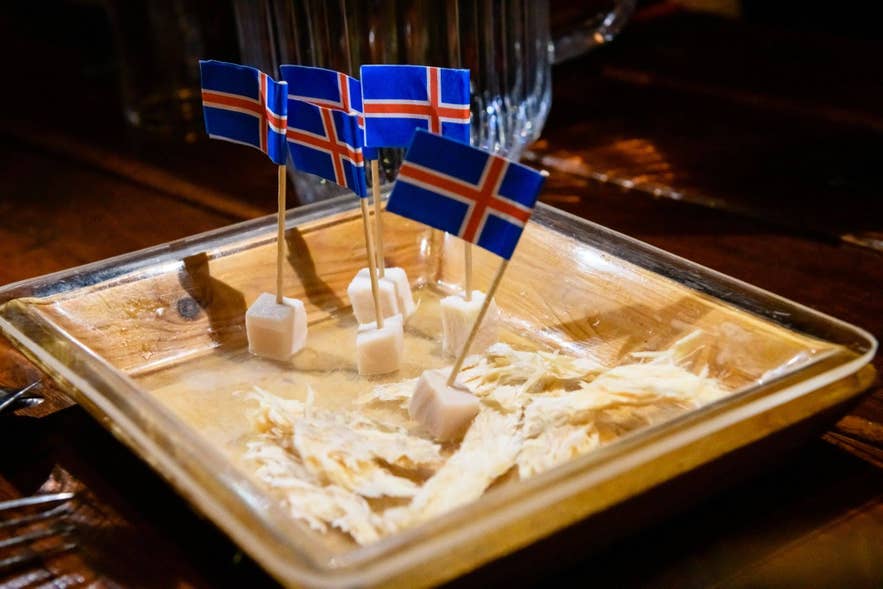 Food and walking tours in Reykjavik are a great way to explore the city with all your senses. You'll join a local guide, try traditional Icelandic dishes, and learn interesting facts along the way.
Expect to try foods like lamb soup, rye bread, local cheese, and maybe even fermented shark. Your guide can also share stories about Reykjavik’s history, street art, and daily life.
The pace is relaxed, and most tours last around three hours. It's perfect if you enjoy walking and want to meet fellow travelers. Explore Reykjavik through its flavors with these highly recommended food tours:
-
Reykjavik Food Walk Tour (3.5-hour, small group): Taste traditional Icelandic dishes from grass‑fed lamb to homemade ice cream. Visit six local eateries and learn about the city's culture and history.
-
Small‑Group 3‑Hour Traditional Icelandic Food Tour: Sample at least ten classic Icelandic foods (like smoked puffin, lamb soup, fermented shark, skyr, hot dogs) with an expert guide in a group of up to 12.
-
Private Traditional Icelandic Food Tour (2.5–3 hours): A personalized stroll through the city center sampling Viking-inspired fare and learning food traditions, ideal for small groups or families.
-
Private Vegetarian Walking Food Tour (2.5–3 hours): Ideal for plant-based travelers, this tour offers a guided tasting of vegetarian Icelandic dishes and fresh local produce.
-
Private 2-Hour Sweet‑Tooth Food Tour: A dessert-focused adventure featuring Reykjavik's top sweet treats, ideal for anyone with a sugar craving.
-
Funky Food & Beer Walk (3 hours): Sample nine Icelandic dishes and taste five craft beers in a small-group format, starting at iconic Hallgrimskirkja.
These food-centric walking tours are perfect for early arrivals or leisurely afternoons. They guide you through Reykjavik's vibrant culinary scene, cultural history, and delightful local flavors (yes, even adventurous bites like hakarl!
-
Choose and book other tours here: Best Food & Drink Tours in Iceland
Blue Lagoon Transfer With Entrance Ticket
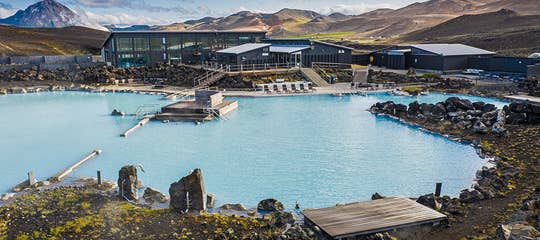
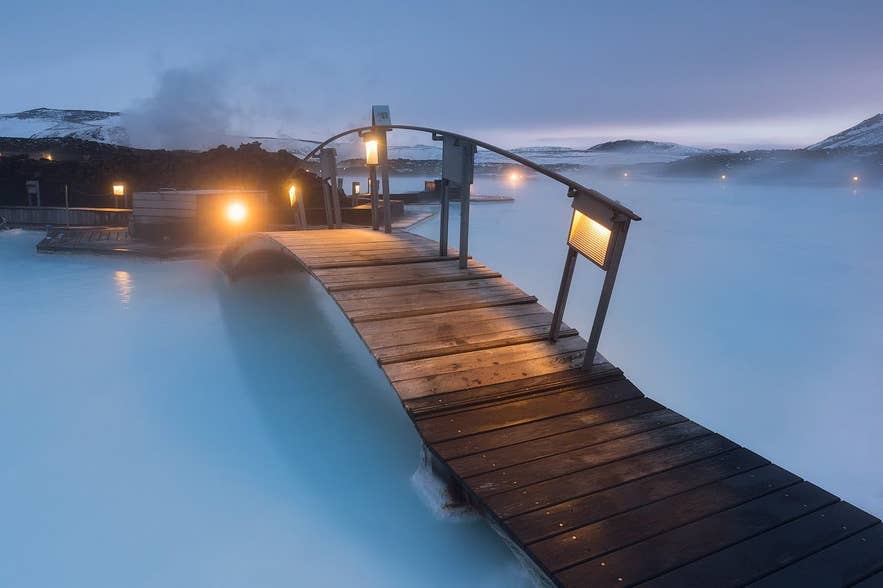 The Blue Lagoon is a world-famous geothermal spa located in a lava field on the Reykjanes Peninsula. The lagoon is filled with mineral-rich waters that are naturally heated by geothermal activity. The water, rich in silica, is known for its skin-softening effects, making it a popular destination for rejuvenation.
This attraction is just 20 minutes from Keflavik Airport, making it a perfect stop right after your flight or before you depart. Soak in warm waters surrounded by lava fields and steam. It’s a peaceful way to relax after your journey. These are some recommended transfer options to Blue Lagoon:
-
Bus Transfer to Blue Lagoon from Keflavik Airport: Direct bus from the airport to the lagoon.
-
Blue Lagoon Shuttle Bus Transfer from Reykjavik: 45-minute coach from BSÍ terminal or hotel through Reykjanes.
-
One‑Way Bus Transfer to Blue Lagoon: Travel one way from Reykjavik to the lagoon, ideal if you're returning to the airport or continuing elsewhere afterward.
-
Blue Lagoon Round‑Trip with Comfort Ticket: Includes both bus transfers and entry with a comfort ticket, sauna, silica mask usage, towel, locker access, and one drink.
-
Private Transfer Services: Personalized rides from Reykjavik or the airport, with hotel or port pickup, in luxury vehicles, including spa admission (extra).
Bring a swimsuit or rent one on-site. Lockers, showers, a cafe, and luggage storage are available.
-
Choose and book other tours here: Best Blue Lagoon Tours in Iceland
Reykjanes Peninsula Geothermal Tour
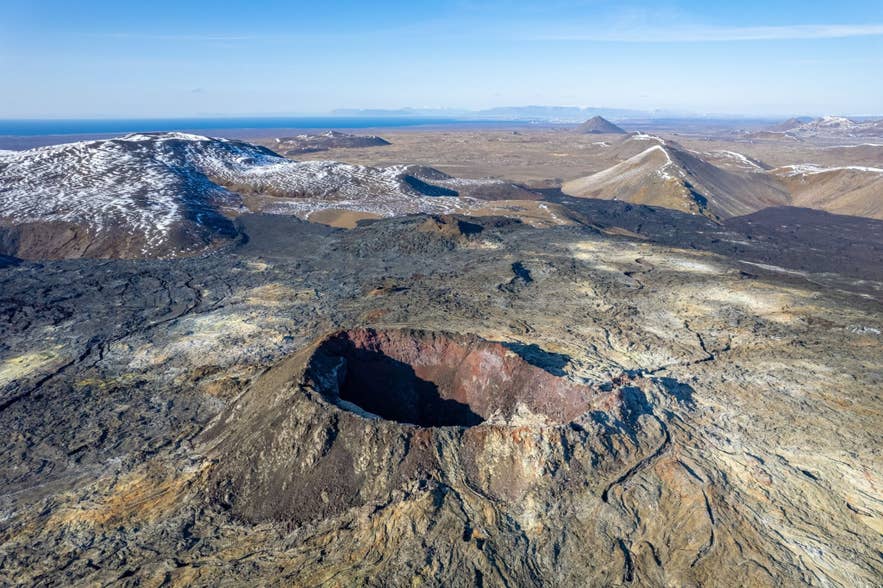 The Reykjanes Peninsula is a great place to explore if you have time near the airport. It’s full of geothermal vents, lava fields, and dramatic coastlines shaped by volcanic activity.
This area is less crowded than other parts of Iceland but just as beautiful. You’ll see steaming hot springs, colorful mud pools, and rugged ocean cliffs. It offers a peaceful and scenic way to start your adventure.
Popular attractions include the Blue Lagoon, the Krisuvik Geothermal Area, the Reykjanesviti Lighthouse, Gunnuhver Hot Springs, Brimketill Sea Pool, and Lake Kleifarvatn. You can also explore the dramatic geothermal landscapes near the airport with these top-rated Reykjanes Tours from Reykjavik:
-
Private Volcano Hike & Reykjanes Sightseeing Tour: Hike to recent lava flows near Fagradalsfjall Volcano, explore Krysuvik and Gunnuhver.
-
Private 10‑Hour Reykjanes Peninsula Tour in Luxury Electric Vehicle: Eco-friendly luxury tour highlighting geothermal zones and coastal panoramas.
-
Reykjanes Peninsula & Blue Lagoon Small‑Group Day Tour: Group excursion combining Kleifarvatn, geothermal areas, coastal cliffs, plus optional drop-off at Blue Lagoon or airport.
-
Choose and book other tours here: Best Reykjanes Tours in Iceland
What To Remember When Arriving in Iceland at Keflavik Airport
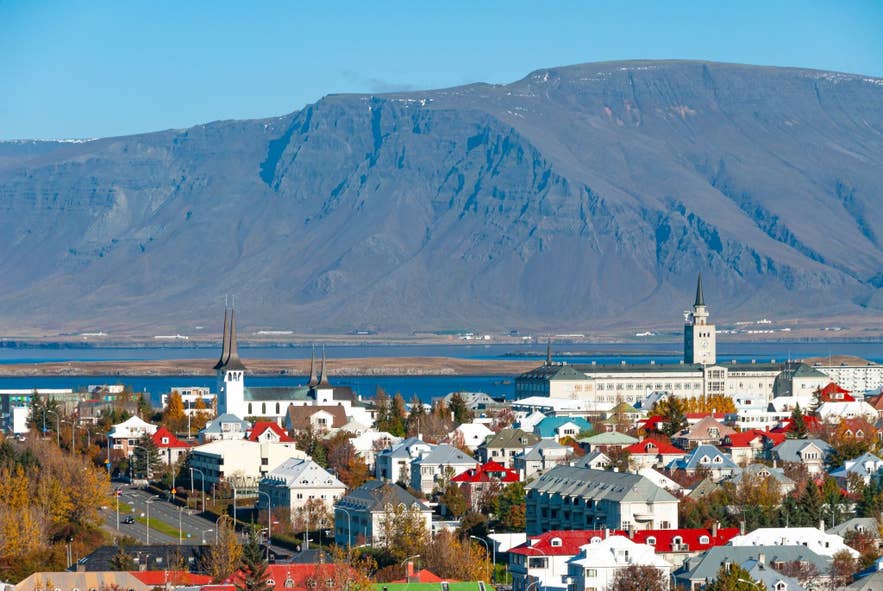 Arriving in Iceland marks the beginning of an unforgettable journey, so take time to enjoy the experience. The airport is clean, efficient, and organized, offering a smooth and welcoming start to your visit.
Make sure your travel documents are ready and that you have arranged transportation in advance. Planning ahead helps you avoid unnecessary stress and makes it easier to reach your accommodation.
From the moment you step off the plane, Iceland's natural beauty surrounds you. Whether you are heading into the city or exploring the countryside, your adventure begins as soon as you arrive.
How long does it take to get from Keflavik Airport to Reykjavik?
- Airport Shuttles: These are the popular and affordable option. Travel time is around 45–50 minutes, with drop-offs at major hotels, designated bus stops, or Reykjavik's BSI terminal. Buses run frequently throughout the day, aligning with flight schedules.
- Taxis: A taxi is the fastest and most direct way, taking about 40–45 minutes door-to-door. Fares are higher (often around 18,000–22,000 ISK), but the ride is private and immediate.
- Driving a Rental Car: If you're renting a car at the airport, the drive to Reykjavik is straightforward via Route 41 (Reykjanesbraut). Expect a smooth 45-minute drive along a well-maintained highway with scenic lava fields along the way. Most rentals offer GPS or app integration to help you navigate easily.
Is there Wi-Fi available at Keflavik Airport?
The network is stable and doesn’t require a local number to access. Look for signs or ask airport staff for connection instructions if needed.
Is there Wi-Fi available at Keflavik Airport?
The network is stable and doesn’t require a local number to access. Look for signs or ask airport staff for connection instructions if needed.
Is there luggage storage at Keflavik Airport?
What if I arrive very early in Iceland before my accommodation check-in?
Do I need a visa to enter Iceland?
It’s best to check with Iceland’s Directorate of Immigration website before your trip to confirm the latest entry requirements. Having valid travel documents and travel insurance is also recommended.
Visa requirements for Iceland depend on your nationality. Citizens of Schengen countries and several visa-exempt nations can enter without a visa for short stays.
It’s best to check with Iceland’s Directorate of Immigration website before your trip to confirm the latest entry requirements. Having valid travel documents and travel insurance is also recommended.
Is there anything about arriving in Iceland you're still curious about? Let us know in the comments.

I’m Rebecca, Head of Content at Guide to Iceland. I’ve lived in Reykjavík for almost a decade and have traveled across the country in every season. I care about making travel information easy to find, accurate, and genuinely helpful.