What is Iceland famous for? Volcanoes and glaciers, the northern lights and the midnight sun, geothermal lagoons, Viking sagas, and an island small enough to drive around in a week. Read on for the 20 things Iceland is best known for.
Iceland packs an improbable amount into 40,000 square miles (103,000 square kilometers). Erupting volcanoes sit beside Europe's largest glacier, and the island has more waterfalls than anyone has counted. Most of it is reachable on self-drive tours or day tours from Reykjavik.
Why You Can Trust Our Content
Guide to Iceland is the most trusted travel platform in Iceland, helping millions of visitors each year. All our content is written and reviewed by local experts who are deeply familiar with Iceland. You can count on us for accurate, up-to-date, and trustworthy travel advice.
The reputation is not only scenic. Iceland is known for the world's oldest surviving parliament, and for electricity that runs on water and underground heat. It is also known for elves, fermented shark, and a horse breed found nowhere else.
Here are the 20 things Iceland is famous for, in order from its landscapes to its culture, with what each one actually involves for a visitor. Keep reading to find the ones worth building your trip around.
Key Takeaways
-
Iceland is best known as the Land of Fire and Ice, because active volcanoes and glaciers share the same small island.
-
Glaciers cover around 11% of Iceland, and Vatnajokull alone covers about 8% of the country.
-
The northern lights are visible roughly from September to April; the midnight sun replaces them from May to August.
-
Nearly 100% of Iceland's electricity comes from hydropower and geothermal energy, and about 90% of homes are heated with geothermal water.
-
The Althingi at Thingvellir, founded in 930 AD, is the oldest parliament still sitting anywhere in the world.
-
Iceland has topped the Global Peace Index for 19 straight years and the Global Gender Gap Index for 17.
-
The Golden Circle and the Ring Road are the two routes most visitors build a trip around.
-
Icelandic food is known for lamb, skyr, hot dogs, and fermented shark, in roughly that order of everyday popularity.
1. Volcanoes and Lava Fields
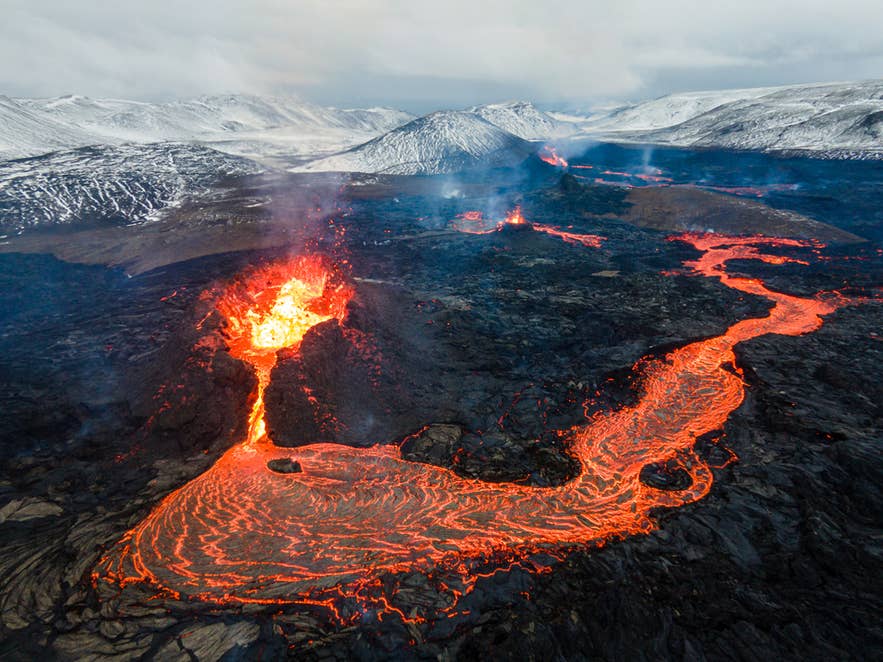 Iceland sits on the Mid-Atlantic Ridge, where the North American and Eurasian plates pull apart by roughly 0.8 inches (2 centimeters) a year. Magma rises into that gap, which is why the island keeps building new ground. Around 30 volcanic systems are considered active.
Eyjafjallajokull is the one the world remembers, after its 2010 ash cloud closed much of European airspace. Hekla was called the gateway to hell in medieval Europe and has erupted more than 20 times since settlement. Iceland's volcanoes are the reason the landscape looks the way it does, and volcano tours visit craters, lava fields, and a magma chamber.
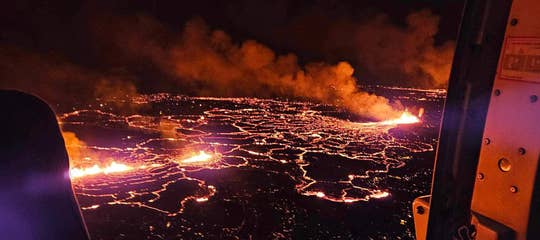
Fagradalsfjall woke in March 2021 after roughly 800 years of quiet on Reykjanes, and the peninsula has erupted twelve times since. The most recent ran from 16 July to 5 August 2025 on the Sundhnukur crater row. As of October 2026 nothing is erupting, but magma is still collecting under Svartsengi and the system sits at alert level 2.
2. Glaciers, Ice Caves, and Jokulsarlon Glacier Lagoon
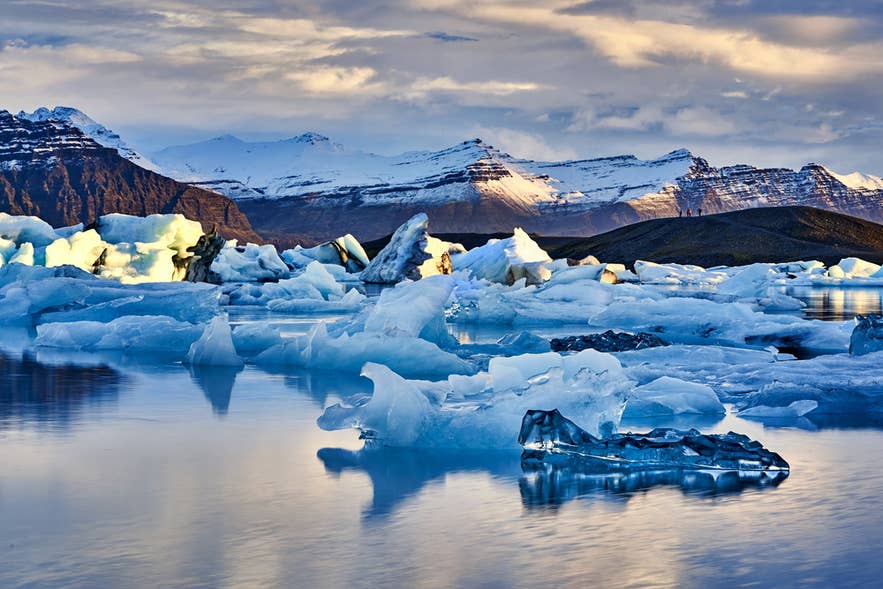 Vatnajokull Glacier is the largest in Europe, covering around 8% of Iceland and reaching over 3,000 feet (1,000 meters) thick in places. Iceland's highest point, Hvannadalshnjukur at 7,218 feet (2,200 meters), is buried under its edge.
Each winter, meltwater carves tunnels into the ice that refreeze into the blue chambers Iceland is famous for. Natural ice caves are accessible roughly from November to March and only with a guide, on ice cave tours. Glacier hiking tours run year-round on outlet tongues such as Solheimajokull.
Where the ice meets the sea, Jokulsarlon Glacier Lagoon fills with icebergs that drift out and wash back up on Diamond Beach across the road. It is a five-hour drive from Reykjavik and worth an overnight rather than a day trip.
Top Self Drive Tours in Iceland

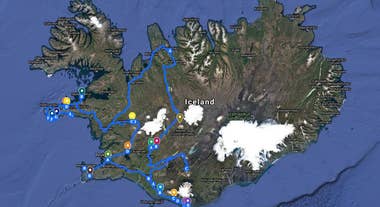 9.416 reviewsGroup discount
Adventurous 1-Week Summer Self-Drive Tour of Iceland with Highlands Exploration
Tour startsKeflavík International Airport (KEF), Reykjanesbær, IcelandStarting timeFlexibleFrom 1,402USD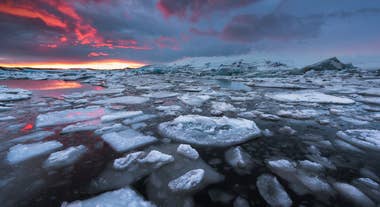
Relaxed 5-Day South Coast Road Trip in Iceland
Tour startsKeflavík Airport (KEF), IcelandStarting timeFlexibleFrom 644USD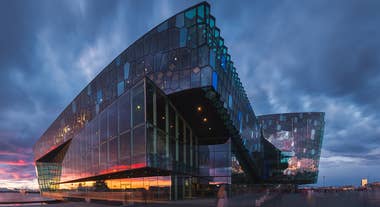
 104 reviewsGroup discount
Best 5-day Itinerary in Iceland
Tour startsKeflavík AirportStarting timeFlexibleFrom 644USD
3. Waterfalls Around Almost Every Corner
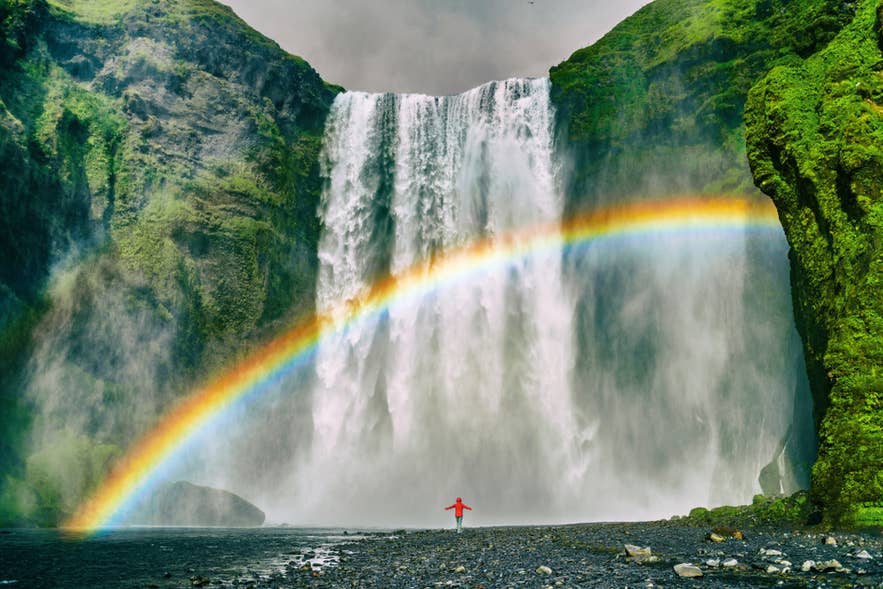 Heavy rainfall, glacial meltwater, and a landscape full of cliffs give Iceland thousands of waterfalls. Several sit directly beside the Ring Road, which is why so many travelers see a dozen in a week without planning it. The best waterfalls in Iceland range from roadside giants to falls that take a day's hike.
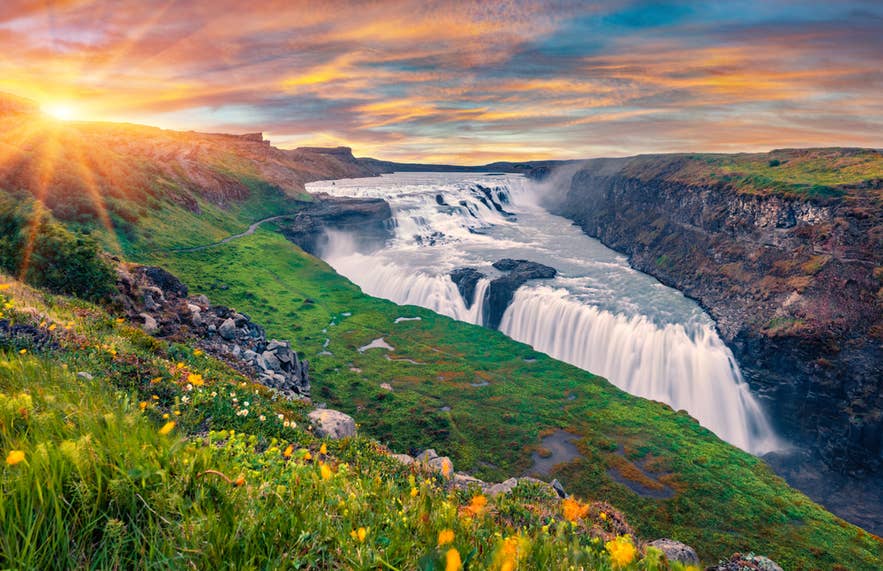
Gullfoss Waterfall drops in two tiers into a canyon on the Golden Circle. It nearly became a hydroelectric site in the early 20th century. The campaign against that, associated with the farmer's daughter Sigridur Tomasdottir, is treated as the start of Icelandic conservation.
Seljalandsfoss Waterfall is the one you can walk behind, on a looping path that will soak you. Skogafoss, 19 miles (30 kilometers) east, drops 197 feet (60 meters) over an 82-foot (25-meter) width. In the north, Dettifoss is often called Europe's most powerful waterfall by volume, and waterfall tours cover the southern cluster in a day.
4. Black Sand Beaches and Basalt Columns
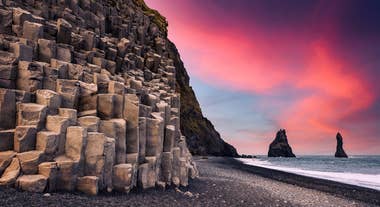
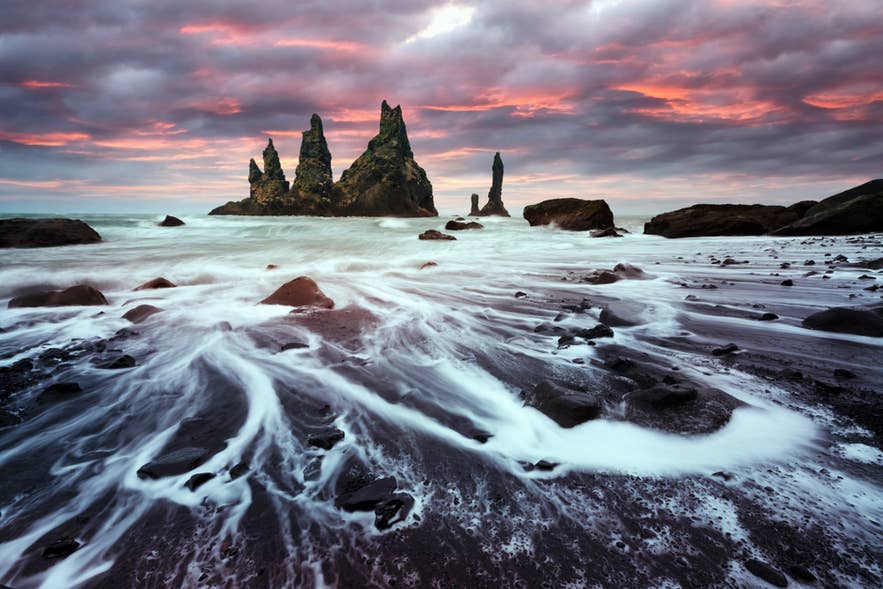 Iceland's beaches are black because the sand is ground-down basalt rather than quartz. The effect is strongest on the South Coast, where glacial rivers carry volcanic sediment to a coastline with no shelter from the North Atlantic.
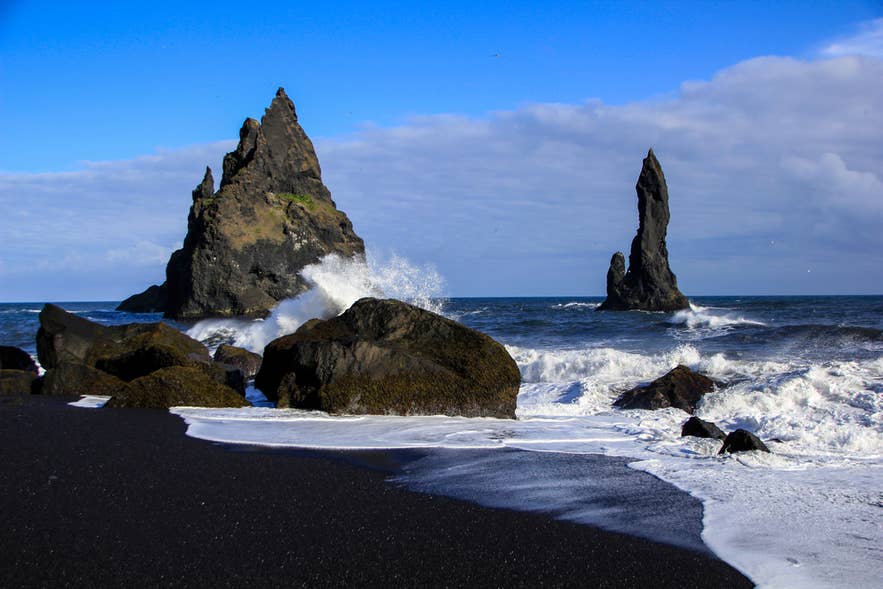
Reynisfjara Black Sand Beach near Vik is the famous one, backed by a wall of hexagonal basalt columns and facing the Reynisdrangar sea stacks.
Reynisfjara is also where visitors get hurt. Sneaker waves arrive without warning and have killed people standing on dry sand, so stay well back from the waterline and never turn your back on the sea. South Coast tours include a guide who knows where the safe line is.
5. Geysers, and the Word Geyser Itself
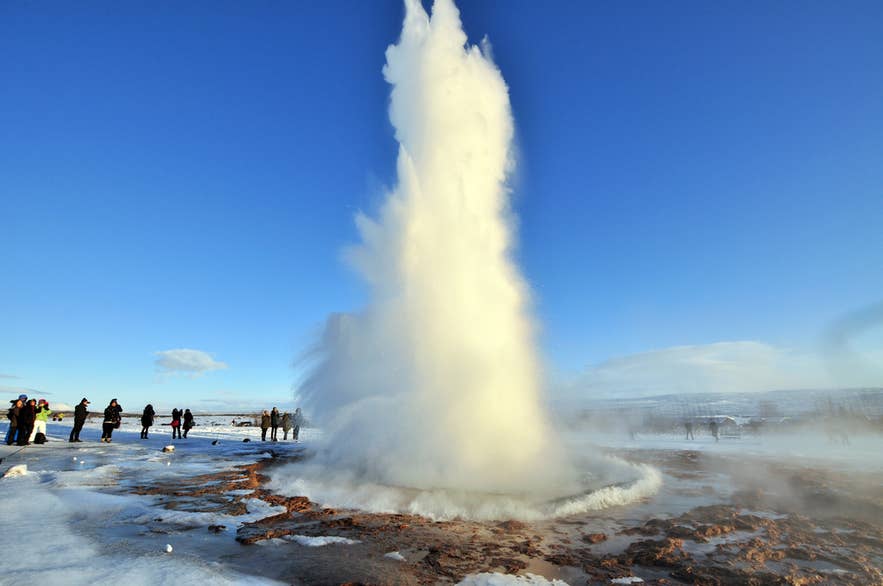 The English word geyser comes from Geysir in the Haukadalur Valley, which gave its name to every spouting hot spring on Earth. The original Geysir is mostly dormant now, so the show belongs to its neighbor 433 feet (132 meters) away.
Strokkur Geyser erupts every few minutes and almost never makes you wait more than 15, throwing water 37 to 104 feet (11 to 32 meters) up. Watch the blue bubble swell over the vent a second before it goes, which is the moment photographers wait for.
Geothermal ground shows up all over the country, not just on the Golden Circle. Hverir Geothermal Area near Myvatn in the north is a field of orange mud pots and steam vents with no vegetation at all.
6. The Northern Lights
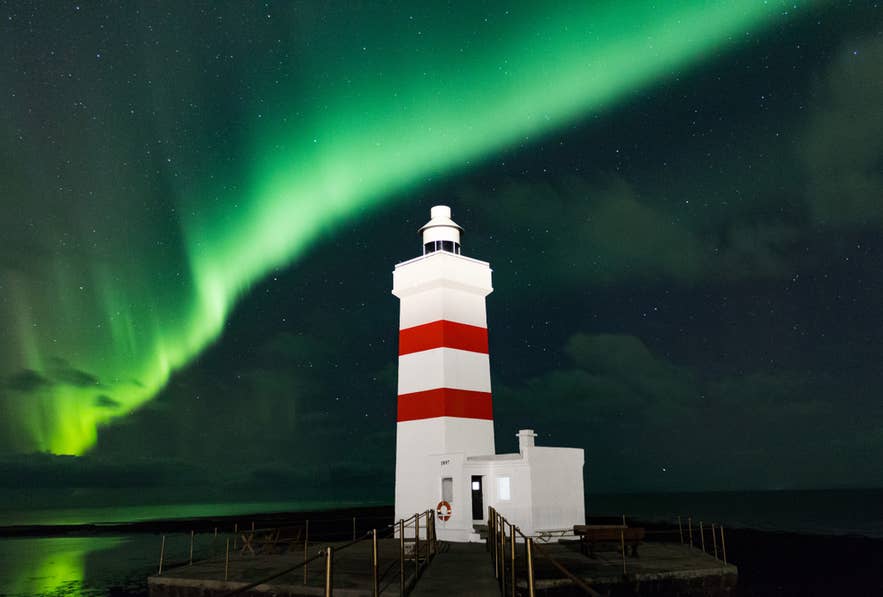 The aurora season runs roughly from September to April, when nights are long enough and dark enough. Three things have to line up: solar activity, clear sky, and distance from streetlights. Finding the northern lights in Iceland is mostly a matter of chasing gaps in the cloud.
Thingvellir, Snaefellsnes, and the South Coast all work, and so does the shoreline at Grotta, 15 minutes from downtown Reykjavik. Northern lights tours solve the hardest part by driving to wherever the forecast is clearest that night, and most rebook you free if nothing shows.
7. The Midnight Sun and Bright Summer Nights
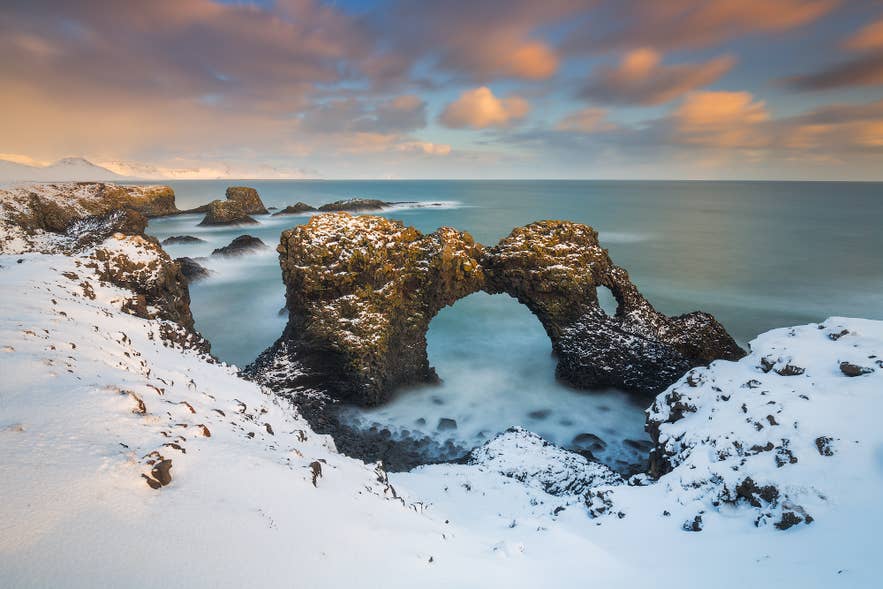 From late May to mid-July the sun barely sets. Reykjavik gets around 21 hours of daylight at the solstice, and the hours either side stay bright enough to read in. The midnight sun is the reason summer visitors can drive the Ring Road at 11pm with no headlights.
It also means hiking at midnight, golf at 2am, and the highland roads being open at all. Bring an eye mask. Hotel blackout curtains in Iceland are good, but guesthouse curtains are a gamble.
8. Geothermal Lagoons and Swimming Pool Culture
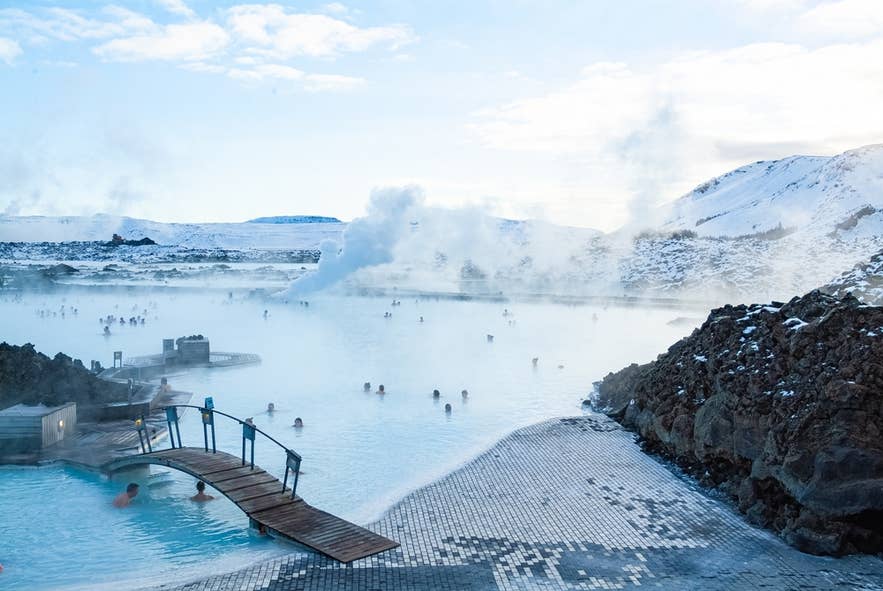 Bathing in naturally hot water is the most Icelandic thing a visitor can do, and it happens year-round in snow and wind. Every town has a geothermal pool, and the best hot springs in Iceland range from engineered spas to a river you hike to.
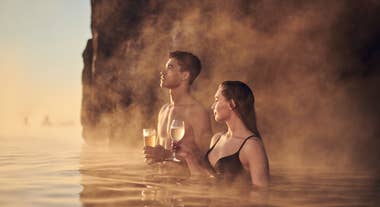
The Blue Lagoon is the famous one, a milky blue pool in a lava field 20 minutes from Keflavik Airport. Blue Lagoon Comfort tickets start around 83 USD and sell out weeks ahead in summer. Sky Lagoon is closer to the city, with an infinity edge over the Atlantic and a seven-step ritual, from around 99 USD for entry with full access.
The Secret Lagoon at Fludir, open since 1891, is the oldest pool in the country, and Reykjadalur Valley is a free hot river reached on a 45-minute walk. Locals mostly use the municipal pools, and geothermal pools in Reykjavik cost a few dollars. One rule matters: you wash thoroughly without a swimsuit before entering, and Icelandic shower etiquette is not negotiable.
Top Hot Spring Tours
 9.03,351 reviews
Sky Lagoon Entry Ticket with Full Access
Tour startsSky Lagoon, Vesturvör, Kópavogur, IcelandDuration2 hoursFrom 99USD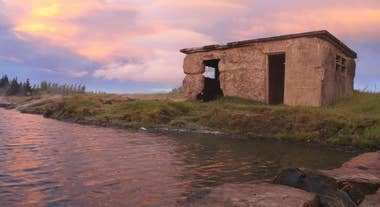 9.22,346 reviews
Secret Lagoon Admission Ticket
Tour startsFlúðirDuration1.5 hoursFrom 38USD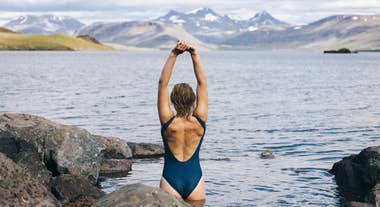 9.668 reviewsNew Tour
Admission to Hvammsvik Hot Springs near Reykjavik
Tour startsHvammsvik Hot Springs, Mosfellsbær, IcelandDuration2 hoursFrom 82USD


9. The Icelandic Horse
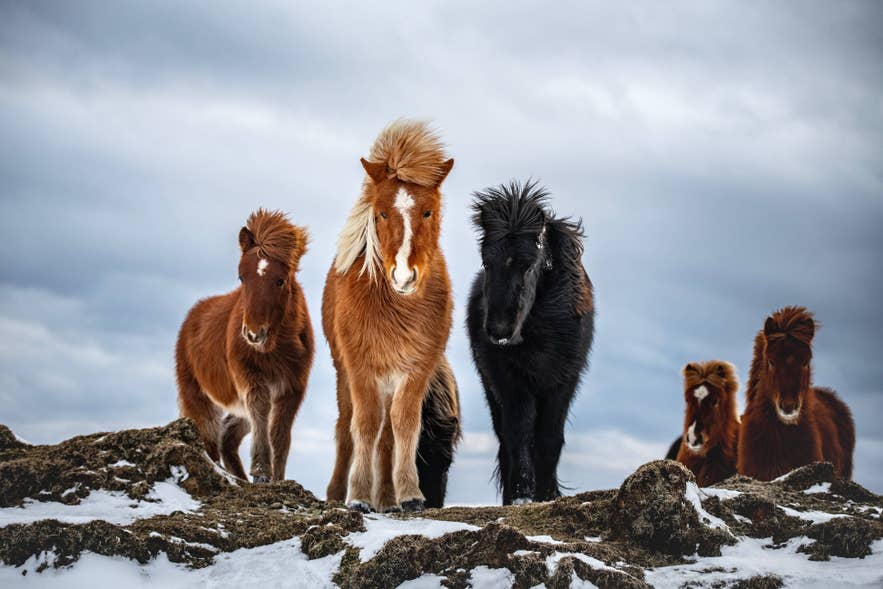 The Icelandic horse arrived with the Norse settlers and has been genetically isolated ever since. No horse may be imported, and any Icelandic horse that leaves can never come back, which is how the breed stayed pure for over a thousand years.
It is small enough that people call it a pony, and Icelanders will correct you. It also has two gaits most breeds lack: the tolt, a smooth four-beat running walk, and the flying pace. Horse riding tours run from farms near Reykjavik and suit complete beginners.
10. Puffins, Whales, and the Arctic Fox
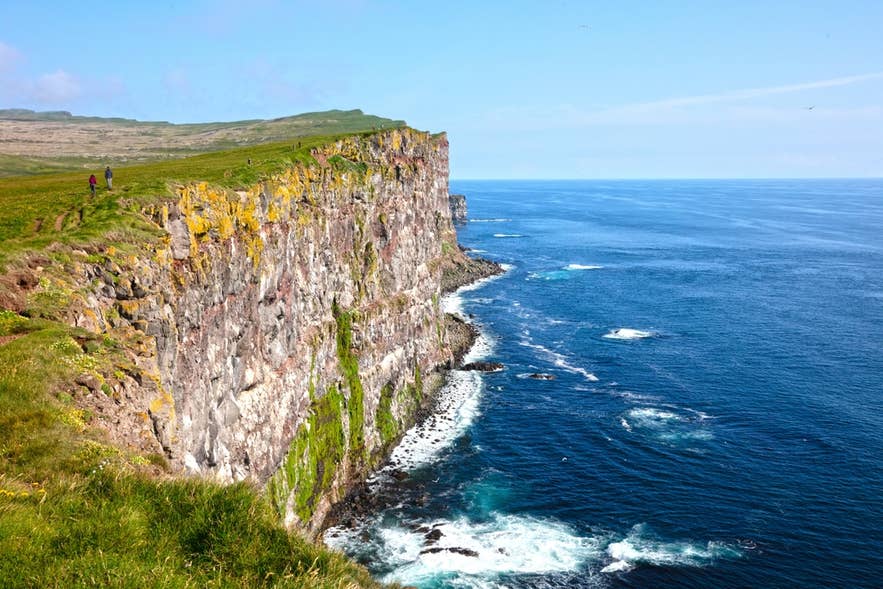 Puffins nest on Icelandic cliffs from roughly May to August, and where to see puffins in Iceland covers the Westman Islands and Dyrholaey. Latrabjarg in the Westfjords is Europe's largest bird cliff.
Offshore, the waters hold minke and humpback whales through summer, with blue whales off the north coast. Whale watching sails from Reykjavik and from Husavik, which has the better sighting record, and whale watching tours run most reliably from April to September.
The Arctic fox, Iceland's only native land mammal, is harder to find and lives mostly in the Westfjords. If the weather turns, Whales of Iceland in Reykjavik has life-size models of every species in these waters.
11. The Golden Circle and the Ring Road
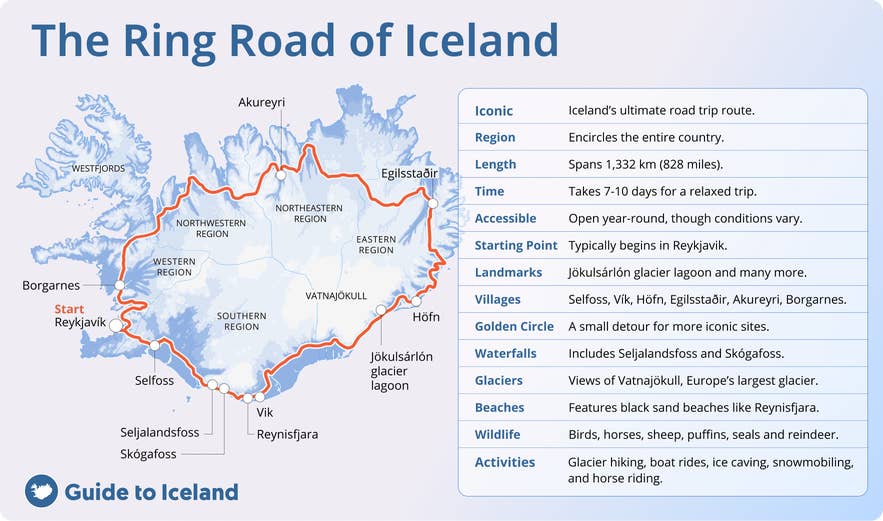 Two routes carry most of Iceland's tourism. The Golden Circle is a loop of roughly 143 miles (230 kilometers) from Reykjavik taking in Thingvellir, the Geysir area, and Gullfoss. It fits in a day, works year-round, and is the reason a two-day stopover still feels worthwhile.
The Ring Road, Route 1, runs 828 miles (1,332 kilometers) right around the island. Seven to ten days is the honest minimum, and driving in Iceland in winter means short daylight and real road closures. Golden Circle tours leave the capital every morning for those not driving.
Off those two, the Snaefellsnes Peninsula is called Iceland in miniature and sits two hours from Reykjavik, with Kirkjufell at its north shore. The Westfjords take the longest to reach and have the fewest people.
12. Reykjavik, the World's Northernmost Capital
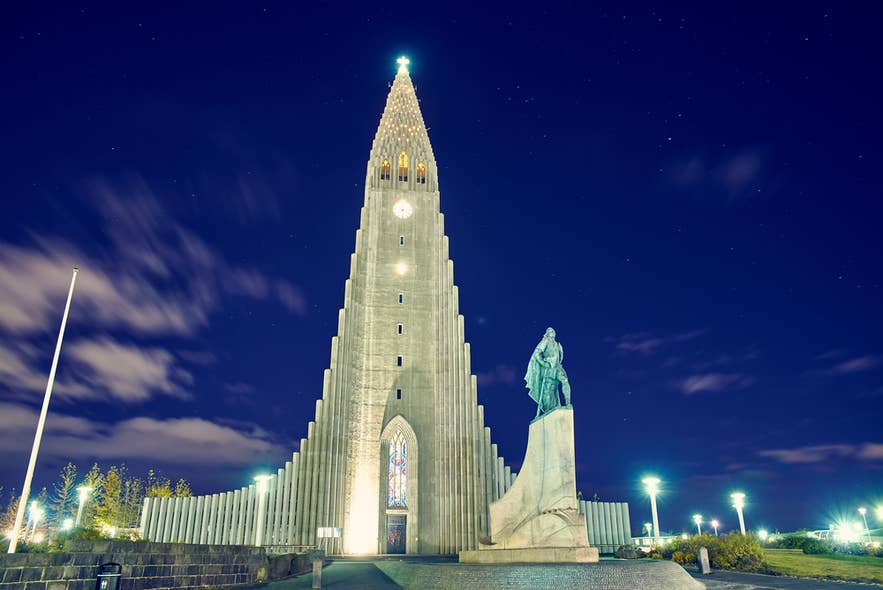 At 64 degrees north, Reykjavik is the northernmost capital of a sovereign state, and it holds about a third of the national population. It is small, walkable, and more colorful than most northern cities.
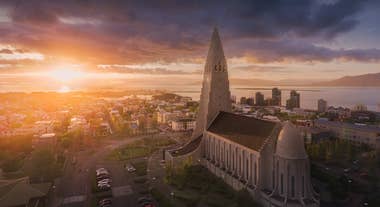
Hallgrimskirkja, the concrete church whose facade echoes basalt columns, is the city's landmark, and the tower gives the best view in town. Down at the water, the Sun Voyager sculpture and the glass panels of Harpa Concert Hall sit ten minutes apart along the shore path. For the top things to do in Reykjavik, two days is enough.
13. Vikings and the World's Oldest Parliament
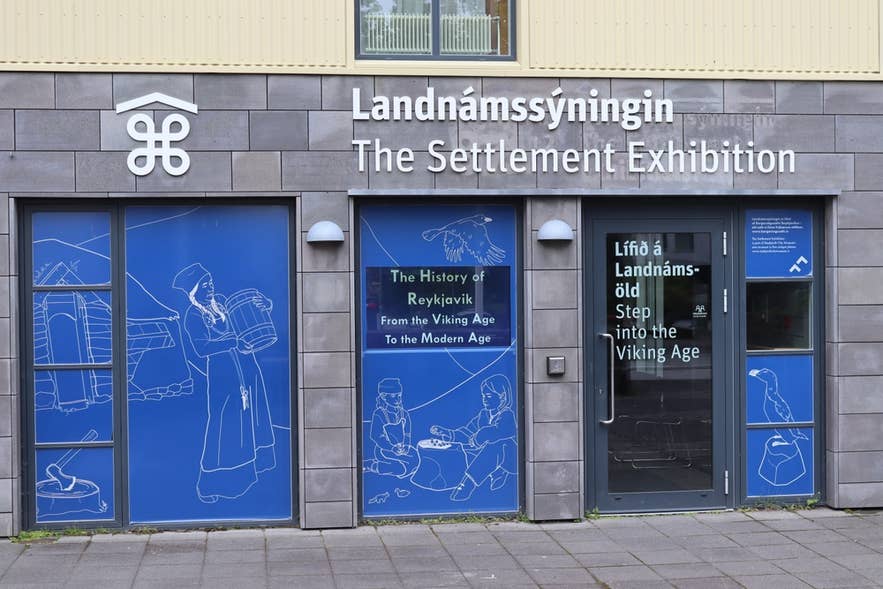 Norse settlers arrived around 874 AD, and by 930 they had founded the Althingi at Thingvellir National Park, making it the oldest parliament still in existence. It met in the open air, in a rift valley between the two tectonic plates, for eight centuries.
Thingvellir is a UNESCO World Heritage Site and the first stop on the Golden Circle. In Reykjavik, the Settlement Exhibition is built around a longhouse from the same era, and Icelandic Vikings covers the sites worth visiting across the country.
14. The Sagas and the Christmas Book Flood
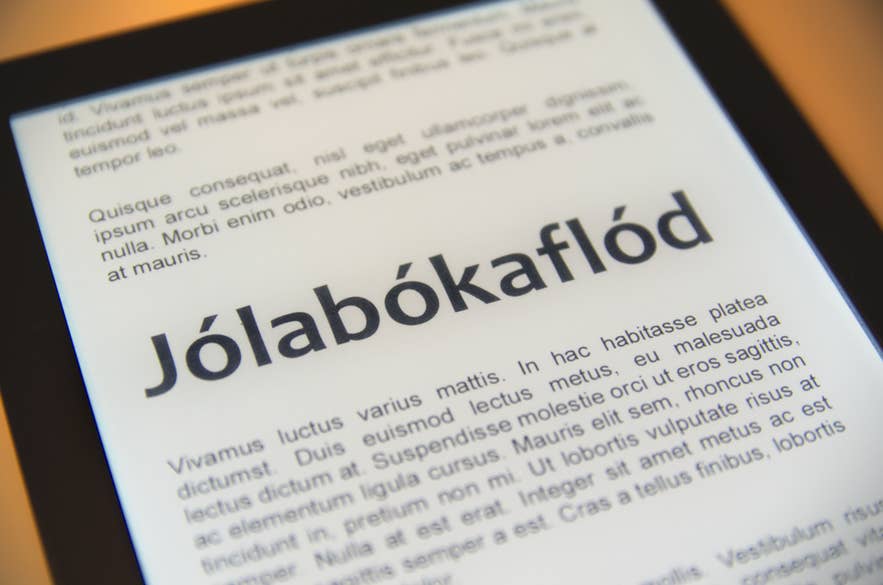 The sagas, written down in the 13th century, are prose accounts of feuds, settlement, and law that name real farms you can still drive to. The Prose Edda, compiled by Snorri Sturluson at Reykholt, preserves most of what the world knows about Norse mythology.
Iceland publishes more books per capita than almost anywhere, and Halldor Laxness won the Nobel Prize in Literature in 1955. Icelandic literature still shapes how the country sees itself. On Christmas Eve, families exchange books and spend the night reading, a tradition called Jolabokaflod, the Christmas Book Flood.
15. Elves, Trolls, and Icelandic Folklore
 Iceland is famous for taking elves seriously, and the reality is more interesting than the headline. The huldufolk, or hidden people, live in rocks and are treated less as a belief than as a reason not to disturb certain boulders. Road projects have occasionally been rerouted around them.
Trolls explain the landscape. Rock formations across the country are described as trolls caught out by the sunrise and turned to stone, which is the story behind the Reynisdrangar stacks. Trolls in Iceland and the wider body of Icelandic folklore give almost every strange rock a name and a grudge.
At Christmas, Iceland swaps one Santa for thirteen Yule Lads, mischief-makers who come down from the mountains one per night. Each has a specialty, such as stealing skyr or slamming doors.
16. Icelandic Names and the Language
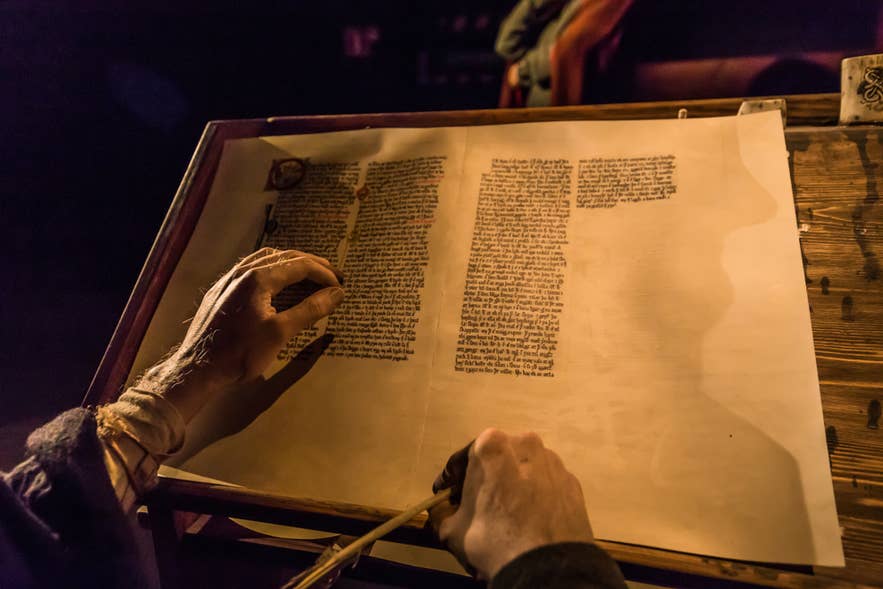 Icelandic has changed so little since the settlement that schoolchildren read the medieval sagas in something close to the original. New words are built from old roots rather than borrowed, so a computer is a tolva, from the words for number and prophetess.
Icelanders mostly do not have family names. A child of Jon is Jonsson or Jonsdottir, so a mother, father, and daughter can carry three different surnames. The phone book is alphabetized by first name, and everyone from the shop assistant to the president is addressed by it.
There is also a naming committee that rules on whether a new given name fits Icelandic grammar and alphabet. The Icelandic Naming Committee has approved and rejected enough borderline cases to make international news. Learning to pronounce even a few place names from the Icelandic alphabet earns real goodwill.
17. Icelandic Food, From Lamb to Fermented Shark
 Icelandic cooking comes from a place with no grain, no forests, and a long winter, which is why so much of it is preserved. Icelandic food culture has shifted a long way since, but the famous items are still the old ones.
Lamb is the staple, raised loose on highland pasture and herded down each September in the retti. Seafood means cod, haddock, Arctic char, and langoustine from Hofn. Skyr, technically a cheese rather than a yogurt, has been made here since the settlement.
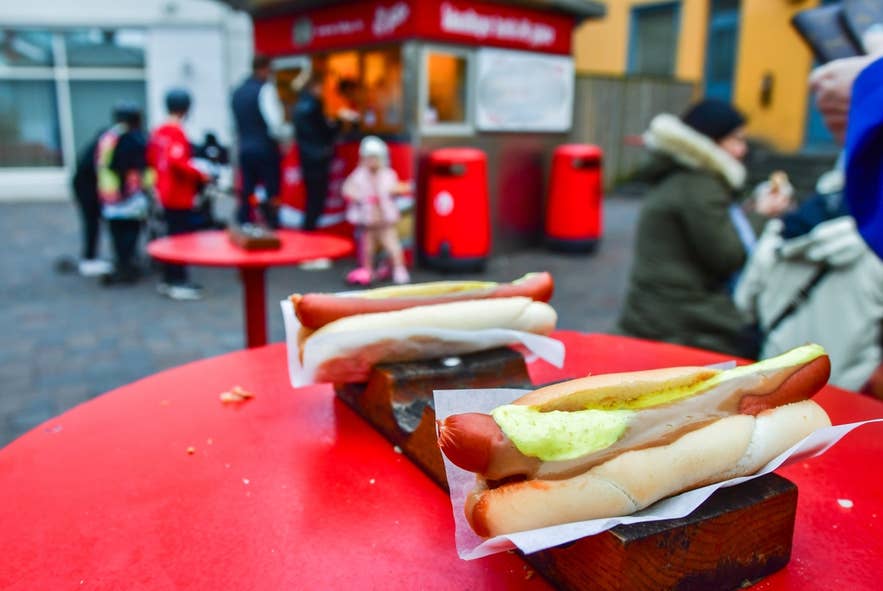
The item Icelanders actually eat daily is the hot dog, served with raw and crispy onion, ketchup, sweet mustard, and remoulade. Ask for one with everything, which is the Icelandic hot dog as locals order it. Then there is hakarl, Greenland shark cured for months, eaten at the midwinter Thorrablot feast with a shot of brennivin. Food and drink tours hand you a cube of it along with better things.
18. Icelandic Music, From Bjork to Iceland Airwaves
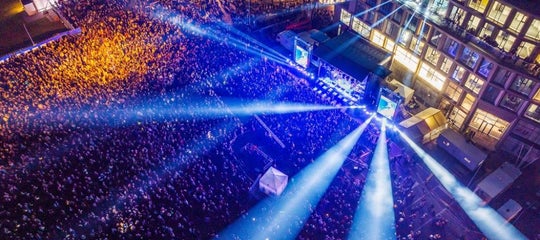
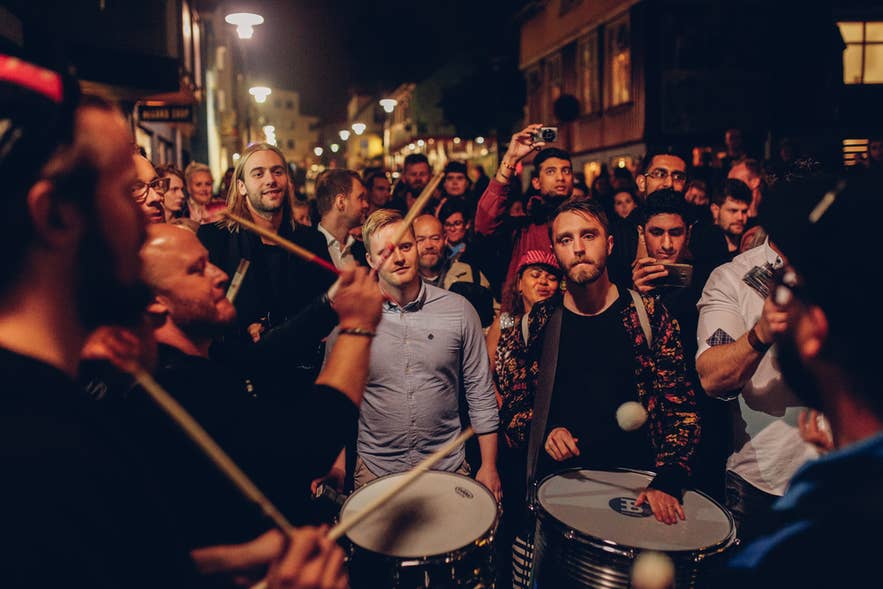 A country of under 400,000 people has produced an unusual number of internationally known artists. Bjork came out of the Reykjavik punk scene and never stopped experimenting. Sigur Ros built an ambient sound that soundtracks half the nature documentaries made since.
Of Monsters and Men took Icelandic indie pop onto global radio, Kaleo went the blues-rock route, and Laufey has brought jazz standards to a younger audience. Essential Icelandic albums are a faster introduction than any playlist.
Iceland Airwaves fills Reykjavik every November with shows in churches, bars, and record shops. The best live music venues in Iceland are nearly all within a few blocks downtown, and Lucky Records on Raudararstigur is where to dig for Icelandic vinyl.
19. Film and TV Locations
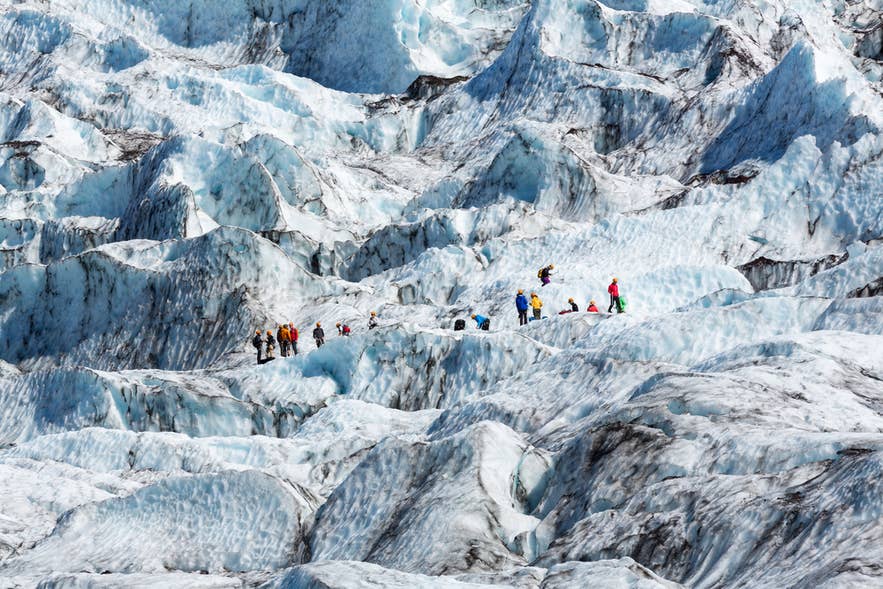 Directors use Iceland when a script calls for somewhere that does not look like Earth. The landscape is empty, varied, and close to a working airport, which is a rare combination.
Game of Thrones shot its lands beyond the Wall here, using Thingvellir, Myvatn, the Grjotagja cave, and the Vatnajokull ice. Game of Thrones filming locations in Iceland are mostly places you would stop at anyway.
Interstellar used Svinafellsjokull as an ice planet, and Rogue One filmed on the black sands near Hjorleifshofdi. The Secret Life of Walter Mitty was shot across Seydisfjordur and the Eastfjords, and movie locations in Iceland lists the full set with directions.
20. Clean Energy, Equality, and Iceland's World Firsts
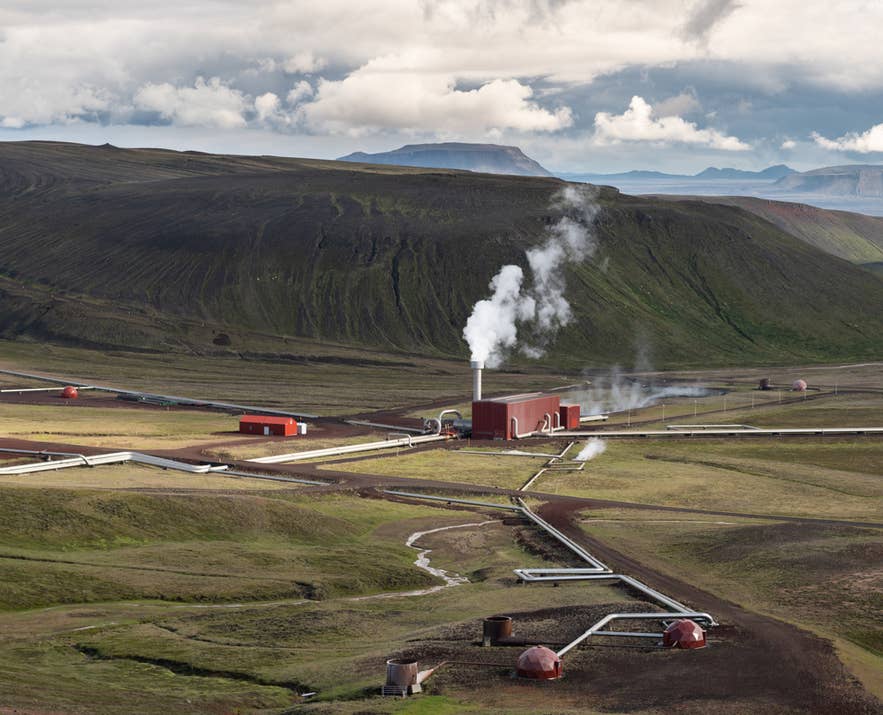 Nearly 100% of Icelandic electricity comes from renewable sources, roughly 70% hydropower and 30% geothermal. About 90% of homes are heated with geothermal water piped straight from boreholes, and geothermal power in Iceland is why outdoor pools stay hot through February.
Iceland also has a long list of firsts. Vigdis Finnbogadottir became the world's first democratically elected female head of state in 1980, and Johanna Sigurdardottir the first openly gay head of government in 2009. The 1975 women's strike, when 90% of Icelandic women stopped work for a day, is still cited as the turning point.
The rankings have followed. Iceland has led the World Economic Forum's Global Gender Gap Index for 17 consecutive years, closing 93% of its measured gap. It has topped the Global Peace Index for 19 years running, has no standing army, and, for what it is worth to a summer camper, no mosquitoes.
How to See What Iceland Is Famous For
Almost everything on this list splits into two trip shapes, and picking one early saves a lot of rearranging.
Driving yourself gives you the waterfalls at 7am before the coaches arrive and lets you stop at whatever appears. Self-drive tours bundle the car and the hotels into a set route, or you can rent a car in Iceland and build it yourself. In winter, take the four-wheel drive and read the forecast every morning.
Staying in one base and taking guided trips suits short stays and winter, when driving gets harder. From the capital you can reach the Golden Circle, the South Coast, and the Reykjanes lava fields on day tours from Reykjavik. Guides also handle the ice caves and glaciers you cannot visit alone, and vacation packages combine both.
On timing: June to August gives you the midnight sun, open highland roads, puffins, and whales. September to March gives you the northern lights, ice caves, and far fewer people. Whichever you choose, pack for rain and wind, because what to wear in Iceland matters more than the month does.
What Makes Iceland Famous Is How Much Fits on One Island
No single item on this list explains Iceland's reputation. It is that a glacier, an active volcano, a waterfall, a black beach, and a hot spring can all land in one afternoon of driving. The country running on top of all that has its own language, its own horse, and a parliament older than most nations.
Most of the famous sights sit within a few hours of the capital, which is why a short trip still delivers. If you want the full sweep, the best attractions along the Ring Road maps the whole loop, and the best time to visit Iceland breaks the year down month by month.
Pick the two or three things here that you would travel for, build the route around those, and let the rest turn up on the way. In Iceland it usually does. For more of them, 88 fun facts about Iceland covers the strange details that do not fit anywhere else.
What is Iceland most famous for?
Why is Iceland called the Land of Fire and Ice?
What is Iceland known for besides its nature?
What food is Iceland famous for?
When is the best time to see the northern lights in Iceland?
Is a volcano erupting in Iceland right now?
What is Iceland's most famous landmark?
What animal is Iceland famous for?
Is Iceland safe to visit?
What is the most famous hot spring in Iceland?
Why do Icelanders not have surnames?
Do Icelanders really believe in elves?
What movies and TV shows were filmed in Iceland?
How many days do you need to see what Iceland is famous for?
Which of these 20 made you want to visit Iceland, and which one surprised you? If you have been, tell us what you think Iceland is most famous for, and ask anything you are still wondering about in the comments below.