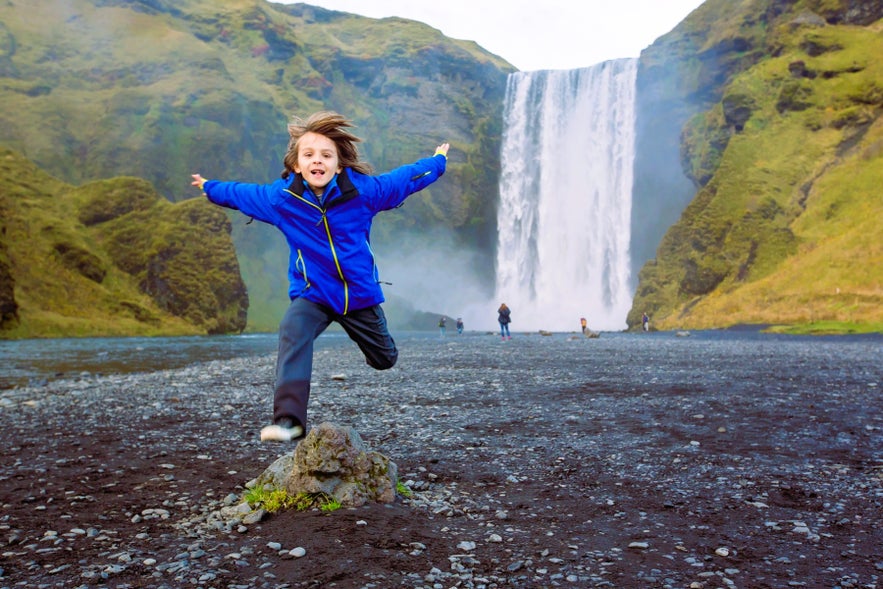
Start planning your family trip to Iceland with kids by exploring travel options that balance flexibility, safety, and age-appropriate experiences. Choosing the right type of trip early on makes it easier to manage pacing, costs, and daily logistics.
Iceland is one of Europe's most rewarding destinations for family travel. The country is safe, easy to navigate, and centered on outdoor experiences that naturally engage children.
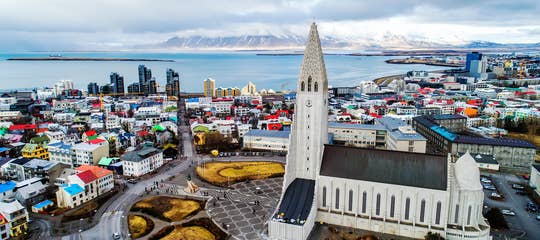
Many family-friendly tours in Iceland are designed around shorter travel times and clear safety standards, which can make certain days easier for parents traveling with kids. Even spending a few days exploring Reykjavik with kids gives families plenty to see and do before heading out to the rest of the country.
Why You Can Trust Our Content
Guide to Iceland is the most trusted travel platform in Iceland, helping millions of visitors each year. All our content is written and reviewed by local experts who are deeply familiar with Iceland. You can count on us for accurate, up-to-date, and trustworthy travel advice.
Travel style also matters. Some families prefer the flexibility of family self-drive tours with reliable car rentals in Iceland, while others choose small-group tours for selected days to leave the driving and logistics to local guides. The right balance depends on your children's ages, the season, and where you're traveling.
This guide covers everything you need to know about traveling to Iceland with kids. Read on for the best activities for different ages, family-friendly accommodations, transportation tips, seasonal travel advice, and practical planning information.
Key Information for Visiting Iceland With Kids
-
Iceland is very family-friendly: It is one of the safest countries in the world, with strong infrastructure, clean drinking water, and a culture that welcomes children in public spaces.
-
Pacing matters more than distance: Plan no more than two or three main activities per day and stay flexible around weather, naps, and energy levels.
-
Self-driving works best for most families: Renting a car gives you control over breaks, snacks, and timing, while guided tours are a good alternative for winter travel or short stays.
-
Kids love nature, not just the highlights: Waterfalls, beaches, geothermal pools, animals, and playgrounds often leave a bigger impression than ticking off famous sights.
-
Costs are manageable with smart choices: Supermarkets, free natural attractions, public pools, and simple meals like hot dogs keep budgets under control.
-
Safety rules are non-negotiable: Follow car seat laws, respect ocean and geothermal hazards, and supervise children closely in nature.
-
Every age can work with the right approach: Iceland is suitable for babies, toddlers, and teens when expectations and daily plans are adjusted accordingly.
Top 10 Best Things To Do in Iceland With Babies & Toddlers (0-5 Years Old)
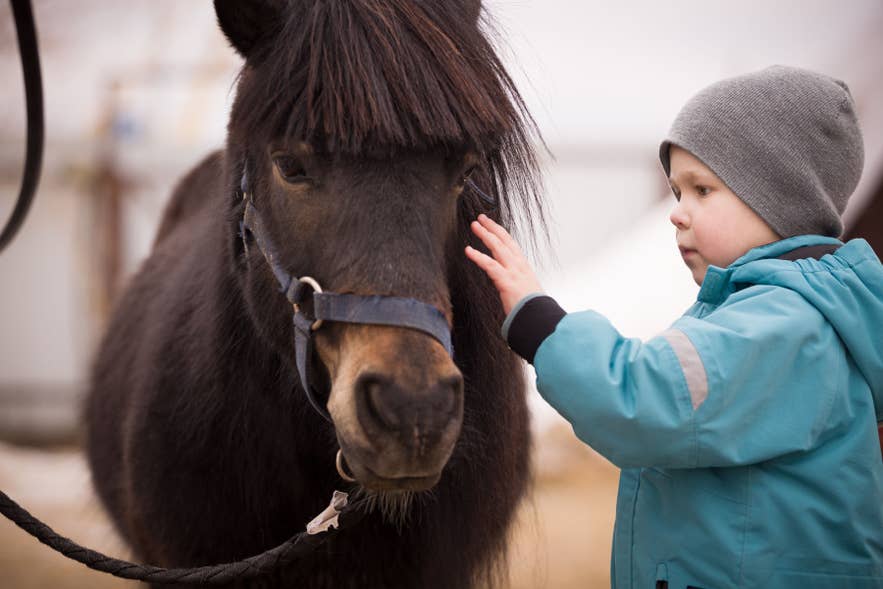 Traveling in Iceland with babies and toddlers is surprisingly easy when you keep a relaxed pace and avoid packing too many stops into each day.
Renting a car is the best way to get around. It gives you the flexibility to work around nap times, keep extra clothes and snacks within easy reach, and explore without rushing.
There are also plenty of things to do in Reykjavik with younger kids within easy reach. While a stroller is perfect for walking around downtown Reykjavik, a baby carrier or hiking carrier is much more practical for gravel trails, uneven paths, and Iceland's often windy weather.
Here are some of the best things to do in Iceland with babies and toddlers.
10. Relax at Child-Friendly Cafes and Ice Cream Stops

Regular breaks can make all the difference when traveling to Iceland with toddlers, and you'll find plenty of family-friendly cafes, bakeries, and food halls across the country where everyone can recharge.
In Reykjavik, food halls like Hlemmur Matholl and Grandi Matholl are great options because everyone can choose something different, from Icelandic dishes to pizza, burgers, and pastries.
If you're looking for cozy cafes, Laundromat Cafe and Reykjavik Rost Mokka Kaffi, Reykjavik Roasters, and Braud & Co. are all welcoming spots for families, with excellent coffee and fresh baked goods.
No family trip is complete without stopping for ice cream, and Iceland's best ice cream stops are worth adding to your itinerary. Brynja Ice Cream is among the oldest and most popular. It has two branches: one in Akureyri and another in Kopavogur near Reykjavik.
If you're exploring the Golden Circle, Efstidalur Farm is another favorite, serving homemade ice cream while you watch cows through large viewing windows.
Local tips:
-
Ask for a “halfur skammtur” (half portion) for little ones. Most places are happy to oblige!
-
Try the Icelandic hot dog from Baejarins Beztu Hot Dog Stand or those at gas stations. It’s cheap, quick, and easy to order plain or with just ketchup.
-
Pack Icelandic skyr, fresh fruit, or ice cream for easy road-trip snacks available at supermarkets and roadside cafes. Skyr and ice cream are reliable toddler-friendly snacks on the road.
9. Take a Scenic Road Trip in Iceland
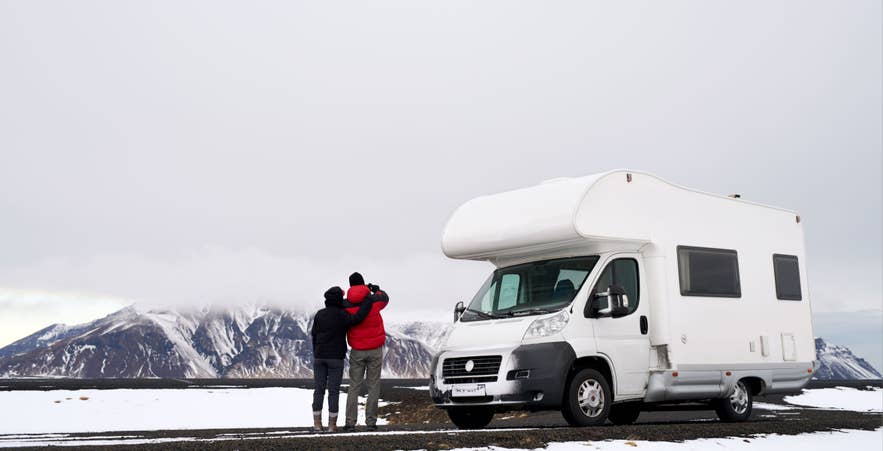
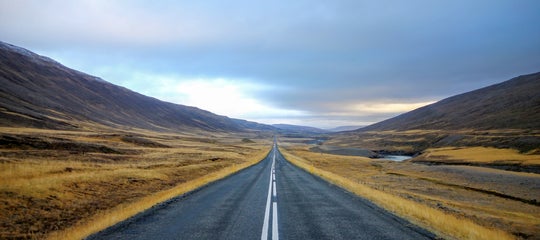
Family self-drive tours in Iceland are the most relaxed way to explore the country if you’re with kids, because your car becomes a mobile base for snacks, bathroom breaks, and naps. Choosing reliable Iceland car rentals lets you set your own pace
If you're traveling to Iceland with kids during winter, a self-drive itinerary also makes it easier to adjust your plans around the weather and your family's energy levels.
One popular option is this self-drive tour in the Golden Circle with Jokulsarlon Glacier Lagoon. It combines Iceland's most famous attractions with manageable driving distances and family-friendly stops.
During the warmer months, a self-drive tour of the Ring Road is an excellent choice for exploring the country's most iconic attractions at a comfortable pace. This works especially well for kids, when near-endless daylight means there's no pressure to rush between stops.
Local tips:
-
Plan no more than two or three main stops per day to match toddler energy levels.
-
Choose rental SUVs for stroller and gear space. Consider a 4x4 when traveling between October and April.
-
Review the rules for driving in Iceland before you go, and check road conditions and weather forecasts before setting off.
-
Plan a grocery stop before longer drives. This guide to grocery shopping for a road trip in Iceland can help you find the best places to stock up on family essentials.
8. Visit Family-Friendly Attractions Around Akureyri
If you're visiting North Iceland, renting a car in Akureyri is ideal for exploring the region at your own pace while working around your child's nap and meal schedules.
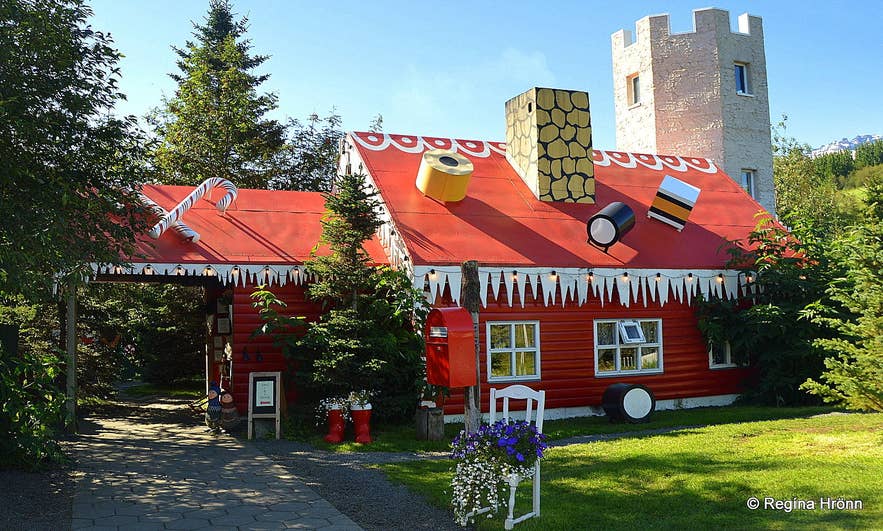
Akureyri has several low-key attractions that are perfect for babies and toddlers. The Christmas House, about 10 minutes south of town, is a charming red cottage that celebrates Christmas all year long. Little ones will love the festive decorations and the fairytale tower that houses the world’s biggest Christmas calendar. Plus, admission here is free!
Just a few minutes away, the Akureyri Botanical Garden offers wide, stroller-friendly paths where toddlers can safely walk, run, and explore. There's also the family-friendly LYST Cafe on site, making it an easy place to stop for lunch or an afternoon treat.
For active toddlers, head to Kjarnaskogur Forest, one of Akureyri's favorite outdoor recreation areas. The forest features easy walking trails, large playgrounds, open green spaces, and picnic areas where children can burn off energy after a long drive.
These attractions don't require long hikes or strict schedules, making them ideal for babies and toddlers with shorter attention spans.
Local tips:
-
Combine the Christmas House, Akureyri Botanical Garden, and Kjarnaskogur into one relaxed afternoon, as they're all within a short drive of each other.
-
Bring a stroller for the Botanical Garden, where the paved paths are easy to navigate with young children.
-
Stop at Brynja Ice Cream after exploring Akureyri to try a favorite treat for Icelandic families.
7. Enjoy Farm Experiences in Iceland
Visiting a working Icelandic farm is one of the most memorable things to do in Iceland with toddlers.
At Fridheimar, families can enjoy lunch inside a greenhouse surrounded by tomato plants that thrive year-round using geothermal energy. For a quick family meal, the tomato soup and tortillas are always a good choice.
The warm greenhouse is comfortable in any season, and children are often fascinated by seeing how vegetables are grown in Iceland.
Another excellent stop is Efstidalur Farm along the Golden Circle, where you can enjoy homemade ice cream while watching cows through large viewing windows. These relaxed experiences break up longer sightseeing days and give babies and toddlers a chance to see friendly farm animals in a calm setting.
Local tips:
-
Reserve a table at Fridheimar several weeks ahead if you're visiting during summer.
-
Time your stop at Efstidalur between Golden Circle attractions for a relaxing break without adding extra driving.
-
Browse the farm shops for locally made jams, tomato products, and cheeses that make easy picnic supplies.
6. Explore Iceland's Famous Waterfalls
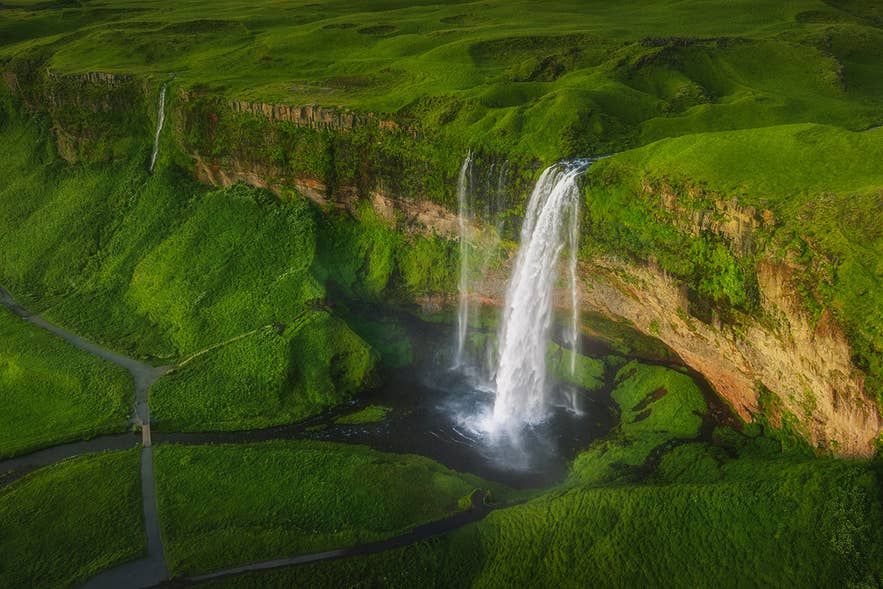
You don't need to tackle long hikes to enjoy some of Iceland's most spectacular waterfalls. Both Seljalandsfoss and Skogafoss are easy to reach from nearby parking areas, making them excellent stops for families with babies and toddlers.
Wide viewing areas allow parents to enjoy the scenery without carrying young children over difficult terrain, while older toddlers usually enjoy watching the powerful water cascade into the river below.
These waterfalls also make excellent places for short breaks during longer drives along the South Coast. Rather than spending hours hiking, families can admire the scenery, take photos, and continue their journey before little ones become restless.
Local tips:
-
Pack waterproof jackets and stroller rain covers. The mist at Seljalandsfoss can soak clothing within minutes.
-
Arrive before 10 AM or later in the evening during summer to enjoy quieter viewing areas and easier parking.
5. Visit the Golden Circle's Easy Natural Attractions
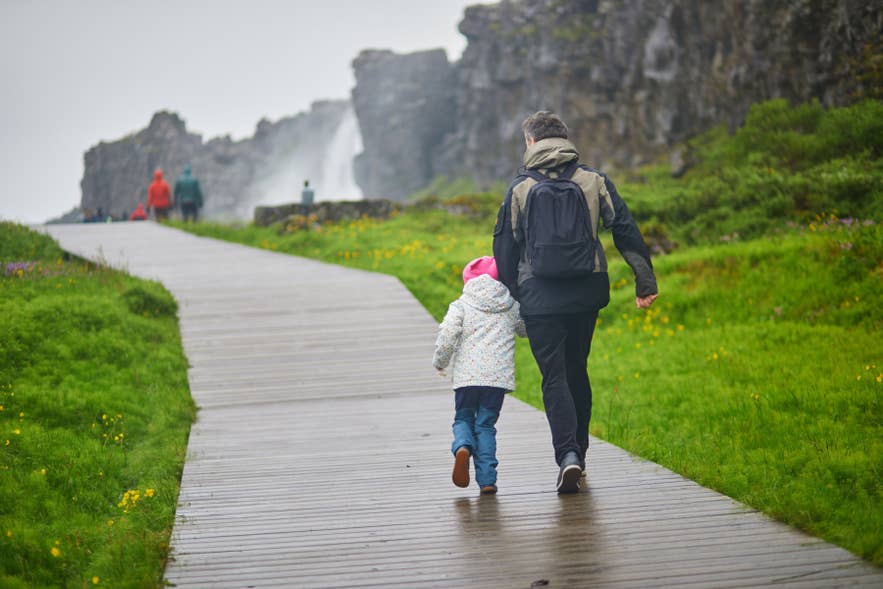
The Golden Circle packs high-impact nature into short, easy stops. Iceland's most famous sightseeing route connects three incredible attractions with relatively short drives between each stop. That means less time in the car and more time exploring.
At Thingvellir National Park, the path to Oxararfoss is stroller-friendly. Strokkur Geyser in Haukadalur erupts every five to ten minutes, keeping toddlers engaged. Gullfoss Waterfall has easily accessible viewpoints that provide spectacular views without requiring a long hike.
Together, these attractions create an enjoyable day that's well suited to families with babies and toddlers.
Local tips:
-
Stay behind the safety ropes at Strokkur, as the erupting water and steam can cause serious burns.
-
Choose the upper viewing platform at Gullfoss when using a stroller, as the lower path includes steep steps and uneven surfaces.
-
Dress in windproof layers, even in summer, as weather changes quickly across the Golden Circle.
4. Play in Iceland's Parks and Playgrounds
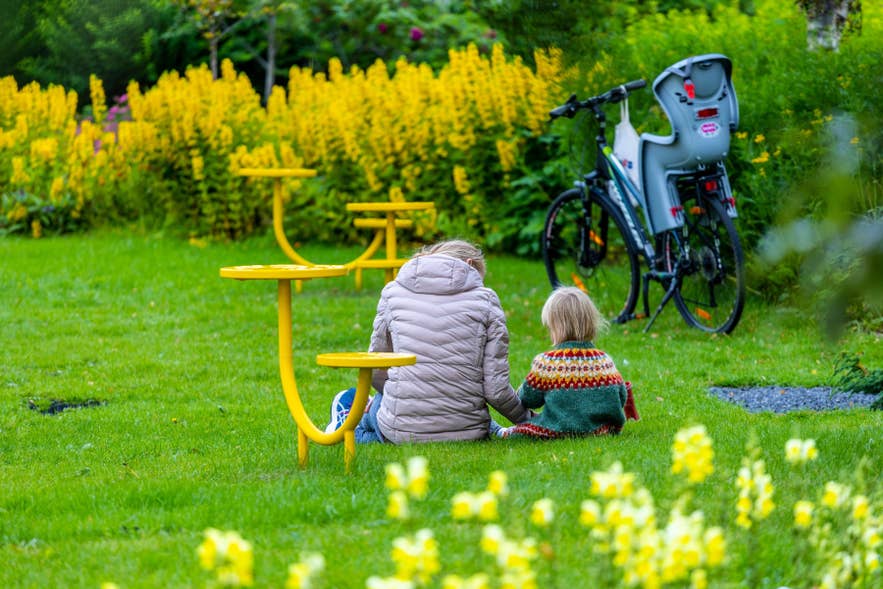
Not every great family activity has to be a famous attraction. Sometimes babies and toddlers simply need time to run, climb, and play.
Simple outdoor play is often the biggest hit of all. Ellidaardalur Valley is a peaceful green space in Reykjavik where families can walk easy trails and let kids loose on playgrounds. Across the city, you'll also find Iceland's famous “jumping pillows” (outdoor trampolines known as areslabelgur), which are always a highlight.
During summer in Iceland, you'll also find inflatable jumping pillows at many campgrounds, parks, and family attractions around the country. These simple stops are perfect for burning off energy after long car rides and often become some of the children's favorite memories from the trip.
Local tips:
-
Pack a picnic lunch to enjoy in one of Reykjavik's parks.
-
Look for inflatable jumping pillows at campsites and family attractions during summer.
-
Bring spare clothes and waterproof shoes, as Icelandic playgrounds often stay open even after rain.
3. Meet Icelandic Animals
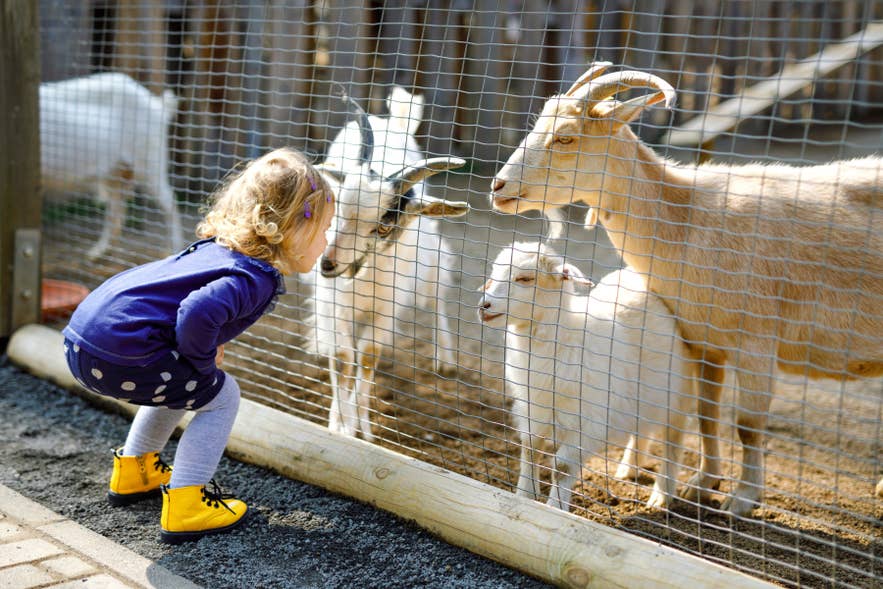
Few things excite young children more than meeting animals, making this one of the best things to do in Iceland with toddlers.
Reykjavik Family Park and Zoo lets kids see Icelandic farm animals like sheep, goats, and horses up close, with play areas and small rides, making it a relaxed stop for younger children.
On the Golden Circle, Slakki Petting Zoo is a small, family-run spot where kids can pet kittens, puppies, rabbits, and piglets. It also has mini golf and play areas on site.
These attractions are perfect for babies and toddlers because they encourage gentle interaction, don't involve long walks, and offer a slower pace than many of Iceland's natural attractions.
Local tips:
-
Combine Reykjavik Family Park and Zoo with nearby Laugardalslaug for an easy full day in the Laugardalur recreation area.
-
Carry hand sanitizer or use the handwashing stations after visiting petting areas.
-
Check opening dates before visiting farms, as many smaller farm attractions operate seasonally.
2. Enjoy Iceland's Geothermal Swimming Pools
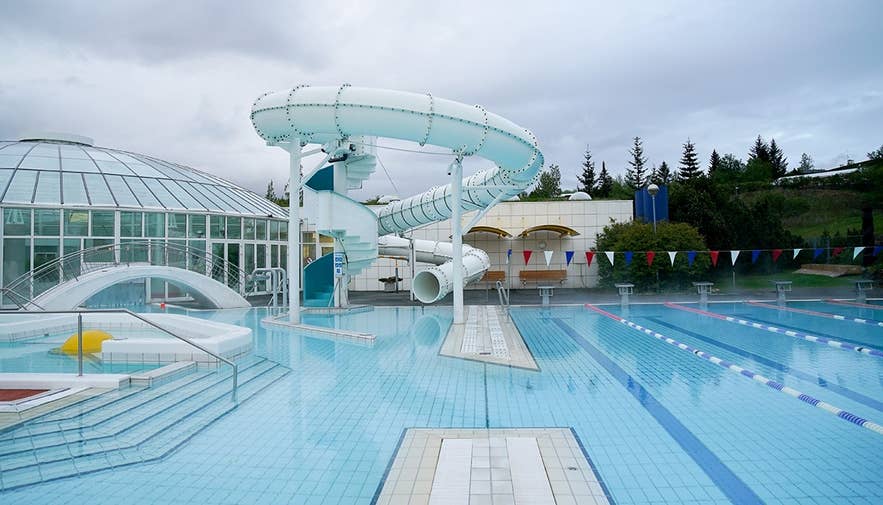
Geothermal pools are central to family life in Iceland and one of the best things to do in Iceland with toddlers.
If you’re in the capital, Reykjavík's swimming pools are an excellent place to experience this local tradition. Laugardalslaug is especially popular, thanks to its shallow children's pools, warm water, small slides, and a private changing room.
Nearly every town in Iceland also has its own geothermal pool, so you're never far from a relaxing swim. Among the best swimming pools outside Reykjavik, Akureyri Swimming Pool stands out for families thanks to its multiple heated pools, fun water slides, and dedicated children's play areas.
Warm geothermal water is typically safe for babies and toddlers. Many pools have dedicated toddler areas with lower water depths and comfortable temperatures, allowing even very young children to splash safely under close supervision.
Many pools stay open year-round, so they're a great option in any weather.
Local tips:
-
Shower thoroughly without swimwear before entering the pools. It's an important Icelandic custom followed at every public pool.
-
Use the private changing rooms if you're visiting with babies or toddlers who need extra space.
-
Bring reusable swim diapers, as they're required for babies. They are sold at many larger swimming pools if needed.
1. Visit Interactive Museums in Iceland
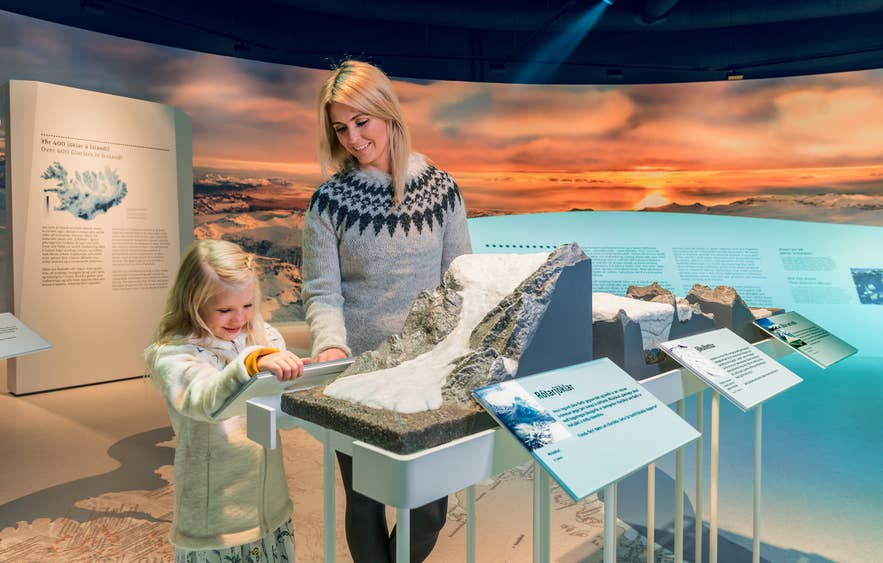 Engaging indoor museums are perfect for younger children and a lifesaver on windy or rainy days. With a Perlan Museum admission ticket, families walk through a real indoor ice cave and enjoy a roughly 25-minute immersive northern lights show that suits young attention spans.
Meanwhile, admission to Whales of Iceland lets toddlers walk among life-sized whale models and grasp just how massive these animals are. The spacious exhibition is stroller-friendly, easy to navigate, and lets families explore at their own pace.
Together, these attractions are among the best indoor things to do in Iceland with kids, especially on days with bad weather.
Local tips:
-
Take advantage of the free admission for children aged 0-4 at Perlan and 0-6 at Whales of Iceland.
-
Bring an extra sweater for Perlan's ice cave, where temperatures remain below freezing throughout the year.
-
Book museum tickets online during school holidays and summer to secure your preferred entry time.
Top 10 Best Things To Do in Iceland With Children (6-12 Years Old)
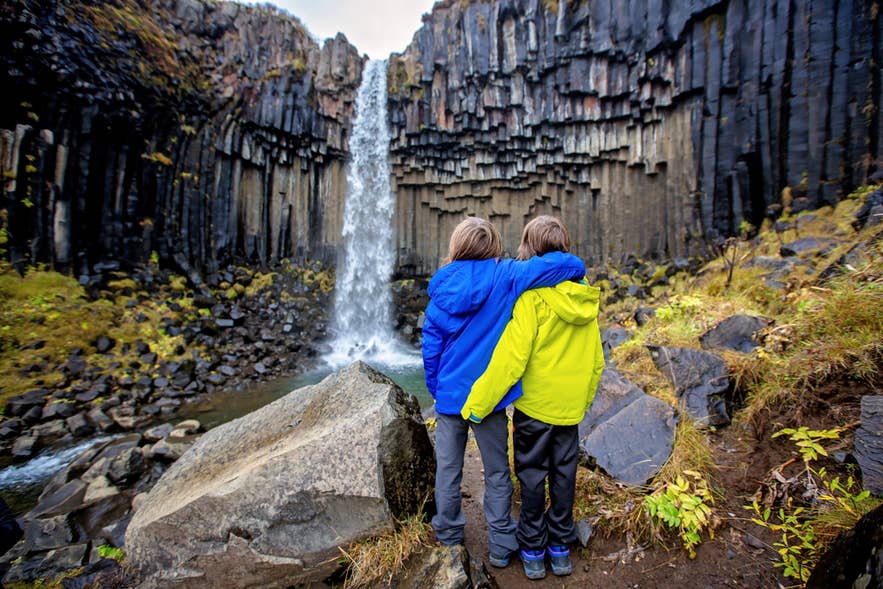
Children aged 6 to 12 are ready for bigger adventures, making Iceland an exciting destination to explore. From spotting whales and riding Icelandic horses to exploring glaciers and interactive museums, there's a great mix of outdoor activities and hands-on experiences to keep them engaged.
10. Explore Iceland's Forests and Nature Trails
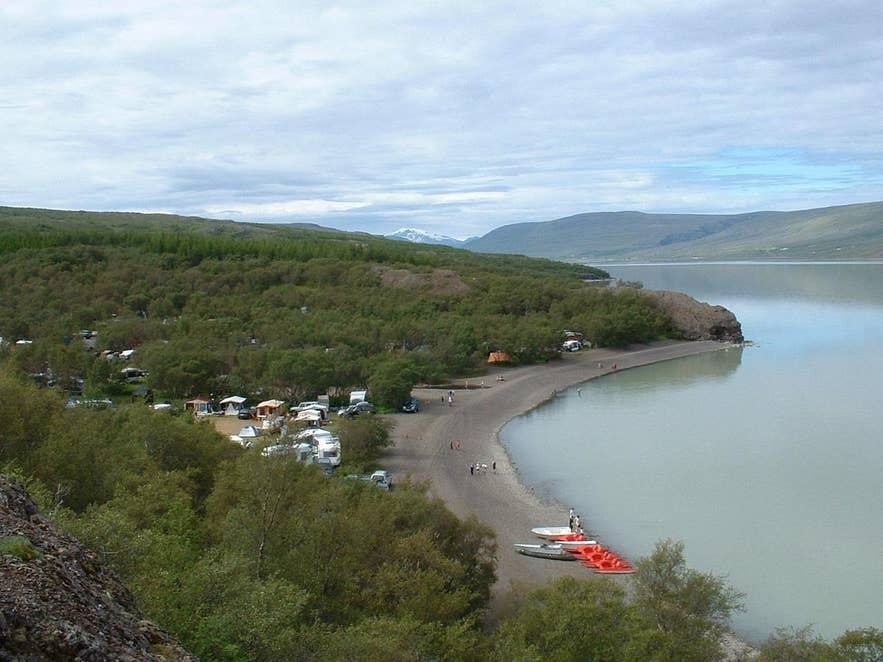
Not every day of your Iceland trip needs to be packed with major attractions. Sometimes, the best adventures happen on a quiet forest trail where children have the freedom to climb over rocks, skip stones, and discover nature at their own pace.
Hallormsstadaskogur in East Iceland is the country's largest forest, with more than 25 miles (40 kilometers) of marked, easy walking trails suitable for families. Unlike Iceland's dramatic volcanic landscapes, the forest provides a peaceful setting with shaded paths, birdsong, and plenty of places to stop and explore.
One of the best places to visit within the forest is Atlavik Inlet on the shores of Lake Lagarfljot. The shoreline is perfect for picnics, while children can play near the water, search for interesting rocks, or imagine spotting the legendary Lagarfljot Worm said to live in the lake.
Local tips:
-
Follow the marked family trails around Atlavik for the easiest walks with children.
-
Pack a picnic to enjoy beside Lake Lagarfljot, with tables and grassy areas that make for ideal lunch stops.
-
Keep an eye out for interpretive signs about the legendary Lagarfljot Worm to make the walk more fun for kids.
9. Visit Jokulsarlon Glacier Lagoon & Diamond Beach
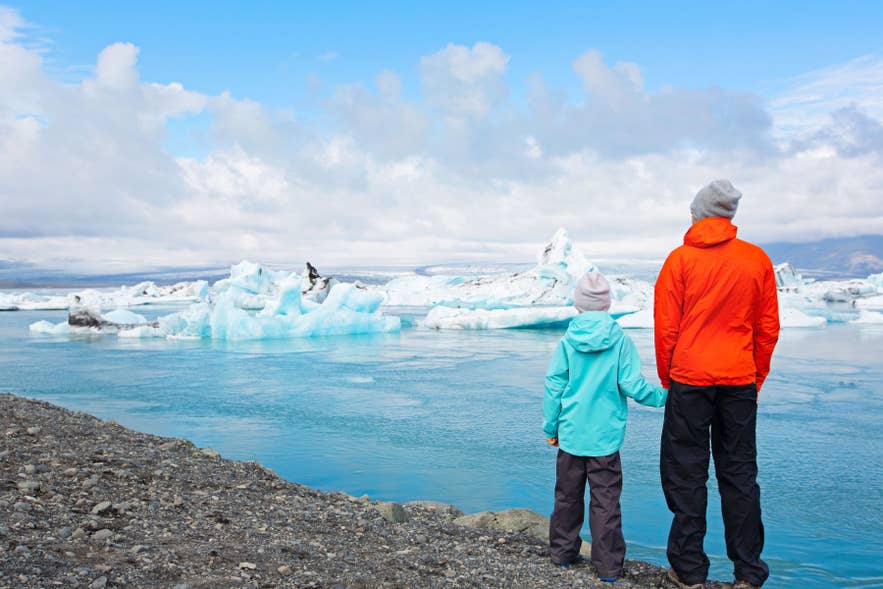
Watching giant icebergs drift silently across a glacier lagoon feels like stepping into another world, and it's an experience children rarely forget.
Jokulsarlon Glacier Lagoon is one of Iceland's most spectacular natural attractions, where enormous chunks of ice break away from Breidamerkurjokull Glacier and slowly float toward the Atlantic Ocean.
Families can get even closer by joining a Jokulsarlon boat tour, which provides a unique perspective of the towering blue ice.
Just across the road, Diamond Beach offers another unforgettable stop. Here, pieces of glacier ice wash ashore on black volcanic sand, sparkling like crystals in the sunlight. Children love comparing the different shapes and colors of the ice while searching for seals swimming nearby.
This combination of wildlife, glaciers, and black sand beaches makes Jokulsarlon one of the most memorable things to do in Iceland with children.
Local tips:
-
Book a boat tour early during summer, as family-friendly departures often sell out.
-
Watch for seals swimming near the bridge that connects the lagoon to the ocean. They're easier to spot during high tide and when the water isn't rough from strong winds.
-
Stay well back from the shoreline at Diamond Beach, where sneaker waves can appear without warning.
8. See Iceland's Wildlife
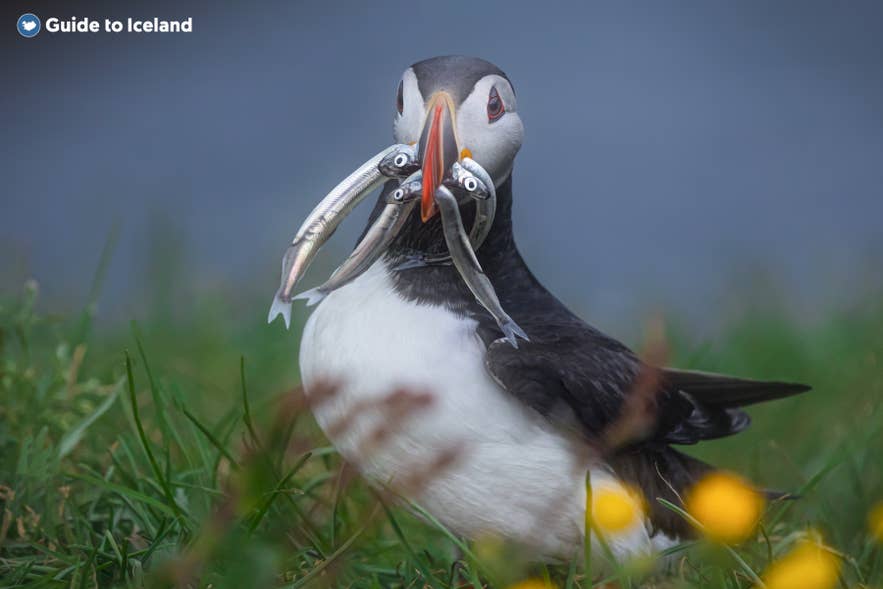
Seeing Iceland's wildlife up close is often one of the highlights of traveling to Iceland with kids. Children between the ages of 6 and 12 are naturally curious about animals, making this the perfect age to look for puffins, seals, whales, and other native wildlife.
The Westman Islands are home to one of the world's largest Atlantic puffin colonies. Families can watch thousands of birds nesting along dramatic sea cliffs during the summer months.
The islands are also home to the Beluga Whale Sanctuary, where children can learn about rescued marine animals and meet resident puffins under their care.
On the Snaefellsnes Peninsula, Ytri Tunga Beach offers a completely different wildlife experience. Unlike the typical black sand beaches, this golden shoreline is one of the best places for seal-watching in Iceland. These encounters encourage children to appreciate Iceland's unique ecosystems while creating lasting family memories.
Local tips:
-
Visit the Westman Islands between late May and early August for the best puffin viewing.
-
Time your visit to Ytri Tunga around low tide, when seals are most likely to be resting on the rocks.
-
Bring binoculars so children can observe wildlife from a distance without disturbing the animals.
7. Explore Icelandic History and Culture
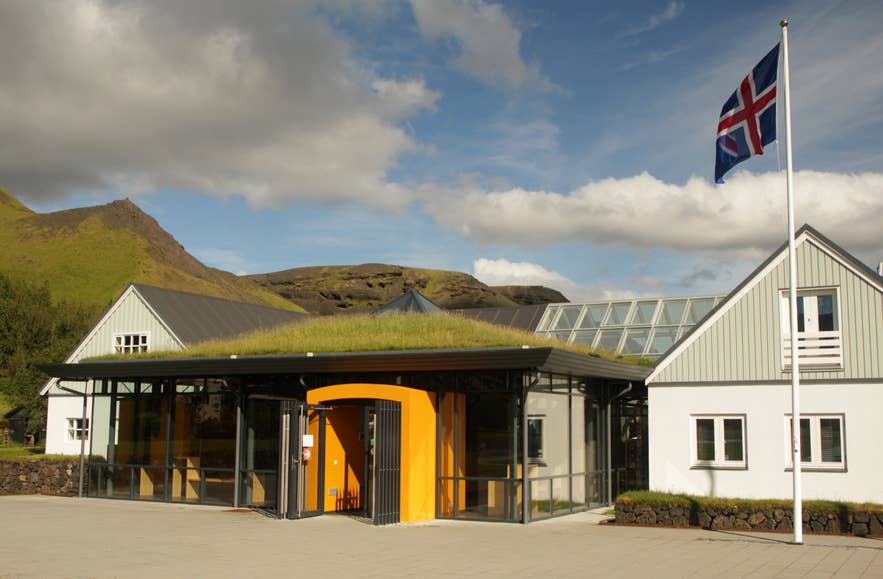
Nature may be Iceland's biggest attraction, but children in this age group also enjoy discovering the country's fascinating history through interactive experiences.
At Skogar Museum, families can walk inside authentic turf houses and learn what daily life was like for Icelanders hundreds of years ago.
For an even more hands-on experience, visit Laugarvatn Fontana to see how traditional rye bread is baked underground, then enjoy a freshly baked slice. It's a unique way to experience a centuries-old Icelandic tradition that showcases the practical use of the country's geothermal landscape.
Another excellent stop is the Wilderness Center in East Iceland. This immersive museum encourages children to engage with the exhibits, explore historic buildings, and even cross a glacial river using a hand-powered cableway.
If you're on Ring Road trips, these attractions make excellent stops to break up longer drives and add variety beyond Iceland's famous natural landmarks.
Local tips:
-
Reserve the geothermal bread-baking experience at Laugarvatn Fontana in advance, especially during summer.
-
Allow extra time at Skogar Museum so children can explore the turf houses and historic buildings.
-
Try the hand-powered cableway near the Wilderness Center early in the day before larger tour groups arrive.
6. Visit Iceland's Most Beautiful Waterfalls
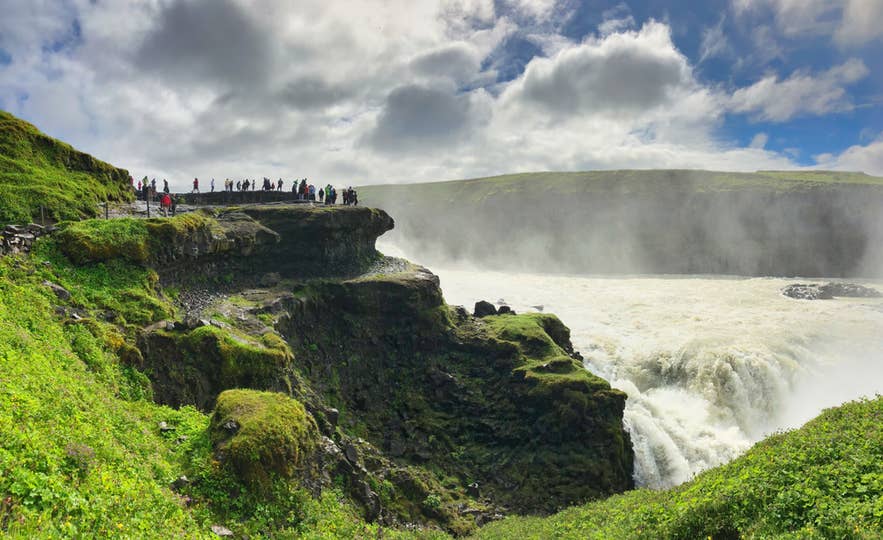
Few places in the world make waterfalls feel as dramatic as Iceland, and children are often amazed by their sheer size and power. Luckily, several of the country's most famous waterfalls are easy to visit, making them excellent stops during an Iceland trip with kids.
Gullfoss Waterfall crashes down two enormous tiers into a rugged canyon. During sunny days, visitors are often rewarded with colorful rainbows drifting through the mist.
In North Iceland, Godafoss Waterfall is an easy stop with wide viewing platforms and short walking paths, while Dettifoss, Europe's most powerful waterfall, offers a more adventurous experience. Many families with older children and teens visit both.
Along the South Coast, Skogafoss Waterfall lets you stand surprisingly close to its 200-foot (60-meter) cascade, giving children an unforgettable sense of its scale. Many young visitors enjoy counting rainbows in the mist or spotting nesting birds along the cliffs during summer.
If you prefer not to drive, many waterfall tours in Iceland combine these iconic sights with other nearby attractions, making it easy to explore while someone else takes care of the route.
Local tips:
-
Start at the west-side viewpoint at Godafoss for the easiest family access.
-
Wear waterproof clothing near Skogafoss and Gullfoss, where mist can quickly soak jackets and cameras.
-
Combine Gullfoss with nearby Geysir when exploring the Golden Circle to reduce driving time.
-
Choose the more accessible upper viewing platform at Gullfoss, as the lower path includes stairs and can be slippery.
5. Discover Iceland's Volcanoes and Glaciers
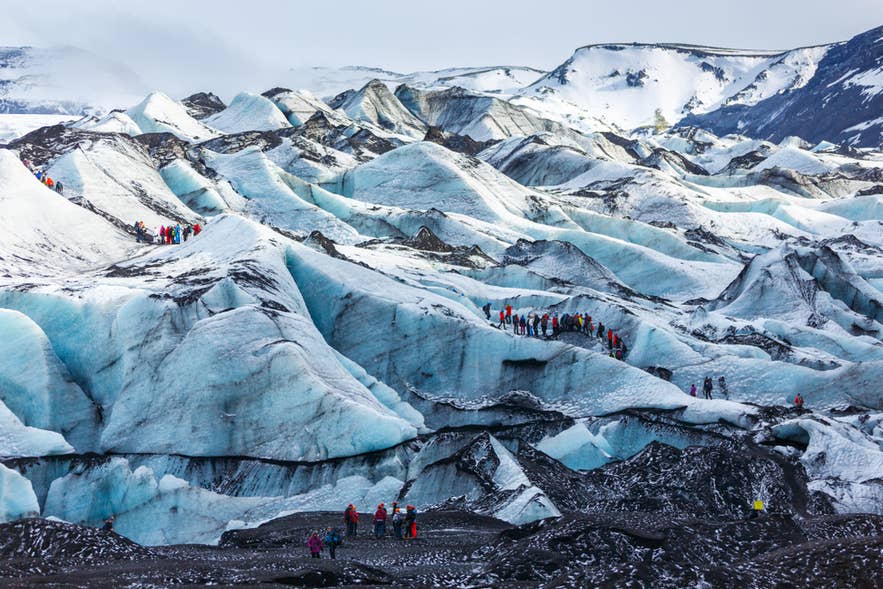
The ages of 6 to 12 are perfect for a first taste of Iceland's icy and volcanic landscapes.
At Solheimajokull, one of the country’s most accessible outlet glaciers, a walking trail leads from the parking area toward the glacier’s edge. Keep in mind that the distance to the ice has increased over the years as the glacier has retreated. From the trail and designated viewing areas, children can safely admire the deep crevasses, streaks of volcanic ash, and brilliant blue ice.
For families with children aged 8 and older, an easy glacier hiking tour at Solheimajokull offers an even closer look at this frozen landscape. Led by experienced guides, the tour provides all necessary safety equipment and teaches visitors about Iceland's glaciers, ice formations, and volcanic history.
For an unforgettable underground adventure, head to Vatnshellir Lava Cave on the Snaefellsnes Peninsula. A Vatnshellir cave tour leads families down a spiral staircase into an 8,000-year-old lava tube. Experience complete darkness when the guide briefly switches off the lights.
Together, these experiences make geology exciting and hands-on, making them some of the most unforgettable things to do in Iceland with kids.
Local tips:
-
Book glacier hikes well in advance during summer, when tours fill quickly.
-
Wear waterproof hiking boots with good grip, as glacier approaches can be muddy and uneven.
-
Wear warm clothing when entering caves. Lava caves usually stay between 32–38 F (0–4 C) year-round, while glacier tunnels and ice caves hover around 32 F (0 C) or slightly below freezing.
4. Ride an Icelandic Horse
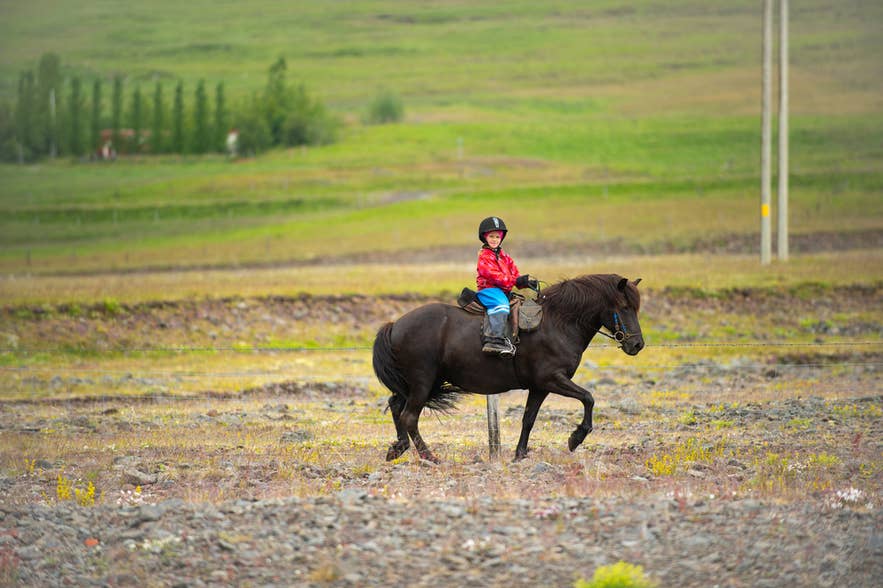 Meeting an Icelandic horse is a highlight of almost any family vacation. Smaller than many other breeds, Icelandic horses are known for their calm temperament, friendly personalities, and unique tolt gait, making them an excellent choice for children who are trying horse riding for the first time.
Horse riding tours combine outdoor adventure with Icelandic culture and are one of the most rewarding experiences during an Iceland trip with kids. Experienced guides carefully match each rider with a suitable horse and provide a full introduction before setting off.
Children aged 6 and older can join a horse riding trip in the Golden Circle. The easy trails and calm Icelandic horses make it a great choice for first-time riders.
If your children are at least 10 years old, consider a horse riding tour on a black sand beach. The route follows Iceland's dramatic coastline with views of the Atlantic Ocean, volcanic mountains, and wide stretches of black sand.
Even children who feel nervous at first often gain confidence after spending time with these gentle horses.
Local tips:
-
Choose a beginner-friendly family ride if it's your child's first time on horseback.
-
If your tour includes hotel transfers, follow the pickup time provided. If you're meeting at the stable instead, arrive at least 20 minutes early so children have time to meet their horse before the ride begins.
-
Ask your guide about the Icelandic tolt, the breed's unique smooth gait that children often love.
3. Experience Iceland Through Interactive Museums
Children between the ages of 6 and 12 are often eager to learn new things, and Iceland's interactive museums turn science, history, and nature into exciting adventures.
Volcano Express uses immersive motion-theater technology to simulate flying over Iceland's volcanoes, lava fields, glaciers, and recent eruption sites. A ticket to Volcano Express opens a way for children to understand the incredible forces that continue to shape the island.
Another family favorite is the FlyOver Iceland experience. Here, special effects, motion seating, and breathtaking aerial footage make visitors feel as though they're soaring above waterfalls, glaciers, and mountains.
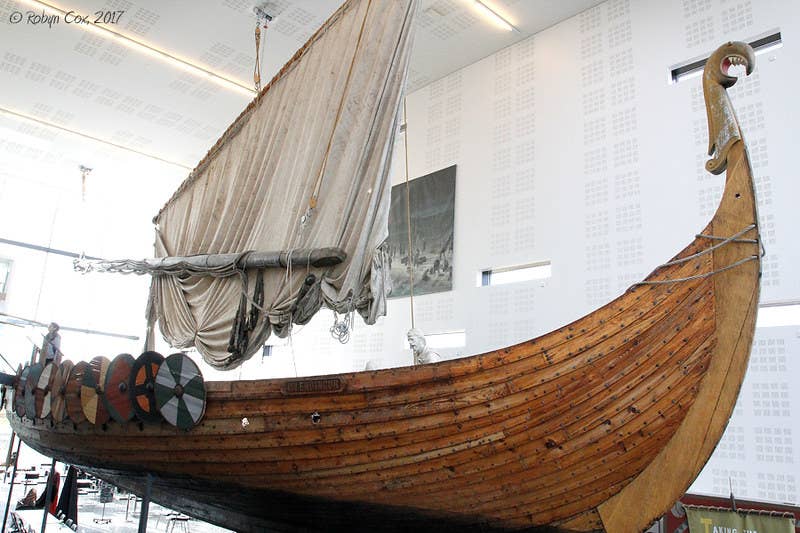
For young history enthusiasts, Viking World is the place to be. Admission to the Viking World offers the chance to step aboard the Islendingur, a full-scale Viking ship replica, while interactive exhibits introduce Iceland's Viking heritage in a way that's easy for children to understand.
Local tips:
-
Book FlyOver Iceland in advance during school holidays and summer afternoons.
-
Visit Volcano Express or FlyOver Iceland on rainy days, when outdoor attractions are less appealing.
-
Check the minimum height requirement at FlyOver Iceland, which is approximately 40 inches (100 centimeters).
2. Catch an Icelandic Movie or Local Event
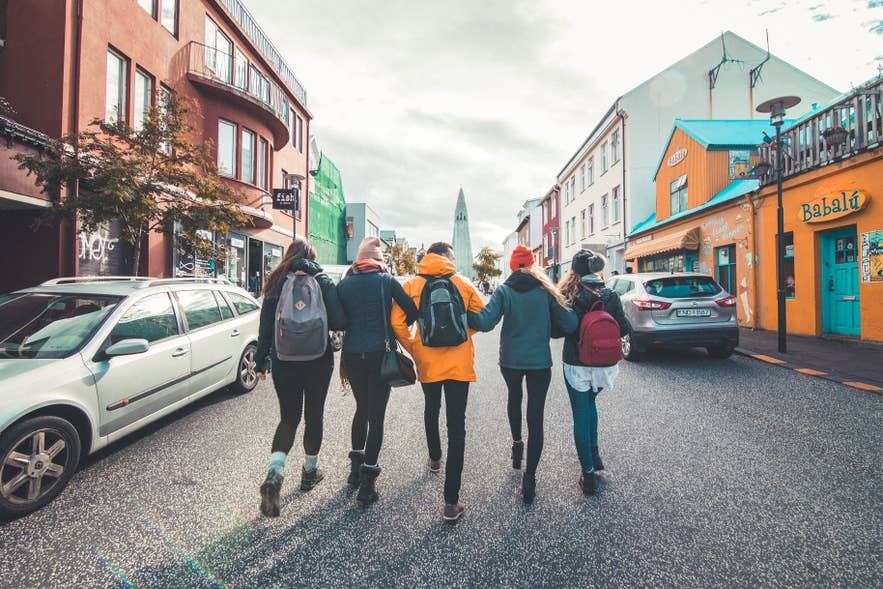
After a few busy days of sightseeing, spending an evening at the cinema or attending a local event can be a relaxing change of pace for the whole family. It's an excellent option if the weather doesn't cooperate or you simply want a quieter activity.
If you're looking for a movie night, check out some of the best cinemas in Iceland. Sambio, one of the country's largest cinema chains, and the Smarabio cinema in Kopavogur regularly screen the latest Hollywood family films in English with Icelandic subtitles.
For a different experience, Bio Paradis in downtown Reykjavik is an independent cinema known for its family screenings, international films, classic movies, and special events throughout the year.
If you'd rather experience something local, browse tix.is to see what's happening during your visit. As Iceland's largest ticketing platform, it lists concerts, theater performances, family shows, sporting events, comedy, and seasonal festivals taking place across the country.
Depending on when you visit, you might discover a children's theater production, a family concert, or a cultural event that becomes an unexpected highlight of your Iceland trip with kids.
Local tips:
-
Browse tix.is a few weeks before your trip for children's performances and seasonal festivals.
-
Choose Bio Paradis if you're interested in special family screenings or classic films.
-
Check weekend schedules, when cinemas typically offer the widest selection of family-friendly movies.
1. Go Whale Watching in Iceland
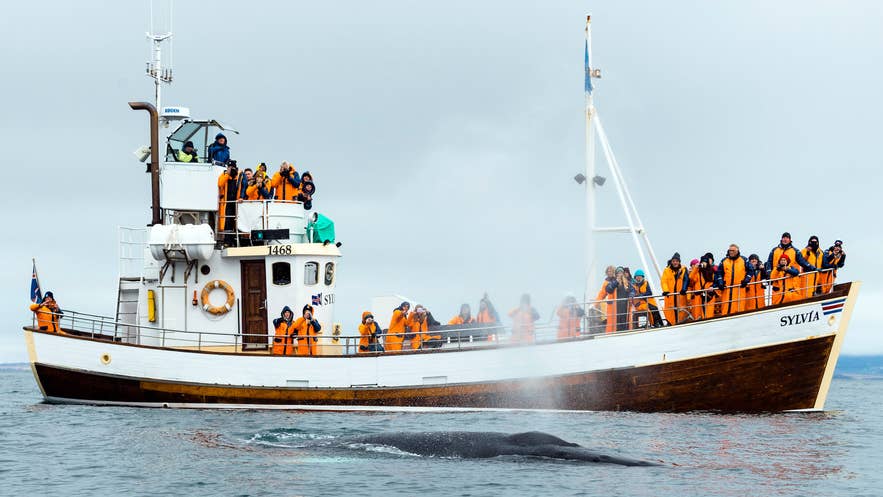
Seeing a whale surface beside the boat is an experience that leaves a lasting impression on children. Whale watching tours combine adventure, wildlife, and beautiful coastal scenery, making it one of the absolute best things to do in Iceland with children.
From the Old Harbor, families can join a whale watching tour from Reykjavik into Faxafloi Bay, where humpback whales, minke whales, white-beaked dolphins, and harbor porpoises are regularly spotted. Knowledgeable guides explain the animals' behavior and help children identify different species along the way.
If your itinerary includes North Iceland, consider joining a Husavik whale watching tour. Often called the whale watching capital of Iceland, Husavik offers some of the country's highest success rates for spotting humpback whales during summer. Many tours have no minimum age limit, making them suitable for families with school-age children.
Whether you're visiting during spring, summer, or early autumn, whale watching is one of the highlights of traveling to Iceland for families.
Local tips:
-
Choose a morning departure for calmer sea conditions whenever possible.
-
Visit the Husavik Whale Museum before your tour to help children recognize the species they may encounter.
-
Wear hats and gloves, even in summer, as temperatures on the water are often much colder than on land.
Top 10 Best Things To Do in Iceland with Teens (13–18 Years Old)
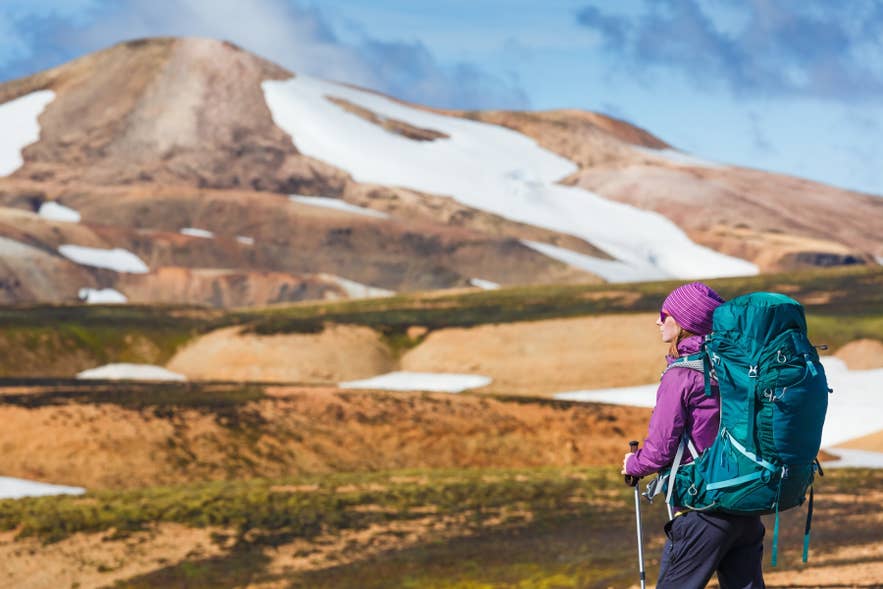
Traveling to Iceland with teenagers opens the door to bigger adventures and more challenging experiences. At this age, teens are ready to tackle glacier hikes, explore lava caves, snorkel between continents, soak in geothermal spas, and take on scenic hikes that younger children might find too demanding.
If you're staying in the capital, there are also plenty of things to do in Reykjavik with older kids before heading out to explore the rest of the country.
From unforgettable natural wonders to once-in-a-lifetime adventures, here are the best things to do in Iceland for families with teens.
10. Take a Longer Ring Road Trip
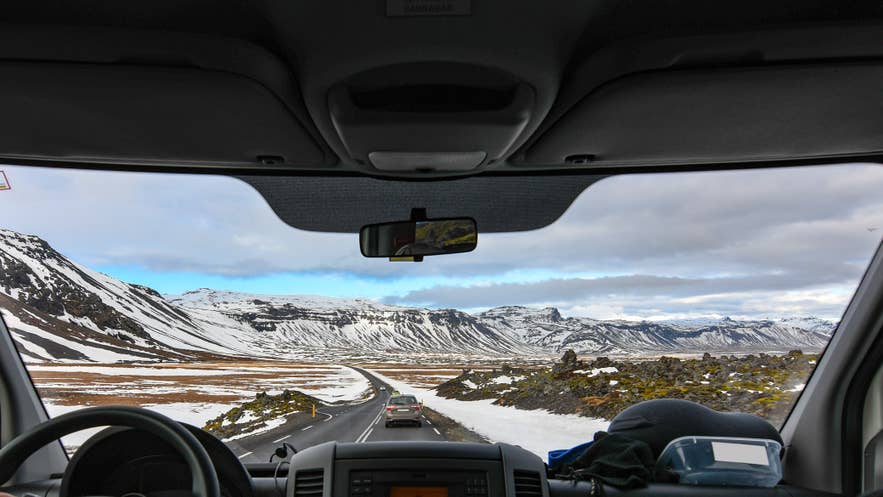
Teenagers are often ready to venture beyond Iceland's most famous attractions, making longer Ring Road adventures and multi-day tours one of the most rewarding ways to experience the country. Unlike younger children, most teens can comfortably handle longer drives and full sightseeing days.
A 10-day self-drive tour around the Ring Road gives families the flexibility to stop for photos, short hikes, or spontaneous detours whenever something catches their eye. If you'd rather not drive, this 8-day guided tour takes care of the accommodation, transportation, and itinerary, so you can simply relax and enjoy the adventure.
For families with adventurous teens, these longer journeys often become the highlight of an Iceland trip, creating memories that last far beyond the vacation.
Local tips:
-
Choose clockwise or counterclockwise Ring Road routes depending on weather forecasts to maximize sightseeing.
-
Break up longer driving days with meet-on-location experiences, geothermal pool visits, or local cafe hopping to keep teens engaged.
-
Book accommodations and multi-day tours several months ahead if traveling between June and August.
9. Join Outdoor Adventures in Iceland
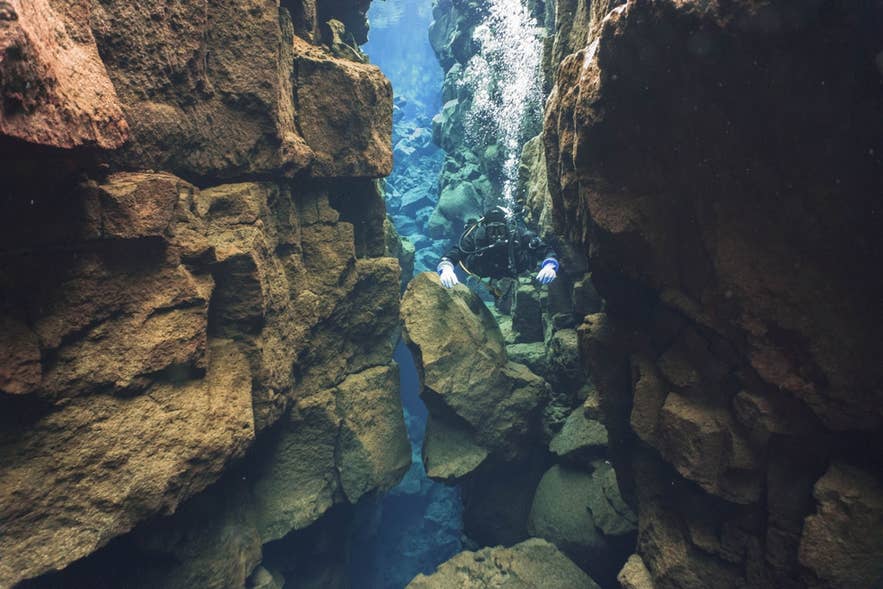
For teenagers who love trying something new, Iceland is an enormous outdoor playground. This is the age when many adventure activities become accessible, allowing teens to experience the country's glaciers, volcanoes, rivers, and coastline in exciting new ways.
Snorkeling in Silfra is one of the most unique experiences in Iceland. Teens can float between the North American and Eurasian tectonic plates in crystal-clear glacial water with visibility of more than 330 feet (100 meters).
For families who enjoy being on the water, kayaking tours in Iceland offer a completely different perspective of the country's landscapes. Paddle among floating icebergs while kayaking on Jokulsarlon Glacier Lagoon or kayak beneath Kirkjufell Mountain during the midnight sun.
Other unforgettable adventures include the Inside the Volcano (Thrihnukagigur) tour, where you descend nearly 400 feet (120 meters) into the enormous, colorful magma chamber of a dormant volcano.
On a Reykjanes volcano tour, teens can hike through landscapes shaped by recent eruptions, while a sunset jet ski experience on Faxafloi Bay offers an exhilarating ride across the ocean with panoramic views of Reykjavik's skyline and surrounding mountains.
Local tips:
-
Check the minimum age, height, and swimming requirements before booking Silfra snorkeling.
-
Wear warm thermal base layers beneath the provided dry suit for added comfort in glacial water.
-
Listen carefully to your guide's safety briefing. Conditions on glaciers, volcanoes, and the ocean can change quickly.
8. Discover the Westfjords
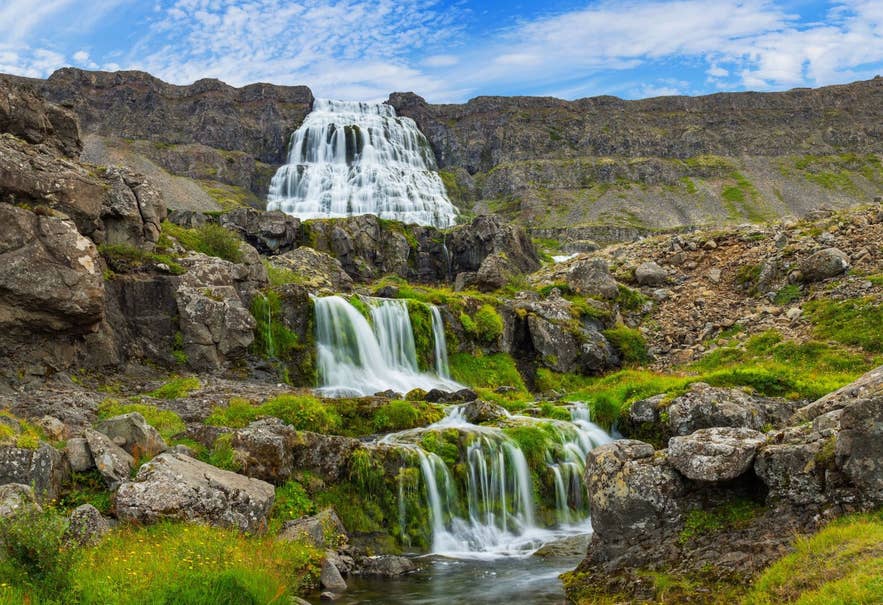
If your teenager enjoys road trips, photography, and getting away from the crowds, the Westfjords may become their favorite part of Iceland. This remote peninsula is home to dramatic mountain roads, towering sea cliffs, colorful fishing villages, and some of the country's most spectacular natural attractions.
The undisputed highlight is Dynjandi, a breathtaking waterfall that cascades nearly 330 feet (100 meters) down a mountainside in a series of wide, graceful tiers. The walk to the main viewpoint passes six smaller waterfalls, making the journey just as rewarding as the destination.
Another unforgettable stop is Latrabjarg, Europe's largest bird cliff and one of the best places in Iceland to see puffins during the summer months. Nearby, the famous Raudisandur Red Sand Beach stretches for over 6 miles (10 kilometers), offering a peaceful place to walk or spot seals along the shoreline.
Wildlife lovers should also visit the Arctic Fox Centre in Sudavik, with exhibits introducing visitors to Iceland's only native land mammal.
Families planning a full Iceland adventure can explore the Westfjords as part of a 2-week Ring Road self-drive tour. The itinerary includes time to experience the region's dramatic landscapes while continuing around the rest of the country.
Local tips:
-
Fill your fuel tank whenever you pass a larger village, as petrol stations are widely spaced in the Westfjords.
-
Visit Latrabjarg in the evening during summer, when puffins are often closest to the cliff edge.
-
Plan for longer driving times. The Westfjords' narrow, winding roads often take much longer to drive than you might expect from the map.
7. Explore Iceland’s Glaciers and Icy Landscapes
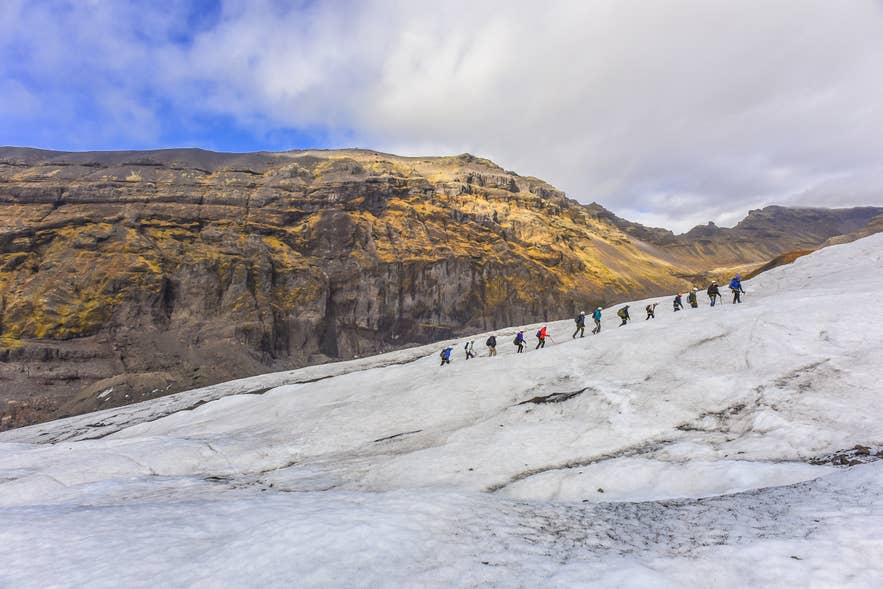
Teenagers are often ready for more adventurous glacier experiences than younger children, making this one of the most exciting stages for exploring Iceland's frozen landscapes.
One of the country's best adventures is a 5-hour Skaftafell Glacier hiking tour. Experienced guides lead visitors across the dramatic outlet glacier of Vatnajokull, Europe's largest glacier by volume. Along the way, teens can explore shimmering ice formations while learning about glacier movement, climate, and volcanic geology.
For an even bigger adrenaline rush, a snowmobiling tour on Vatnajokull Glacier offers the chance to speed across vast snowfields surrounded by Iceland's breathtaking mountain scenery.
These guided experiences provide a completely different perspective on Iceland's glaciers and are among the most unforgettable things to do in Iceland with teens.
Local tips:
-
Wear waterproof hiking boots with ankle support, as glacier surfaces are uneven and slippery.
-
Bring sunglasses and sunscreen, even on cloudy days, since sunlight reflects strongly off snow and ice.
-
Follow your guide's instructions at all times. Glaciers are constantly moving, and routes may change.
-
If you plan to drive on snowmobiling tours, you must bring a valid driver's license.
6. Go Camping Under the Midnight Sun in Iceland
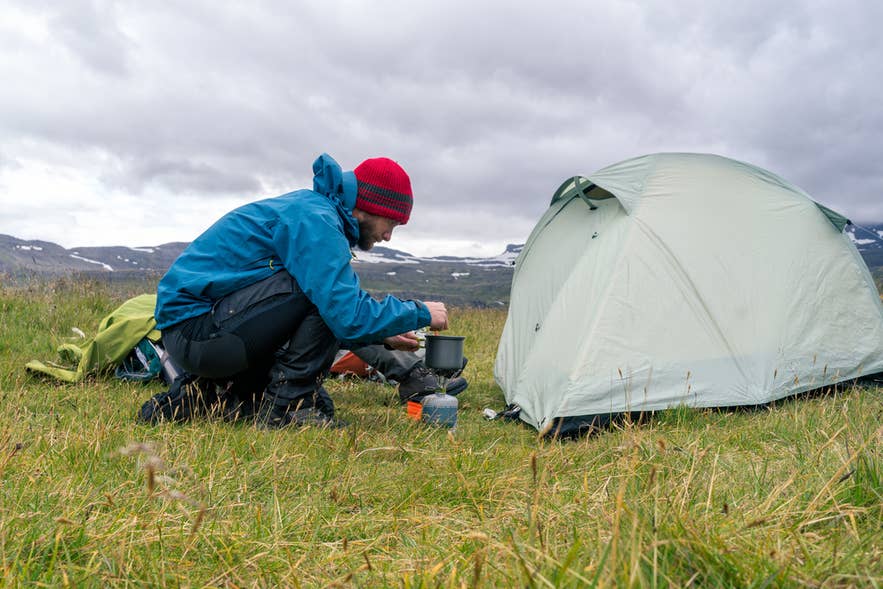
Camping in Iceland is one of the best ways for families with teenagers to experience the incredible landscapes up close. Instead of simply passing through, camping allows you to wake up surrounded by nature and spend more time exploring at your own pace.
During summer, the midnight sun creates nearly endless daylight, giving families the freedom to hike, cook dinner outdoors, or simply relax long after the evening would normally end.
Iceland has around 200 designated campsites, ranging from simple rural campgrounds to larger sites with showers, kitchens, laundry facilities, and electrical hookups. Many are conveniently located along the Ring Road, making them ideal for road trips.
Some of the most popular include Skaftafell Campground in Vatnajokull National Park, Thakgil Campsite near Vik, and Asbyrgi Campsite in North Iceland.
Whether you choose a campervan rental in Iceland or join guided camping tours, it's a fantastic way for teens to enjoy a more adventurous side of the country. Depending on your itinerary and travel arrangements, it may also cost less than staying in hotels.
Local tips:
-
Carry an eye mask if you're camping in summer, as the midnight sun can make sleeping difficult.
-
Stay only at designated campsites, as roadside camping and wild camping are generally prohibited.
-
Use the Iceland Camping Card if your itinerary includes several participating campsites.
-
Pack warm sleeping gear and windproof clothing. Even during summer, nighttime temperatures can be cold.
5. Discover Iceland's Lesser-Known Waterfalls
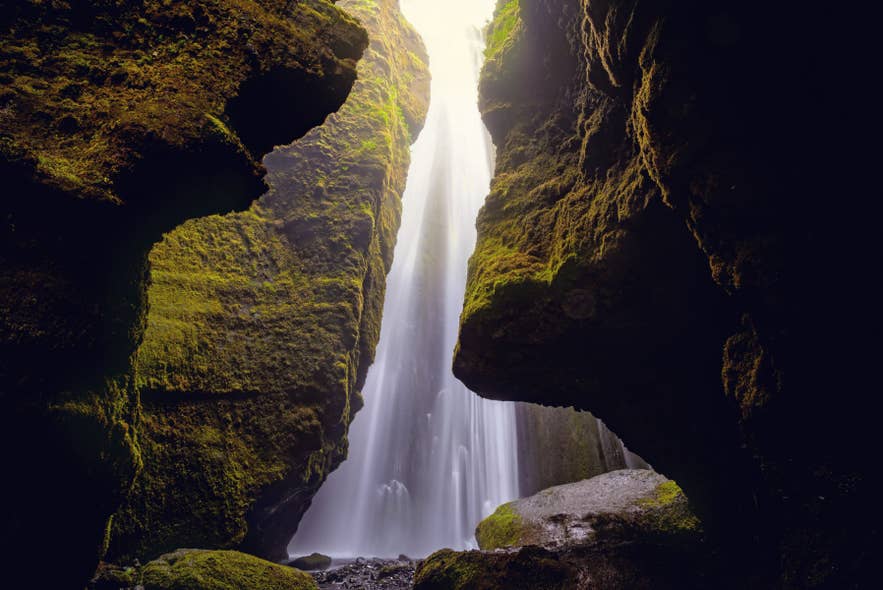
By the teenage years, many travelers are ready to venture beyond Iceland's famous roadside waterfalls and discover places that feel more remote. If your family enjoys hiking and photography, exploring these lesser-known falls is one of the most rewarding things to do in Iceland with teens.
In West Iceland, Glymur is Iceland's second-tallest waterfall, plunging 650 feet (198 meters) into a dramatic canyon. The moderately challenging hike crosses rivers, caves, and rocky trails before reaching panoramic viewpoints, so it's best suited to experienced hikers and families with older children who are comfortable on uneven terrain.
In South Iceland, Haifoss, the country's third-highest waterfall, towers over the Thjorsardalur Valley alongside neighboring Granni, creating one of Iceland's most impressive waterfall landscapes. Nearby, Gjain Valley is a hidden oasis of small waterfalls, lava formations, and crystal-clear streams that feels straight out of a fantasy film.
Along the South Coast, don't miss Gljufrabui, a waterfall hidden inside a narrow canyon just a short walk from Seljalandsfoss. Wading through the shallow stream to reach the waterfall adds a sense of adventure that older children and teens often love.
Other hidden gems worth adding to your itinerary include Kvernufoss Waterfall, tucked behind Skogar Museum and reached via an easy walk through a picturesque valley. For more ideas, explore our study of Iceland's best hidden gems like Kvernufoss Waterfall.
Local tips:
-
Start the Glymur hike early to allow plenty of time for the river crossing.
-
Drive a 4x4 if visiting Haifoss and Gjain, as the final access road is rough and uneven.
-
Pack waterproof footwear for Gljufrabui, where reaching the waterfall requires wading through a shallow stream.
-
Check road conditions on mountain routes before setting out, especially outside summer.
4. Enter Iceland's Incredible Ice Caves
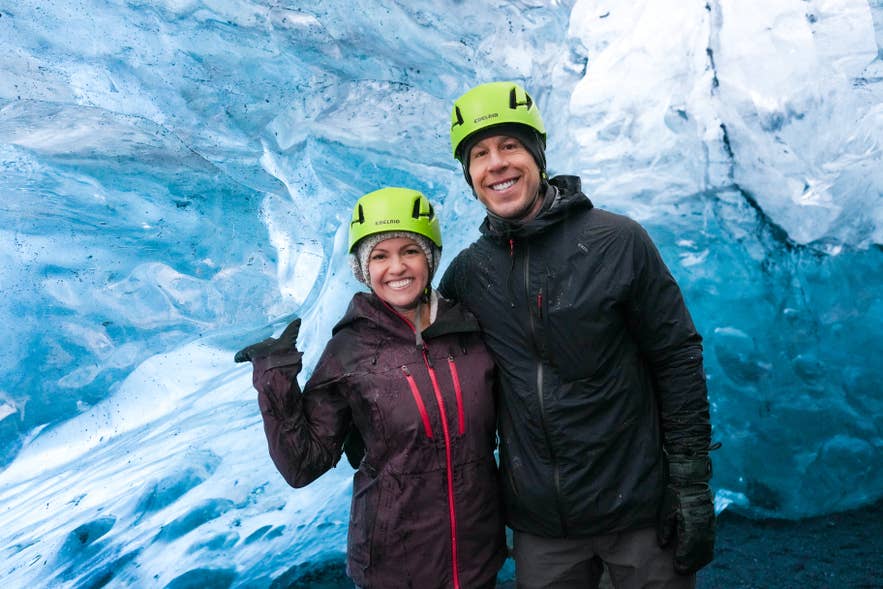
Ice caves in Iceland reveal a hidden world of shimmering blue walls, sculpted ice tunnels, and ever-changing formations created by moving glacier ice. Because every cave changes from year to year, no two visits are ever the same, making each tour a unique adventure.
The spectacular crystal ice cave tour in Vatnajokull National Park is one of Iceland's most sought-after winter experiences. Hidden within Europe's largest glacier, the crystal ice cave’s brilliant blue ice creates an almost otherworldly landscape.
If you're visiting outside winter, a tour of the Katla Ice Cave near Vik offers a rare opportunity to explore a natural ice cave throughout the year. Witness layers of volcanic ash frozen inside the glacier, telling the story of Iceland's powerful eruptions.
Ice cave tours in Iceland are led by certified glacier guides, who provide helmets, crampons, and safety equipment while explaining how glaciers and ice caves constantly evolve. For many teens, descending into a glacier becomes one of the defining memories of their Iceland adventure.
Local tips:
-
Dress in waterproof layers, gloves, and sturdy hiking boots, as temperatures inside the caves stay close to freezing.
-
Arrive early for your tour to allow time for gear fitting and safety instructions.
-
Book your crystal ice cave tour well in advance during winter, as they are among Iceland's most sought-after experiences.
3. Explore Iceland’s Rugged Coastline
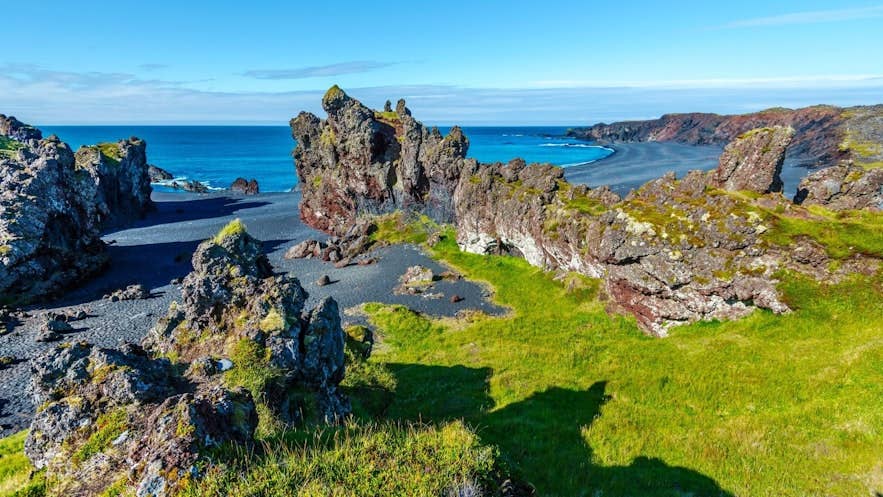
For teenagers who enjoy hiking, photography, and exploring unusual places, Iceland’s rugged coast offers plenty of variety while requiring just enough effort to feel rewarding.
On the Snaefellsnes Peninsula, Djupalonssandur combines black volcanic pebbles, twisted lava formations, and the remains of a historic shipwreck scattered across the beach. Teens can also test their strength using the famous lifting stones, once used to determine whether local fishermen were strong enough to work at sea.
Nearby, the scenic Arnarstapi to Hellnar coastal trail follows dramatic cliffs, sea arches, and nesting seabirds.
Along the South Coast, Reynisfjara Black Sand Beach is another must-visit. Its striking basalt columns, towering sea stacks, and crashing Atlantic waves make it one of Iceland's most photographed locations.
If you're arriving in or departing from Iceland, the Reykjanes Peninsula is an excellent stop. Explore steaming geothermal areas, fresh lava fields, and colorful hot springs before visiting the Hafnaberg Sea Cliffs, where thousands of seabirds nest during the summer months.
Local tips:
-
Stay behind the warning markers at Reynisfjara, where sneaker waves can appear without warning.
-
Wear sturdy footwear for Djupalonssandur. The volcanic pebbles can be uneven and slippery.
-
Visit Hafnaberg between May and July for peak seabird nesting activity.
-
Finish the Arnarstapi–Hellnar trail walk with coffee or cake at Fjoruhusid Cafe in Hellnar. The cafe typically operates from around Easter through the end of October, so it isn't open during the winter months.
2. Experience Iceland's Best Adventure Museums
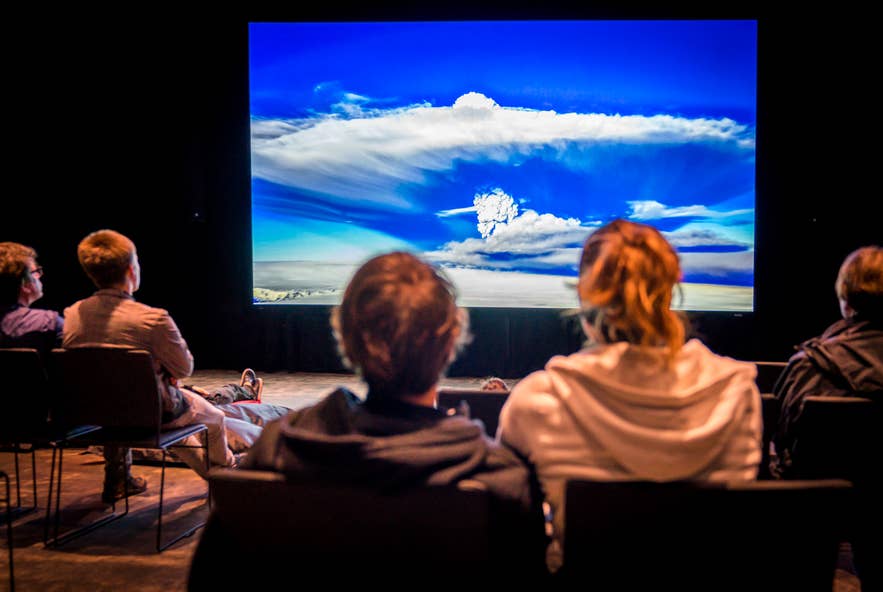 Teenagers often appreciate museums that go beyond traditional exhibits, and Iceland has several that combine technology, storytelling, and immersive experiences.
The LAVA Center in Hvolsvollur focuses on volcanic activity with touchable magma models and earthquake simulations. Get the full LAVA Center ticket to experience all exhibitions, the cinema, and the observation deck.
The 1238 Battle of Iceland Museum in Saudarkrokur uses virtual reality to transport visitors back to one of Iceland's most important medieval battles, allowing teens to experience history from the perspective of Viking-age warriors.
Meanwhile, the Lava Show in Vik gives visitors the rare chance to watch real molten lava poured into a showroom. The live demonstration explains how volcanic eruptions shape Iceland's landscape while showing the intense heat and power of flowing lava from a safe distance.
Local tips:
-
Book museum tickets online during school holidays and the summer season to secure your preferred time slot.
-
Allow time to visit the LAVA Centre observation deck for views toward Hekla and Eyjafjallajokull on clear days.
-
Combine the Lava Show or LAVA Center with nearby South Coast attractions to minimize driving.
1. Relax in Iceland's Geothermal Spas
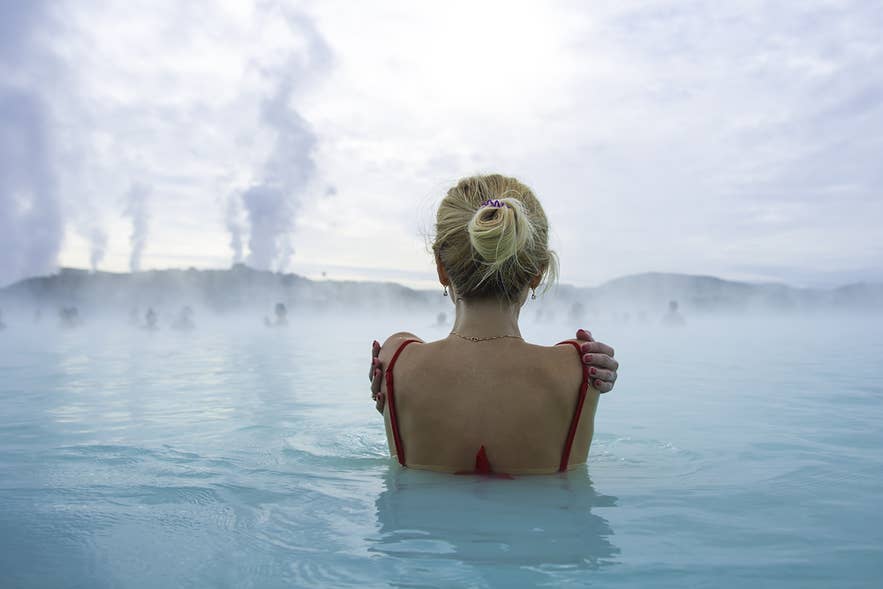 After days of hiking, sightseeing, and outdoor adventures, there's no better way to unwind than soaking in Iceland's naturally heated geothermal waters. Spa visits are a much-loved part of Icelandic culture, and many teenagers enjoy the chance to relax surrounded by lava fields, mountains, or ocean views.
The world-famous Blue Lagoon remains Iceland's most iconic geothermal spa, known for its milky-blue mineral-rich water and dramatic volcanic surroundings. A Blue Lagoon comfort ticket is an easy and popular option for visitors, including admission, a silica mud mask, one non-alcoholic drink, and the use of a towel.
Just outside Reykjavik, Sky Lagoon combines an oceanfront infinity pool with its popular seven-step wellness ritual. A Sky Lagoon ticket with full access is ideal for teens looking to experience their signature seven-step Skjol wellness ritual.
If you're exploring North Iceland, an admission ticket to Earth Lagoon Myvatn offers a more affordable geothermal experience. Surrounded by lava fields and volcanic landscapes, the warm, mineral-rich waters provide the perfect place to relax after exploring the Diamond Circle.
Local tips:
-
Reserve Blue Lagoon and Sky Lagoon admission well in advance, especially for evening and sunset time slots.
-
Apply conditioner before entering the Blue Lagoon to help protect your hair from the silica-rich water.
-
Bring flip-flops for walking between the changing rooms and the lagoon entrances.
-
Try an evening soak for a quieter atmosphere and a chance to see the midnight sun or, in winter, the northern lights.
-
Bring a waterproof phone case if you plan to take photos in the lagoons.
Best Time To Visit Iceland With Kids
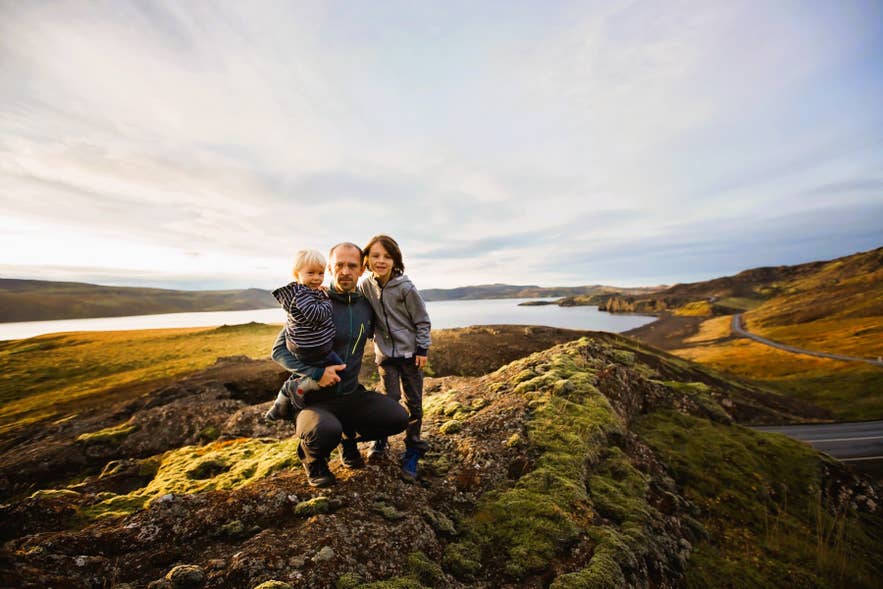
Choosing the best time to visit Iceland for a family holiday depends on whether you value long daylight hours for flexible sightseeing or winter’s quieter pace and northern light viewing. Both seasons offer distinct advantages for traveling with kids.
Summer Family Trips in Iceland (June to August)
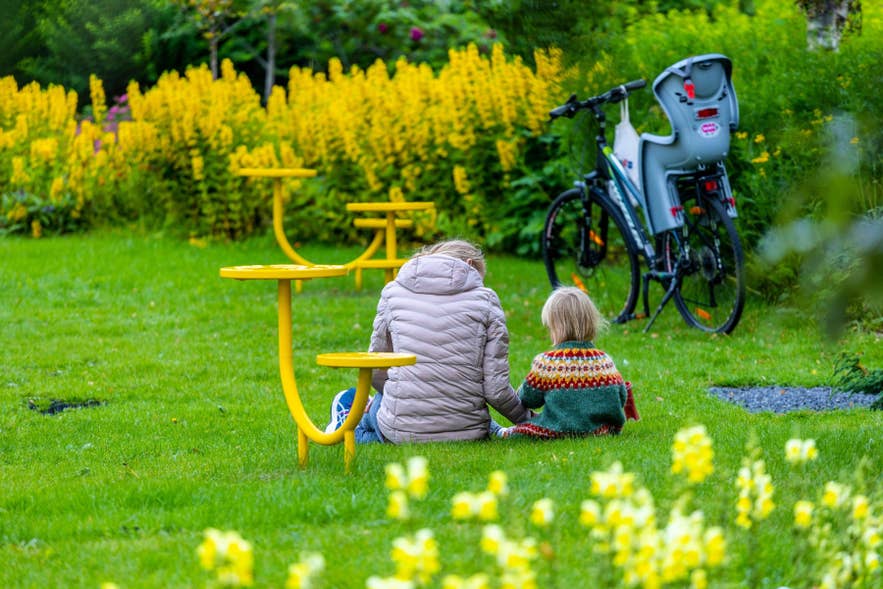
Summer is the most popular time for families, thanks to milder weather and the midnight sun from late May through July. With daylight stretching late into the evening, there is no pressure to rush between stops, which makes self-drive tours and outdoor sightseeing far more relaxed with children.
Summer tours and packages also provide an opportunity to see Iceland’s wildlife. Puffin watching runs from late April to early September, and families have excellent chances of seeing humpback whales in the north during this time.
The main adjustment for families is sleep. Because true darkness is limited in summer, children’s routines can be disrupted, so blackout curtains, eye masks for older kids, or travel blackout blinds for toddlers can make a noticeable difference.
Winter Family Trips in Iceland (November to March)
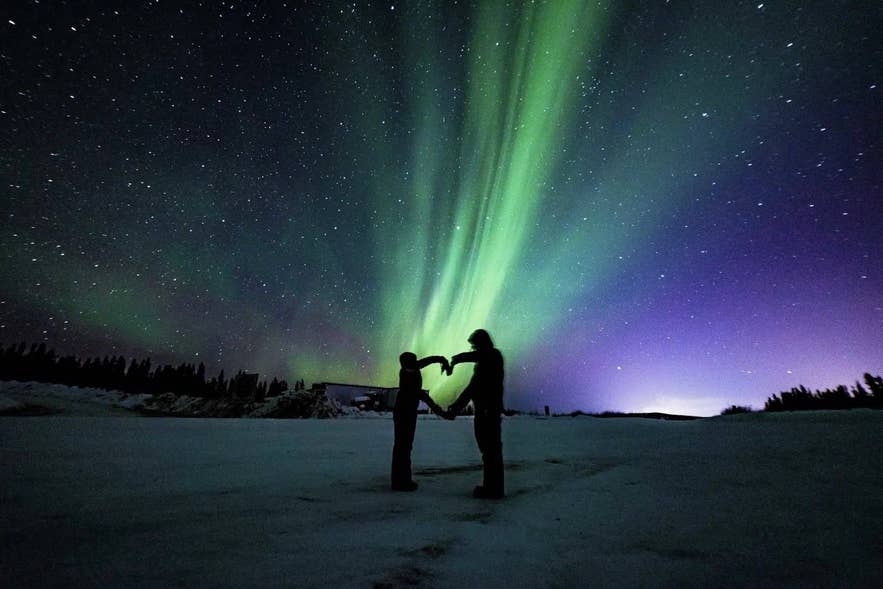
Winter turns Iceland into a snow-covered landscape that appeals to families who enjoy a slower pace and cozy indoor experiences. The biggest draw is the chance to see the aurora borealis on northern lights tours. Many northern lights hotels also offer an aurora wake-up service, allowing families to sleep instead of waiting outside or staying awake for hours.
Daylight is limited in winter, with about four to five hours in December. Outdoor activities are best planned around midday, while evenings work well for geothermal swimming pools, which stay open year-round.
Families visiting in winter should plan carefully for driving conditions and pack proper thermal layers. Booking winter tours and packages can also make travel easier by handling transportation and activity planning.
Plan Your Trip Around Iceland's Family-Friendly Festivals
Iceland hosts several annual events that work especially well for families. The Children’s Culture Festival, held in April, is a city-wide celebration in Reykjavik where children take part in workshops, performances, and creative projects. Events are free and designed specifically for younger audiences.
In February, the Winter Lights Festival brightens the darker months with illuminated landmarks, museum nights, and extended pool hours, many of which are family-friendly and free to attend.
Later in the summer, Reykjavik Culture Night marks the end of the season with street events, food stalls, concerts, and a fireworks display over the harbor.
Planning a Family Trip to Iceland
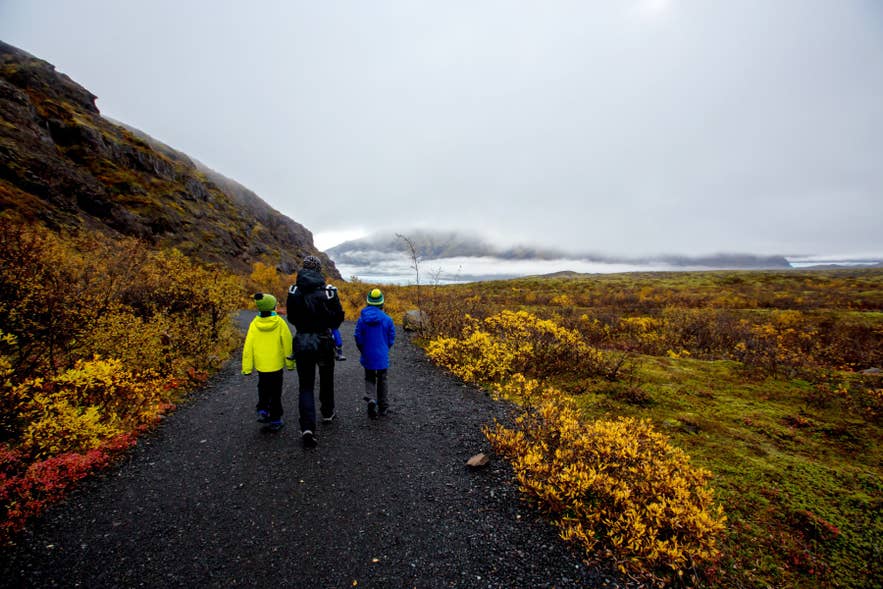
Planning a family trip to Iceland requires a shift in mindset. The landscapes are dramatic and unforgettable, but weather, distance, and terrain mean that less is almost always more when traveling with children.
A flexible plan will lead to a far more relaxed and enjoyable trip than trying to see everything.
Choosing Where To Stay in Iceland As a Family
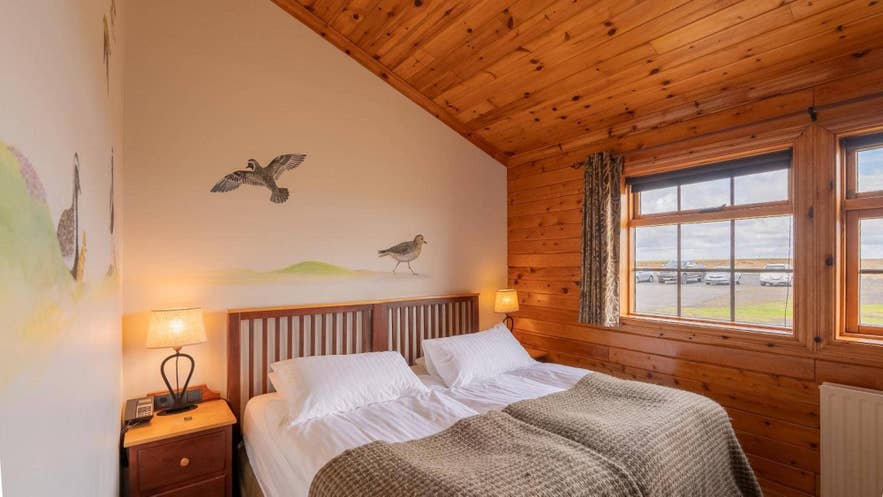
Choosing the right accommodations in Iceland is one of the most important factors in a low-stress family trip. Because distances can be long and the weather unpredictable, where you stay often shapes the rhythm of your days just as much as the sights you visit.
For most families, cottages or apartments are the most practical option. Having a kitchen makes it easier to manage picky eaters and keep food costs under control, while access to laundry is invaluable.
Hotels along the Golden Circle and the South Coast, particularly near Vik or Hella, offer a strong concentration of well-equipped family cabins.
Families visiting between September and April may prefer hotels with an aurora wake-up service, which allows children to sleep while staff monitor the sky and notify guests if the northern lights appear. Well-known options include Hotel Ranga in South Iceland, Hotel Husafell in West Iceland, Fosshotel Glacier Lagoon, and The Hill Hotel in Fludir.
For a more hands-on experience, farm stays are especially memorable for children. Properties often let kids see farm animals up close and enjoy products made on site, such as ice cream or cheese. These stays offer open space, a slower pace, and a quiet setting that works well for younger children, particularly in spring.
Families who prefer not to move places frequently may find it easiest to base themselves in Reykjavik hotels and accommodations. Centrally located apartment hotels such as Reykjavik Residence Apartment Hotel or Rey Apartments allow for easy day trips from Reykjavik to the Golden Circle, Reykjanes Peninsula, and parts of the South Coast.
Getting Around Iceland With Kids
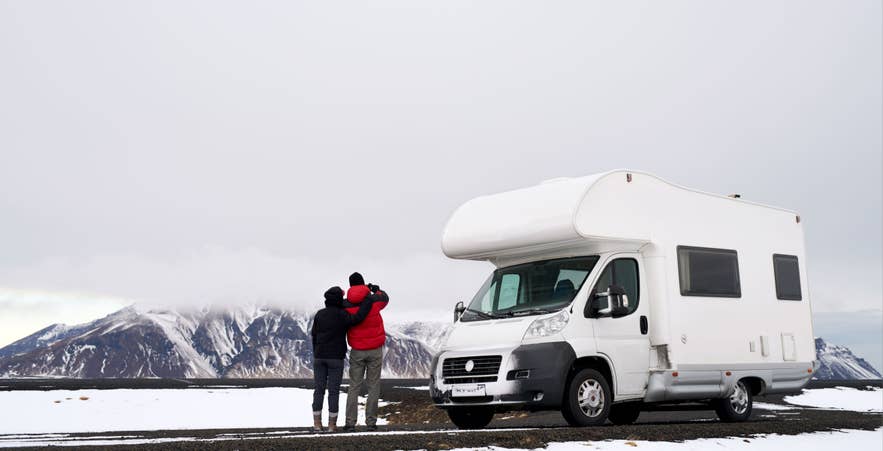
While Iceland’s landscapes are wild and dramatic, getting around the country is relatively straightforward. Roads are well-maintained, signage is clear, and travel is generally family-friendly.
For most families, the choice comes down to renting a car or joining guided tours, with rental campervans offering a flexible middle ground.
For families traveling with children, renting a car is usually the most practical option. A self-drive trip on the Ring Road turns your vehicle into a mobile base, which makes it easy to stop for snacks, bathroom breaks, or naps as needed. It also allows families to adjust plans quickly when the weather changes.
Rental SUVs provide enough space for strollers, diaper bags, and extra layers. Having your own vehicle also makes it easier to stop in small towns for playgrounds or short breaks during long drives.
If visiting between October and April, or traveling in North Iceland, rental four-wheel-drive vehicles are strongly recommended due to snow, ice, and gravel roads.
Guided tours can be a smart alternative for families, particularly in winter or on shorter trips. Having a guide handle the driving and weather decisions reduces stress and lets parents focus on their kids. Small-group excursions or private tours are usually the best fit for travelers with children.
Pacing Your Iceland Itinerary With Kids
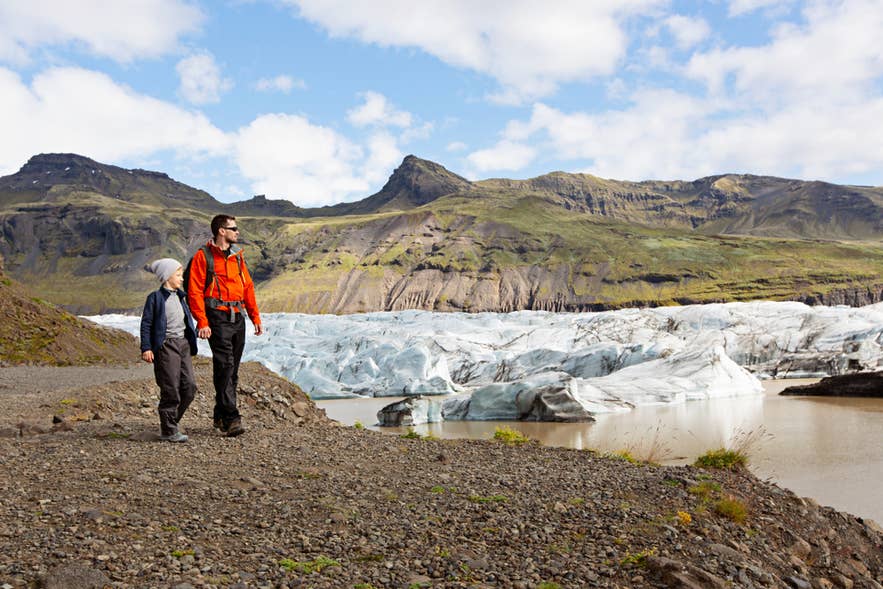 The most common mistake families make in Iceland is over-scheduling. Drive times are often longer than they look on maps, and weather changes can quickly alter plans.
A good rule of thumb is to plan two to three main stops per day. This approach leaves room for naps, snack breaks, or spontaneous detours when the weather turns.
In winter, daylight is limited to about four to five hours, so it helps to schedule your main outdoor activity around midday and save mornings or evenings for museums, cafes, or relaxed meals.
Eating in Iceland With Kids

Food planning in Iceland is straightforward once you know where to look. Family-friendly options range across the country, and feeding children can be both simple and budget-friendly with a little advance awareness.
Reykjavik is the easiest place to eat out with kids, thanks to food halls like Hlemmur Matholl and Grandi Matholl, where everyone can choose something different.
Outside the capital, options are more limited, but most restaurants are accommodating and might offer half portions (halfur skammtur) for children if asked.
The most affordable meal for kids is the Icelandic hot dog, and they are sold at nearly all gas stations and roadside stands. Locals order them “ein med ollu” (one with everything), but for children, it is easy to ask for one plain or with just ketchup. At around 600 to 900 ISK (about 4 to 6 USD), they are one of the best-value meals in the country.
Icelandic sweets are part of the experience, but parents should be aware that many chocolates contain salty black licorice. For kid-friendly flavors, look for Prince Polo wafers, Noa Kropp chocolate puffs, or Hraun bars made with chocolate and wafers. Skyr, Iceland’s thick yogurt, is another reliable option and works well as a snack during long drives.
For families with babies or toddlers, supermarkets are essential. Kronan is one of the best places to stock up on snacks, simple meals, and baby essentials, with prices far lower than at gas stations or pharmacies. Picking up flatkokur, Icelandic rye flatbread, with butter or cheese makes an easy snack on the road.
Safety and Practical Tips for Traveling With Kids
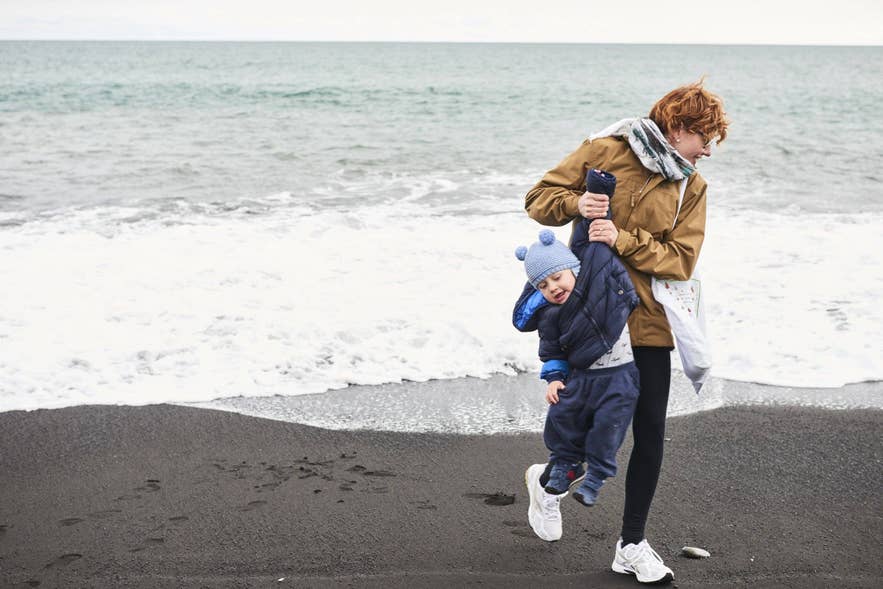
Iceland is a very safe destination for families, but a few local rules and environmental factors are important to understand in advance. The points below cover the essentials that help families avoid fines, stay safe, and travel more comfortably.
-
Kids’ clothing and packing tips: Plan what to wear and what to pack, including layers, waterproof outerwear, sturdy shoes, swimsuits for pools, and extra warm socks.
-
Baby supplies and feeding: Diapers, wipes, and baby formula are cheaper at supermarkets. Breastfeeding is widely accepted in cafes, restaurants, and public spaces.
-
Strollers versus carriers: Strollers work well in Reykjavik and on paved Golden Circle paths, while a sturdy hiking carrier is better for waterfalls, beaches, and uneven terrain.
-
Car seat rules: Children under 53 inches (135 centimeters) must use a car seat or booster, and children under 59 inches (150 centimeters) may not sit in the front seat if an airbag is active.
-
Car seat compatibility: Most North American car seats are not legal in Iceland because they do not meet European safety standards (ECE R44/04 or R129 i-Size). Fines for non-compliance are 30,000 ISK (about 220 USD) per child. Renting a compliant seat from your rental agency or a local provider in Reykjavik is the safest option.
-
Public pool shower rules: Showering without a swimsuit is mandatory before entering geothermal pools. Most public pools have infant facilities for babies and toddlers.
-
Beach and ocean safety: Sneaker waves can surge far up black sand beaches without warning. Children should stay at least 30 meters (100 feet) from the water, and parents should always face the ocean. At Reynisfjara, follow the color-coded safety lights.
Enjoy an Unforgettable Trip to Iceland With Kids
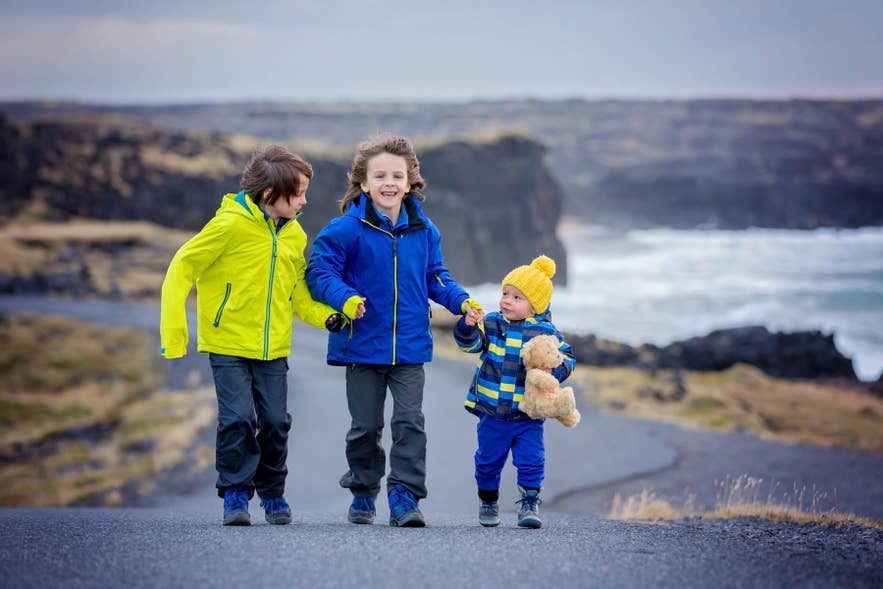
Traveling to Iceland with kids is far more approachable than many families expect. The country is safe, well-organized, and built around outdoor experiences that naturally appeal to curious young travelers.
With the right pacing and a flexible mindset, Iceland offers rewarding experiences for every age group. Geothermal pools, wildlife encounters, and short nature walks all create memorable moments without overwhelming young travelers.
Thoughtful planning around weather, accommodations, and driving in Iceland helps keep the focus on shared experiences rather than logistics.
Is Iceland expensive for families?
Dining out in Reykjavik or along the South Coast adds up quickly. Many popular sites now charge for parking, and since January 2026, a kilometer-based road tax (about 6.95 ISK per km for a passenger car) applies to all vehicles. Choosing self-catering stays and focusing on free sites like Thingvellir and Seljalandsfoss helps keep your family budget under control.
Is Iceland safe for kids?
The main worry parents raise in our study of how good Iceland is for kids is nature, from cliff edges to geothermal areas and beach waves. At popular sites like Reynisfjara Beach, Gullfoss Waterfall, or the Geysir Geothermal Area, keep children close and follow posted safety signs. Wind can be strong, especially along the South Coast, so hold hands in exposed areas. In an emergency, dial 112 anywhere in Iceland.
Can babies go to the Blue Lagoon?
Children aged two and older are welcome and enter free when accompanied by a paying adult, with a maximum of two children per adult. Kids aged eight and under must wear the free floaties provided, and because the water reaches 1.4 meters (4.7 feet) deep, constant adult supervision is required.
Are strollers practical in Iceland?
Sites like the upper viewing area at Skogafoss, the Reykjadalur hot spring hike, and many Westfjords viewpoints are far easier with a hiking carrier. Families planning outdoor-heavy itineraries usually find a carrier much more practical than a stroller.
Do restaurants in Iceland have kids’ menus?
In Reykjavik, casual restaurants often serve simplified options such as pizza, pasta, fish and chips, or small burgers. Outside major towns, expect standard menus and request adjusted portions directly; staff are generally accommodating and usually fluent in English. Self-catering from supermarkets like Kronan is an easy, budget-friendly option for picky eaters.
Is Iceland good for toddlers?
Short driving days, flexible schedules, and accommodation with kitchen access make a big difference when traveling to Iceland with toddlers. Public swimming pools across the country usually include warm, shallow children's areas. Avoid long Highland drives and tightly packed itineraries, especially in variable weather.
Can I bring my own car seat to Iceland?
Renting a car seat directly from your Icelandic car rental company is usually easier and guarantees compliance. Police checks are uncommon, but non-compliant equipment can create insurance complications and carries fines of 30,000 ISK (about 220 USD) per child.
Is it safe to drink tap water in Iceland with children or babies?
There is no need to buy bottled water. If you notice a sulfur smell, it comes from the geothermal hot-water system, not the cold drinking supply. You can refill bottles safely everywhere, including at Keflavik Airport.
What should I do if my child gets sick in Iceland?
Pharmacies are called "apotek," and most staff speak fluent English. European Health Insurance Card holders receive public healthcare coverage, and comprehensive travel insurance is strongly recommended for all visitors.
Is breastfeeding in public acceptable in Iceland?
Family facilities are common in shopping centers such as Kringlan, major museums, and public swimming pools. There are no legal restrictions on public breastfeeding.
Are there mosquitoes in Iceland?
You may encounter small flies or midges near Lake Myvatn in the warmer months, but biting mosquitoes are not present. This makes hiking, camping, and outdoor play far easier for families than in many destinations.
What is the best time to visit Iceland with kids?
Winter, from November to March, suits families who want snow, quieter sights, and the Northern Lights, though short daylight and icy roads call for a slower plan. See our guide to the best time to visit Iceland to match the season to your family.
How many days do you need in Iceland with kids?
With ten days or more, families can add the Snaefellsnes Peninsula or drive the full Ring Road, though the complete loop is easier with teens than with toddlers. Whatever your length of stay, plan just two to three main stops per day.
Can kids see the northern lights in Iceland?
Because displays happen late at night, many family-friendly hotels offer an aurora wake-up service so kids can sleep until the sky lights up. Dress everyone in warm layers, and base yourself away from city lights for the clearest views.
Are Iceland's geothermal pools safe for babies and toddlers?
Natural hot springs need more caution, because the water temperature is uncontrolled and can be too hot for little ones. Always test the water first, and choose managed pools or a gentle spot like the Secret Lagoon for the youngest travelers.
What should I pack for kids visiting Iceland?
Also bring swimsuits for the geothermal pools, a hiking carrier for uneven terrain, and any baby essentials, though diapers and formula are cheaper at supermarkets than at gas stations. See our full guides on what to wear in Iceland and how to pack for Iceland.
Do children get discounts on tours and attractions in Iceland?
Always check the minimum age for adventure activities, as glacier hikes, snorkeling, and ice caves typically have age limits of around eight to ten and up. Family tickets are common at museums and swimming pools, so it is worth asking before you buy.
Have you already visited Iceland with your family, or are you planning your first trip? What ages are you traveling with, and which experiences matter most to you? Share your thoughts or tips in the comments below to help other families plan their own Iceland with kids adventure.

I’m a writer and filmmaker from Reykjavík with a background in film studies and directing. I focus on stories that give voice to overlooked perspectives—both in my short films and in my writing about Iceland’s culture, places, and people.