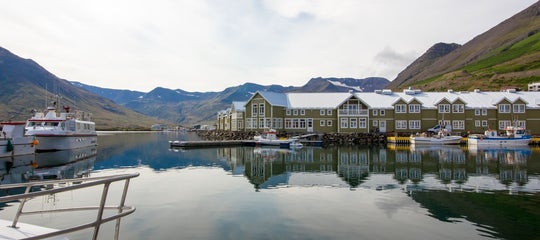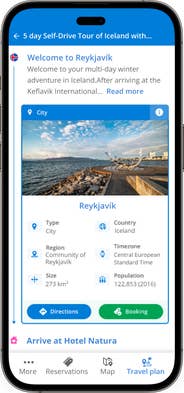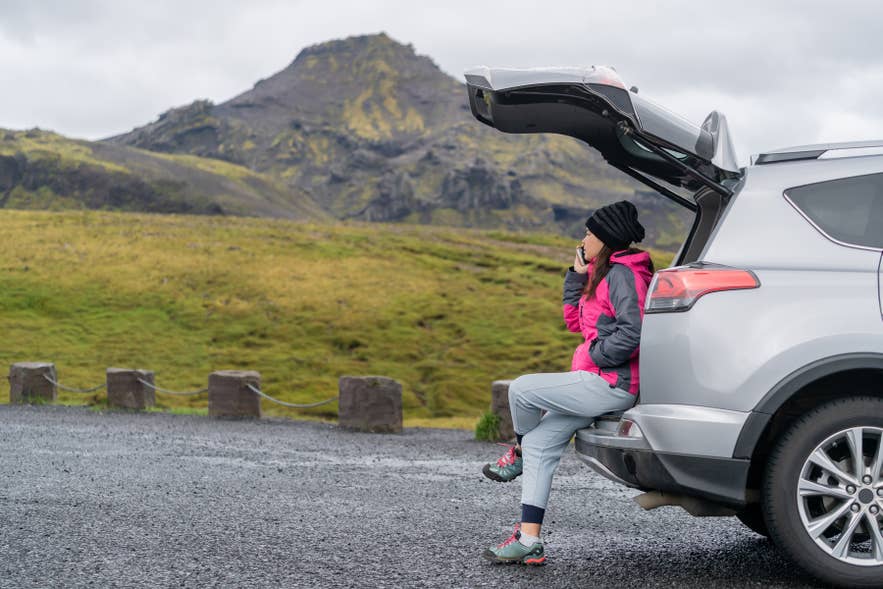
Iceland’s reputation as a remote island makes it easy to assume the internet is slow and unreliable. In fact, the country ranks among the best in the world for internet speed and access. You stay connected across most of the country during self-drive road trips in Iceland.
When driving in Iceland, you get reliable 4G and 5G mobile network coverage on around 90% of the Ring Road. You can run live GPS navigation to find your way on Icelandic roads. In June 2026, Iceland became the first country in Europe to fully retire its 2G and 3G networks.
Why You Can Trust Our Content
Guide to Iceland is the most trusted travel platform in Iceland, helping millions of visitors each year. All our content is written and reviewed by local experts who are deeply familiar with Iceland. You can count on us for accurate, up-to-date, and trustworthy travel advice.
Getting online in Iceland is easy. You can stay connected with reliable mobile data using an eSIM or a local SIM card, or use free Wi-Fi in most hotels, cafes, and gas stations in Iceland. Most rental cars and campervans also come with a portable Wi-Fi hotspot, so your whole group stays online.
Keep reading to learn where you'll have mobile coverage, where signal becomes limited, and the best ways to stay connected throughout your Iceland road trip.
What To Know About Internet in Iceland
-
Iceland is one of the world's most connected countries, with fast broadband and a strong nationwide 5G and 4G mobile network.
-
Iceland has officially completed the full shutdown of its legacy 2G and 3G networks. To get any signal on the road, your phone must support 4G/5G and VoLTE (Voice over LTE).
-
Mobile coverage in Iceland along the Ring Road and in towns reaches roughly 90% of the main loop.
-
The Highlands, F-roads, and remote interior often have weak or no signal, so never rely on coverage there.
-
An eSIM or local SIM in Iceland gives the best mobile data, with Siminn offering the widest rural reach. There is also Syn for balanced cost and signal in cities, while Nova is the cheapest SIM in Iceland.
-
You can buy a local SIM in Iceland at Keflavik International Airport, N1 gas stations, 10-11 convenience stores, or supermarkets in Iceland.
-
A portable Wi-Fi hotspot is often included with your car and campervan rental in Iceland, which makes it ideal for couples, families, or groups traveling together.
How Fast Is the Internet in Iceland
 Despite its small population and geography, Iceland has some of the fastest internet in the world. According to Speedtest Global Index, the country’s fixed broadband averages around 322 Mbps and is ranked sixth worldwide.
About 90% of the 810-mile (1,300-kilometer) Ring Road has a mobile signal with strong 4G coverage. That means staying online in Iceland is easy in major towns and cities in Iceland, at countryside hotels, and along the main roads.
However, internet speed in Iceland drops in a few remote spots on deep fjords, inside tunnels, and across the central Highlands. That is why you should download offline Google Maps before going on Ring Road tours in Iceland.
How Iceland’s Internet Speed Compares to the Rest of Europe
Iceland has some of the fastest internet in Europe. According to the Speedtest Global Index, as of 2026, it ranks second in Europe for median fixed broadband speed, behind only France, and ahead of countries such as Switzerland, Denmark, and Spain.
| Country | Median Fixed Broadband Speed |
| France | 345 Mbps |
| Iceland | 322 Mbps |
| Switzerland | 296 Mbps |
| Denmark | 287 Mbps |
| Romania | 285 Mbps |
| Spain | 270 Mbps |
| Portugal | 254 Mbps |
Note: These rankings are based on median fixed broadband speeds rather than mobile networks. Country rankings shift slightly month to month depending on the source.
How To Stay Connected on an Iceland Road Trip
 You have three main ways to access mobile data in Iceland: an eSIM, a physical SIM card, or a portable Wi-Fi hotspot.
An eSIM gives you instant internet the moment you land. A physical SIM card is useful if you need an Icelandic phone number, while a portable Wi-Fi router works well for groups or travelers with multiple devices.
Iceland has three major mobile networks: Siminn, Nova, and Syn (formerly Vodafone in Iceland). Siminn is generally known for its extensive coverage across Iceland, making it a popular choice for road trips. Syn offers reliable service in many parts of the country, while Nova is often a more affordable option with stronger coverage in towns and cities than in remote areas.
Travel eSIMs in Iceland
 An eSIM is a digital SIM that you purchase online before your trip. Once you land in Iceland, activate it in minutes without visiting a store or swapping SIM cards, so you can skip the airport lines.
Before you buy, make sure your phone is carrier-unlocked and supports eSIM. Most newer smartphones are compatible. To check, dial #06#. If an EID number appears, your device supports eSIM. You can also verify this in your phone's Cellular or Mobile Data settings.
Tip: If you’re taking a road trip, plan for 10 to 20 GB of data for 7 days in Iceland. This is enough for Google Maps in Iceland, web browsing, and social media. If you need more data, you can typically top up your plan through your provider's app without visiting a physical store.
-
Cost: A 10 GB data plan typically costs between 11 and 20 USD. Unlimited data plans generally range from 11 to 69 USD, depending on whether you choose a 3-day or 30-day package.
-
Siminn: Starter packs range from 24 USD for 10 GB to 55 USD for unlimited data for 14 days. If you need more data, you can top up your eSIM in the Siminn app.
-
Syn: About 12 USD for 10 GB of mobile data for a week, and 18 USD for 20 GB for 15 days.
-
Nova: The cheapest mobile network in Iceland, offering starter packs at about 12 USD for 3 days, and about 24 USD for eight days.
-
Activation: Scan a QR code using the free Wi-Fi at Keflavik International Airport, and your plan is ready in minutes.
-
Limit: Most eSIM plans are data only. Calls and texts work through apps such as WhatsApp, FaceTime, or Messenger unless you keep your home SIM active.
Physical SIM Cards in Iceland
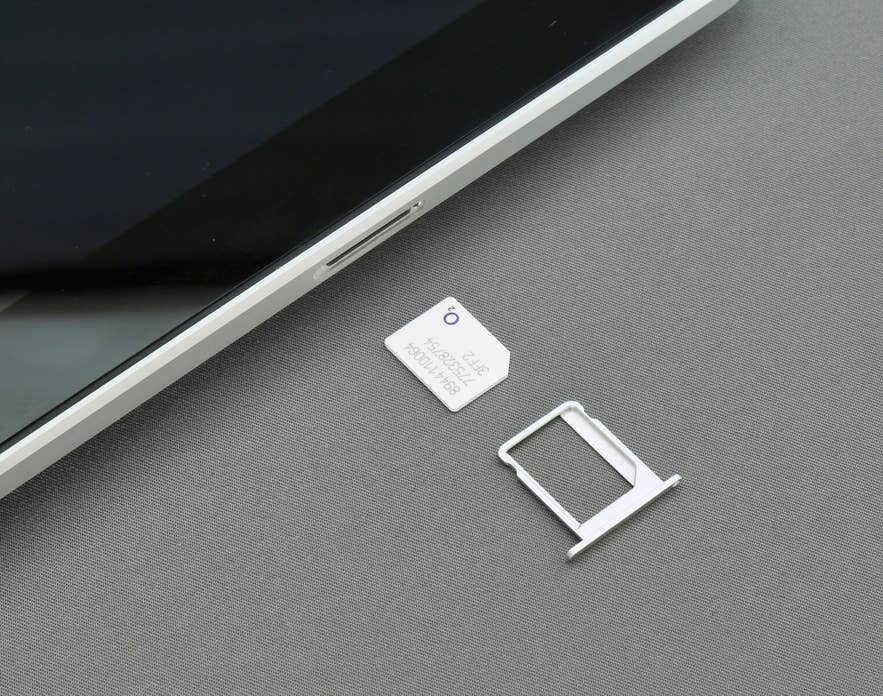 A physical SIM card is a good choice if your phone doesn’t support eSIM or if you want an Icelandic phone number for local calls and texts. This can be useful for contacting hotels, tour operators, or car rental companies in Iceland.
You can purchase a SIM card in Iceland at Keflavik Airport right after the baggage claim area. If you’d rather head straight to your airport transfer or hotel, you can easily purchase one later at 10-11 convenience stores, Kringlan and Smaralind shopping malls, gas stations, or mobile carrier stores in Reykjavik.
-
Cost: Plans typically range from 13 to 26 USD.
-
Siminn: About 24 USD and is valid for 30 days.
-
Syn: Around 13 USD for 3GB or 24 USD for 10 GB.
-
Nova: Costs roughly 13 to 51 USD, depending on the data amount.
-
Activation: Insert the SIM card into your phone and restart the device if needed. Then follow the activation instructions on the SIM packaging, which usually involve entering an activation code or calling the provider.
-
Limitation: You can’t use SIM cards in Iceland if your mobile phone is locked to your home carrier.
Tip: If your route includes remote regions, Siminn’s wider nationwide mobile coverage is generally the best choice. Nova is ideal for budget travelers and if you’re mostly staying around Reykjavik.
Portable Wi-Fi in Iceland
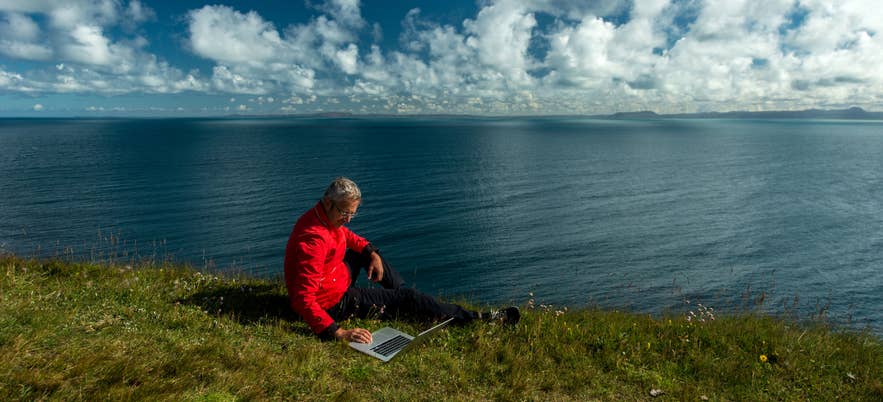 If you are traveling in a group, want to connect multiple devices, or have a phone that is locked by your home carrier, a portable Wi-Fi hotspot is the best way to stay connected in Iceland. Instead of buying multiple SIMs or eSIMs, you only need to rent one device for your whole group.
For road trippers, many campervan and car rentals include portable Wi-Fi as an inclusion. This makes the daily cost cheap per person when traveling in Iceland. You can also rent a pocket Wi-Fi device online or at Keflavik International Airport.
A hotspot uses the same mobile network as SIM cards, so coverage is limited in the same remote areas in Iceland. It also requires charging, so keep it plugged into your rental car during longer drives.
Roaming in Iceland
 Travelers from EU and EEA countries can usually use their home mobile plans in Iceland at no extra cost, subject to fair-use limits. If you’re visiting from the UK, check your carrier first. Since Brexit, free EU roaming is no longer guaranteed, and some providers charge a daily fee.
Travelers from the US, Canada, and most other countries pay standard international roaming rates unless they buy a travel pass. Providers like Verizon and AT&T offer daily plans for around 10 to 12 USD that include calls, texts, and data. Without one, roaming charges can be expensive, making an eSIM or local SIM the more affordable choice.
Tip: Turn off data roaming in your phone settings until you confirm your plan or activate a pass. This prevents surprise charges from background apps. For most travelers outside the EU and EEA, a travel eSIM or physical SIM is the cheaper choice.
Mobile Coverage Along Iceland’s Driving Routes
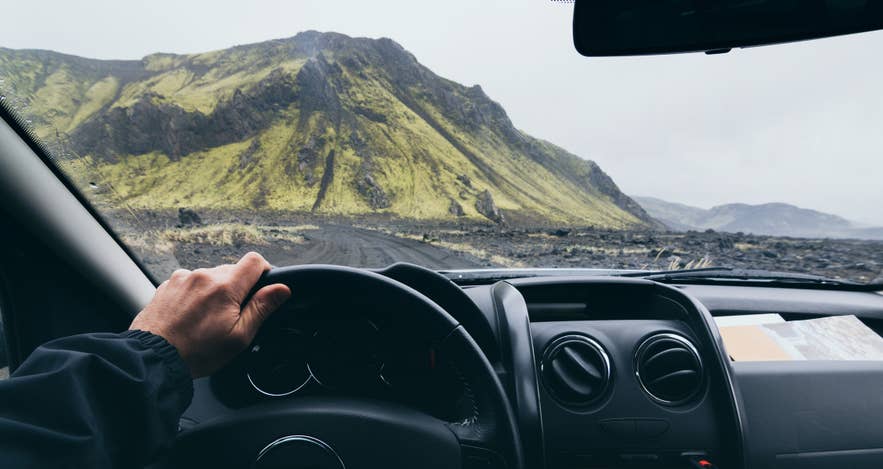 If your trip mostly follows the top attractions along the Ring Road, the Golden Circle, or the South Coast, you can expect strong 4G coverage the whole way. Near Reykjavik, Akureyri, Selfoss, and other larger towns, Iceland’s internet is the highest at 200+ Mbps on a 5G network.
This means you will have a usable signal for navigation, calls, and data for most of your road trip in Iceland. However, expect brief cellular dead zones in remote areas, particularly in the Eastfjords, North Iceland, the Westfjords, and the central Highlands.
|
Regions along the Ring Road |
Internet Signal Strength |
Traveler's Notes |
|
Capital Region (Reykjavik and Southwest Iceland) |
Very Strong |
High-speed 4G LTE/5G where you can easily do remote work or stream video. |
|
South Coast & Golden Circle |
Strong |
High-speed 4G LTE/5G. However, you might experience brief internet drops near deep valleys and long tunnels |
|
East & North Iceland |
Moderate |
4G LTE in major towns. Rural stretches between towns drop to lower speeds but usually allow for basic GPS and web browsing. |
|
The Westfjords |
Weak |
Speeds here are the lowest on average. Expect total dead zones in narrow fjords or mountainous passes. |
|
Highlands and F-roads |
Weak to None |
No reliable signal from any network across most of the interior and F-roads. |
Mobile Coverage in Reykjavik and the Capital Region
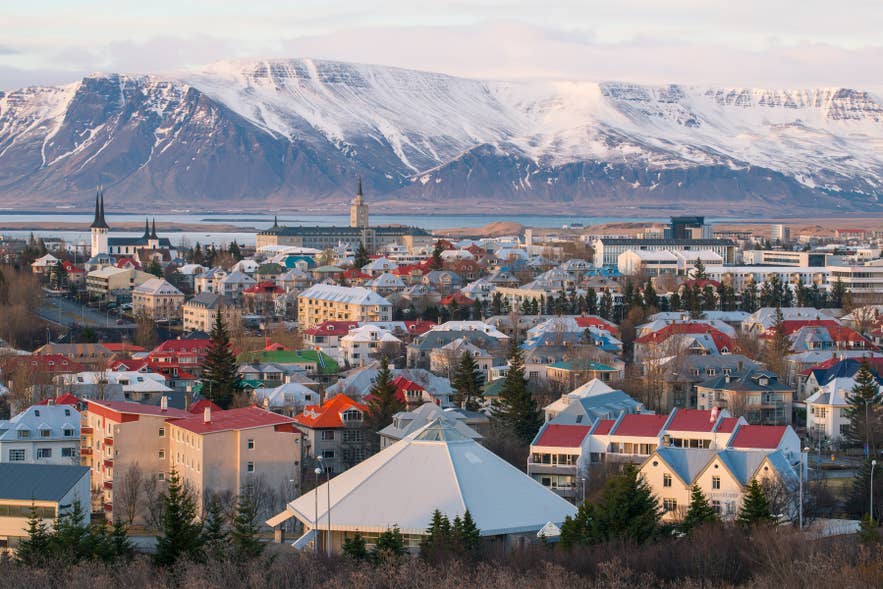 Reykjavik and the Capital Region have the best mobile coverage in Iceland. You’ll find fast and reliable 5G service throughout the city, including hotels, the Laugavegur Shopping Street, BSI Bus Terminal, and restaurants in Reykjavik. Coverage is also strong in nearby towns such as Kopavogur, Hafnarfjordur, Gardabaer, and Mosfellsbaer.
The drive between Keflavik International Airport and Reykjavik also has continuous 4G and 5G coverage. You can easily activate an eSIM, download offline maps, or contact your accommodation before continuing your trip.
If you're renting a car, this is the best place to download offline maps and traveling apps in Iceland before heading into more remote parts of Iceland.
Mobile Coverage on the South Coast
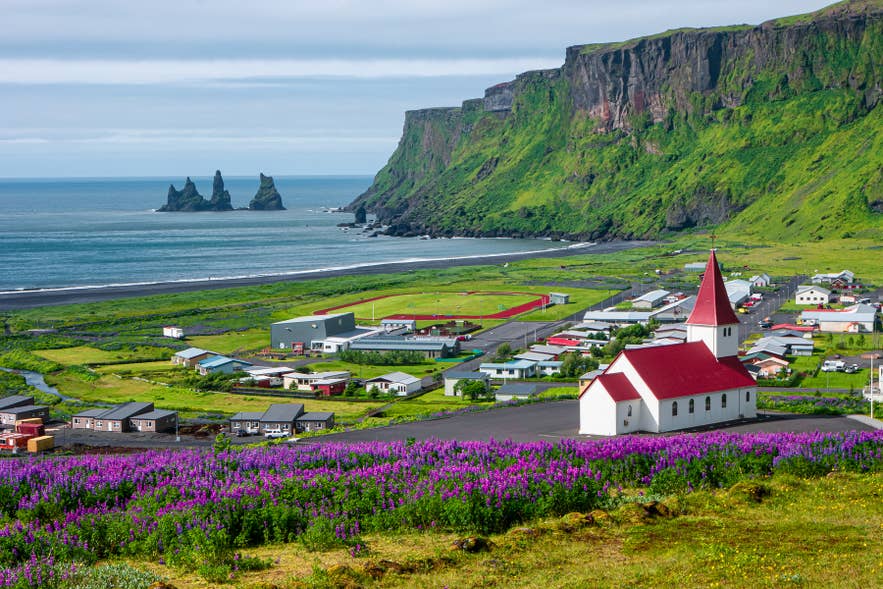 You get steady and reliable internet speed on the 127-mile (205-kilometer) drive from Reykjavik to the South Coast. You reach 5G in towns like Selfoss, Hvolsvollur, Hella, and Vik, with 4G coverage in between.
The signal is strong at the main South Coast attractions, including Seljalandsfoss Waterfall, Skogafoss Waterfall, and Reynisfjara Black Sand Beach. The signal can drop near the mountains, deep fjords, or the vast Skeidararsandur Black Sand Plains.
Mobile Coverage from Vik and the Eastfjords
 Internet coverage between Kirkjubaejarklaustur, Hofn, and the Eastfjords in Iceland is generally good, but speeds will vary. You can expect strong 4G service near the towns of Hofn, Egilsstadir, Seydisfjordur, and Reydarfjordur. Between them, steep mountains and long tunnels break the signal for a few minutes at a time.
Mobile Coverage fromEgilsstadir to Akureyri
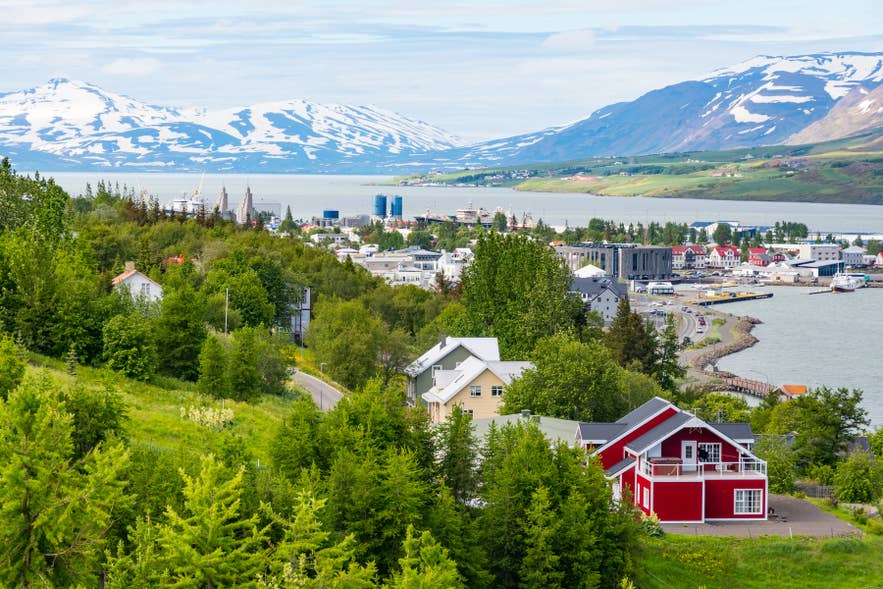 The 155-mile (250-kilometer) drive from the town of Egilsstadir to Akureyri crosses wide volcanic plateaus. Service stays reliable along the main highway for most of the way. On the mountain roads in between, expect temporary dead zones. You reach 5G in Akureyri, the largest town in North Iceland, and coverage is good around Myvatn.
Tip: Siminn network has the most extensive coverage in the remote fjords of East Iceland.
Mobile Coverage in the Westfjords
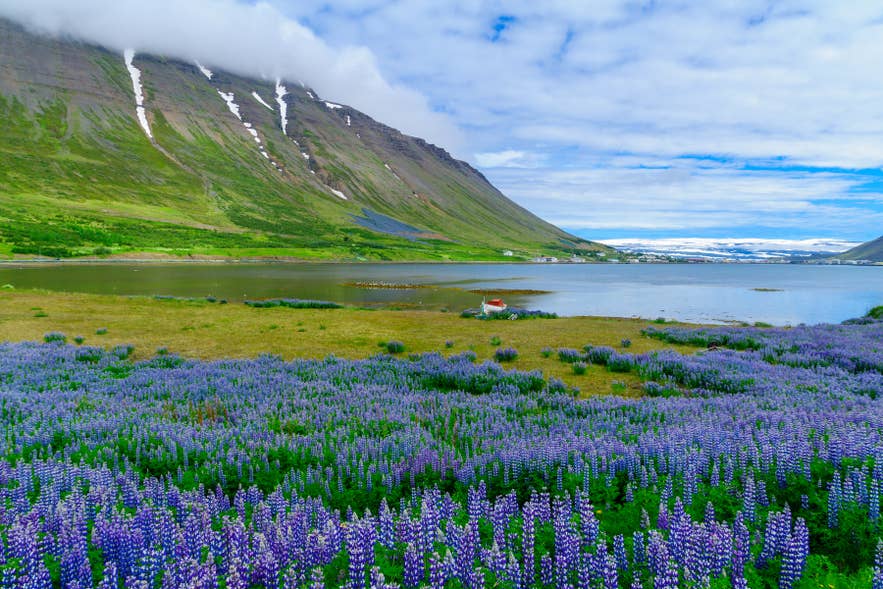 The Westfjords have some of the weakest internet coverage in Iceland. Main towns like Isafjordur, Patreksfjordur, and Bolungarvik still have reliable 4G and 5G. However, there will be little or no coverage at long stretches of mountain roads and remote fjords, so download offline maps before leaving the main routes.
Mobile Coverage in West Iceland
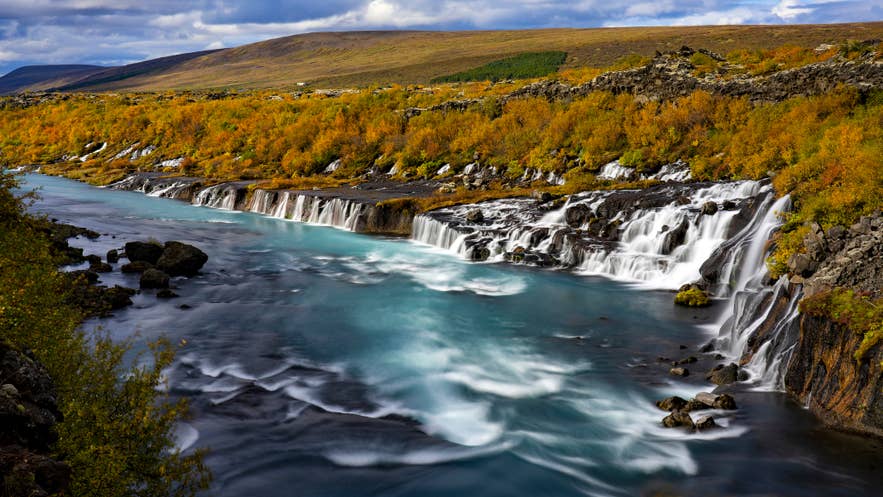 West Iceland has some of the most reliable mobile coverage outside the Capital Region. You’ll find strong 4G and 5G service in towns such as Borgarnes, Akranes, Stykkisholmur, and around most of the Snaefellsnes Peninsula. Coverage is also dependable at popular attractions, including Hraunfossar and Barnafoss Waterfalls, Deildartunguhver Hot Springs, and Husafell.
If you’re driving from Reykjavik, you’ll pass through the Hvalfjordur Tunnel, one of the few road tunnels in Iceland with uninterrupted mobile service. Signal becomes less reliable on quieter roads around the Snaefellsnes Peninsula, particularly along the northern coast between Olafsvik and Hellissandur, where short dropouts can occur.
Where the Signal Drops in Iceland on a Self-Drive Trip
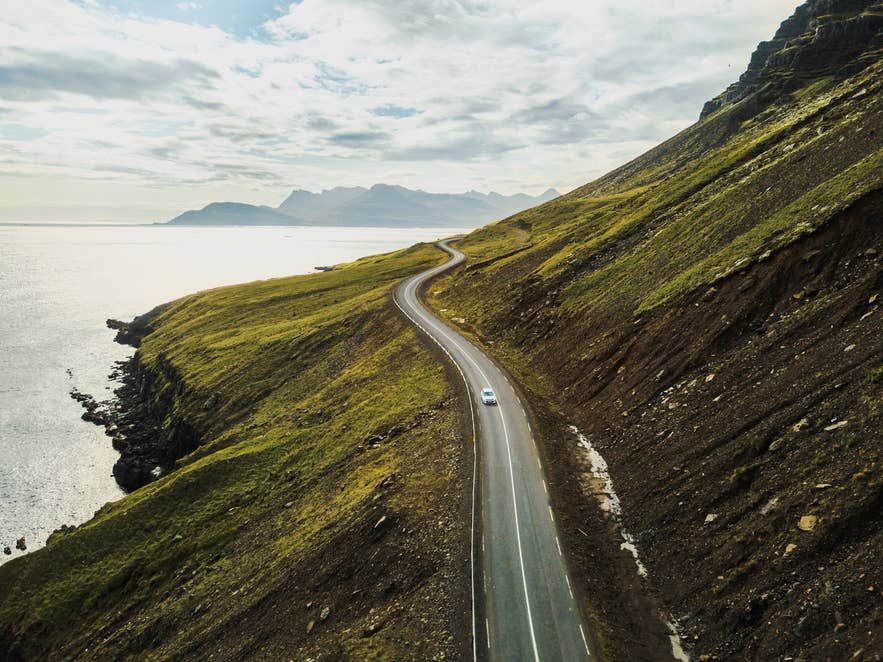 Iceland’s Ring Road has mobile coverage for most of its length. Still, cellular dead zones are common in the remote interior. Across the Highlands and on the F-roads, signal is patchy at best and often absent, and no travel eSIM provides reliable coverage there.
You may also drop signal in some remote fjords, long uninhabited stretches, and inside road tunnels, so plan around these gaps before you drive. The right maps of Iceland downloaded in advance are your best insurance against a dropped connection.
Cellular Dead Zones in the Eastfjords
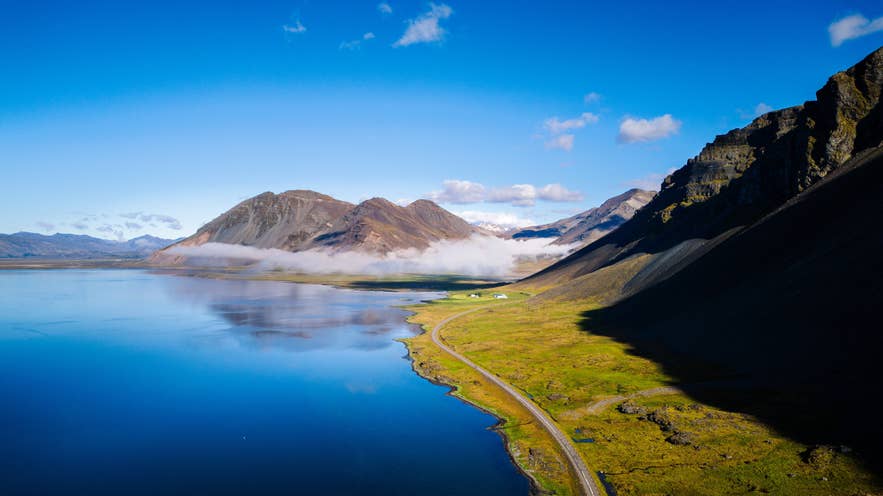 Towns in East Iceland such as Hofn, Egilsstadir, Seydisfjordur, and Neskaupstadur have good coverage. However, internet speeds in the Eastfjords can drop below 5 Mbps on remote mountain passes such as Almannaskard and on the roads to Breiddalsvik and Djupivogur.
Mobile coverage may also weaken on the drive to Borgarfjordur Eystri and briefly disappear inside the Faskrudsfjordur Tunnel. These interruptions are usually short, and the signal returns once you reach open roads or nearby towns.
Cellular Dead Zones in North Iceland
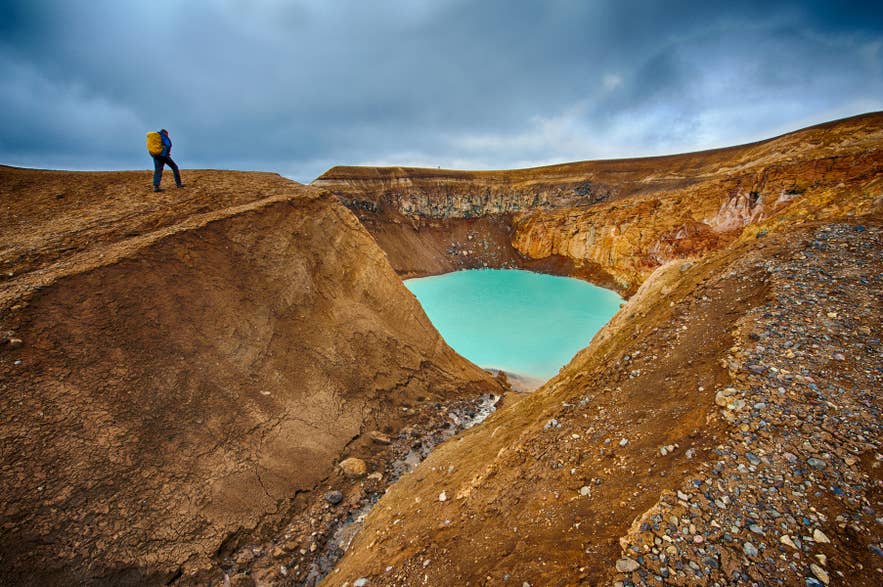 When in the northern region, you may lose your signal inside the Vadlaheidi Tunnel near Akureyri, which is Iceland’s only toll tunnel. Expect intermittent mobile coverage when passing through Trollaskagi Peninsula mountain roads. Set your navigation before you enter, and coverage returns on the other side.
The remote Strandir Coast and the shores of Hunafloi Bay also have weak signals. Service drops to zero as soon as you turn off the main roads onto interior F-roads, such as the Kjolur route or the tracks to Askja Caldera.
Cellular Dead Zones in the Westfjords
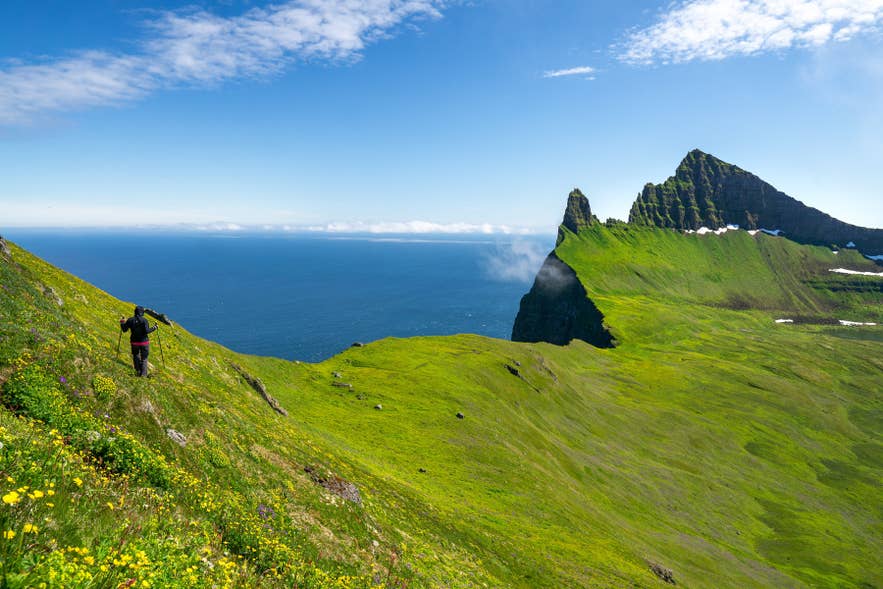 Outside Isafjordur, mobile coverage becomes much less reliable. Many fjord roads and coastal stretches have little or no signal. Expect coverage gaps on the drive to Latrabjarg Cliffs and around Dynjandi Waterfall. If you’re hiking in remote areas such as Hornstrandir, don’t expect any mobile service, so download offline maps before leaving the main roads.
Cellular Dead Zones in The South Highlands and F-Roads
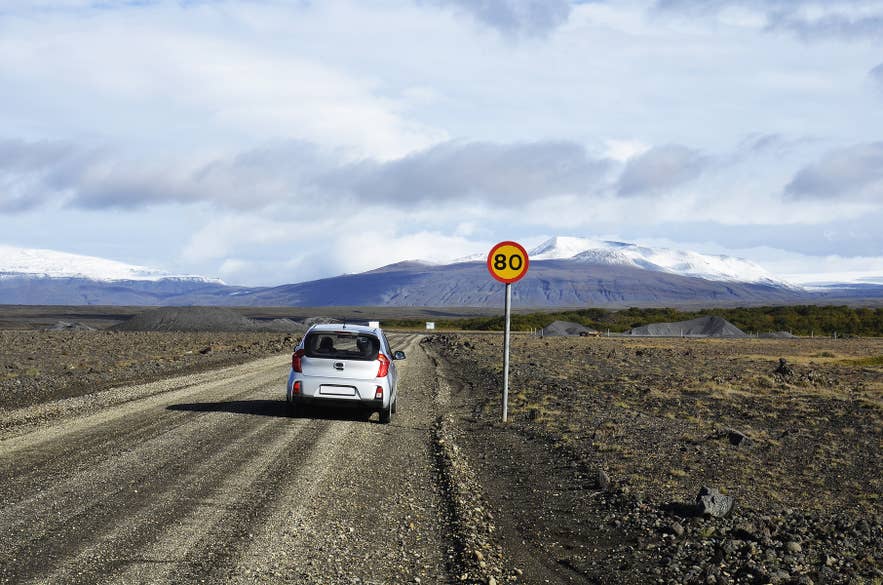 The Southern Highlands have no coverage from any network. Popular areas inside the Fjallabak Nature Reserve interior, where Landmannalaugar is located, have no signal either. The F-roads that cross the interior are off-grid, and they sit far from the Ring Road.
Hiking destinations in Iceland like Thorsmork have weak to no internet connection, even though many day tours visit them. If you are planning to go on hiking tours in Iceland, especially on the Laugavegur Trail, expect no signal for the entire 34-mile (55-kilometer) route. However, mountain guides always carry satellite communication.
Before you enter, download offline maps, fill your tank, and register a travel plan at safetravel.is. You can download maps on free Wi-Fi at any N1 station before you head to the Highlands. The 112 Iceland app works on a weak signal and shares your location with rescue teams.
Where To Find Free Wi-Fi on an Iceland Road Trip
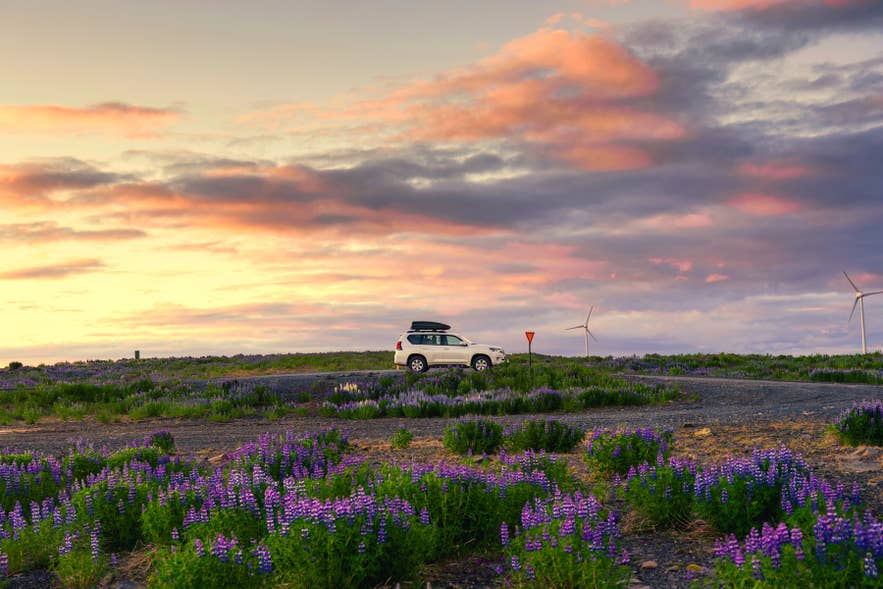 Staying connected is easier in Iceland than you might think. Most hotels, hostels, and guesthouses in Iceland have internet access. Most cafes and restaurants in Iceland typically have free Wi-Fi. Even shops, gas stations, and tourist information centers have access to the internet.
If you go on day tours in Iceland, most tour operators include free Wi-Fi on board their coaches. It’s an easy way to stay connected between stops on Golden Circle tours or South Coast adventures without using your own mobile data.
Wi-Fi at Gas Stations and Supermarkets in Iceland
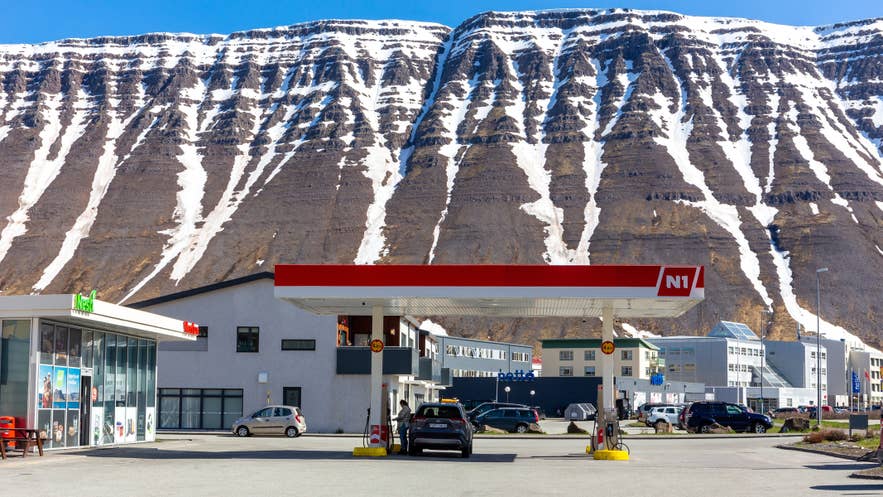 If you are on a road trip, you can find free Wi-Fi in Iceland’s major gas stations like N1 and Olis at their convenience stores. This makes it easy to check the weather or road conditions before you drive.
When grocery shopping, Bonus, Netto, and Kronan supermarkets offer free Wi-Fi for shoppers, so you can easily use Google Translate when checking for food items.
Free Wi-Fi at Iceland's Airports
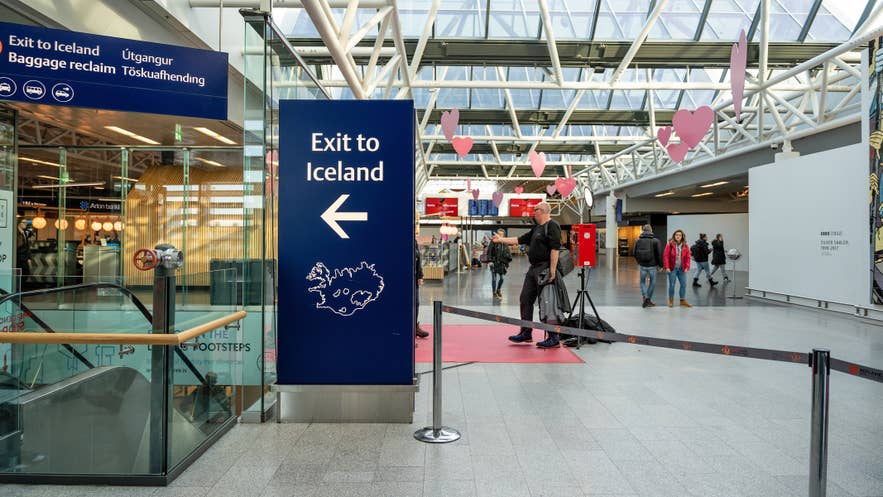 Keflavik International Airport has fast, free Wi-Fi throughout every terminal. You can set up your phone and download offline apps the moment you land, before you leave the airport zone. The domestic Reykjavik Airport and Akureyri Airport offer free Wi-Fi too.
Free Wi-Fi at Libraries and Public Buildings in Iceland
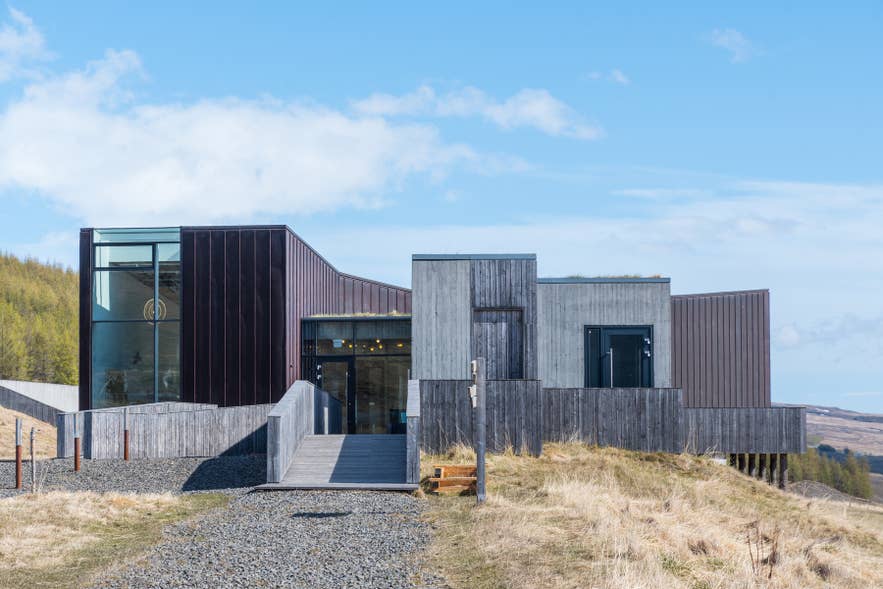 Public libraries like the Reykjavik City Library offer free Wi-Fi in Iceland, with no time limits. You can find them in the capital city of Reykjavik and in towns like Kopavogur, Hafnarfjordur, Akureyri, Egilsstadir, and Isafjordur.
Visitor centers, national park centers, and most museums in Iceland also provide free internet connections. These make handy stops before remote stretches, since staff can help with directions too.
Free Wi-Fi at Accommodations in Iceland
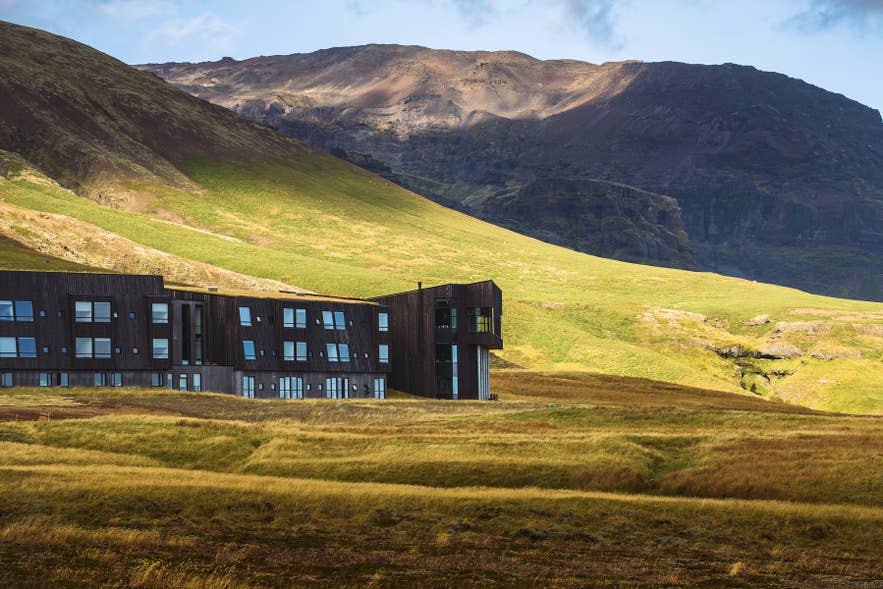 Almost every hotel and guesthouse in Iceland includes free Wi-Fi. It is fast and reliable in the capital region and works well in most major towns. If you’re on a self-drive tour, you can find many hotels along the Ring Road that offer internet connection throughout your stay. Rural farm stays in Iceland and highland huts may have slower or occasional connections, so confirm in advance if you need to stay online.
Free Wi-Fi at Cafes and Restaurants in Iceland
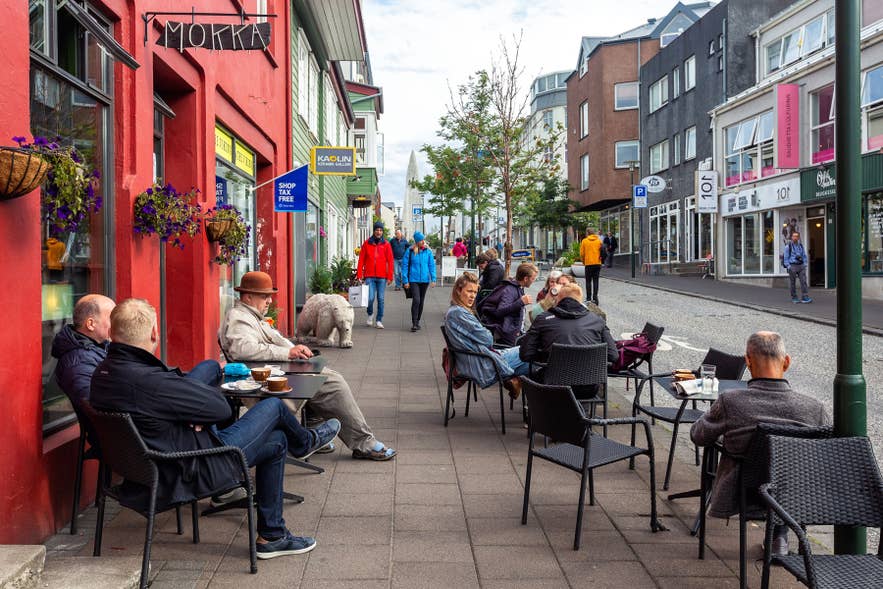 Cafes and restaurants in Iceland offer free Wi-Fi to customers, making it easy for travelers with remote work. Fast food chains in Iceland like Subway, KFC, and Domino’s also provide reliable internet connections.
You usually find the password on your receipt or posted in the store. You just need to ask the cashier for the password if it is not posted.
Wi-Fi at Campsites in Iceland
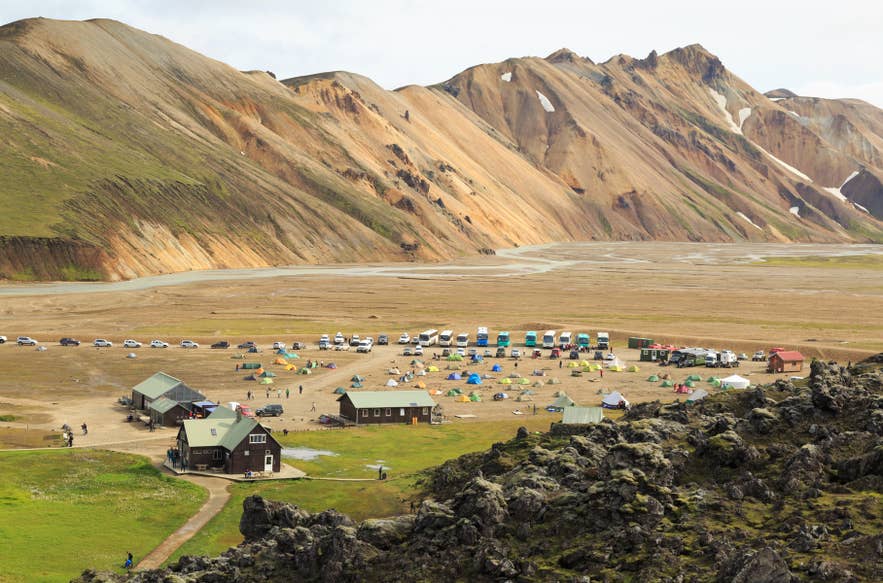 When camping in Iceland, most town campsites near Reykjavik, Vik, and Selfoss provide free Wi-Fi at reception, dining rooms, or communal kitchens. Remote highland campsites, such as those at Thorsmork and Landmannalaugar, do not offer internet connectivity. Check the Campsite Iceland app to see which sites offer Wi-Fi before you arrive.
Tip: Because Wi-Fi can be unreliable or restricted to main buildings, most travelers use a local SIM card or rent a portable Wi-Fi hotspot to stay connected on the road.
Working Remotely in Iceland
 Iceland is a strong base for remote work. Fiber reaches almost every home, and fixed broadband ranks among the fastest in the world. Video calls, large uploads, and cloud tools all run smoothly in towns and cities. You also get widespread 4G and 5G for working on the move.
You find reliable Wi-Fi in digital nomad hotels in Iceland. The capital city has several cafes in Reykjavik and coworking spaces if you want a proper desk and steady internet. For a quieter base, the town of Akureyri in North Iceland offers the same comforts on a smaller scale.
Buy a local SIM card or eSIM with a generous data plan, then hotspot from your phone as you travel. The signal stays strong along the Ring Road and near towns. Avoid scheduling work calls in the Central Highlands or the Westfjords, where coverage drops or disappears.
What To Prepare for Areas With Limited Mobile Coverage in Iceland
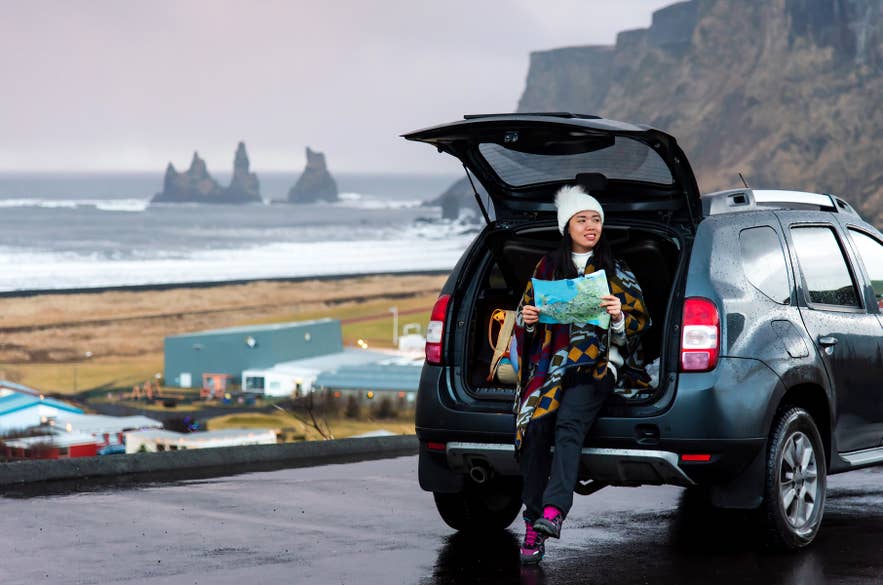 Limited mobile coverage in Iceland is usually easy to manage with the right preparation. Before leaving Reykjavik, or even before you arrive in Iceland, download everything you need while you still have a strong signal.
This helps you stay connected and navigate safely in areas with weak or no mobile coverage.
-
Activate your eSIM or SIM before you need it. Install and test your eSIM, or buy and activate a physical SIM, while you’re still at the airport or in the capital area. Don’t wait until you’re already on the road to discover an activation issue.
-
Download offline maps for your whole route. You do not need an internet connection to use your phone’s GPS as long as you download maps ahead of time. In Google Maps, download the region(s) you’ll be driving through, not just your first stop.
-
Open the app, tap your profile picture, select Offline Maps, and tap Select Your Own Map to download the areas you will be driving through.
-
Register your trip. If you’re driving remote roads or hiking, file a free trip plan with SafeTravel, run by Iceland’s volunteer search-and-rescue organization (ICE-SAR). It logs your route and expected return time so rescuers know where to start looking if you don’t check in.
-
Download weather and safety apps. Download the Vedur app for updated weather. Check the live road conditions in Iceland before crossing mountain passes.
-
Save 112 offline. Calls are free from any phone with a mobile signal, but since Iceland’s full shutdown of 2G/3G, older phones without 4G/5G and VoLTE support may not connect.
-
According to RÚV, you can test your phone by dialing 1280. If you hear, “Attempting emergency call. Your call has been completed,” your device can also call 112. If the call fails, contact your mobile provider.
-
An alternative is the SafeTravel app, which can also send your GPS location directly to emergency services.
-
Set up parking apps. Set up a payment card on Parka and EasyPark before leaving the airport or hotel. Many parking areas have limited or no reception, making it difficult to create an account or complete payment on the spot.
Stay Connected Driving Around Iceland
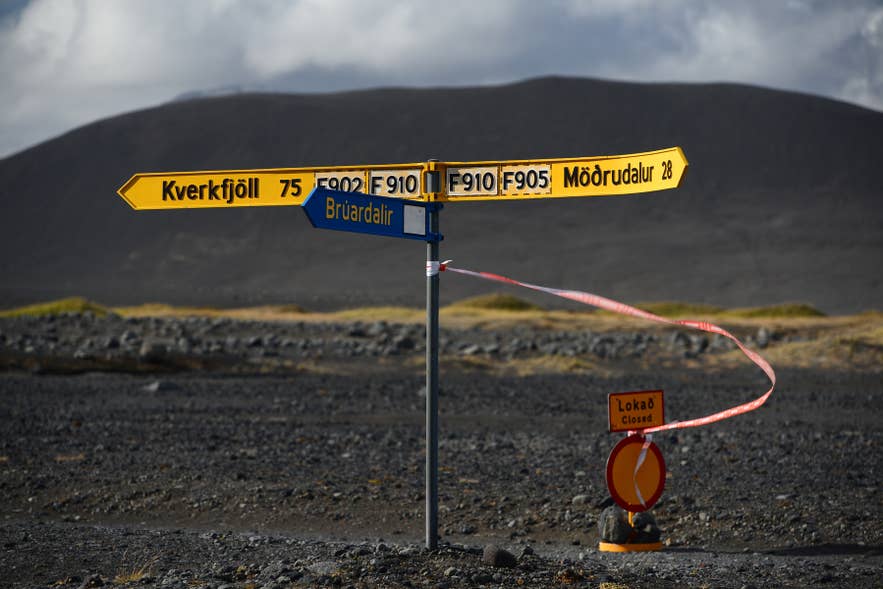 Iceland’s internet is better than its remote reputation suggests. Once you know where the coverage is strong, staying online feels simple. Most visitors keep a steady signal along the Ring Road and in every town, and barely notice the short gaps in between.
Plan for the Highlands and remote interior to be offline, and download your maps in advance. A local SIM card or eSIM keeps you connected across most of the country. If you would rather leave the navigation to someone else, guided Ring Road tours let you watch the scenery instead of the map.
Does Iceland have good internet?
Is there mobile coverage on Iceland's Ring Road?
Which mobile network is best in Iceland?
Do I need a SIM card or eSIM for Iceland?
Is there internet in the Icelandic highlands?
Does my rental car come with Wi-Fi in Iceland?
Is there Wi-Fi in hotels and cafes in Iceland?
How do I stay connected while driving in remote Iceland?
What worked best for you to stay connected in Iceland? Did you experience any unexpected dead zones or discover a useful tip for other travelers? Share your thoughts in the comment section below!

I was born on the west side of Reykjavík and grew up downtown, so Iceland has been my back yard for most of my life. I'm a father of two, I've traveled on five continents, and I still haven't found a country that holds my attention the way this one does.
That's why I co-founded Guide to Iceland. We connect travelers directly with Icelandic operators, guides and hosts, so the advice and the services both come from people who actually live here.
I write about the practical side of a trip: what eating out in Reykjavík really costs, whether to pick Sky Lagoon or Hvammsvík, where to stop for food along the Ring Road, and which regions give you the best odds of clear skies for the northern lights. If you're planning a trip and something doesn't add up, message me.