Iceland’s landscape is deeply influenced by ocean currents and a mild coastal climate, creating scenery that changes season to season. These changes are easy to spot on guided nature tours that lead you through Iceland’s most remarkable environments.
Why You Can Trust Our Content
Guide to Iceland is the most trusted travel platform in Iceland, helping millions of visitors each year. All our content is written and reviewed by local experts who are deeply familiar with Iceland. You can count on us for accurate, up-to-date, and trustworthy travel advice.
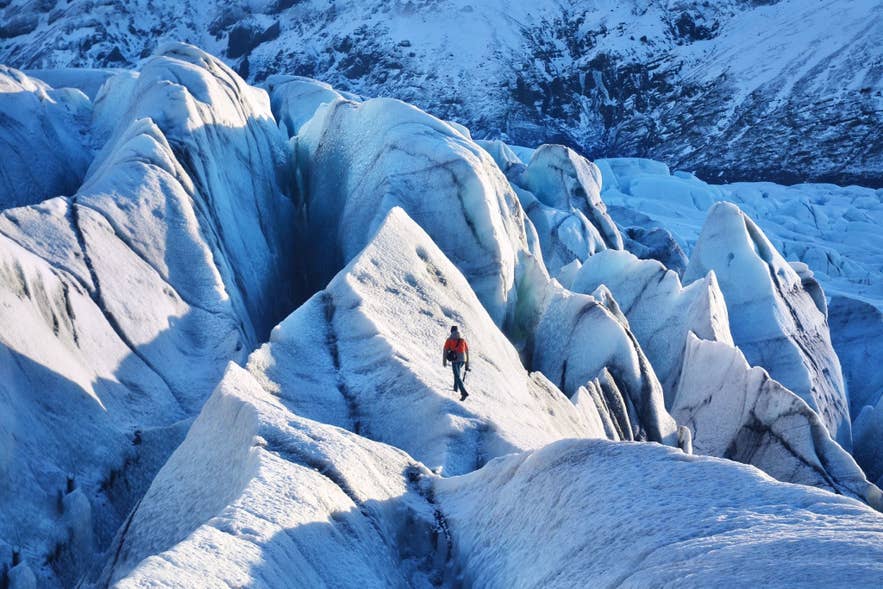
You can see ancient ice highlighted in a Skaftafell glacier expedition or witness marine life on a dedicated whale watching experience. The blue-ice formations shown on ice caving tours give an even closer look at how the country’s icy terrain evolves.
Start planning your journey with our guide and learn how to explore Iceland’s natural environments responsibly. A little preparation helps protect these landscapes for future visitors.
Key Features
-
Discover how Iceland’s land was formed by strong natural forces like flowing lava, moving glaciers, and shifting plates under the ground.
-
See seabird cliffs, Arctic fox homes, and ocean life in Iceland’s protected environments.
-
Learn how the Gulf Stream affects Iceland’s weather and causes big changes between seasons.
-
Find out how geothermal and hydroelectric systems power homes and cities using almost 100 percent renewable energy.
-
Learn how Iceland fights climate change with global training programs and projects like Carbfix.
-
Find out how Iceland protects nature through parks, reforestation, and soil recovery projects.
-
Get practical tips on how to explore Iceland responsibly while protecting moss fields, nesting sites, and delicate environments.
The Natural Forces That Shaped the Environment in Iceland
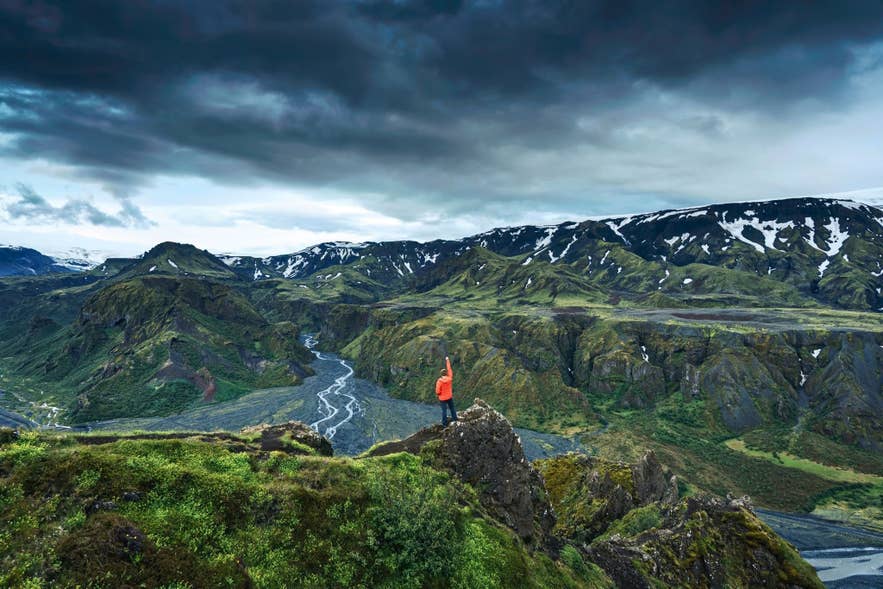 The environment in Iceland is shaped by strong natural forces that still change the land today. Big glaciers, active volcanoes, and earthquakes have made the island’s landscape one of the most special in the world. Each part of the country has its own story, shown in the land, weather, and nature.
Each region has something different to offer, like the icy glaciers in the south, volcanic fields in the north, or colorful geothermal areas in the highlands. Together, they show how nature continues to shape Iceland’s land, weather, and ecosystems.
Glaciers, Volcanoes, and Lava Fields in Iceland
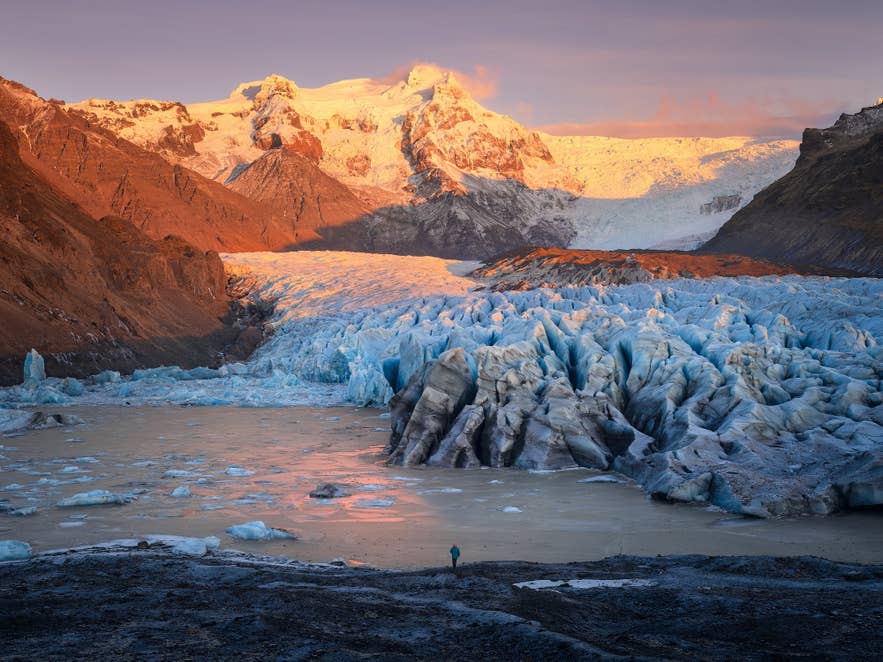 Iceland’s land is shaped by ice and fire. Big glaciers like Vatnajokull cover valleys with thick ice, while volcanoes like Askja can erupt and send lava across the ground. They change the land and help form rivers, lakes, and valleys.
As glaciers slowly move, they carve deep valleys and melt into clear rivers and lakes. When volcanoes erupt, the lava cools and hardens into black rock fields, like the ones at Eldhraun. These natural forces also influence the weather and affect where plants and animals can live.
First-time visitors can explore many of these places safely with a guide. You can walk on Solheimajokull Glacier, visit the lava fields near Lake Myvatn, or see bubbling hot springs up close.
These experiences help travelers understand how Iceland’s land keeps changing. Seeing these natural wonders shows why the country is so special and unlike anywhere else.
Thingvellir and Tectonic Plate Rift
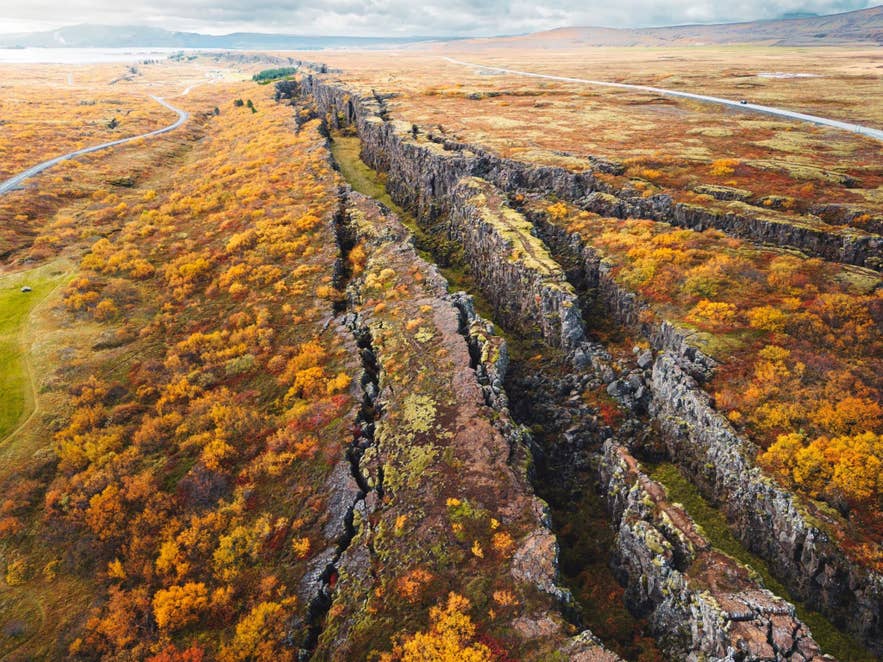 At Thingvellir National Park, you can walk between two massive tectonic plates: the North American and Eurasian plates. This rare location shows how the Earth’s surface slowly moves apart over time.
The deep cracks in the ground are part of the Mid-Atlantic Ridge. This is one of the few places in the world where tectonic plate movement is visible above sea level.
The most striking feature is the Silfra Fissure, a crystal-clear rift between the North American and Eurasian plates. You can even explore in its icy water on a Silfra snorkeling tour, drifting between continents in some of the clearest water on Earth.
Thingvellir is also a UNESCO World Heritage Site and holds great importance in the country’s history. It’s only about 45 minutes from Reykjavik and is often visited on Golden Circle tours. With well-marked trails and stunning views, it’s a great spot to experience Iceland’s natural forces up close.
Geothermal Wonders and Rhyolite Mountains
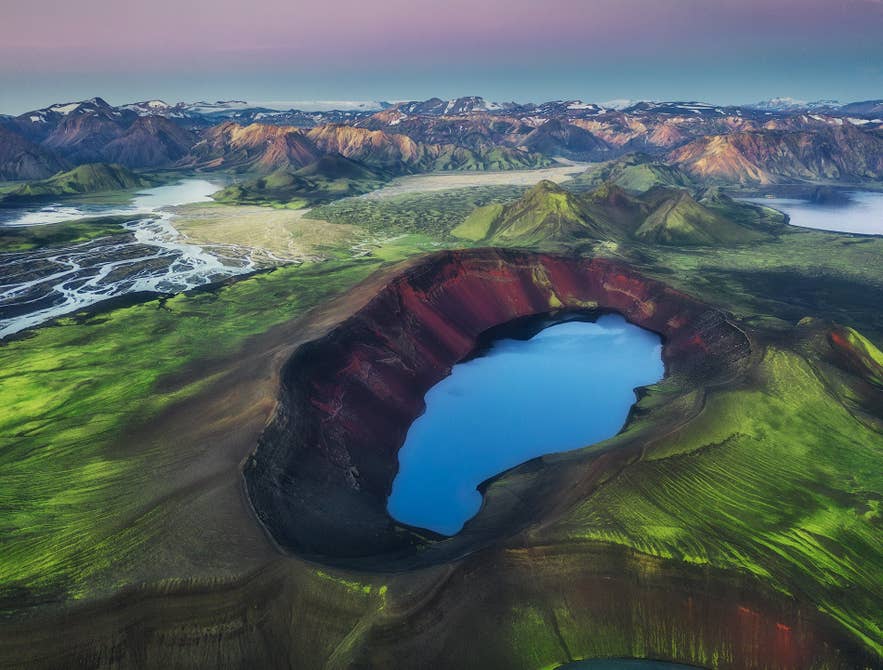 Iceland’s geothermal energy shapes the land in special ways. At the Secret Lagoon and Reykjadalur Valley, hot water forms natural pools, while geysers like Strokkur erupt regularly, shooting boiling water high into the air.
Some mountains, like those in Landmannalaugar, are bright and colorful because of the heat and minerals from deep underground. These areas show the strong power beneath Iceland’s surface. This same energy also causes volcanoes to form and shape the land.
If you’re visiting Iceland for the first time, it’s easy to explore these geothermal spots. You can go on a Reykjadalur hot spring tour, wander past steaming vents, or join a Landmannalaugar hiking trip to experience colorful geothermal landscapes up close. These are some of the most exciting parts of the Icelandic landscape.
Waterfalls and Black-Sand Beaches
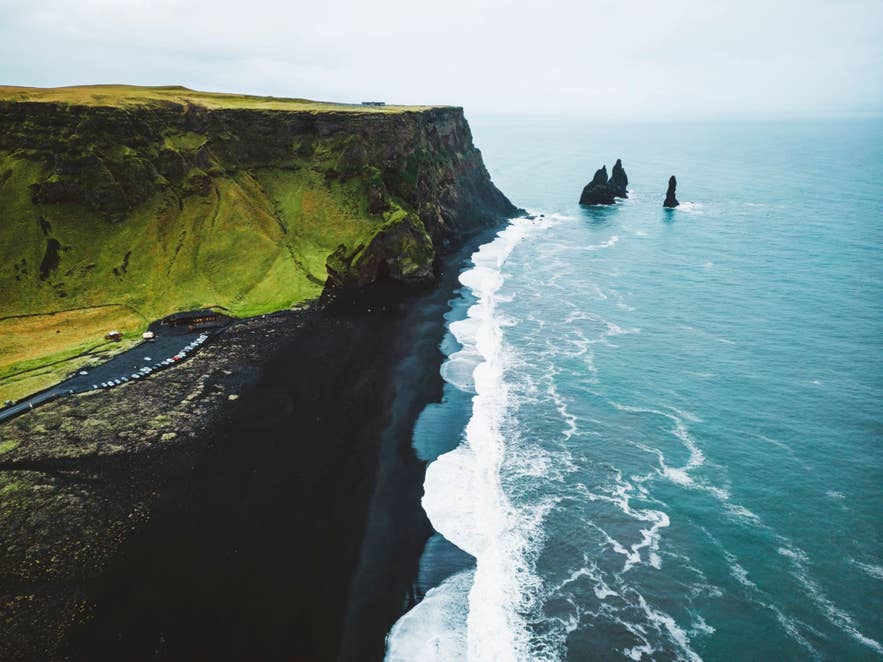
Iceland’s waterfalls and black-sand beaches are shaped by powerful natural forces. Seljalandsfoss formed where glacial meltwater flows over ancient sea cliffs, creating a narrow cascade you can walk behind. Reynisfjara’s Black-Sand Beach was created from lava that cooled, broke apart, and was ground into dark volcanic sand by the ocean.
The southern coast is full of dramatic landscapes shaped by erosion, storms, and volcanic activity. Tall basalt sea stacks rise offshore, cliffs line the coastline, and strong Atlantic waves constantly reshape the shore. These natural forces create views that change with every stretch of the drive.
If you’re new to traveling in Iceland, the Ring Road is the main highway that circles the island. Many of the best attractions along the Ring Road are easy to reach on a first trip, and they give you a clear sense of the country’s varied landscapes. Renting cars or joining guided tours is a smart way to see these places.
The Role of Weather and Seasons in Iceland’s Environment
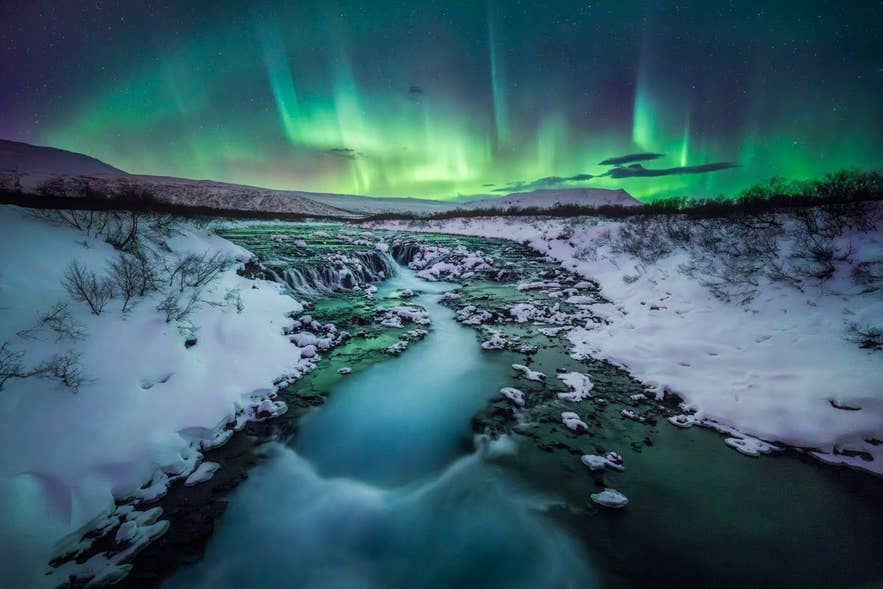 Iceland’s weather changes fast because of its northern location and seasons. You might see sunshine, rain, and snow all in one day. Learning about the climate helps you prepare and enjoy your trip safely.
Each season offers something different. Summer has long daylight hours, while winter brings snow and northern lights. Knowing what to expect during the year helps you choose the best time to visit Iceland for your plans.
Summer - Growth and Activity in Iceland’s Nature
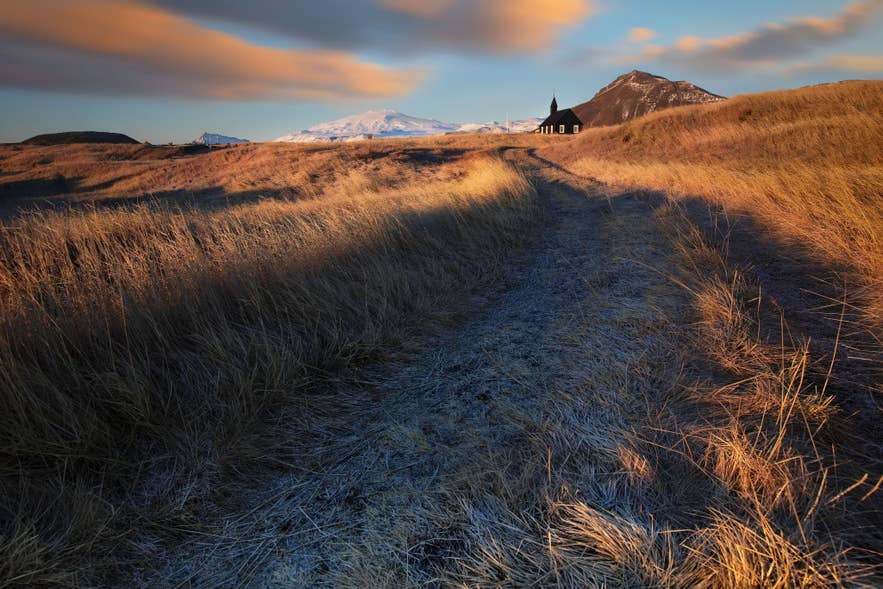 From June to August, Iceland has very long days because of the midnight sun. Temperatures stay between 50 F and 59 F (10 C to 15 C) during summer in Iceland.
During this short season, Icelandic moss, grass, and small bushes grow quickly across lava fields, wetlands, and open land. Flowers bloom in valleys, and sheep roam freely, feeding on the fresh plants that grow in warm weather.
At the same time, puffins, Arctic terns, and other birds in Iceland arrive to nest on coastal cliffs. Melting glaciers send water into rivers and wetlands, supporting fish populations and creating vital feeding grounds for seabirds and their chicks.
However, this seasonal burst of life also brings challenges. Foot traffic can damage delicate Icelandic moss and disturb nesting birds.
Staying on marked paths, avoiding nesting cliffs, and choosing eco-certified tours helps protect Iceland’s fragile ecosystems during the busy summer months.
Winter - Snow, Ice, and a Slower Natural Pace
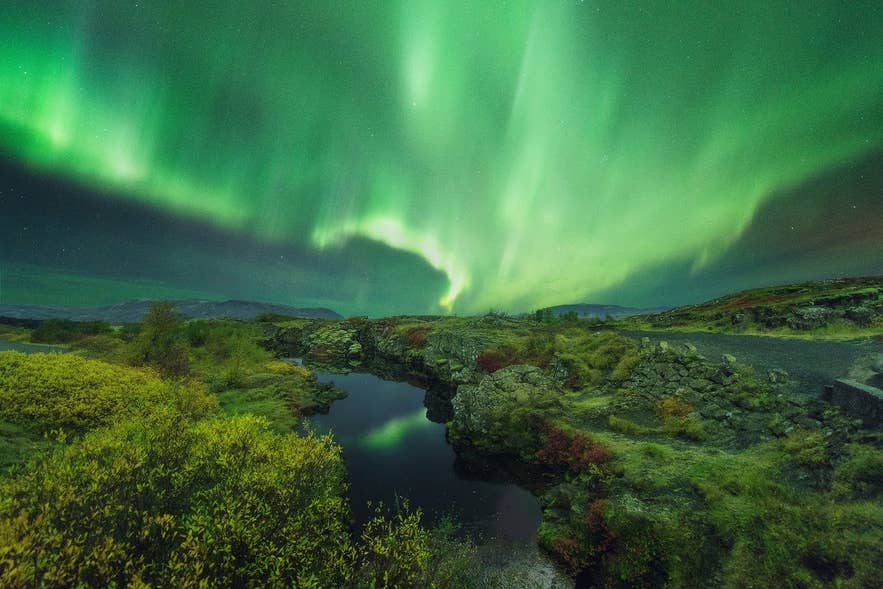 Winter in Iceland lasts from November to March and brings snow, icy roads, and very short days. With only 3 to 5 hours of daylight in midwinter, plants stop growing, and the land becomes quiet and frozen.
Many birds leave for warmer places, but animals like the Arctic fox stay active with their thick winter fur. Fish move slowly in cold rivers, and most wildlife focuses on staying warm and finding food during winter.
Glaciers in Iceland stay frozen in the cold months, and beautiful blue ice caves form inside some of them as water refreezes. These caves are safest to explore on glacier tours in Iceland with experienced guides.
The northern lights often appear in winter skies, glowing green, pink, or purple. Winter conditions can also hide hot springs, moss fields, and soft ground under snow, making the terrain difficult to navigate. A guided northern lights tour helps you experience the auroras safely while protecting Iceland’s fragile landscapes.
Traveling in winter needs extra care. Always check the weather and road conditions. Use a strong winter-ready vehicle and wear warm, layered clothes. Follow local advice and stay on marked paths to protect nature and enjoy your trip safely.
Spring and Autumn - Shifting Light and Environmental Transitions
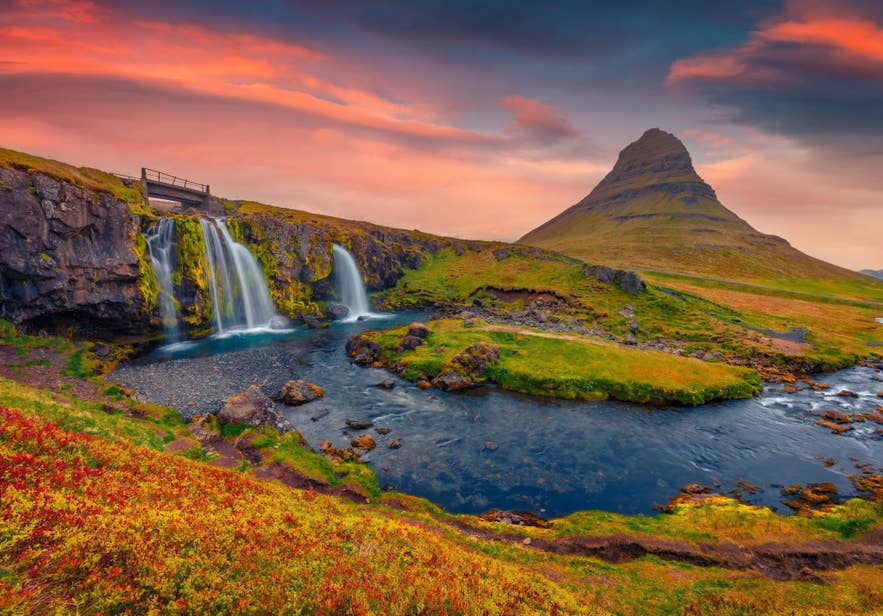 Spring in Iceland runs from April to May. Melting snow uncovers moss and young plants, wetlands fill with fresh water, and migrating birds return to nest. Rising rivers support new growth and help fish travel through the waterways.
Autumn lasts from September to October. Plants lose their summer color, birds begin their journey south, and animals search for food before winter. Cooler days and earlier sunsets mark a season full of natural change.
Weather can change quickly during these seasons. Sunshine may turn into rain, sleet, or snow within a few hours. These fast changes affect river levels and trail conditions, so visitors need to take extra care when exploring nature.
Fewer tourists come during spring and autumn, which gives the land time to rest. These seasons are also sensitive times when moss and wildflowers grow back. Even light footsteps or shifting weather can disrupt their fragile growth.
Respecting nature is important in every season. During spring and autumn, avoid walking on soft, wet ground and stay away from bird nesting areas. Choosing local tours that follow eco-friendly rules is the best way to explore Iceland responsibly.
Wildlife and Plant Life in Iceland
 The environment in Iceland is shaped by isolation, harsh climates, and limited forest cover, which directly influences its wildlife. Despite these conditions, the country is home to a variety of seabirds, marine life, and resilient land animals. Its ecosystems are fragile, yet they remain vital to Iceland’s natural identity.
Puffins, Terns, and Coastal Bird Cliffs
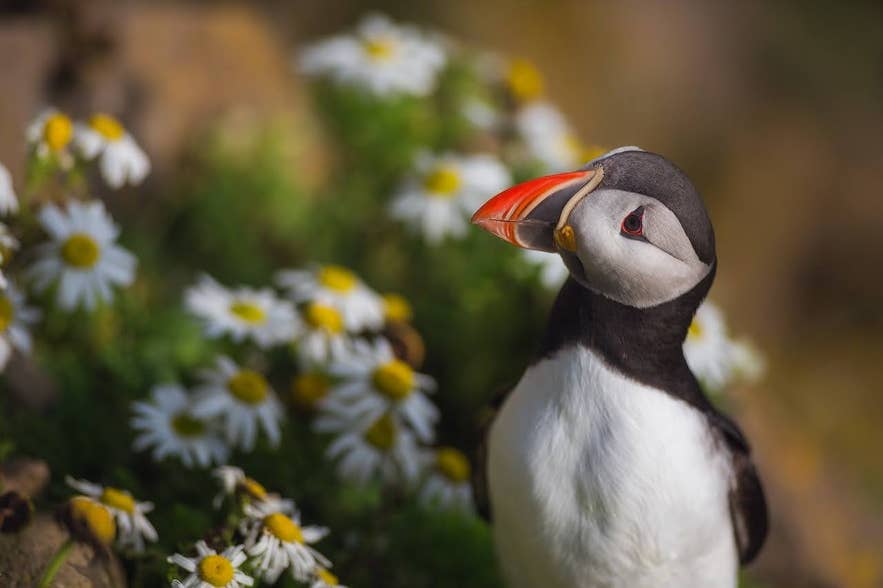
Every summer, millions of seabirds come to Iceland to nest. Puffins gather on grassy cliff edges, while Arctic terns fill the skies with fast, swooping flights as they defend their nesting areas.
Some of the best coastal bird cliffs include Dyrholaey in the south and Latrabjarg in the Westfjords. These viewing points let you observe large bird colonies safely and up close.
Summer is the best season for birdwatching tours in Iceland. Many bird colonies are close to roads or hiking trails. Bring binoculars for a better view, and always stay a safe distance from the birds to avoid disturbing them.
Before heading out to go birdwatching in Iceland, it’s a good idea to wear warm clothes, as weather conditions can change quickly. Even in summer, it can be windy or rainy. A rain jacket and sturdy shoes will help you stay comfortable while exploring the coast.
Whales, Dolphins, and Seals
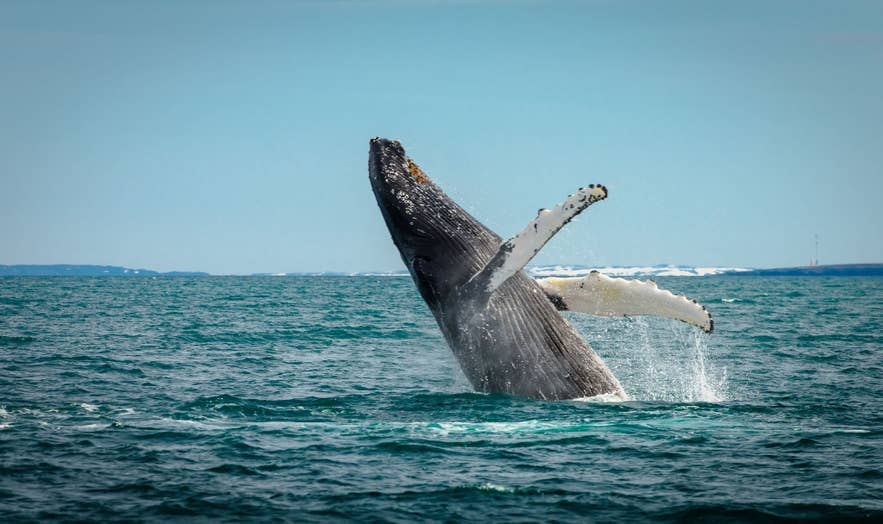
 The waters around Iceland are part of a rich natural environment. Many whales, dolphins, and seals live near the coast. Whale watching is a popular activity that lets visitors see marine life and enjoy the ocean around Iceland.
Tours run all year, but summer is the best time to see more whales and enjoy calmer seas. You can join whale watching tours from Reykjavik, Husavik, or Akureyri. These boat trips offer a special way to connect with nature and see wildlife up close.
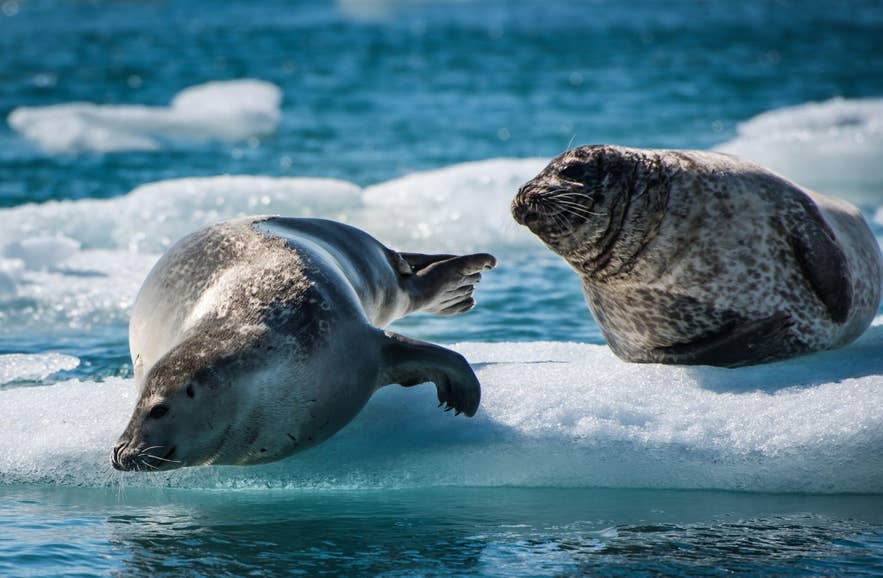
Dolphins, especially white-beaked dolphins, are often seen on whale watching tours as they swim near boats or leap through the waves. Seals are easier to spot from land, with Ytri Tunga Beach on the Snaefellsnes Peninsula offering reliable views of them resting along the shore.
Even in summer, it can be cold and windy at sea. Dress in warm layers and wear a rain jacket. Some tours provide extra clothing to keep you dry and comfortable while exploring the marine environment in Iceland.
Arctic Foxes and Wild Reindeer
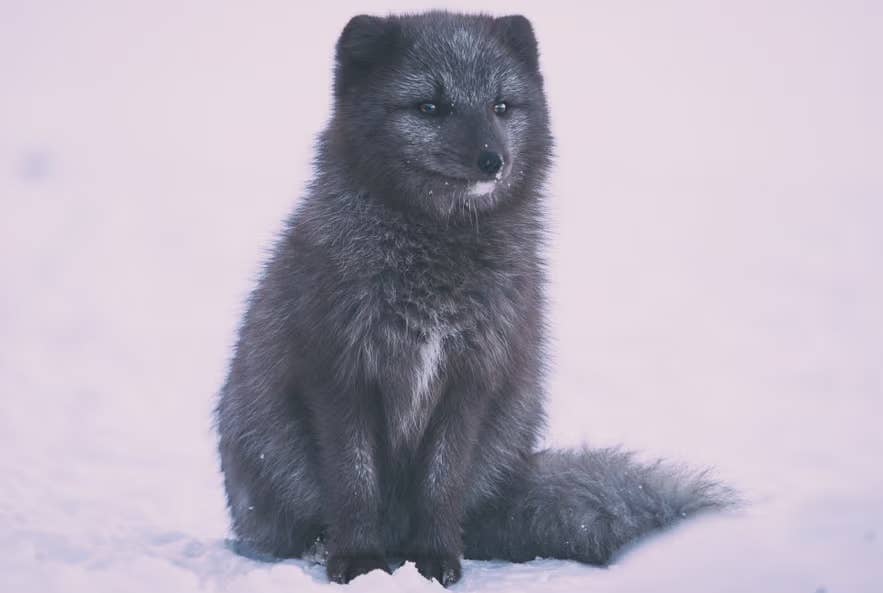 The Arctic fox is the only land mammal native to Iceland. It lives in several parts of the country, especially the Westfjords. In East Iceland, you might spot wild reindeer, especially in quiet highland areas with little human activity.
These animals are shy and hard to spot, so going on wildlife tours with a local guide increases your chances. Always keep a safe distance and avoid feeding wildlife, as this prevents stress, keeps their behavior natural, and supports healthy ecosystems in Iceland.
Using binoculars or a camera with zoom lets you watch wildlife without getting too close. Seeing animals in their natural habitat can be a special part of your trip and shows the beauty of the environment in Iceland.
Icelandic Horses
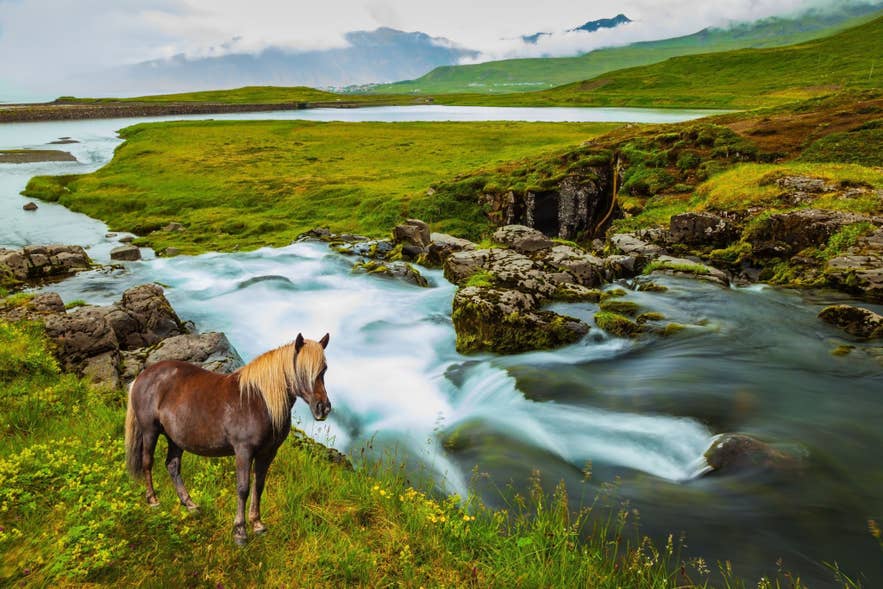 Icelandic horses are one of the country’s most iconic animals, known for their small size, calm nature, and unique gaits like the smooth tolt. These hardy horses have lived in Iceland for over 1,000 years and play an important role in the nation’s culture and rural life.
Riding an Icelandic horse is a memorable way to experience the landscape. You can join guided horse-riding tours that explore lava fields, valleys, and coastal paths, with options for beginners and experienced riders. A popular choice is this horse riding tour in Iceland, which lets you enjoy nature from a peaceful and traditional perspective.
Moss, Birch Forests, and Wetlands
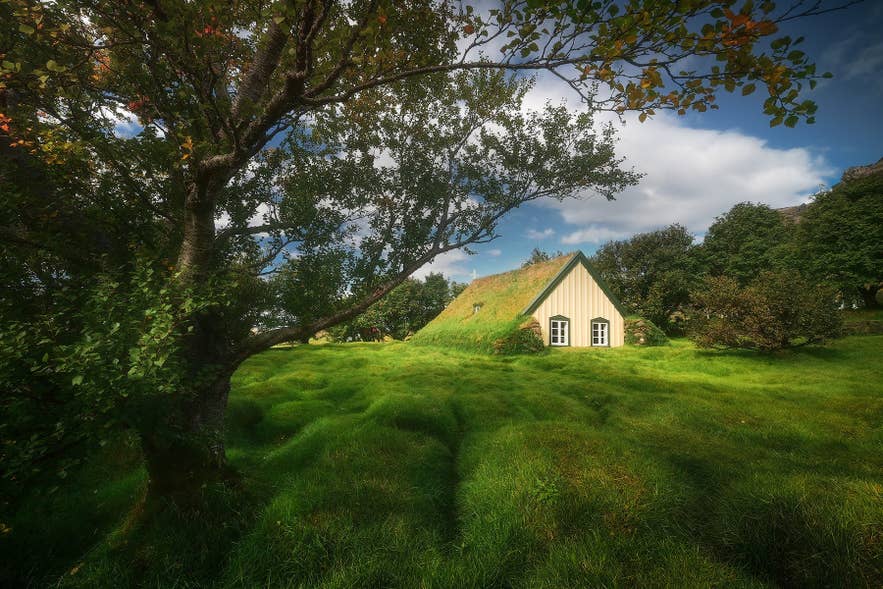 Iceland’s plant life is limited but very unique. You’ll find soft green moss covering the lava fields of Eldhraun and small birch trees in areas like Hallormsstadaskogur Forest. Quiet wetlands such as Thjorsarver also support birds and rare plants. These landscapes are important parts of Iceland’s fragile natural environment.
Even though the land looks strong, it can be easily damaged. Moss grows very slowly and does not recover quickly. Stepping off marked paths may harm the plants and soil.
With more tourists visiting each year, the environment in Iceland faces more pressure. Conservation is now a top priority. By following local rules and respecting nature, travelers can help protect these special places for the future.
Environmental Pressures From Climate Change and Tourism
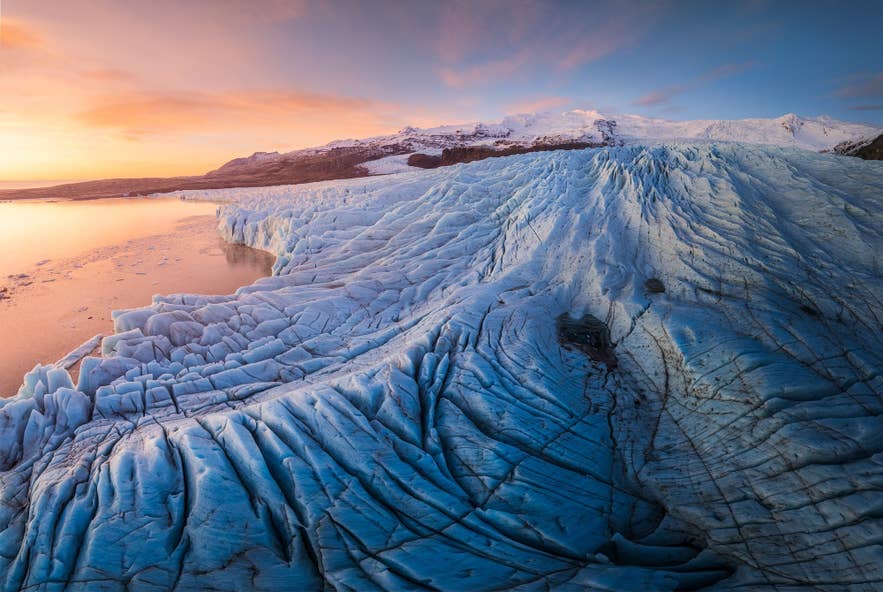 The environment in Iceland is under more pressure because of climate change and growing tourism. These problems affect nature, local communities, and conservation work.
One big concern is melting glaciers. For example, parts of Vatnajokull Glacier have melted a lot in the past 20 years. This also changes rivers, which can flow differently or dry up in some areas. At the same time, the weather is more extreme, and fragile ecosystems face more stress from changing conditions.
Tourism brings money and jobs, but it also causes harm. Too many visitors can damage mossy lava fields and hiking trails. Birds and other wildlife can also be disturbed, especially when visitors get too close to their nesting areas during spring and summer.
To deal with these challenges, Iceland is taking steps to protect its environment. This includes setting land aside as national parks, finding climate solutions, and leading efforts against climate change. Visitors also play an important role by traveling responsibly and helping to care for the environment.
Conservation and Environmental Protection in Iceland
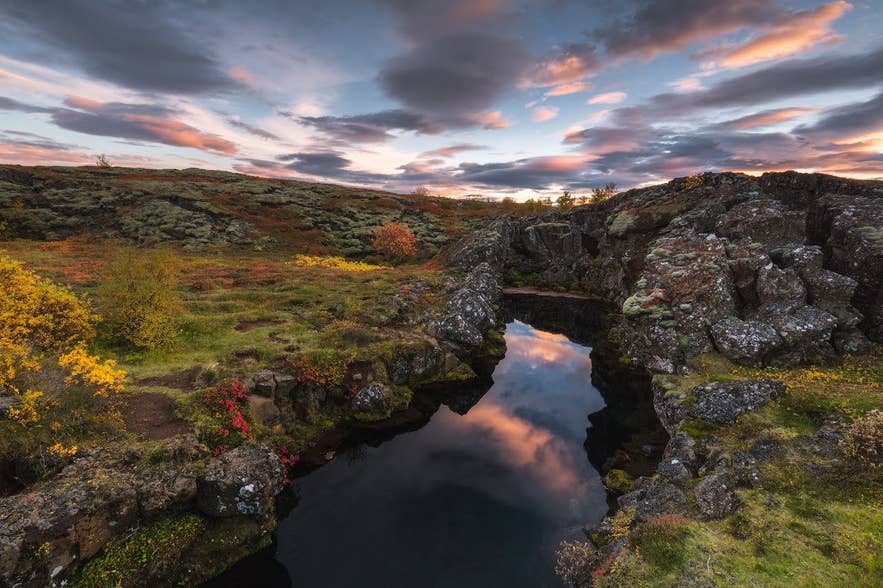 Conservation is important to protect Iceland’s fragile land and natural resources. With more tourists visiting each year and climate change affecting nature, many people now see protecting Iceland’s landscapes as a shared goal.
Iceland has three national parks: Vatnajokull, Snaefellsjokull, and Thingvellir. These parks protect glaciers, volcanoes, and historic sites. They also give space for wildlife and plants to live and are some of the country’s most important natural areas.
National parks limit building developments and control visitor access to avoid damage. They also help teach travelers about nature. People who visit these parks can explore safely and learn how to protect Iceland’s land, water, and wildlife.
Restoring damaged land is an important part of this work. Iceland is bringing back birch forests, reducing soil erosion, and planting native trees. These actions help support the recovery of natural areas and keep nature healthy across the country.
Iceland’s Leadership in Renewable Energy
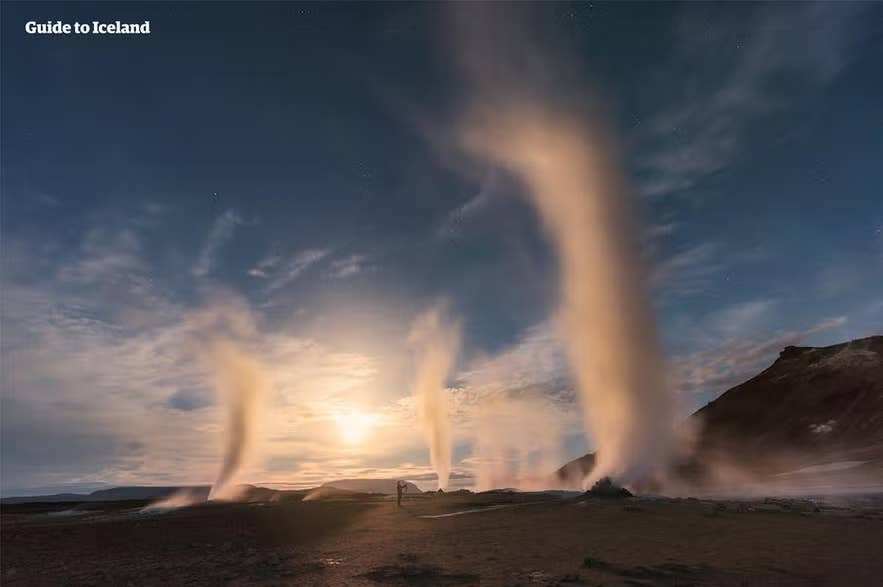 Iceland is known around the world for its clean energy. Most of the country’s power comes from hydroelectric and geothermal sources. This helps both people and the planet by using natural energy in a smart way.
The government also has big goals to reduce pollution. Plans include cutting factory emissions, using more green transportation, and building better clean-energy systems. These steps help protect the environment and keep Iceland a role model in the fight against climate change.
Climate Innovation and Global Leadership in Iceland
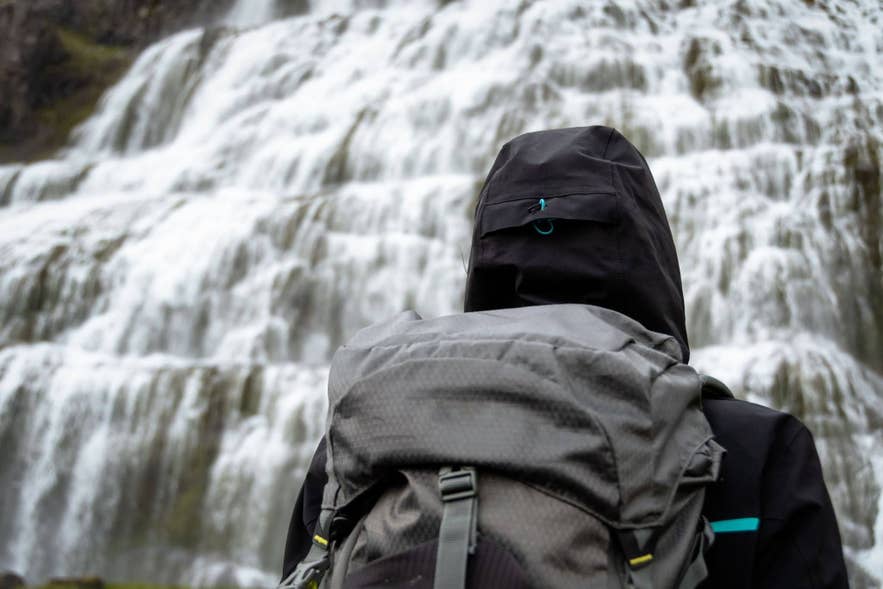 Iceland is seen as a leader in climate solutions thanks to science, new technology, and strong government plans. These actions help protect the environment in Iceland and support global efforts, too.
One important project is called Carbfix. It captures carbon dioxide from the air and stores it underground by turning it into rock. This safe method is one of the best in the world and is now used as a model.
Iceland also shares its knowledge with other countries. Engineers from places like Ethiopia and Kenya come to Iceland to learn about geothermal energy. This makes Iceland a center for clean energy training and global cooperation.
The government continues to support the environment with strong climate rules. It plans to cut greenhouse gases by 40 percent before 2030 and become carbon neutral by 2040. These goals show real commitment to a cleaner future.
How To Travel Responsibly in Iceland
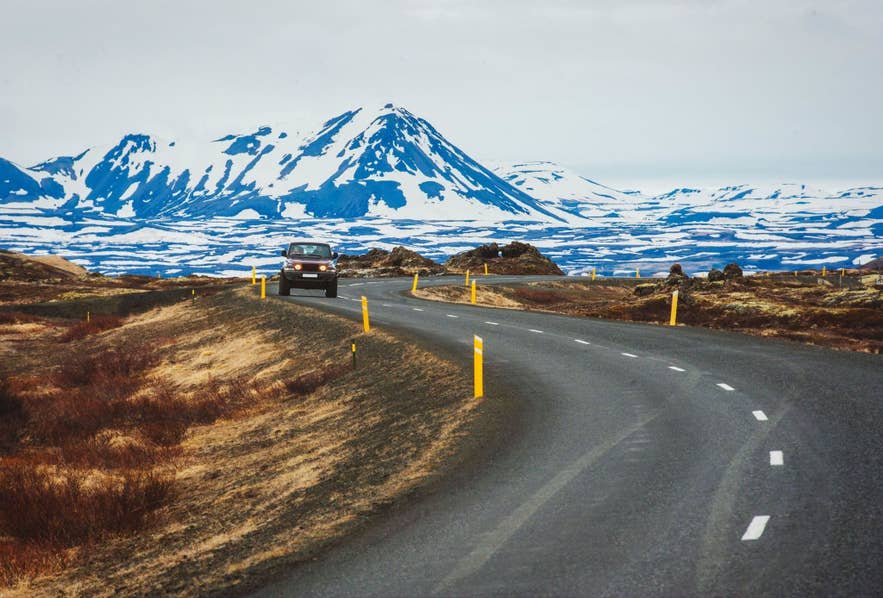 Iceland’s nature is one of its greatest treasures, but also one of its most fragile. As more people visit, it’s important to explore the country with care and respect.
Traveling responsibly means knowing how to protect delicate landscapes, avoid harming wildlife, and support the communities that help care for this unique environment. This section shares practical tips to help you enjoy Iceland’s natural beauty while keeping it safe for future generations.
Know Iceland’s Regions Before You Go
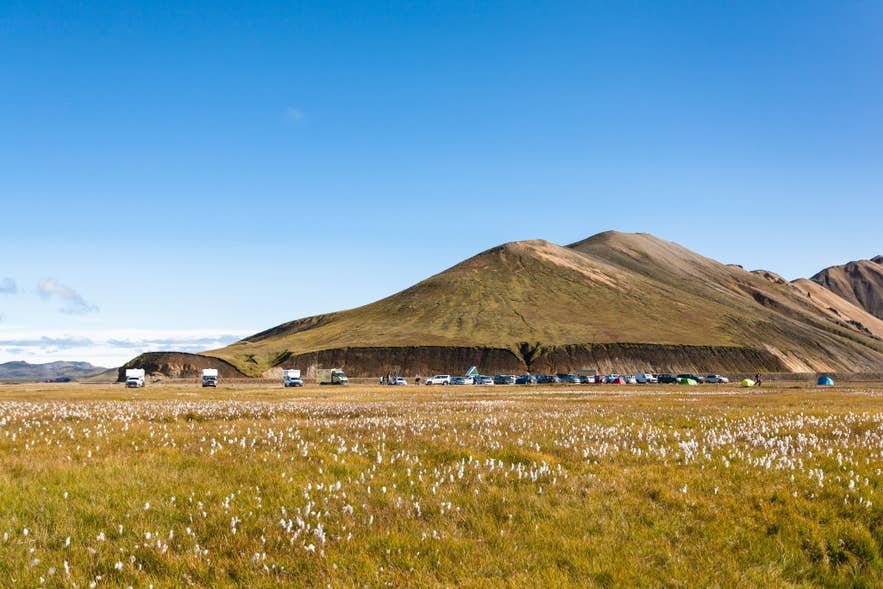 Before you explore Iceland’s environment, it helps to understand the land you are stepping into. Each region has unique natural features and fragile ecosystems that deserve care and respect. Traveling responsibly starts with learning how geography, access, and nature vary across the country.
The South Coast is one of the most visited areas, home to popular waterfalls, black-sand beaches, and glaciers. These sights are easily accessible but also under pressure from foot traffic and weather-related erosion. Staying on marked paths is especially important here.
West Iceland features dramatic fjords and volcanic landscapes. Some areas are well developed, while others are quiet and rural. Respect for farming areas and local land boundaries is part of responsible travel in this region.
The north is known for whale watching and geothermal baths. Wildlife is a key attraction here, so it is important to observe from a distance and avoid disturbing animals, especially around coastal nesting sites.
East Iceland is less crowded, offering peaceful fjords, forests, and chances to see wild reindeer. Because it is quieter, it is also more sensitive to disturbance. Travelers should follow local advice and tread lightly on trails and natural areas.
The Highlands sit in the center of the country and offer a raw, untouched experience of Iceland’s wilderness. The roads here, known as the F-roads, are rough and only open in summer. You will need to rent 4x4 vehicles, and traveling with a guide is often the best way to minimize your impact and avoid damaging sensitive terrain.
Iceland’s main road is called the Ring Road, or Route 1. It circles the island and connects most towns and natural sights. The road is about 828 miles (1,332 kilometers) long and is easy to follow. Driving the whole Ring Road usually takes 7 to 10 days. The Highlands are not on this road.
Planning your trip by region helps you travel smarter. Weather, road conditions, and available services change across the island. Careful planning helps reduce strain on the land and communities while making your journey safer and more rewarding.
Pack Smart and Sustainably
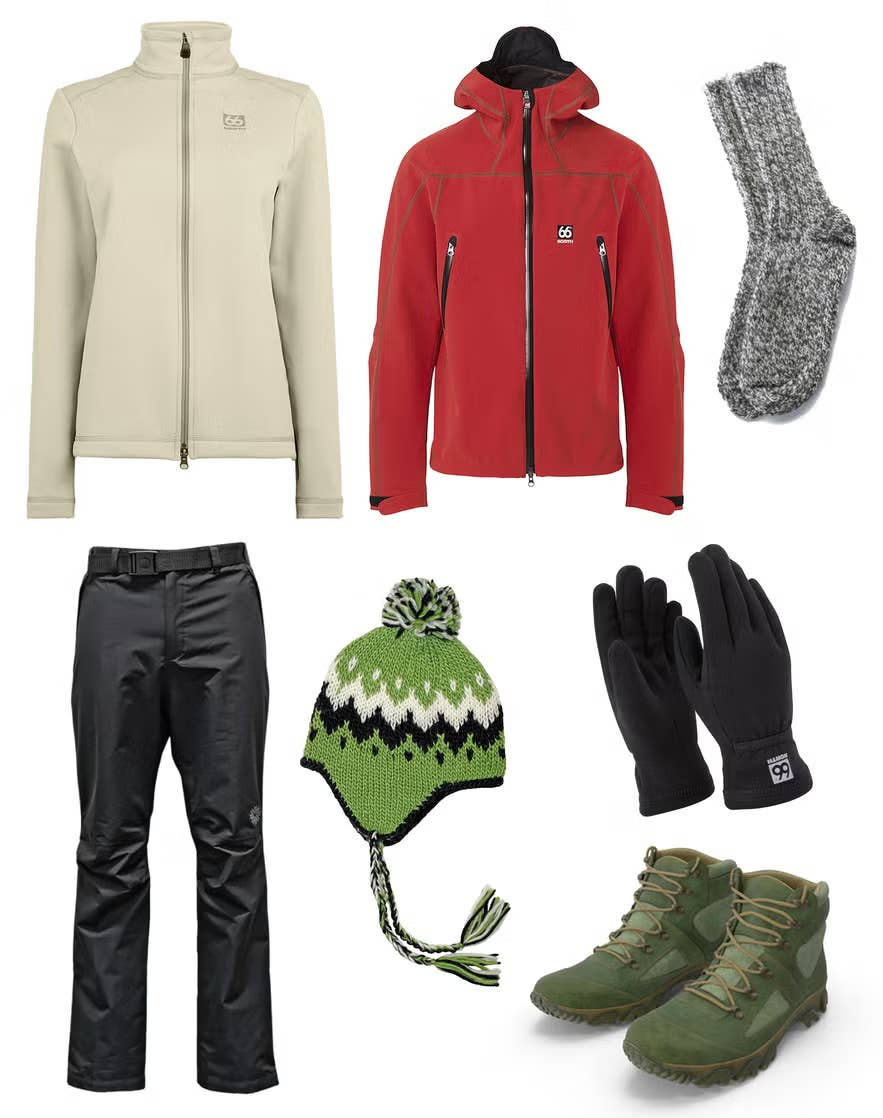
Iceland’s weather changes quickly, so knowing what to wear in every season is important. Dress in layers that you can add or remove as needed. A warm jacket, a waterproof coat, and strong walking shoes are useful year-round, especially for walking in cold or wet conditions.
In winter, you may need crampons to walk safely on icy paths. In summer, lighter clothes and a rain jacket usually work well. Even during warmer months, sunshine can quickly turn to rain or strong winds.
To help protect nature, pack eco-friendly items. Bring a reusable water bottle, as Iceland’s tap water is clean and safe to drink. A small bag for your trash helps keep the surroundings clean for everyone.
Travel gear can also make your trip easier. A power bank keeps your phone charged when you are far from towns. Offline maps are useful in remote areas without internet. These small items help you explore safely while showing respect for Iceland’s natural environment.
Travel With Care for Nature and Wildlife
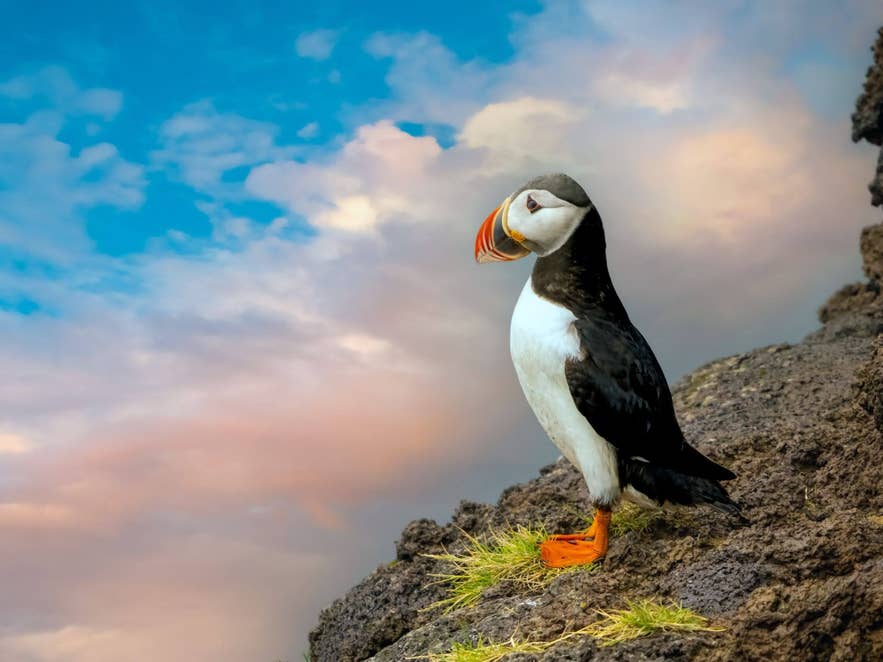 Travelers play an important role in protecting the environment in Iceland. By following simple guidelines, you help reduce your impact and support sustainable tourism. Even small actions make a difference.
Always stay on marked trails and avoid off-road driving, as this can cause permanent damage to moss and soil. The land may look tough, but it is easily harmed and takes years to recover.
Respect wildlife by keeping a safe distance, especially near nesting areas in spring and summer. Birds can become stressed if people get too close or make loud noises. Quiet observation protects animals and lets you enjoy them in their natural space.
Visitors can also support sustainable travel by choosing eco-certified tours and using water and energy wisely. Supporting local businesses strengthens communities and promotes environmentally friendly tourism across the country.
Be Prepared and Stay Safe in Nature
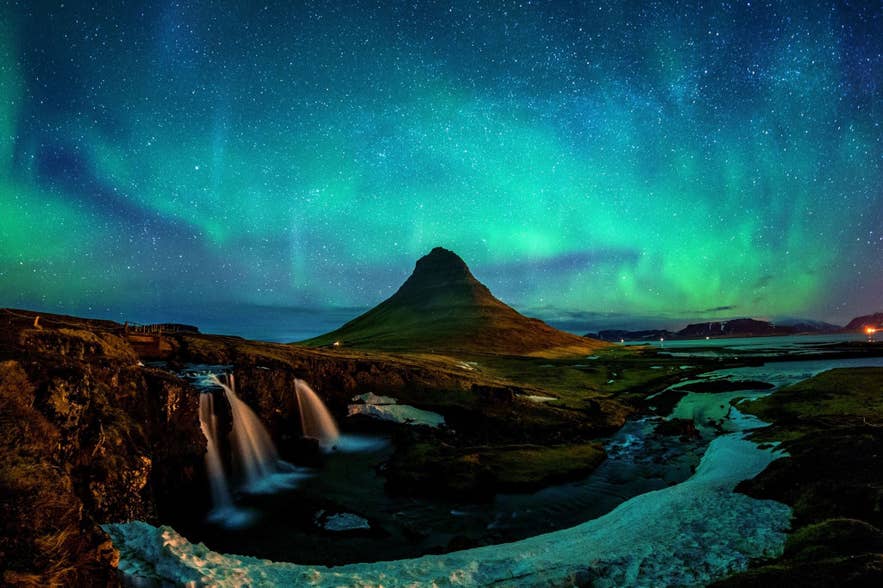 Iceland is a land of stunning beauty, from black-sand beaches to glaciers and volcanoes. With a bit of planning, you can explore these places safely while helping protect them.
Nature in Iceland is powerful. Waves at beaches can be strong, some hot springs may be too hot to touch, and icy paths in winter can be slippery. Learning about these places helps you stay safe and enjoy them more.
Before traveling, always check the weather and road conditions. Iceland’s weather can change quickly, but helpful websites like vedur.is (for weather), umferdin.is (for road conditions), and safetravel.is (for travel safety) offer reliable updates.
Joining guided tours is a great way to explore safely. Expert guides know the land and can provide safety gear. Staying informed and aware of your surroundings is one of the best ways to enjoy Iceland’s nature safely and respectfully.
Travel Etiquette for Protecting Iceland’s Nature
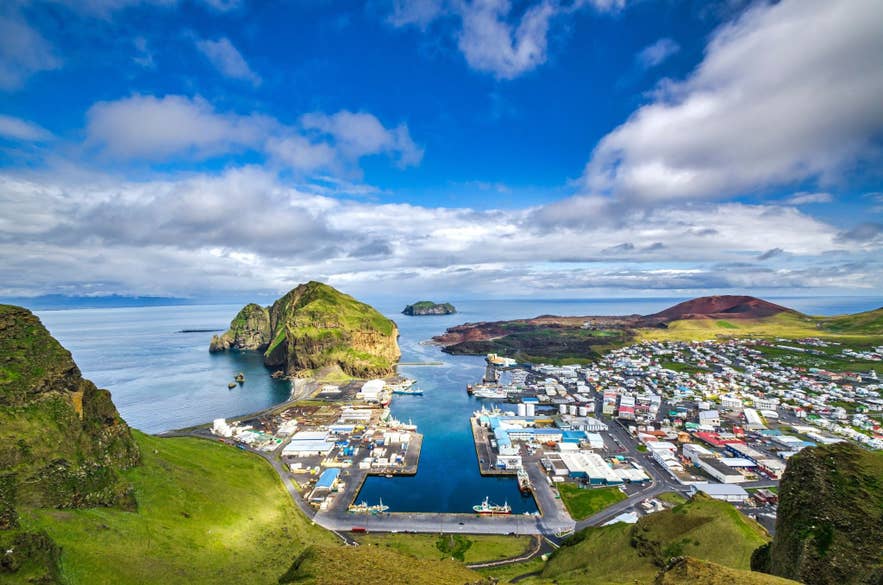 When hiking or exploring, always stay on marked trails. The moss and soil in Iceland are very delicate. Walking off the path can cause long-lasting damage that may take years to recover. Even one step on moss can leave a mark.
It’s also important to respect private land and local signs. Do not cross fences or go into areas that are closed. Signs are there to protect both the environment and visitors. Always follow local rules and stay on public paths.
When watching wildlife, keep a safe distance and avoid making loud noises. Birds, especially during nesting season, can become stressed if people get too close. Quiet observation helps protect animals and lets you enjoy them in their natural space.
Final Thoughts on the Environment in Iceland
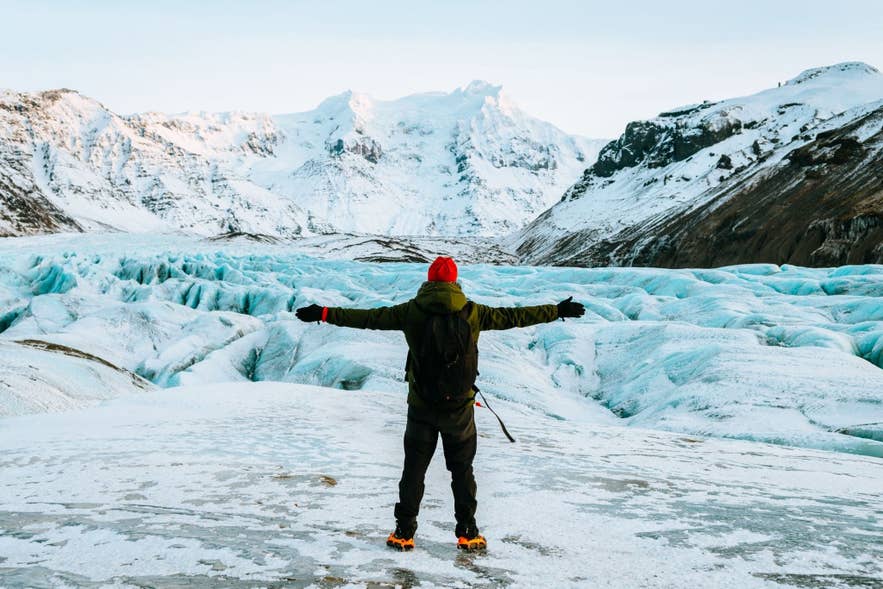 Iceland is full of rare and powerful natural features, from glaciers and volcanoes to moss-covered lava fields and black-sand beaches. These landscapes are not only beautiful but also fragile and important to the planet.
Thanks to strong conservation efforts, much of Iceland’s environment is still in good condition. National parks, clean energy systems, and reforestation projects show what sustainable progress can look like. Still, the country faces future risks from climate change and increasing tourist pressure.
As a visitor, your actions matter. Respect local guidelines, support eco-certified services, and choose low-impact ways to explore. Together, we can help preserve Iceland’s environment for future generations. Travel with care, and be part of the solution.
What’s the ideal time to visit Iceland’s environment?
How is Iceland affected by climate change?
The country is also seeing more extreme weather, including heavy rain, strong winds, and shifting seasonal patterns that affect local ecosystems.
What environmental damage comes from too many tourists?
Is Iceland still cold despite its name?
How can I support eco travel in Iceland?
What part of Iceland’s environment inspires you the most? Is it the glaciers, geothermal areas, or local wildlife? Please leave a comment below and share with us how you plan to explore Iceland responsibly.

I’m Rebecca, Head of Content at Guide to Iceland. I’ve lived in Reykjavík for almost a decade and have traveled across the country in every season. I care about making travel information easy to find, accurate, and genuinely helpful.