Explore the largest selection of wildlife tours in Iceland at the lowest prices guaranteed!
Best Wildlife Tours in Iceland — Largest Selection & Cheapest Prices Guaranteed
Choose from Iceland's largest selection of wildlife trips. See puffins, whales, and seals along the coast, and arctic foxes and reindeer roaming the countryside.
"Thanks to Guide to Iceland, I had an unforgettable adventure with expert, friendly service providers. Everything was perfect and exceeded my expectations!"
Discover the advantages that make us the most trusted choice for your adventure in Iceland
Iceland’s Leading Travel Agency
Recognized as Iceland's Leading Travel Agency for 8 consecutive years at the World Travel Awards, we are the most trusted source for planning your Icelandic adventure.
Best Price Guarantee
We guarantee the lowest prices for all our tours. If you find a better price elsewhere, we'll match it; that’s how confident we are that you won’t find better prices anywhere else.
Expert Local Guidance
Benefit from the insights of local experts who have curated and quality-checked every tour, ensuring authentic and memorable experiences.
Largest Selection of Services
With over 2000 tours, we offer the most extensive range of tours and activities across Iceland, ensuring you find the perfect experience for your interests and schedule.
Free Cancellation & Easy Booking
Enjoy peace of mind with our flexible booking options, including free cancellation policies that allow you to plan your trip with confidence.
Multilingual 24/7 Customer Support
Our dedicated support team is available to assist you 24/7 in 14 languages. We promise you help within seconds, ensuring you're never left waiting.
VIP Club
Book with us for exclusive discounts at Iceland’s best places, helping you save big on your trip to Iceland.
Iceland’s Leading Travel Agency
Recognized as Iceland's Leading Travel Agency for 8 consecutive years at the World Travel Awards, we are the most trusted source for planning your Icelandic adventure.
Largest Selection of Services
With over 2000 tours, we offer the most extensive range of tours and activities across Iceland, ensuring you find the perfect experience for your interests and schedule.
Best Price Guarantee
We guarantee the lowest prices for all our tours. If you find a better price elsewhere, we'll match it; that’s how confident we are that you won’t find better prices anywhere else.
Free Cancellation & Easy Booking
Enjoy peace of mind with our flexible booking options, including free cancellation policies that allow you to plan your trip with confidence.
Expert Local Guidance
Benefit from the insights of local experts who have curated and quality-checked every tour, ensuring authentic and memorable experiences.
Multilingual 24/7 Customer Support
Our dedicated support team is available to assist you 24/7 in 14 languages. We promise you help within seconds, ensuring you're never left waiting.
VIP Club
Book with us for exclusive discounts at Iceland’s best places, helping you save big on your trip to Iceland.
We offer so much more
Explore an unequalled wealth of tours and packages
Essential Information About Wildlife Tours in Iceland
Wildlife tours in Iceland provide opportunities to explore the country’s varied ecosystems and observe native animals. Iceland’s coasts, wetlands, valleys, and remote landscapes support puffins, whales, seals, Arctic foxes, and many other species.
Horseback riding, birdwatching, and other animal encounters all ranked among Iceland’s 15 most underrated activities in a 2026 survey of tourism professionals. These activities offer a closer look at Icelandic nature beyond its famous waterfalls, glaciers, and volcanoes.
The best Iceland wildlife tours use knowledgeable guides to help you find animals and understand their behavior and habitats. Responsible viewing practices also reduce disturbance while giving you a better chance of a memorable encounter.
Best Wildlife Tours and Activities in Iceland
Immerse yourself in the wonders of Iceland's untamed wilderness through wildlife tours that unveil the country's unique animals in their natural habitats. Among your top activities are whale watching, puffin watching, and horseback riding.
Whale Watching Tours: Available year-round, whale watching tours depart from Reykjavik, Husavik, and Akureyri. Summer months (May to September) are ideal for spotting humpback whales, minke whales, orcas, and even blue whales in Iceland’s rich coastal waters. Knowledgeable guides enhance the experience by sharing insights about marine life and conservation.
Puffin Watching Tours: Puffins, Iceland’s most beloved seabirds, can be observed during their breeding season from mid-May to mid-August. Our count of Iceland's biggest puffin colonies ranks the ten monitored areas by size and shows which ones raise chicks most reliably. Popular locations include the Faxafloi bay in Reykjavik, Latrabjarg cliffs in the Westfjords of Iceland, and the Westman Islands.
Horseback Riding Tours: Experience Iceland’s breathtaking landscapes while riding the iconic Icelandic horse, a breed renowned for its gentle nature and unique tolt gait. These tours often traverse scenic valleys, black sand beaches, and lava fields, offering an up-close view of Iceland’s natural beauty.
Seal Watching Tours: Seals can often be seen lounging on icebergs or along rocky coastlines. Jokulsarlon glacier lagoon, Vatnsnes peninsula, and Snaefellsnes peninsula are prime destinations for seal watching.
Arctic Fox Safaris: For a truly unique experience, Arctic fox safaris in the Westfjords take you to remote regions to observe Iceland’s only native land mammal. These tours are perfect for those seeking adventure and a glimpse of the elusive Arctic fox in its rugged habitat.
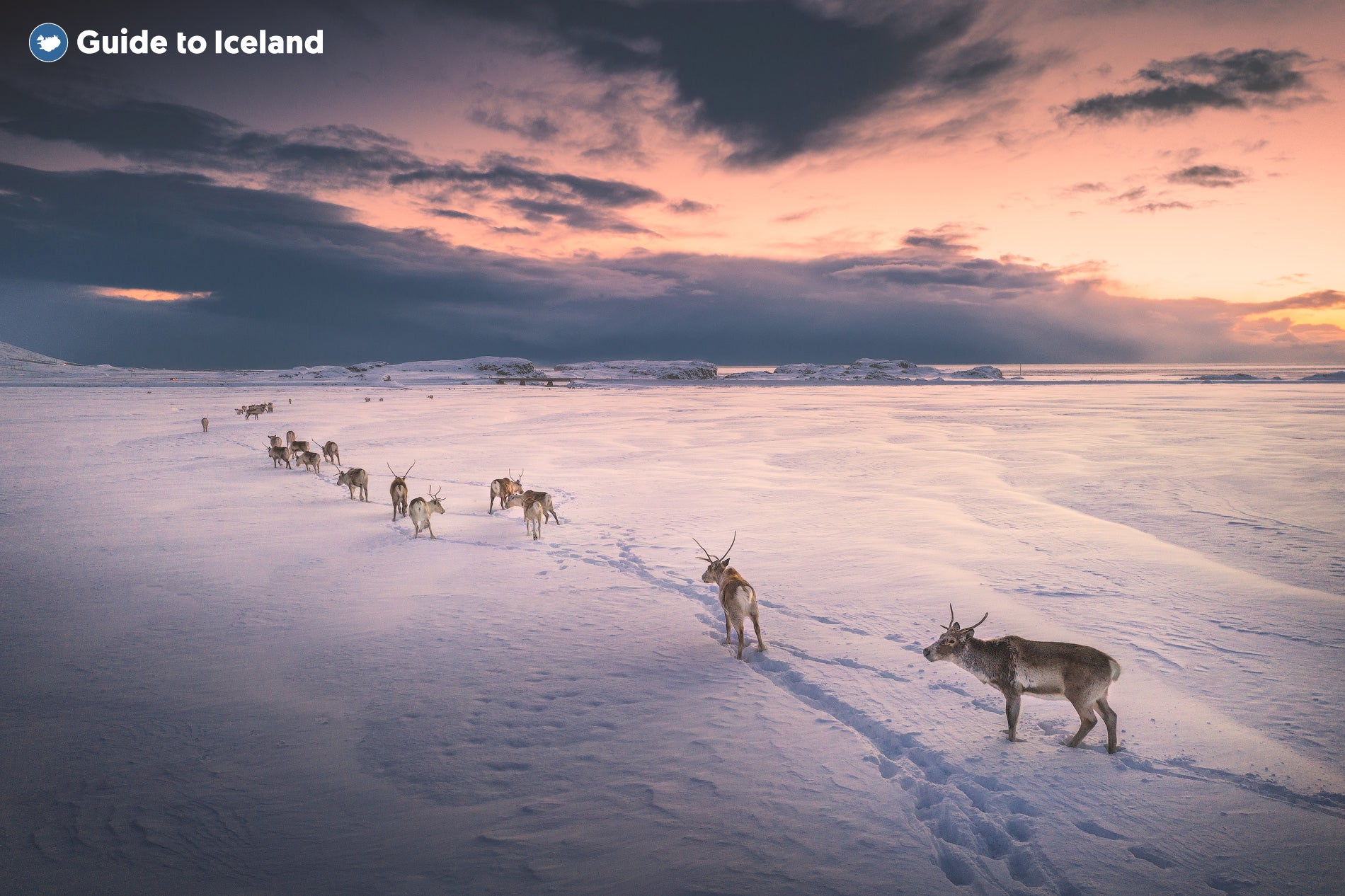
Reindeer Safaris: Explore the Eastfjords of Iceland, the primary habitat of Iceland’s wild reindeer. Our study on where to see reindeer in Iceland found that November through March is the best time to see them, because snow pushes the herds down to the fjord slopes and valleys.
Best Whale Watching Tour in Iceland
Below are your best options to see whales and other marine animals from different locations in Iceland.
The Whale Watching Tour from Reykjavik - Embark on an unforgettable whale-watching adventure from Reykjavik's Old Harbor, where you’ll cruise Faxafloi Bay to spot majestic humpback whales, minke whales, and playful dolphins.
The Whale Watching Tour from Husavik - Discover why Husavik is called the "Whale Watching Capital of Iceland" on this exciting tour that offers some of the best chances to see humpback whales, orcas, and other marine species.
The Whale Watching Tour from Akureyri - Set sail from Akureyri and explore the vibrant marine life of Iceland’s Eyjafjordur fjord, known for frequent sightings of humpback whales and occasional pods of dolphins.
Best Puffin Watching Tours in Iceland
Choose from any guided tours below to see the iconic puffin colonies of Iceland, with chances to see other seabirds.
Puffin Boat Tour from Reykjavik Harbor - Get up close to the charming puffins of Iceland near Reykjavik, where there are plenty of opportunities for incredible photos and memories.
Best Horseback Riding Tours in Iceland
While horses are technically not in the wild, riding the majestic horses of Iceland is an activity you shouldn’t miss. Before choosing where to ride, explore our guide to where to see horses in Iceland, which compares regional herd sizes and highlights notable horse-related locations.
Summer (May to August): Puffins nest along the cliffs, whales are abundant in coastal waters, and seals are often spotted basking on icebergs.
Winter (November to March): Combine northern lights tours with reindeer safaris and dog-sledding activities. Though puffins are absent, the stark landscapes and seasonal wildlife make winter equally enchanting.
Tips for Wildlife Tours in Iceland
For an unforgettable wildlife experience in the land of fire and ice, below are some tips to consider.
Timing Matters: Early mornings and late evenings often offer the best opportunities for wildlife sightings.
Dress for Success: Wear waterproof and windproof clothing, as Icelandic weather can change quickly.
Bring Essential Gear: Binoculars, a good camera, and a reusable water bottle are must-haves for wildlife tours.
Respect Nature: Follow your guide’s instructions to minimize disturbance to animals and their habitats.
Sustainable Wildlife Tourism in Iceland
Iceland places a strong emphasis on sustainable tourism, ensuring wildlife tours protect the country’s natural heritage. Reputable operators follow strict guidelines to avoid disturbing animals and leave minimal environmental impact.
As a traveler, you can contribute by choosing eco-certified tours, respecting wildlife, and leaving no trace behind. Sustainable practices not only preserve Iceland’s ecosystems but also enhance the authenticity of your wildlife experience.
Wildlife in Iceland includes puffins, whales, reindeer, and seals. The Reykjavik hotels suit southern trips; the Akureyri hotels suit the north. Pick a tour above.
Frequently asked questions
What is a wildlife tour in Iceland?
Wildlife tours are excursions that allow you to spot wild animals in their natural habitat in Iceland. These fun tours can either be day trips or multi-day trips. Wild animals that you may be able to spot in Iceland include puffins, seabirds, whales (including orcas), dolphins, horses, reindeer, seals, and foxes.
On these guided wildlife tours, experienced and knowledgeable guides will take you to the best places to view wild animals.
What are the top three wildlife tours in Iceland?
One of the best wildlife tours in Iceland is this Whale Watching tour from Reykjavik. The tour sails through the Faxafloi bay from the scenic Old Harbor of Reykjavik.
Another top-rated wildlife tour in Iceland is this Combination Whale and Puffin Watching Tour from Husavik. The tour is family-run and takes place in Iceland's whale watching capital.
For travelers who prefer a flexible itinerary with optional wildlife tours, this 10-Day Self-Drive Tour of Iceland is your best option. Here, you can add activities like whale watching and horseback riding.
Yes, wildlife tours in Iceland are often considered worth it for nature enthusiasts. The value of these tours depends on individual interests, budget, and success of sighting. But for those who appreciate wildlife and the beauty of Iceland's wilderness, these experiences can be enriching and memorable.
Are wildlife tours in Iceland guided?
Yes, many wildlife tours in Iceland are guided. Knowledgeable guides provide valuable insights into the behavior, biology, and habitats of the wildlife you encounter, enhancing your overall experience. These are also commonly offered in the English language.
Will I learn about the animals on my wildlife tour in Iceland?
Yes, most definitely. Wildlife tours are operated by experienced, knowledgeable and qualified nature guides who will eagerly share interesting information about Icelandic wildlife throughout the trip.
Can I take pictures during wildlife tours in Iceland?
Yes, most wildlife tours encourage photography, and the natural beauty and unique encounters make for excellent photo opportunities. Be sure to bring your camera or smartphone to capture the moments. Sometimes, guides will even share tips on the best way to photograph the animals.
Can I get very close to the wildlife during these tours in Iceland?
Tour operators prioritize the safety and well-being of both participants and wildlife. While some encounters may offer close views, it's essential to respect the animals' natural behaviors and follow the guidelines provided by your guide.
Do wildlife tours operate year-round in Iceland?
Wildlife tours are available year-round, although the best time to spot specific wildlife varies by species and season. It's advisable to check with tour operators for availability and seasonal schedules.
For example, puffin and seabird watching are only primarily available during summer, from May to August.
Are wildlife tours in Iceland family-friendly?
Most wildlife tours in Iceland are family-friendly and cater to travelers of all ages. Boat tours, puffin watching, and guided nature walks are great options for families. However, it’s a good idea to check age restrictions for specific tours, especially those involving long durations or challenging terrain.
Are there age restrictions for specific wildlife tours?
Some tours may have age restrictions due to safety concerns or the nature of the activity. Be sure to check with the specific tour operator to confirm age requirements for the tour you're interested in.
Which regions in Iceland are best for wildlife tours?
Iceland’s diverse regions offer unique wildlife experiences. Reykjavik and Husavik are renowned for whale watching, Latrabjarg cliffs and the Westman Islands are top spots for puffin watching, and the Vatnsnes peninsula is ideal for seal sightings.
Do I need to bring any specific equipment or clothing for wildlife tours in Iceland?
While many wildlife tours provide essential equipment like binoculars and specialized clothing and safety gear for the conditions, it's advisable to come prepared with suitable clothing for the weather. This may include warm clothing, waterproof equipment, and sturdy footwear.
Additionally, if you have specific wildlife-watching equipment, such as high-quality binoculars or cameras, bringing them along can enhance your wildlife-watching experience. It's always a good idea to check with the tour operator for any specific equipment recommendations based on your booked tour.
Will I see an arctic fox on a wildlife tour in Iceland?
Most likely not. Arctic foxes are reserved and generally stay away from people. Despite being the first mammals in Iceland, even predating humans, spotting one in the wild is quite rare.
However, if you join a dedicated Arctic fox watching tour in Iceland, you can maximize your chance to see these shy animals. These tours are only available in remote locations such as the Hornstrandir Nature Reserve in the Westfjords region.
Do wildlife tours in Iceland offer hotel pick-up?
Some wildlife tours in Iceland offer hotel pick-up. Whether the tour includes this or not will depend on the specific tour you choose. If you have selected a wildlife tour with hotel pick-up, you will be picked up from your accommodation. Hotel pick-up is a very convenient option, which can save you time.
This scenic eight-hour horse riding and whale watching day tour includes hotel pick-up. Other wildlife tours offer pick-up from well-known pick-up points in popular cities and towns like Reykjavik or Akureyri.
Meanwhile, other wildlife tours have meet-on-location starting points. Fortunately, these locations, such as Reykjavik’s Old Harbour, are easy to locate.
Do I get dropped off at my hotel after my wildlife tour?
Some wildlife tours offer hotel pick-up and drop-off. This will depend on which wildlife tour you choose. If you choose a wildlife tour that includes hotel pick-up, you will be picked up and dropped off at your hotel.
If you choose a wildlife day tour that starts early in the morning and finishes late in the evening, then hotel pick-up can be a very convenient option. It will save you time as you do not need to travel to another pick-up point.
Hotel pick-up/drop-off can also be added to many wildlife tours if not included in the original fee. Hotel drop-off can be added to this Whale Watching RIB Tour from Reykjavik, for example. Please note that there will be an additional charge for this.
Is lunch usually included in wildlife tours?
Lunch may be included in some wildlife day tours. This will depend on which specific wildlife tour you decide to book. You should check the tour description before you book to see if lunch is included.
If lunch is not included in the wildlife tour, then you will be able to bring a packed lunch. You may also have the opportunity to buy lunch from a local cafe or restaurant. On some tours, there will be lunch stops and coffee breaks where you can get a hot drink.
Are there any ethical considerations for wildlife tours in Iceland?
Yes, ethical wildlife tourism practices are essential. It's crucial to choose tour operators that prioritize the welfare of the animals and adhere to responsible wildlife viewing guidelines. During your tour, always observe wildlife respectfully and avoid disturbing their natural behaviors.
Can I feed or interact with wildlife on tours?
No, feeding or interacting with wildlife is discouraged and often prohibited to protect the animals and their natural behaviors. Observing from a safe and respectful distance ensures the well-being of the animals and contributes to ethical wildlife tourism practices.
Some exceptions would be in horseback riding and dog-sledding tours because, technically, horses and huskies don't live in the Icelandic wilderness.
What wildlife can I see in Iceland during winter?
In winter, Iceland offers opportunities to spot seals lounging on icebergs, whales swimming in coastal waters, and Arctic foxes or reindeer roaming the snowy landscapes. While puffins and many migratory birds leave Iceland during the colder months, you can still enjoy breathtaking encounters with other wildlife species amidst the serene winter scenery.
Are there specific times of day when wildlife tours are more successful?
Yes, the success of wildlife tours can depend on the time of day. For example, whales are often more active during midday when the sun is at its highest, while puffins are best viewed in the early morning or late evening when they return to their nests. Your tour operator will usually plan tours to align with these optimal viewing times.
Are there private wildlife tours available in Iceland?
Yes, many operators offer private wildlife tours for a more exclusive and personalized experience. These tours allow you to customize the itinerary, ensuring a tailored adventure to your interests, whether it’s whale watching, puffin spotting, or Arctic fox tracking.
Are wildlife tours accessible for travelers with limited mobility?
Many wildlife tours in Iceland offer options for travelers with limited mobility. For example, larger whale-watching boats often have accessible seating. It’s best to contact the tour operator beforehand to confirm accessibility arrangements.
What should I pack for a wildlife tour in Iceland?
For wildlife tours, pack warm, waterproof clothing and sturdy footwear to stay comfortable in Iceland’s unpredictable weather. A good pair of binoculars and a camera with a zoom lens can enhance your wildlife viewing experience. Don’t forget essentials like gloves, a hat, and a reusable water bottle.
How can I ensure my wildlife tour is eco-friendly?
Choose tours that are eco-certified or operated by companies committed to sustainable practices. Follow your guide’s instructions to avoid disturbing wildlife, stick to marked paths, and leave no litter behind. Supporting responsible operators ensures wildlife tours remain ethical and minimize their environmental impact.
What is the best way to photograph wildlife in Iceland?
To capture stunning wildlife photos, use a camera with a zoom lens to maintain a respectful distance from animals. Be patient, use natural lighting to your advantage, and avoid sudden movements that might startle the wildlife. Guides often share photography tips during the tour to help you get the best shots.
You’re in safe hands with our team of local experts
As Iceland’s Leading Travel Agency for eight consecutive years, we pride ourselves on offering personalized service, making us the go-to resource for unforgettable Icelandic adventures.
With most of our team calling Iceland home, we are deeply invested in protecting its natural beauty. This commitment drives us to work closely with local partners, promoting sustainable practices and eco-friendly tourism to preserve Iceland for future generations.
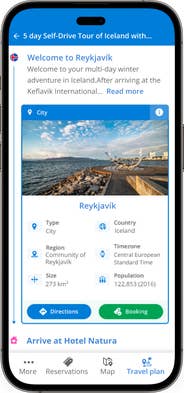
Install Iceland’s biggest travel app
Download Iceland’s biggest travel marketplace to your phone to manage your entire trip in one place
Scan this QR code with your phone camera and press the link that appears to add Iceland’s biggest travel marketplace into your pocket. Enter your phone number or email address to receive an SMS or email with the download link.