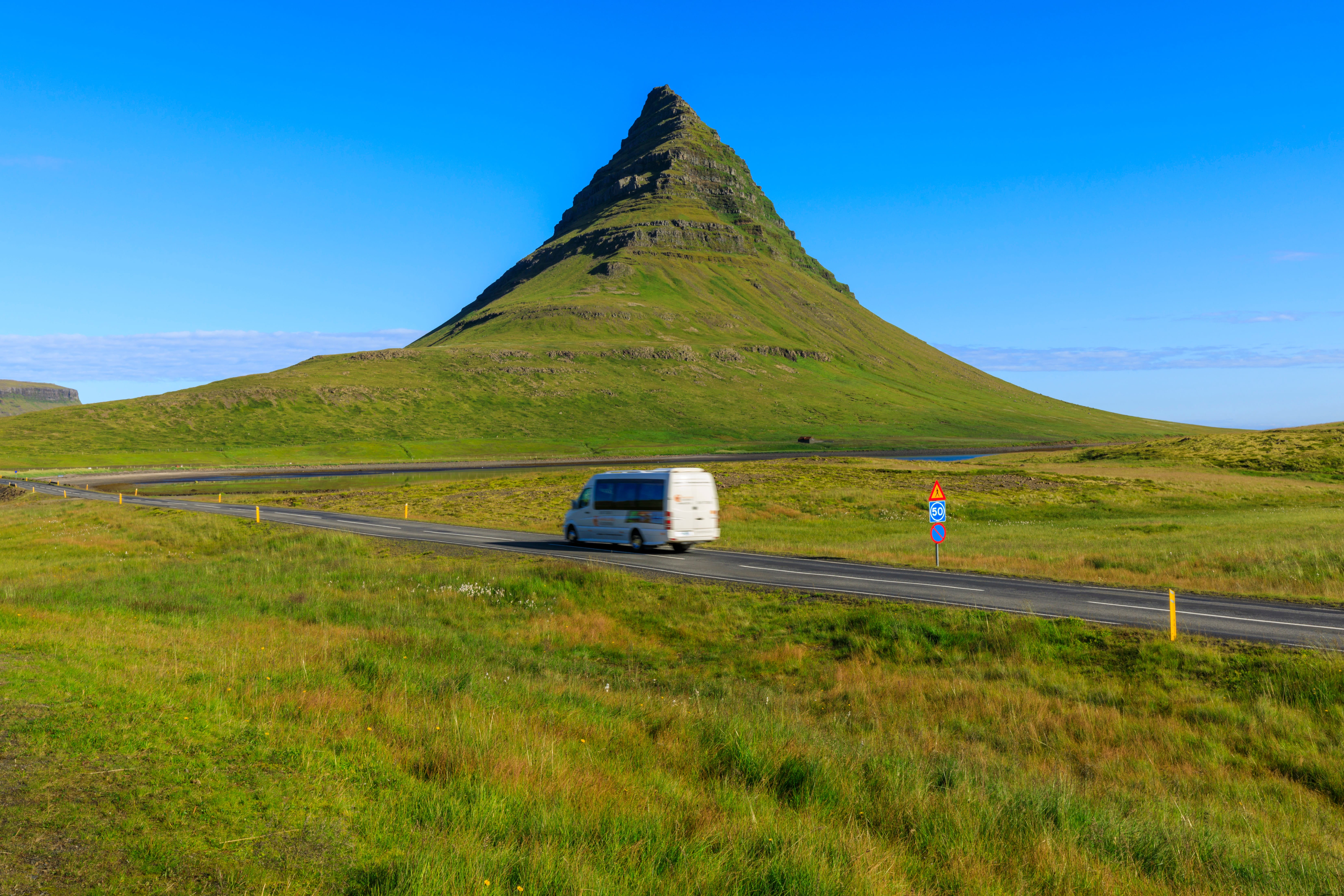
Spring in Iceland runs from March through May, bringing longer daylight hours, fewer crowds than peak summer, and lower prices on car rentals and accommodations. Spring self-drive tours offer the best way to experience this season, with popular routes including the full Ring Road, the South Coast and Golden Circle, and the Snaefellsnes Peninsula.
Iceland’s landscape is in transition throughout these months. Snow still caps the mountains while valleys below are turning green. Puffins begin returning to the South Coast cliffs as waterfalls swell with glacial melt. In March and early April, nights are still dark enough to catch the northern lights.
In this section, you'll find our full selection of spring self-drive tours in Iceland, along with driving tips, route recommendations, and answers to the most common questions about visiting this season.
What’s Included in a Spring Self-Drive Tour
Self-drive packages give you the freedom of an independent road trip without the hassle of planning one. Local experts design each route around spring road conditions and seasonal highlights, with everything you need for a comfortable journey, including:
-
Accommodation: Enjoy handpicked stays in hotels, guesthouses, or countryside lodges near Iceland’s top sights. Spring offers better availability than summer at popular South Coast and Golden Circle locations, especially when booked early.
-
Rental Car: Choose a vehicle that suits your trip, whether it’s an affordable compact car or a 4x4 for exploring more remote locations. A 4x4 is recommended for March and early April, when icy patches and Highland snow are still common, while a 2WD works well on paved routes from mid-spring onward.
-
Custom Itinerary: Get a detailed itinerary featuring Iceland’s most beautiful destinations, always adjusted to your preferences, spring daylight hours, and weather conditions.
-
Optional Activities: Add extra adventures to your trip, such as whale and puffin watching, glacier snowmobiling, hot spring bathing, horseback riding, or northern lights hunting in March and early April.
-
Travel Support: Travel confidently with a dedicated travel agent available 24/7. Spring weather changes quickly, and your agent can help adjust your itinerary and manage bookings if conditions require it.
Best 3- to 5-Day Spring Self-Drive Tours
Shorter spring self-drive tours work well for stopover travelers or those with a limited window. A 3- to 5-day itinerary is ideal for exploring the South Coast, Golden Circle, and West Iceland, where roads are most accessible early in the season.
-
4-Day Northern Lights Self-Drive Tour of the Golden Circle, Glaciers & Black Sand Beaches: This tour is a compact loop through the Golden Circle and South Coast, covering 6 destinations and over 15 attractions. It’s available through April, when evening dark skies still give you a chance to spot the northern lights.
-
5-Day Northern Lights Self-Drive Tour with the Golden Circle & Jokulsarlon Glacier Lagoon: This route extends past the South Coast all the way to Jokulsarlon Glacier Lagoon and Vatnajokull National Park, covering 5 destinations and 20 attractions. It’s available through April, with ice caving as an optional add-on.
-
5-Day Self-Drive Tour of South Iceland With the Golden Circle and Blue Lagoon: Available from May onward, this tour covers over 5 destinations and 20 attractions. Longer daylight and warmer late-spring conditions make the Blue Lagoon and outdoor stops along the South Coast especially enjoyable.
-
3-Day Budget Self-Drive Tour of Iceland with Hot Springs & the Golden Circle: Available throughout spring, this short and affordable self-drive package covers 4 destinations and over 10 attractions across the Golden Circle and Reykjanes Peninsula. Each day ends at a geothermal pool or hot spring.
-
4-Day Self-Drive Road Trip of South Iceland to Vik: A straightforward Reykjavik-to-Vik route on well-maintained roads, this itinerary covers 8 destinations and over 15 attractions. It’s available year-round, with optional glacier hiking, ice cave visits, or a black sand beach buggy ride along the way.
Best 6- to 9-Day Spring Self‑Drive Tours in Iceland
For travelers with about a week, these spring self-drive tours balance Iceland's top sights with comfortable daily driving distances. A 6- to 8-day itinerary gives you enough time for a full Ring Road loop or a more relaxed exploration of the South Coast, Golden Circle, and Snaefellsnes Peninsula.
Best 10-Day to 2-Week Spring Self-Drive Tours in Iceland
If you have 10 days or more, these spring self-drive tours let you explore Iceland in depth at a comfortable pace. The selection below includes self-drive tours with northern lights opportunities for early spring travelers and extended routes for those visiting from May onward.
Best Activities To Add to a Spring Self-Drive Tour in Iceland
Make your spring trip even more special by adding guided activities that fit easily into a self-drive itinerary. You can add or request these when booking your self-drive tour or plan them into free days along the route.
-
Northern Lights Tours: March and early April still offer dark enough nights for aurora viewing in Iceland. Self-drive travelers can chase clear skies by driving away from cloud cover and stopping at remote pulloffs along the South Coast or near Lake Myvatn. By mid-April, increasing daylight makes sightings rare, so this is mainly an early spring highlight.
-
Whale & Puffin Watching Tours: Puffins typically arrive in late April and are reliably spotted from May onward, while humpback and minke whale sightings become more common as many return to Icelandic waters throughout spring. Tours depart from Reykjavik and Husavik, where calmer spring seas and smaller group sizes improve viewing conditions.
-
Jokulsarlon Glacier Lagoon Tours: Increasing daylight brings out vivid blue and white tones in the icebergs at Jokulsarlon Glacier Lagoon. Guided tours let you experience this ever-changing landscape up close, often paired with time at nearby Diamond Beach on the South Coast.
-
Hot Spring Tours: Soaking in geothermal water is a welcome break after days of driving, especially in spring. This season brings better availability and a calmer atmosphere at popular geothermal spas such as the Blue Lagoon in Grindavik and Secret Lagoon in Fludir.
-
Snowmobiling Tours: Spring conditions still allow for snowmobiling on Iceland’s glaciers, particularly at higher elevations. These tours offer a fast-paced way to experience icy landscapes and are typically operated from accessible base locations that fit well into self-drive travel plans.
-
Horse Riding Tours: Horse riding is a relaxed way to explore Iceland’s countryside in spring, when trails are quieter, and landscapes begin to green. Tours with Icelandic horses suit all experience levels and are available near Reykjavik and along several popular driving routes.
Spring Driving Conditions in Iceland: March, April, and May
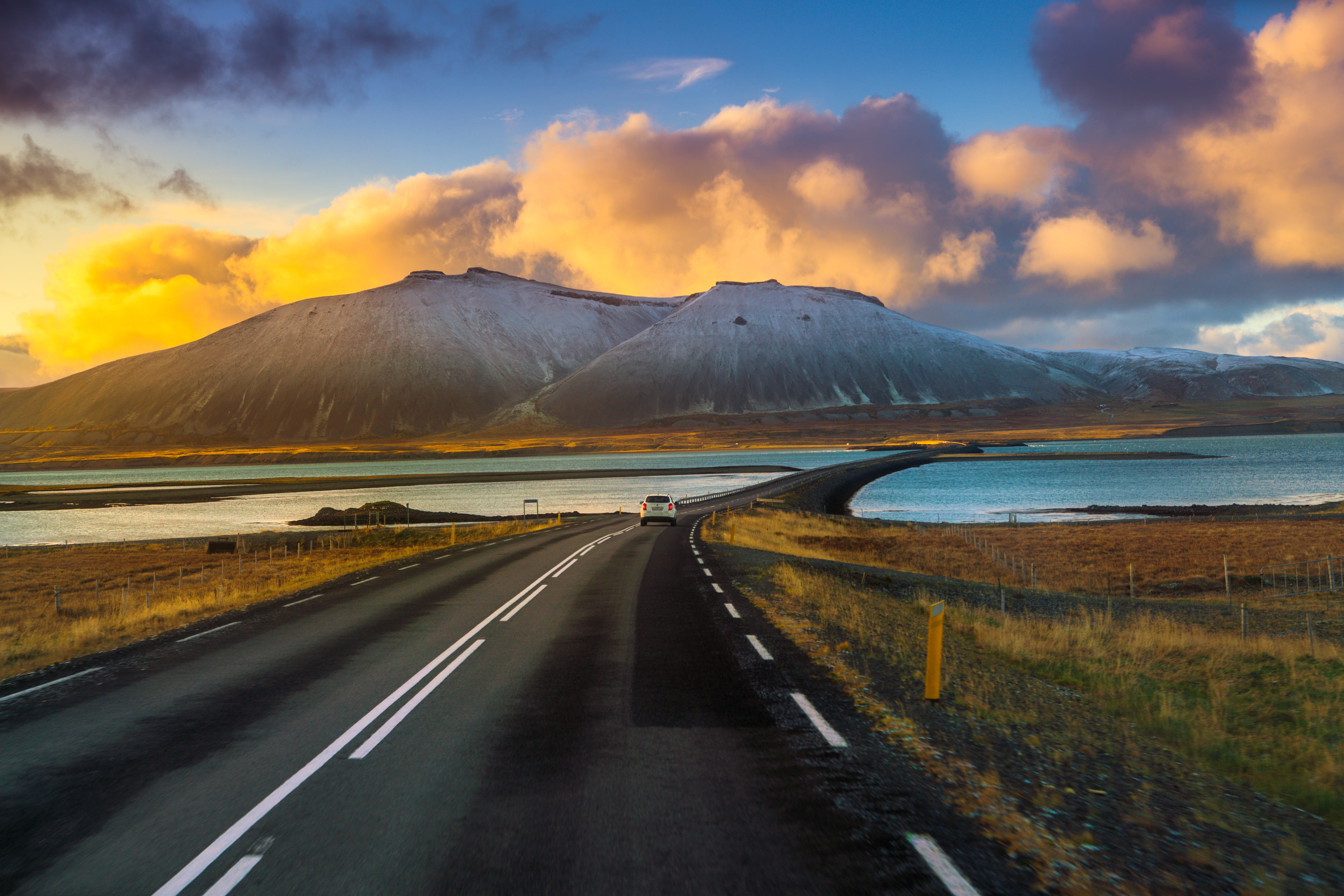
Driving in Iceland during spring is generally manageable on main routes like the Ring Road (Route 1), which is typically clear of heavy snow by mid-April. However, in higher and more remote areas, snow and ice can persist, and some Highland roads (F-roads) remain closed until early summer. Weather conditions can change quickly, so flexibility is essential.
-
Driving in Iceland in March often requires a winter mindset. Snow, ice, and strong winds are common, and sudden weather changes can lead to temporary closures, making a 4x4 a smart choice.
-
Driving conditions in Iceland in April begin to improve, especially at lower elevations as snow melts. However, icy patches and occasional winter storms are still possible, particularly in northern and higher-altitude areas.
-
Driving in Iceland in May is generally easier, thanks to longer daylight hours and milder weather. Most main roads are clear, and despite occasional snow in higher areas, May is one of the best months for a spring self-drive tour.
The increase in daylight hours during spring allows for more time on the road, with scenic drives framed by snowcapped mountains, thawing landscapes, and the possibility of catching the northern lights early in the season. While the conditions improve compared to winter, caution is still needed, especially when venturing outside urban areas.
Before setting out, it's essential to monitor for real-time road conditions and closures and get up-to-date weather forecasts. A 4x4 vehicle is recommended for added safety, and drivers should navigate their routes carefully, fuel up in advance, and stick to marked roads to avoid unexpected delays or hazards.
Book Your Spring Self-Drive Tour in Iceland
Spring offers improving road conditions, fewer crowds, and lower prices than summer, making it one of the most rewarding seasons to explore Iceland by car. With daylight stretching past 20 hours by late May, you can cover more ground at a relaxed pace and stop wherever the landscape catches your eye. Start by choosing a route and duration above, and your itinerary will be ready before you land.
Spring brings changeable weather, so flexibility helps. A Reykjavik hotel makes a reliable anchor. Pick a spring self-drive above.